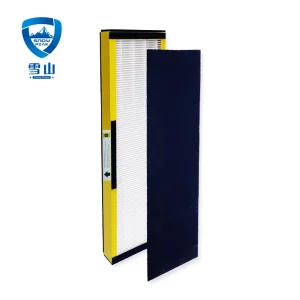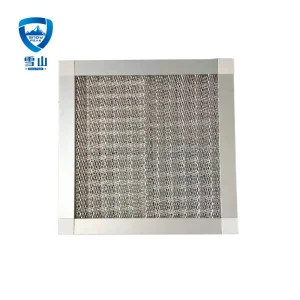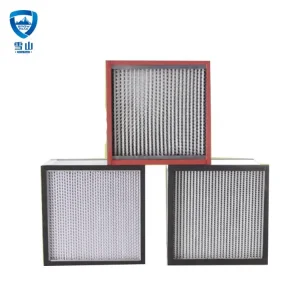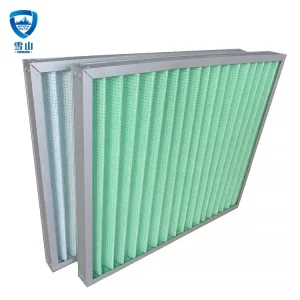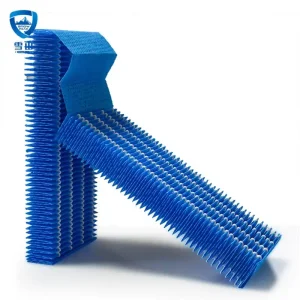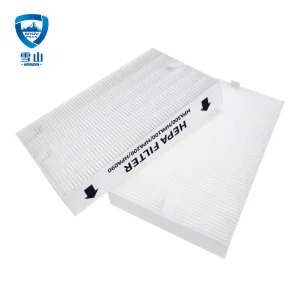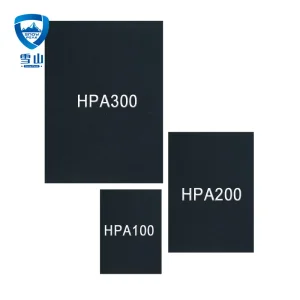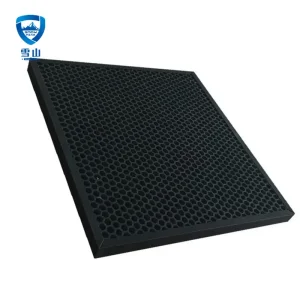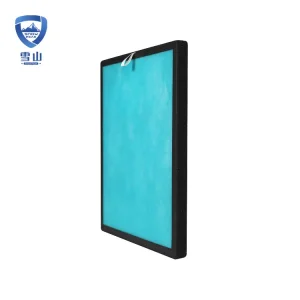
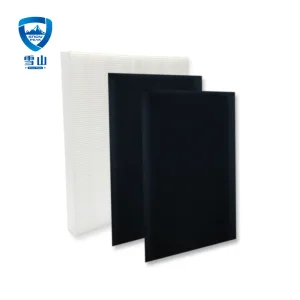
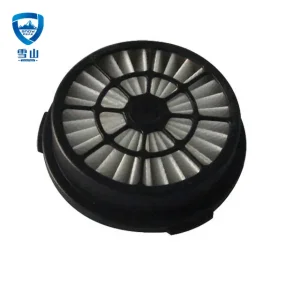
Shenzhen Snow Peak Clean Technology Co., Ltd. is an integrated high-tech enterprise, specialized in air filtration products research and development, production, sales, import and export trade. We produce and supply: Pre-filter, pocket filter, HEPA filter, chemical filter; replacement HEPA filter, car cabin air filter, humidifier filter; pocket filter media, melt-blown composite filter media, and other high-performance filter materials; provide high quality air purification solutions and products for indoor air pollution control and air conditioning systems of civil and industrial buildings, microelectronics, pharmaceutical, laboratory, school, hospital clean room etc.
Combined with self-developed patented technology, our sterilizing antiviral HEPA filter can effectively filtrate fine particles, so that PM2.5 concentration down to 10 micrograms/m3, 5 times better than national standard; effectively inhibit the breeding of microorganisms, sterilization rate up to 99.9%, and no secondary pollution, removal of H1N1 virus efficiency as high as 99.99%.
In the era of advanced micro-manufacturing, biotechnology, and rigorous public health standards, the demand for certified air filtration components has escalated from a utility requirement to a key strategic asset. System integration engineers and global procurement directors look to factory compliance, such as CE certification, as a baseline indicator of reliability, electrical safety, and performance constancy. This whitepaper analyzes the engineering systems, manufacturing protocols, and compliance benchmarks that define modern air filtration manufacturing at scale, specifically detailing replacement pathways for major clean air lines including Partu Fresh Air units, Honeywell systems, and high-performance cleanroom HVAC systems.
We provide objective laboratory metrics, comparison profiles, and testing methodologies to assist supply chain managers in evaluating structural filter integrity.
Backed by 15 years of international air purification engineering experience, our documentation aligns with European Standards (EN 1822) and ISO certifications.
Addressing core technical questions from global developers, plant operators, and environmental health officers (EHOs) regarding airflow design.
The macroeconomic trajectory of cleanrooms and indoor air purification is shaped by industrial shifts in the microelectronics sector and updated HVAC compliance mandates in developed regions. From North American commercial buildings adapting to ASHRAE 62.1 standards to European factories operating under the Ecodesign Directive, industrial air filtration has transitioned from simple dust control to an active process variable.
This shift is driven by the expansion of Semiconductor Fabrication Plants (Fabs), advanced biopharmaceutical labs, and high-frequency data center facilities. In these environments, airborne molecular contamination (AMC) and ultra-fine particulates jeopardize silicon wafer yields and pharmaceutical sterility. The demand for replacement filters for residential systems (such as the Partu air purifier series) and commercial air handling units (AHUs) has driven factories to optimize their production capacities. Shenzhen Snow Peak Clean Technology Co., Ltd. meets this demand through automated production lines that keep pace with changing international compliance regulations.
The CE Mark on clean air apparatuses and replacement HEPA filters indicates conformity with European Union health, safety, and environmental protection standards. For global B2B procurement managers, sourcing from a CE-certified factory mitigates regulatory bottlenecks at custom checkpoints and reduces liability risks in municipal cleanroom operations.
To achieve CE compliance, filters and active air purification systems undergo rigorous evaluation across multiple directives:
Furthermore, modern industrial standards demand conformity with EN 1822-1:2019 (High efficiency air filters - HEPA and ULPA), which details the testing of filtration efficiency at the Most Penetrating Particle Size (MPPS). Our factory processes test filter batches using automated aerosol generators and particle counters, verifying that H13 and H14 level units achieve their stated 99.97% and 99.995% efficiency thresholds before shipping.
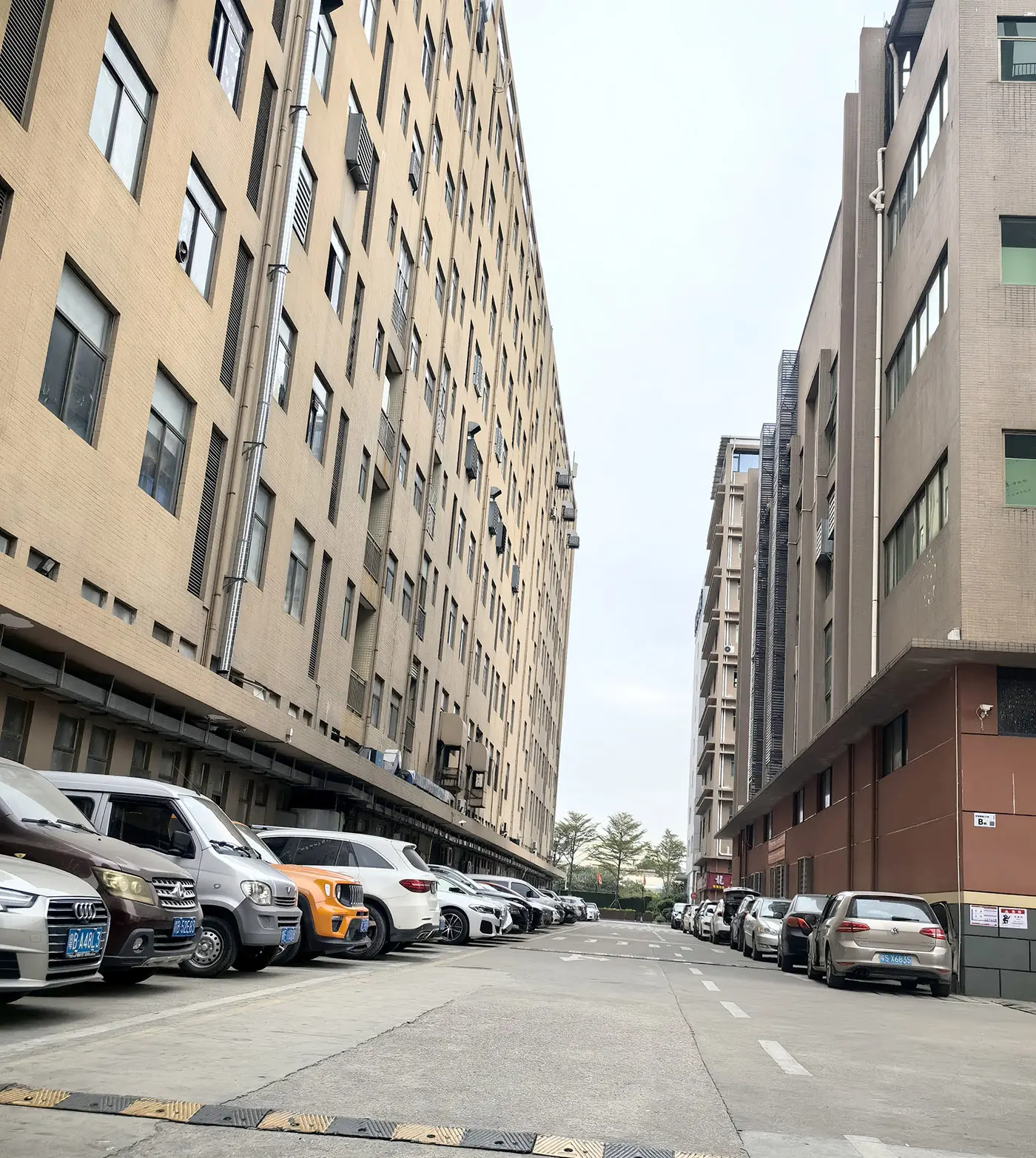
Our manufacturing facility features a standardized production workshop, a dust-free filter assembly workshop, and advanced HEPA filter production and inspection lines. Supported by an independent research and development team, we operate a fully automated air filter production line utilizing AMADA CNC punch and CNC bending machinery alongside other precision tools to maintain consistent physical and structural quality.
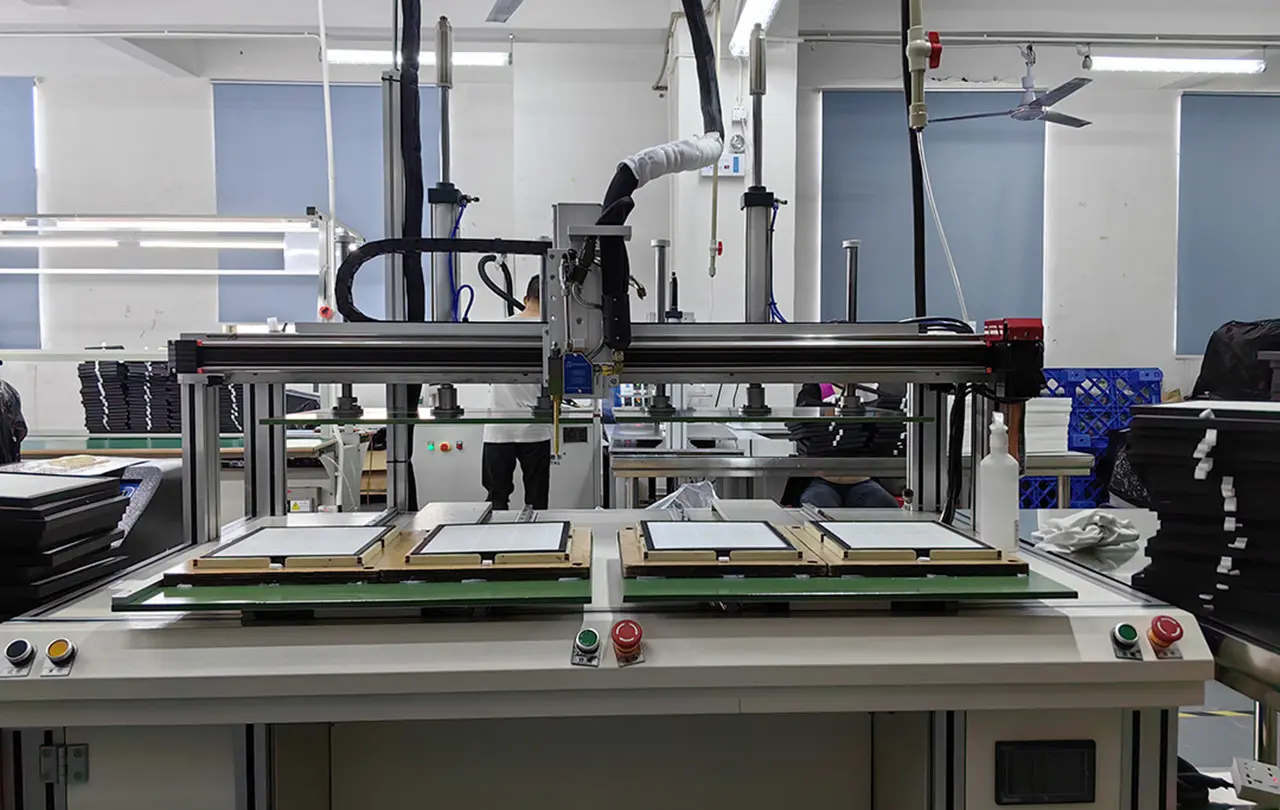
Automated frame seal bonding to prevent air bypass in high-velocity ventilation systems.
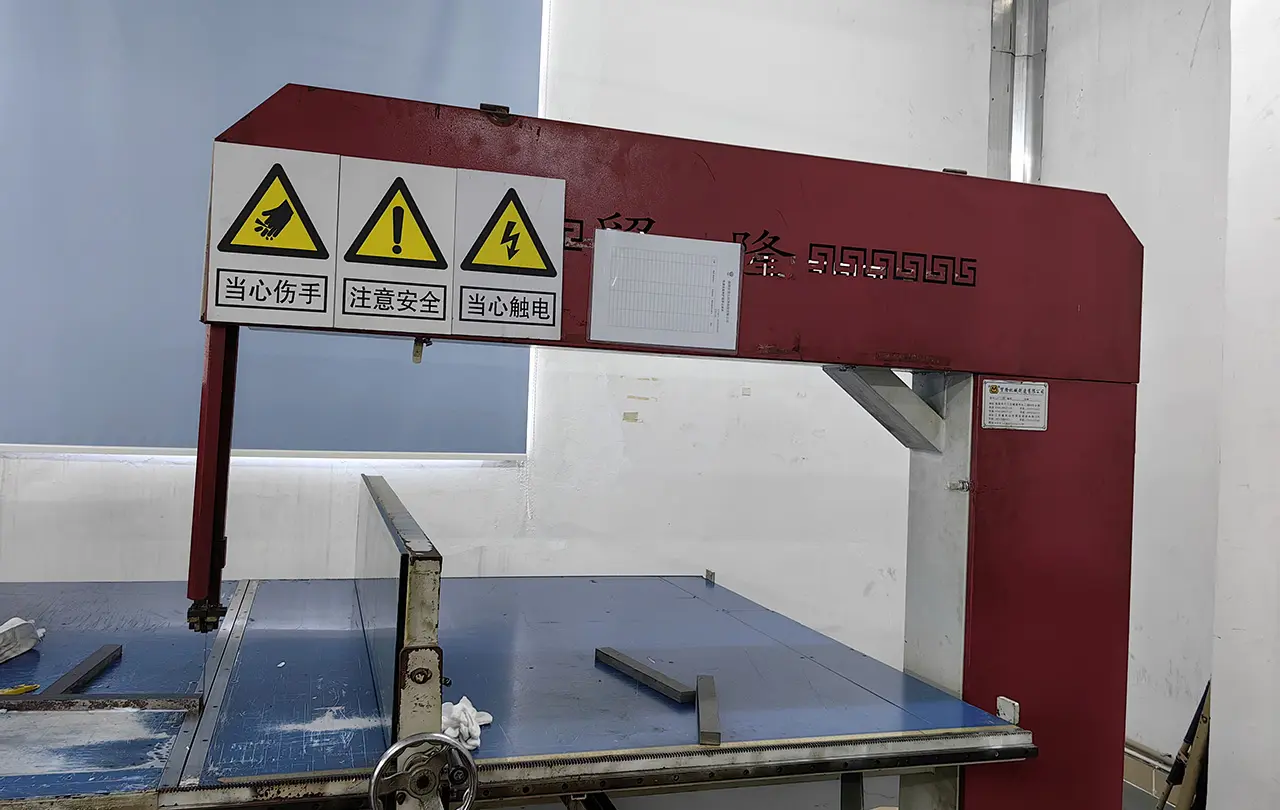
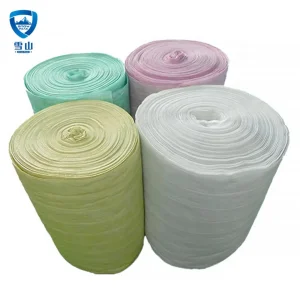
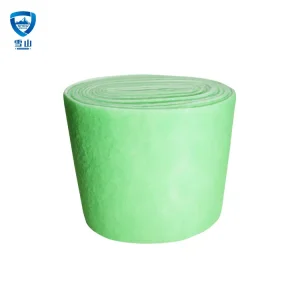
Precision cutting of melt-blown and fiberglass media to match exact OEM dimensions.
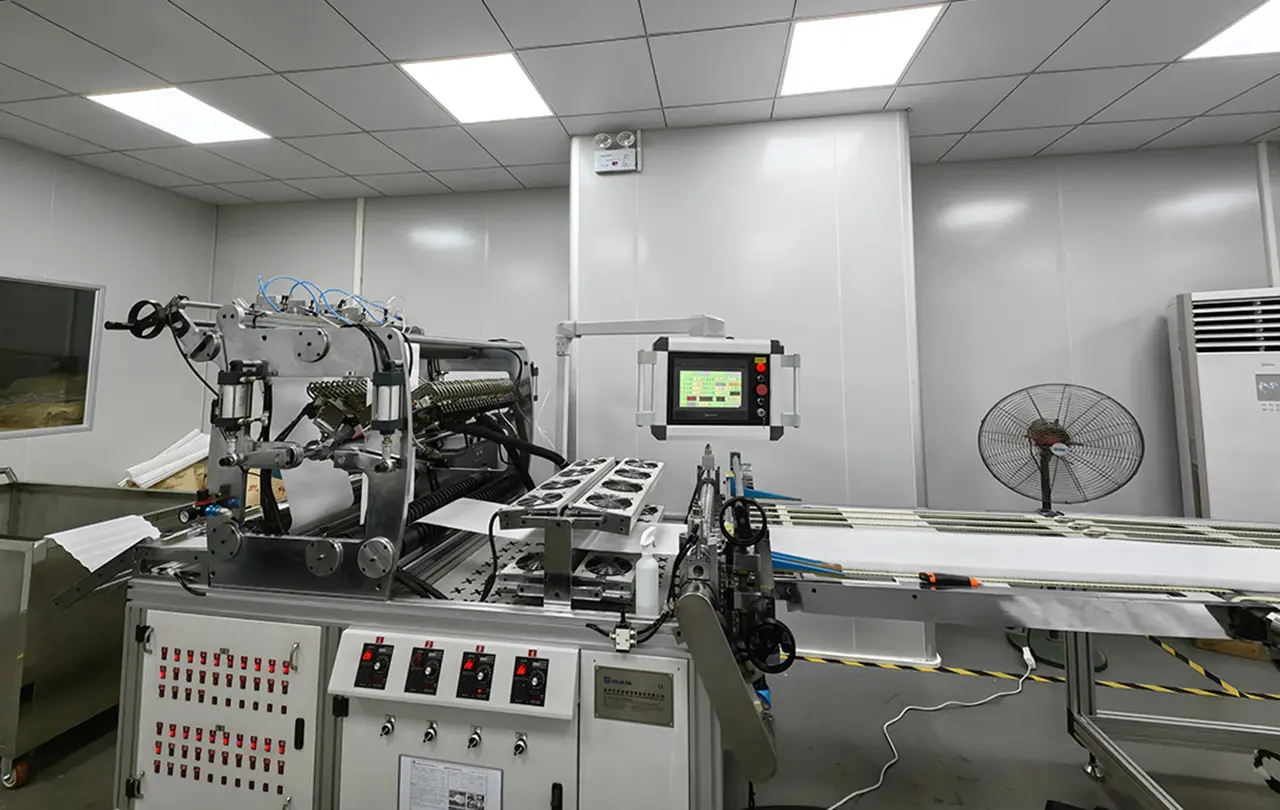
Uniform adhesive application ensures structural integrity under continuous pressure drops.
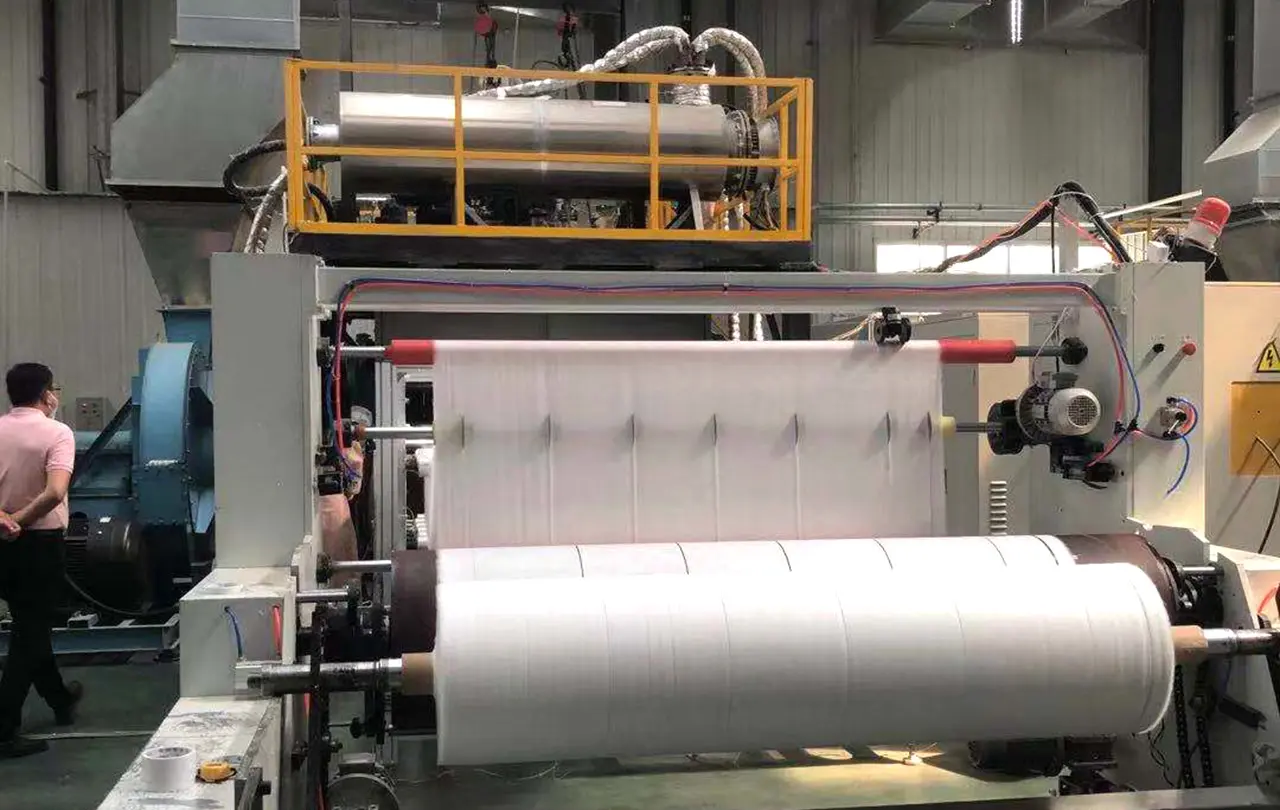
Multi-layered media configuration combining electrostatic pre-filtration with sub-micron capture layers.
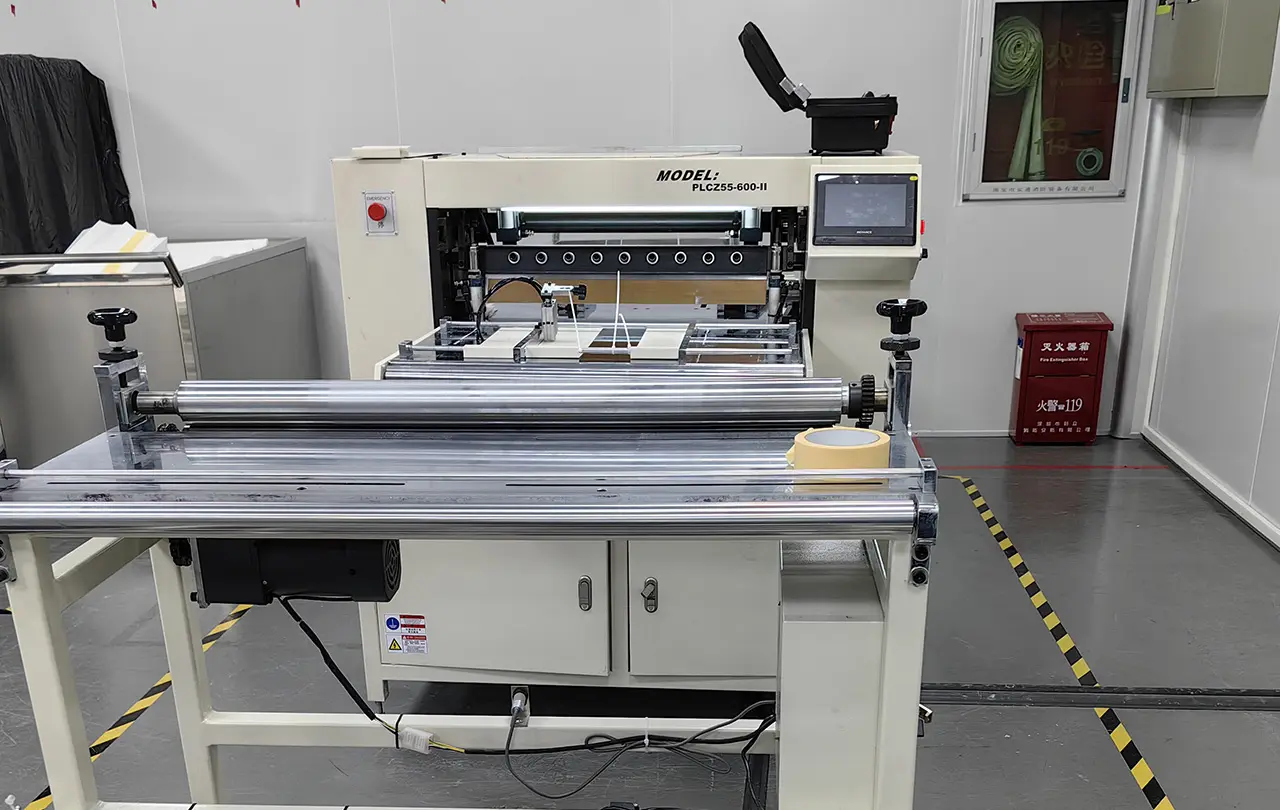
Precision pleat folding to maximize effective surface area and minimize initial resistance.
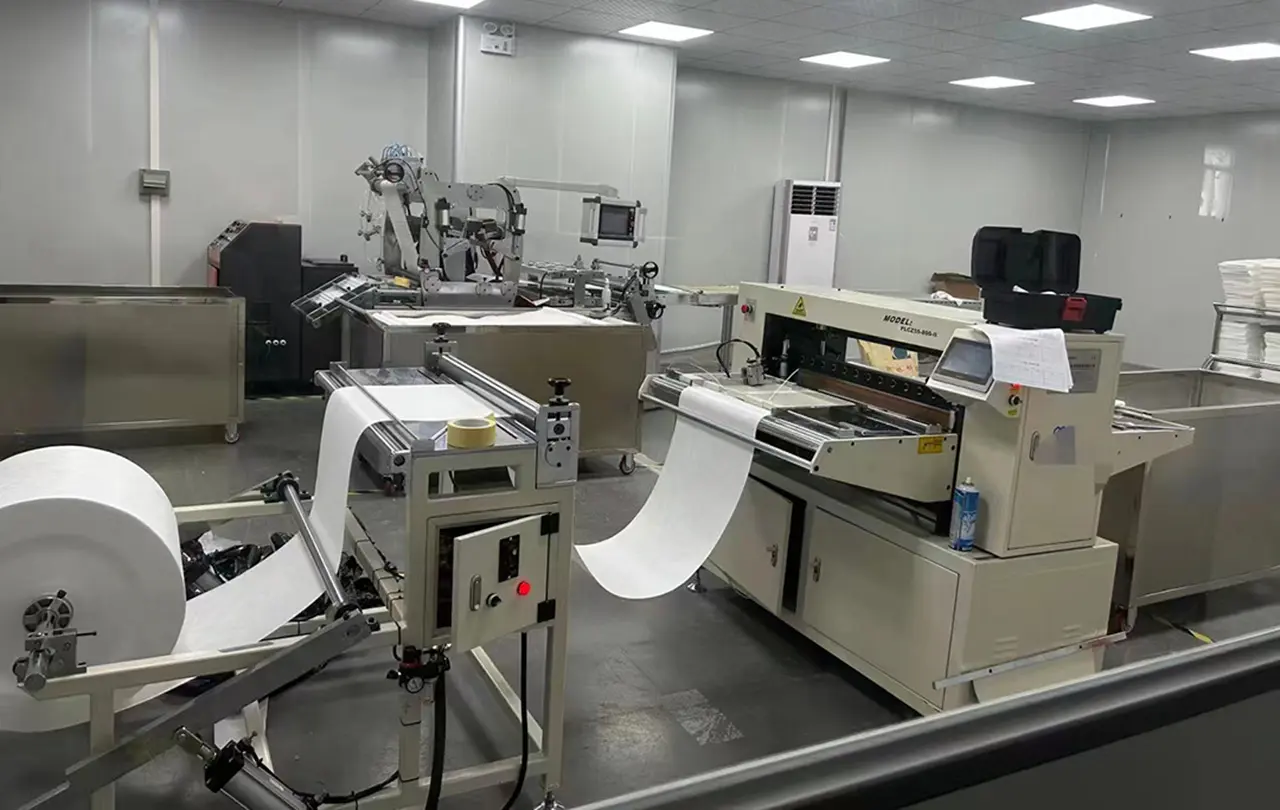
Hot-melt separator lines ensure consistent pleat spacing for laminar airflow distribution.
As the air purification landscape demands lower energy consumption and higher efficiency, our technical roadmap focuses on three areas:
Enterprise-scale purchasers, such as medical systems, semiconductor foundries, and cleanroom developers, evaluate their supply chains on four main criteria:
Fabs and custom air systems require dimensional tolerances within ±1mm. Our CNC processes ensure consistent frame dimensions for cleanroom ceiling grids.
Under CE and ISO standards, factories must trace roll media back to its raw material source, verifying fire resistance ratings and safety properties.
Equipped with fully automated production lines, our facility maintains a reliable daily output, stabilizing supply chains for major replacement filter networks.
Industrial compliance goes beyond the initial factory audit. Operating in international markets like Western Europe and North America requires continuous adherence to regional environmental standards:
CE compliance requires validation using standards like EN 1822 for particulate filtration efficiency and EN 60335-2-65 for active electrical appliances. Filtration media is evaluated using DEHS (Di-Ethyl-Hexyl-Sebacate) or oil aerosols to verify the fractional collection efficiency curve at the MPPS, ensuring it operates safely and effectively under nominal airflow rates.
We use integrated AMADA CNC punch and bending equipment for precise metal frame fabrication. Automated gluing and folding machines maintain consistent pleat spacing, which is critical for preserving laminar airflow and ensuring uniform pressure distribution across the filter face.
Standard HEPA filters trap microorganisms, but without treatment, those organisms can accumulate on the filter surface. Our patented sanitizing antiviral HEPA filter inhibits microbial growth on the media itself, achieving a 99.9% sterilization rate and 99.99% H1N1 virus removal efficiency without releasing secondary chemical pollutants.
CE compliance is backed by a Declaration of Conformity (DoC) and test reports issued by ISO/IEC 17025 accredited laboratories. We supply these documents, detailing EMC, LVD, and EN 1822 test results, to prospective clients and compliance officials for verification.
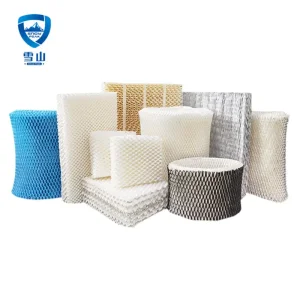
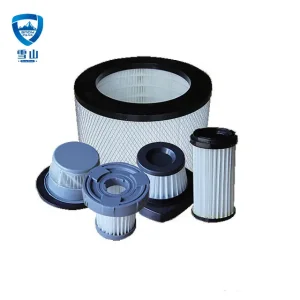
Yes, our design team produces custom cylindrical and panel-based filters that match the dimensional and airflow specifications of major brands like Partu, Honeywell, and Coway. These filters are engineered to deliver equivalent particulate capture performance and fit seamlessly into original equipment housings.
 Snow Peak