In modern industrial and cleanroom environments, maintaining air purification efficiency while controlling operational overhead is a critical challenge. The core architecture of cleanrooms, high-performance HVAC systems, and microelectronics manufacturing facilities relies on multi-stage filtration. In these systems, pre-filters play a crucial role: they capture larger airborne particulates (typically >10μm, down to PM10 and PM2.5) to protect expensive downstream HEPA (High-Efficiency Particulate Air) and ULPA (Ultra-Low Penetration Air) filters.
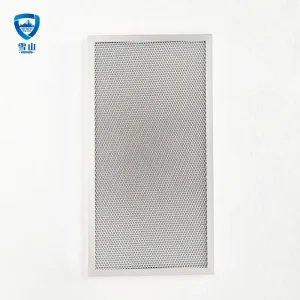
However, pre-filters face rapid particle loading, which leads to increased resistance, reduced airflow, and higher energy consumption. Historically, operators replaced pre-filters once they reached a predetermined pressure drop threshold. This cycle created significant material waste and high ongoing costs. Today, leading manufacturers focus on engineered, cleanable pre-filter configurations, such as metallic mesh, specialized non-wovens, and custom honeycomb lattices. This shift highlights the need for reliable CE Certification Pre Filter Cleaning Exporters who can supply systems that restore filtration media without degrading its physical structural integrity.
Regenerating pre-filters is a complex process. Mechanical or fluid-based cleaning must be executed carefully to prevent structural changes in the media. For example, excessive mechanical stress can alter the pore structure of stainless steel mesh or tear synthetic fibers, which reduces particle retention efficiency. As a result, global procurement officers now seek suppliers that provide not only the raw media, but also validated cleaning systems and protocols. These solutions must comply with international standards, particularly European Union directives, to ensure safety, reliability, and consistent performance.
For global procurement managers, especially within the European Economic Area (EEA), CE marking is not optional—it is a baseline regulatory mandate. A CE certificate indicates that a pre-filter or pre-filter cleaning machine complies with EU safety, health, and environmental protection requirements. For cleaning equipment, this involves navigating several directives:
For the pre-filter media itself, compliance is governed by ISO 16890 (which replaced EN 779). This standard classifies filters based on particulate matter efficiency (ePM1, ePM2.5, and ePM10). Under CE guidelines, manufacturers must prove that washing or pneumatic cleaning cycles do not degrade the filter's rated performance. An uncertified cleaning process might temporarily reduce pressure drop, but it can also create bypass leaks or expand the filter's pores, allowing dust to pass through and damage the downstream HEPA systems.
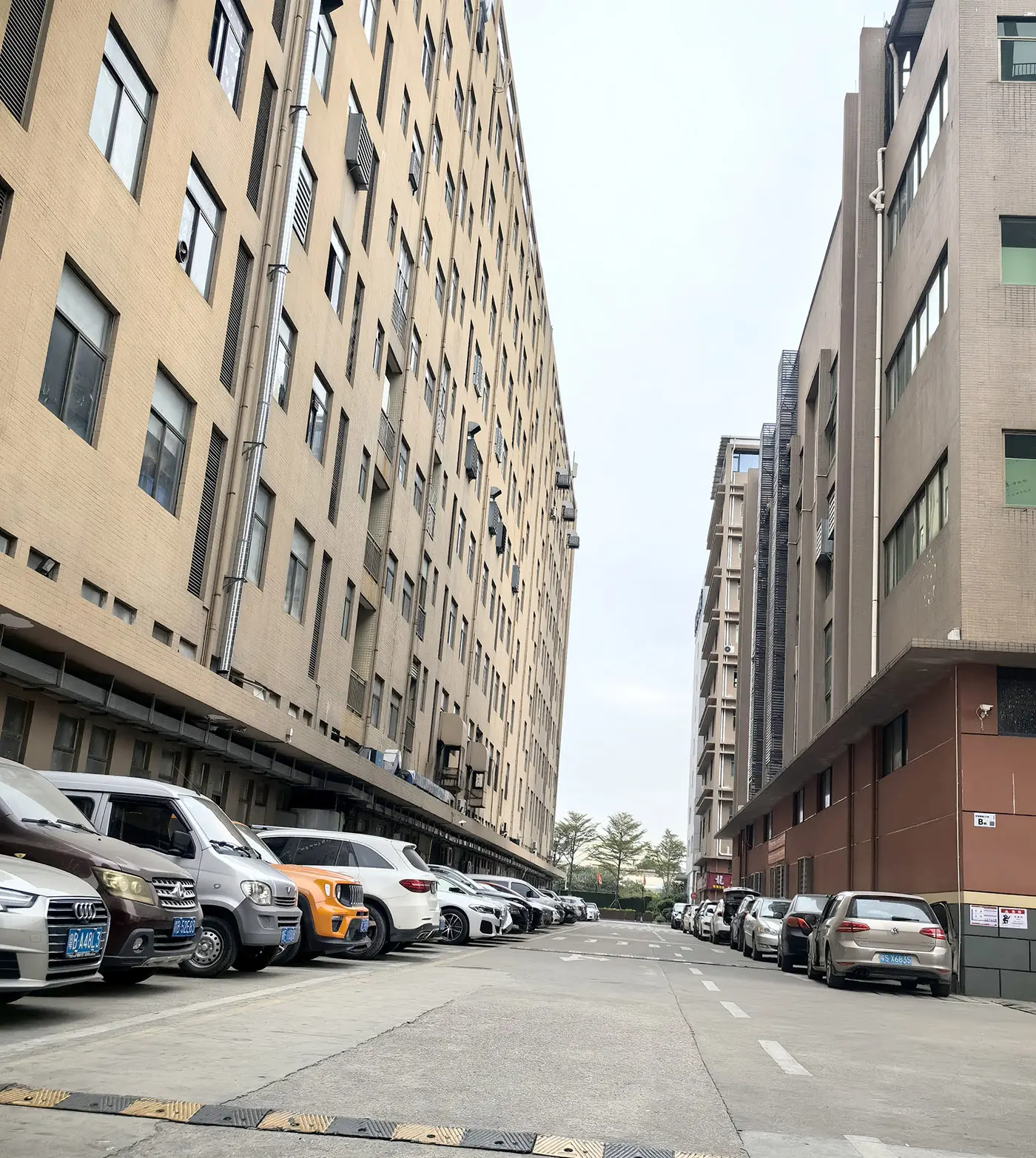
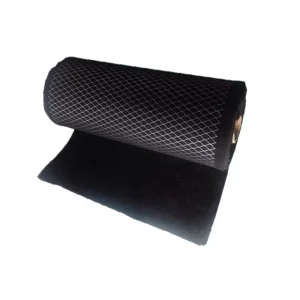
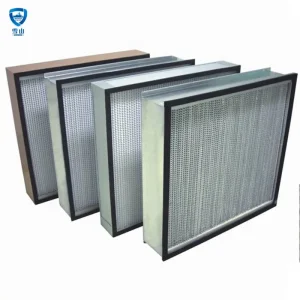
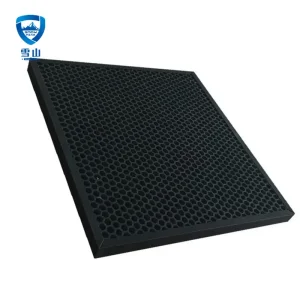
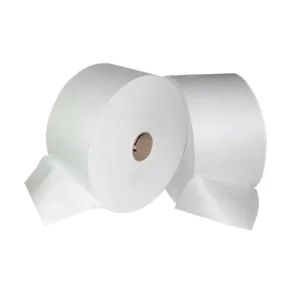
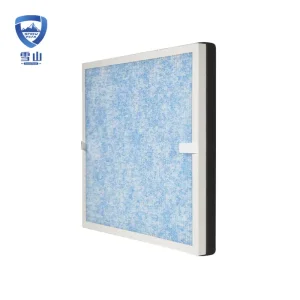
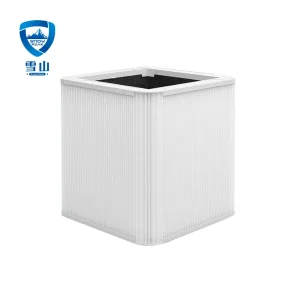
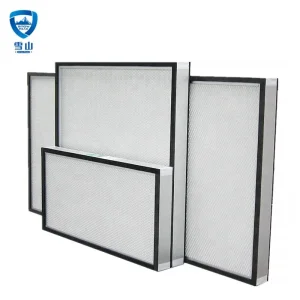
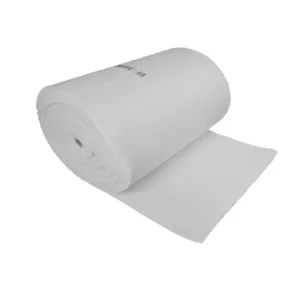
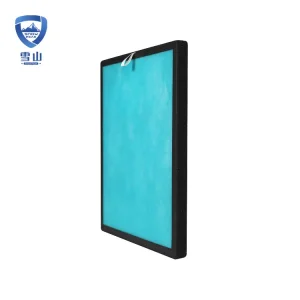
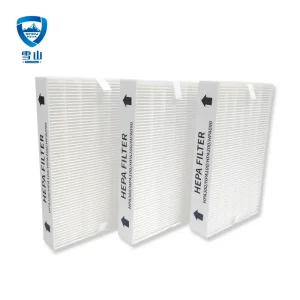
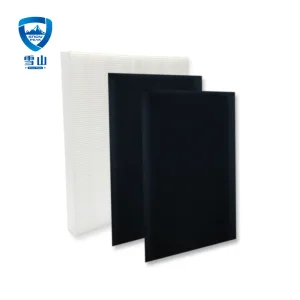
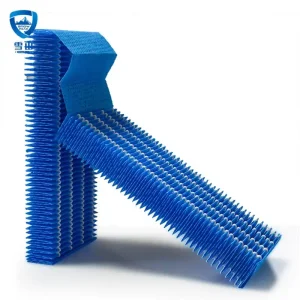
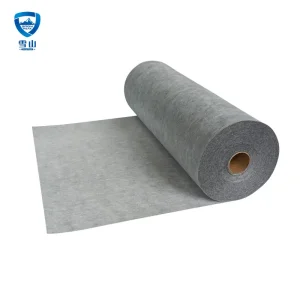
Shenzhen Snow Peak Clean Technology Co., Ltd. is an integrated high-tech enterprise specializing in air filtration products research and development, production, sales, import, and export trade. We produce and supply: Pre-filters, pocket filters, HEPA filters, chemical filters; replacement HEPA filters, car cabin air filters, humidifier filters; pocket filter media, melt-blown composite filter media, and other high-performance filter materials.
We provide high-quality air purification solutions and products for indoor air pollution control and air conditioning systems in civil and industrial buildings, microelectronics, pharmaceuticals, laboratories, schools, hospitals, and clean rooms. Combined with our self-developed patented technology, our sterilizing antiviral HEPA filter can effectively filter fine particles, bringing PM2.5 concentration down to 10 micrograms/m3 (5 times better than the national standard). It effectively inhibits the breeding of microorganisms with a sterilization rate up to 99.9%, creating no secondary pollution, and removes H1N1 virus with an efficiency as high as 99.99%.
We deploy advanced automated machinery, including AMADA CNC punch and bending systems, to ensure precise construction across our entire filter range.
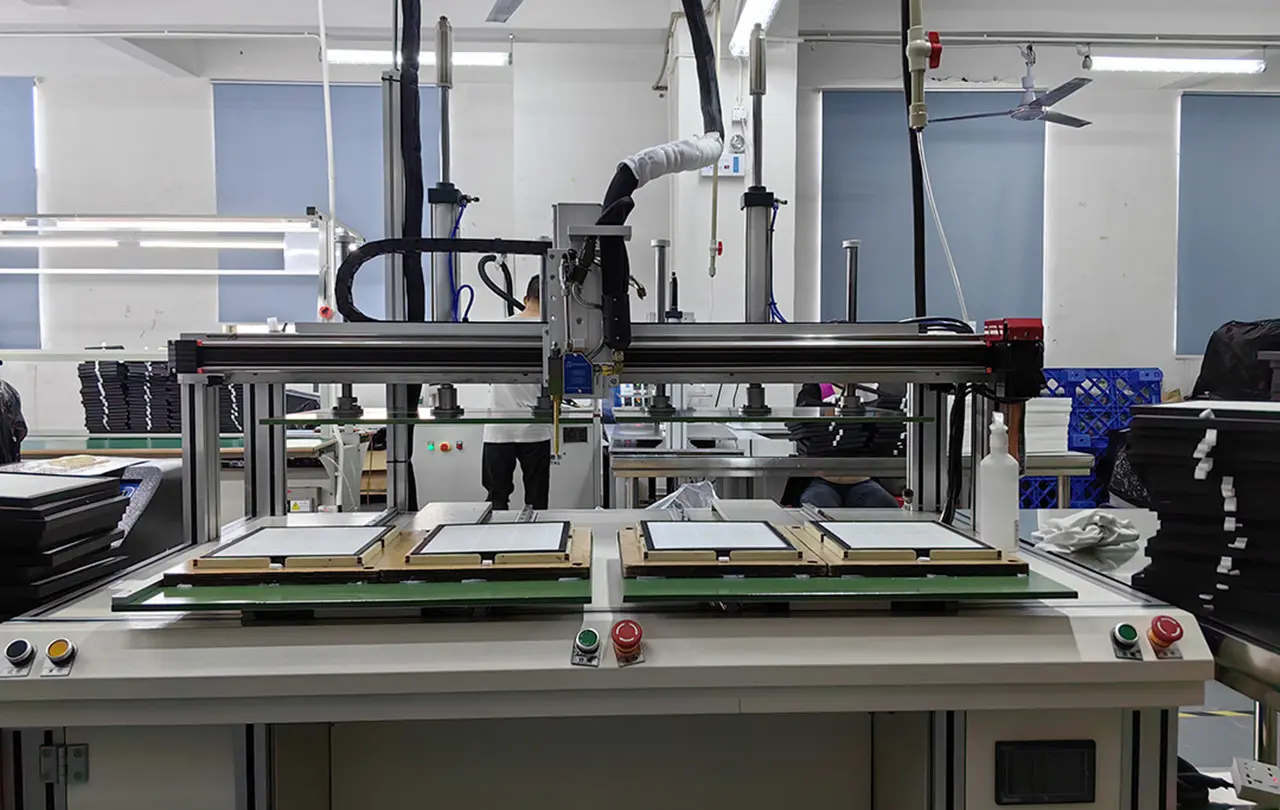
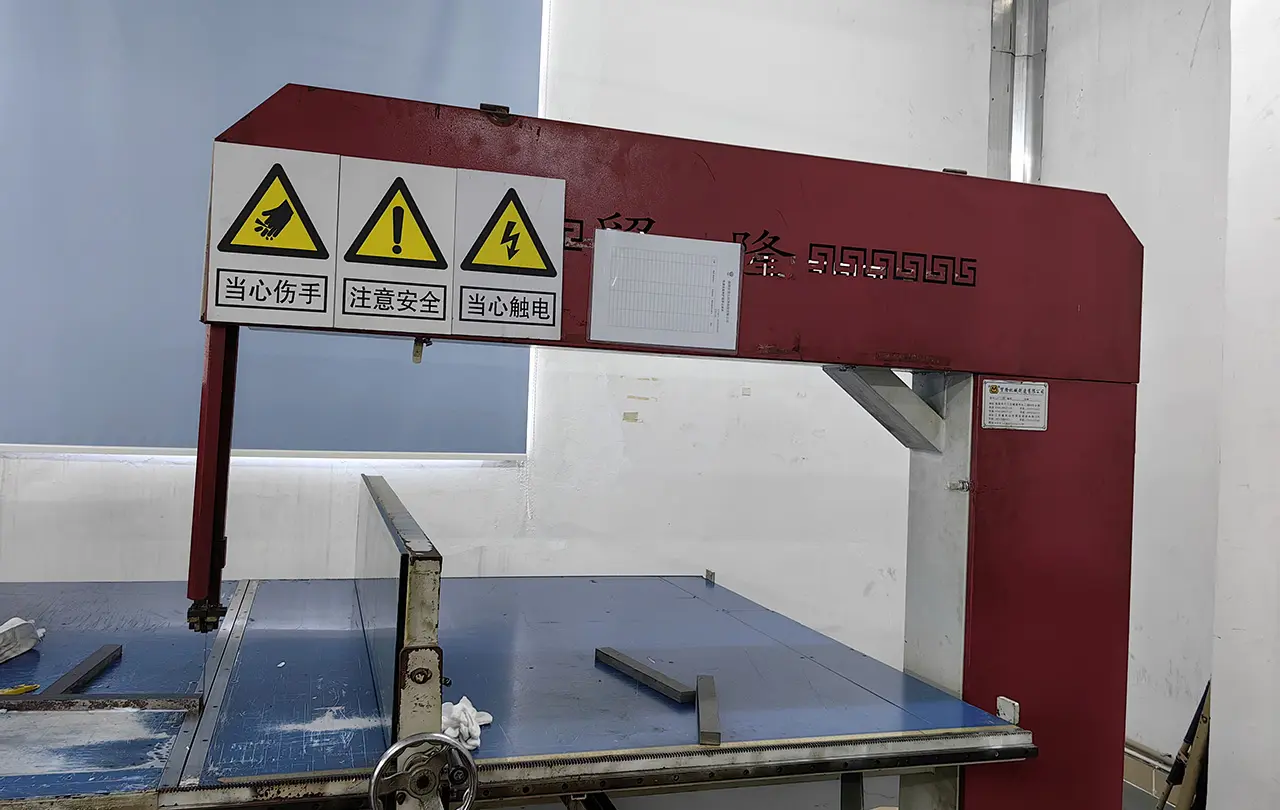
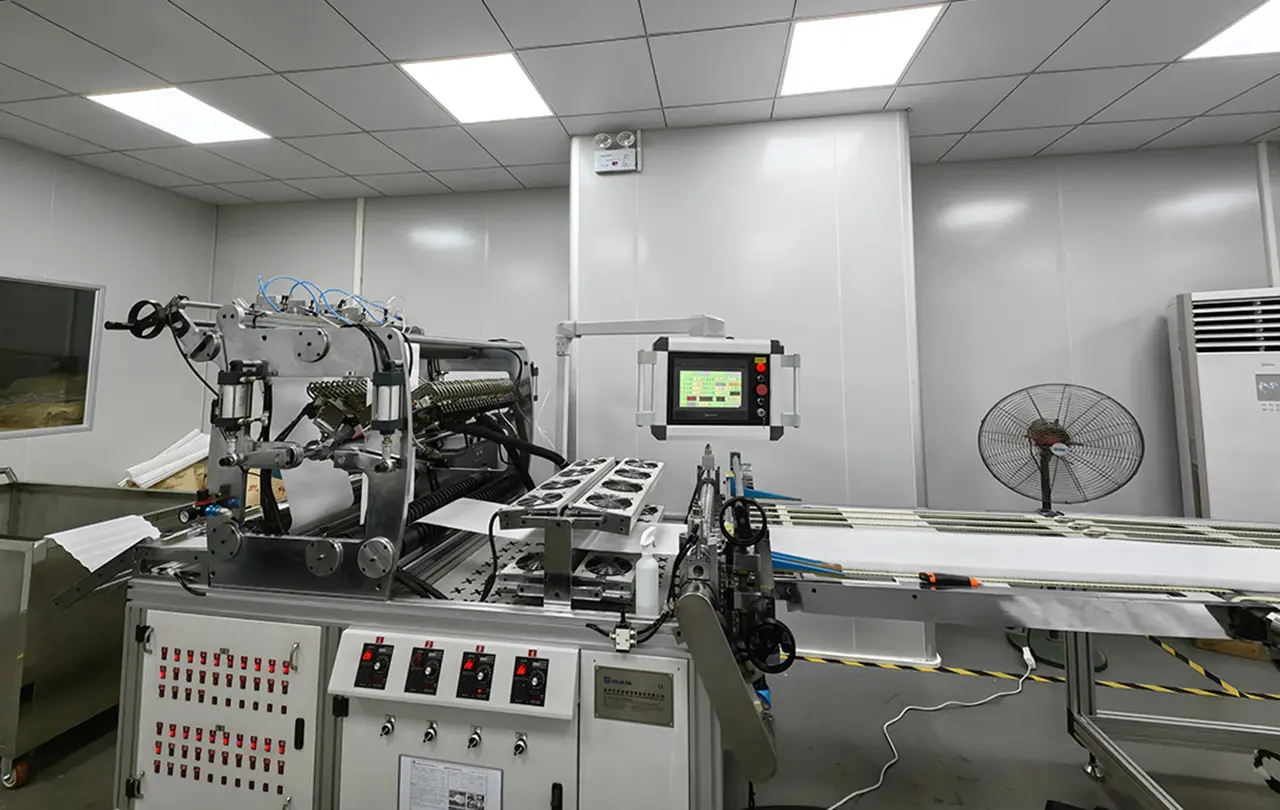
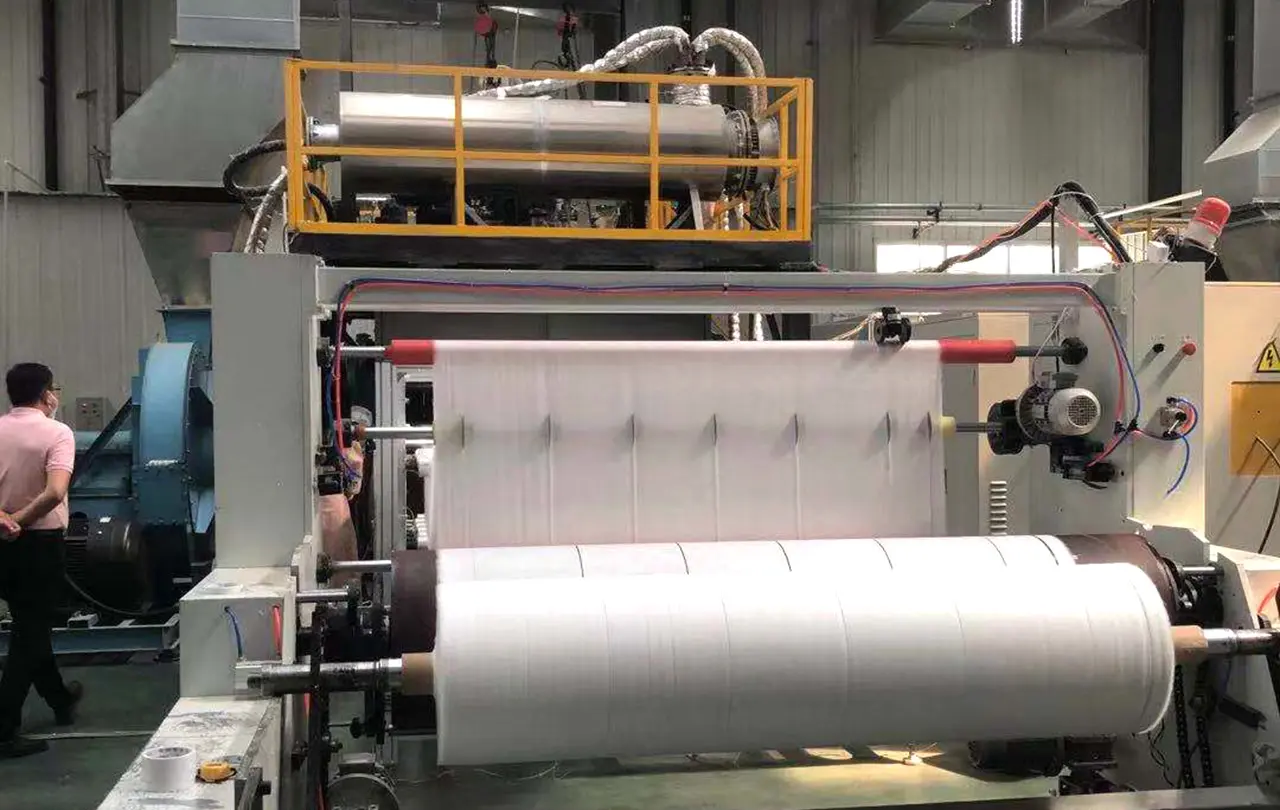
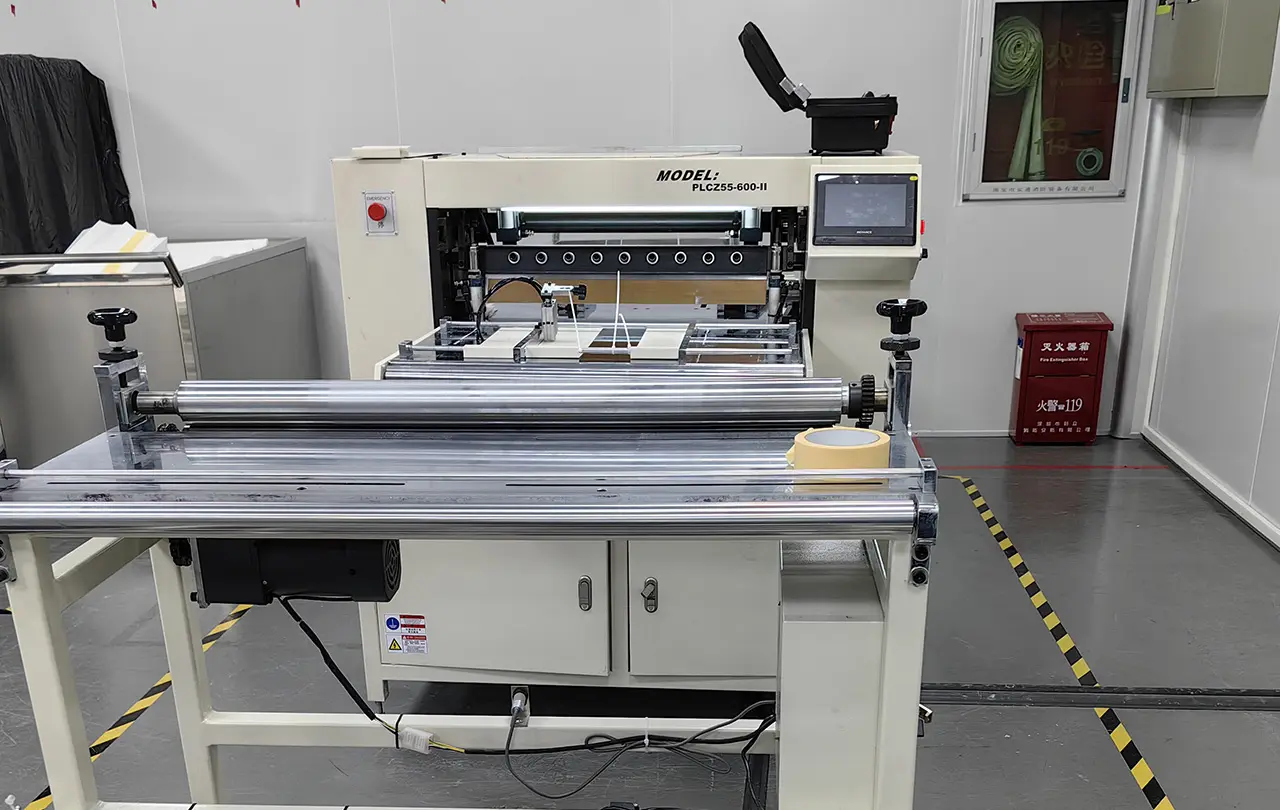
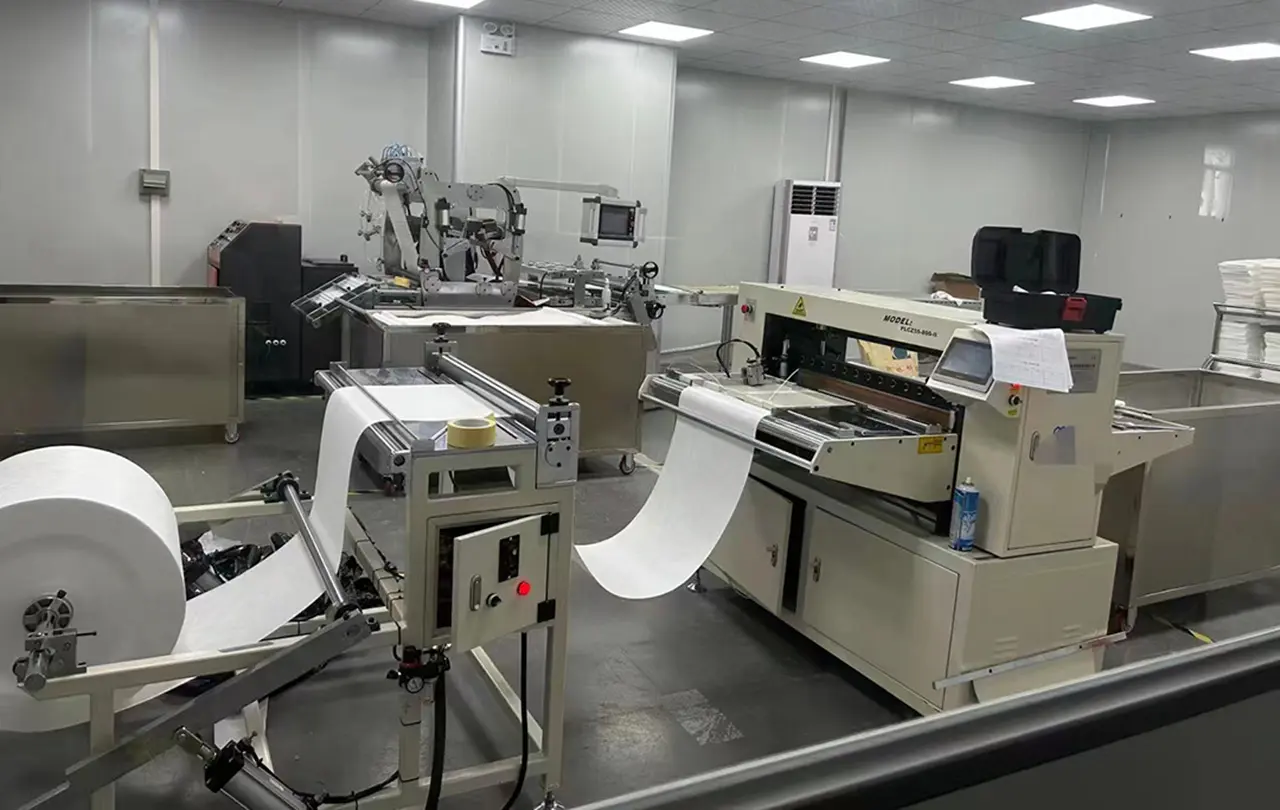
The engineering principles behind pre-filter cleaning are evolving from manual maintenance to automated, closed-loop systems. A comprehensive technology roadmap highlights several key areas of innovation:
Using compressed air is one of the most common methods for cleaning dry particulate pre-filters. Modern designs use computational fluid dynamics (CFD) to optimize nozzles and pulse-jet arrays. Rather than applying a steady stream of air, which can embed dust deeper into the media, advanced systems use micro-pulses of high-velocity air. This creates a localized pressure wave that dislodges particulates from the fiber matrix. The system then captures this dust using a vacuum collection module to keep the workspace clean.
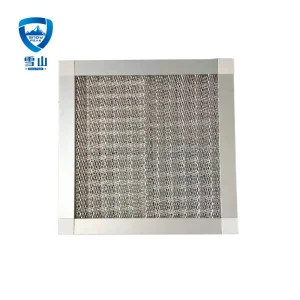
For metallic meshes and synthetic pre-filters used in demanding environments (such as oil mist collection or commercial cooking), dry air is often insufficient. Automated ultrasonic cleaning systems present a reliable solution. These systems submerge the filter in a water-based, eco-friendly surfactant bath and pass high-frequency sound waves through the liquid. This process creates millions of microscopic vacuum bubbles that collapse against the filter fibers. The resulting micro-jets lift oils, sticky dust, and fine carbon deposits without causing mechanical wear to the filter. This method is highly effective for cleaning complex, multi-layered metal mesh pre-filters.
To improve cleanability, pre-filter manufacturers are applying hydrophobic and oleophobic nano-coatings to synthetic and fiberglass media. These coatings lower the surface energy of the fibers, preventing sticky aerosols and moisture from bonding strongly to the filter. As a result, dust slides off more easily during cleaning cycles, reducing the pressure, water volume, and chemistry required for maintenance.
Air filtration needs vary widely across industries. Understanding these distinct requirements is essential for choosing the right filter media and cleaning strategy:
In semiconductor fabrication plants, even sub-micron particles can damage wafers and ruin production runs. These environments require ISO Class 1 to Class 5 cleanrooms, which depend on continuous airflow through HEPA and ULPA ceiling arrays. If pre-filters on make-up air handlers fail or leak, the secondary filters clog quickly, resulting in expensive replacement costs and system downtime. In these settings, pre-filters must maintain a high capture efficiency for PM2.5 and PM10 to keep the cleanroom operating smoothly.
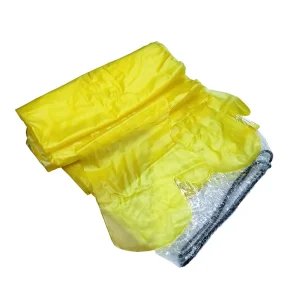
Pharmaceutical packaging, compounding, and sterile labs require strict microbial control. Here, pre-filters protect HEPA stages that capture bacteria, fungal spores, and active pharmaceutical ingredients (APIs). In containment zones, exhaust systems often use Bag-In Bag-Out (BIBO) housings. These systems allow technicians to replace contaminated filters safely within sealed PVC bags, preventing exposure to toxic or biologically active particles.
Commercial office towers, shopping malls, and manufacturing plants focus heavily on energy efficiency. High pressure drop in air handlers leads to high electricity consumption. Using cleanable pre-filters with low initial resistance reduces energy use and supports corporate sustainability goals by minimizing waste sent to landfills.
As international supply chains face ongoing volatility, sourcing from highly automated manufacturers is a key risk-mitigation strategy. Shenzhen Snow Peak Clean Technology Co., Ltd. operates at this intersection, combining technical expertise with scale. Our manufacturing setup is designed for precision and consistent quality:
The structural integrity of a pre-filter or HEPA frame dictates its sealing reliability under variable airflow. Snow Peak utilizes high-end Japanese AMADA CNC punch presses and CNC bending machines. These advanced tools cut and bend aluminum, galvanized steel, and stainless steel sheets with sub-millimeter accuracy. This precision prevents bypass leakage, which occurs when air flows around the filter frame rather than through the media. By maintaining tight tolerances, we ensure a reliable seal in heavy-duty industrial holding frames.
For high-efficiency HEPA and antibacterial filters, the assembly process must be carefully controlled. Snow Peak operates clean assembly areas where filters are sealed, potted with polyurethane elastomeric compounds, and packaged. Our testing laboratory is equipped with aerosol generators and laser particle counters. This equipment allows us to scan filters to verify that each assembly is leak-free and meets EN 1822 and ISO 29463 standards before shipment.
Unlike simple converters who buy ready-made materials, Snow Peak develops composite filtration media in-house. Our capabilities include producing melt-blown polypropylene, combining non-wovens with activated carbon, and applying functional coatings (such as antibacterial and antiviral treatments). This vertical integration ensures consistent quality control and helps us maintain stable lead times for global projects.
Global procurement teams must look beyond the initial purchase price of filter media. A comprehensive evaluation requires examining several operational factors:
While standard pre-filters have low initial costs, they require frequent replacement, leading to high shipping, disposal, and labor expenses over time. Washable metallic mesh filters or cleanable synthetic bags have a higher initial purchase price but can last for years with proper maintenance. Buyers should calculate the total cost of ownership over a 3- to 5-year cycle, factoring in water, energy, and labor costs for cleaning.
Industrial air handling units (AHUs) come in a wide range of configurations. Exporters must be able to customize filter dimensions, media weights, and frame styles. Snow Peak offers flexible OEM and ODM services, producing mini-pleat, deep-pleat, and V-bank filters customized to specific system requirements.
Sourcing teams must verify that suppliers' certificates are valid and issued by accredited third-party labs. A reliable CE certificate should be supported by detailed test reports showing compliance with relevant EN standards. If a supplier cannot provide these documents, it indicates a risk of performance issues or compliance failures during regulatory audits.
Production delays can lead to cleanroom downtime, which is highly expensive. Working with vertically integrated manufacturers who control their raw media production, metal stamping, and assembly helps reduce delivery risks and ensures a stable supply of replacement parts.
Managing an international air filtration program requires dependable technical support. Snow Peak supports its global clients through structured service phases:
Our application engineers review your HVAC specifications, pressure drop targets, and air quality requirements to recommend the optimal media configuration.
We supply complete technical dossiers, including CE declarations of conformity, ISO 16890 test reports, and RoHS/REACH material declarations.
We partner with international freight forwarders to manage shipping by sea, air, and land, offering custom packing to prevent damage during transit.
Answers to technical and regulatory questions commonly asked by global procurement officers and cleanroom engineers.
 Snow Peak