Premium OEM replacement and custom dimension industrial HEPA filters engineered for optimal pressure drop and particulate retention.
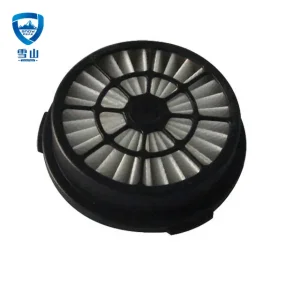
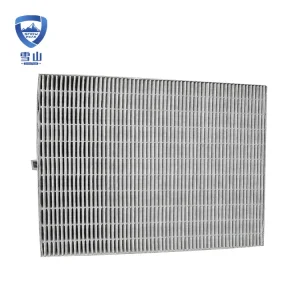
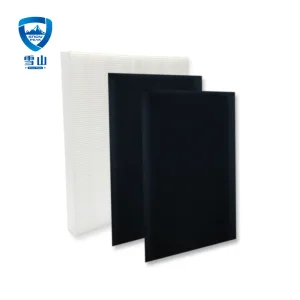
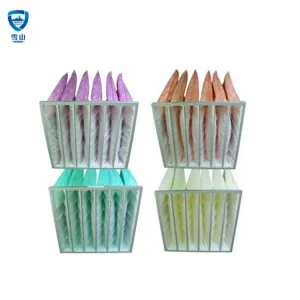
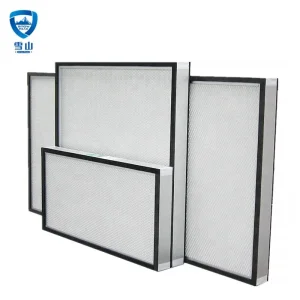
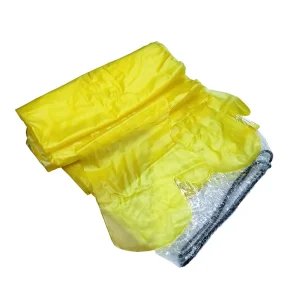
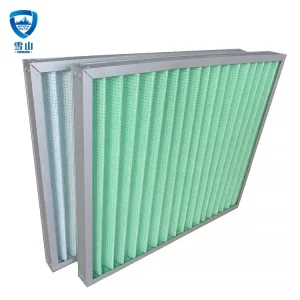
In the domain of critical air filtration, the 20x20 inch (nominal sizing) footprint serves as a foundational baseline across global HVAC systems, industrial containment units, and cleanroom air handling networks. The classification of a 20x20 HEPA air filter extends far beyond basic dimensional parameters; it represents a precise combination of pleat configuration, aerodynamic resistance management, and high-efficiency particulate containment.
Standard industrial cleanrooms and commercial environments optimize these parameters to limit the energy required to force air through dense media. Standard 20x20 HEPA filters (such as H13 and H14 configurations meeting EN1822 and ISO 29463 protocols) typically demand micro-fiberglass or synthetic electret media structures. When configured with a 2-inch or 4-inch deep pleat geometry, the filtering surface area is expanded exponentially, effectively lowering the face velocity and extending the operational lifecycle.
By working with specialized Chinese manufacturers, procurement teams can select exact media formulations tailored to their specific system configurations. This includes options for low-resistance mini-pleat designs for high-velocity HVAC systems, or deep-pleat aluminum separator styles designed to handle turbulent airflows without mechanical failure.
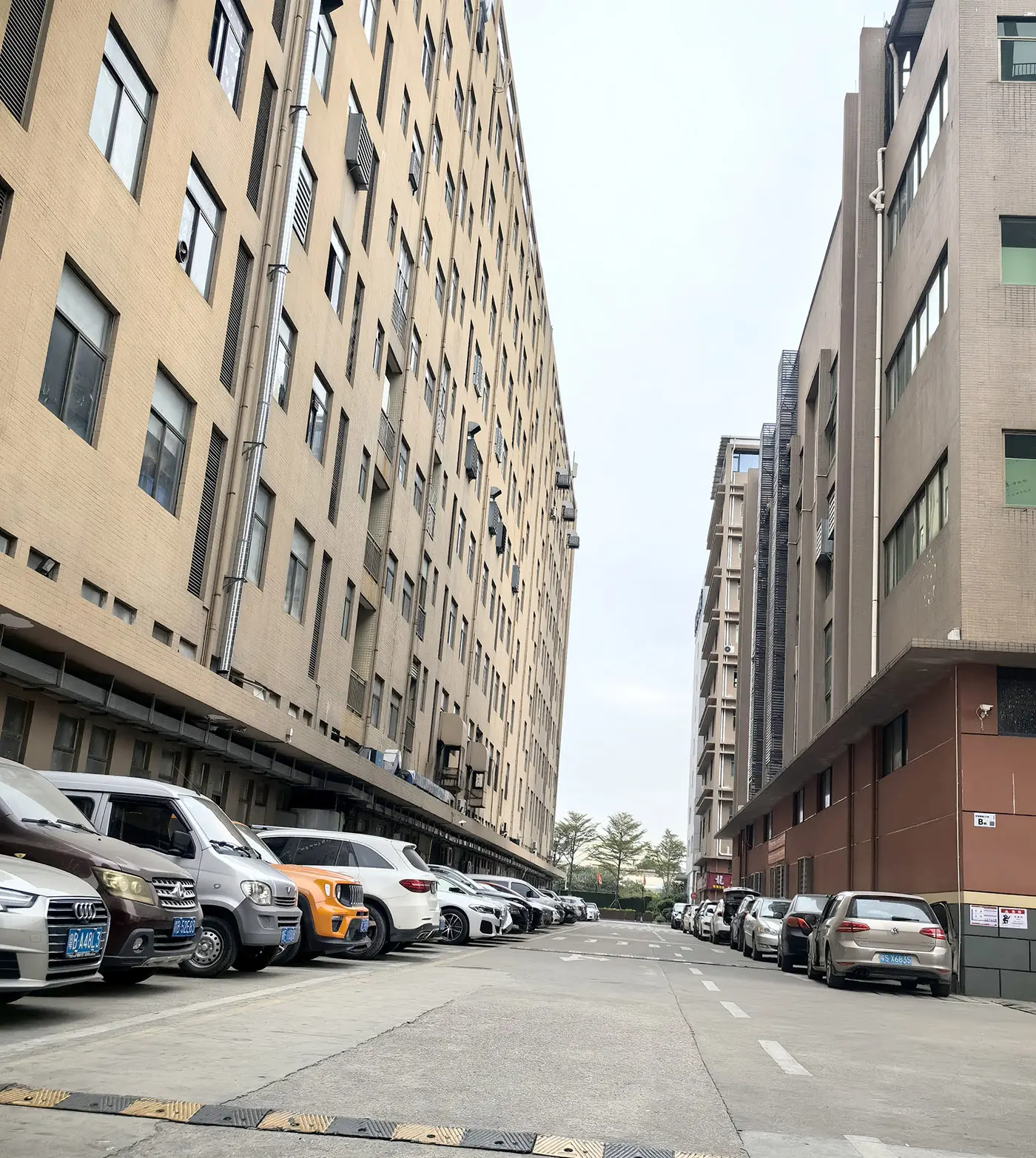
Shenzhen Snow Peak Clean Technology Co., Ltd. is an integrated high-tech enterprise, specialized in air filtration products research and development, production, sales, import and export trade. We produce and supply: Pre-filter, pocket filter, HEPA filter, chemical filter; replacement HEPA filter, car cabin air filter, humidifier filter; pocket filter media, melt-blown composite filter media, and other high-performance filter materials; provide high quality air purification solutions and products for indoor air pollution control and air conditioning systems of civil and industrial buildings, microelectronics, pharmaceutical, laboratory, school, hospital clean room etc.
"Combined with self-developed patented technology, our sterilizing antiviral HEPA filter can effectively filtrate fine particles, so that PM2.5 concentration down to 10 micrograms/m3, 5 times better than national standard; effectively inhibit the breeding of microorganisms, sterilization rate up to 99.9%, and no secondary pollution, removal of H1N1 virus efficiency as high as 99.99%."
Our core competence centers on modern manufacturing and strict quality assurance. By integrating advanced testing rigs that utilize DEHP or PAO challenges, we ensure every H13 and H14 20x20 HEPA air filter meets leak-free and efficiency requirements before shipment. This level of reliability is critical for international buyers who need consistent, high-performance filtration solutions for complex industrial applications.
Patented active antiviral treatment integrated within the HEPA matrix targets envelope viruses (like H1N1), neutralizing micro-particles and preventing biological colonization on the pleat surface.
Reduces particulate concentration levels down to 10 micrograms/m³, delivering performance that is 5 times cleaner than standard structural filtration guidelines.
Our automated production and assembly lines maintain tight tolerances, ensuring high mechanical integrity and consistent pleat spacing for stable pressure-drop performance.
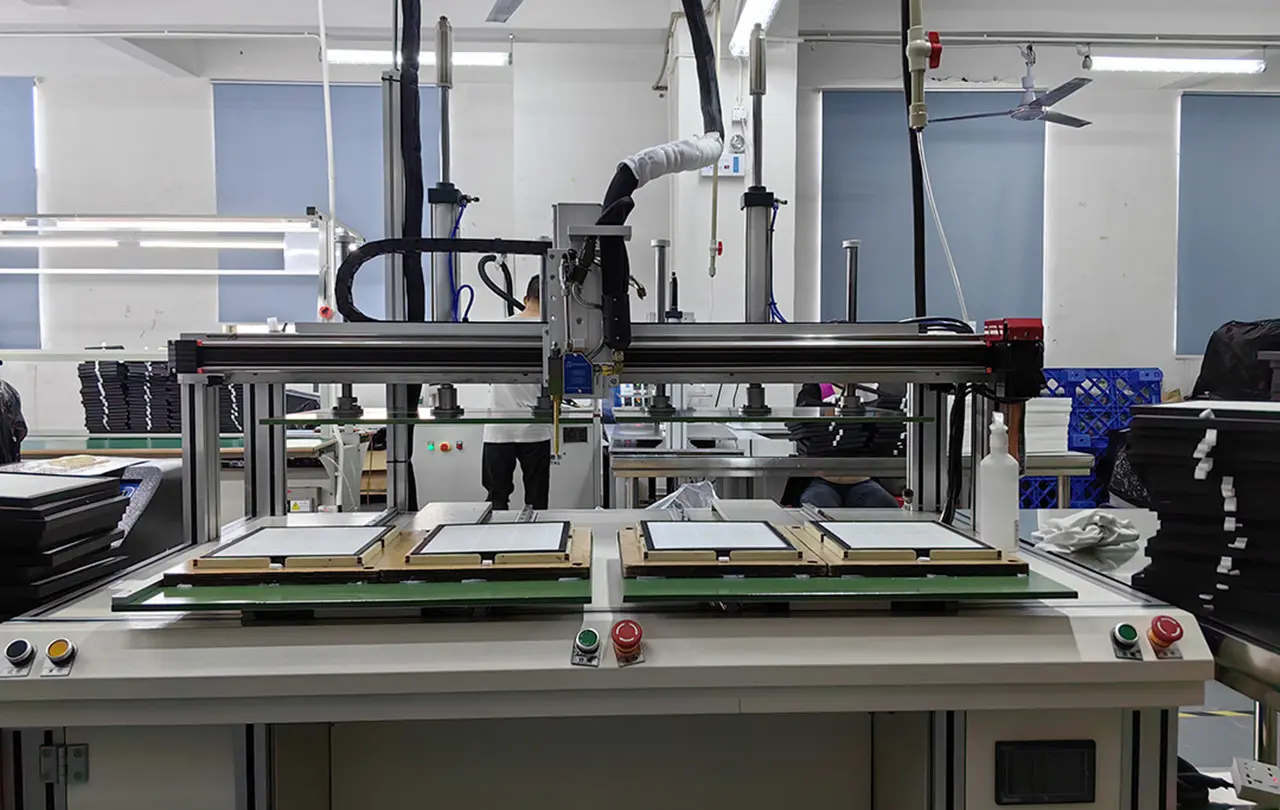
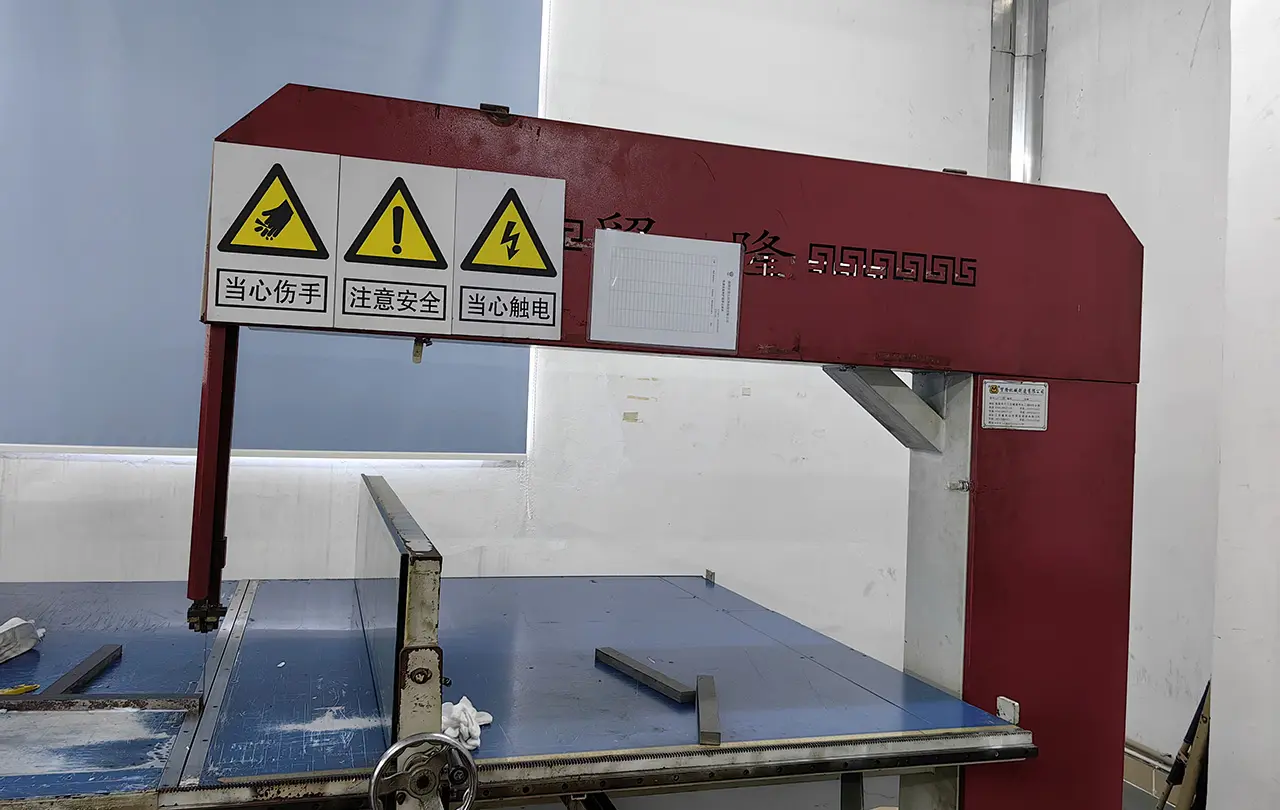
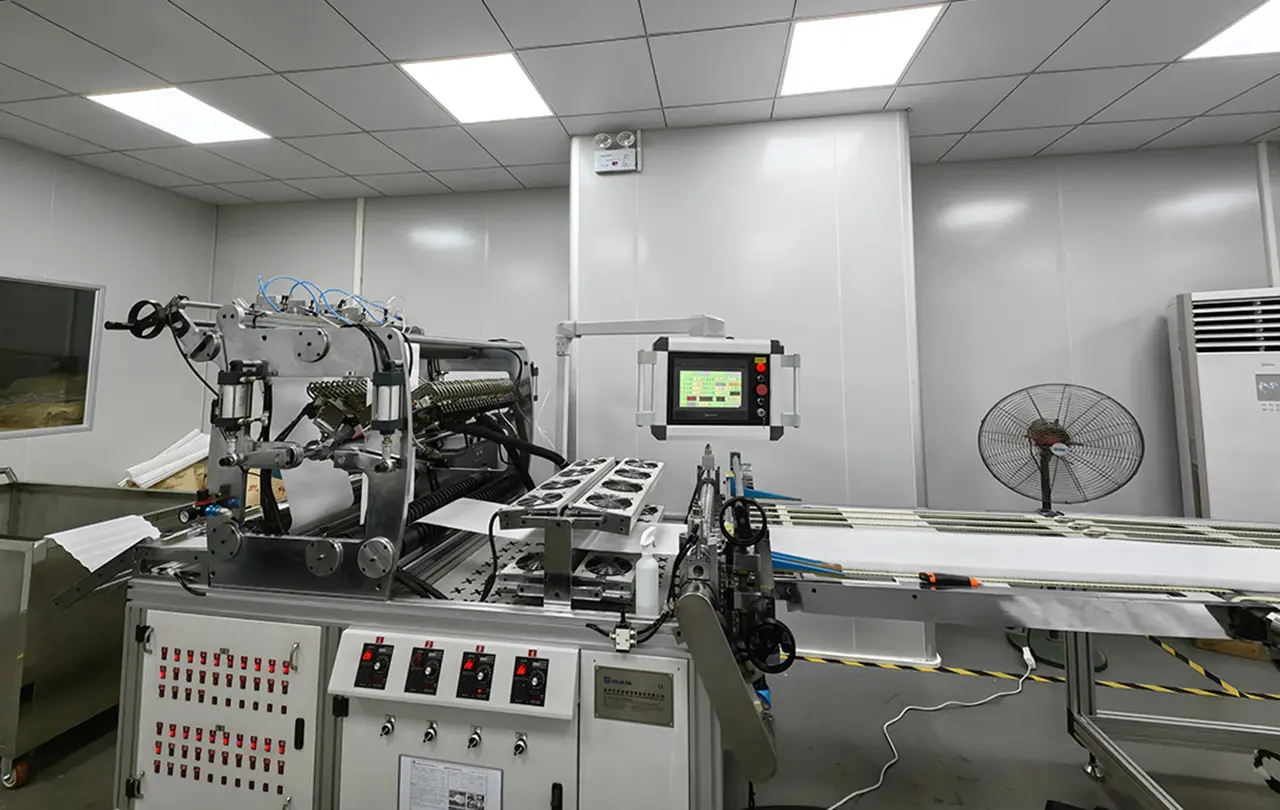
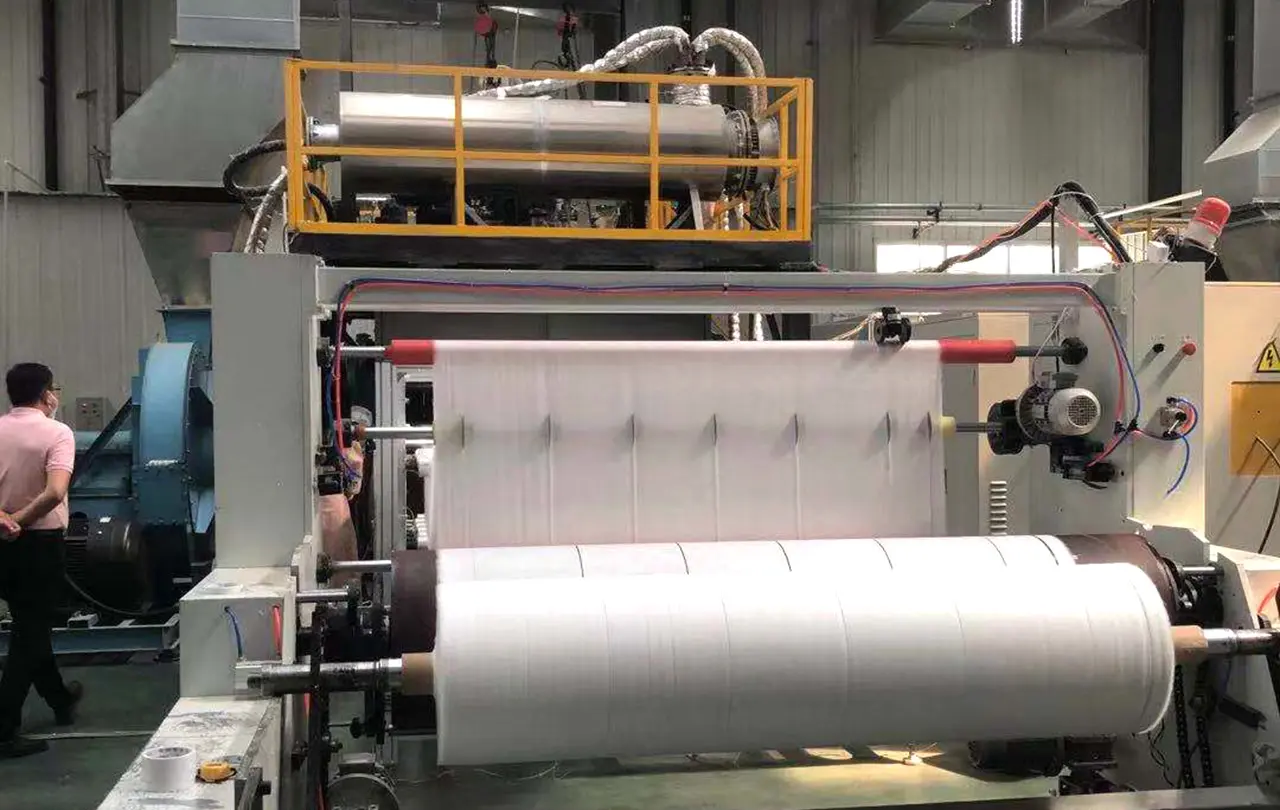
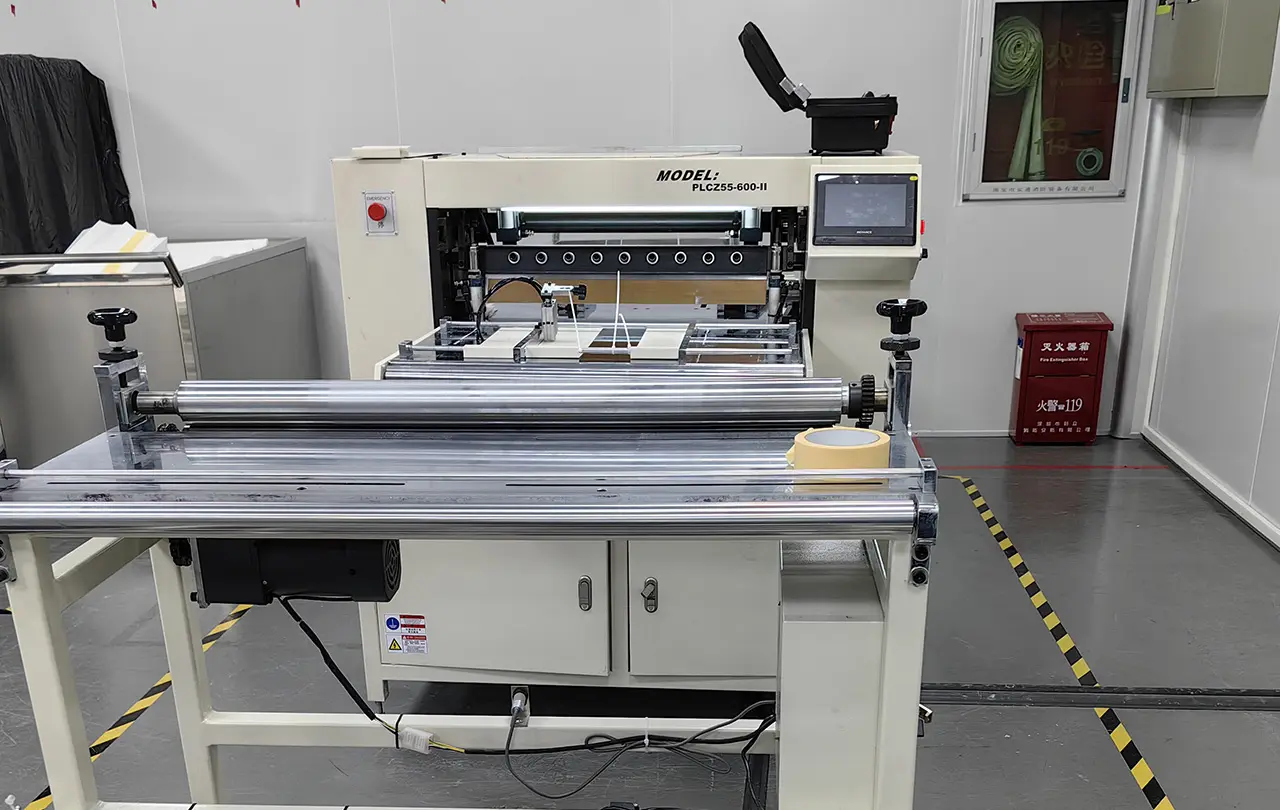
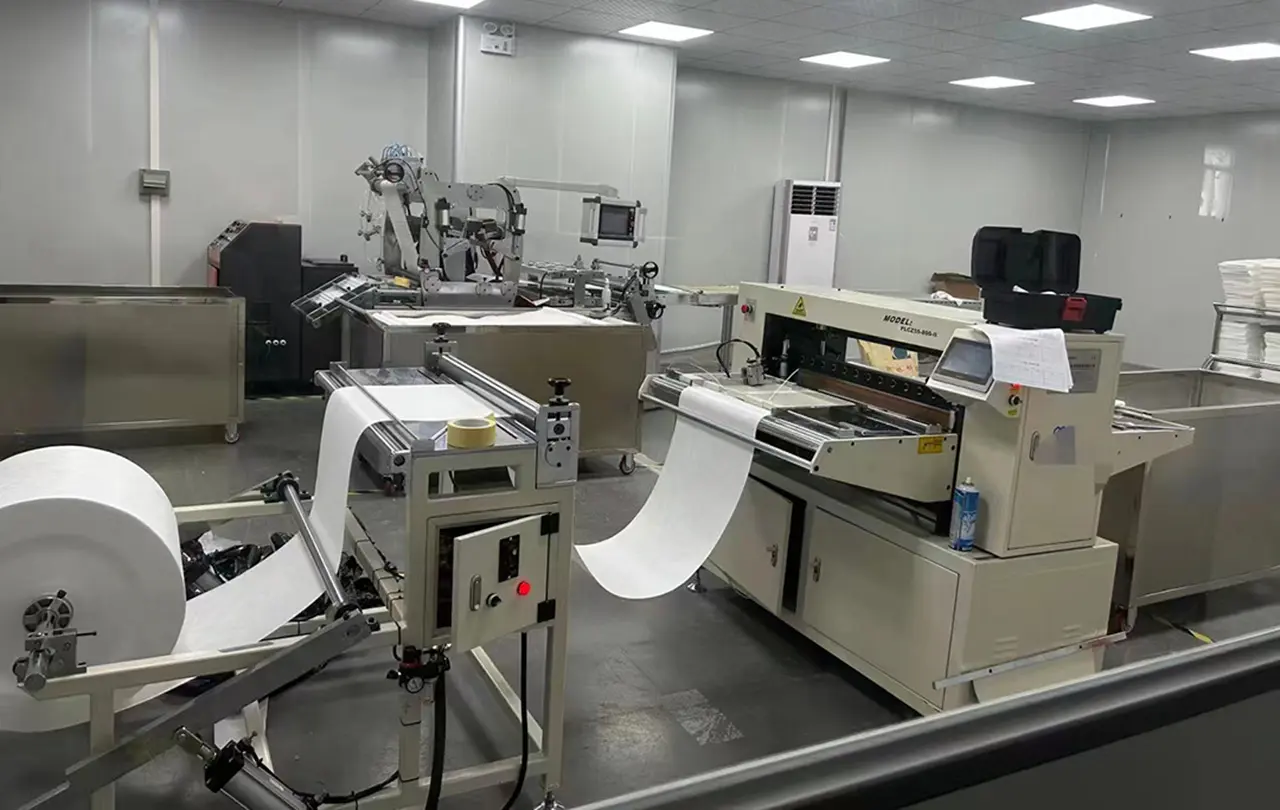
Having 15 years of international air purification technology experience as the background, our company has standardized production workshop, dust-free filter workshop and first-class technology of HEPA filters production line and inspection line, independent research and development of fully automatic air filter production line, equipped with AMADA CNC punch and CNC bending machine as well as many other advanced high-end equipment, provide a strong guarantee for production and quality of air filtration and purification products.
Analyzing advancements in polymer science, biological resistance coatings, and low-energy HVAC filtration systems.
Traditional micro-fiberglass HEPA media remains a reliable standard for absolute filtration. However, advanced nanofiber technology is transforming high-capacity filtration designs. By depositing electrospun polymeric fibers (diameters <100 nm) onto robust synthetic backings, manufacturers can achieve H13 to H14 filtration efficiencies at a fraction of the physical thickness. This development allows for a high density of media within standard 20x20 frames, maximizing dust-holding capacity and maintaining lower resistance over the system's operational lifespan.
Looking forward, the integration of bio-derived nanofibers, such as polylactic acid (PLA) composites, offers a path toward biodegradable high-efficiency filters. This helps organizations reduce environmental footprint without compromising cleanroom structural integrity or particulate filtration standards.
Modern building automation systems require real-time pressure-drop diagnostics and particulate monitoring. Future 20x20 HEPA filtration systems will increasingly incorporate integrated RFID chips and printed pressure sensors directly into the structural polyurethane sealant or frame edges.
These smart features communicate directly with cleanroom management software, alerting facility engineers of media saturation or bypass leaks before pressure spikes affect energy efficiency. Deploying these high-intelligence products allows facility managers to shift from scheduled maintenance to a predictive, performance-based replacement program.
In medical settings and commercial HVAC loops, standard filters can sometimes support bacterial or fungal growth due to collected organic matter and moisture. Our patented antiviral formulations represent a key innovation in preventing this colonization. By bonding non-leaching, biocompatible antimicrobial complexes to the fibers, the filter material actively damages the cell walls of microbial pathogens and degrades viral envelopes. This process prevents secondary emission issues during filter replacement, improving safety for maintenance technicians and reducing biohazard waste risks.
Through automated hot-melt pleating and advanced pleat-spacing control, our manufacturing processes eliminate the need for traditional aluminum separators. This style reduces the overall weight of 20x20 HEPA assemblies while preventing structural issues from pressure fluctuations. The result is a high-density filter configuration that offers stable air distribution, low resistance, and long-term durability in high-demand industrial systems.
How global enterprises optimize sourcing, logistics, and international certification compliance for HEPA filter replacement campaigns.
We ensure compliance with EN 1822 (H13 & H14 classifications) and ISO 29463. Products undergo challenging aerosol testing (PAO/DEHS) to confirm zero-bypass integrity and verify efficiency levels meet international cleanroom standards.
We work with enterprise procurement portals to provide end-to-end status visibility. Our structured production scheduling integrates with customer inventory cycles to ensure reliable, on-time delivery of replacement parts.
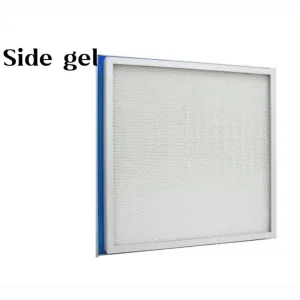
We support modifications to framing materials (including anodized aluminum, galvanized steel, and cleanroom-grade plastic polymer), custom gasket profiles (polyurethane, neoprene, or liquid gel seals), and specific media thicknesses.
Expert answers addressing the design, installation, and operation of industrial 20x20 HEPA air filters.
Explore our complete range of specialized cleanroom ceiling modules, carbon composite filters, and high-efficiency pre-filters.
 Snow Peak