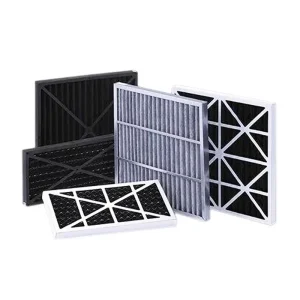
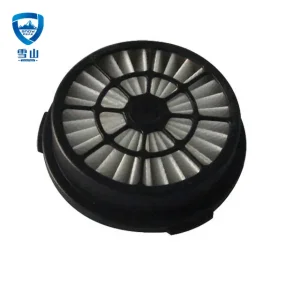
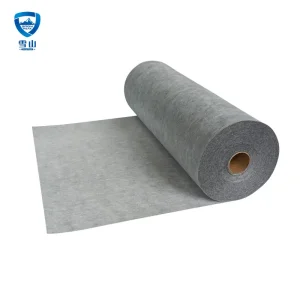
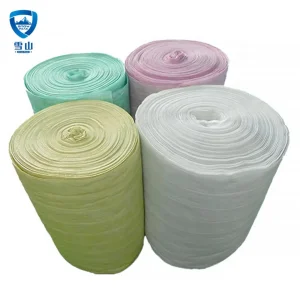
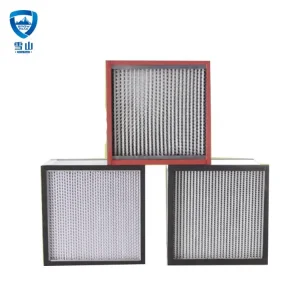
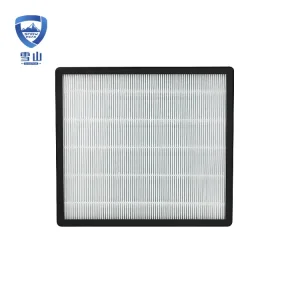
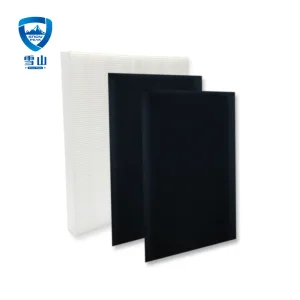
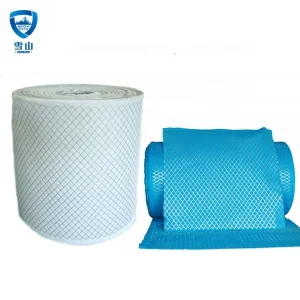
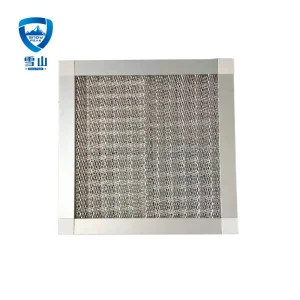
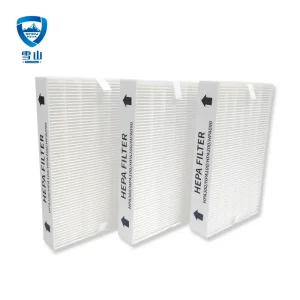
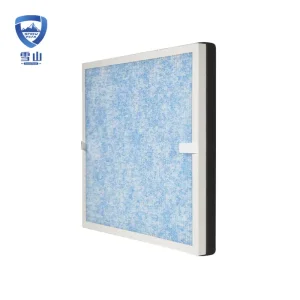
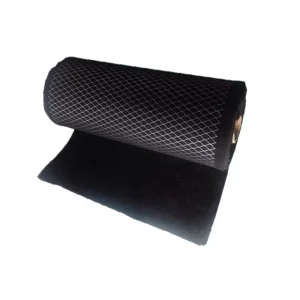
In high-performance industrial ventilation and cleanroom air systems, standard particulate filtration is only half the battle. While HEPA and ULPA filters capture dust, microbes, and aerosols via physical interception, inertial impaction, and diffusion, they are ineffective against molecular contaminants. Activated charcoal for air filtration bridges this critical gap through the process of gas-phase adsorption.
Adsorption occurs when volatile organic compounds (VOCs), acidic gases, alkaline pollutants, and odor molecules in the air strike the carbon surface and become trapped within its internal pore structure by Van der Waals forces. Unlike absorption, where molecules penetrate the bulk of a liquid or solid, adsorption is strictly a surface phenomenon.
To optimize gaseous contaminant removal, our chemical filtration relies on advanced processing of raw carbonaceous matrices (typically coconut shell, coal, or select wood species). By exposing these matrices to high-temperature thermal activation (steam or carbon dioxide) or chemical activation, we generate an internal labyrinth of micro-, meso-, and macropores. The resulting specific surface area typically ranges from 900 m²/g to over 1,500 m²/g. This molecular density provides an enormous capacity for target compounds such as formaldehyde, benzene, toluene, nitrogen dioxide, and hydrogen sulfide.
Measured via ASTM standards. Carbon Tetrachloride (CTC) rating determines the baseline molecular loading efficiency. High-quality media ranges from 45% to 80% CTC, reflecting high microporosity.
Indicates the concentration of micropores (size range 0-20 Å). Highly activated granular carbon for VOC filtration provides an iodine number of >900 mg/g to 1150 mg/g, enhancing chemical retention capacity.
For acid gases, base gases, or volatile low-molecular aldehydes (e.g., formaldehyde), raw carbon is chemically impregnated with target catalysts like KOH, KI, or H3PO4 to prompt chemisorption mechanisms.
Engineered for high resistance to degradation. Designed to balance initial pressure drop (Pa) and breakthrough time, matching demanding air velocities from 0.5 to 2.5 m/s without dust shedding.
Sourcing filtration components from a certified Chinese factory offers distinct supply chain advantages. As a primary manufacturer of air filtration systems, we benefit from deep vertical integration. The geographic proximity of raw material processors (including high-yield coconut shell and premium coal deposits) and synthetic frame components allows us to optimize manufacturing workflows.
Our facility features automated production and strict quality control. From automated composite fabric assembly to precision pleating machines, every step is calibrated. This level of automation reduces labor overhead, limits assembly defects, and guarantees batch-to-batch consistency.
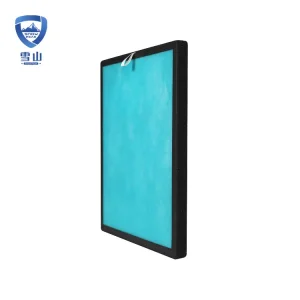
For international procurers, sourcing directly from our factory in China provides custom options. Whether you need standard replacement filters for consumer purifiers (like the Coway AP-1512HH or Honeywell HRF-R3 Series) or specific carbon-loaded pleated media for semiconductor cleanroom systems, our structural engineering team can deliver exact configurations.
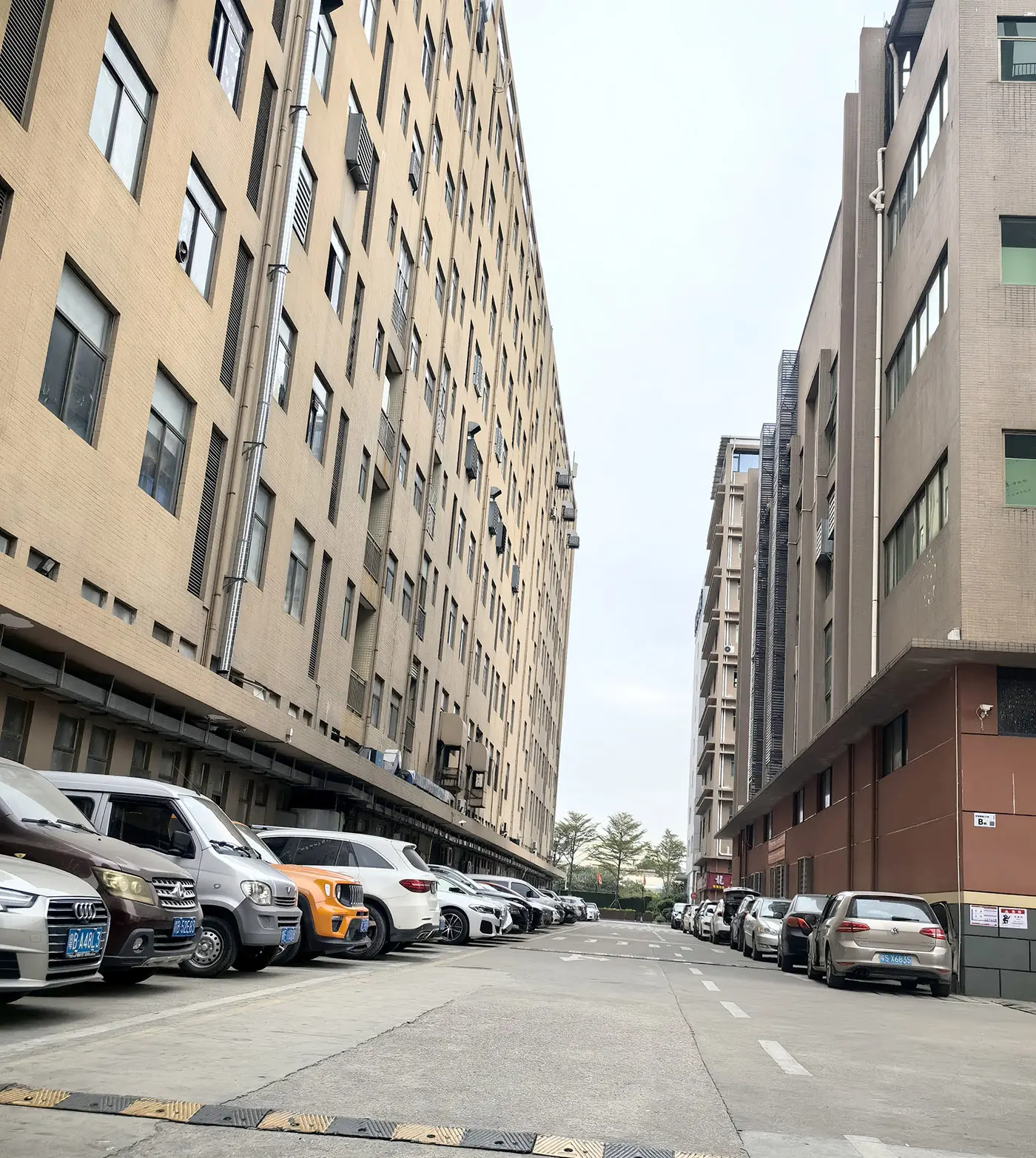
Equipped with AMADA CNC punch and CNC bending machines, our metal fabrication unit constructs durable frames (stainless steel, galvanized iron, aluminum). Our filtration media undergoes strict mechanical and volumetric testing. See below our fully-integrated machine workshops:
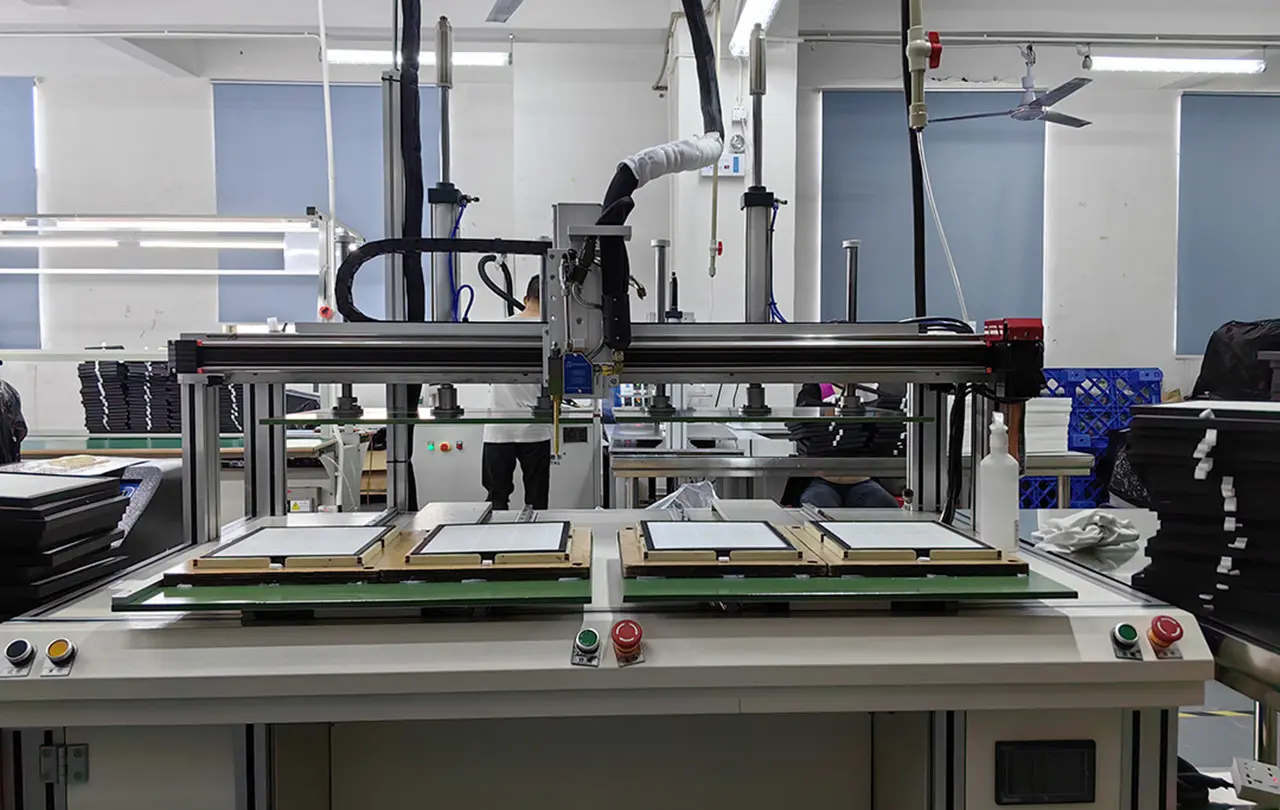
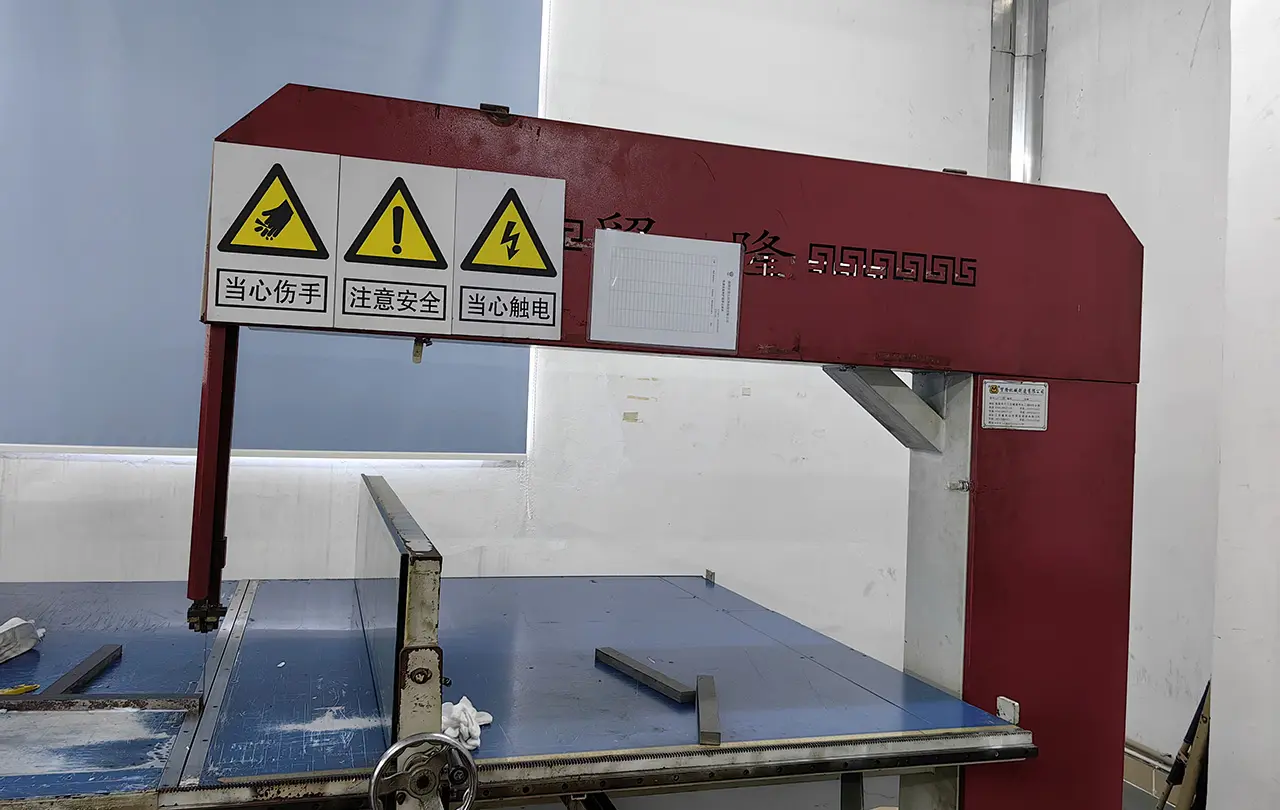
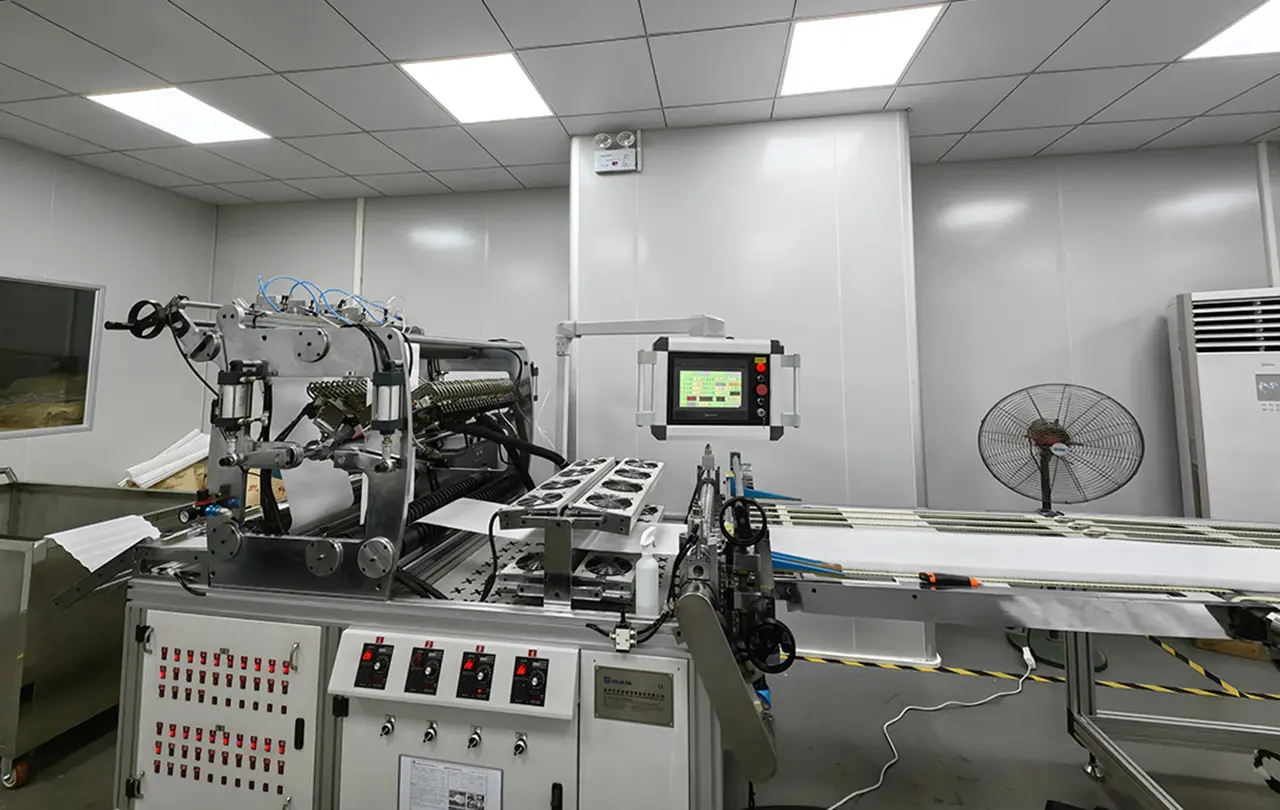
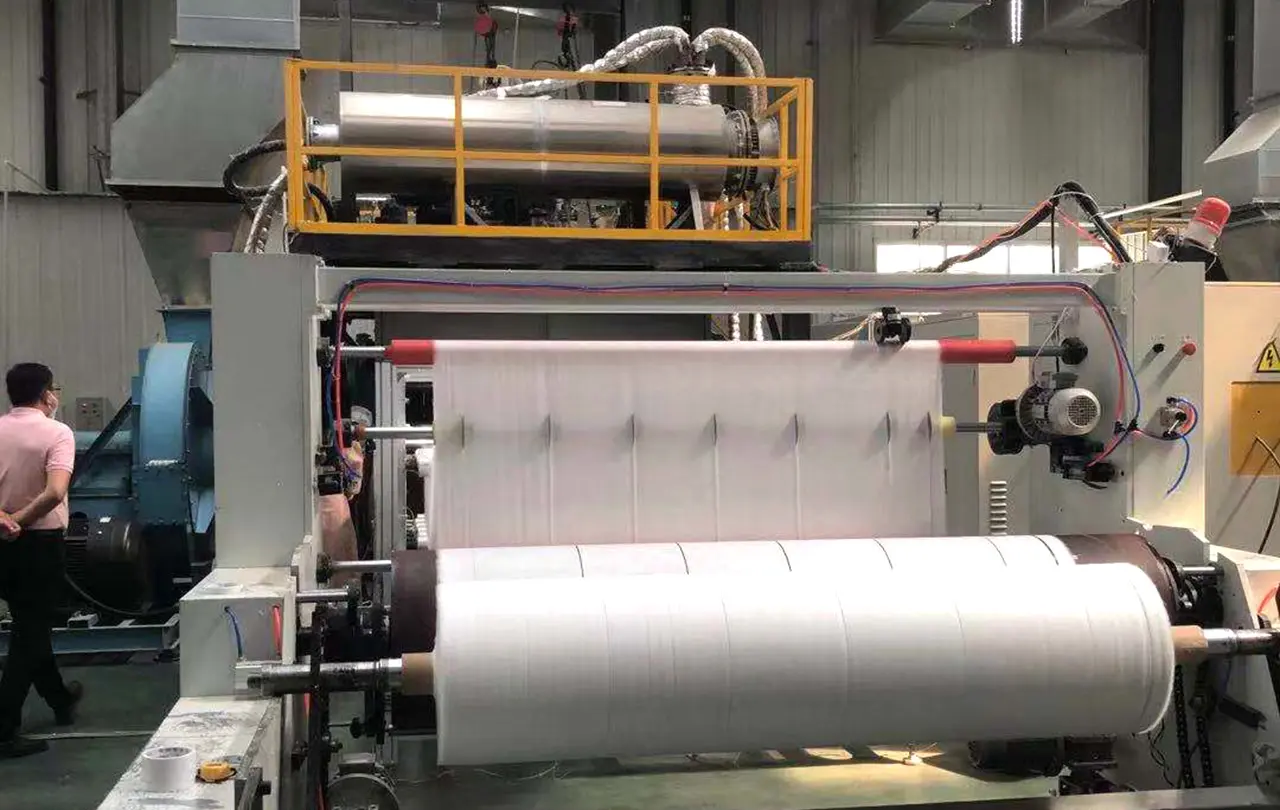
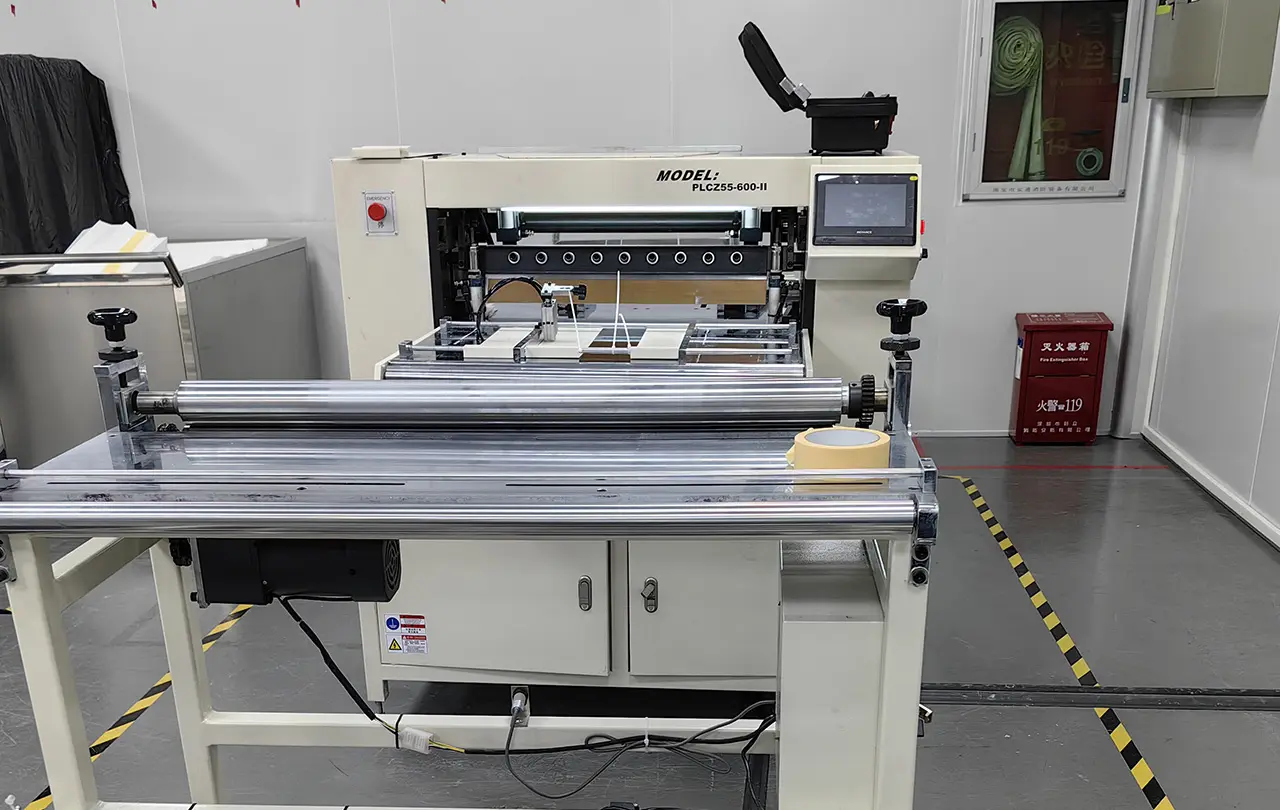
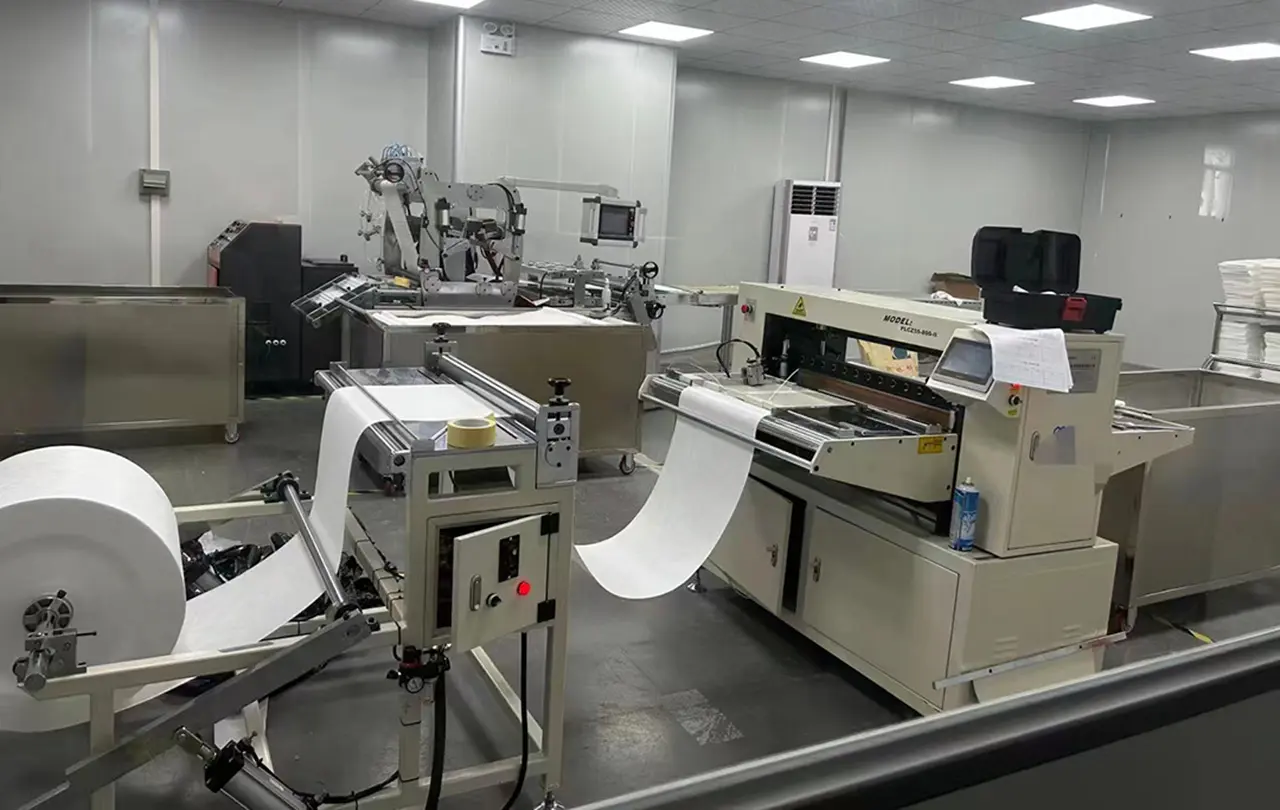
As environmental standards evolve, traditional single-stage carbon or particulate filters are often insufficient. Shenzhen Snow Peak Clean Technology Co., Ltd. has developed specialized composite technologies that combine the gas-adsorption performance of activated charcoal with the particle-trapping capabilities of HEPA filters.
Our proprietary sterilizing, antiviral HEPA technology can filter fine particulate matter to reduce local PM2.5 concentrations down to 10 micrograms/m³, which is 5 times cleaner than the standard threshold. This particulate efficiency is combined with active antimicrobial agents integrated directly into the polymer matrices of the filter media.
This compound treatment actively inhibits the replication of captured microbes. Our filters maintain a sterilization rate of up to 99.9%, neutralizing bacterial colonies without releasing secondary volatile compounds or ozone. Additionally, our media achieves a removal efficiency of 99.99% against the H1N1 influenza virus. This multi-layered defense makes these composite filters ideal for environments where pathogens and gaseous chemicals are present together, such as clinical wards, school HVAC systems, and animal research laboratories.
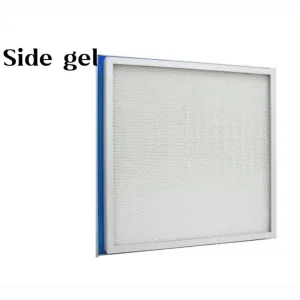
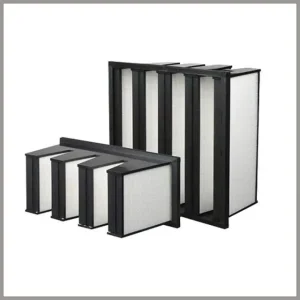
Cleanrooms require strict control of airborne molecular contaminants (AMCs). Acidic fumes, alkaline gases, and condensable organic vapors can etch wafers or degrade optical assemblies. Our high-efficiency W-shape V-bank carbon filters and gel-seal HEPA systems provide reliable protection in high-velocity ceiling grids.
Sterilization and compound safety are vital in bio-processing. Laminated, non-shedding activated carbon media capture vapors and control cross-contamination. Our antimicrobial carbon-HEPA filters capture viruses, spores, and chemical aerosols down to the sub-micron scale.
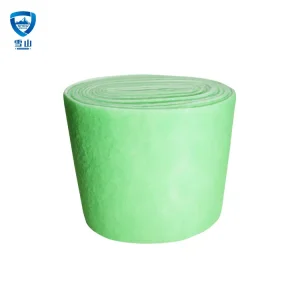
Urban HVAC systems face continuous exposure to outdoor emissions (NOx, SOx, ozone) and indoor VOCs. Pocket bag filters, secondary carbon rolls, and pleated metallic filters optimize air exchange rates, reduce energy consumption, and maintain indoor air quality index (AQI) values.
When specifying carbon filters for large-scale engineering or commercial distribution, procurement managers should evaluate several critical factors:
Through close collaboration with international OEMs and direct HVAC designers, Shenzhen Snow Peak offers end-to-end guidance. We help you choose the right frame materials, calculate target iodine indexes, and optimize packaging sizes to reduce sea freight costs.
 Snow Peak