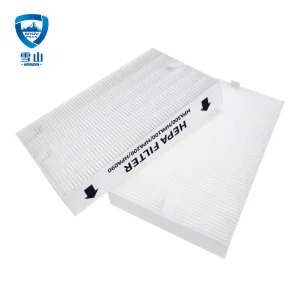
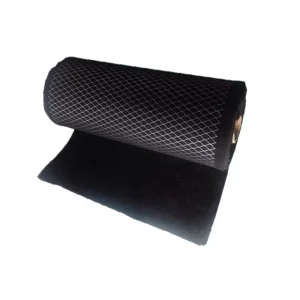
Explore our specialized clean-room HEPA, active carbon gas adsorbents, and high-efficiency humidifier components designed for industrial reliability.
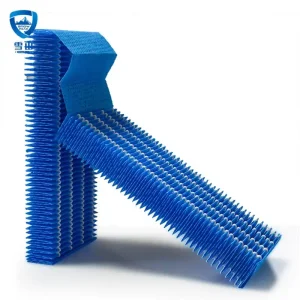
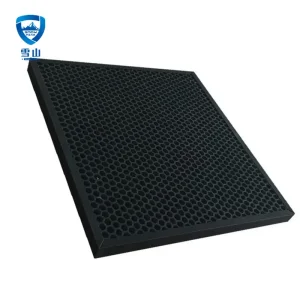
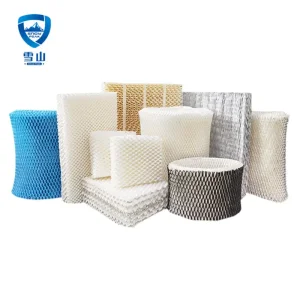
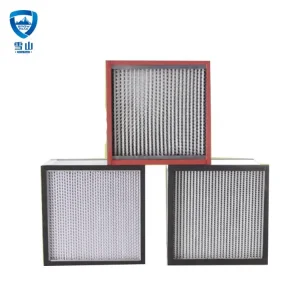
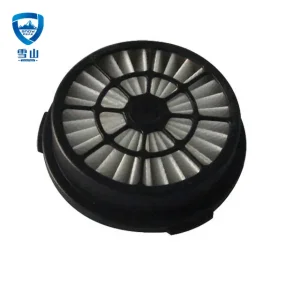
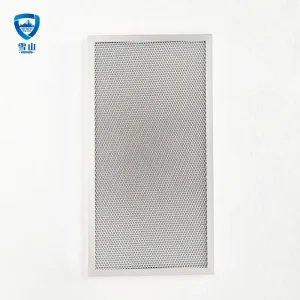
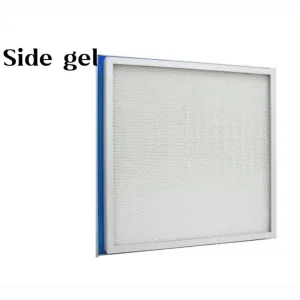
As global industries progress toward ultra-clean manufacturing regimes and ecological emissions mandates, the demand for molecular filtration systems has reached unprecedented heights. Airborne Molecular Contaminants (AMCs), Volatile Organic Compounds (VOCs), and hazardous chemical off-gassings present continuous risks to process yields, product quality, and human safety. Standard particulate filtration technologies (such as HEPA and ULPA) are mathematically incapable of capturing gaseous contaminants due to the sub-nanometer sizing of gas phase pollutants. This physical limit is where engineered activated carbon (charcoal) and chemically impregnated adsorption media become vital.
Historically, China's production capacity acted primarily as a supplier of raw carbonized precursors. Today, the industry has evolved. Modern Chinese manufacturing hubs like Shenzhen combine raw material processing with precision aerospace engineering to deliver high-performance adsorption matrices. Industrial applications—ranging from semiconductor fabs in East Asia to biopharmaceutical suites in North America—depend heavily on the continuous innovation of activated carbon structures. By blending high-surface-area micro-porous carbon with advanced synthetic and glass-fiber substrates, Chinese manufacturing complexes now lead the global supply chain, offering highly reliable solutions for critical molecular filtration needs.
Industrial insight: Effective VOC containment requires an understanding of chemical kinetics. The adsorption rate of a carbon media bed depends not just on weight, but on the micro-pore distribution (pore size < 2 nm) and the dynamic contact time, commonly referred to as the Resident Time or Face Velocity.
Activated charcoal relies on physical adsorption (physisorption) governed by Van der Waals forces. Through carbonization and thermal activation (using steam or carbon dioxide at elevated temperatures), a complex network of pores is created inside the carbon matrix. The resulting internal surface area can range from 800 to over 1,500 square meters per gram. This surface area is divided into three distinct structural zones:
While standard organic compounds (like toluene, benzene, and alcohols) are easily captured through simple physisorption, many highly toxic or reactive gases (such as formaldehyde, ammonia, hydrogen sulfide, sulfur dioxide, and nitric oxides) are too light or polar to be retained by Van der Waals forces alone. To handle these, chemical engineers use chemisorption. This involves treating the carbon with chemical impregnants (such as potassium hydroxide, phosphoric acid, sodium thiosulfate, or metals like copper and silver). The impregnants react chemically with passing contaminants, bonding them to the carbon matrix and neutralizing them permanently.
Additionally, modern systems use photocatalyst technologies (such as titanium dioxide or TiO2) bonded to honeycomb-structured backings. When exposed to ultraviolet light, these structures generate strong hydroxyl radicals that break down organic gases into harmless carbon dioxide and water molecules. This extends the service life of the primary carbon block and prevents secondary outgassing.
Shenzhen Snow Peak Clean Technology Co., Ltd. — Pioneering Clean Air Engineering
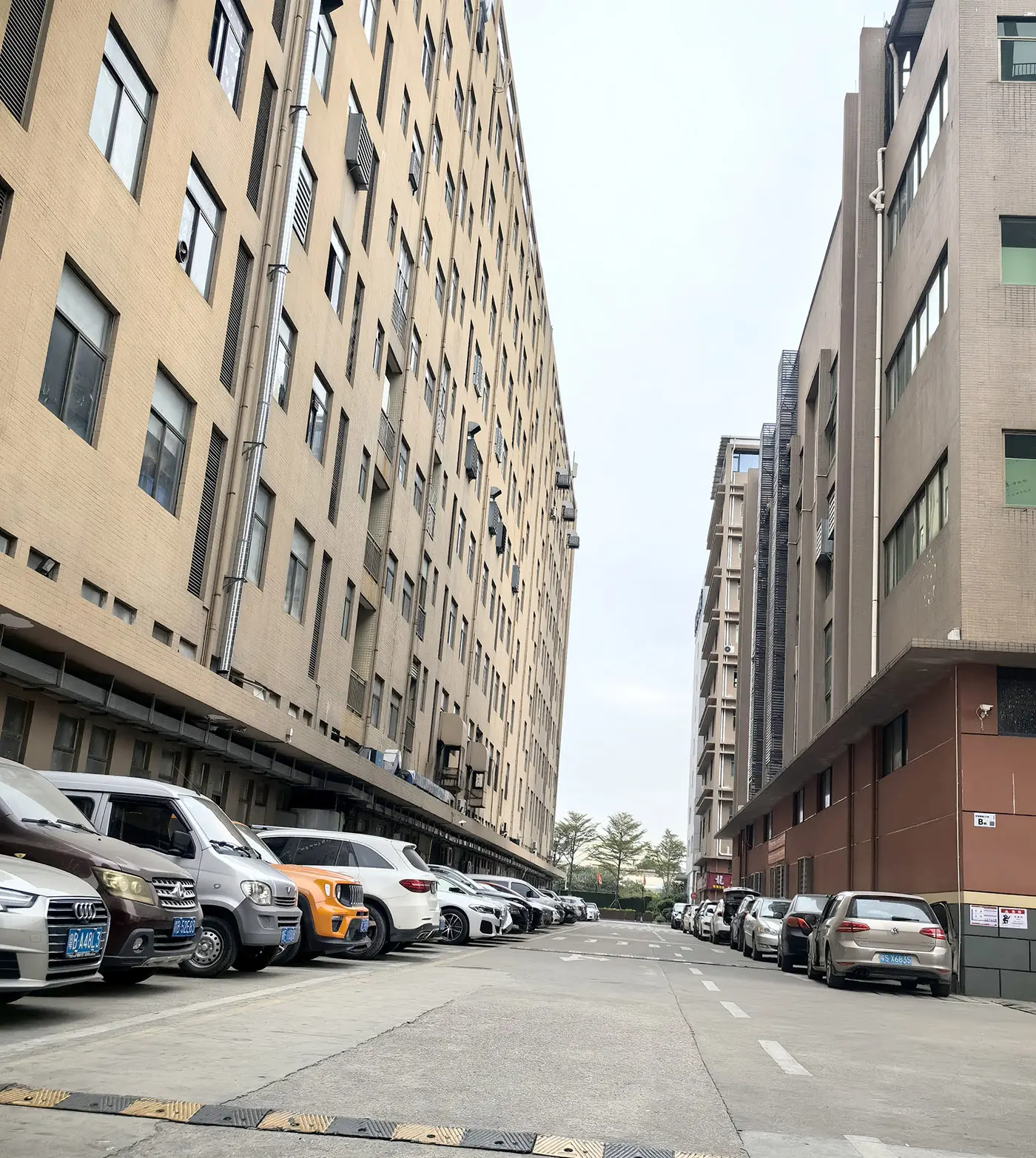
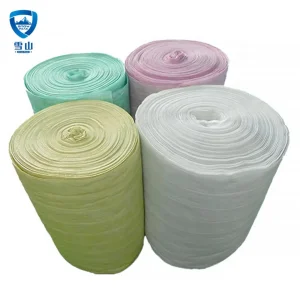
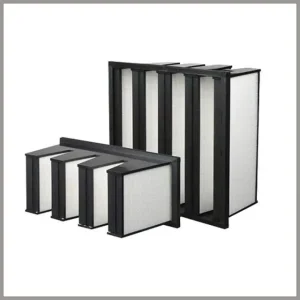
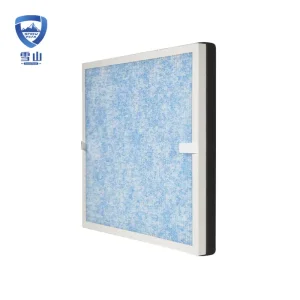
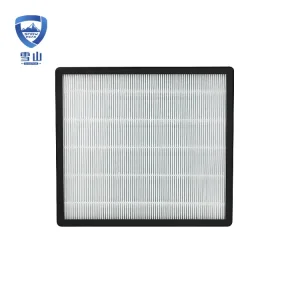
Shenzhen Snow Peak Clean Technology Co., Ltd. is an integrated high-tech enterprise, specialized in air filtration products research and development, production, sales, import and export trade. We produce and supply: Pre-filter, pocket filter, HEPA filter, chemical filter; replacement HEPA filter, car cabin air filter, humidifier filter; pocket filter media, melt-blown composite filter media, and other high-performance filter materials; provide high quality air purification solutions and products for indoor air pollution control and air conditioning systems of civil and industrial buildings, microelectronics, pharmaceutical, laboratory, school, hospital clean room etc.
Combined with self-developed patented technology, our sterilizing antiviral HEPA filter can effectively filtrate fine particles, so that PM2.5 concentration down to 10 micrograms/m3, 5 times better than national standard; effectively inhibit the breeding of microorganisms, sterilization rate up to 99.9%, and no secondary pollution, removal of H1N1 virus efficiency as high as 99.99%.
Our commitment to rigorous testing, chemical design, and physical design has established us as a preferred global manufacturer for businesses seeking certified performance, structural integrity, and stable supply chains.
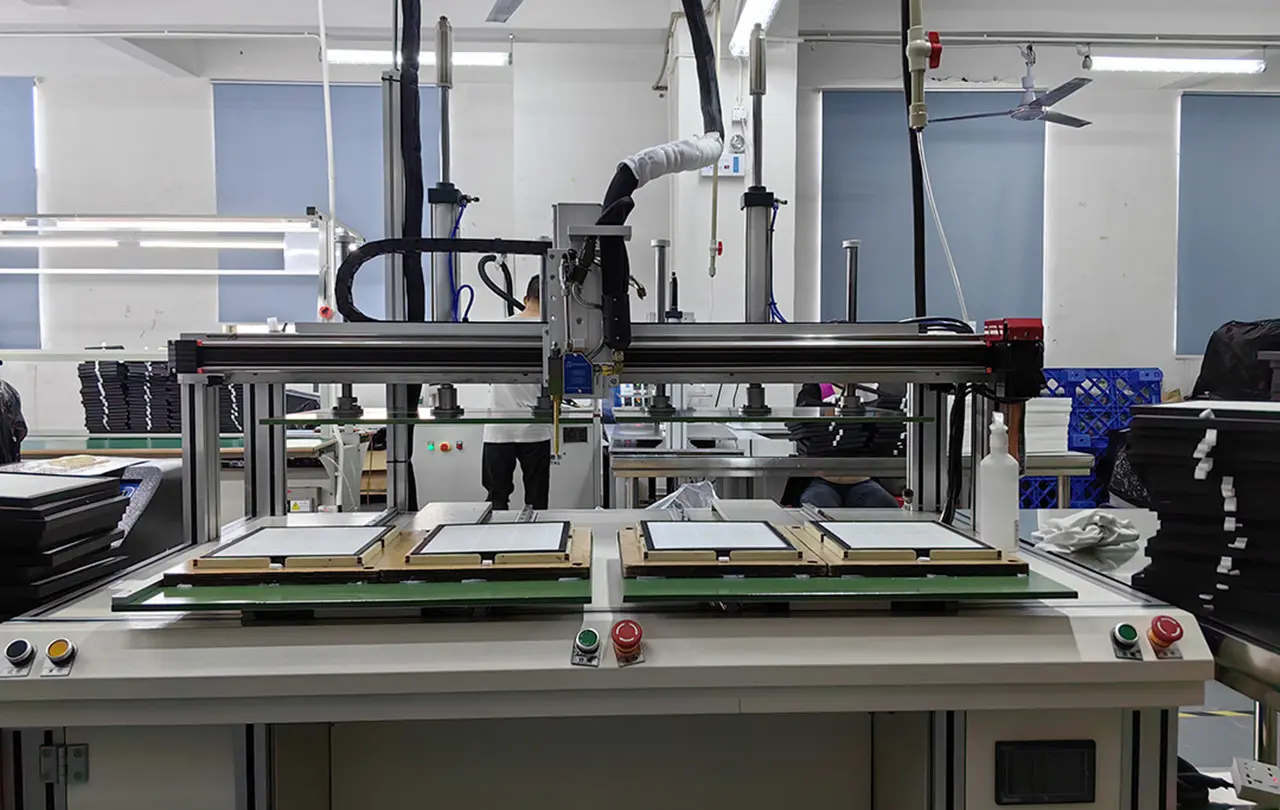
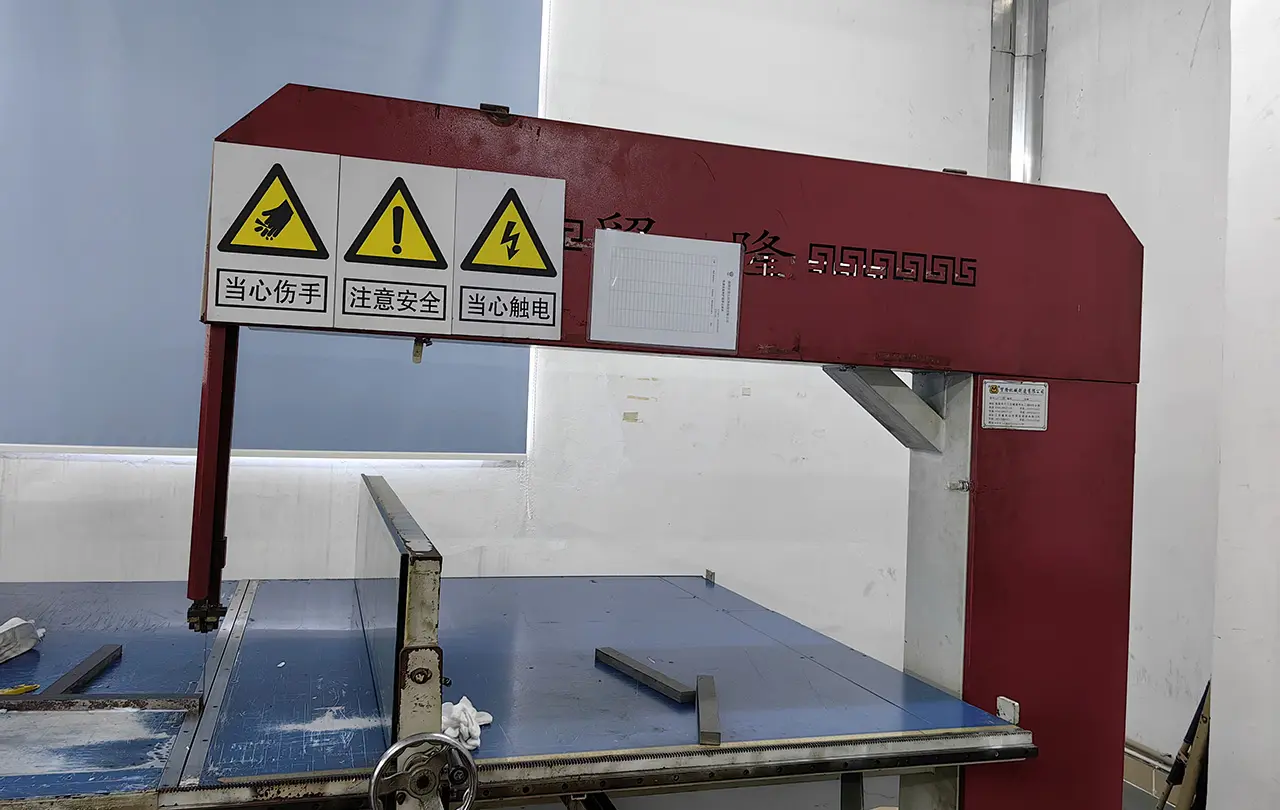
Our high-end machinery and automated production lines ensure structural consistency and precise pleat geometry across our entire product range.
Drawing on 15 years of international air purification technology experience, our company features standardized production facilities, a cleanroom filter assembly line, and advanced HEPA manufacturing and testing systems. We designed and built our own fully automated production lines, supported by industrial machinery like AMADA CNC punches and CNC bending machines. This infrastructure ensures precise dimensions, leak-free seals, and structural durability for all our air filtration products.
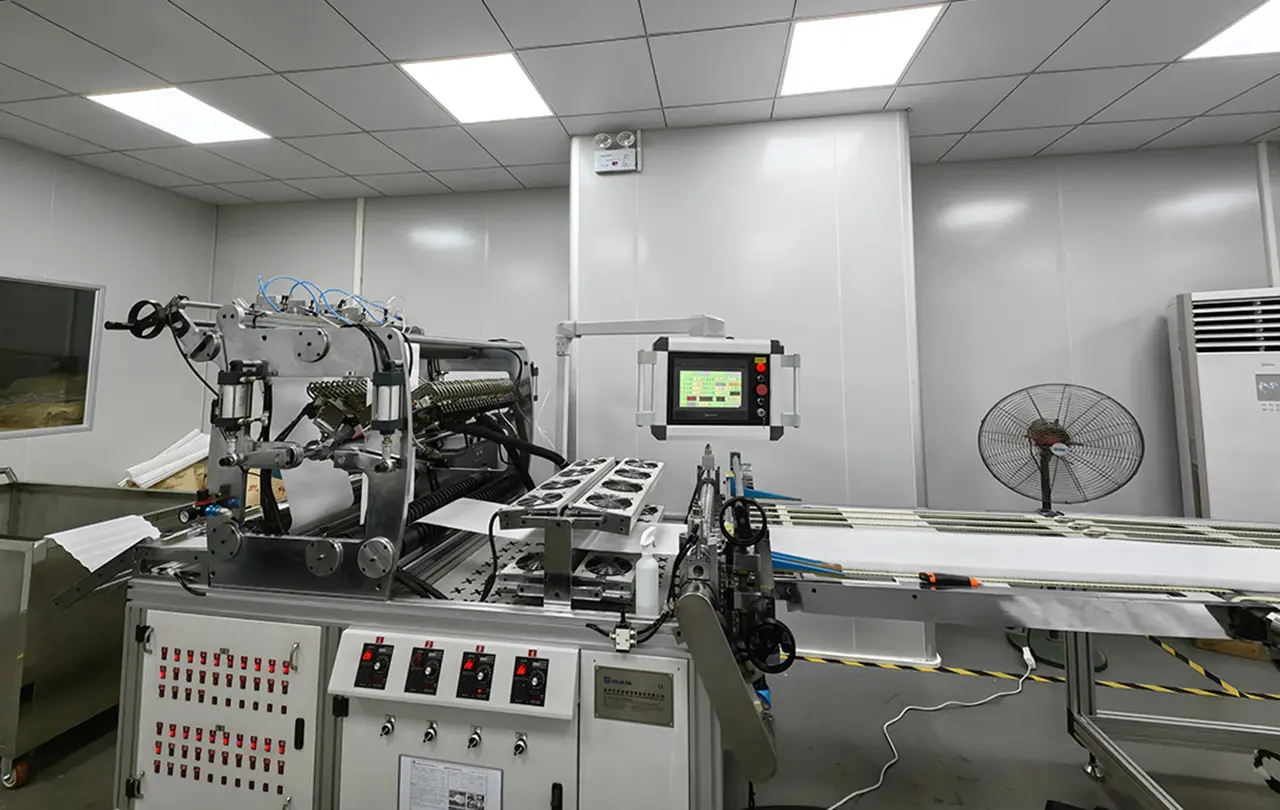
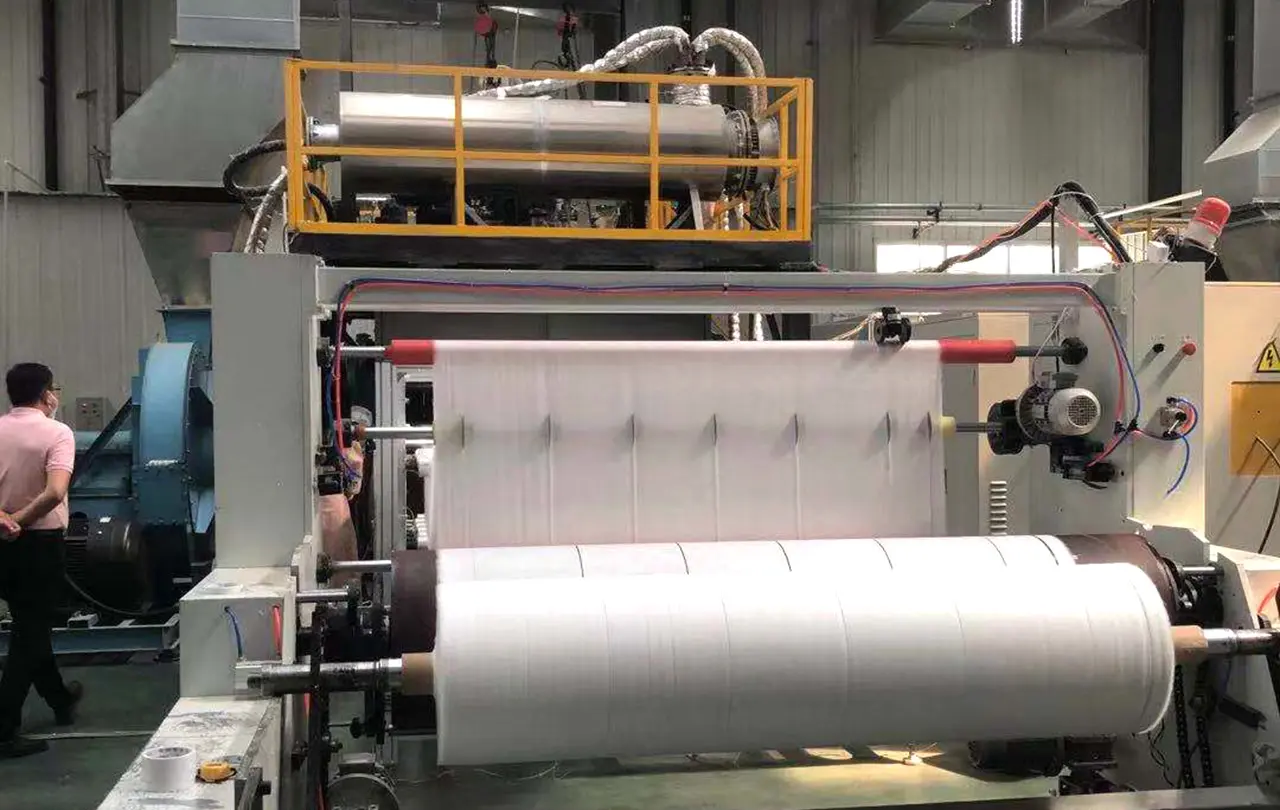
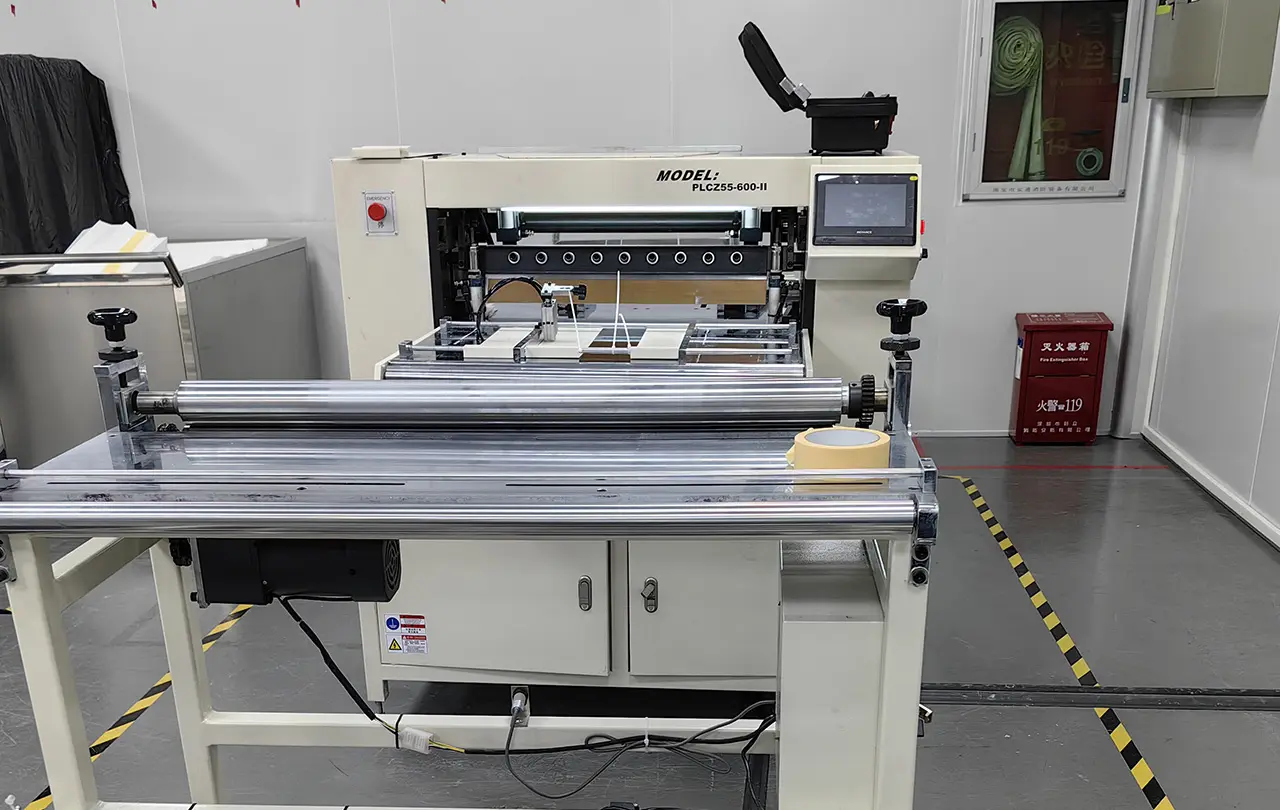
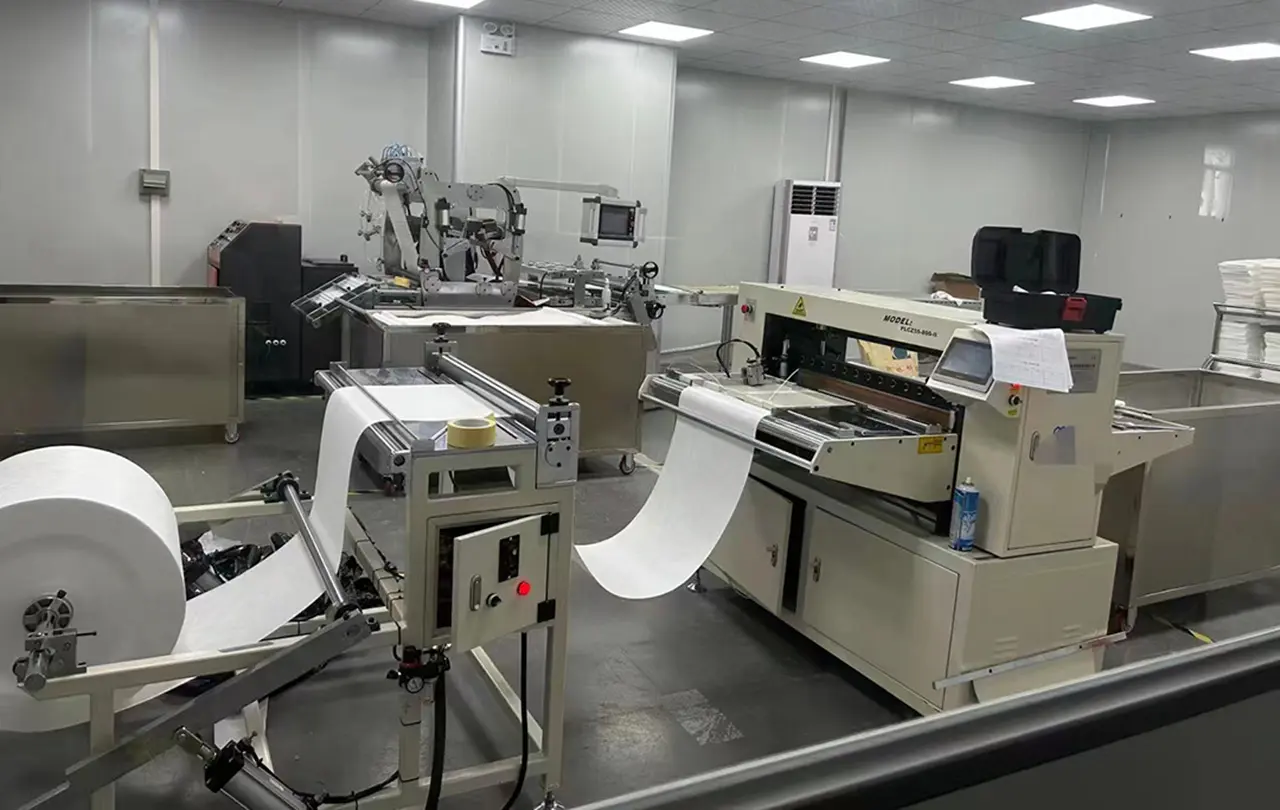
Custom molecular and particulate control systems designed to meet the strict cleanliness requirements of modern industries.
Modern semiconductor fabrication requires cleanrooms free of Airborne Molecular Contaminants (AMCs). Trace organic compounds, acids, and bases can corrode wafer surfaces and damage fine lithography. Our honeycomb chemical filters and deep-bed carbon systems capture these trace chemicals down to parts-per-trillion levels, helping maintain high production yields.
Biomedical and drug formulation facilities require clean air to protect product purity and ensure research safety. We provide gel-sealed HEPA filters and antibacterial carbon arrays that control both organic chemical vapors and airborne micro-particles. These systems prevent contamination, limit microbial growth, and maintain stable air quality.
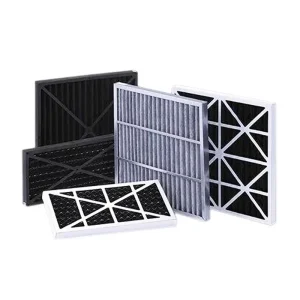
For office high-rises, schools, airports, and hospitals, indoor air quality depends on removing urban smog, diesel exhaust, and building odors. Our carbon-impregnated pleated filters and pocket-style pre-filters fit easily into standard HVAC systems. They remove ozone, nitrogen dioxide, and unpleasant odors, helping building operators meet LEED and local air standards.
Chemical processing plants, painting booths, and industrial manufacturing sites generate concentrated organic chemical streams that must be treated before discharge. Our heavy-duty activated carbon blocks and compound filters remove high concentrations of volatile organic compounds (VOCs). This performance helps plants avoid environmental fines and comply with emission limits.
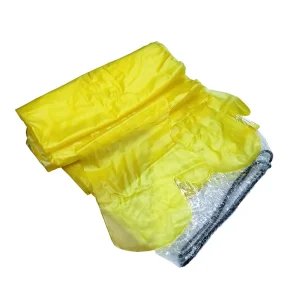
In highly sensitive settings like bio-containment laboratories and nuclear facilities, safe filter replacement is critical. Our Bag-In Bag-Out (BIBO) housings and specialized replacement bags protect technicians from exposure to hazardous agents, chemical residues, and viruses during maintenance.
Modern vehicle cabins require filtration systems that can handle both fine road dust and exhaust gases. Our composite, multi-layered carbon media fits into standard cabin air pathways. It removes nitrogen dioxide, sulfur compounds, and outdoor odors, ensuring clean air for passengers.
Exporting molecular filtration systems globally requires meeting strict international quality standards. Shenzhen Snow Peak clean air systems undergo careful testing to comply with both regional and global certifications:
To ensure reliable operation on-site, every production run of activated carbon is tested for specific chemical parameters, including CTC (carbon tetrachloride adsorption), iodine value, ash content, bulk density, and hardiness. This rigorous testing ensures our products meet specifications and prevent media settling or carbon dusting in cleanrooms.
As the air filtration industry moves toward carbon neutrality and smarter controls, Shenzhen Snow Peak is developing new sustainable technologies to meet these demands:
Renewable Precursors & Bio-Carbon: We are researching raw materials beyond standard coal-based carbon, utilizing sustainable precursors like coconut shell, bamboo, and wood-based polymers. These materials offer high micro-pore density with a lower carbon footprint during activation.
Smart Molecular Sensors: The lifetime of a chemical filter has traditionally been estimated through mathematical modeling or periodic sampling. We are developing carbon systems integrated with low-power VOC and differential pressure sensors. This setup monitors chemical saturation in real-time, allowing operators to schedule maintenance only when the carbon is fully spent.
Low-Resistance Media Layouts: Standard carbon beds often create significant pressure drops, requiring high fan power. Our next-generation media uses low-pressure-drop honeycomb configurations with thin-film carbon layers. This design provides excellent adsorption contact while reducing energy consumption in large HVAC setups.
Technical answers to key questions about sourcing, operating, and maintaining industrial molecular filters.
Replacement is typically determined by monitoring the chemical saturation level. This can be tracked using direct gas sensors downstream, weighing the filter to measure adsorbed mass, or calculating the operating hours based on known inlet concentration levels. Additionally, any detectable chemical breakthrough or rising odor levels indicate the carbon media has reached saturation and requires replacement.
No, pure activated carbon is designed to capture gas molecules, not solid dust particles. To remove both gas and fine dust, we use composite filters that layer electrostatic melt-blown media or high-efficiency HEPA glass fiber over the carbon block. This combines mechanical filtration for dust with chemical adsorption for gases.
Impregnation adds reactive chemicals to the carbon pores, allowing it to capture target gases that standard carbon cannot hold. For example, acid-treated carbon captures alkaline gases like ammonia, while alkali-treated carbon captures acidic gases like hydrogen sulfide. This chemical reaction (chemisorption) bonds these gases permanently to the carbon media.
High relative humidity (typically above 60%) can significantly reduce carbon efficiency, as water molecules compete for space inside the micro-pores. Similarly, high temperatures can cause some physisorbed gases to break free and re-enter the airstream. For optimal adsorption performance, temperature and humidity should be controlled upstream.
Honeycomb carbon filters use structured channels to hold the carbon granules, which significantly reduces the air resistance (pressure drop) compared to a dense, packed-bed filter. This allows systems to handle higher airflows while using less fan power. Honeycomb designs also eliminate the risk of carbon granules rubbing together and creating carbon dust.
A BIBO system is a containment housing used when filters are exposed to hazardous chemical residues or bio-agents. It features a specialized bag and sealing ring that allows maintenance technicians to replace saturated filters without exposing themselves or the surrounding environment to the contaminants.
Explore our industrial-grade HVAC ventilation banks, compound gas-adsorption structures, and replacement modules.
 Snow Peak