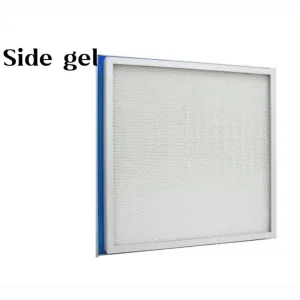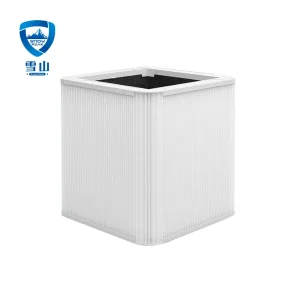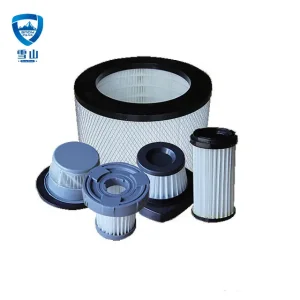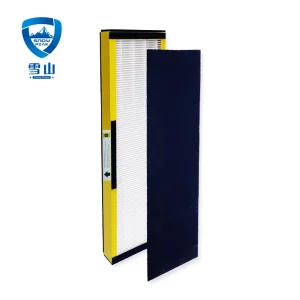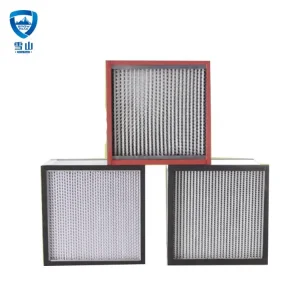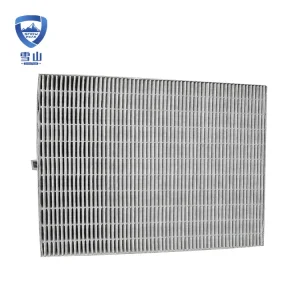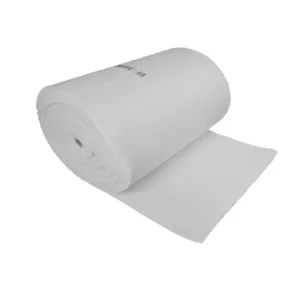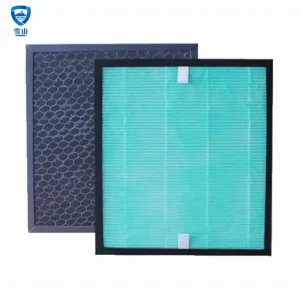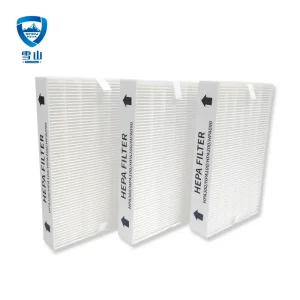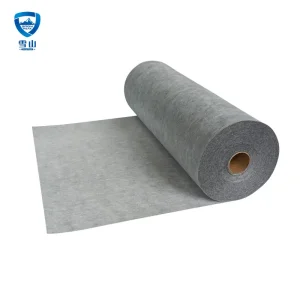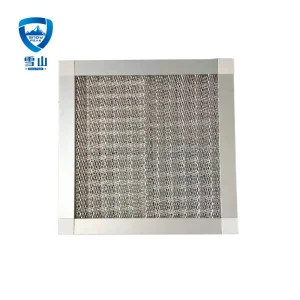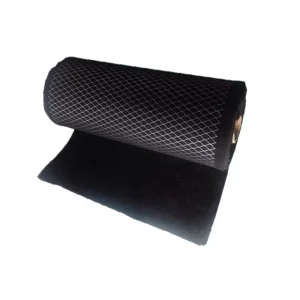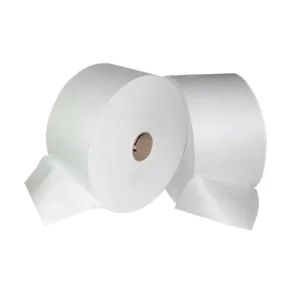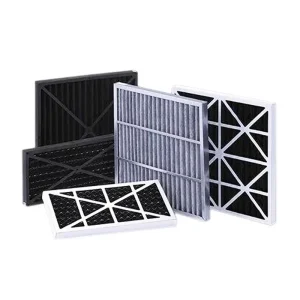
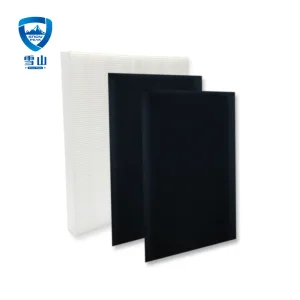
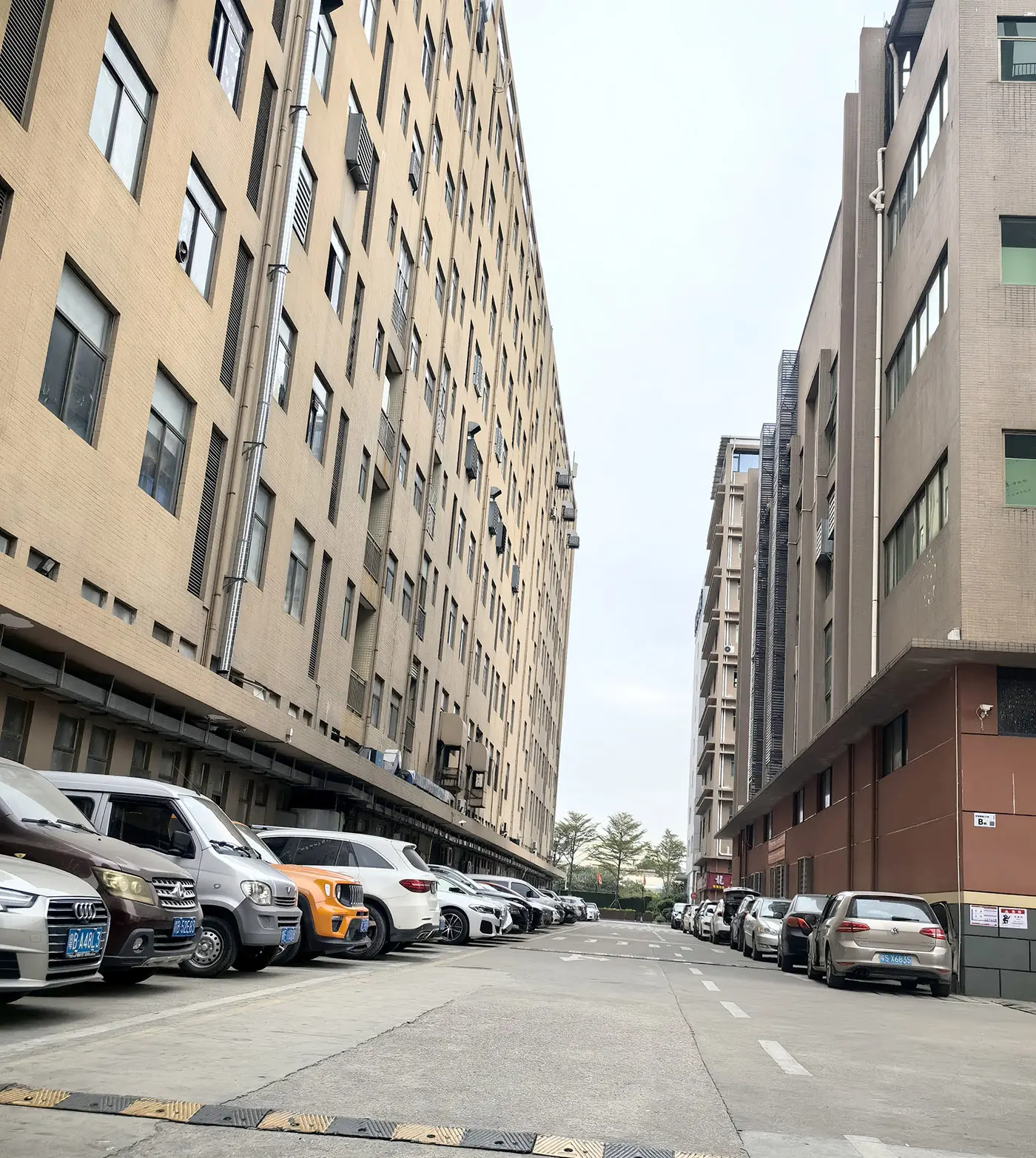
Shenzhen Snow Peak Clean Technology Co., Ltd. is a leading integrated high-tech enterprise, specialized in air filtration products research and development, production, sales, import and export trade. We produce and supply: Pre-filter, pocket filter, HEPA filter, chemical filter; replacement HEPA filter, car cabin air filter, humidifier filter; pocket filter media, melt-blown composite filter media, and other high-performance filter materials; provide high quality air purification solutions and products for indoor air pollution control and air conditioning systems of civil and industrial buildings, microelectronics, pharmaceutical, laboratory, school, hospital clean room etc.
Combined with self-developed patented technology, our sterilizing antiviral HEPA filter can effectively filtrate fine particles, so that PM2.5 concentration down to 10 micrograms/m3, 5 times better than national standard; effectively inhibit the breeding of microorganisms, sterilization rate up to 99.9%, and no secondary pollution, removal of H1N1 virus efficiency as high as 99.99%. We have achieved global recognition by offering consistent engineering capabilities that support structural customization and meet rigid compliance requirements.
Analyzing key market drivers, technological breakthroughs, and engineering dynamics defining modern particulate filtration.
The global demand for high-efficiency air filter media materials is undergoing a massive transformation driven by changing regulatory frameworks, microelectronics scaling, and post-pandemic biosafety measures. Modern air filter media is no longer just about passive mechanical interception. Today's advanced filter materials rely on engineered microstructure properties, electret charging techniques, carbon hybridization, and mechanical-electrostatic synergistic actions to achieve low airflow resistance and high dust holding capacity (DHC). This evolution addresses the critical need of global industrial operators to optimize energy consumption while guaranteeing pristine, contamination-free cleanroom environments.
Modern meltblown and composite media materials utilize specialized Corona discharge or hydro-charging electret treatment. This technological breakthrough significantly enhances sub-micron particulate capture efficiency without increasing physical fiber density, thereby maintaining low pressure drop and reducing HVAC energy overheads.
By blending high-efficiency particulate media with integrated active carbon matrices or catalyst-coated structures, dual-action sandwich media has become the market standard. This provides synchronous control of both Particulate Matter (PM) and volatile organic compounds (VOCs) for cleanroom air makeup systems.
Modern public health standards mandate active biological mitigation. By utilizing proprietary non-leaching antiviral compounds, Snow Peak’s patented media halts micro-organism growth on the filter surface, reducing secondary bio-aerosol hazards in healthcare and food-processing environments.
Operational transparency and state-of-the-art machinery behind our high-performance filtration media.
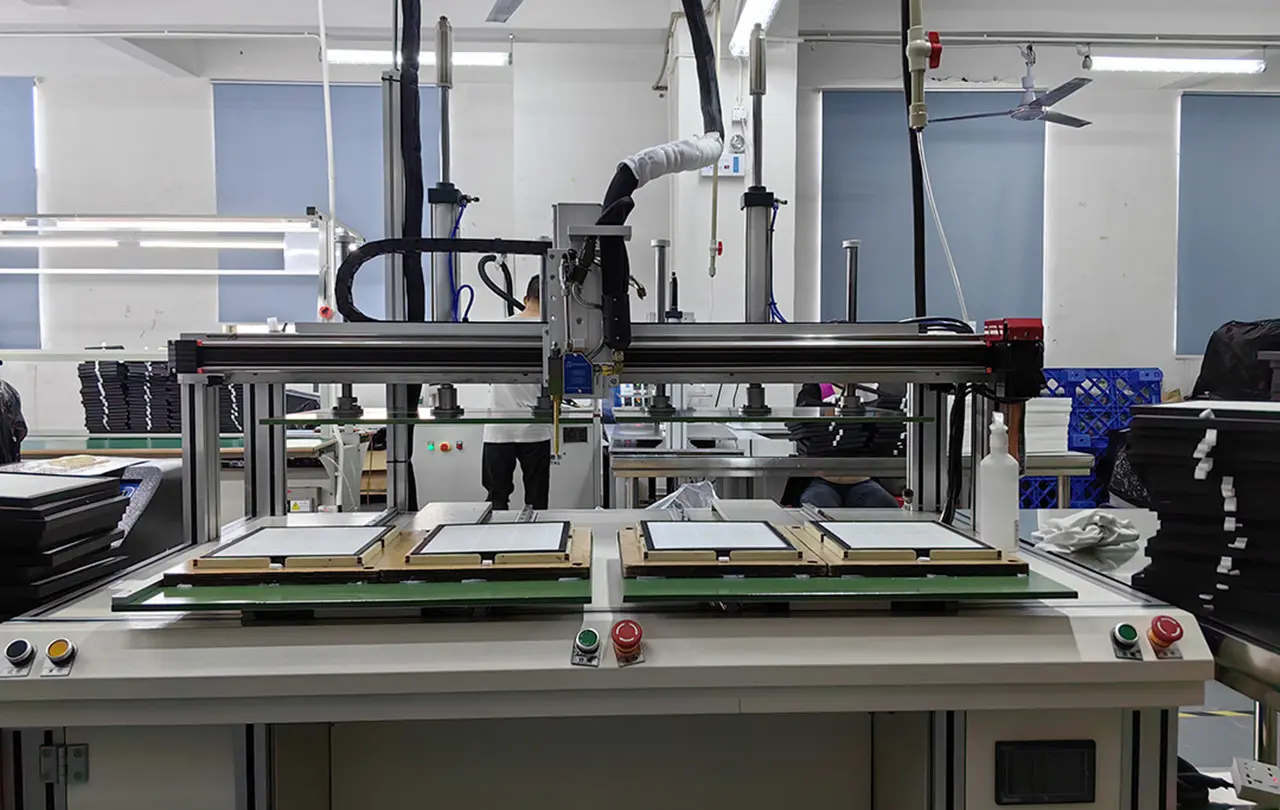
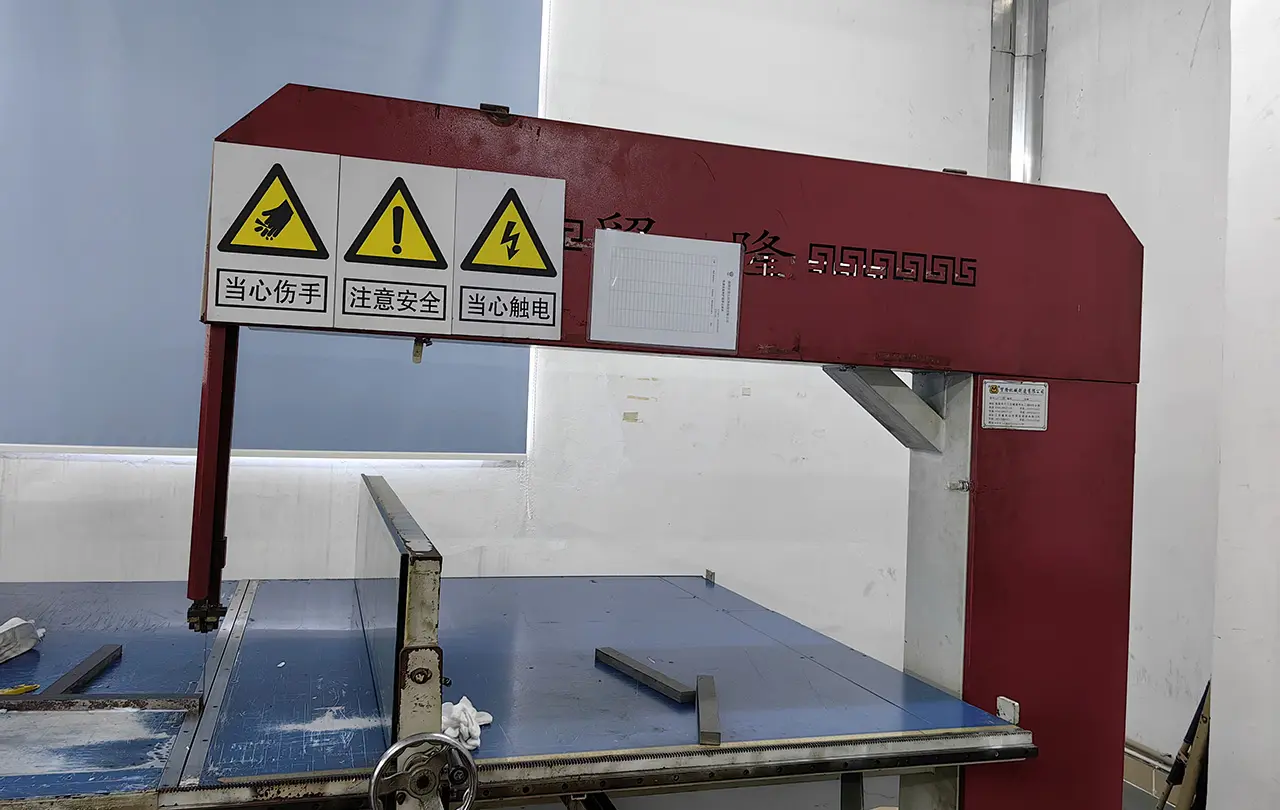
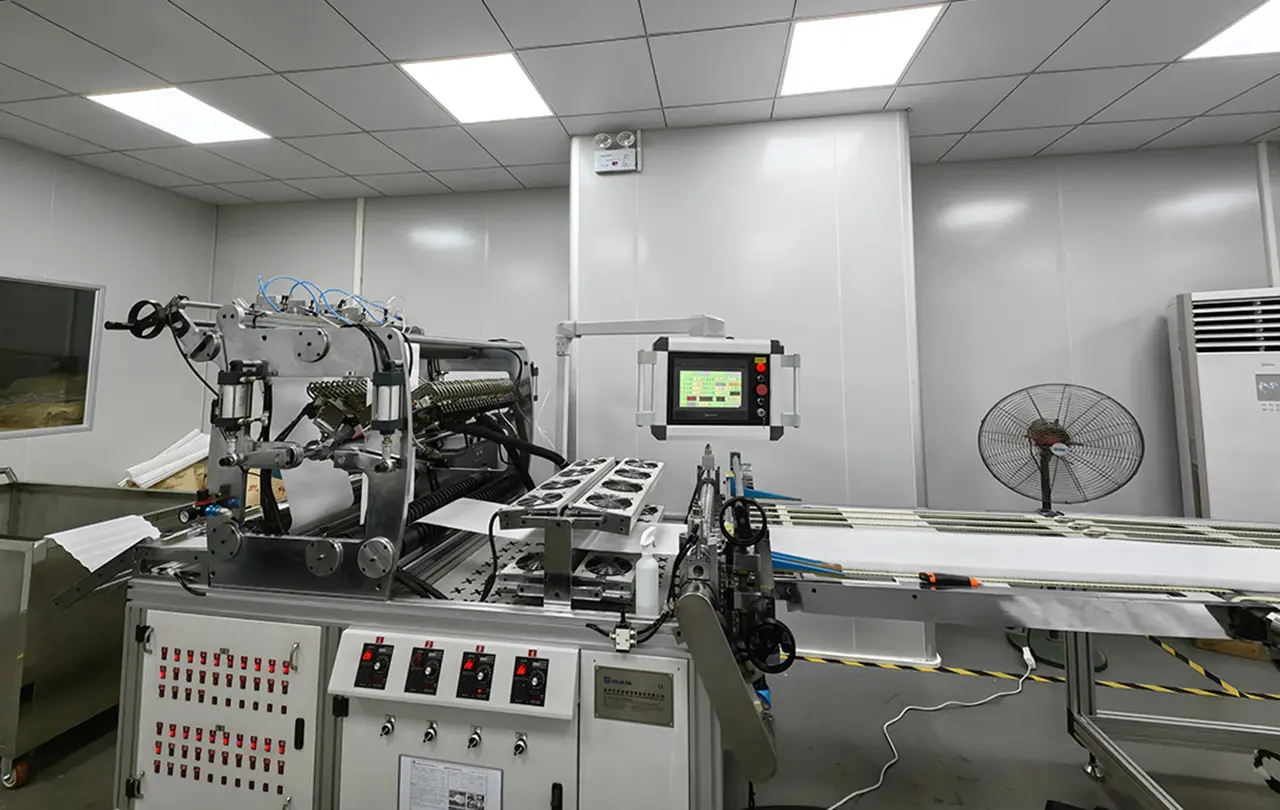
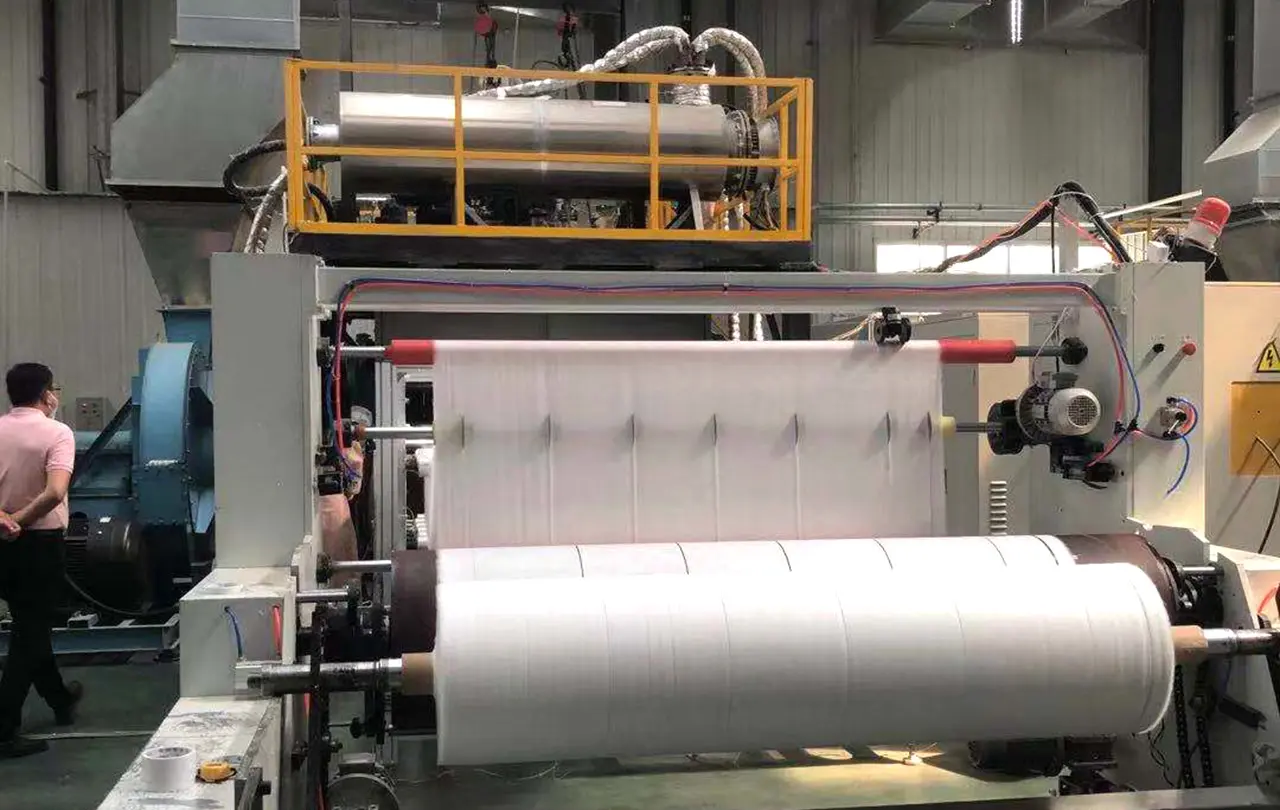
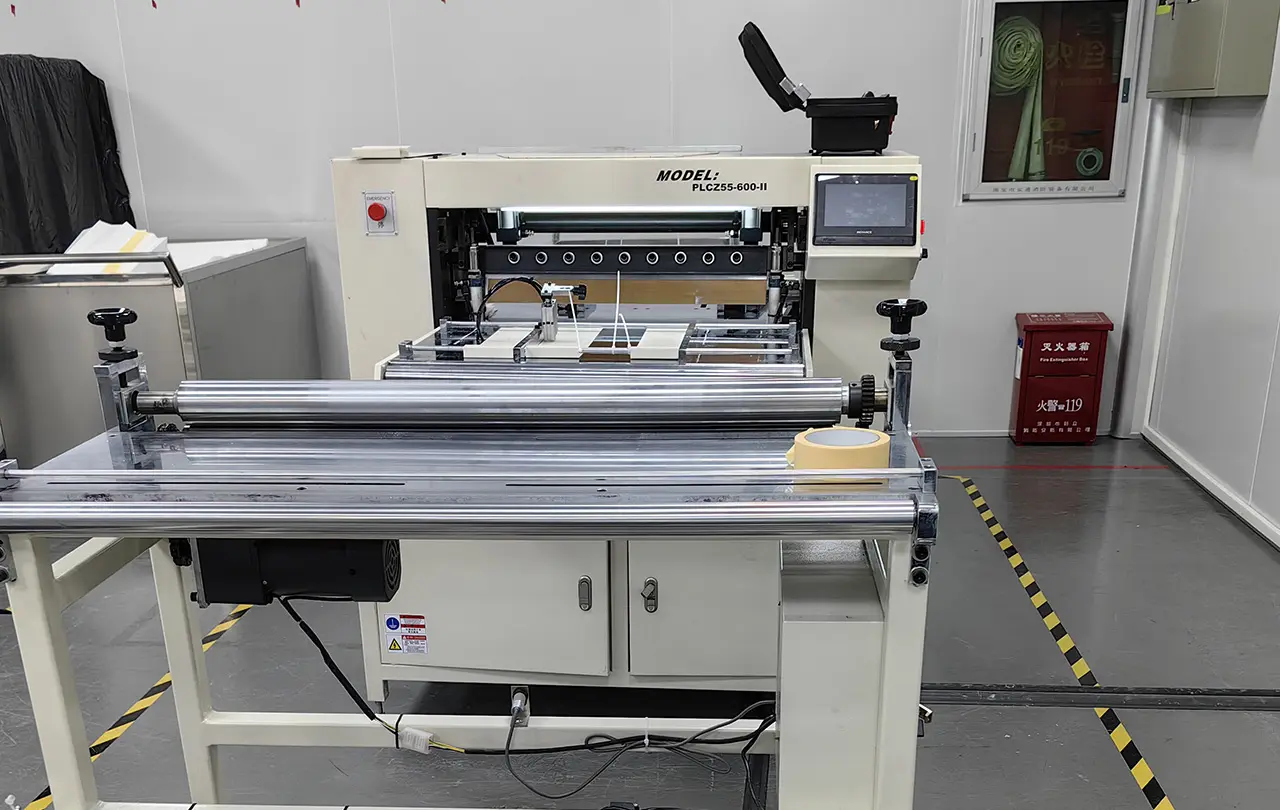
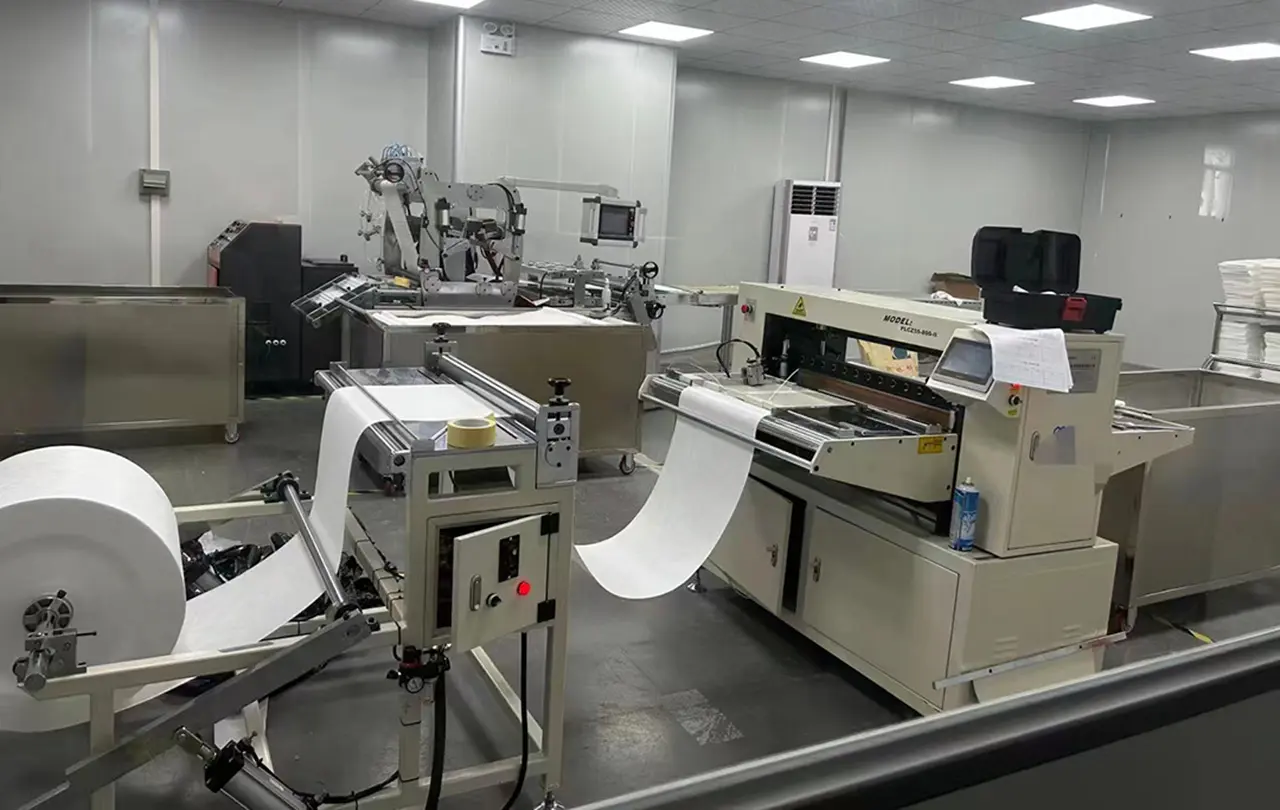
Having 15 years of international air purification technology experience as the background, our company has standardized production workshop, dust-free filter workshop and first-class technology of HEPA filters production line and inspection line, independent research and development of fully automatic air filter production line, equipped with AMADA CNC punch and CNC bending machine as well as many other advanced high-end equipment, provide a strong guarantee for production and quality of air filtration and purification products.
International HVAC engineers and commercial procurement teams evaluate suppliers based on high-integrity parameters. We address the core user search intent by offering solutions designed for the following industrial priorities:
Tailored technologies developed for advanced sectors requiring high-purity environment maintenance.
Targeting zero particulate contamination in high-end wafer fabrication facilities. We supply ultra-low outgassing PTFE filter media and compact gel-seal HEPA/ULPA systems. This prevents physical defects in circuits and protects automated lithography equipment from molecular organic contamination.
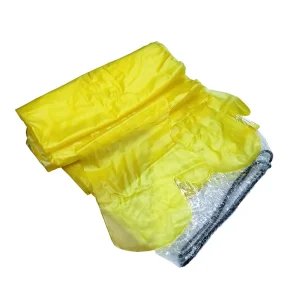
Ensuring compliance with FDA and GMP cleanroom requirements. Our specialized Bag-In-Bag-Out (BIBO) safety housings, combined with customized PVC containment replacement bags, prevent biosafety hazards during critical filter maintenance in highly infectious pathogen handling cleanrooms.
Providing custom-made G4, M5, and F7 pre-filter materials, including 600G high-performance ceiling cotton. This provides pre-filtration for building intake lines, trapping coarse particulate matter and prolonging the operating lifespan of terminal HEPA components.
A proactive view into our material science innovations and compliance structures.
Moving beyond conventional meltblown polymer dimensions, we are integrating electrospun nanofibers (diameters under 100nm) into composite substrates. This provides mechanical particulate capture at the nanoscale, maintaining clean air flow while increasing filtration performance for ULPA applications.
We are actively researching polylactic acid (PLA) and other bio-derived polymers to manufacture compostable air filter media. This resolves disposal problems for spent commercial HVAC filters, reducing overall carbon footprint without compromising efficiency ratings.
Our verification processes align with global standards. Every batch of HEPA media is evaluated utilizing DIN EN 1822 test methods (MPPS retention) and ISO 16890 grading systems. This ensures that the technical specifications reported on paper match structural field performance.
Direct answers to critical questions commonly encountered by engineering, procurement, and technical maintenance teams.
 Snow Peak