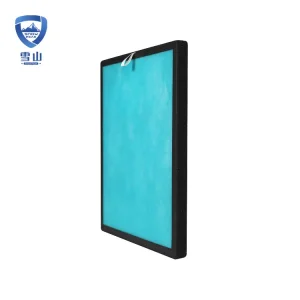
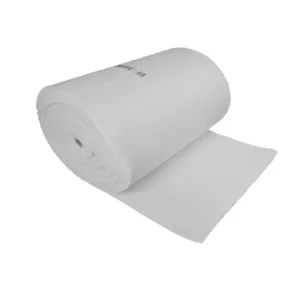
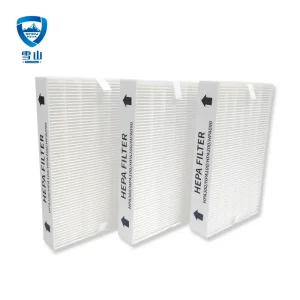
Explore our top-tier commercial, industrial, and residential air filtration solutions engineered by Shenzhen Snow Peak Clean Technology Co., Ltd.
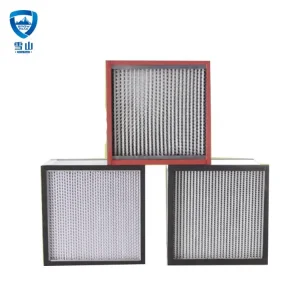
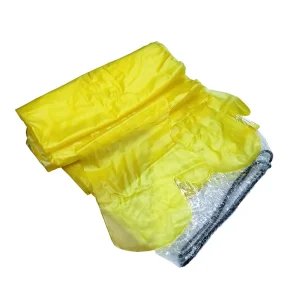
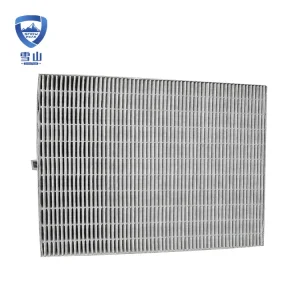
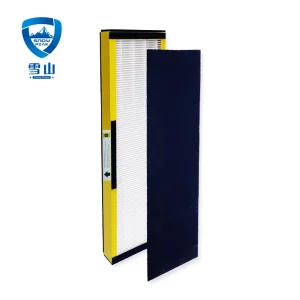
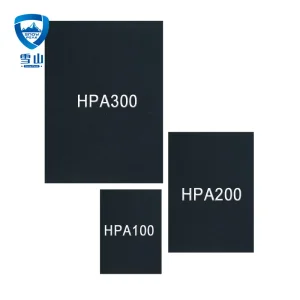
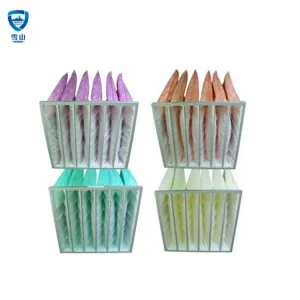
Shenzhen Snow Peak Clean Technology Co., Ltd. is an integrated high-tech enterprise, specialized in air filtration products research and development, production, sales, import and export trade. We produce and supply: Pre-filter, pocket filter, HEPA filter, chemical filter; replacement HEPA filter, car cabin air filter, humidifier filter; pocket filter media, melt-blown composite filter media, and other high-performance filter materials; provide high quality air purification solutions and products for indoor air pollution control and air conditioning systems of civil and industrial buildings, microelectronics, pharmaceutical, laboratory, school, hospital clean room etc.
Combined with self-developed patented technology, our sterilizing antiviral HEPA filter can effectively filtrate fine particles, so that PM2.5 concentration down to 10 micrograms/m3, 5 times better than national standard; effectively inhibit the breeding of microorganisms, sterilization rate up to 99.9%, and no secondary pollution, removal of H1N1 virus efficiency as high as 99.99%.
Air filtration in heavy industrial, medical, and high-purity microelectronic applications demands more than just mechanical particulate capture. Activated carbon (or charcoal) is the industry standard for molecular filtration. At its core, the technology relies on the physical phenomenon of adsorption—where gas-phase molecules adhere to the internal surfaces of a highly porous solid carbon matrix.
By processing carbonaceous source materials (typically coconut shells, anthracite coal, or wood) at high temperatures in the presence of gas (steam or carbon dioxide), we create an intricate internal network of pores. A single gram of high-quality activated carbon features a surface area exceeding 1,000 square meters. In cleanroom environments, these micro-pores and meso-pores trap Volatile Organic Compounds (VOCs), acidic gases, alkaline gases, and unpleasant odors, preventing them from contaminating delicate processes or endangering human health.
In modern cleanroom and HVAC applications, molecular carbon filtration is rarely deployed in isolation. It is typically combined with a HEPA (High-Efficiency Particulate Air) membrane. Particulates deposit on the physical glass-fiber or synthetic web of the HEPA filter, while gases bypass it completely. Conversely, carbon pellets or carbon-impregnated fabric filters can only adsorb gas molecules, leaving particulate matter unchecked.
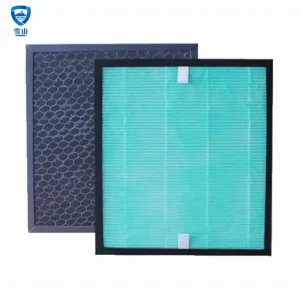
By layering these materials (such as in a sandwich-type pleated layout or structured carbon-composite media), companies like Shenzhen Snow Peak offer a dual-action system. This design handles physical dust, PM2.5, bacteria, and viral threats while capturing harmful VOCs and gaseous exhaust concurrently. This configuration lowers the total footprint of the air handling unit, reduces installation labor, and delivers optimal system design efficiency.
Explore the machinery and precision technology behind Snow Peak's 15-year manufacturing advantage.
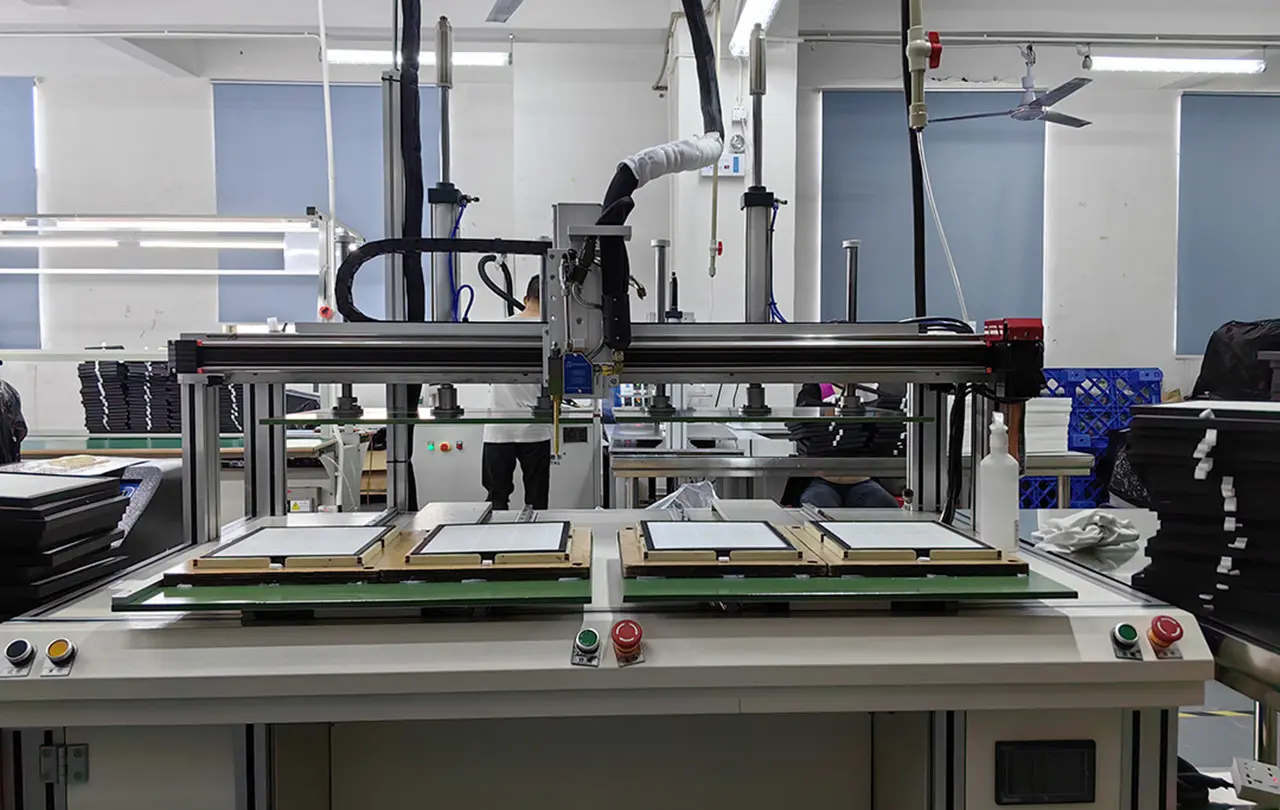
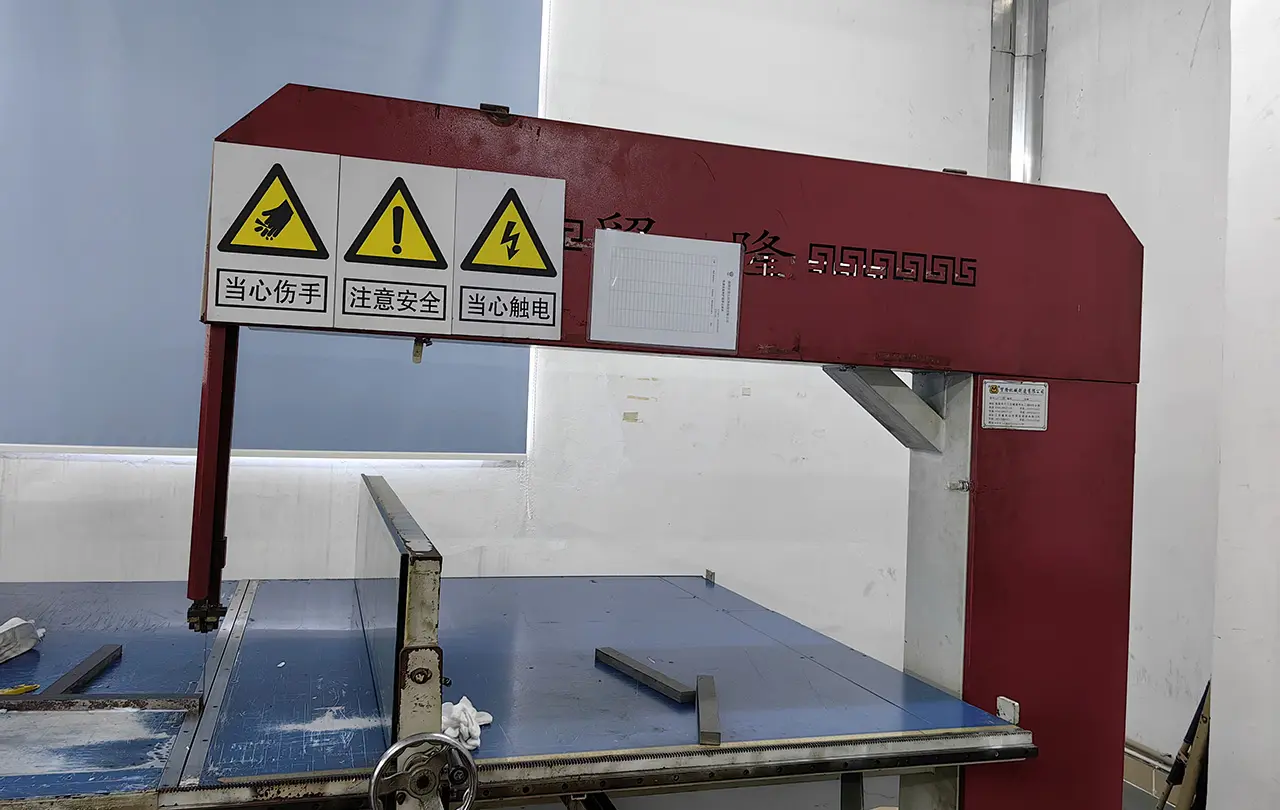
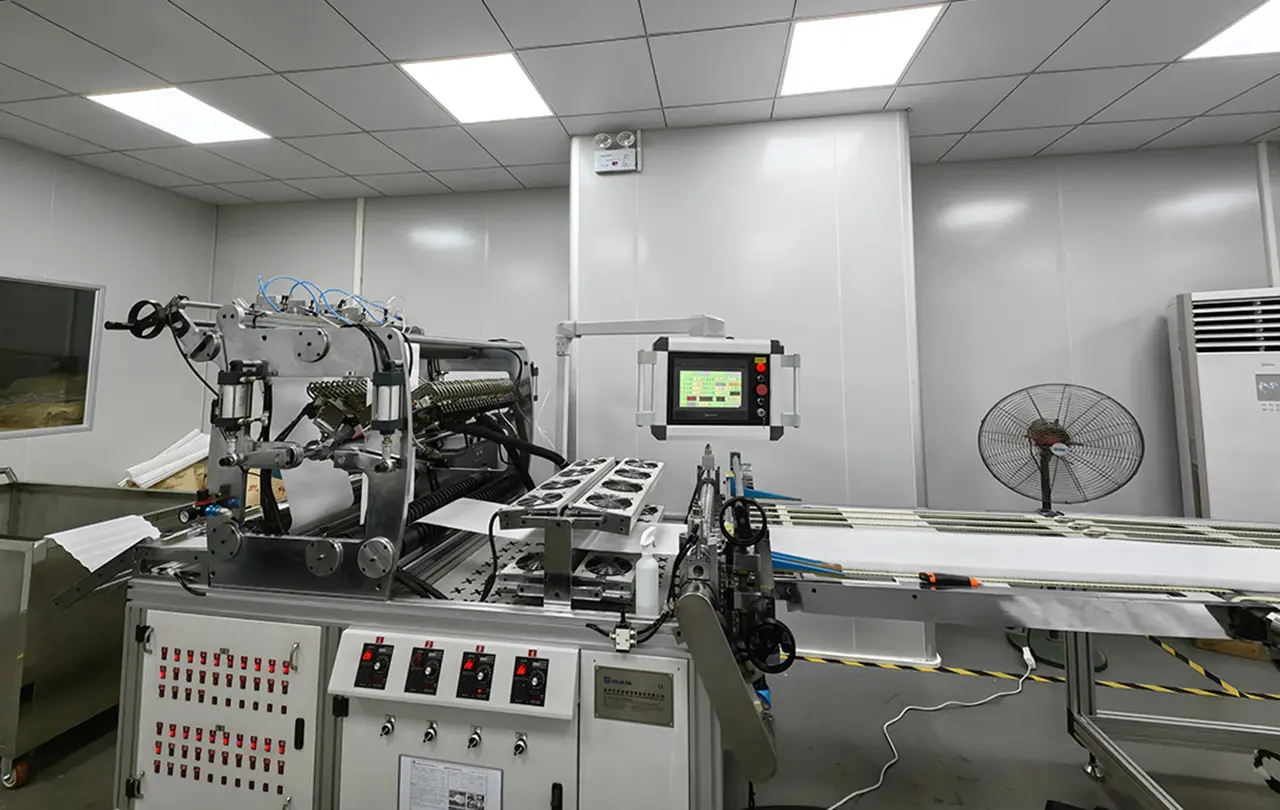
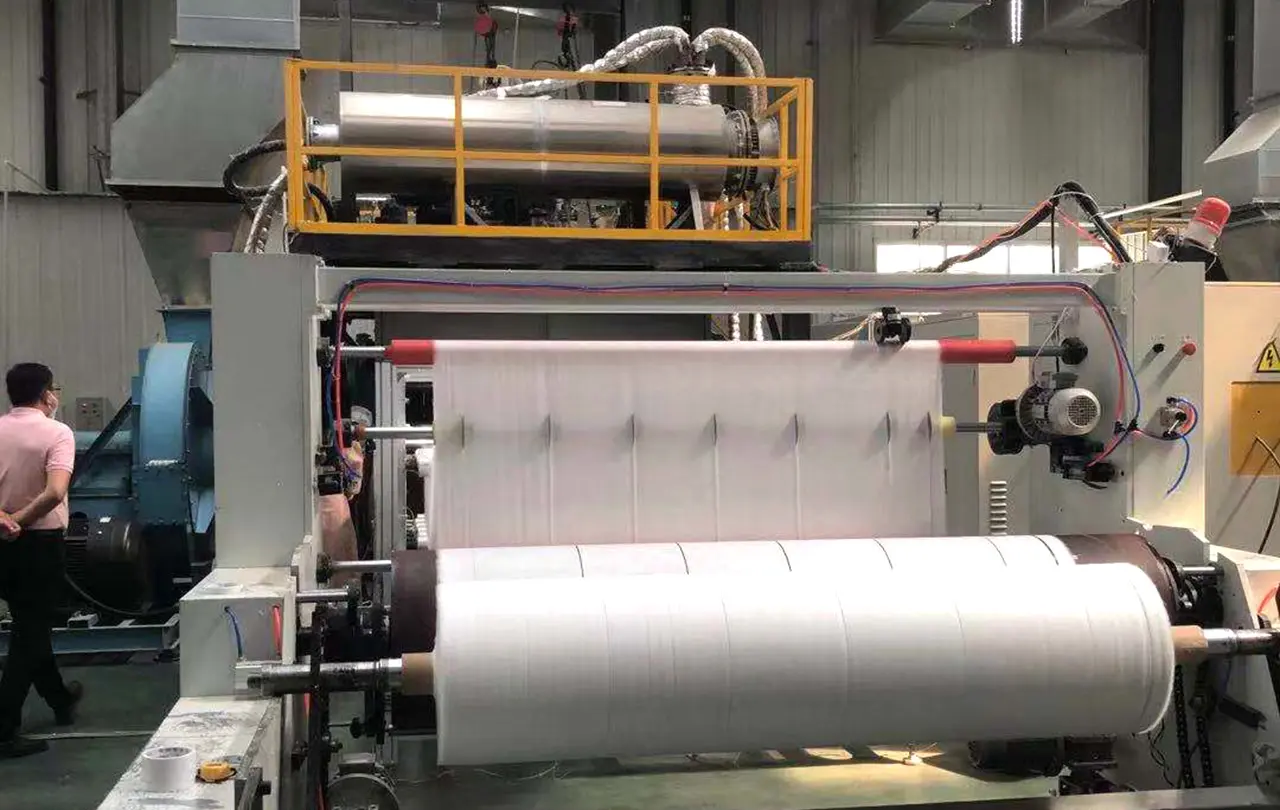
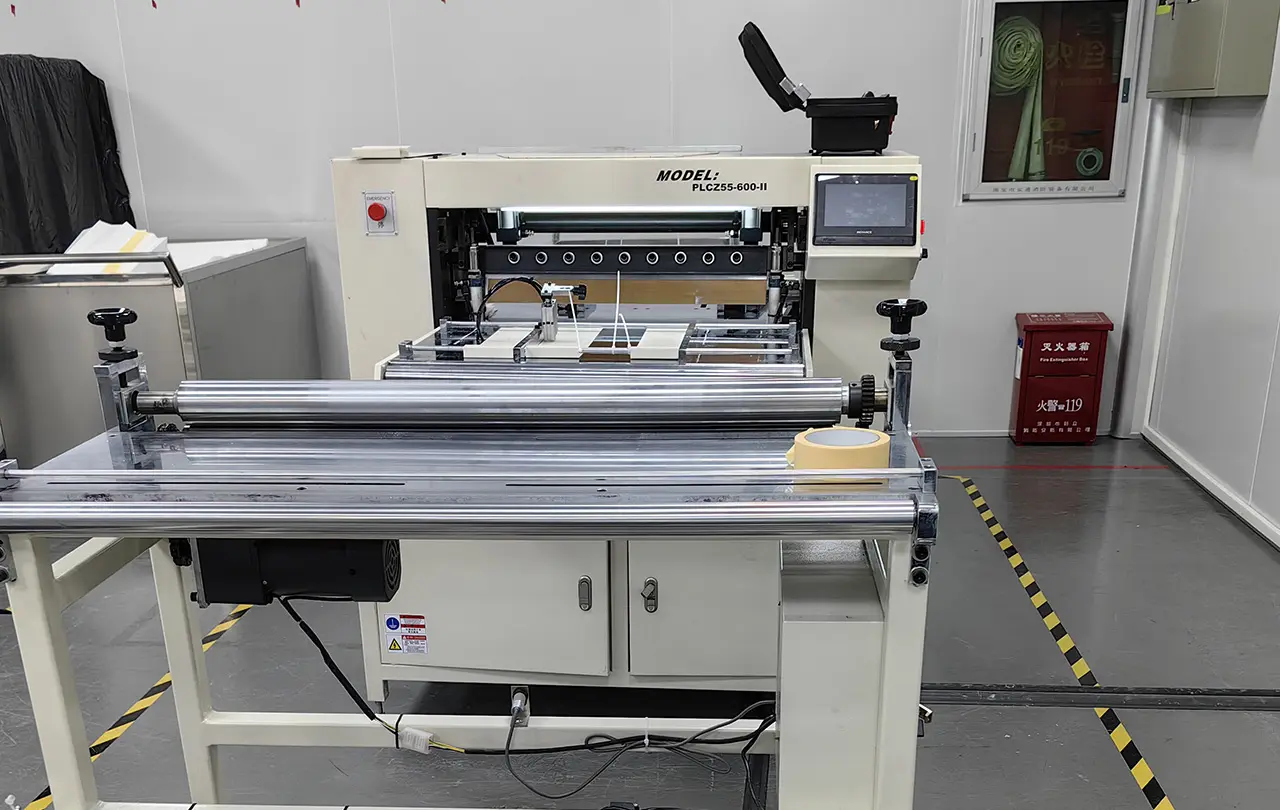
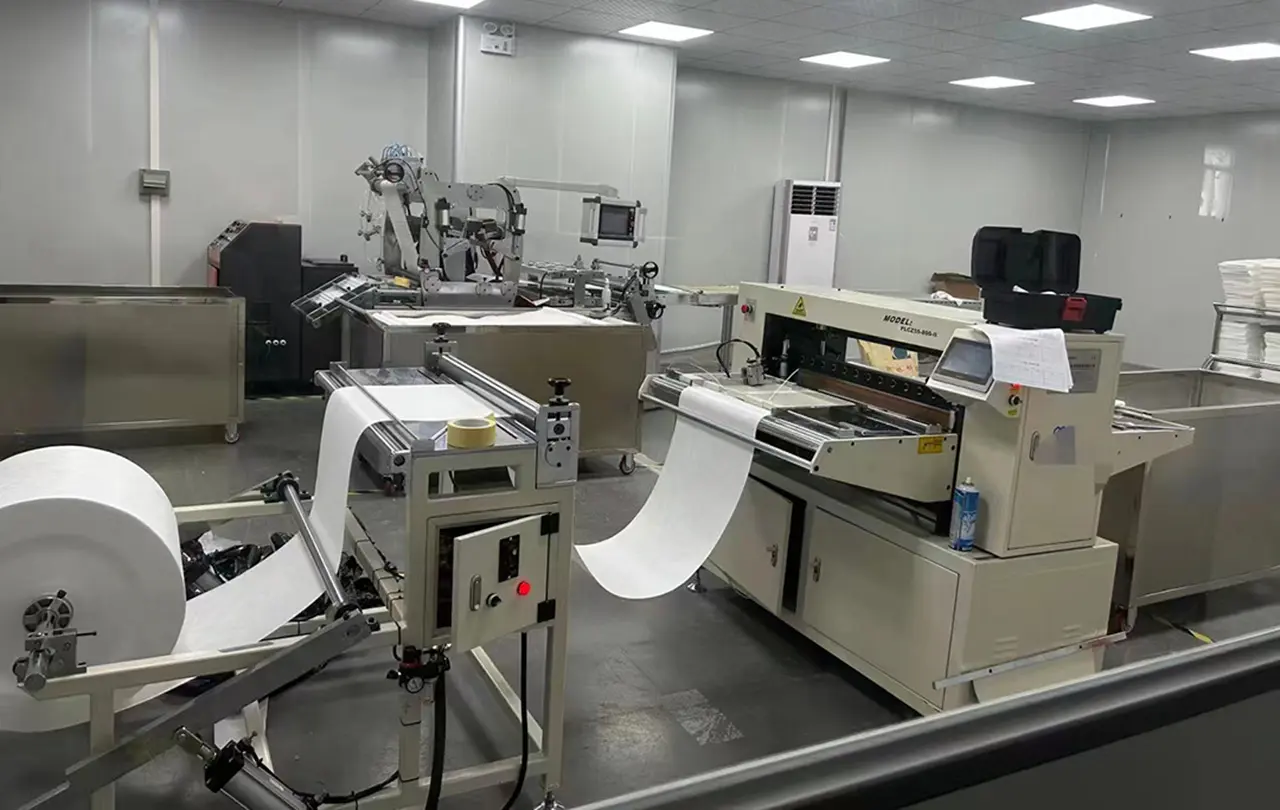
Our specialized manufacturing facility is equipped with automated pleating lines, high-precision frame assembly systems, and advanced metal fabrication equipment, including AMADA CNC punch and CNC bending machines. This industrial machinery allows us to maintain tight tolerances across large fabrication runs for stainless steel, galvanized iron, and aluminum-framed filters.
To ensure reliable, leak-free operation, our HEPA and active carbon filters undergo automated framing, gluing, and sealant dispensing. This eliminates human assembly variation, ensuring consistent pressure-drop characteristics and airtight housing seals. Every filter leaving our line is verified for integrity and performance to guarantee field-level reliability.
Activated carbon filters play a critical role across several high-specification industrial sectors.
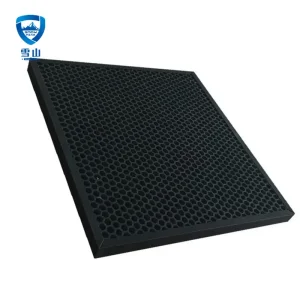
Trace concentration of Airborne Molecular Contaminants (AMCs) can settle on silicon wafers during photolithography, causing yield defects. Honeycomb activated charcoal filters remove AMC elements down to parts-per-billion (ppb) levels.
Combining HEPA and activated carbon filtration helps isolate chemical vapors and microbial threats. Our specialized Bag-In-Bag-Out (BIBO) safety housings prevent operational exposure during filter replacement.
Vehicle cabin filters combine electrostatically charged media and carbon-embedded fabrics to block road dust, pollen, exhaust emissions, ozone, and toxic gases, ensuring a clean cabin environment.
Paint spray applications generate fine aerosol paint mist and significant amounts of volatile organic compounds (VOCs). Pre-filtration and activated carbon media trap these vapors to keep emissions compliant.
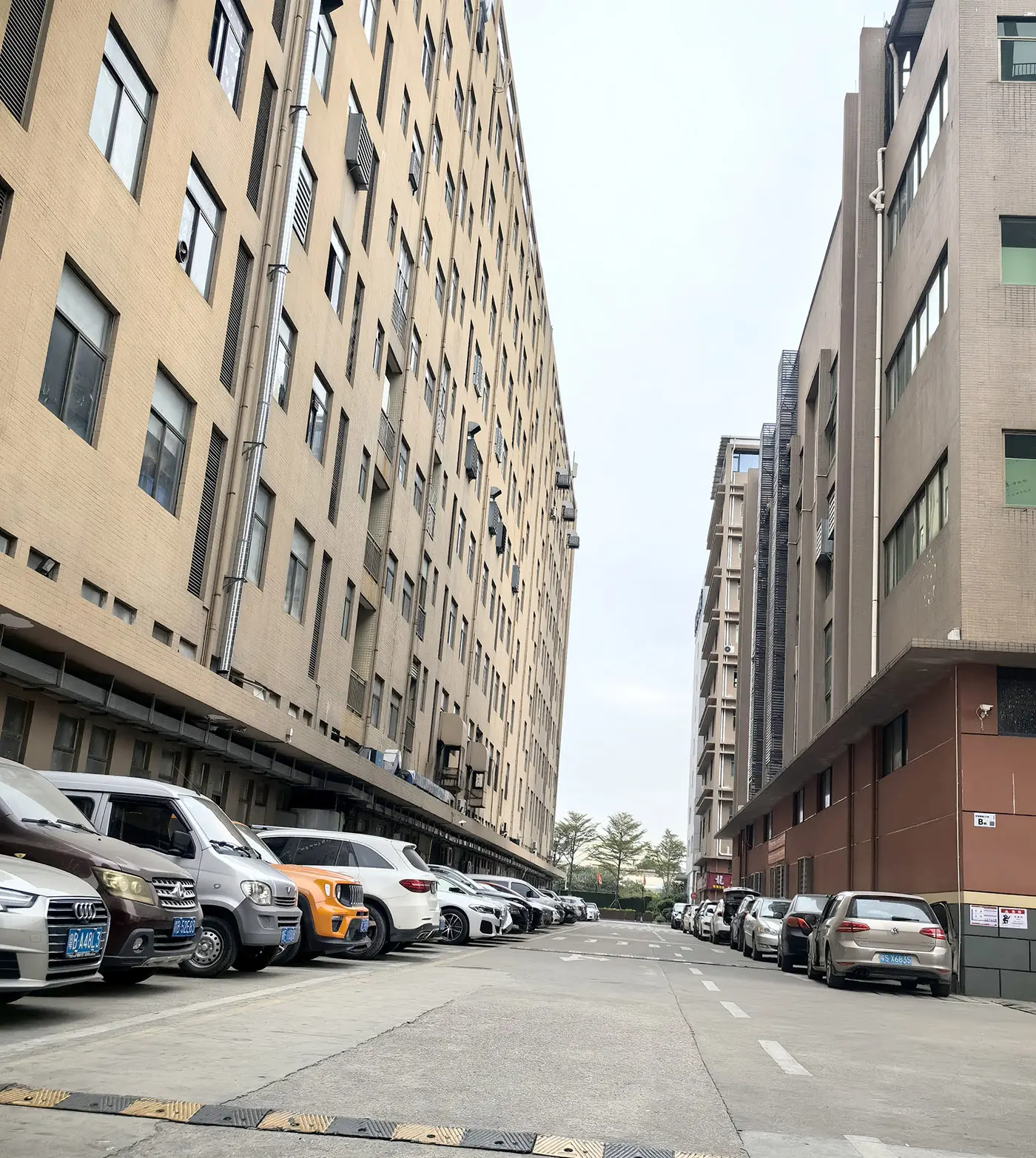
Sourcing high-end cleanroom air filters from China offers significant strategic advantages for international buyers. The manufacturing ecosystem, centered in advanced hubs like Shenzhen, combines material accessibility, specialized labor, and streamlined shipping infrastructure to reduce total cost of ownership.
At Shenzhen Snow Peak, we utilize a vertically integrated supply chain. We manufacture our own composite melt-blown media, pocket materials, and structural frames in-house. This reduces dependency on secondary material suppliers, lowering production lead times. Automation—such as CNC steel punchers and automatic media folding machines—allows us to scale production quickly to meet high-volume demands.
Our engineers offer direct design support for OEM/ODM requirements. Whether modifying pressure-drop profiles, customizing framing (e.g., W-bank, V-cell plastic, anodized aluminum), or sourcing specific charcoal grades (e.g., coconut shell carbon with high iodine numbers), our setup ensures quick turnarounds from design validation to export shipping.
B2B procurement professionals must analyze key performance metrics to ensure target air filtration performance. When comparing active carbon configurations, look for these baseline specifications:
A key metric of active carbon quality. The iodine number indicates the micropore volume, with values between 900 to 1100 mg/g offering high adsorption capacity.
Determines the amount of active carbon per square meter of filter media. Higher density extends service life and increases VOC capture capacity before saturation.
Pressure drop impacts energy consumption. Ensure the initial resistance falls within limits (e.g., < 80 Pa for carbon-impregnated media, depending on face velocity) to prevent fan motor overload.
Filters should comply with key industry standards, including CE certification, EN 1822:2009 (for particulate capture efficiency), and ISO 16890.
Modern technological trends shaping the design and manufacturing of molecular filtration systems.
Manufacturers are shifting from coal-based carbon to renewable biomass bases, such as coconut shells and agricultural waste, to reduce carbon footprint while maintaining high adsorption capacity.
Advanced impregnation techniques bond metal catalysts to the carbon matrix. This enhances target gas removal rates for toxic contaminants like formaldehyde and ozone.
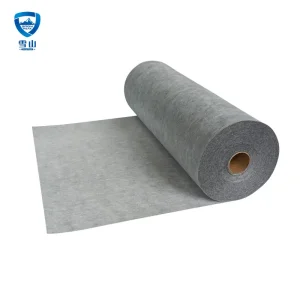
Industrial facilities utilize multi-stage designs—combining synthetic pre-filters, carbon fabrics, and high-efficiency glass fiber—to simplify installation and protect downstream equipment.
Get technical and commercial insights on custom activated carbon air filtration.
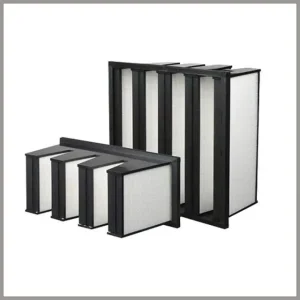
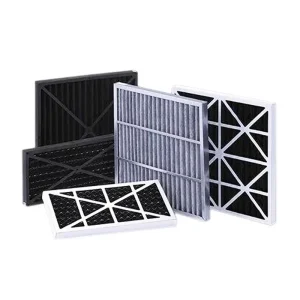
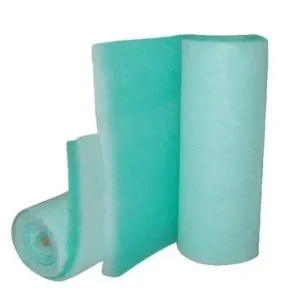
Select from our specialized line of V-bank, honeycomb carbon, pre-fiberglass, and OEM-compatible filters.
 Snow Peak