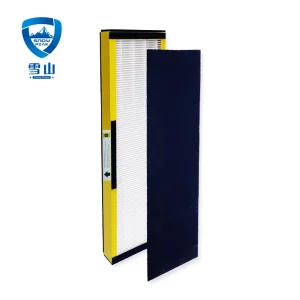
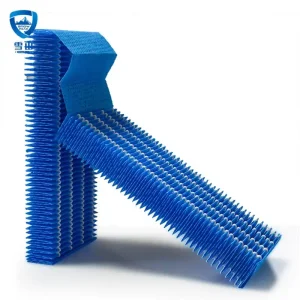
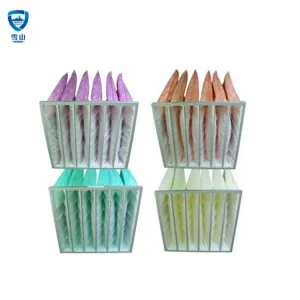
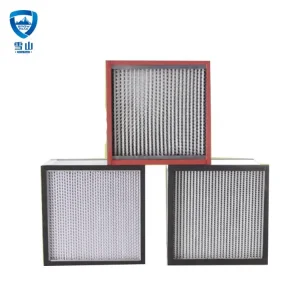
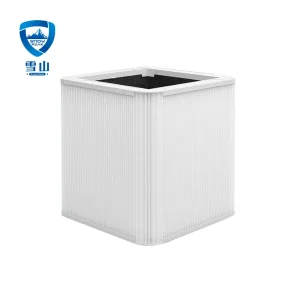
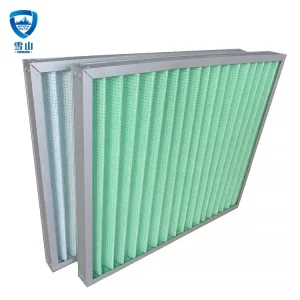
Premium OEM/ODM certified air filters designed to exceed standard HVAC configurations and target specific particulate matter and hazardous chemical vapors.
Integrated High-Tech Pioneer in Global Air Filtration & Sterilization Science.
Established as an industry leader in engineering and high-throughput production, Shenzhen Snow Peak Clean Technology Co., Ltd. specializes in air filtration research, development, custom manufacturing, and global trade. We serve critical industries where clean air is paramount—from microelectronics fabrication, pharmaceutical cleanrooms, medical laboratories, and school buildings to major commercial infrastructures.
Through our advanced in-house R&D, we have pioneered the next generation of sterilization and antiviral technologies. By embedding micro-molecular traps and chemical agents within high-efficiency substrates, our patented antiviral HEPA filters achieve unprecedented levels of air purification. They lower micro-particle concentrations (PM2.5) to a cleanroom grade of under 10 micrograms per cubic meter—yielding metrics five times cleaner than typical municipal standards. Our media is proven to kill up to 99.9% of bacteria and viruses, notably removing H1N1 virus with a 99.99% efficiency rating, all while preventing secondary contamination.
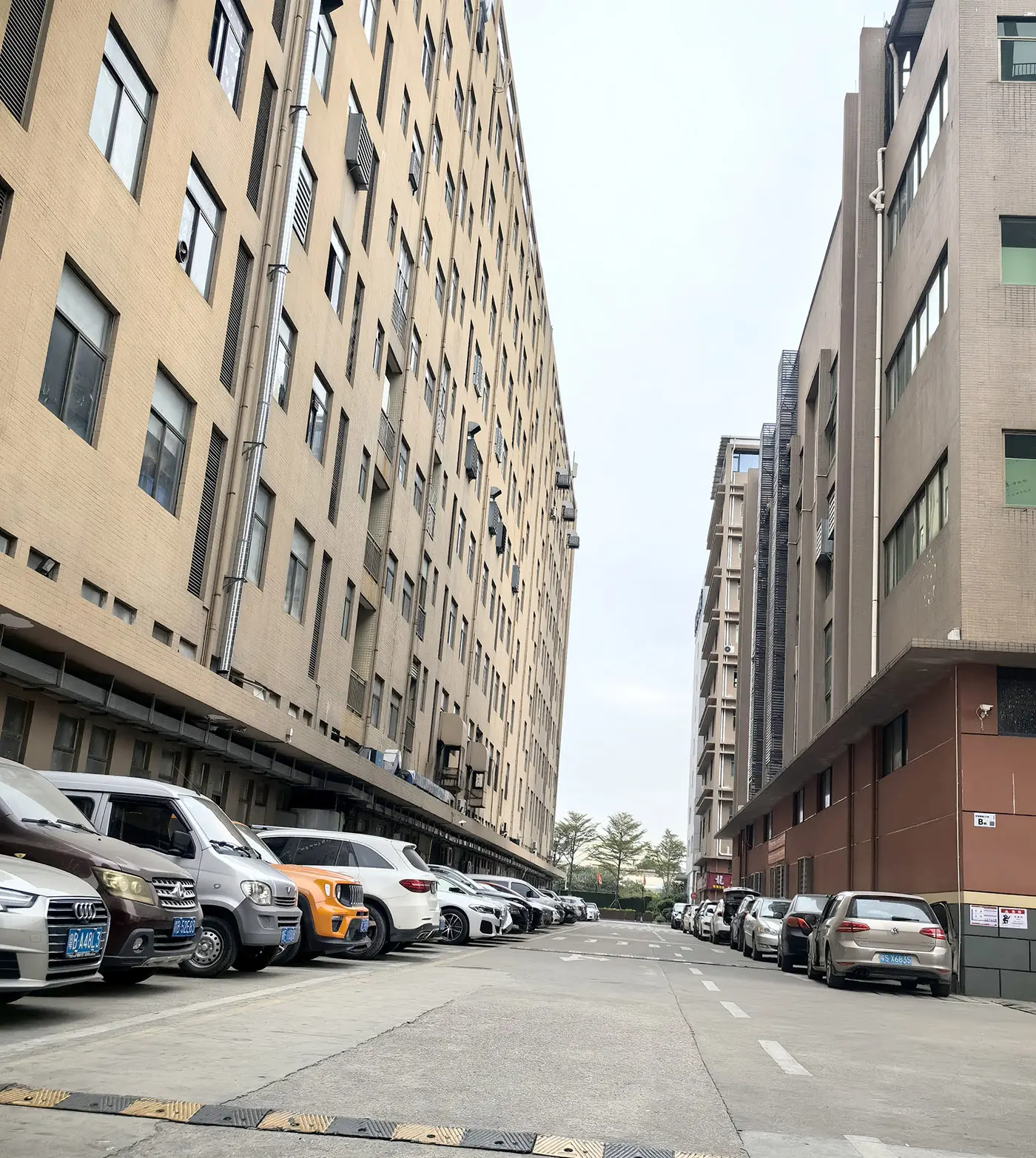
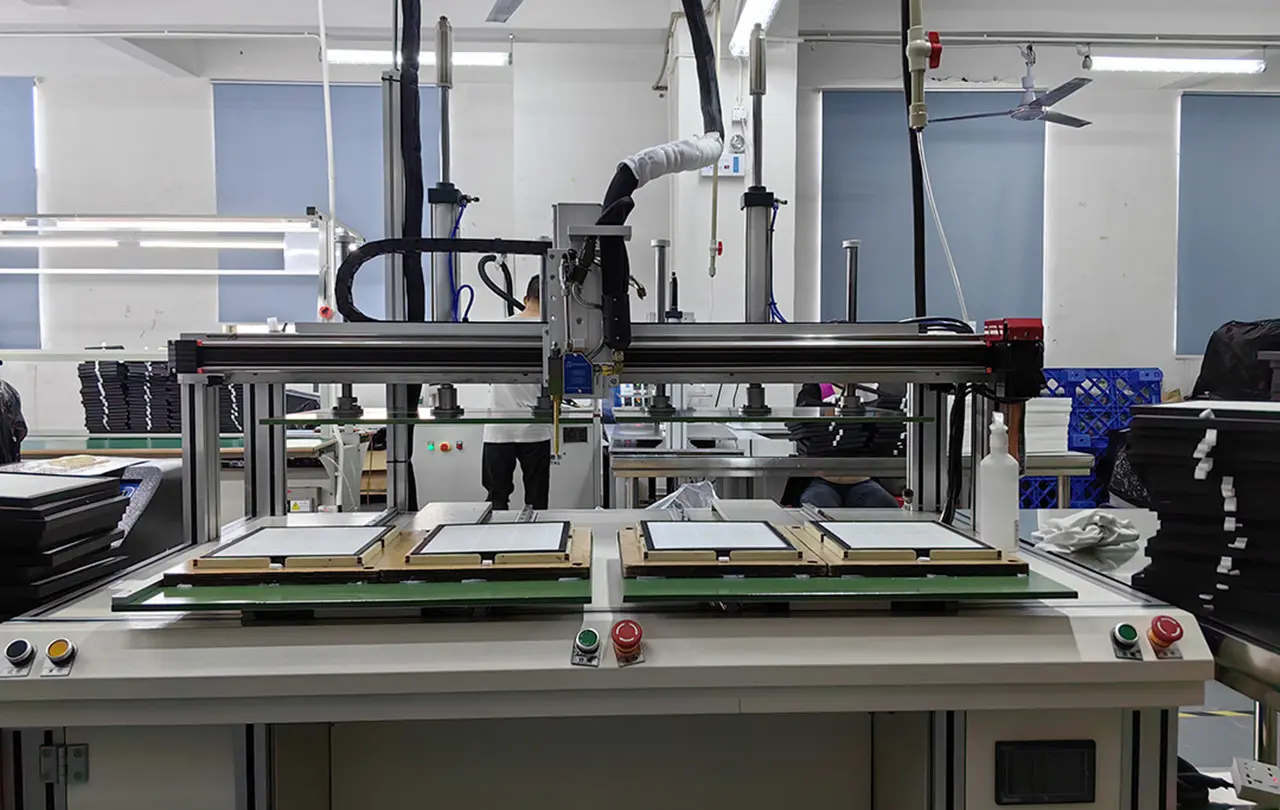
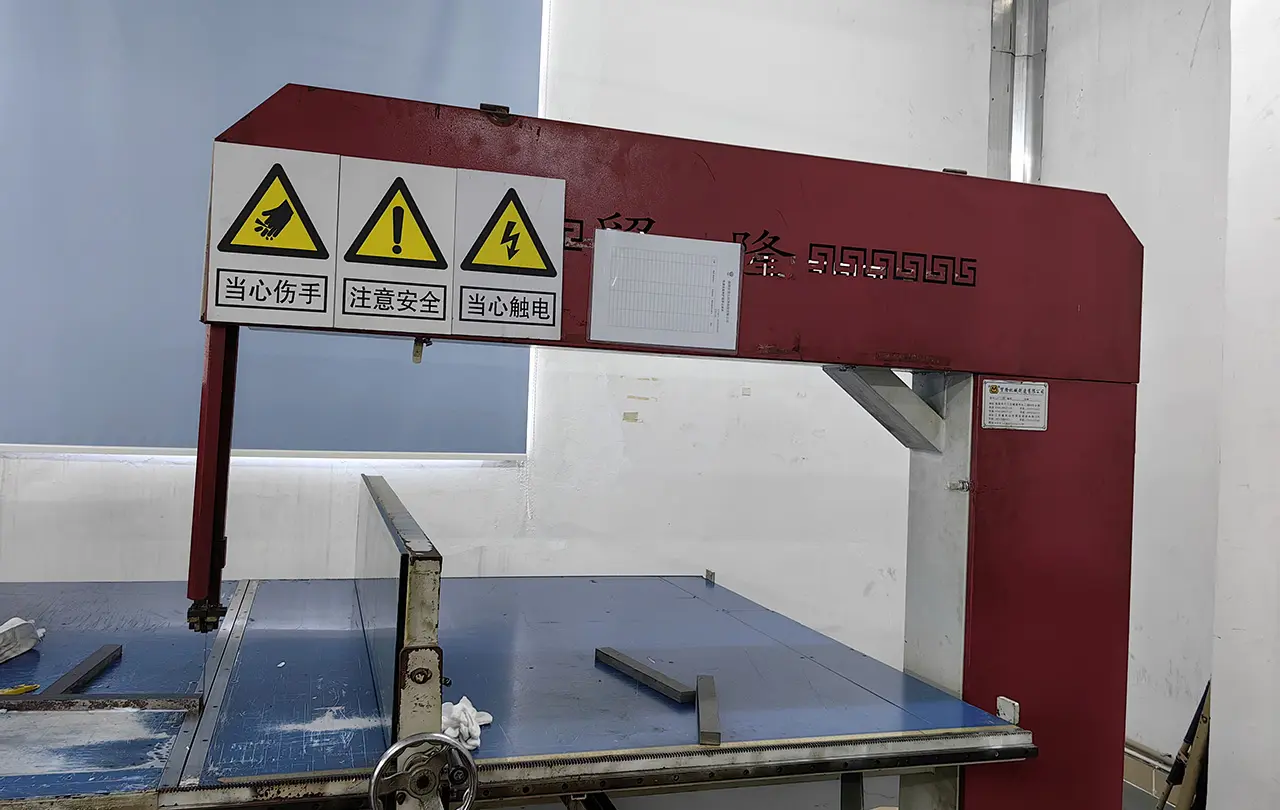
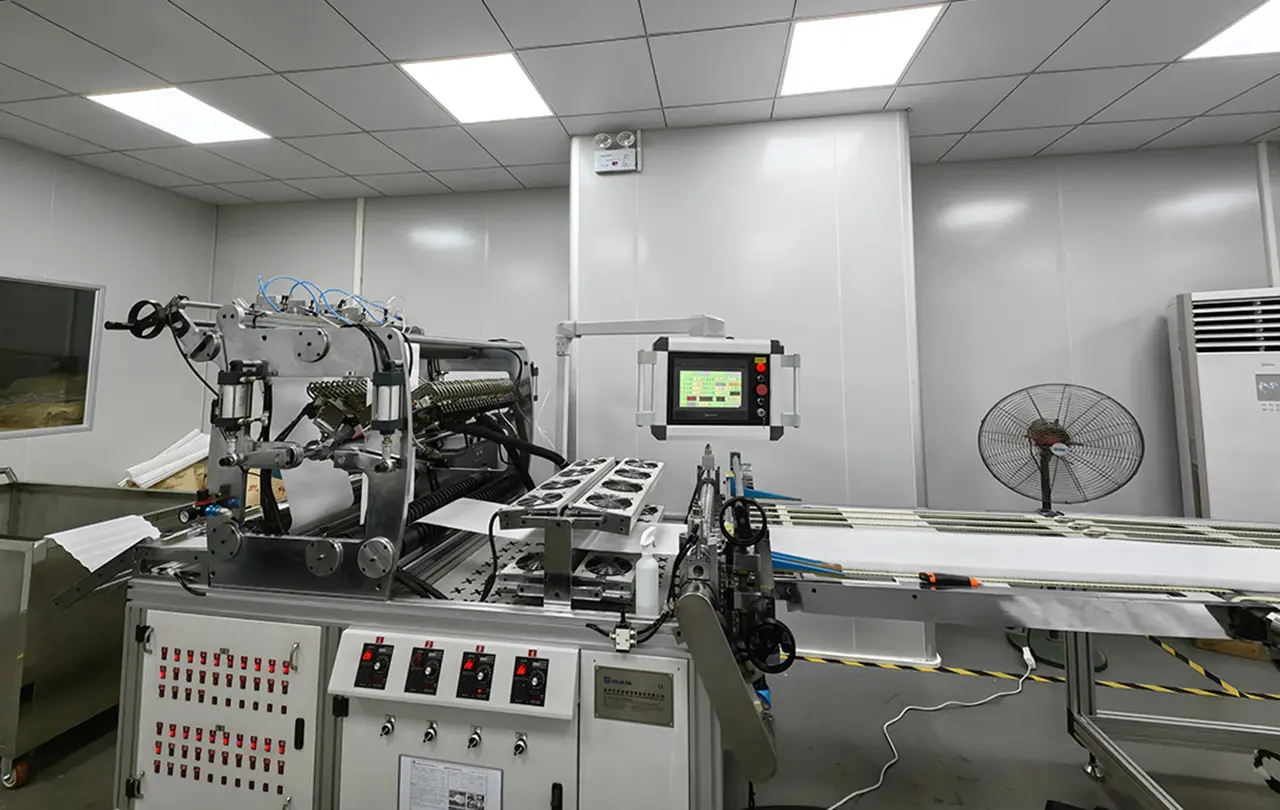
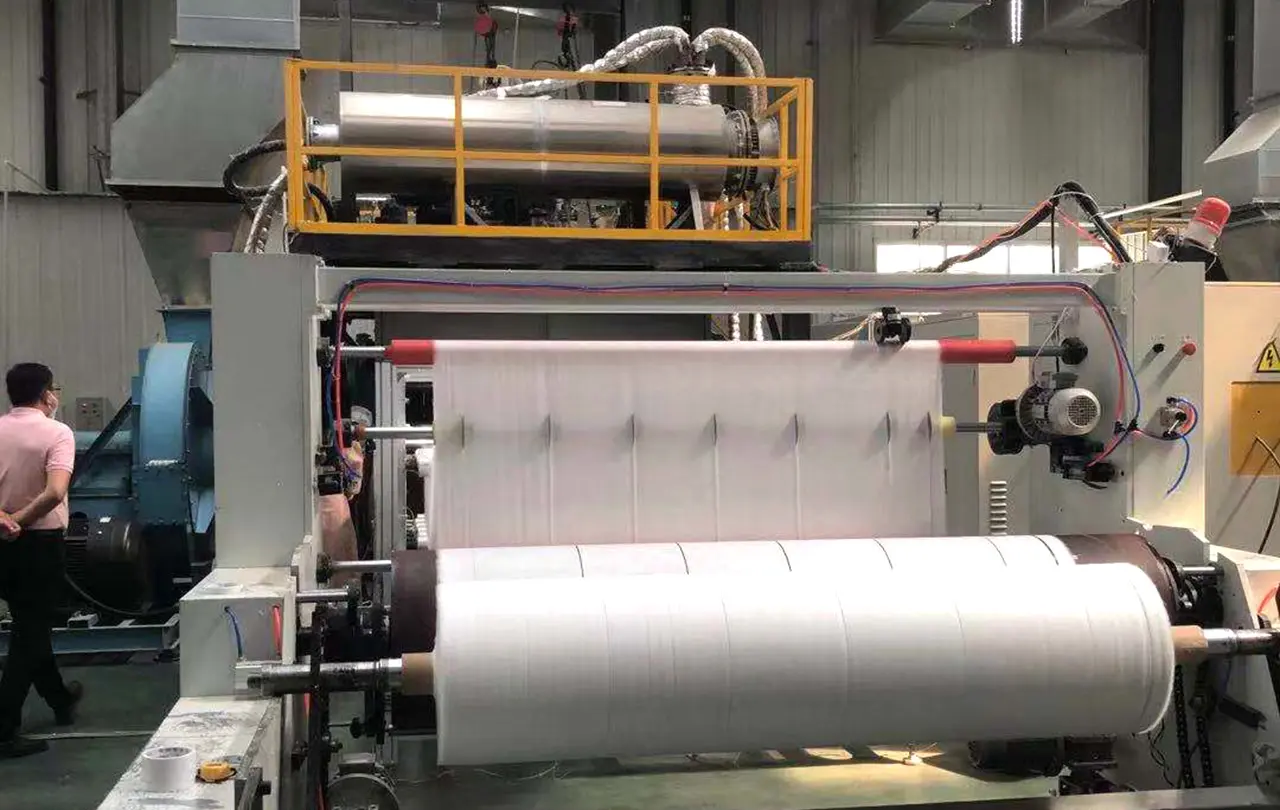
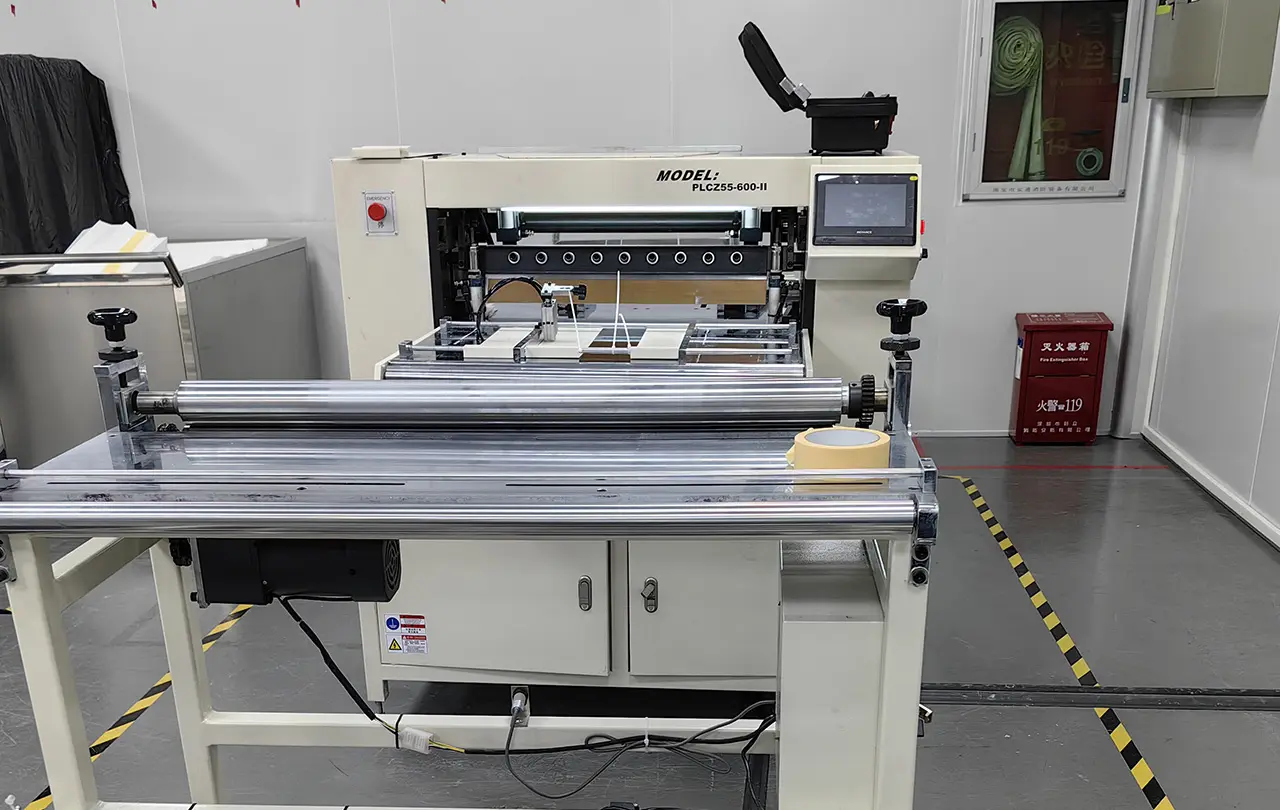
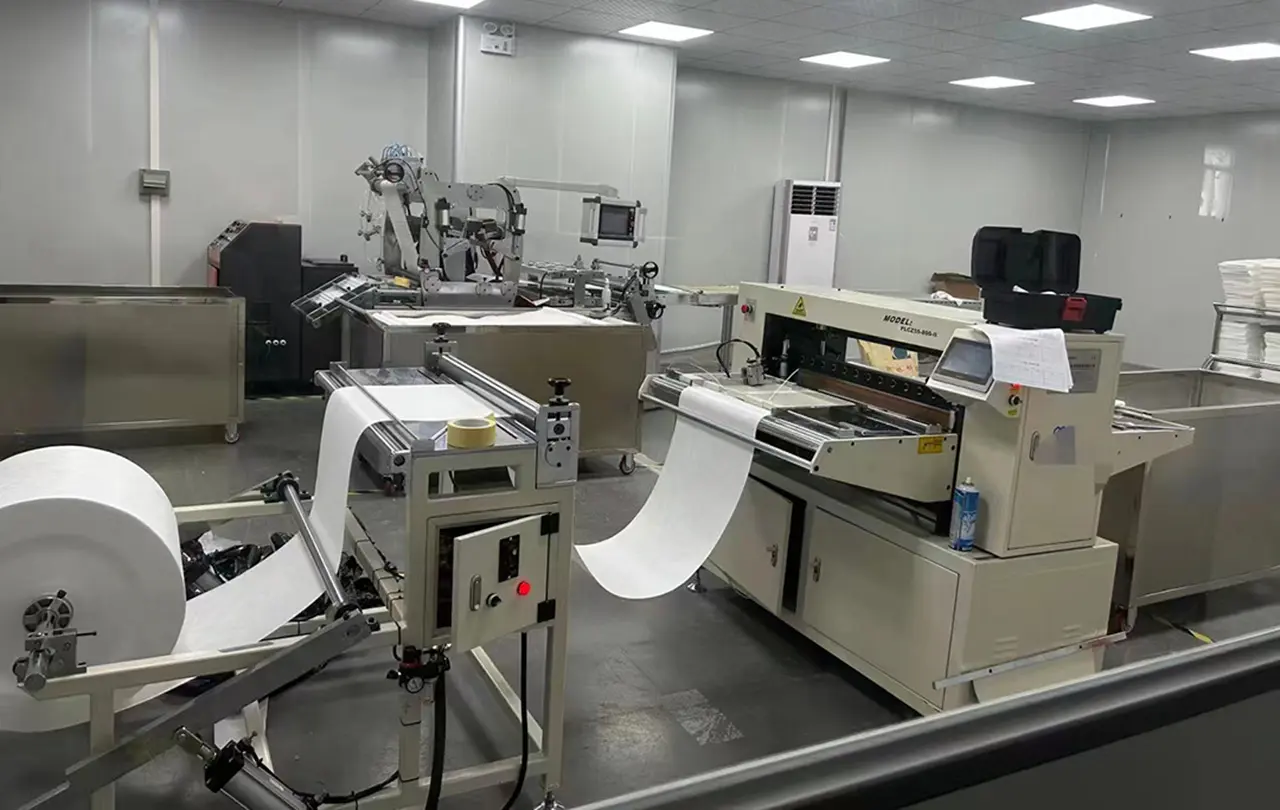
Combining automated pleating systems, advanced cutting machines, and high-precision CNC toolings to secure zero-tolerance quality control.
Our 15-year background in international air purification systems underpins our standardized, dust-free manufacturing workshops. Armed with Japanese AMADA CNC punching and bending machines, alongside self-developed automatic assembly configurations, we guarantee high-efficiency particulate and carbon filter production that matches both European and American regulatory criteria.
A comprehensive research review on global sourcing, technological evolution, and the industrial advantages of China-based manufacturers.
Modern commercial structures, industrial workshops, and smart homes require air purification that targets gas-phase pollutants as efficiently as particulate matter. An air vent carbon filter utilizes advanced molecular filtration via highly porous activated carbon structures. By capitalizing on physical adsorption (Van der Waals forces) and optional chemical chemisorption, these filters neutralize Volatile Organic Compounds (VOCs), acidic gases, formaldehyde, ozone, and offensive odors. From data center protection to airport ventilation, molecular gas filters are now a key asset in safeguarding sensitive systems.
As a leading supplier hub, China-based manufacturing operations combine deep supply chains with sophisticated tech. By sourcing high-CTC (Carbon Tetrachloride) activated carbon locally and leveraging fully integrated pleating, cutting, and assembly lines, factories like Shenzhen Snow Peak achieve significant cost efficiencies. Automation reduces defects, ensures airtight framing, and improves pleat consistency. This results in stable, competitive prices for international buyers and enables rapid scaling to meet bulk procurement needs.
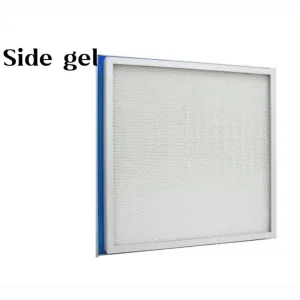
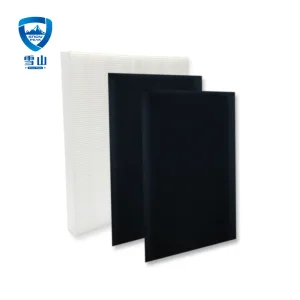
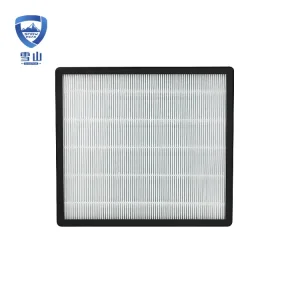
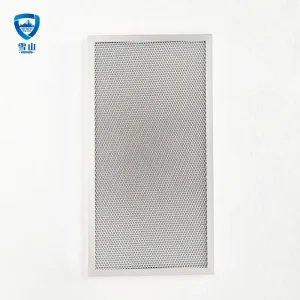
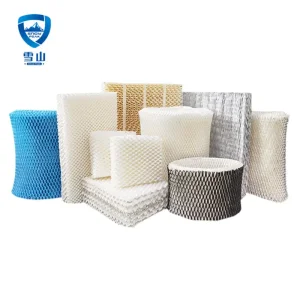
Every environment has unique air-quality requirements. For example, commercial structures near busy highways need heavy-duty carbon media to filter diesel soot and nitrogen oxides (NOx). On the other hand, food-processing units rely on carbon filters to block ambient odors and comply with hygiene regulations. Shenzhen Snow Peak customizes air vent filters for specific setups, supplying dual-stage HEPA-carbon composites, honeycomb structures with low initial resistance, and high-temp aluminum separative frames built for extreme thermal systems.
The global air filtration landscape is transitioning from MERV-based assessments to stricter standards like ISO 16890, which evaluate performance based on exact particle size fractions (PM1, PM2.5, PM10). At the same time, companies are prioritizing energy conservation. High-quality air vent carbon filters must deliver superior gas adsorption without creating excessive airflow resistance, which strains ventilation blowers. Modern, low-pressure-drop honeycomb filter panels ensure HVAC systems remain highly energy-efficient.
Our comprehensive filtration solutions are optimized for high-demand, high-safety environments worldwide.
Protecting wafer fabrication areas from airborne molecular contaminants (AMCs) that can ruin delicate microcircuitry.
Neutralizing toxic vapors, chemical fumes, and biological agents with dual-stage activated carbon and specialized HEPA combinations.
Providing long-lasting odor abatement, removing urban pollution (smog), and maintaining high fresh-air volumes for occupant wellness.
A technical guide for industrial buyers looking to optimize their HVAC supply chain.
For procurement teams and facility managers, choosing the right carbon filter manufacturer is essential for maximizing ROI and minimizing maintenance downtime. A high-quality air vent carbon filter must be evaluated on more than just initial unit cost. In professional settings, buyers should assess several key technical specifications:
By partnering directly with Shenzhen Snow Peak, you gain access to a dedicated supplier that manages the entire production cycle—from raw media formulation to final packaging. Our rigorous QC testing ensures each production batch meets international EN779, ISO 16890, and UL 900 standards, providing dependable filtration and peace of mind for your facilities.
Clear, direct answers to common questions about selecting, installing, and maintaining carbon air filters.
The useful lifespan of an activated carbon filter depends on the concentration of gas-phase pollutants in the environment and the system's airflow rate. In typical office or commercial HVAC systems, carbon filters should be replaced every 3 to 6 months. For high-pollution areas, like chemical laboratories or industrial facilities, replacement may be required every 1 to 2 months. Once the carbon micropores are fully saturated, the filter will no longer adsorb odors and should be replaced to prevent breakthrough.
Standard carbon filter media used in HVAC systems is not washable. Washing the media with water will clog the micropores with particulates and mineral deposits, permanently degrading its adsorption capacity. While industrial carbon beds can be regenerated using thermal steam systems under vacuum conditions, this is not cost-effective for typical HVAC panel or cartridge filters. Replacement remains the most practical and efficient option.
We run a rigorous quality assurance protocol that monitors every step of production. Our facility uses advanced automated testing setups to verify efficiency, airflow resistance, and structural seal integrity. Our processes are certified under ISO 9001 and CE, and we test our products against standard reference guidelines to ensure they consistently meet international specifications.
Physical adsorption occurs when gas molecules are trapped in the micropores of activated carbon via weak, physical Van der Waals forces. This works well for most organic vapors and VOCs. Chemisorption involves treating the carbon with chemical agents (like phosphoric acid, potassium permanganate, or metal oxides) to trigger a chemical reaction with specific target gases (such as ammonia, sulfur dioxide, or formaldehyde). This permanently binds the gas molecules and renders them harmless.
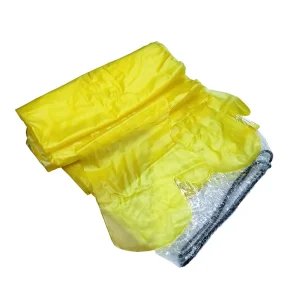
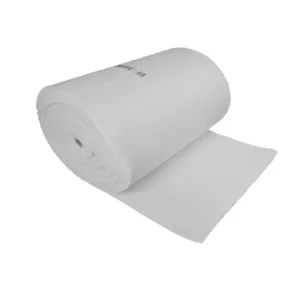
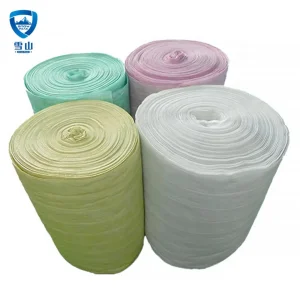
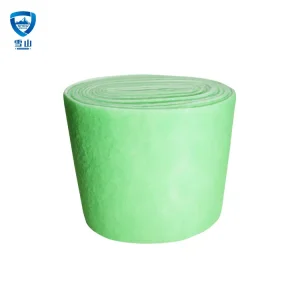
Explore our industrial-grade filter rolls, customizable pre-filter pads, and specialized high-temperature HEPA filters.
 Snow Peak