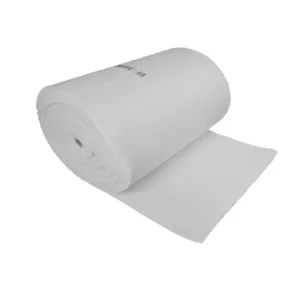
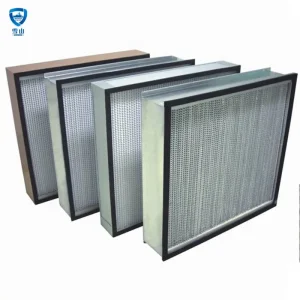
Explore our custom-engineered high-performance filtration options designed for cleanrooms, industrial spray booths, and specialized HVAC applications.
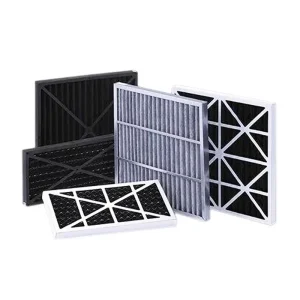
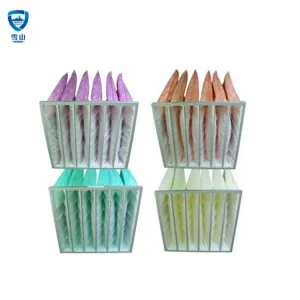
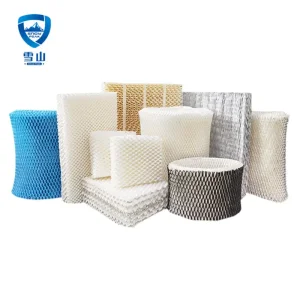
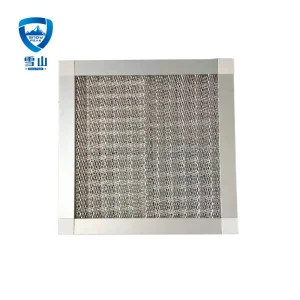
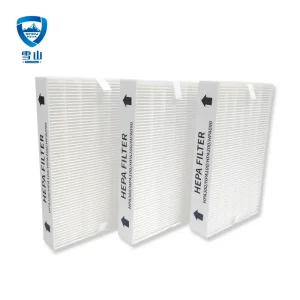
In modern industrial and commercial construction, indoor air quality (IAQ) and gas-phase contamination control have shifted from optional compliance guidelines to critical operational requirements. Standard particulate filters (such as MERV-rated or HEPA filters) excel at trapping solid pollutants like dust, pollen, and micro-particles, but they are entirely transparent to molecular contaminants. Gaseous pollutants, including volatile organic compounds (VOCs), acid gases, municipal odors, and processing exhausts, slip through fiber matrices without hindrance.
This is where Activated Carbon Filters for Air Vents play an indispensable role. By leveraging the principles of physical adsorption and customized chemisorption, carbon air filters capture molecules that are thousands of times smaller than the smallest HEPA-grade particle. In a global landscape marked by intensifying urbanization and highly stringent cleanroom standards (such as ISO 14644-1 for microelectronics and pharmaceutical facilities), combining particulate capture with gas-phase filtration is the industry standard for modern ventilation system design.
Originally utilized primarily in military applications and chemical processing centers, carbon filtration media has evolved significantly. Today's commercial ventilation systems demand highly efficient, low pressure drop configurations. Traditional deep-bed carbon canisters, while effective, consume massive amounts of energy due to high static pressure resistance. The trend has shifted decisively toward pleated composite structures, sandwich-type carbon fabrics, and carbon-impregnated nonwovens. These structures maximize the exposed surface area of the active adsorbent while maintaining a thin, low-resistance profile suitable for terminal air vents and recirculating duct units.
For procurement officers, facilities managers, and OEM engineering directors, sourcing carbon vent filters requires balancing several technical criteria:
| Filter Media Configuration | Primary Target Pollutants | Recommended Applications | Key Performance Metrics |
|---|---|---|---|
| Sandwich Activated Carbon Fabric | Benzene, VOCs, Toluene, Mild Odors | Commercial Office Vents, HVAC Recirculation | High airflow, ultra-low pressure drop, easy custom sizing |
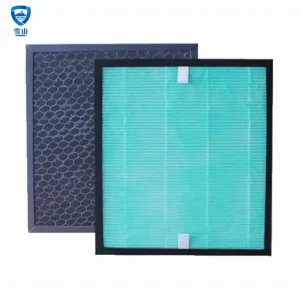
| Deep-Pleated HEPA + Carbon Composite | PM2.5, Bacteria, VOCs, Formaldehyde | Hospital Cleanrooms, High-End Residential Purifiers | 99.97% @ 0.3μm particulate efficiency + odor removal |
| Laminated Wire Mesh Carbon Panel | Heavy Industrial Exhaust, Paint Booth Solvents | Automotive Finishing, Chemical Laboratories | High weight-loading capacity, rigid structural support |
| Meltblown Bag / Pocket Carbon Hybrid | Coarse Particulates, Multi-gas Compounds | Return air systems, Airport terminals, Public facilities | High dust-holding capacity combined with gas-phase control |
Shenzhen Snow Peak Clean Technology Co., Ltd. is an integrated high-tech enterprise, specialized in air filtration products research and development, production, sales, import and export trade. We produce and supply: Pre-filter, pocket filter, HEPA filter, chemical filter; replacement HEPA filter, car cabin air filter, humidifier filter; pocket filter media, melt-blown composite filter media, and other high-performance filter materials; provide high quality air purification solutions and products for indoor air pollution control and air conditioning systems of civil and industrial buildings, microelectronics, pharmaceutical, laboratory, school, hospital clean room etc.
Combined with self-developed patented technology, our sterilizing antiviral HEPA filter can effectively filtrate fine particles, so that PM2.5 concentration down to 10 micrograms/m3, 5 times better than national standard; effectively inhibit the breeding of microorganisms, sterilization rate up to 99.9%, and no secondary pollution, removal of H1N1 virus efficiency as high as 99.99%.
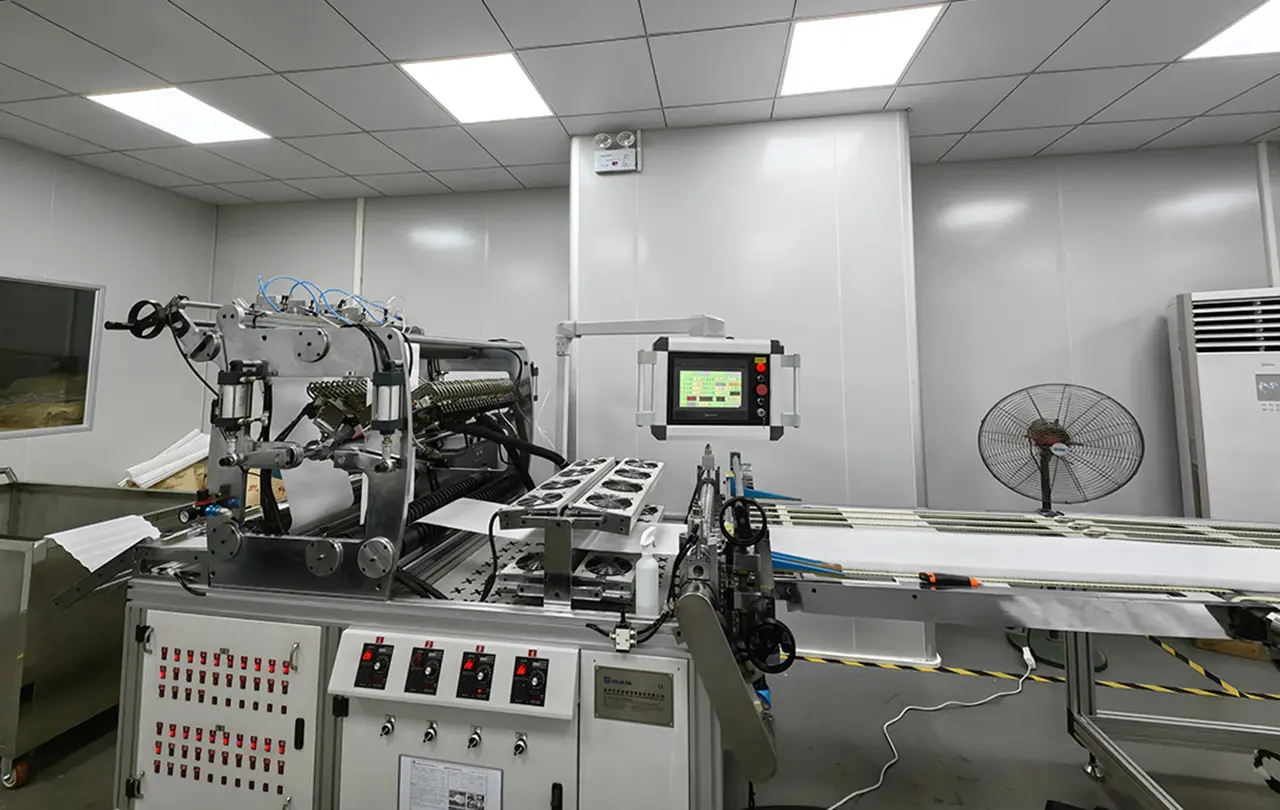
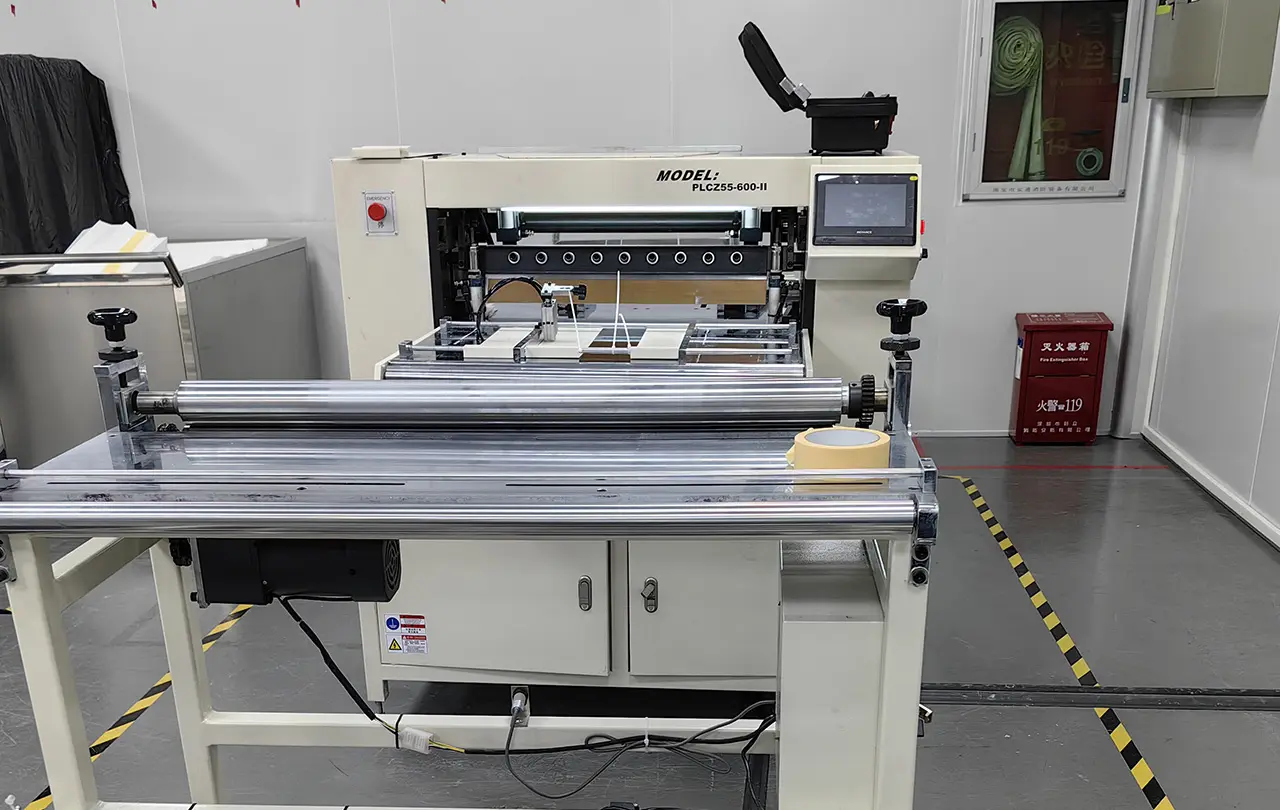
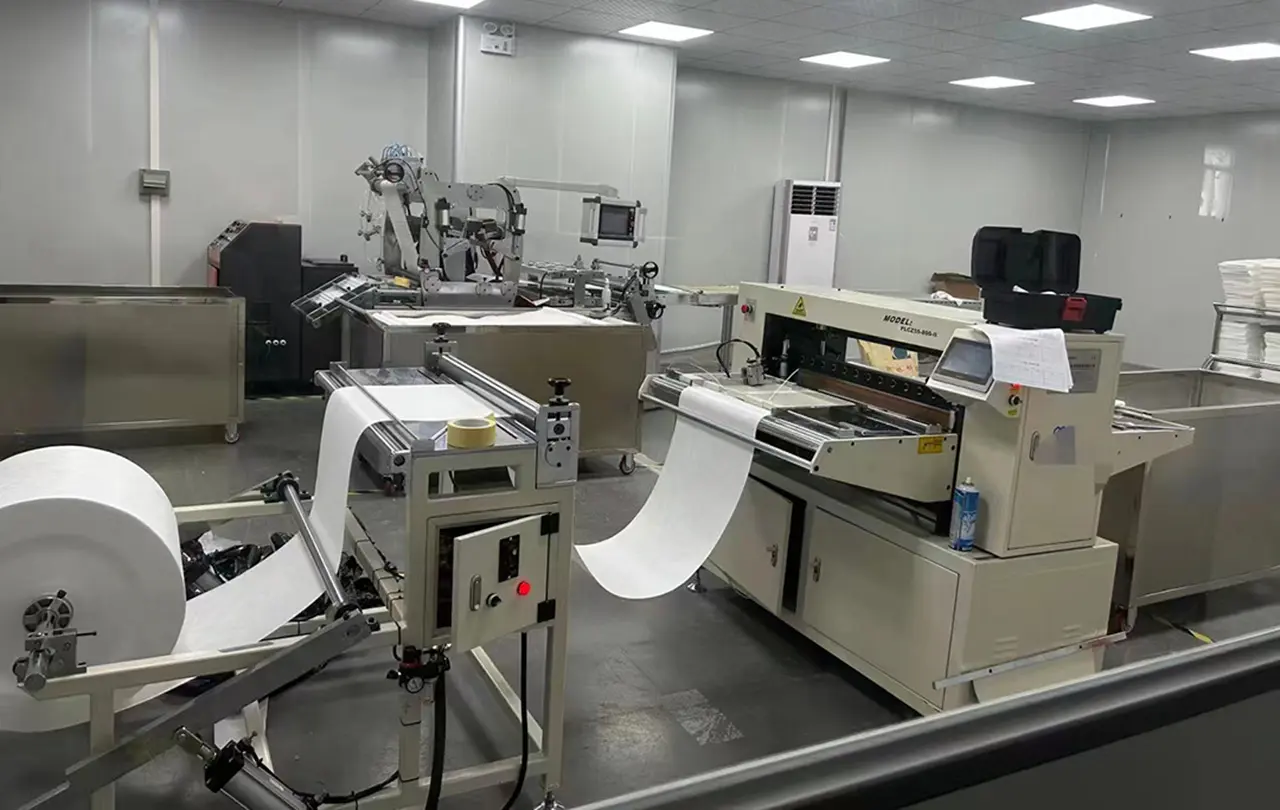
Our facility integrates high-precision automated production lines, ensuring consistent density distribution of carbon media and precise pleating geometries for all air vent filtration units.
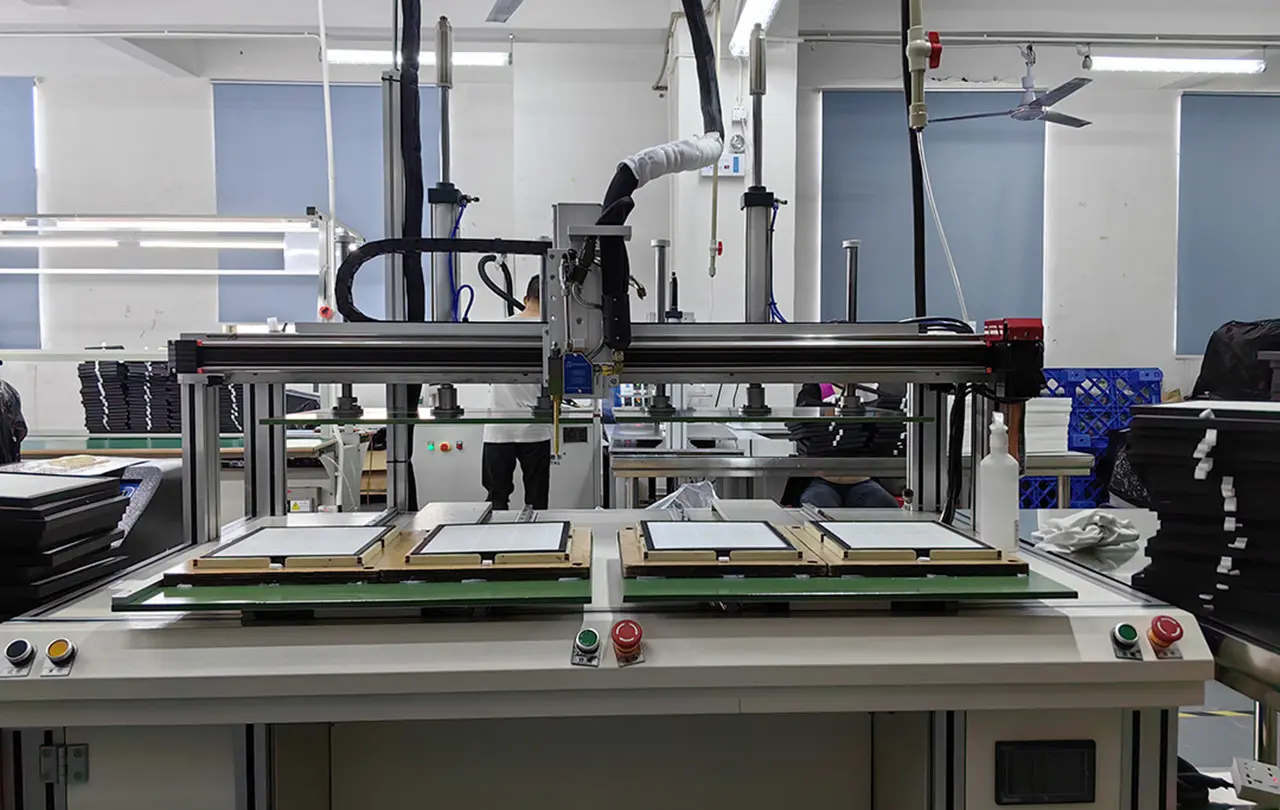
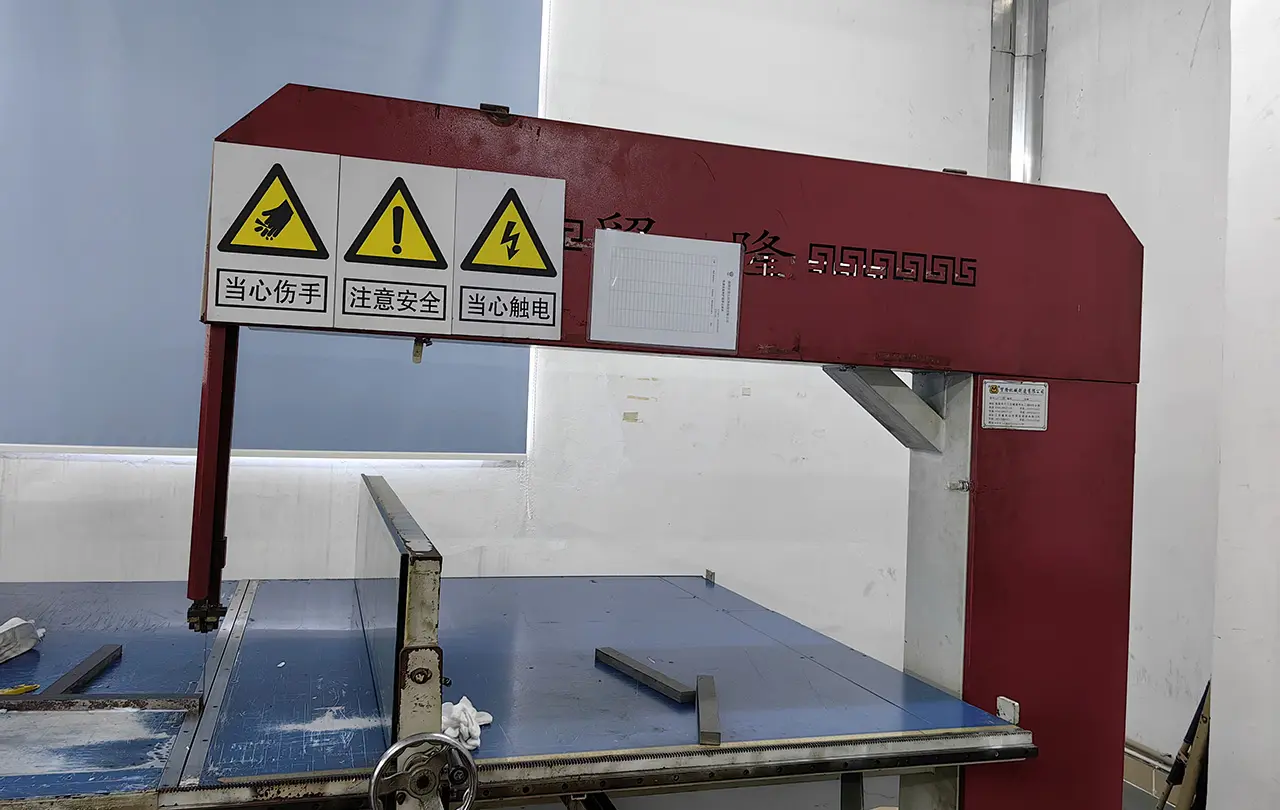
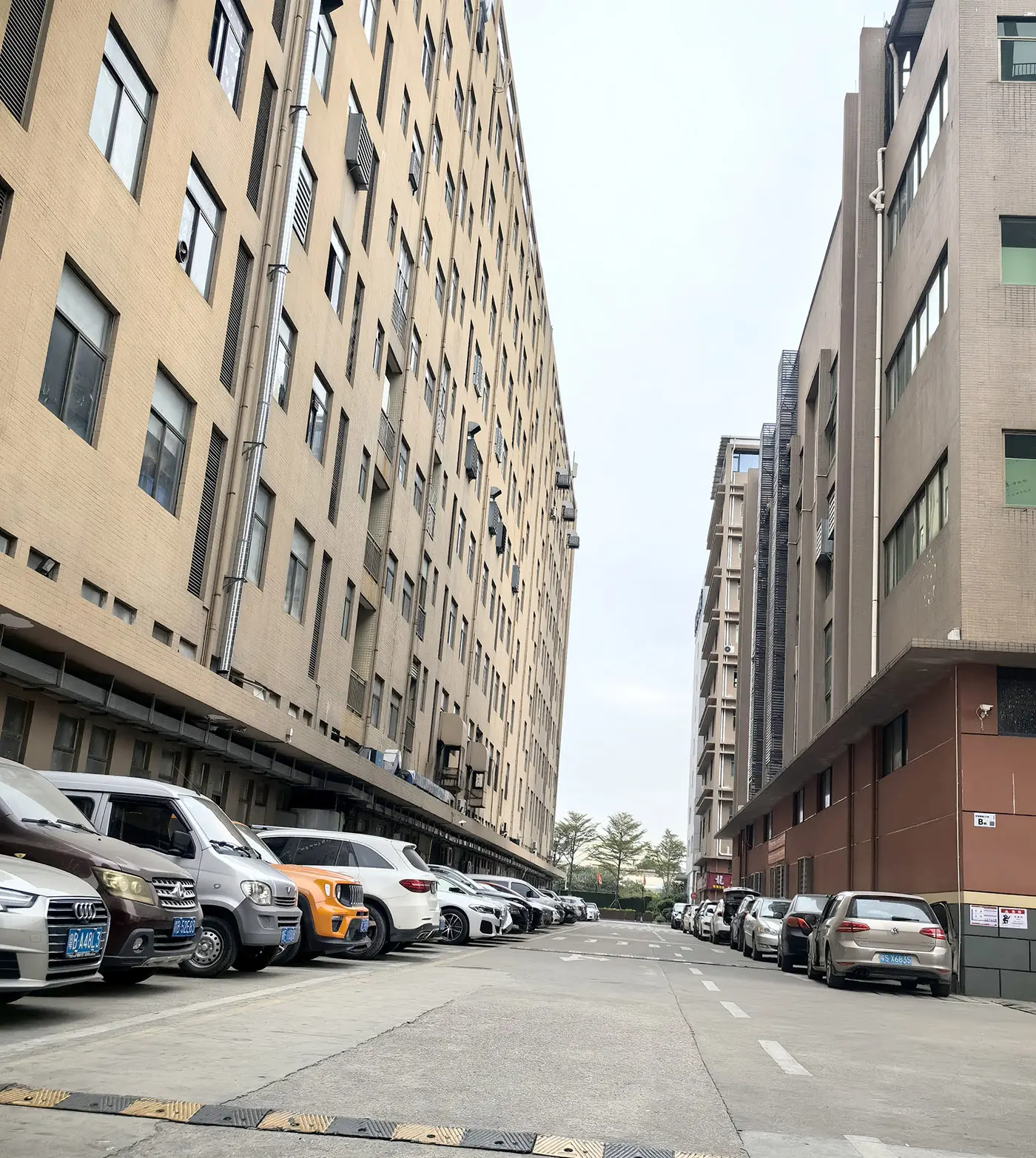
How Shenzen Snow Peak balances advanced CNC tooling, strict quality check tolerances, and optimized raw material sourcing to deliver exceptional global procurement value.
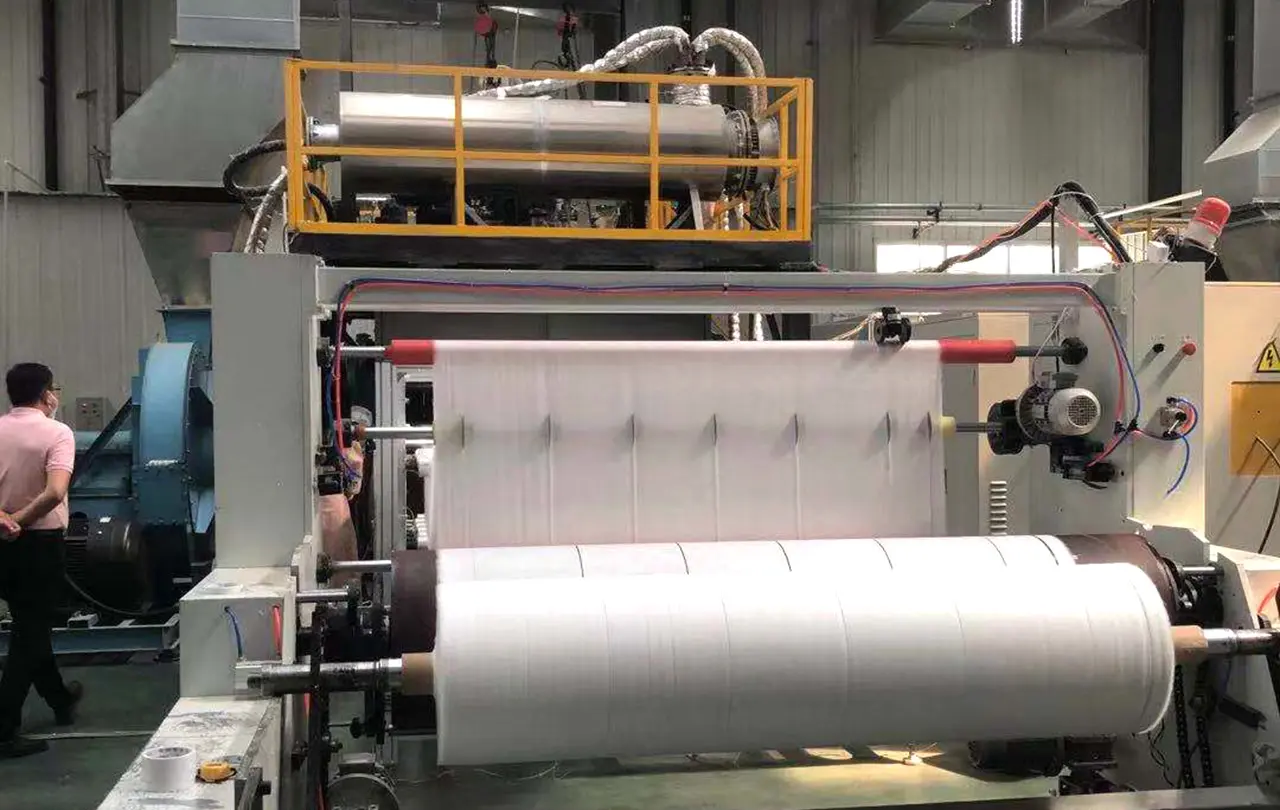
China's industrial manufacturing ecosystem has evolved from a high-volume assembly base into an advanced, automated "Factory 4.0" paradigm. At Shenzhen Snow Peak, we leverage this localized ecosystem to streamline high-complexity OEM and ODM filtration configurations. By controlling our core filter media processing lines—including high-efficiency meltblown extrusion, active carbon composite lamination, and automated pleating matrices—we minimize structural defects and guarantee high batch-to-batch repeatability.
Our facility houses advanced CNC tooling lines: Having 15 years of international air purification technology experience as the background, our company has standardized production workshop, dust-free filter workshop and first-class technology of HEPA filters production line and inspection line, independent research and development of fully automatic air filter production line, equipped with AMADA CNC punch and CNC bending machine as well as many other advanced high-end equipment, provide a strong guarantee for production and quality of air filtration and purification products.
Optimized molecular air filters for cleanrooms, variable air volume systems, and industrial exhaust streams.
Trace molecular contamination (such as airborne molecular contamination, or AMCs) can devastate integrated circuit yields. Cleanrooms utilize our deep-pleated chemical and HEPA filters in their recirculation loops to eliminate volatile organic outgassing from materials and process chemicals.
Complying with GMP guidelines, pharmaceutical manufacturers combine carbon filtration with high-efficiency particulate extraction. Our sterilizing antiviral media prevents microbial colonization on the carbon bed, minimizing secondary bio-aerosol generation.
Airports and large urban complexes handle substantial intakes of outside air laden with jet fuel exhausts, diesel emissions, and sulfur dioxide. Large-scale pleated carbon panels installed in primary air handling units protect thousands of occupants daily.
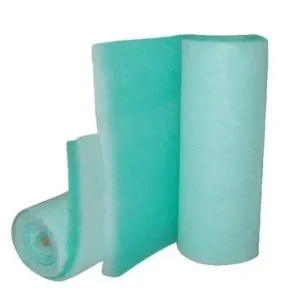
Automotive refinishing centers use heavy solvents and VOC-heavy coatings. Our G2-G4 paint-stop media paired with active carbon panel scrubbers ensures that exhaust air conforms to environmental emission standards while protecting surrounding areas.
Crucial engineering insights and procurement details for industrial clean technology buyers.
A: HEPA filters capture solid and liquid particulates (such as dust, mold spores, and PM2.5) via physical mechanisms like interception, inertial impaction, and diffusion. Carbon filters capture gas-phase molecules (VOCs, odors, chemical vapors) through physical adsorption. The porous molecular structure of activated carbon attracts gas molecules and traps them inside micro-pores, utilizing high surface-area dynamics (often exceeding 1000 square meters per gram of carbon).
A: The replacement lifecycle of a carbon filter depends on the gas concentration levels, air velocity, and temperature. Unlike particulate filters that show a measurable pressure drop when clogged, carbon filters do not display a pressure spike when saturated. Saturation is determined by breakthrough detection (e.g., return of odors) or regular periodic chemical sampling. In average commercial office settings, carbon panels are typically replaced every 6 to 12 months, whereas heavy industrial environments may require quarterly changes.
A: High relative humidity (typically above 60-70%) can severely degrade the performance of physical adsorption filters. Water molecules compete with volatile organic compounds for active adsorption sites inside the carbon pores, reducing the filter's loading capacity for target pollutants. Under highly humid conditions, custom-modified chemical filters or hydrophobic active carbon substrates are recommended.
A: Standard carbon beds are poor particulate collectors and can quickly become blinded by dust, which blocks access to the micro-pores. To address this, modern air filters are built as composite or multi-stage assemblies. This includes a pre-filter (like G4 fiberglass or synthetic media) or a composite HEPA frame bonded to a carbon fabric layer, offering dual particulate and gas-phase protection within a single envelope.
A: Coconut shell carbon possesses a significantly higher concentration of micro-pores (pore diameters under 2nm) compared to coal-based carbon. This makes it highly effective at trapping low-molecular-weight organic compounds, municipal odors, and trace chemicals. Coal-based carbon, which has larger mesopores, is generally suited for larger molecular weight compounds and fluid applications. Coconut shell is also a highly sustainable, renewable raw material.
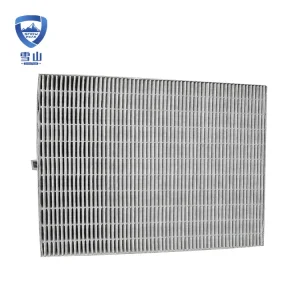
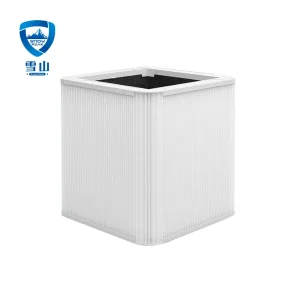
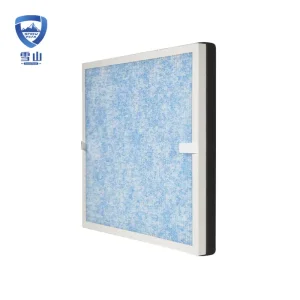
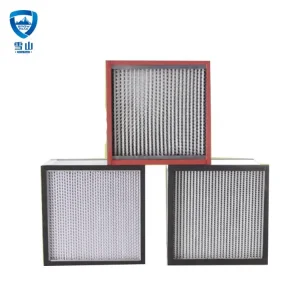
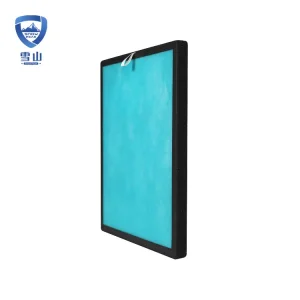
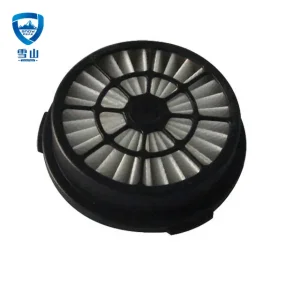
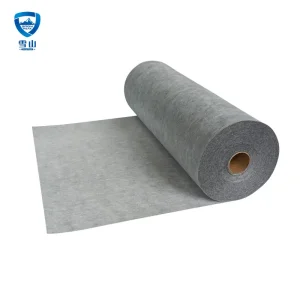
From compound replacement elements to deep-pleat cleanroom HEPA modules, select the exact match for your project specifications.
 Snow Peak