Engineered configurations designed for high performance, thermal stability, and maximum VOC containment.
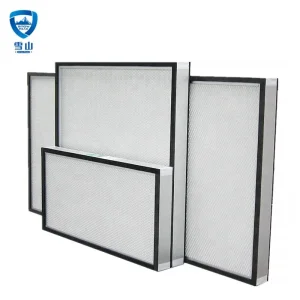
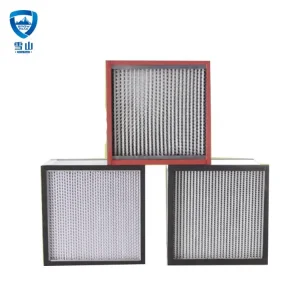
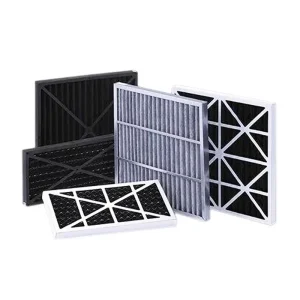
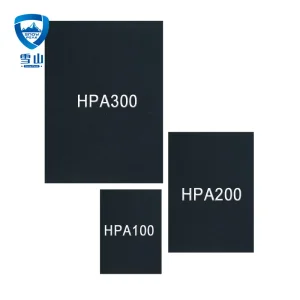
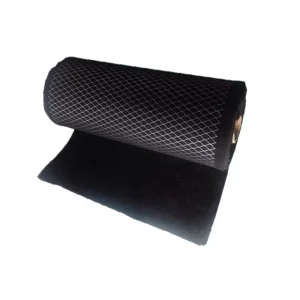
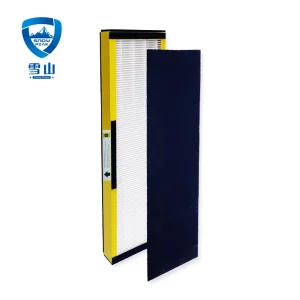
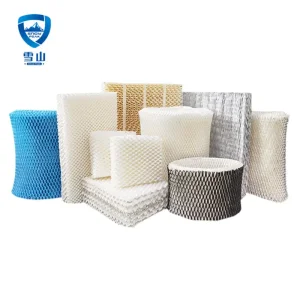
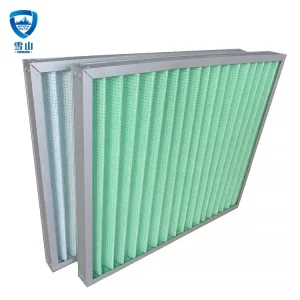
Volatile Organic Compounds (VOCs) present one of the most critical challenges in modern air purification. These chemical compounds, characterized by high vapor pressures under ambient conditions, easily vaporize into the surrounding atmosphere, threatening product yields, cleanroom integrity, and human health. Adsorption represents the primary mechanism utilized in China carbon filters for VOC removal. Unlike physical particulate filtration, molecular filtration relies on intermolecular forces to capture gas-phase molecules.
At the center of this process is activated carbon, an engineered carbonaceous adsorbent characterized by an exceptionally high internal surface area—often exceeding 1,000 m² per gram. This massive surface area is composed of a complex network of pores classified by size:
E-E-A-T Technical Insight: The adsorption affinity of a specific VOC depends directly on its physical properties, including molecular weight, boiling point, and polarity. Compounds with higher boiling points and larger molecular weights are generally more easily adsorbed by physical forces (Van der Waals forces), a process known as physisorption.
For low-molecular-weight or highly polar target gases—such as formaldehyde, ammonia, or hydrogen sulfide—standard physisorption is insufficient. To address these contaminants, carbon filters utilize chemisorption. This involves impregnating the activated carbon matrix with chemical reagents (such as potassium hydroxide, phosphoric acid, or potassium permanganate). The impregnants react chemically with the target gases, converting them into stable, non-volatile compounds trapped within the carbon structure.
Engineered pore structures maximize physical adsorption rates for target organic compounds.
Customized chemical treatments for reactive capture of light gases and acid compounds.
High carbon loading minimizes bypass issues and extends the operational service life.
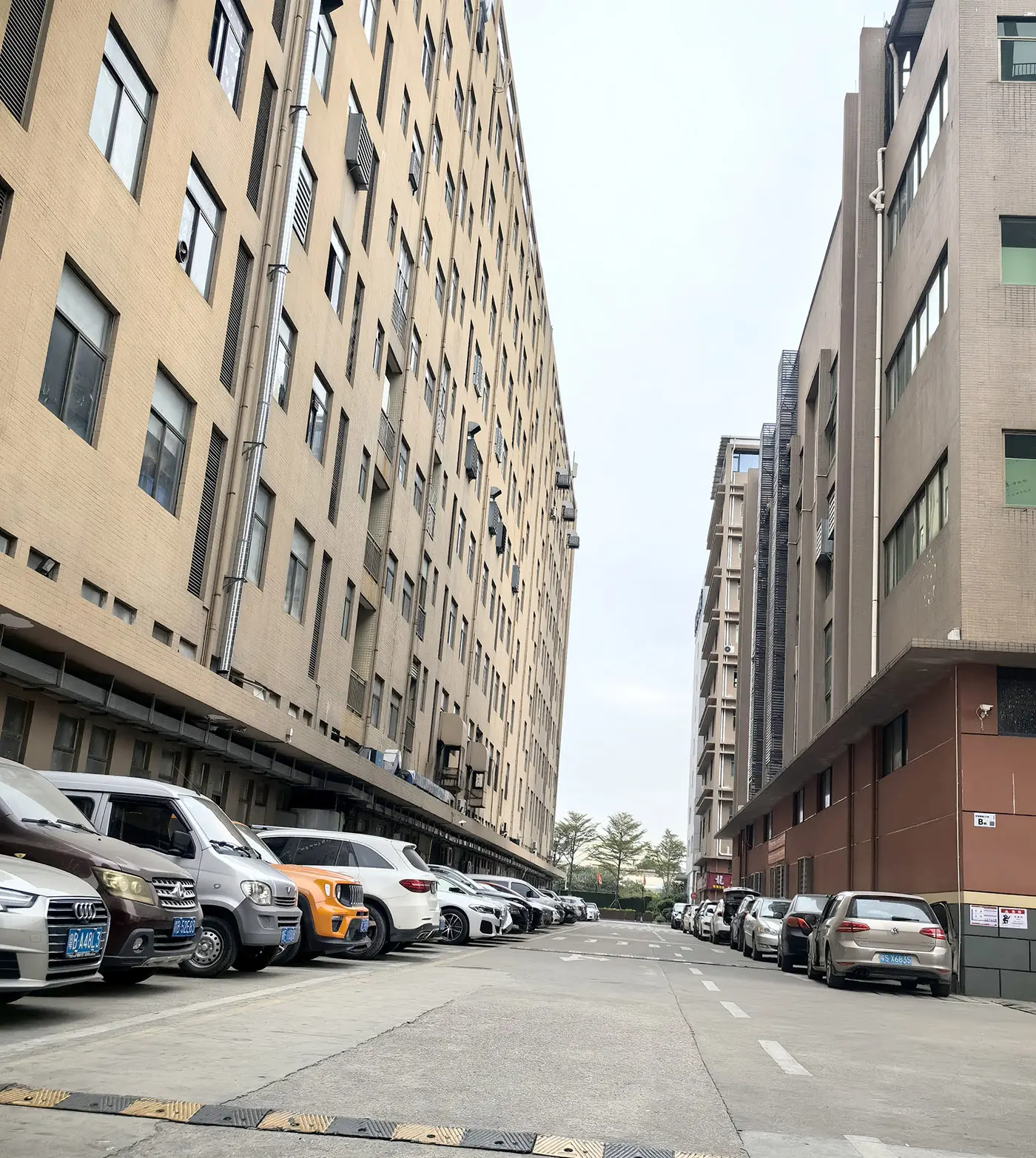
Shenzhen Snow Peak Clean Technology Co., Ltd. is an integrated high-tech enterprise specialized in air filtration products research, development, manufacturing, and global distribution.
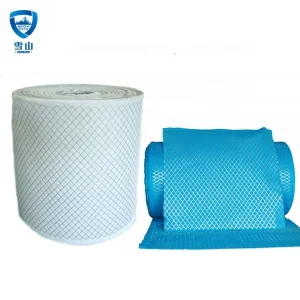
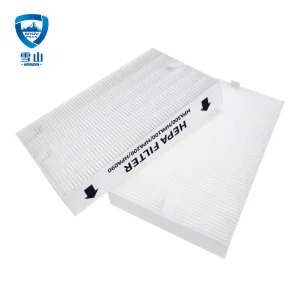
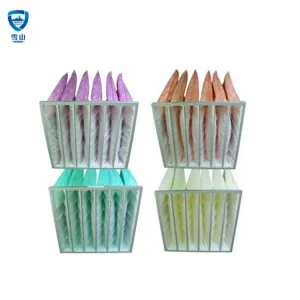
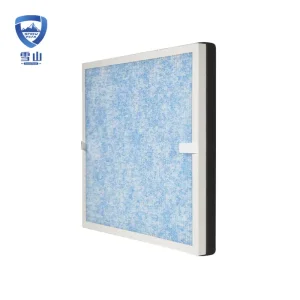
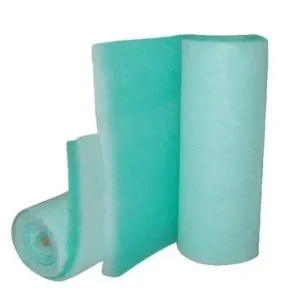
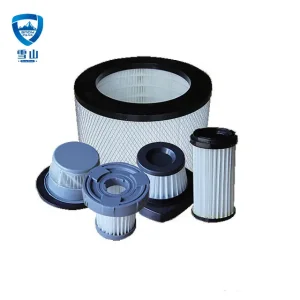
As a leading manufacturer of air filtration systems, we produce and supply a comprehensive catalog: from pre-filters and pocket filters to high-capacity HEPA filters and specialized chemical filters. Our capabilities extend to replacement HEPA filters, cabin air filters, humidifier filters, and high-performance melt-blown composite filter media.
Our products deliver air purification solutions for indoor air pollution control and HVAC systems across civil and industrial sectors, microelectronics cleanrooms, pharmaceuticals, laboratories, schools, and hospitals. Equipped with self-developed patented technology, our sterilizing antiviral HEPA filter effectively captures fine particles to maintain PM2.5 concentrations below 10 micrograms/m³, five times cleaner than national standards. The media achieves a 99.9% microorganism sterilization rate without secondary pollution, alongside a 99.99% removal efficiency for H1N1 virus.
Our standardized production workshops, dust-free filter assembly lines, and advanced testing setups ensure reliable filtration performance.
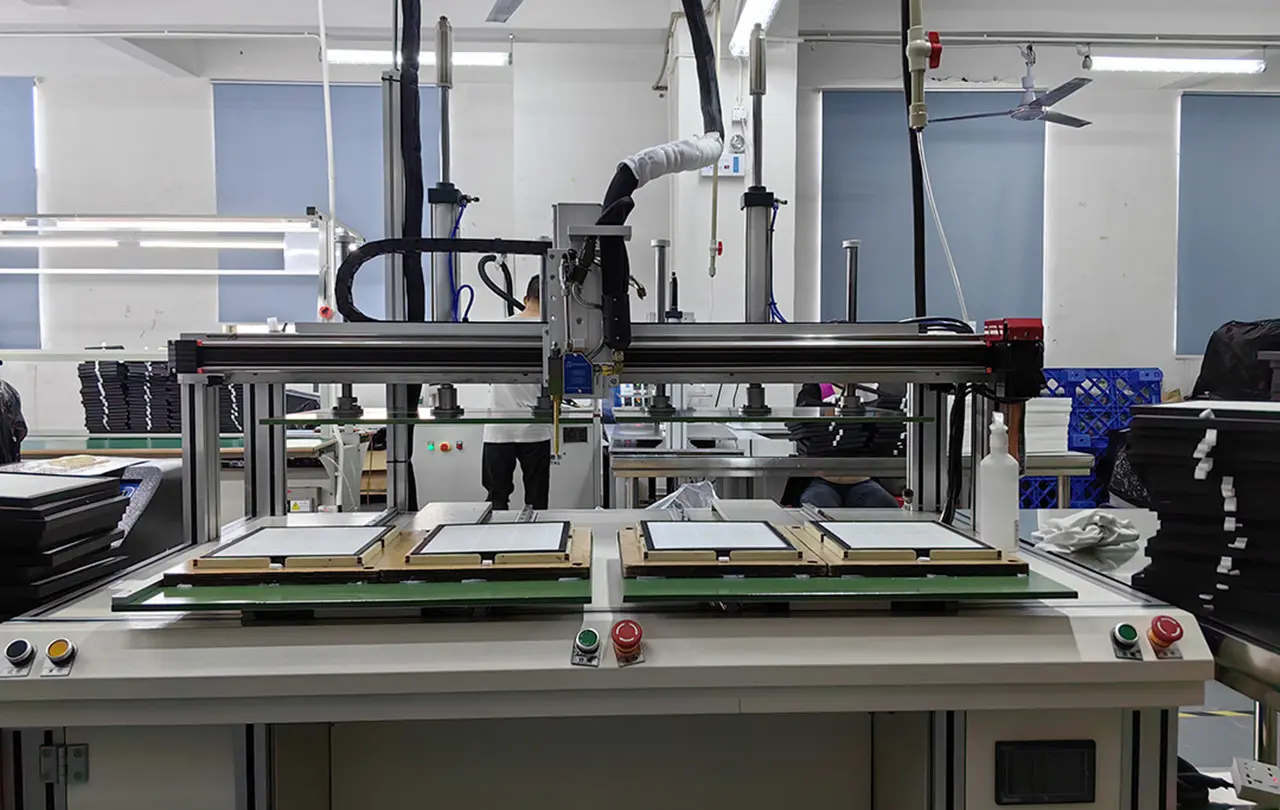
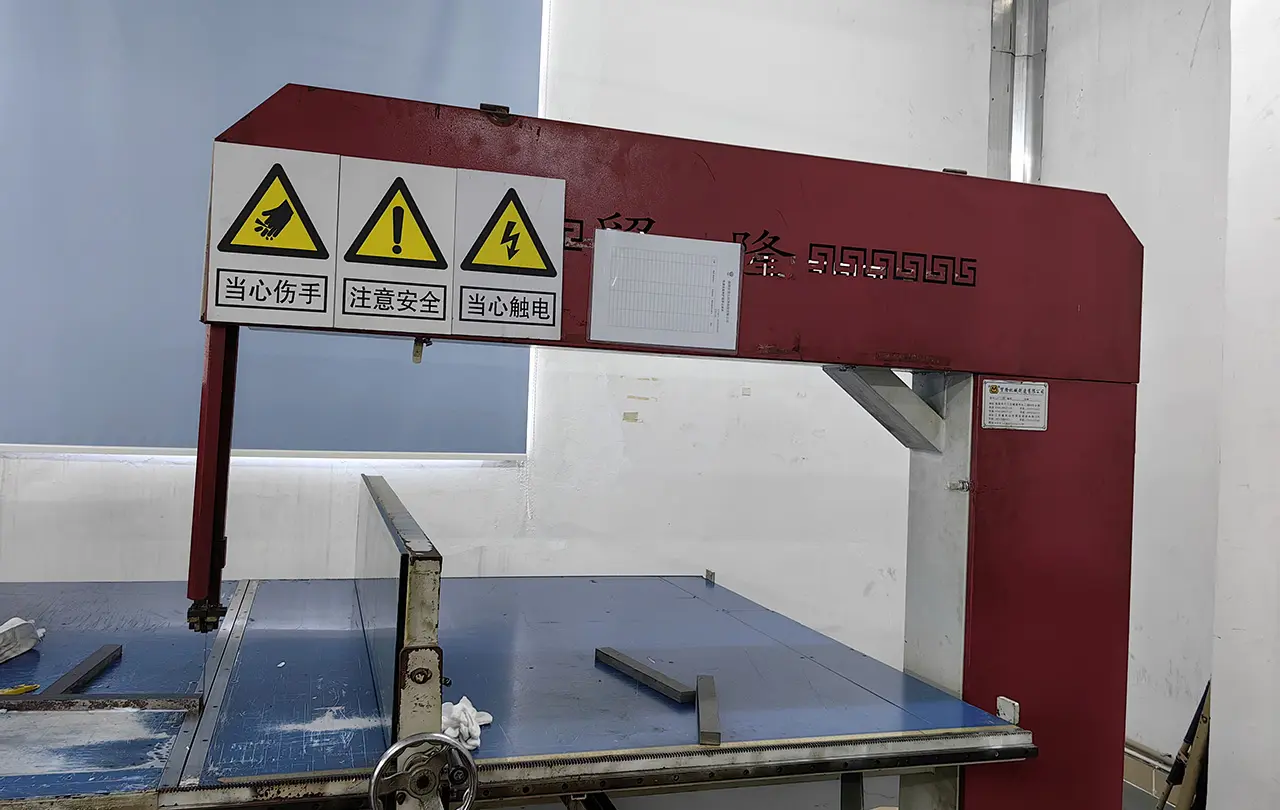
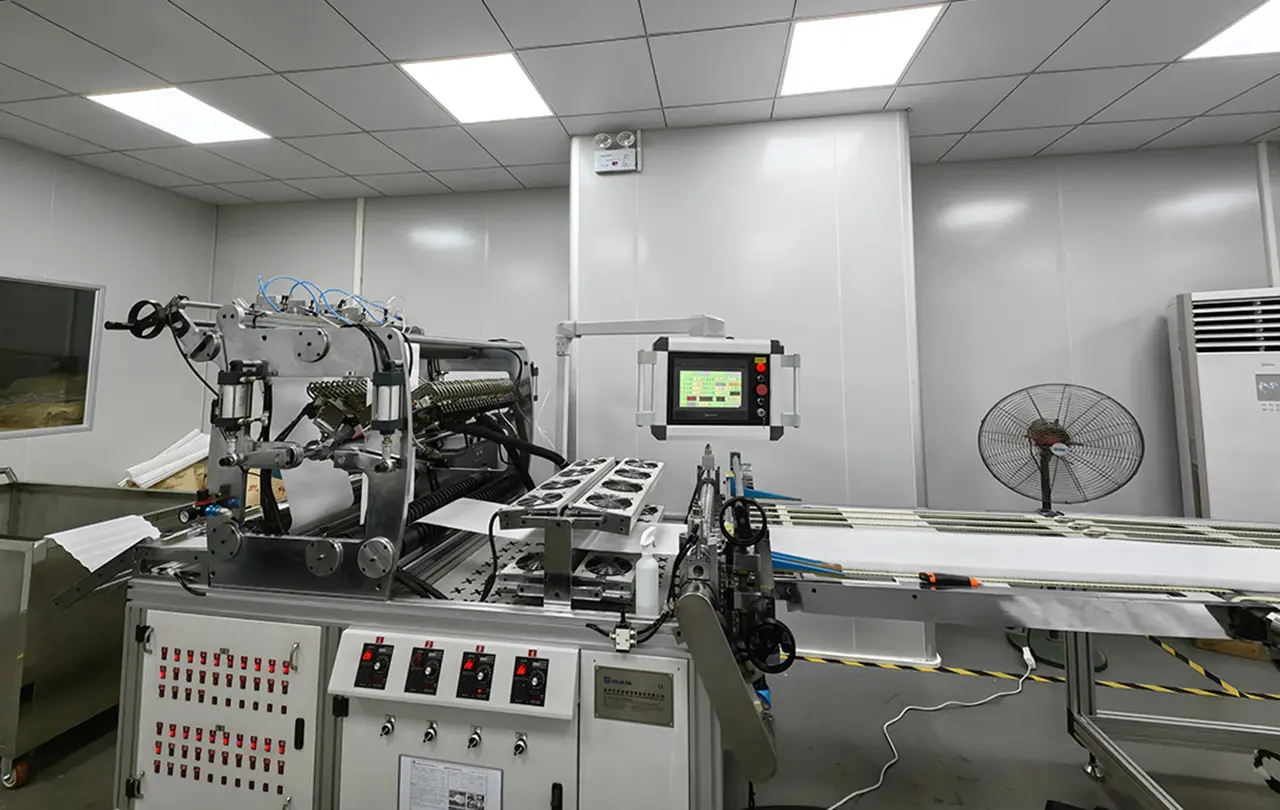
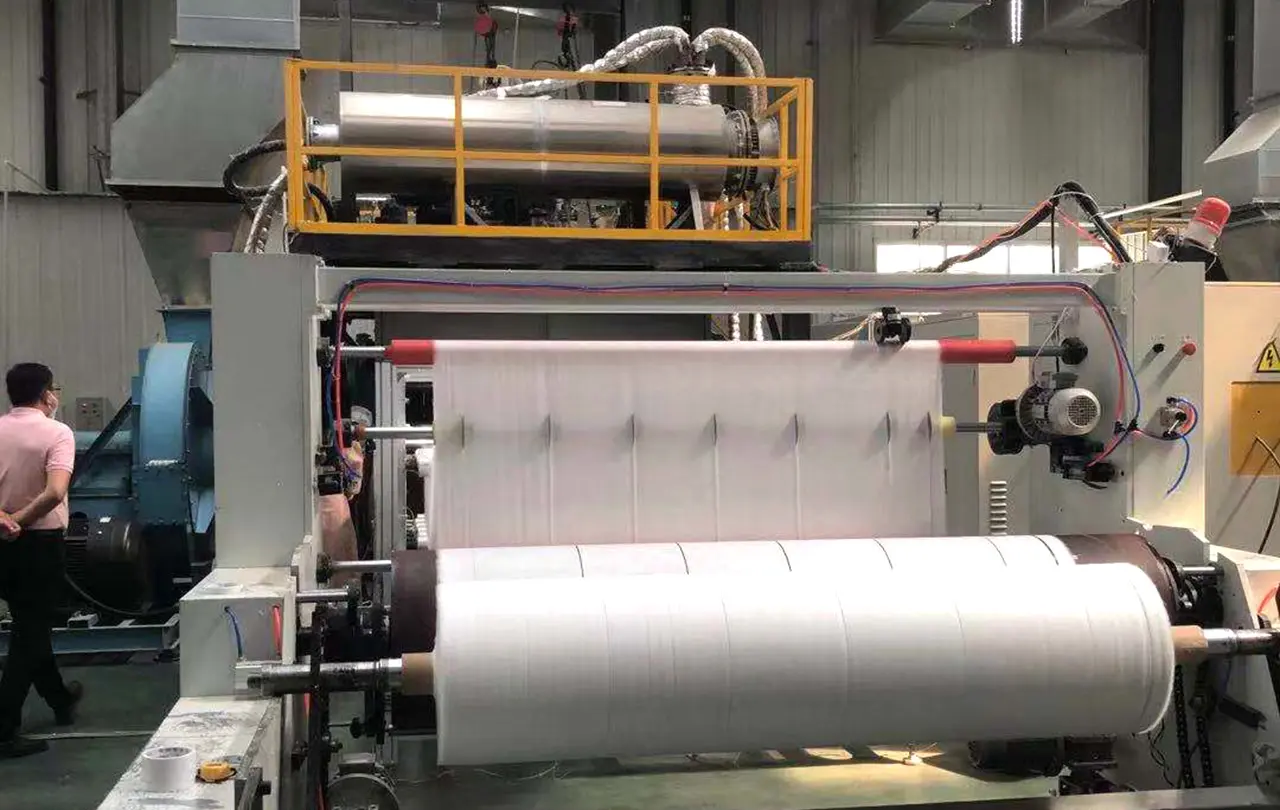
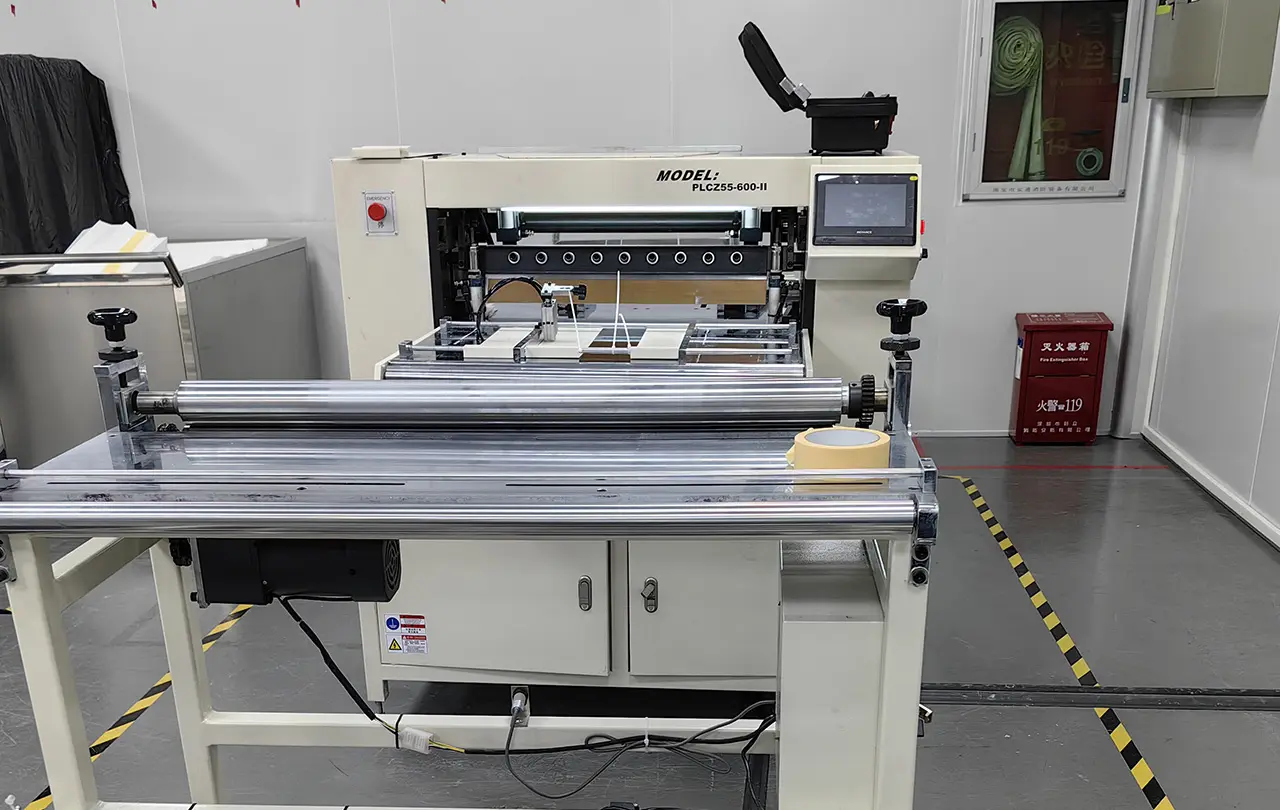
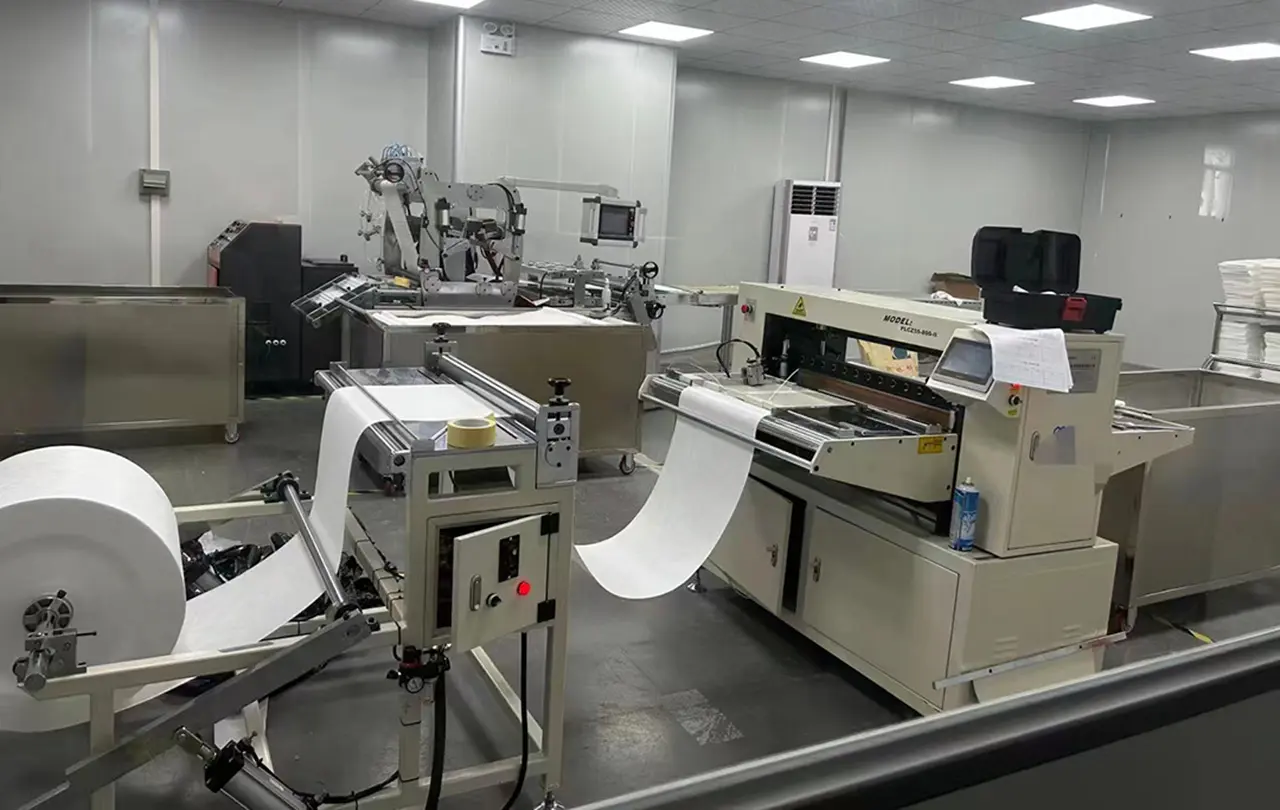
Production Capacity & Tooling: Backed by 15 years of air purification expertise, our facilities feature automated HEPA production and testing lines. Metal frames are processed using AMADA CNC punches and bending machines to ensure structural integrity and leak-free seals under high air velocities.
Different industries present unique airborne molecular contamination challenges. A standard off-the-shelf filter rarely delivers the necessary filtration efficiency or service life. Shenzhen Snow Peak customizes carbon filters to meet the specific requirements of target sectors:
Wafer fabrication requires control of Airborne Molecular Contamination (AMC). Even trace concentrations of acids, bases, condensables, or dopants in the parts-per-trillion (ppt) range can cause wafer hazing, gate oxide degradation, and scanner optics damage. Our multi-bed carbon systems combine physical and chemical media to remove VOCs and target gases.
Pharmaceutical synthesis and testing laboratories often work with active pharmaceutical ingredients (APIs) and chemical solvents. Our containment systems use robust activated carbon modules to capture fugitive emissions at the source, preventing toxic vapor build-up in workspace air and protecting laboratory staff.
Petrochemical plants, wastewater treatment facilities, and pulp mills generate high concentrations of corrosive gases ($H_2S$, $SO_2$, $NH_3$). In these environments, chemical filters protect control room electronics from corrosion and prevent odor emissions from escaping into nearby communities.
As regulatory standards tighten and awareness of indoor air quality increases, molecular filtration technology continues to evolve. Shenzhen Snow Peak is actively developing next-generation solutions to address emerging demands:
Standard deep-bed carbon filters provide high capacity but introduce significant weight and pressure drop to HVAC systems. The industry is moving toward carbon-loaded nonwoven composite media. By binding fine carbon particles to synthetic microfibers, we produce thin, pleated media profiles that offer excellent kinetic adsorption rates with minimal airflow resistance. This reduces the energy consumption of HVAC blower fans.
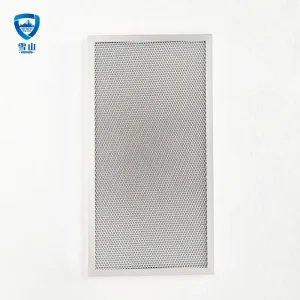
To extend filter life and handle high concentrations of low-molecular-weight VOCs like formaldehyde, we combine activated carbon with photocatalytic substrates (such as honeycombed aluminum coated with titanium dioxide, $TiO_2$). Under UV illumination, the photocatalyst generates reactive hydroxyl radicals that break down adsorbed VOCs into harmless $CO_2$ and $H_2O$. This process regenerates the carbon surfaces and extends the replacement interval.
Predicting the breakthrough point of an activated carbon filter remains an operational challenge. We are exploring the integration of localized chemical sensors within filter housings to monitor concentration gradients. By measuring the differential gas concentrations, these systems can alert plant operators before complete media saturation occurs, preventing downstream chemical breakthroughs.
Procuring industrial filtration components from China requires strict attention to international standards and testing protocols to ensure installation performance. Shenzhen Snow Peak maintains compliance with global testing frameworks:
Our global supply chain logistics are structured to handle large industrial orders. We offer custom container loading, moisture-barrier packaging to prevent premature carbon activation during sea transit, and full engineering documentation support—including material safety data sheets (MSDS) and batch-specific test reports.
Full-range ventilation filters, molecular containment media, and replacement elements.
 Snow Peak