Premium OEM/ODM customizable filters and high-efficiency raw materials directly exported from our factory
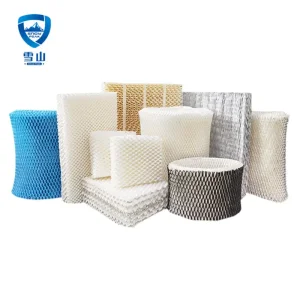
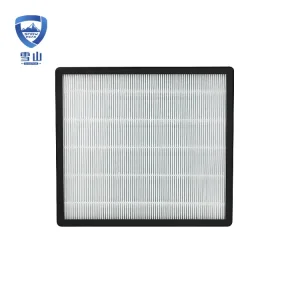
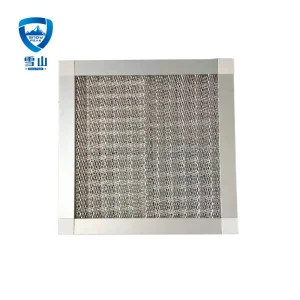
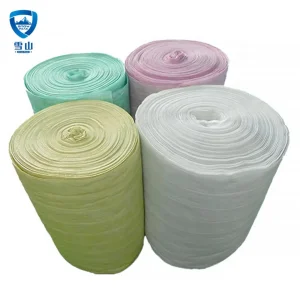
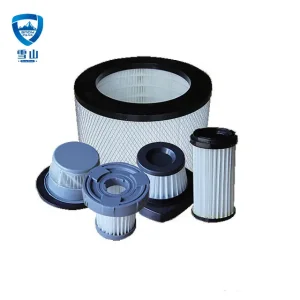
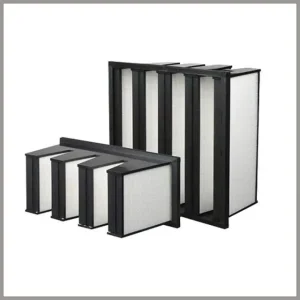
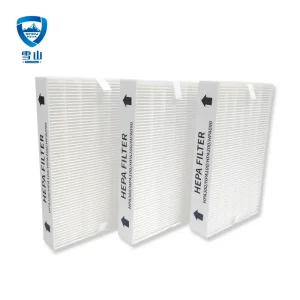
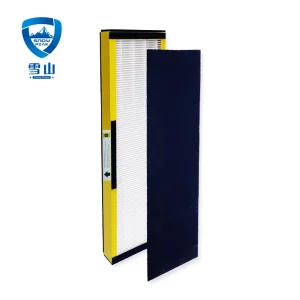
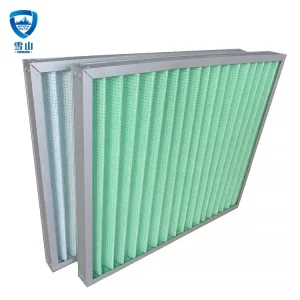
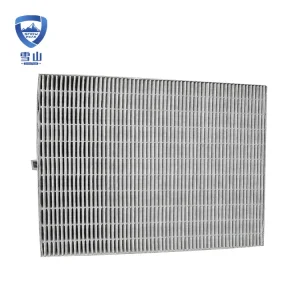
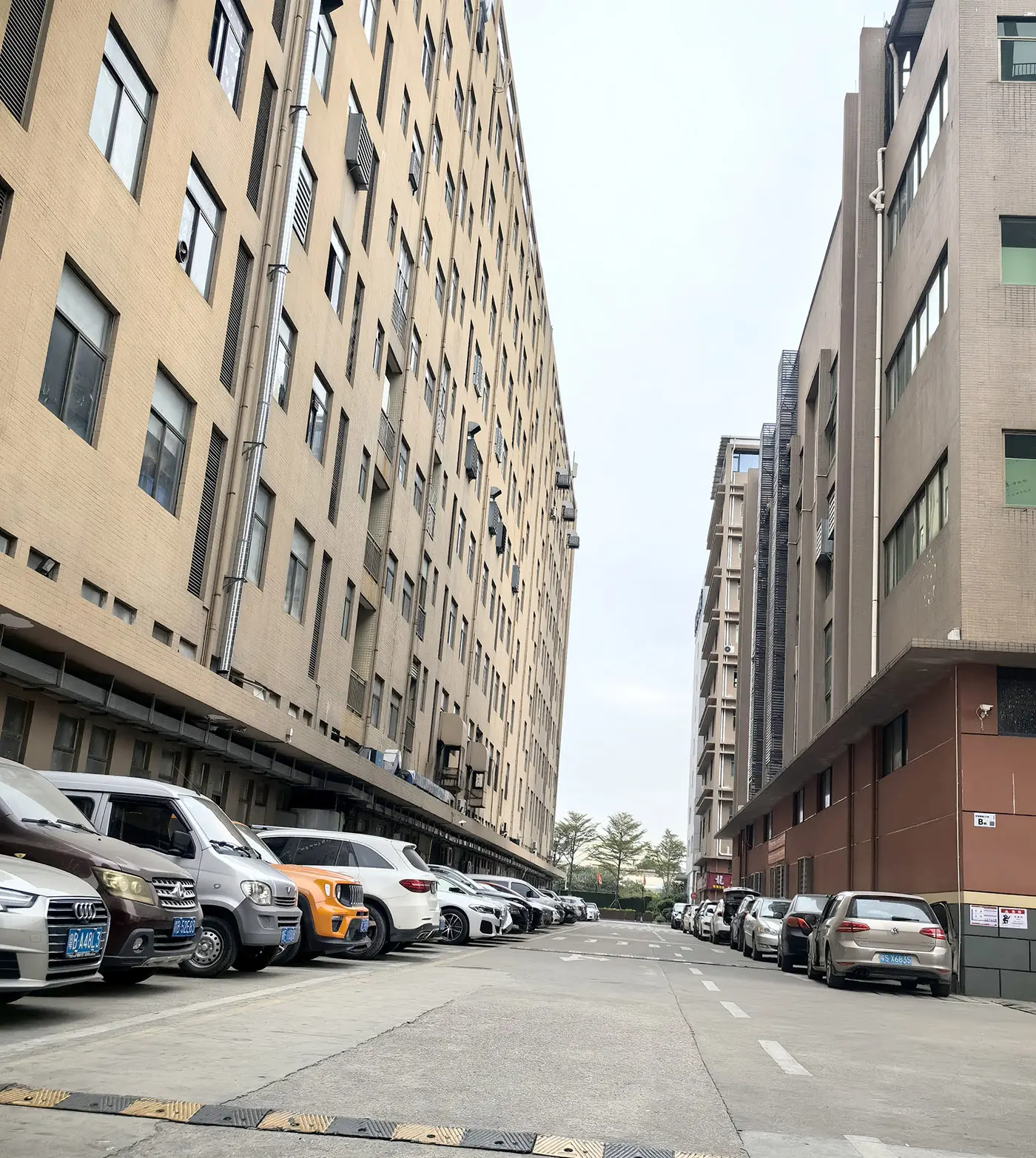
Shenzhen Snow Peak Clean Technology Co., Ltd. is an integrated high-tech enterprise, specialized in air filtration products research and development, production, sales, import and export trade. We produce and supply: Pre-filter, pocket filter, HEPA filter, chemical filter; replacement HEPA filter, car cabin air filter, humidifier filter; pocket filter media, melt-blown composite filter media, and other high-performance filter materials.
We provide high quality air purification solutions and products for indoor air pollution control and air conditioning systems of civil and industrial buildings, microelectronics, pharmaceutical, laboratory, school, hospital clean room etc. Combined with self-developed patented technology, our sterilizing antiviral HEPA filter can effectively filtrate fine particles, so that PM2.5 concentration down to 10 micrograms/m³, 5 times better than national standard; effectively inhibit the breeding of microorganisms, sterilization rate up to 99.9%, and no secondary pollution, removal of H1N1 virus efficiency as high as 99.99%.
Understanding fractional efficiency, pressure drop parameters, and electret charging technology
According to the ANSI/ASHRAE Standard 52.2 (Method of Testing General Ventilation Air-Cleaning Devices for Removal Efficiency by Particle Size), filter materials are graded based on their minimum efficiency reporting value (MERV). To qualify as a true MERV 13 filter material, the medium must demonstrate specific fractional filtration efficiencies across three distinct particle size ranges:
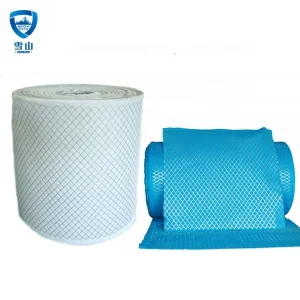
Achieving these thresholds without causing excessive static pressure drop in HVAC systems requires an advanced engineering approach. The air resistance of the filter material directly influences the energy consumption of supply fans. By leveraging composite structures that merge a mechanical substrate with a high-charge density electret melt-blown layer, our materials deliver peak particulate capture at minimal resistance.
At the center of our high-performance MERV 13 media is the electret charging process. Standard mechanical filtration relies solely on diffusion, interception, inertial impaction, and straining. While these mechanisms are highly effective for large particles, they require dense fiber matrixes that restrict airflow when dealing with sub-micron particles.
To overcome this limitation, our manufacturing process utilizes corona discharge electret technology. By subjecting the extruded polypropylene microfibers to a high-voltage electrostatic field during the melt-blowing process, we permanently embed stable electric charges (both positive and negative) within the polymer structure. This electrostatic force acts like a magnet, pulling sub-micron particles out of the air stream toward the fiber surfaces, dramatically boosting E1 and E2 efficiency without altering the structural porosity or increasing pressure drop.
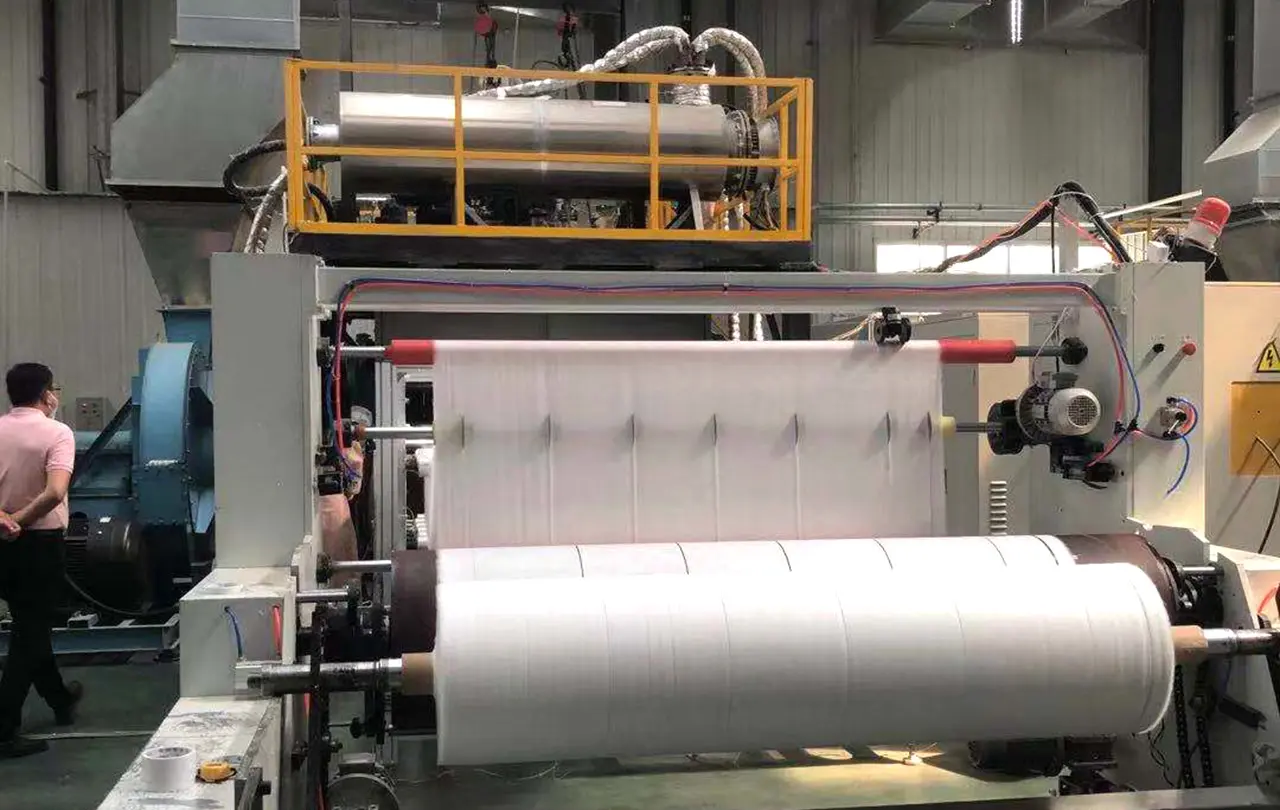
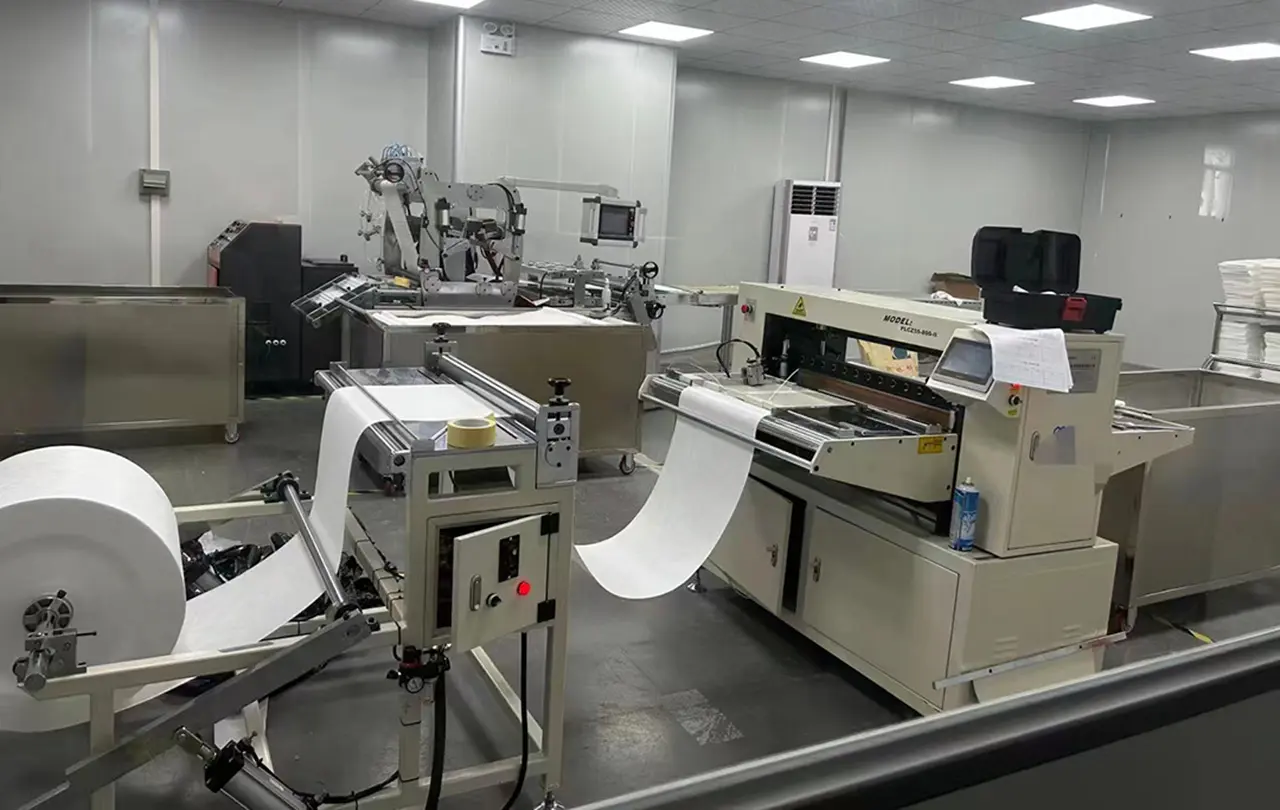
State-of-the-art precision machinery delivering high-capacity, consistent filter material output
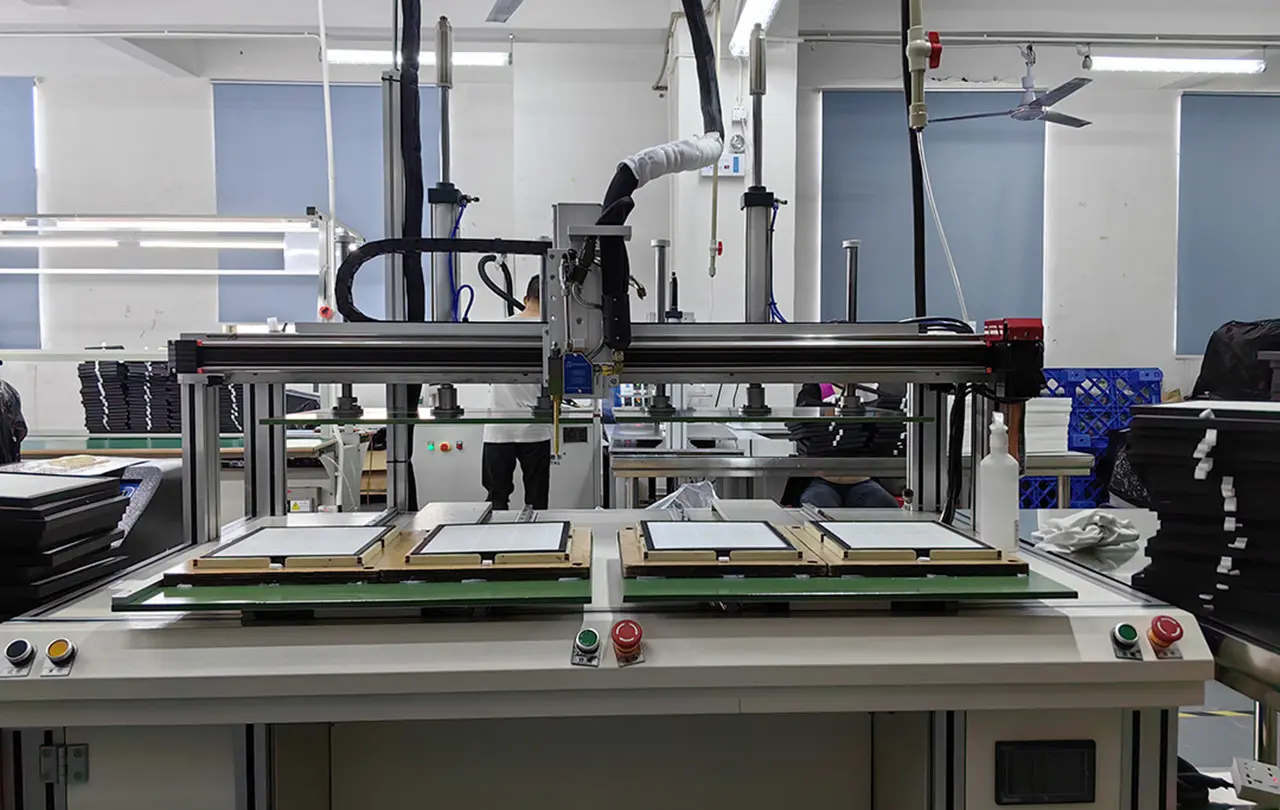
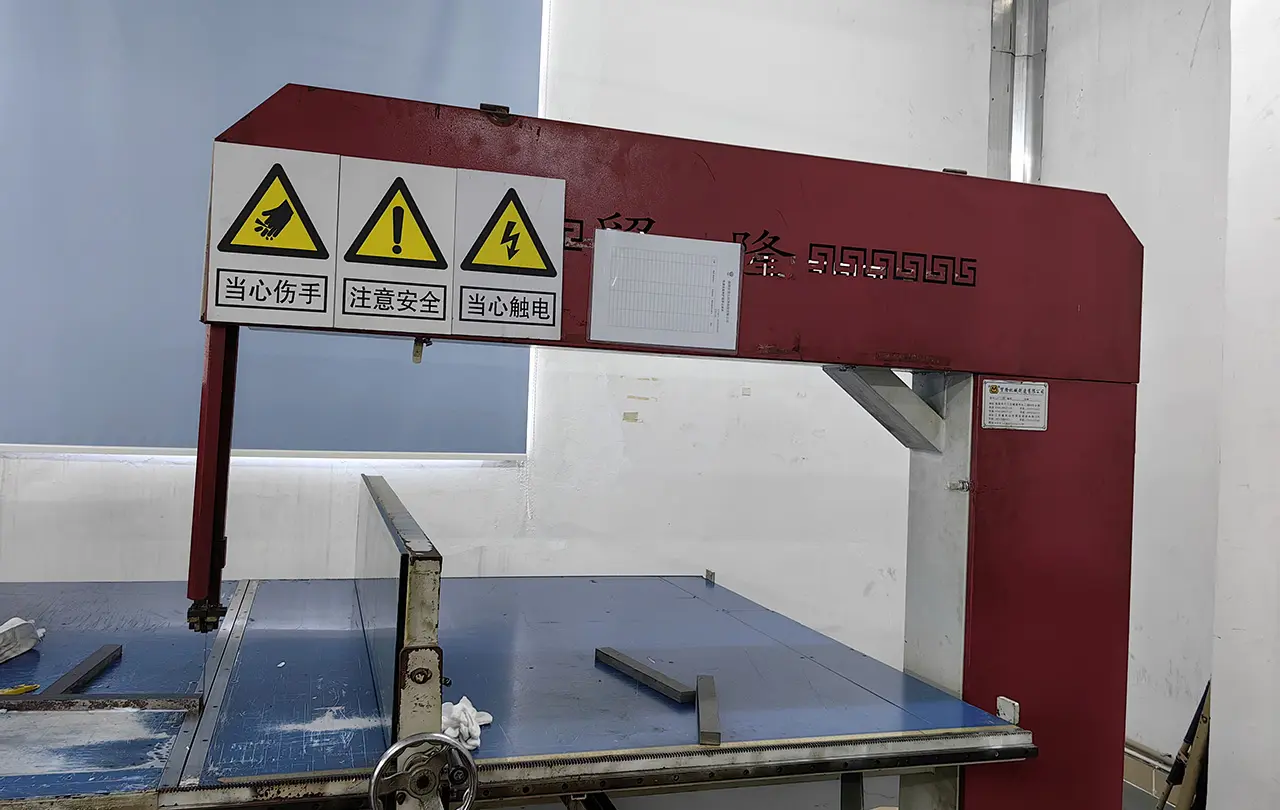
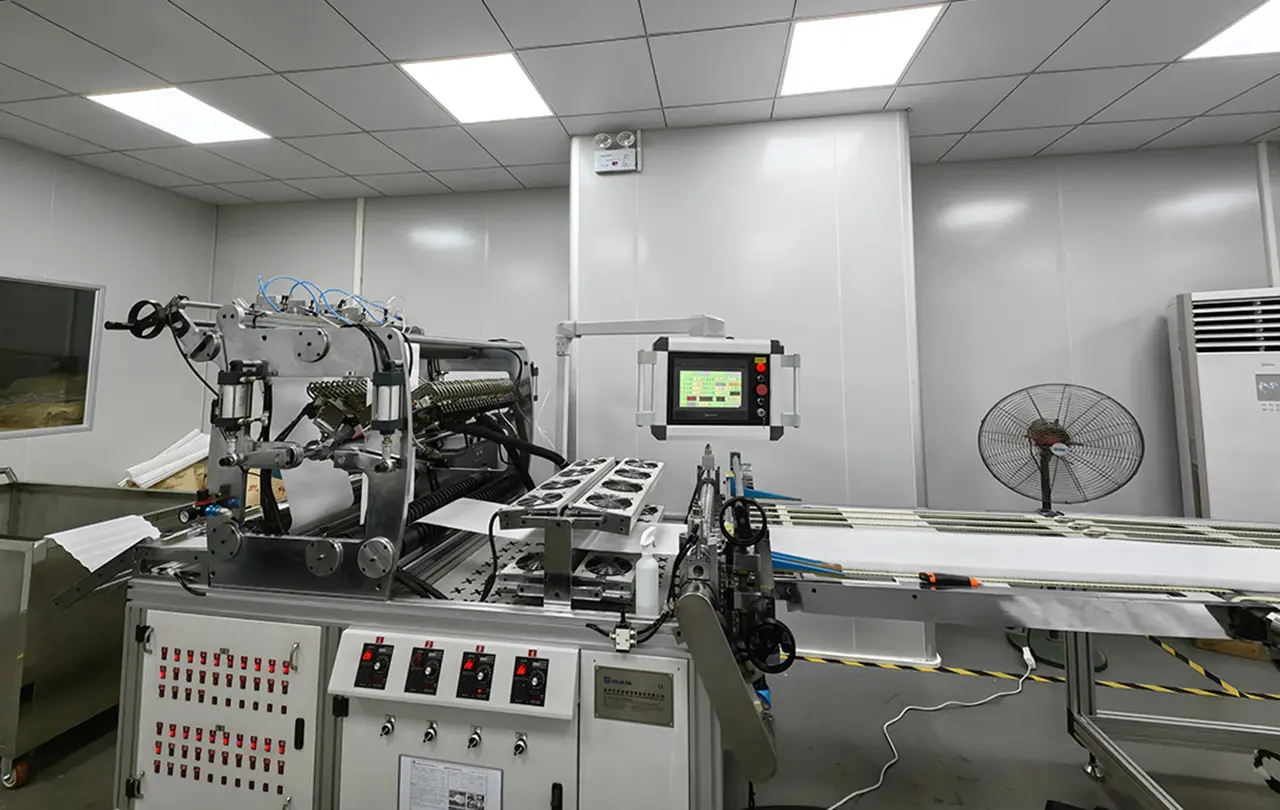
Having 15 years of international air purification technology experience as the background, our company has built a standardized production workshop, dust-free filter workshop, and a first-class HEPA and MERV production line. Our facilities are equipped with AMADA CNC punches and CNC bending machines, as well as multiple advanced high-end automated assembly lines that guarantee precise physical dimensions, robust pleating geometry, and reliable physical frames.

Ensuring cross-border certification and performance alignment for regulatory audits
Our MERV 13 materials are thoroughly tested to correspond accurately with European standards. A MERV 13 rating is widely mapped to an ISO ePM1 50% to 65% rating under ISO 16890, or F7 grade under the legacy EN 779 framework. This guarantees compliance for global projects transitioning between multiple building codes.
Implementing our MERV 13 filtration material helps buildings achieve critical points for indoor environmental quality (IEQ) under LEED (Leadership in Energy and Environmental Design) and the WELL Building Standard, which mandate high-efficiency particle capture to minimize occupant exposure to respirable dust.
Safety compliance is verified through fire-retardant media treatments. All exported materials can be specified to meet UL 900 Class 1 or Class 2 fire standards, ensuring that high-velocity HVAC systems do not support combustion or release toxic fumes in thermal events.
Targeted solutions engineered for diverse commercial, industrial, and cleanroom applications
The manufacturing cluster in Shenzhen, China allows us to source raw polypropylene polymer, structural wire meshes, and hot-melt adhesives with unmatched speed and cost-efficiency. Our localized industrial ecosystem minimizes logistical bottlenecks, allowing us to supply large-scale global building retrofits, OEM cleanroom builders, and aftermarket brand suppliers with reliable lead times and high material consistency.
Direct supply of roll media or pleated inserts to offices, hotels, and schools requiring low pressure drop and high dust holding capacity (DHC) to limit operational fan energy usage.
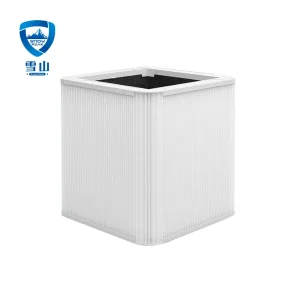
Custom sized and configured replacement elements compatible with Honeywell, Blueair, and other household brands, ensuring identical or superior pressure drops and particle capture.
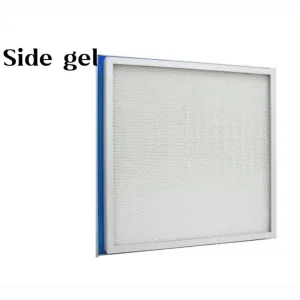
Acts as highly reliable pre-filtration stages for H13/H14 HEPA units in microelectronics assembly and bio-pharmaceutical manufacturing, extending the lifecycle of premium terminal filters.
Engineered composites for agricultural ventilation, server cabinet airflow protection, transport cabins, and evaporative cooler cooling pads with antimicrobic properties.
Answers to critical procurement, performance, and engineering questions
Explore our highly-regarded selection of commercial components, air cooler accessories, and HEPA units
 Snow Peak