Engineered structural frames and media configurations designed for commercial, industrial, and cleanroom environments.
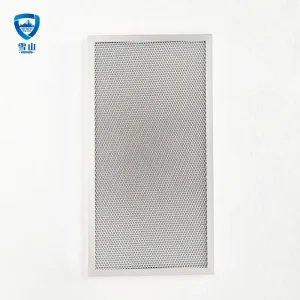
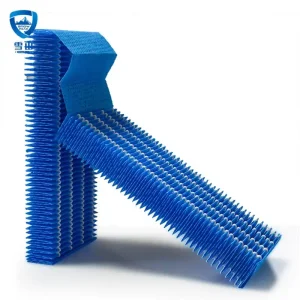
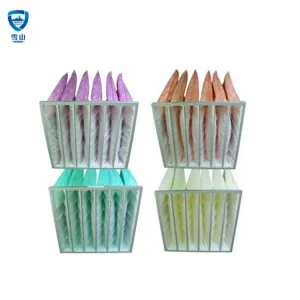
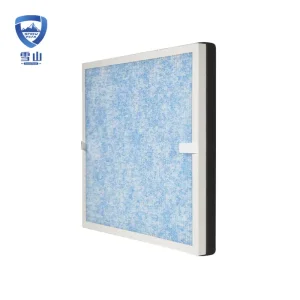
Why modern HVAC design and cleanroom architecture demand high-performance thermoplastic filter frames over traditional materials.
In high-demand filtration setups, traditional cardboard frames suffer from structural softening under moisture, while metal frames are prone to oxidation, high weight, and complex tooling configurations. Precision-engineered plastic air filter frames (fabricated from ABS, Polystyrene, or Polypropylene) solve these vulnerabilities. They offer exceptional dimensional stability, zero corrosion risk, and high structural rigidity under high airflow rates.
For semiconductor fab lines, bio-pharmaceutical processes, and operating theaters, frame outgassing can ruin sensitive chemical operations. Thermoplastic polymers like ABS can be formulated to achieve near-zero volatile organic compound (VOC) emissions, ensuring compliance with strict cleanroom standards and safeguarding manufacturing yields.
Modern plastic compositions can integrate antimicrobial and fungicidal additives directly into the polymer matrix. This inhibits bacterial colonization and fungal growth across the filter perimeter, making these frames indispensable for hospital isolation wards and commercial buildings undergoing regular VPHP disinfection.
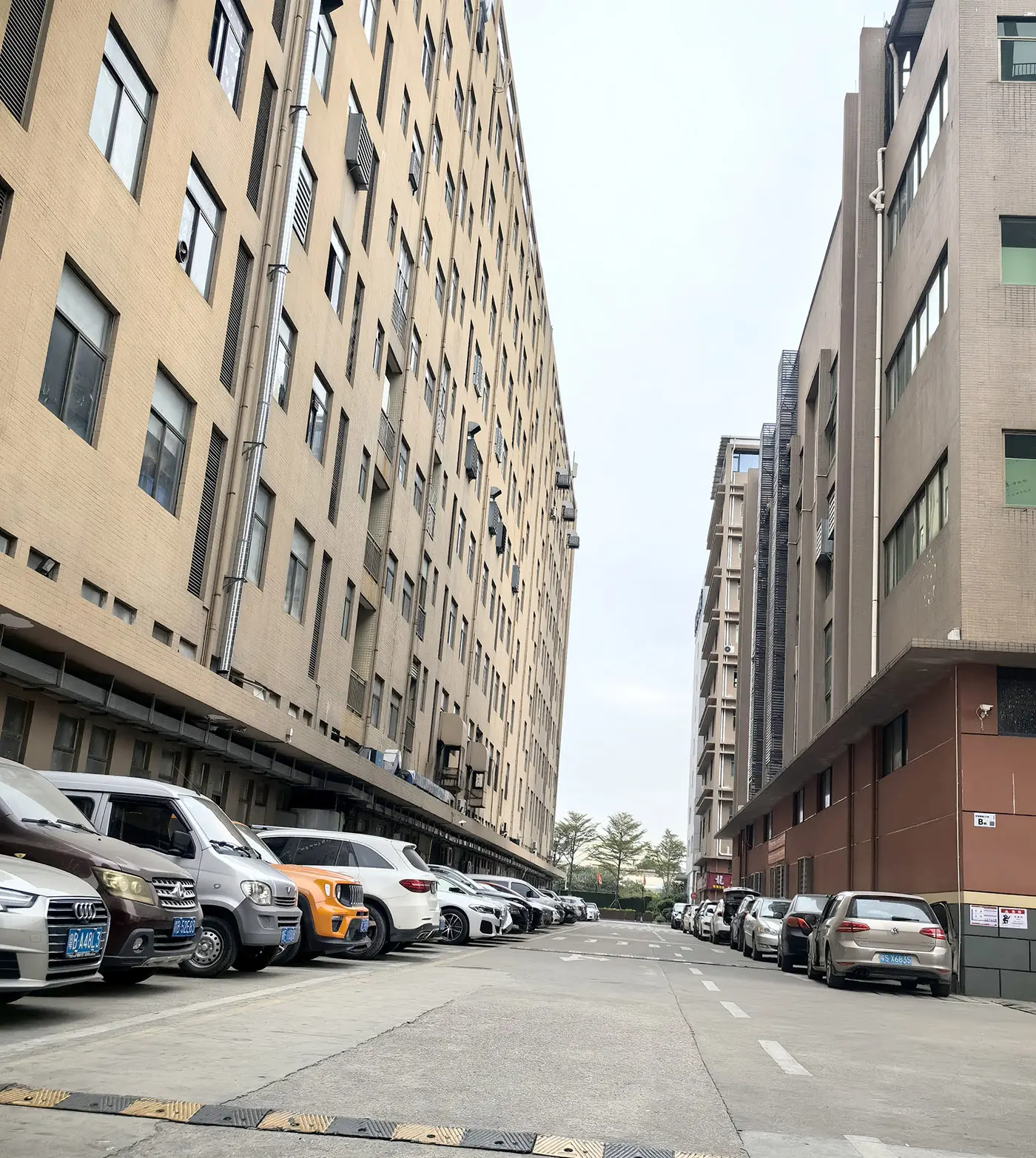
China's cleanroom filtration manufacturing ecosystem provides unparalleled scale, supply chain integration, and rapid prototyping capabilities. Utilizing specialized tooling, automation, and optimized logistics, Chinese manufacturers can supply high-tolerance plastic air filter frames at a fraction of Western production timelines.
At the center of this production hub, Shenzhen Snow Peak Clean Technology Co., Ltd. integrates research and development with advanced manufacturing. With 15 years of air purification expertise, our facility operates high-precision injection lines and automated pleating lines to guarantee consistent product delivery and tight tolerance control.
Combining heavy automation with premium metalworking tools to fabricate next-generation filtration products.
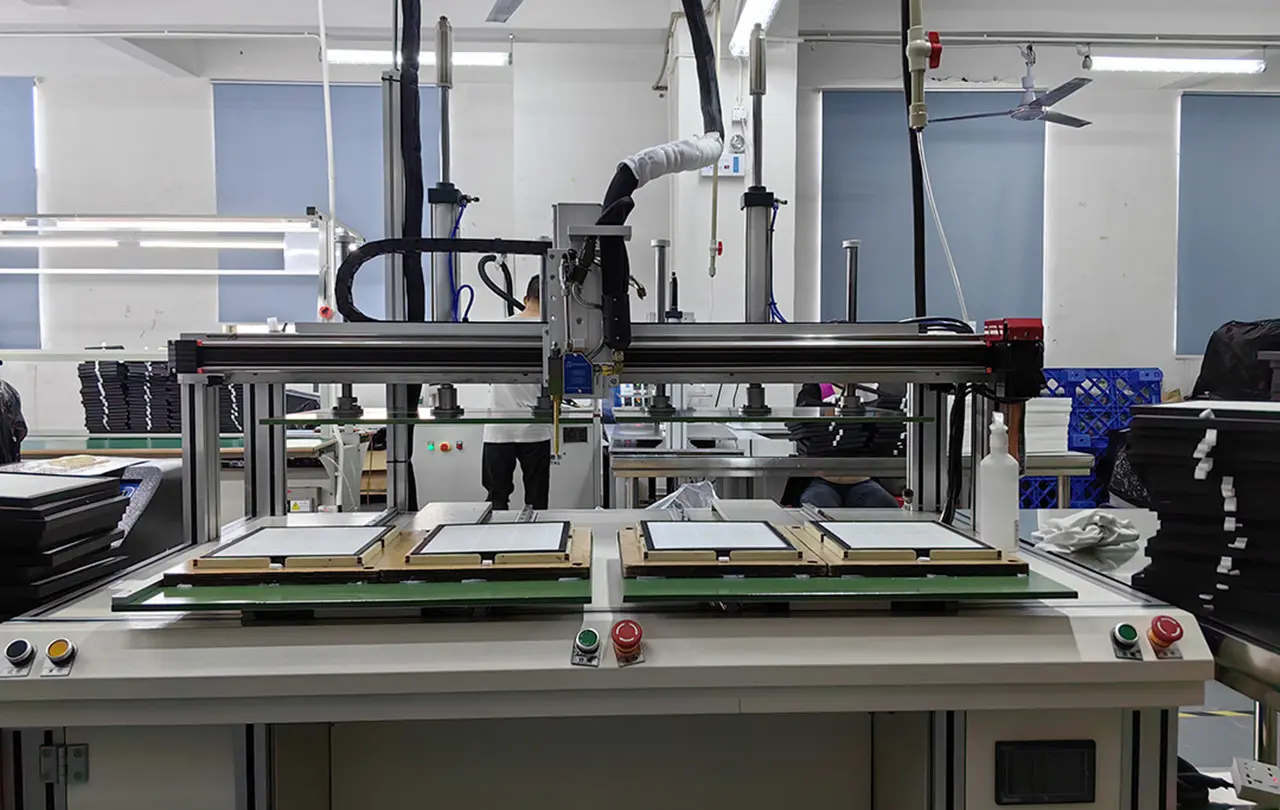
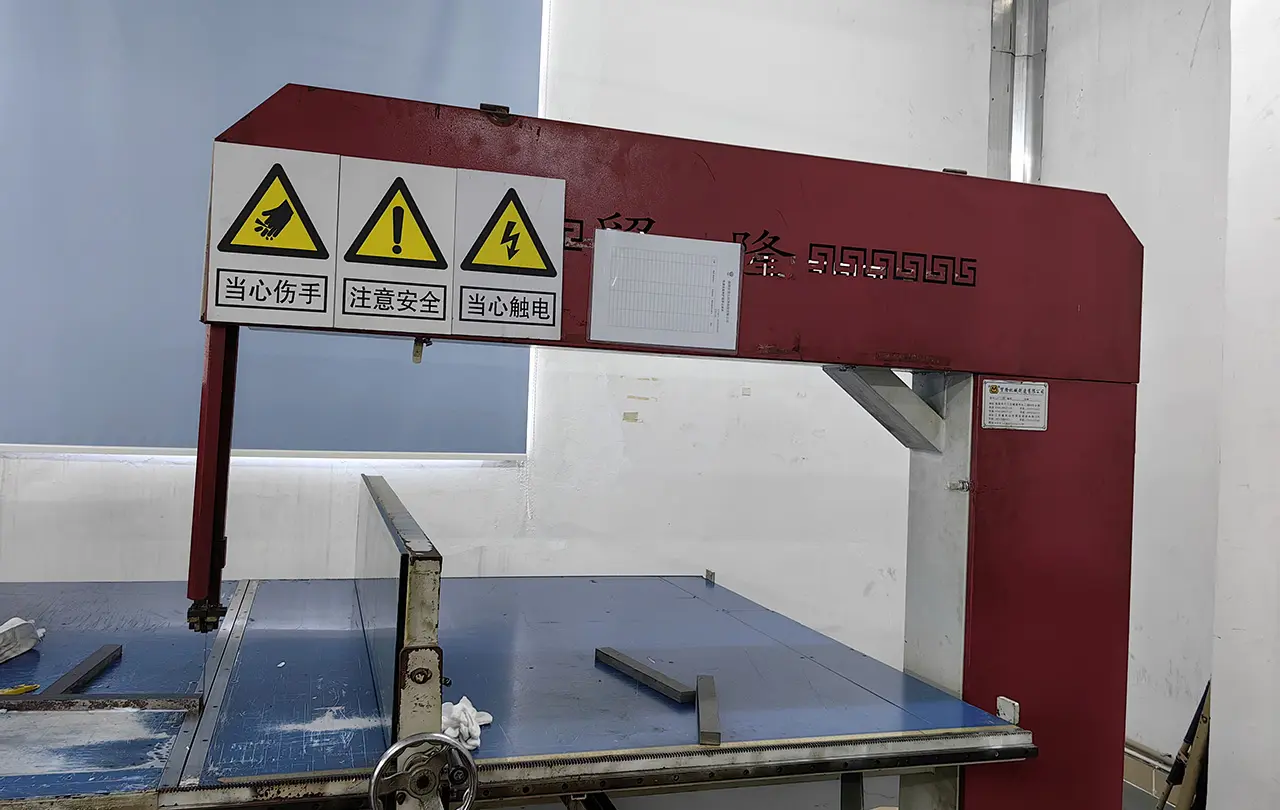
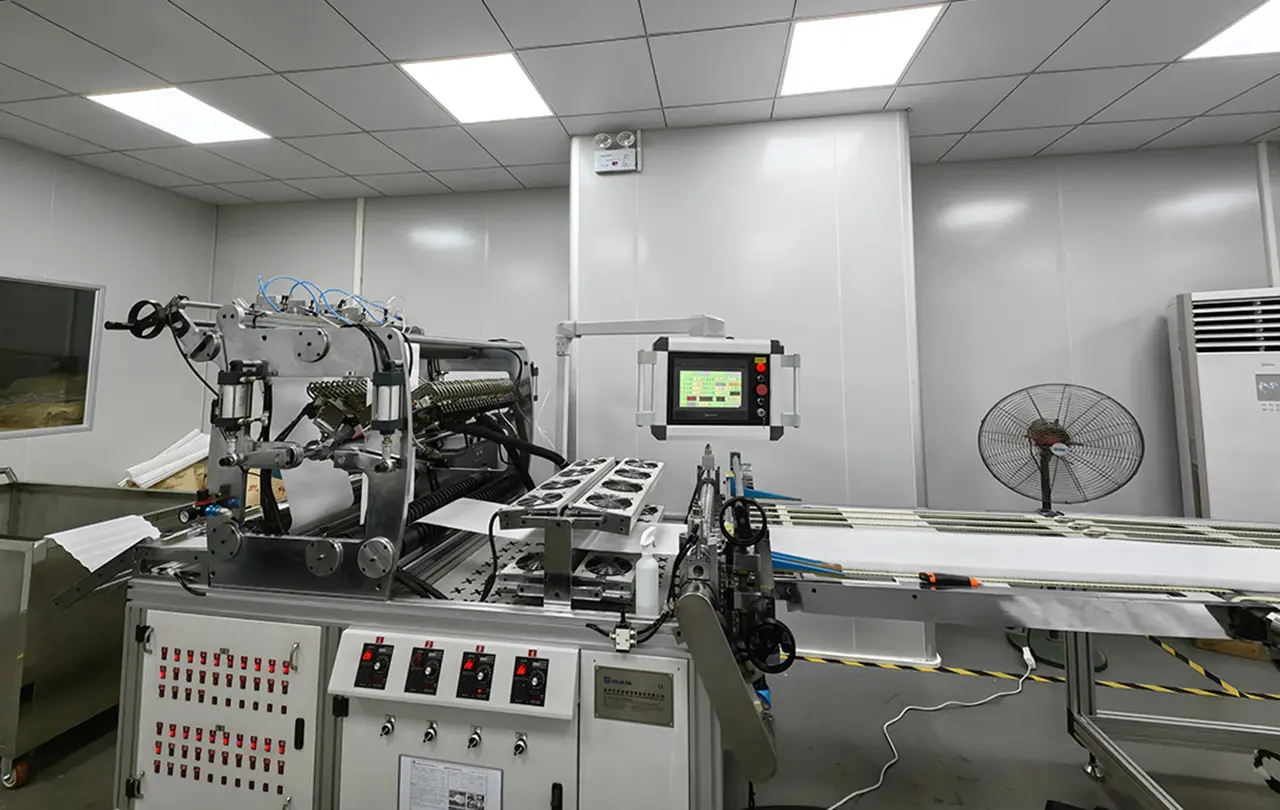
Our standardized production workshop, dust-free filter assembly lines, and high-performance inspection setups ensure that every plastic air filter frame and composite filter media pack meets strict global standards. The factory is equipped with high-precision fabrication assets, including AMADA CNC punches and CNC bending machines, which allow for rapid, custom tooling modifications and reliable metal support brackets.
By using automated polymer gluing machinery and precise pleating lines, we minimize structural variances, ensure leak-proof seals, and prevent bypass airflows. This keeps system pressure drops to an absolute minimum.
Core Tooling & Manufacturing Standards:
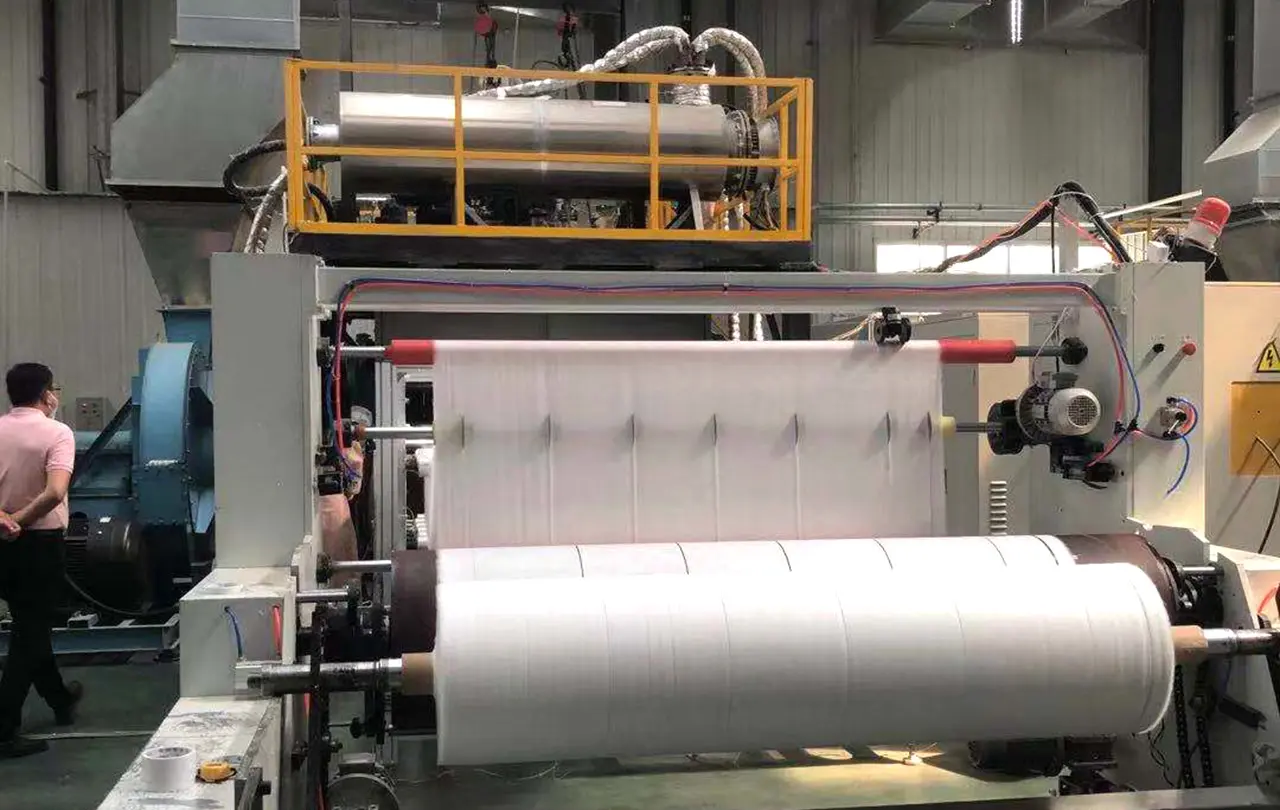
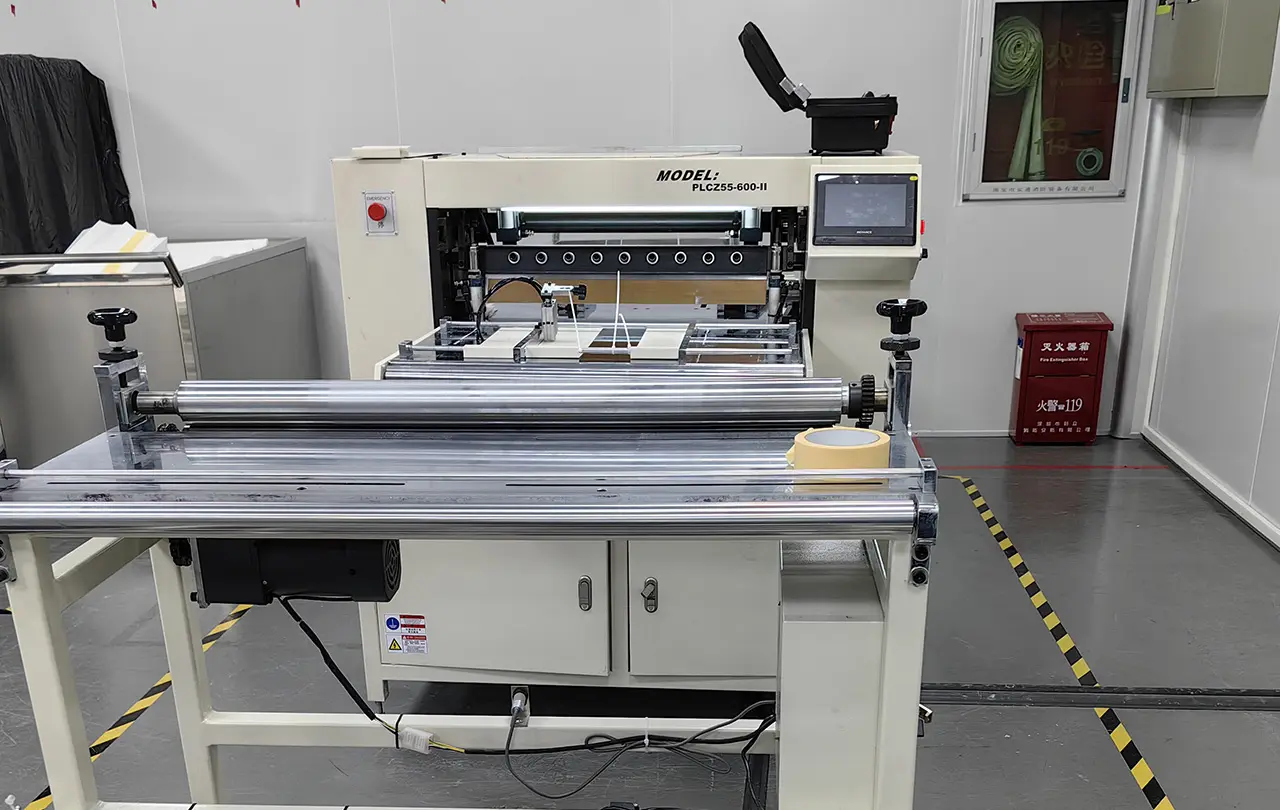
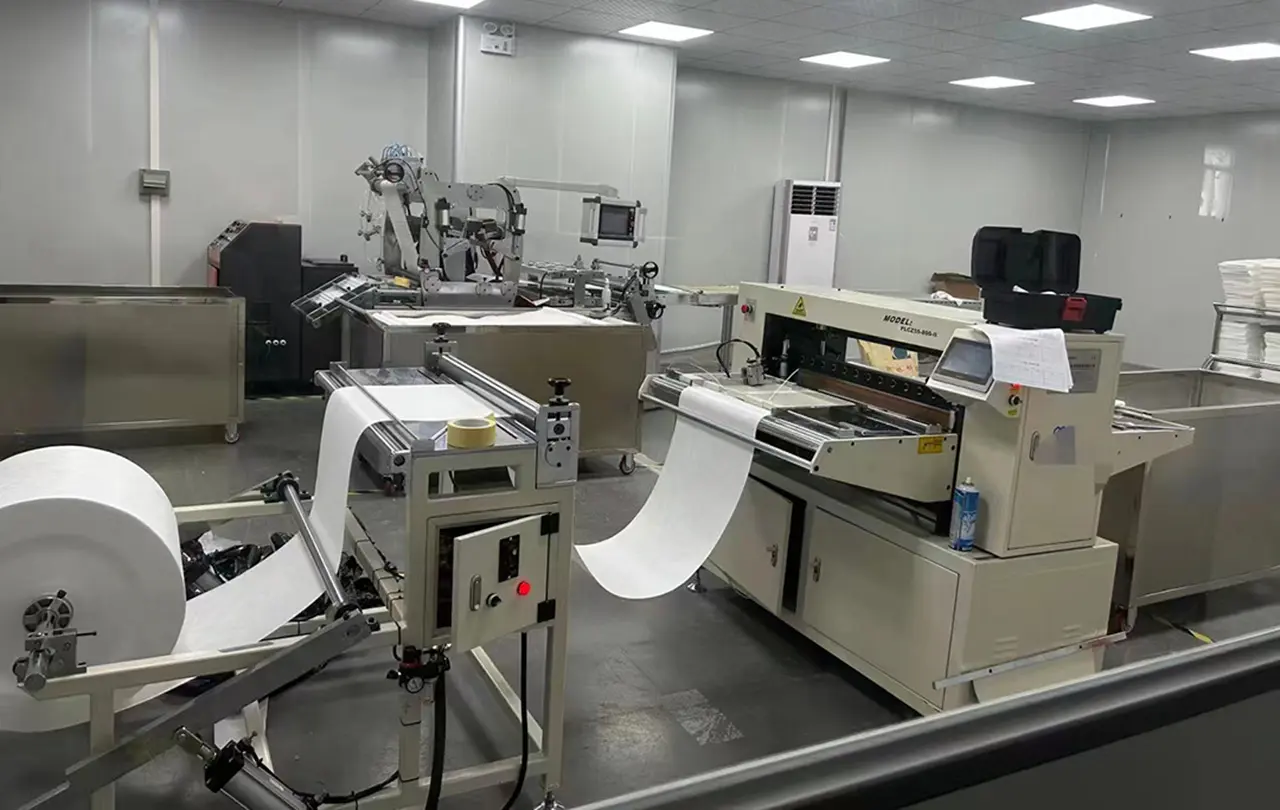
Customizing thermoplastic frames to meet the demands of global industries.
For cleanroom environments, plastic frames ensure structural integrity without risk of shedding metallic particles. The frame material is chosen for low chemical outgassing, helping to protect photolithography processes.
In hospital cleanrooms and labs, filter housings must withstand regular disinfection cycles. Plastic injection-molded components stand up to corrosive chemical washes and vaporized hydrogen peroxide (VPHP).
In environments exposed to high humidity (such as coastal areas or cooling tower intakes), thermoplastic frames prevent moisture degradation and filter collapse, maintaining constant filtration performance.
Industrial procurement departments focus on reducing lifetime operating costs. While cheap filter frames might save money upfront, they can result in frequent replacements, bypass leaks, and higher energy use due to poor pressure drops.
We work closely with global buyers to design plastic frames that align with standard international dimensions (such as European EN1822 or global ISO 16890 classifications). This ensures seamless integration into pre-existing air handlers.
Dimensional Standards: Ensuring clean integration with standard mounting frame frames.
Burst Pressure Tolerances: Frames must withstand sudden pressure spikes without cracking or losing their seal.
Chemical Compatibility: Frame materials must resist chemical exposure in industrial and exhaust gas applications.
Addressing the core technical specifications and engineering choices that define high-performance plastic filtration frames.
Tested air filtration components built for commercial, residential, and OEM applications.
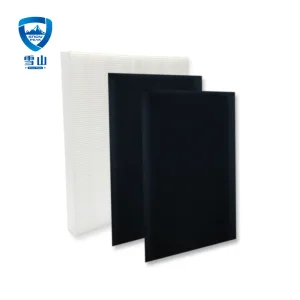
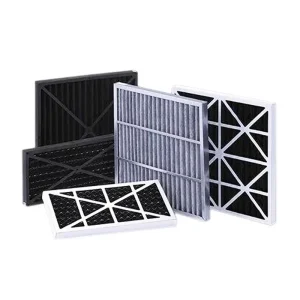
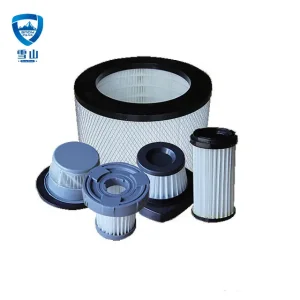
 Snow Peak