 Snow Peak
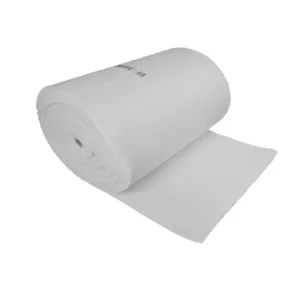
1. Executive Briefing: The Critical Role of Pre-Pleated Filtration in Modern HVAC Systems
In contemporary air handling and cleanroom architecture, pre-pleat air filters (often categorized under ISO 16890 Coarse/ePM10 or ASHRAE 52.2 MERV 8 to 11) serve as the primary defensive perimeter. By intercepting high-mass particulate matter before air reaches highly sensitive downstream components—such as sub-micron terminal HEPA filters, gas-phase carbon beds, and direct expansion coil systems—pre-pleat filters directly govern the thermodynamic efficiency, maintenance cycles, and operational lifetimes of the entire environmental system.
Industrial facilities, semiconductor fabs, pharmaceutical labs, and commercial real estate assets operate under strict carbon-reduction and indoor air quality (IAQ) mandates. Designing a pre-pleat configuration requires balancing initial resistance, dust-holding capacity (DHC), and structural integrity. A prematurely fouled or structurally compromised pre-filter leads to bypassing of unfiltered air, elevated pressure drops, escalated fan-motor power consumption, and shortened terminal filter lifetimes. As a result, choosing high-performance pre-pleat elements from leading manufacturers is a critical procurement strategy.
2. Technical Specifications & Material Science of Pleated Pre-Filters
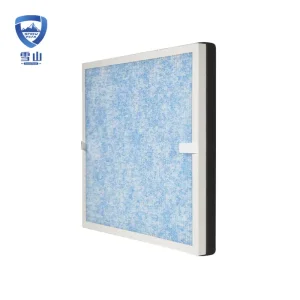
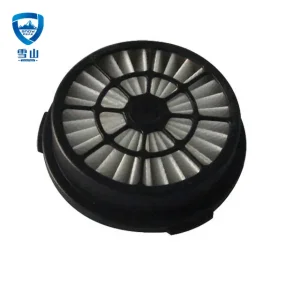
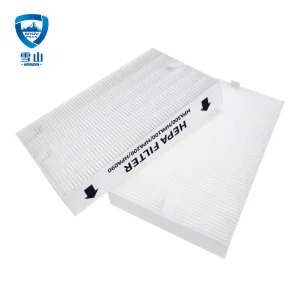
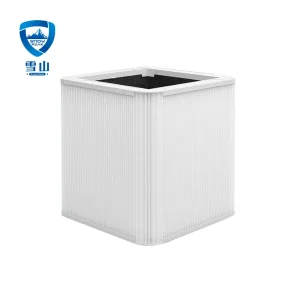
The efficiency of a pre-pleat filter depends on its fiber morphology, pleat density, and support structural layout. While flat panel media suffer from rapid cake building and sudden pressure drops, pleated media increase the available surface area by 3 to 4 times, distributing particle loading and extending the time to final resistance.
A. Media Engineering
High-grade pre-pleated filters utilize composite synthetic fiber blends or wet-laid glass microfibers. These media undergo electrostatic charging (electret treatment) to enhance initial collection efficiency for sub-micron particles without increasing mechanical airflow resistance. The gradient-density structure—with coarser fibers on the upstream side and finer fibers on the downstream side—ensures depth-loading of particulate matter rather than surface blinding.
B. Radial Pleat Geometry and Flow Dynamics
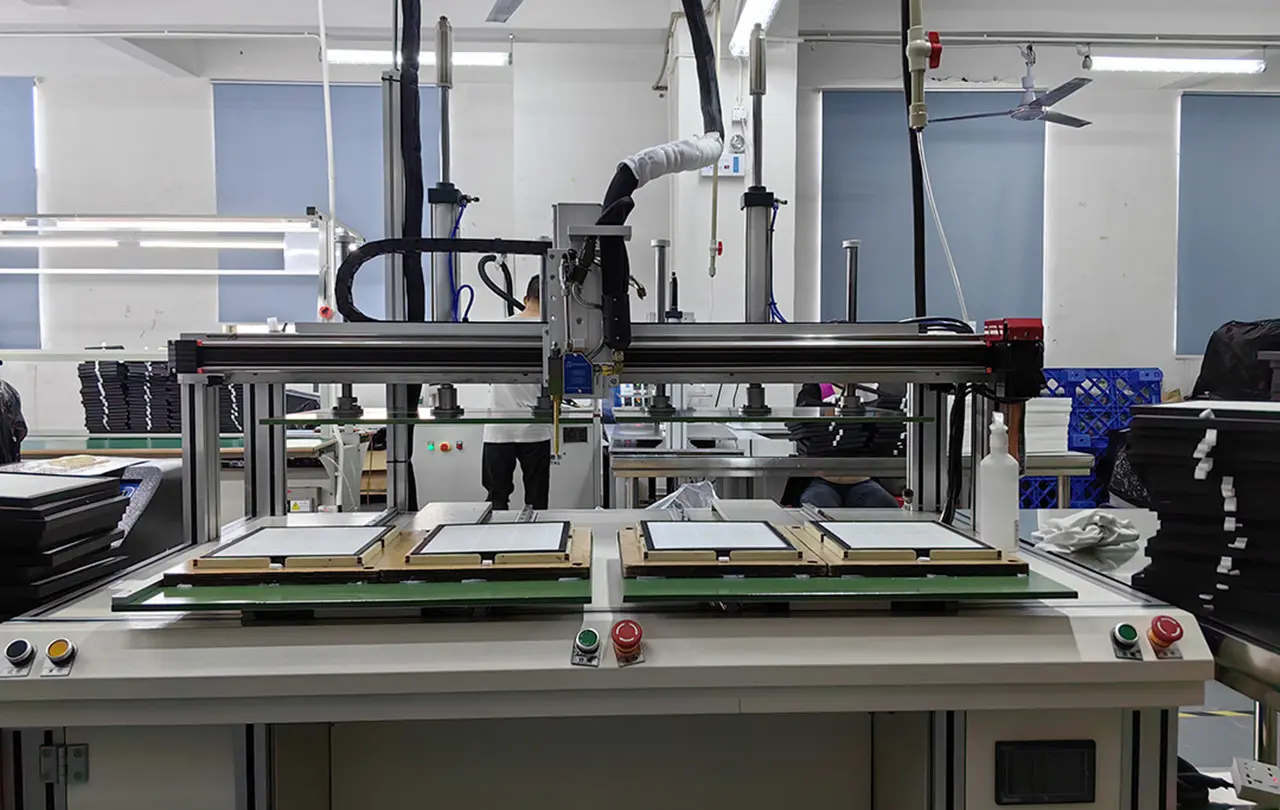
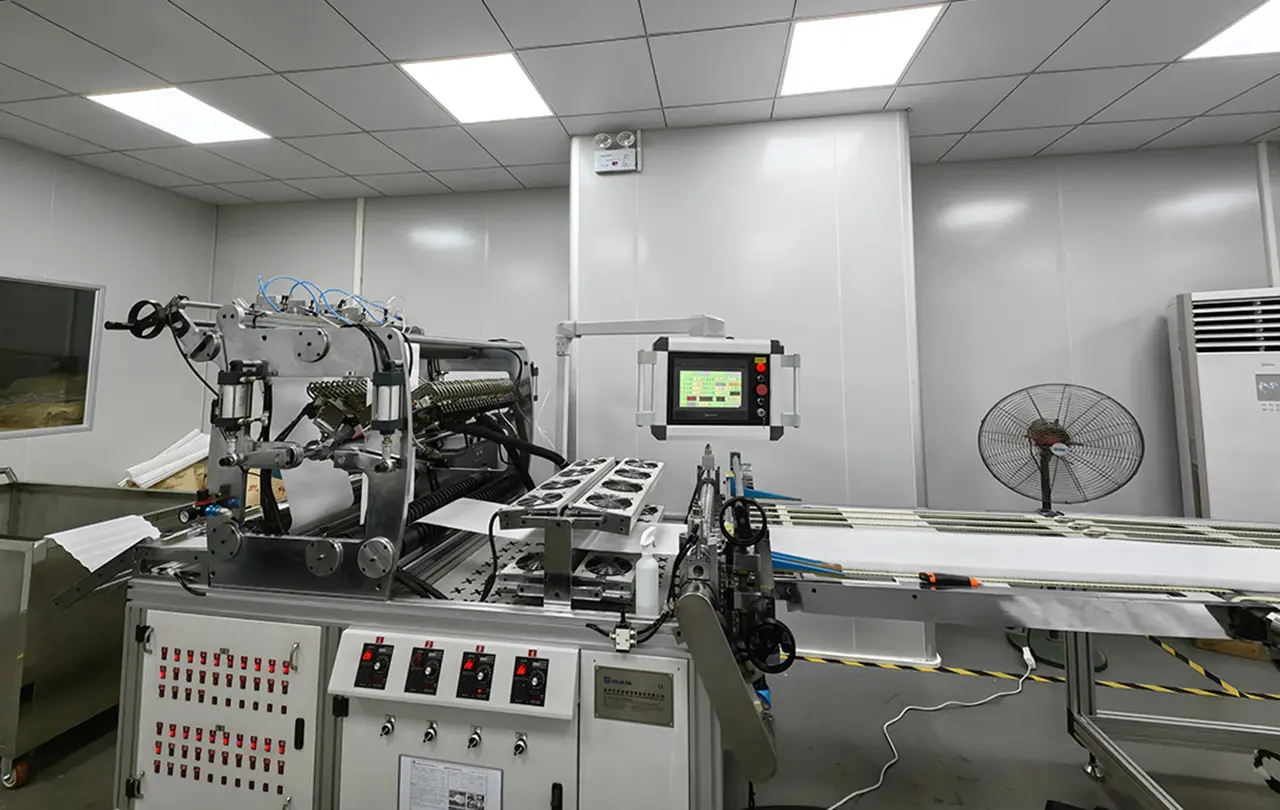
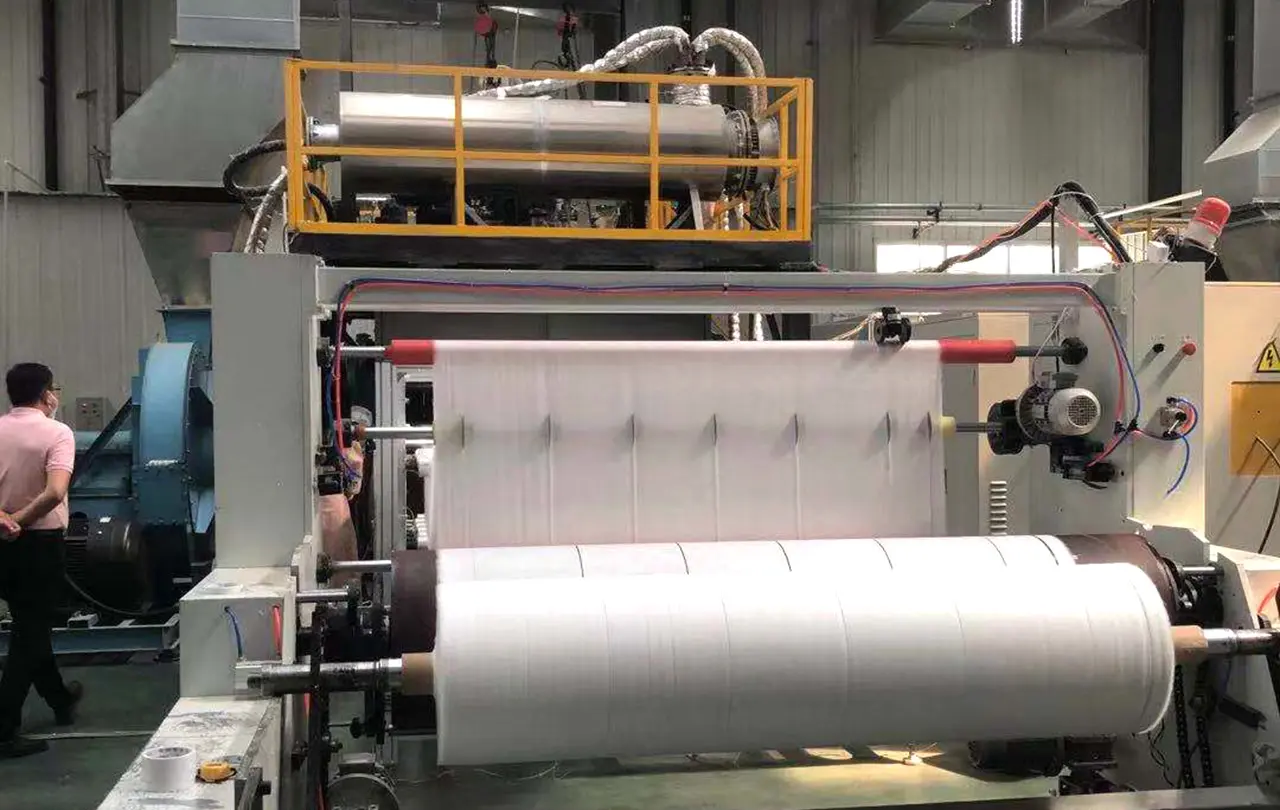
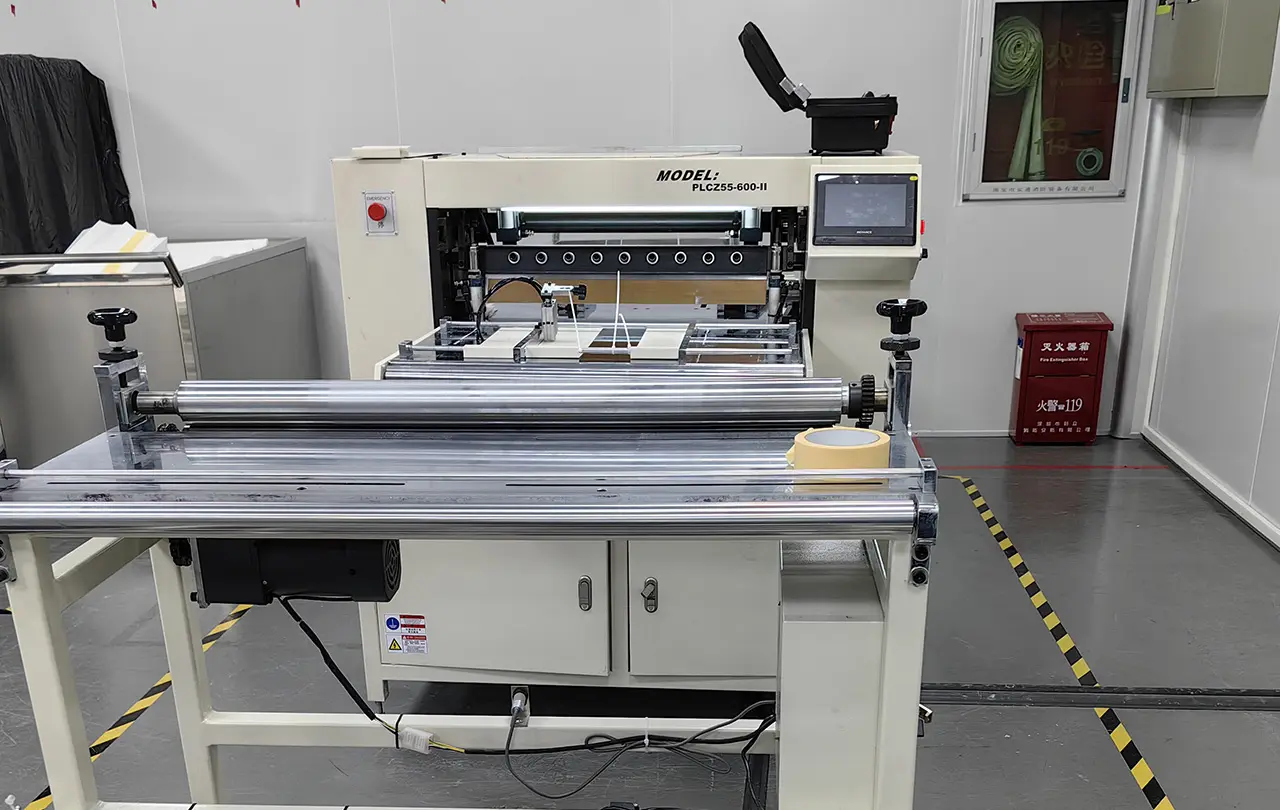
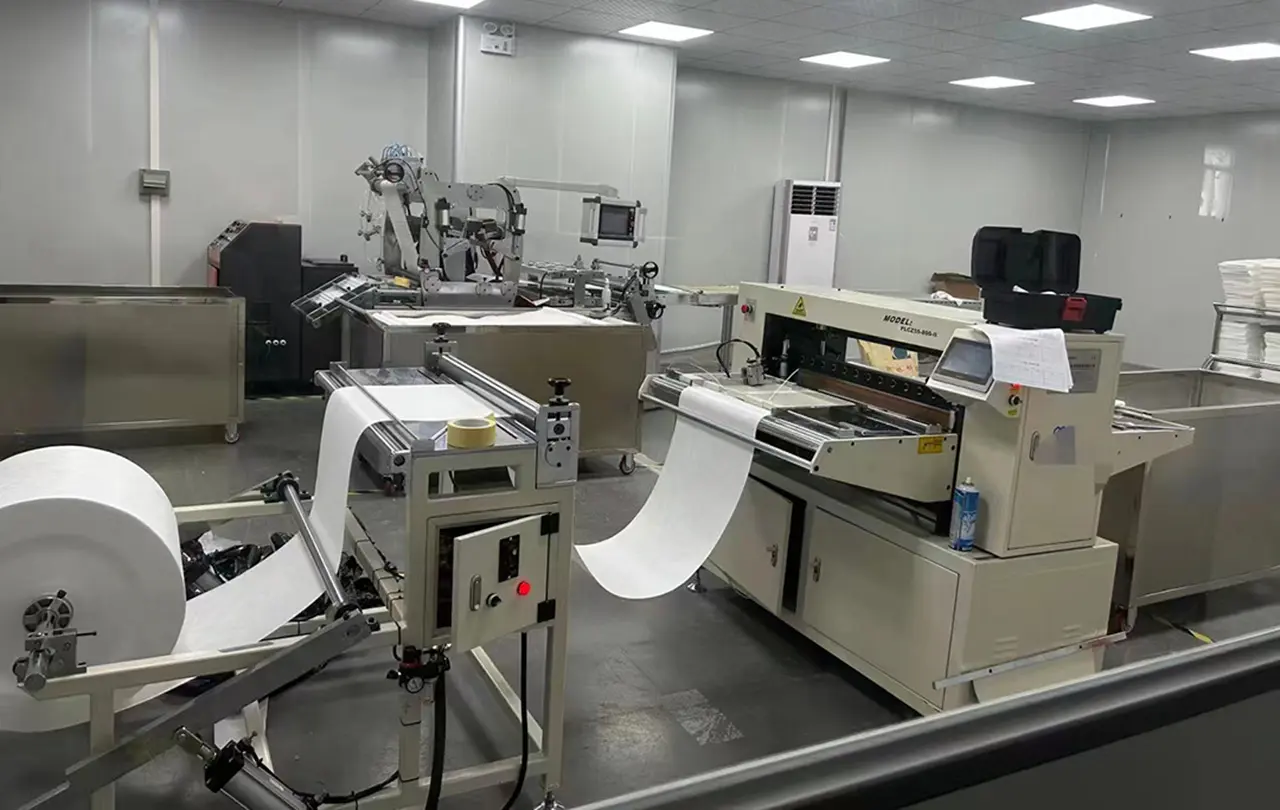
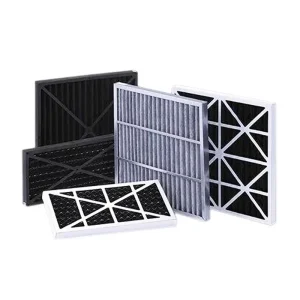
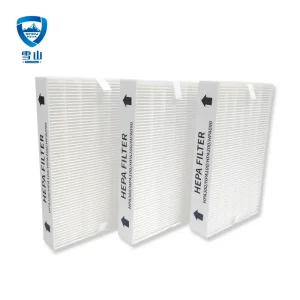
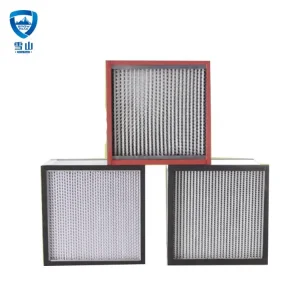
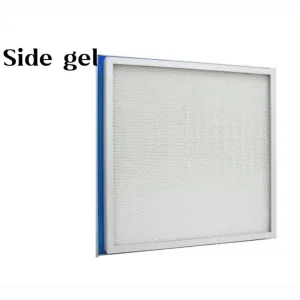
To prevent pleat collapse under high dynamic pressures, pleats must maintain a uniform radial configuration. China's leading factories use automated pleating machinery equipped with hot-melt separation strips or metal grid backings. The structural frame (typically heavy-duty wet-strength beverage board, moisture-resistant double-wall cardboard, or galvanized steel) is continuously bonded to the media pack. This eliminates air bypass along the perimeter and ensures the filter can withstand turbulent variable air volume (VAV) systems.
Optimized Pleat Design
Maximizes surface area to extend service intervals, reducing energy expenditure of the ventilation fans by up to 15% under constant volumes.
Synthetic & Glass Media
Moisture-resistant and structurally stable synthetic matrices prevent microbial growth and maintain particulate capture in humid air streams.
Moisture-Resistant Frames
Moisture-proof beverage board and rust-proof aluminum or galvanized steel frames prevent structural failure under saturated process environments.