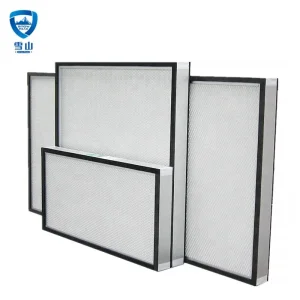
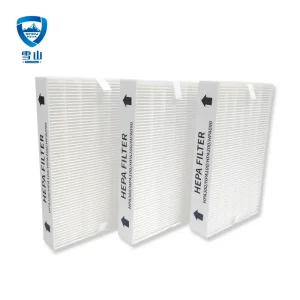
Explore our initial engineering array of highly functional replacement air filters, pocket filters, and high-efficiency HEPA solutions customizable to 8x24x1 inch and variable architectural configurations.
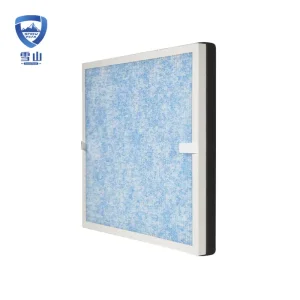
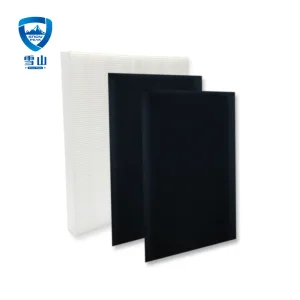
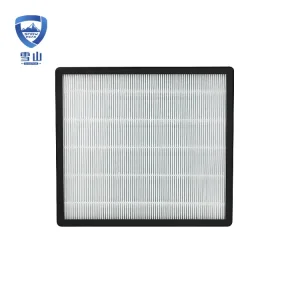
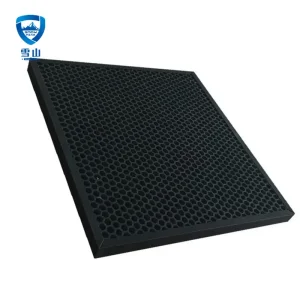
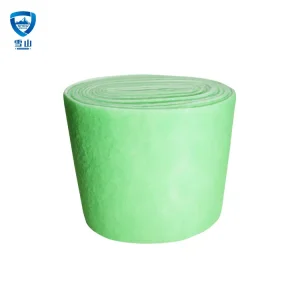
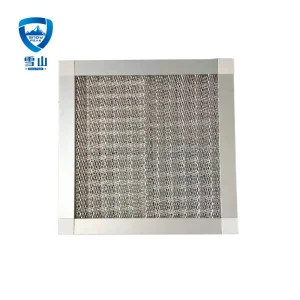
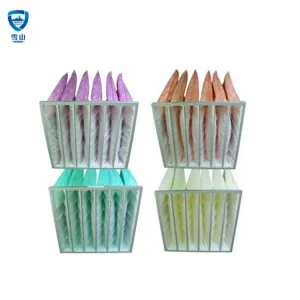
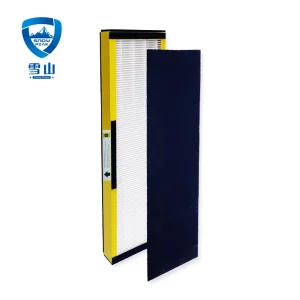
Shenzhen Snow Peak Clean Technology Co., Ltd. is an integrated high-tech enterprise, specialized in air filtration products research and development, production, sales, import and export trade. Over decades of refinement, we have optimized our supply chains to manufacture pre-filters, pocket filters, HEPA filters, and chemical filters designed to meet the strict parameters of global mechanical standards. Our secondary offerings include replacement HEPA filters, automotive cabin air filters, and specialized humidifier filters designed using cutting-edge synthetic melt-blown and composite filter media.
Our goal is to resolve systemic indoor air pollution challenges. Through our self-developed patented sterilization technologies, we provide highly integrated clean-room products to architectural networks, microelectronics fabricators, pharmaceutical laboratories, schools, and hospitals globally. By deploying our antiviral HEPA systems, facilities can ensure their PM2.5 concentrations remain below 10 micrograms/m³—outperforming generic standards by 5-fold, while maintaining a biological sterilization rate of 99.9% without producing secondary ozone pollution.
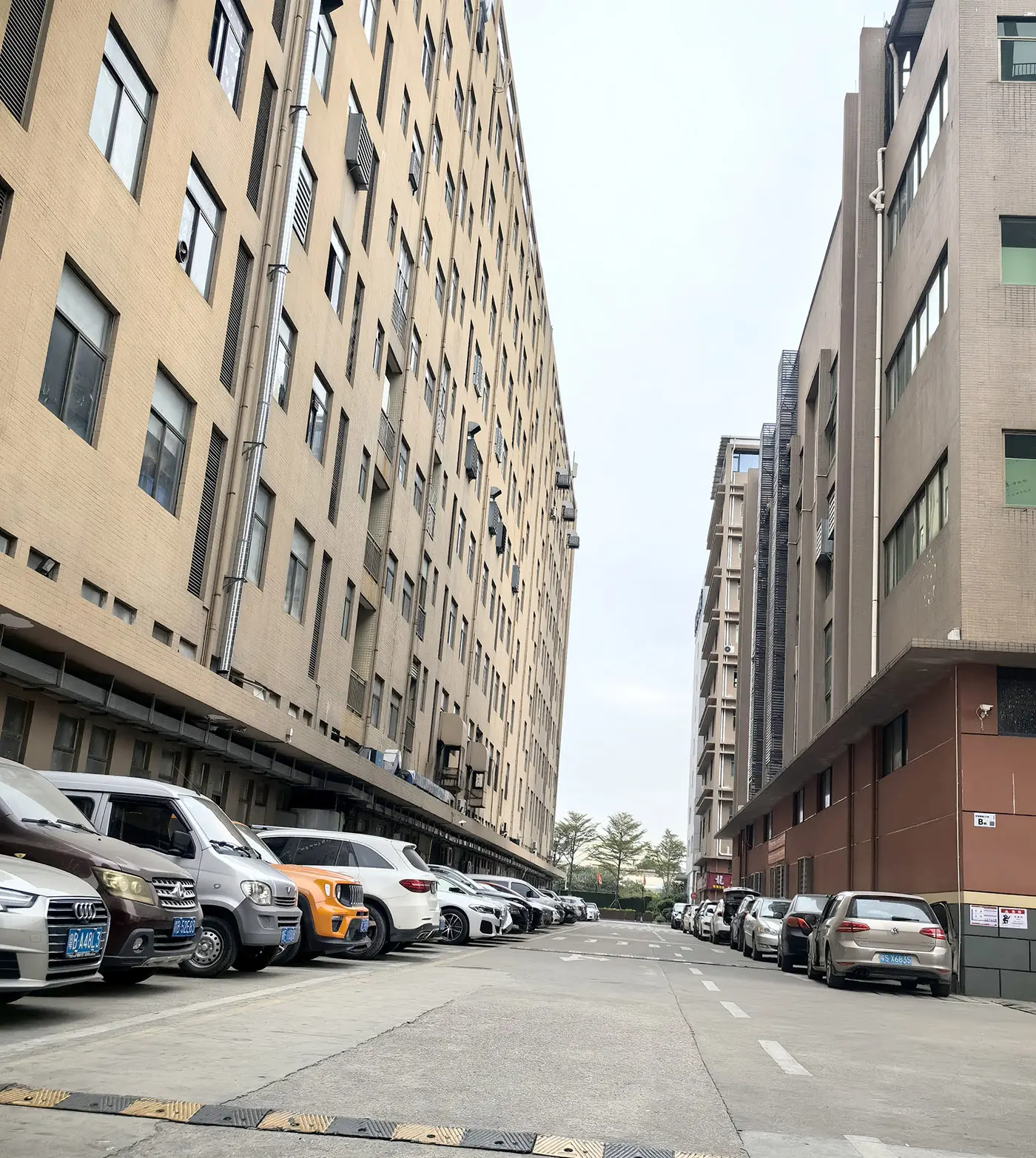
Our industrial workspace encompasses automated lines dedicated to custom dimensioning. This guarantees that custom sizes, like the 8x24x1 configuration, preserve maximum edge sealing, mechanical durability, and minimal dynamic resistance.
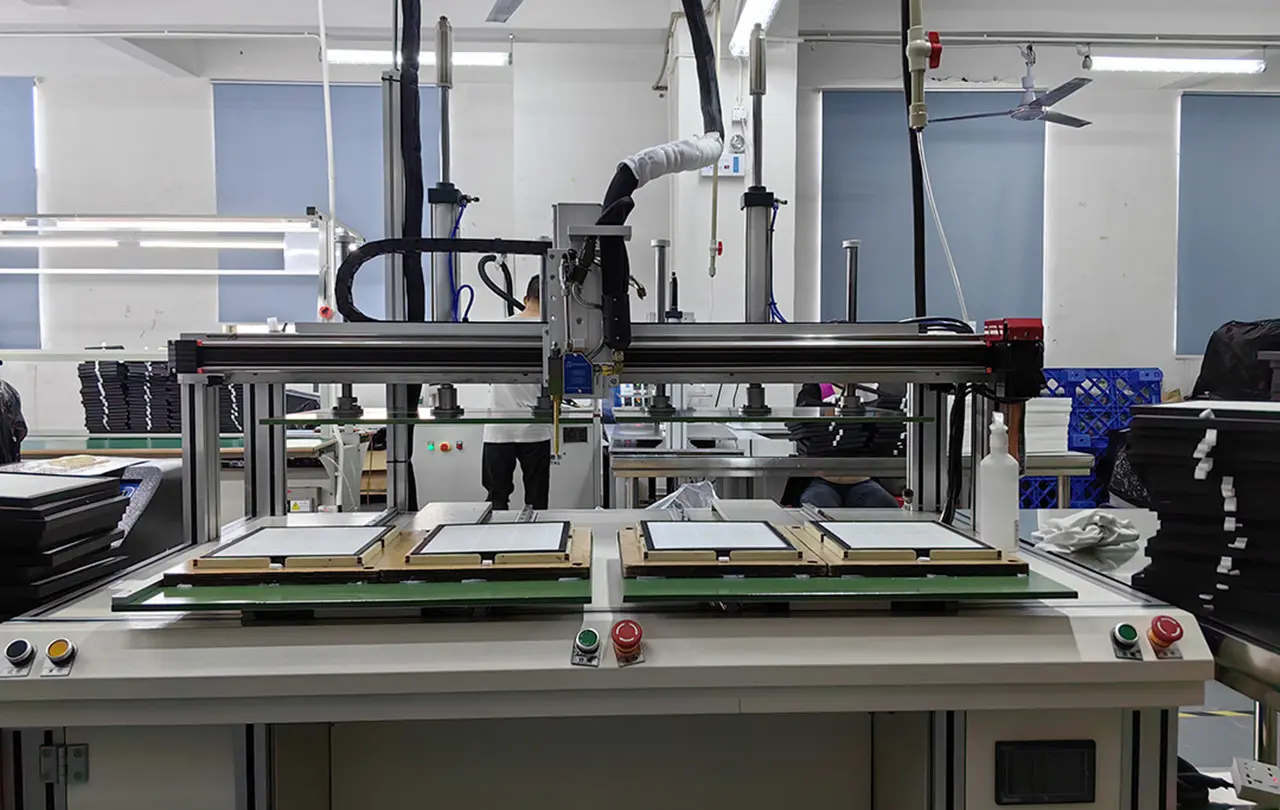
Our automated gluing machines apply structural hot-melt lines to seal pleats uniformly, maintaining exact gaps that resist high aerodynamic face velocities.
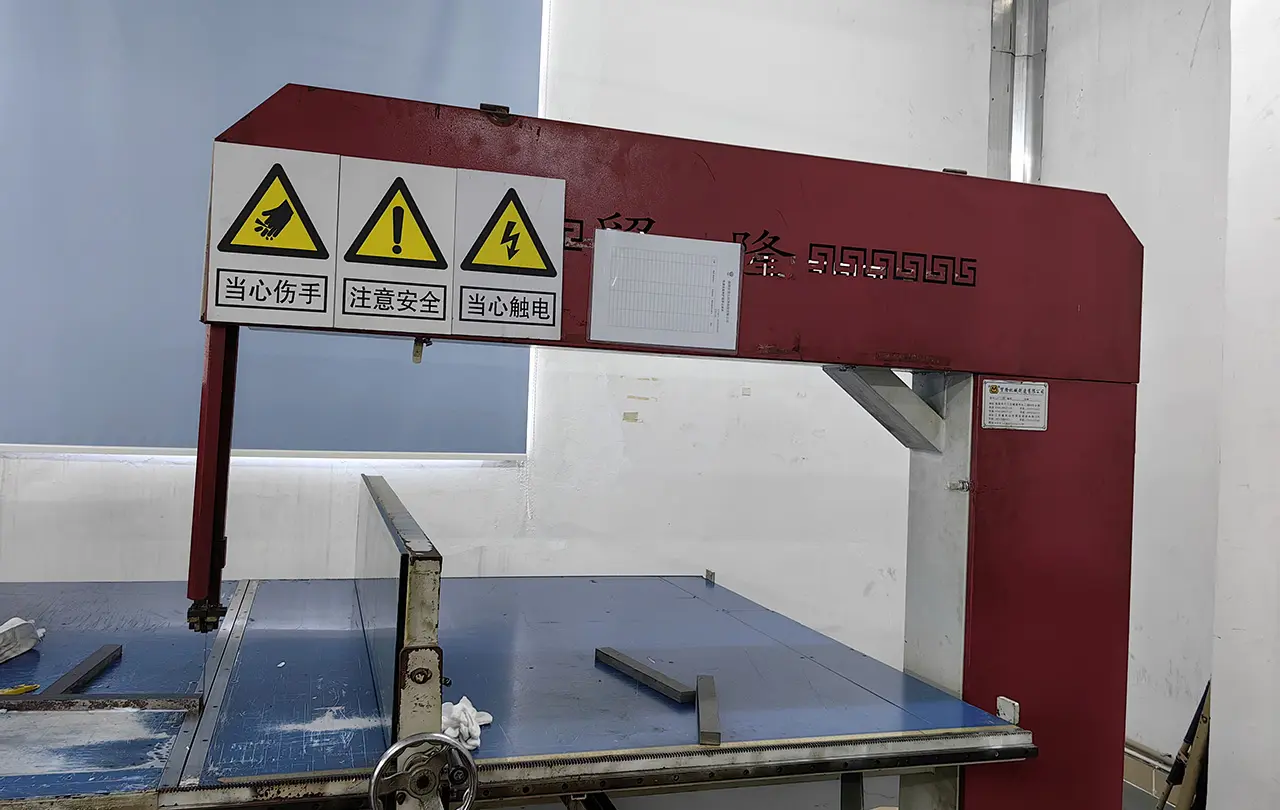
Automated high-speed cutting machines process custom non-woven and melt-blown synthetic dimensions with zero fiber shedding along boundaries.
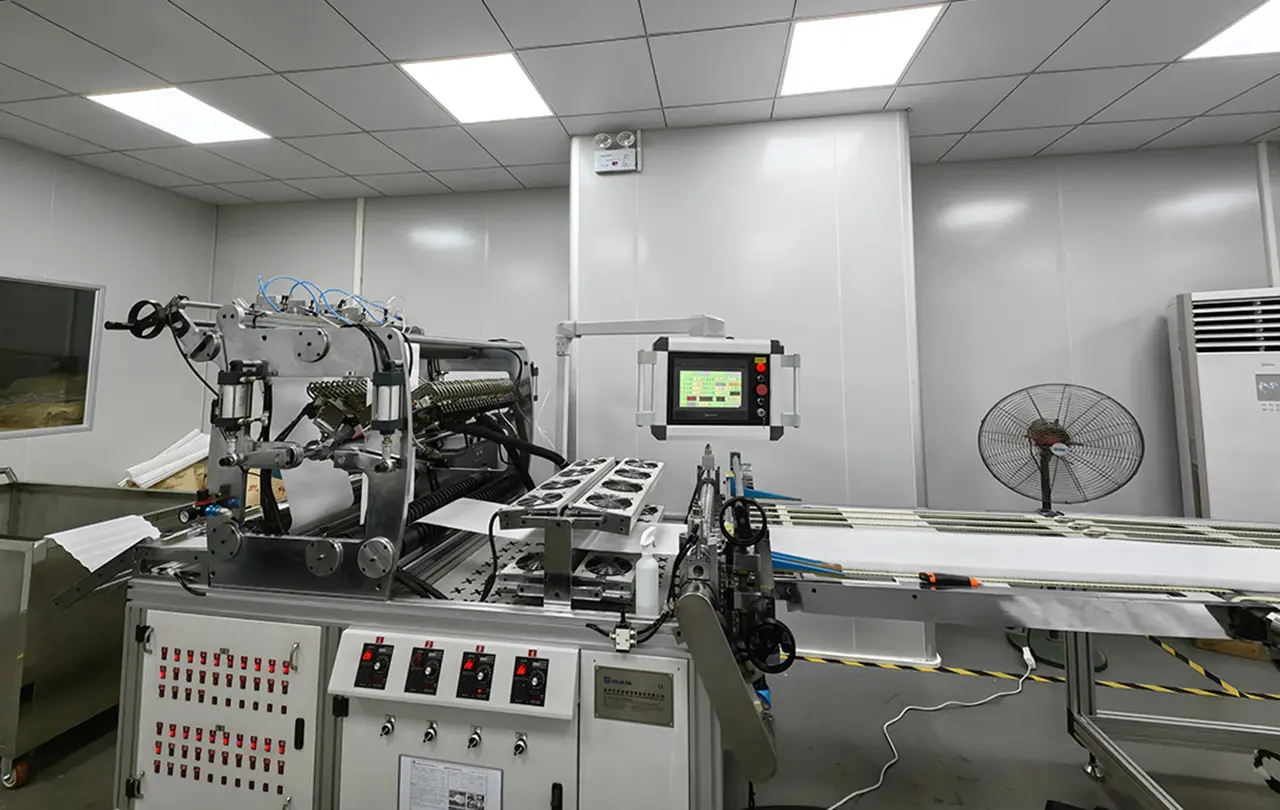
Integrating high-performance adhesives to bond media packs securely into galvanized steel, aluminum, or moisture-resistant beverage board frames.
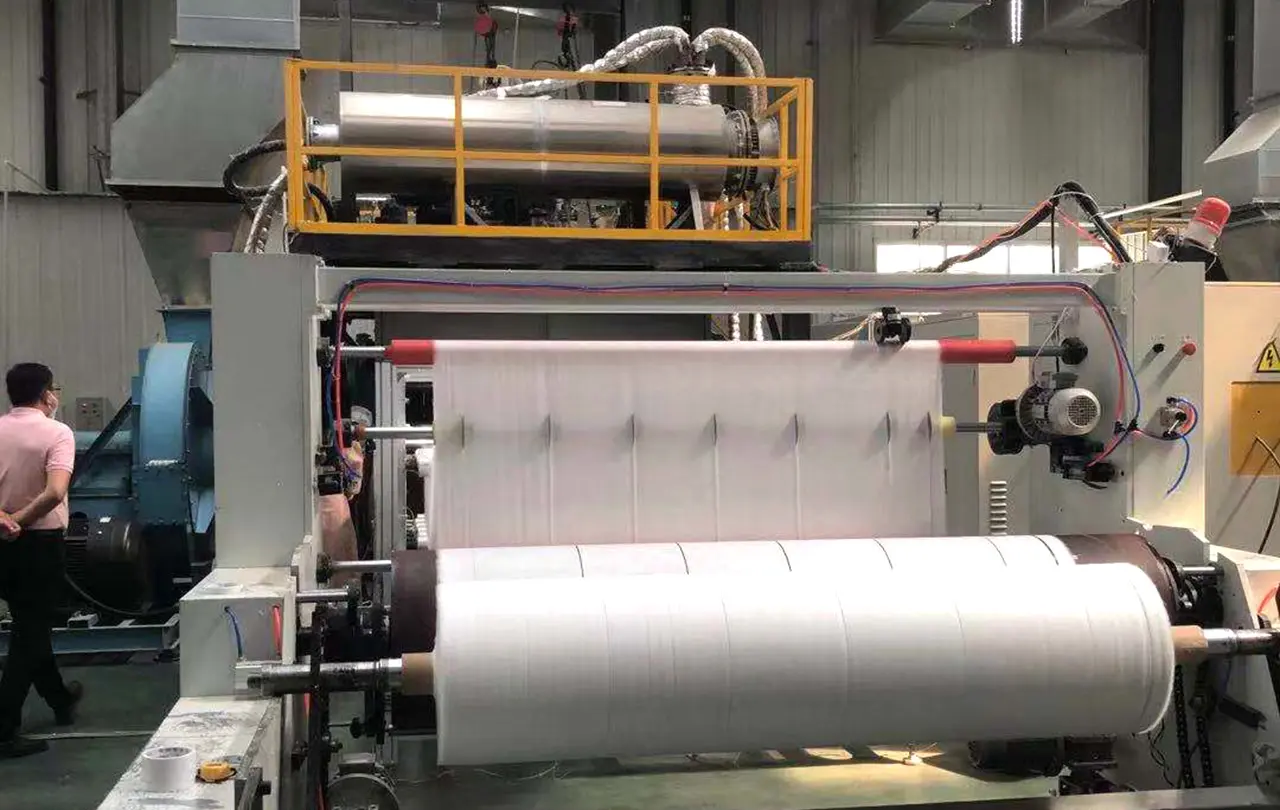
High-tech co-lamination of H13 fiberglass sheets with honeycomb-activated carbon layers, preventing bypass while locking odors.
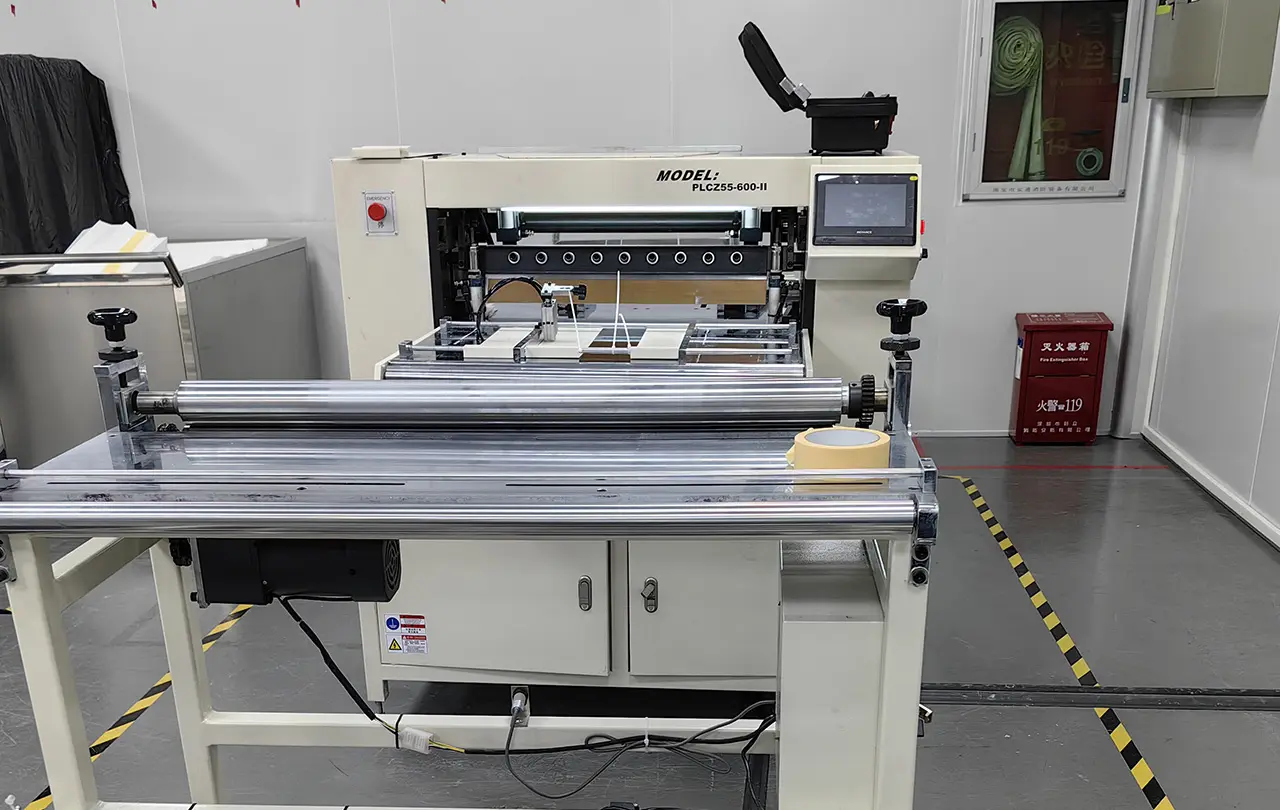
Controlling pleat height and distribution electronically. This design increases the filtration surface area of 8x24x1 elements by up to 250%.
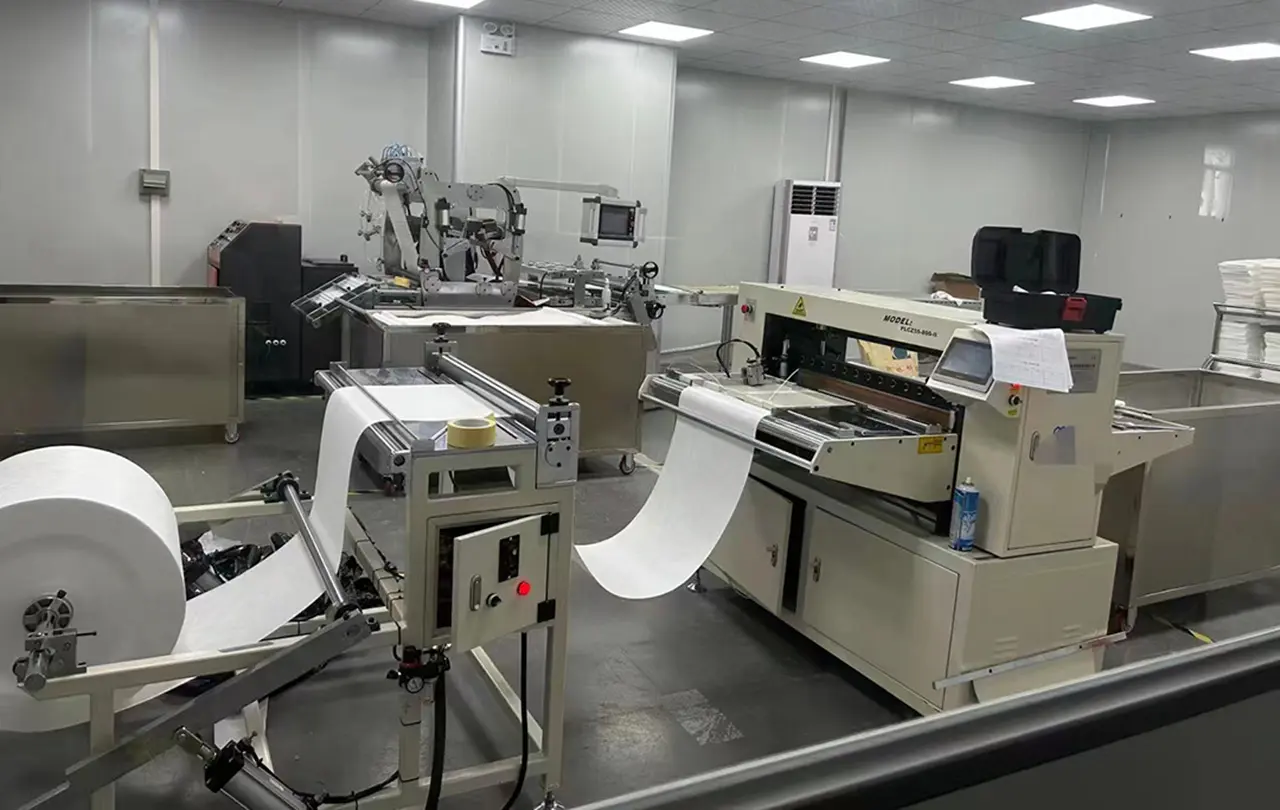
Post-pleat inspection stations confirm airflow stability, testing structural load capacity under standard operational static pressure.
Combining 15 years of international air purification technology experience, our enterprise maintains a dust-free filter fabrication environment alongside advanced processing facilities. Standardized HEPA assembly configurations run parallel to high-end CNC sheet metal units, including AMADA CNC punches and AMADA CNC bending machines. These advanced technologies allow us to construct rigid metal enclosures (including high-temperature-resistant stainless steel and anodized aluminum casings) without shape distortions, ensuring tight tolerances for architectural placements.
The 8x24x1 inch nominal dimension represents a highly specialized form factor designed for slimline ceiling-recessed fan coil units (FCUs), cleanroom return plenums, marine HVAC systems, and residential return vents where vertical space is constrained. By opting for a custom-molded 8x24x1 configuration rather than attempting to tape or fit standard square modules, systems engineers can control multiple variables:
In standard HVAC frames, minor size gaps lead to bypass air. This untreated air bypasses the filter media, carrying micro-dust, fungal spores, and organic chemicals straight to downstream heating/cooling coils. For cleanroom arrays, even a 1mm edge gap can cause local particulate counts to spike, invalidating ISO 14644-1 certifications. We manufacture true-to-spec custom 8x24x1 frames with exact, standardized tolerances of ±0.5mm, including optional gel-seal or double-edge neoprene gasket channels.
With a narrow aspect ratio of 1:3, an 8x24x1 filter presents an unusual flow velocity vector. Regular flat media would quickly restrict flow, increasing system energy costs. Our custom pleating technology utilizes hot-melt spacing to fit up to 18-22 pleats per foot, optimizing the surface-to-face area ratio and ensuring low pressure drop under high face velocities.
| Filter Class & Media Type | Initial Resistance (Pa) | Fractional Efficiency (0.3 μm) | Optimal Applications |
|---|---|---|---|
| G4 Primary Synthetic Media | ≤ 35 Pa | Coarse dust < 20% | Heavy industrial pre-filtration, HVAC intakes |
| MERV 13 Composite Layer | ≤ 60 Pa | Fine particles > 50% | LEED commercial offices, health clinics |
| H13 Glass Fiber HEPA | ≤ 180 Pa | Absolute filtration ≥ 99.97% | Microelectronics, biological safety cabinets |
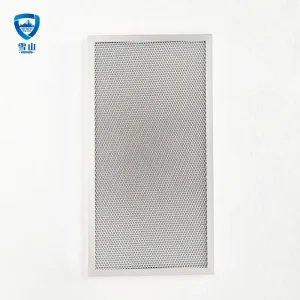
| Photocatalytic Honeycomb | ≤ 45 Pa | Gas-phase VOC removal | Chemical labs, odor mitigation, airports |
Operating a manufacturing workflow demands aligning with distinct regional standards. Shenzhen Snow Peak Clean Technology Co., Ltd. coordinates custom sizing with compliance frameworks across three primary economic zones:
In practice, 8x24x1 filters address critical spatial constraints. In modern urban commercial buildings, drop-ceiling heights are minimized to maximize useable space, leaving narrow cavities for fan coils. Deploying custom-fit 8x24x1 filters prevents structural modifications while ensuring compliance with ASHRAE standards. In microelectronics cleanrooms, these filters serve as secondary returns, capturing particulate matter before it reaches main air handling units.
Looking ahead, the filtration market is shifting from passive mechanical interception to active chemical and biological neutralizers. Shenzhen Snow Peak is investing in three primary core areas to drive development:
Traditional synthetic filters often rely on high physical densities to capture micro-particles, which increases energy consumption. Our future material roadmap includes charging composite melt-blown fibers electrostatically, maintaining high efficiency while reducing air flow resistance by 30%.
We are expanding our patented antiviral coatings to neutralize envelope viruses and bacteria upon contact. This design prevents secondary microbial growth on the media, even during prolonged system shutdowns in humid environments.
By integrating micro-sensors into the frame corners of custom filters, we enable automated tracking of pressure drop anomalies. This data warns maintenance teams before filters reach critical loading levels, minimizing energy loss from clogged media.
Our engineers answer technical questions regarding air filtration physics, material science, and custom dimension sourcing.
A: The 8x24x1 form factor is built for narrow cavities, like slim ceiling-recessed fan coil units. Utilizing this sizing avoids airflow bypass, ensuring that all treated air passes through the media, preserving static pressure and coil cleanlines.
A: Our patented antiviral HEPA filters incorporate chemical compounds that disrupt viral envelopes on contact. Tests demonstrate a 99.99% elimination rate for common pathogens like H1N1, preventing biological buildup on the filter surface.
A: The AMADA CNC punch and bending systems cut and form heavy metal frames with tight tolerances of ±0.5mm. This design keeps the filter frames rigid, preventing deflection under high pressure and eliminating seal bypass issues.
A: Yes. For cleanrooms, industrial ovens, or chemical exhaust systems, we manufacture filters with silicone-free glass fiber media, stainless steel frames, and high-temperature sealing compounds capable of handling temperatures up to 250°C.
A: We use deep-pleat geometries with hot-melt spacing to maximize the effective media surface area within a 1-inch frame depth. This configuration delivers low initial pressure drop, extending service life by up to 40% compared to standard designs.
A: Each HEPA batch is certified through automated leakage scans using DOP/DEHS methods, conforming to EN 1822 and ASHRAE 52.2 standards. This testing ensures that every shipped filter maintains structural integrity.
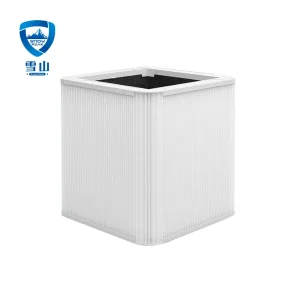
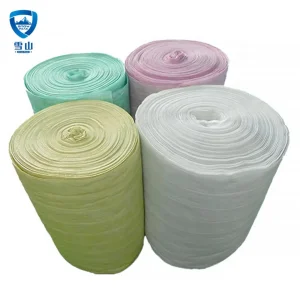
Our secondary array of products offers specialized solutions for heavy industrial HVAC systems, portable cleanrooms, and gas-phase filtration setups.
 Snow Peak