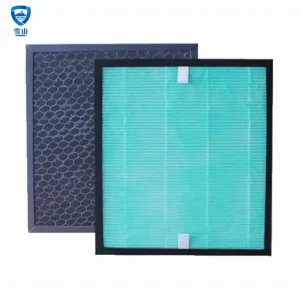
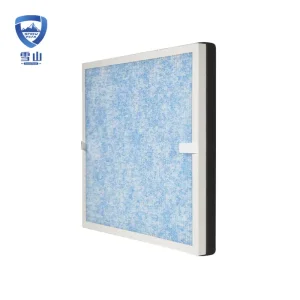
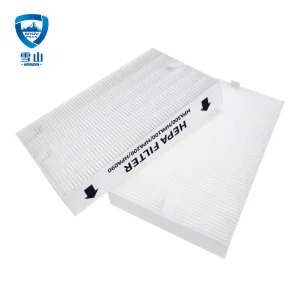
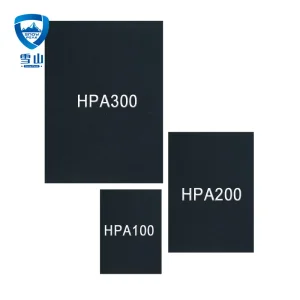
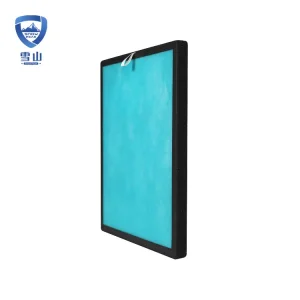
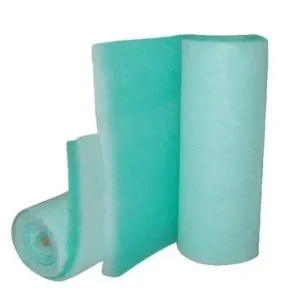
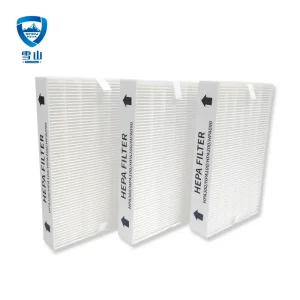
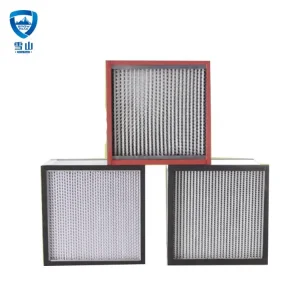
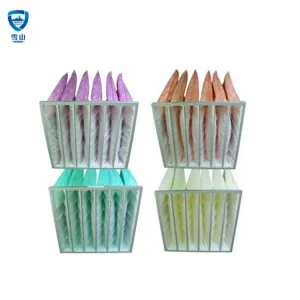
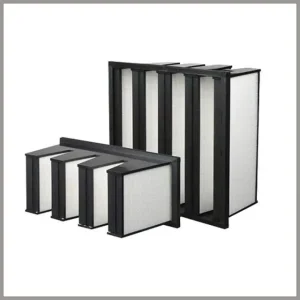
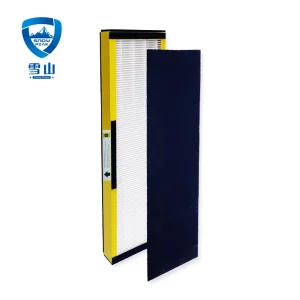
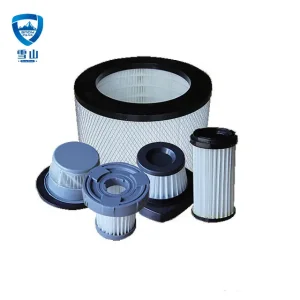
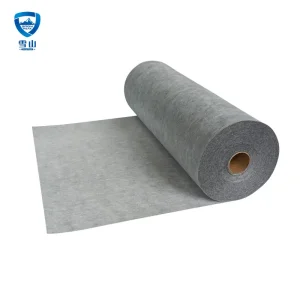
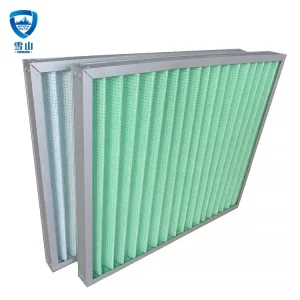
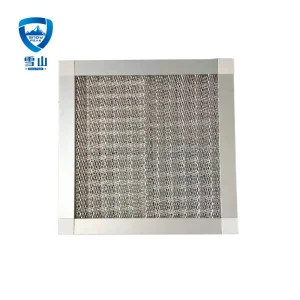
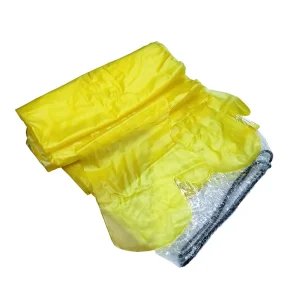
Engineered high-performance filter configurations ready for custom adaptation across residential, commercial, and heavy industrial systems.
The global demand for high-efficiency indoor air quality (IAQ) solutions has shifted from a luxury operational protocol to a strict regulatory mandate. Modern buildings, semiconductor fabrications, pharmaceutical cleanrooms, and automotive processing facilities require specialized nonwoven fabrics, needle-punched polyester, and composite melt-blown media to remove fine atmospheric particulates while keeping pressure drops to a minimum. Custom AC filter cloth serves as the critical primary barrier, protecting expensive high-efficiency particulate air (HEPA) systems from early particulate load and extending system lifecycles.
As energy costs rise, air flow optimization is essential. Standard generic filter media often leads to excessive resistance, causing higher energy consumption in ventilation blowers. Engineering customized, application-specific filter media allows industrial users to optimize permeability, tensile strength, heat resistance, and chemical compatibility, delivering optimal filtration with minimal energy overhead.
We configure thickness, weight (GSM), and fiber density profiles to deliver optimal pressure levels matching specialized HVAC systems.
Combining electrostatically charged melt-blown layers with carbon structures achieves high filtration, microbial defense, and odor control.
Designed and manufactured in accordance with strict international guidelines, including ASHRAE 52.2, EN 779, and ISO 16890 protocols.
Shenzhen Snow Peak Clean Technology Co., Ltd. is a vertically integrated, high-tech enterprise specializing in the research, development, production, and global export of high-performance air filtration materials. Our comprehensive portfolio includes pre-filters, pocket/bag filters, HEPA filters, chemical/carbon filters, and specialized automotive cabin media. We serve diverse sectors including microelectronics, pharmaceuticals, hospital environments, educational institutions, cleanroom systems, and civil infrastructure.
By leveraging advanced in-house R&D, Snow Peak has pioneered sterilization technologies. Our patented antiviral HEPA filter reduces PM2.5 concentrations to under 10 micrograms/m³—which is five times cleaner than typical standards. It inhibits microbial reproduction with a 99.9% sterilization rate and reaches a 99.99% efficiency rating against H1N1 viruses without causing secondary chemical pollution.
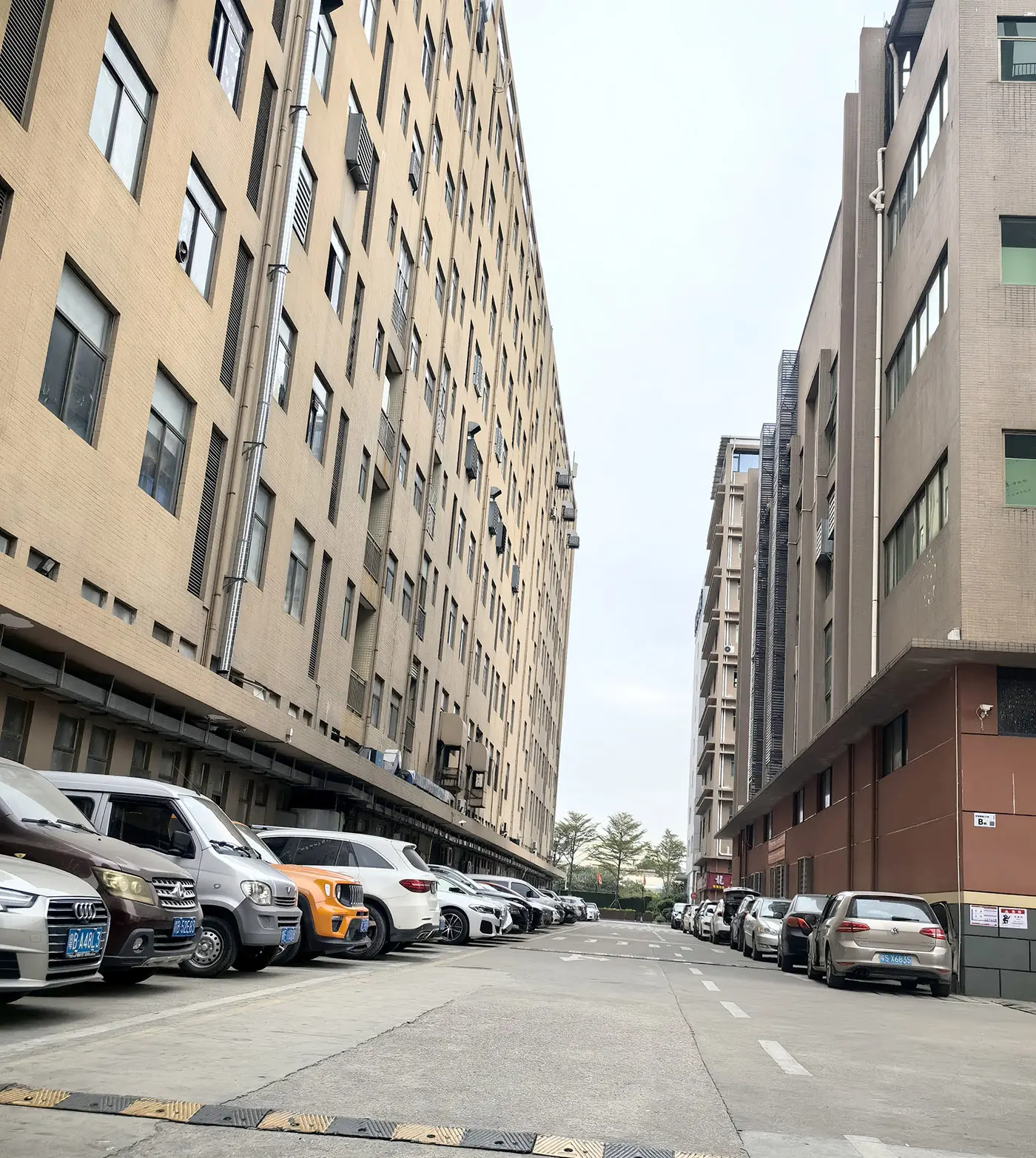
Operating from standardized dust-free environments, our automated production lines maintain high dimensional tolerance and mechanical consistency.
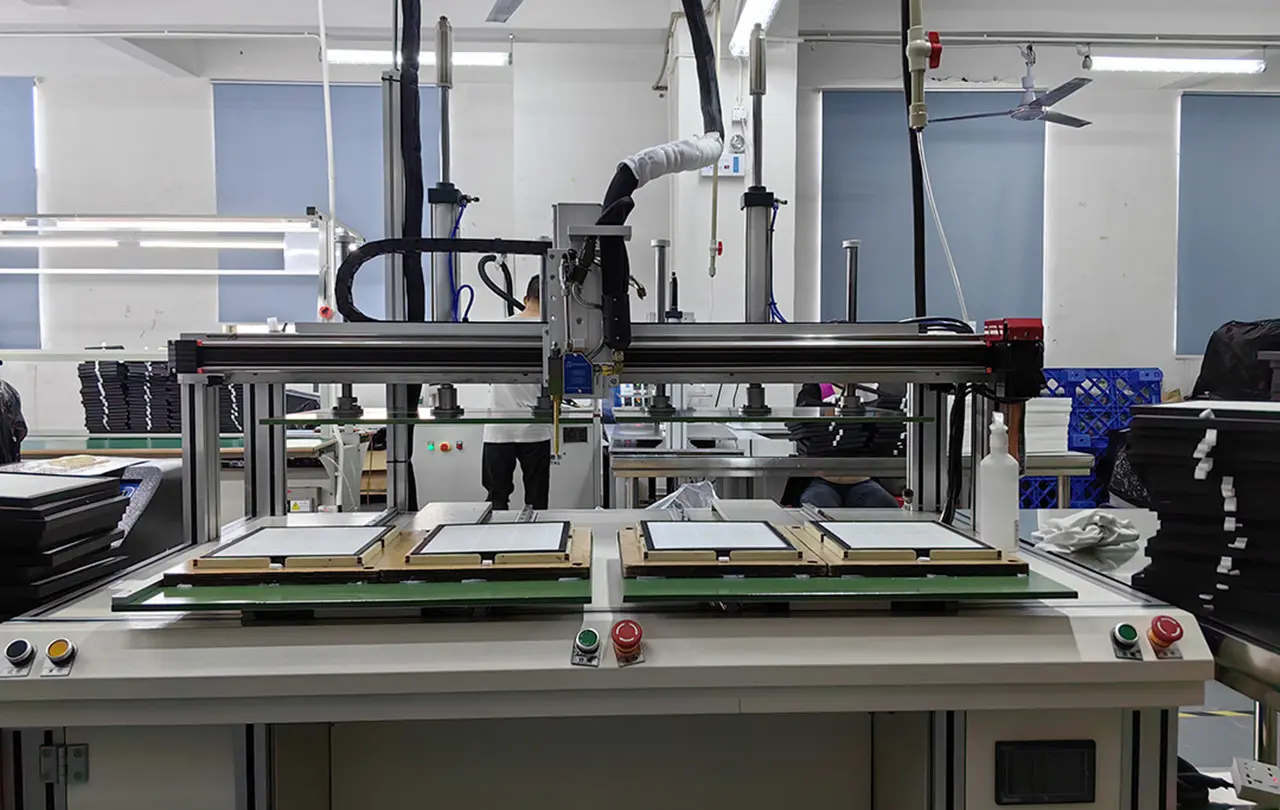
Automated adhesive systems ensure uniform bonding layout without blocking the airflow matrix of the filter cloth.
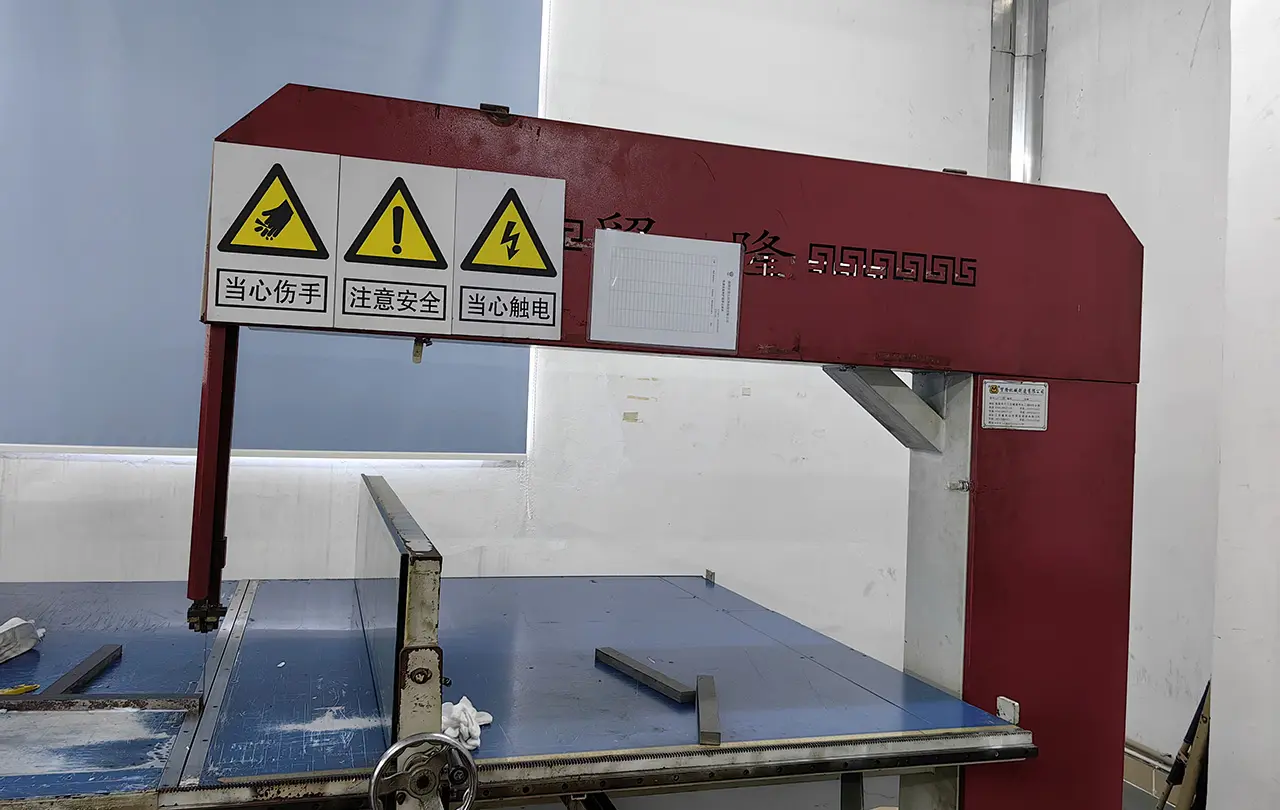
Utilizing high-end CNC cutting systems to maintain dimensional tolerances within sub-millimeter margins for custom orders.
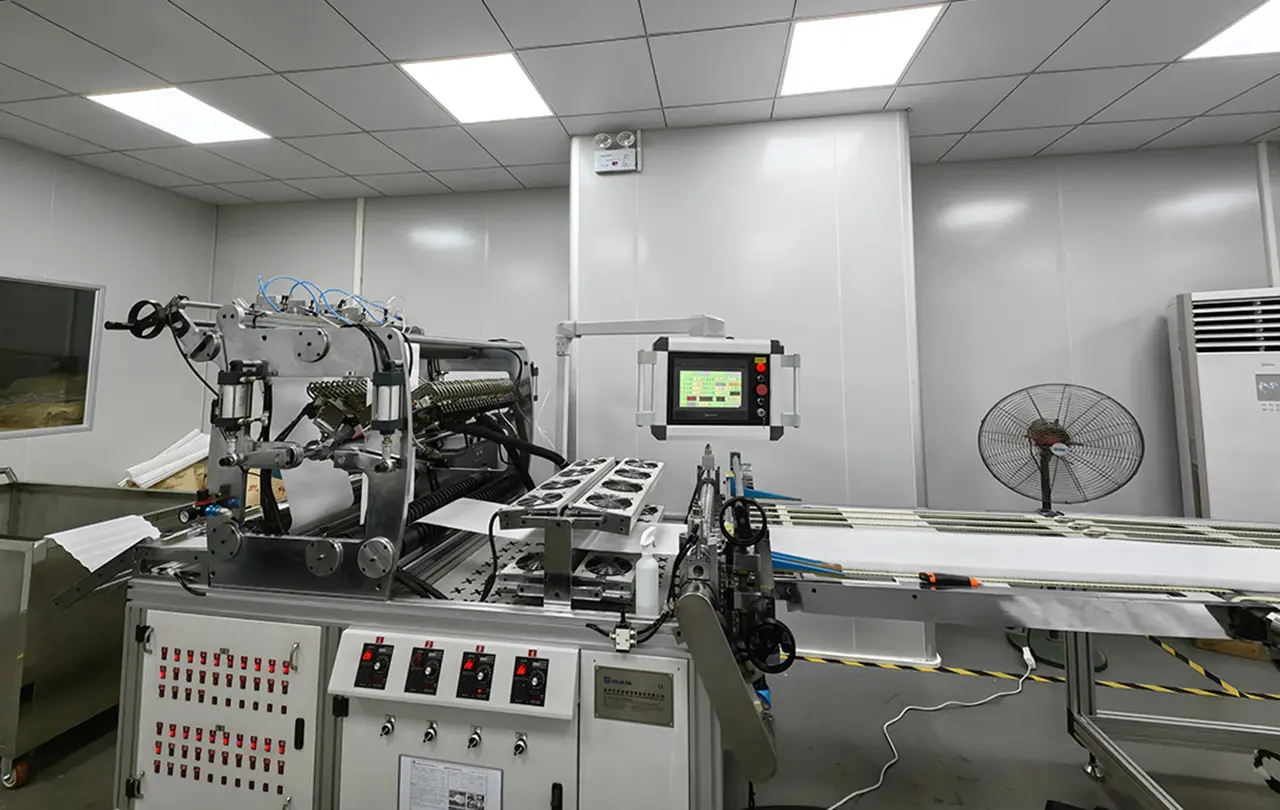
Continuous thermal gluing ensures airtight borders, preventing bypass leaks in cleanroom environments.
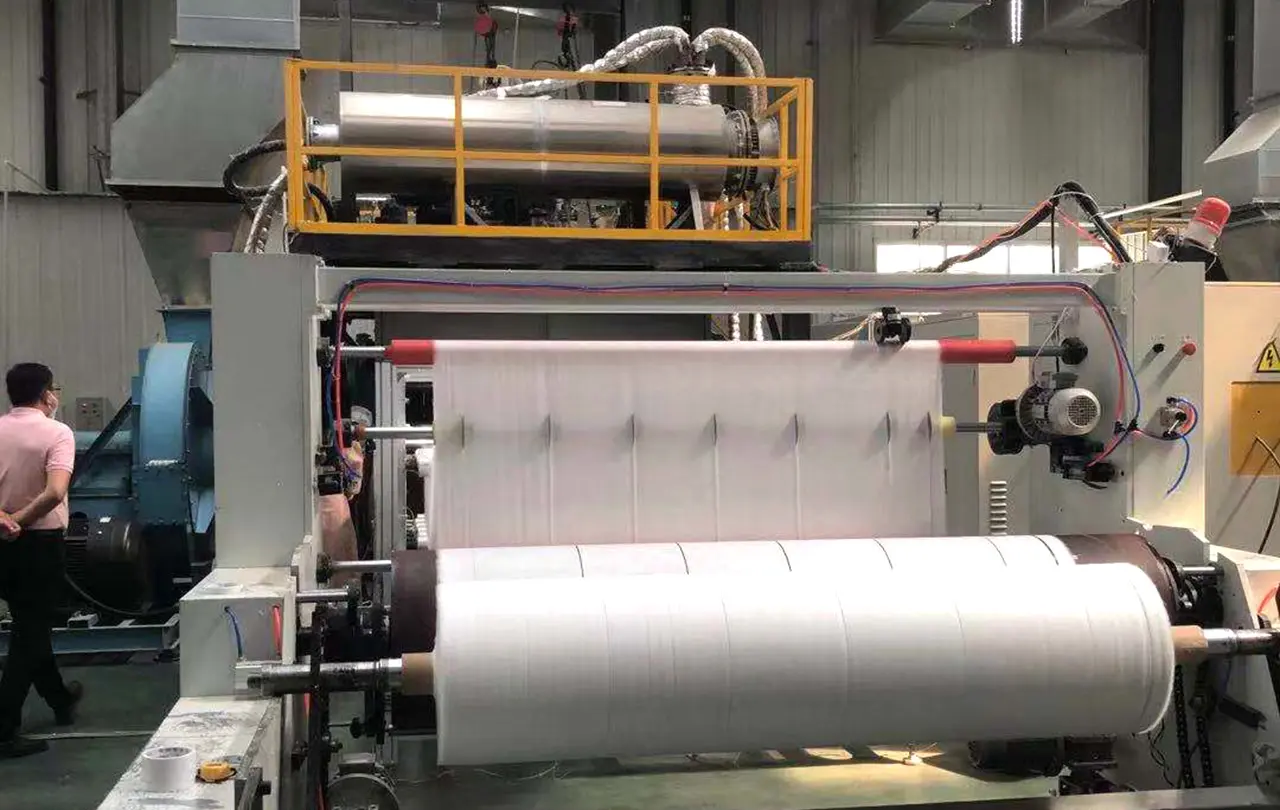
Thermal lamination of support meshes, active carbon matrices, and HEPA media without compromising structural integrity.
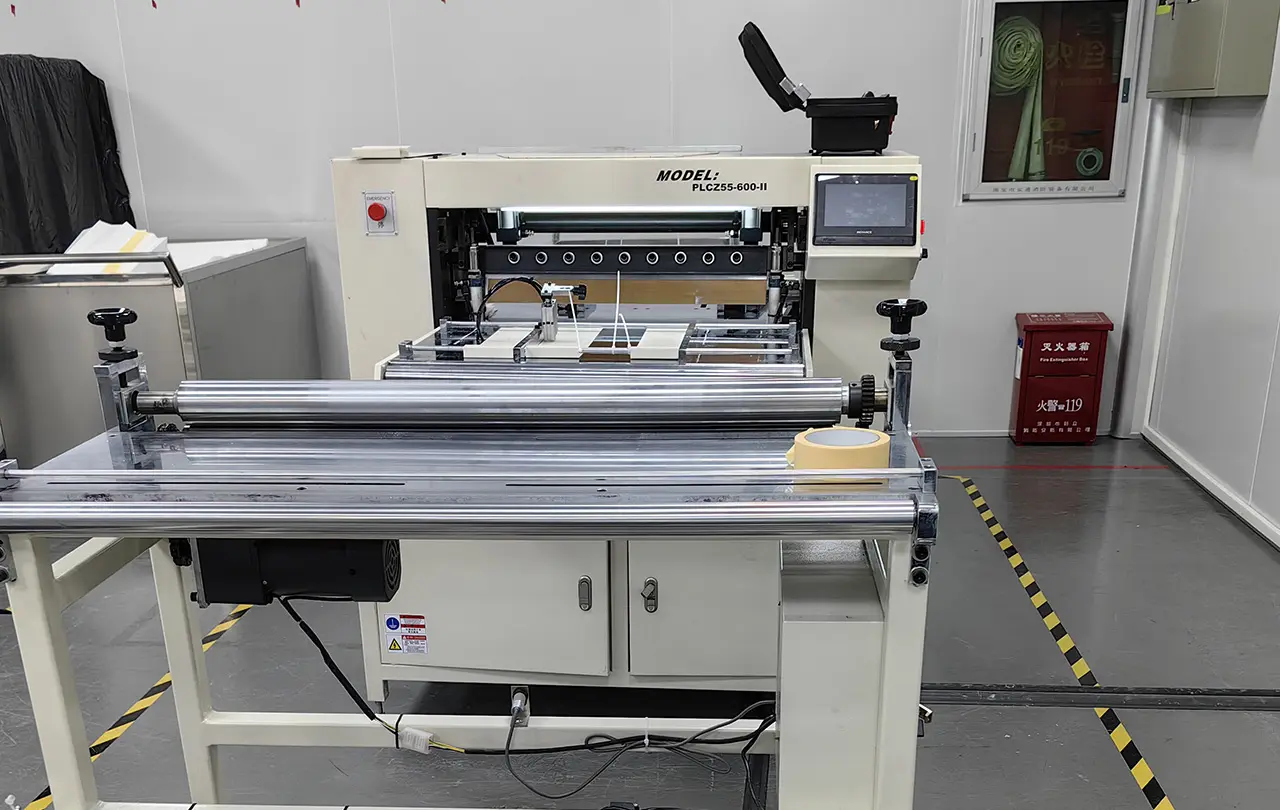
Accurate, consistent pleating increases the active surface area, optimizing the dust-holding capacity (DHC).
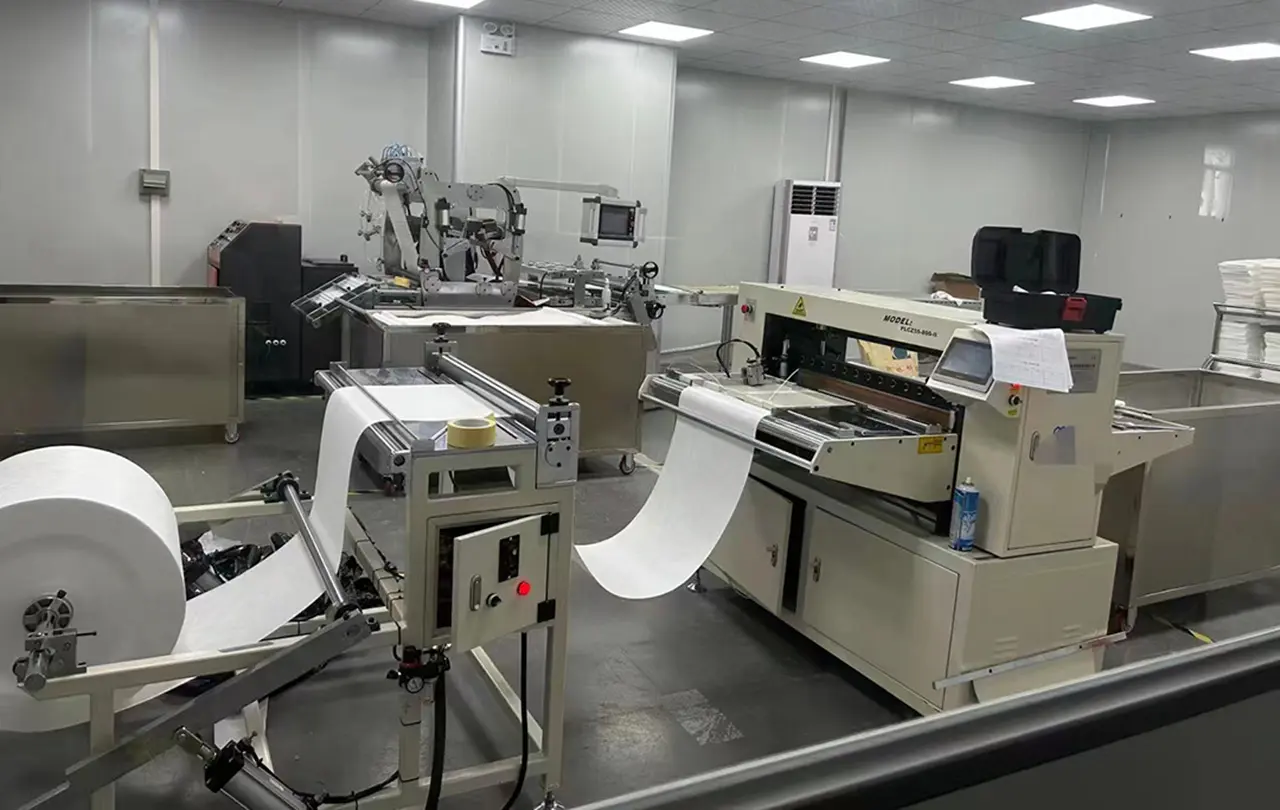
Finalizing pleat geometrical patterns to balance structural stability with uniform, low-resistance air paths.
Manufacturing Note: Our facility integrates AMADA CNC punches and bending machines. These systems ensure that frames, housing assemblies, and internal support structures remain geometrically perfect, maintaining system integrity even during high air flow velocities.
Air filtration performance is defined by target particle sizes and system air flow dynamics. Sourcing custom AC filter cloths requires understanding the core polymer configurations, fiber layouts, and mechanical strengths. Below is an overview of how we optimize materials for specific air-quality targets:
| Filter Media Class | Primary Material Composition | Target Particle Range | Common Applications |
|---|---|---|---|
| Coarse Pre-Filters (G2 - G4) | Fiberglass, Synthetic polyester roll | > 10 µm (Paint mist, heavy dust) | Spray booth extraction, industrial intake |
| Medium Fine Media (M5 - F9) | Melt-blown synthetic, multi-pocket fabrics | 1.0 µm - 10 µm (Pollen, combustion dust) | Commercial buildings, hospitals, pre-HEPA |
| Sub-Micron HEPA (H13 - H14) | High-grade borosilicate glass fiber, charged composite polymer | 0.3 µm (Viruses, bacteria, fine aerosols) | Cleanrooms, vaccine labs, semiconductor fabs |
| Adsorption Media | Sandwich activated carbon fabric | Molecular level (VOCs, odors, toxic gases) | Chemical storage, laboratory exhaust |
Improving Energy Efficiency: The pressure drop across a clean filter is a key factor in HVAC system energy loss. By adjusting fiber distributions and layering electrostatic melt-blown substrates with thin structural meshes, Snow Peak achieves high filtration efficiency while keeping airflow resistance low. This balance helps reduce overall operating costs for HVAC systems.
Air filtration needs vary widely depending on the environment. Standard off-the-shelf filter products often fall short of meeting specific requirements. Custom-engineered AC filter cloths are necessary to address the distinct challenges of different industrial settings:
Even microscopic dust can disrupt trace patterning on silicon wafers, leading to defects. In these environments, filtration systems rely on custom V-bank HEPA systems combined with molecular chemical filtration cloths to capture particulate matter, outgassing, and volatile organic compounds (VOCs).
Required: H14 HEPA + Carbon CompositesHandling hazardous biological substances requires secure, clean air paths. Using Bag-In-Bag-Out (BIBO) housings with customized PVC containment bags allows operators to replace contaminated filters safely, preventing exposure to active compounds or pathogens.
Required: High-Tensile PVC BIBO + Sealed CylindersPaint spray applications generate heavy overspray paint mist that can rapidly clog standard filters. Deploying specialized G2/G4 fiberglass floor filter rolls (paint stop media) captures larger droplets, keeping exhaust lines clear and protecting downstream fans.
Required: High-Load Fiberglass Roll MediaHigh-traffic buildings face challenges from airborne pathogens and viral vectors. Installing antiviral HEPA filters that achieve a 99.99% viral inactivation rate helps limit the transmission of airborne viruses like H1N1 while maintaining high air flow rates.
Required: Antiviral HEPA + M6/F7 Pre-FiltersProfessional technical answers regarding material specification, OEM capabilities, and filtration performance optimization.
Choosing the right GSM depends on your target filtration efficiency and allowable initial pressure drop. Lower GSM cloths (100–150g/m²) are typically used for G3/G4 pre-filtration to capture coarse particles at high velocity. Higher GSM or multi-layered composites (200–400g/m²) are better suited for fine chemical or medium-fine pre-filters, providing higher structural stability and larger dust retention capacities.
Standard HEPA filters work by trapping microbes on the media, where they can accumulate and grow without inactivation. Snow Peak's material integrates a patented bio-active coating that targets and breaks down microbial cell walls. This delivers a 99.9% sterilization rate and reaches 99.99% effectiveness against the H1N1 virus, preventing secondary pollution and keeping the media clean.
Every Pascal (Pa) of resistance in a filter forces HVAC system fans to work harder. Using a filter media with high flow resistance can lead to higher power usage and increased wear on equipment. Our custom-designed filter media is engineered for optimal airflow, keeping the initial pressure drop low. This helps reduce energy consumption in large commercial ventilation systems.
Yes. We manufacture custom solutions, including stainless steel or aluminum frame profiles with high-temperature fiberglass media and specialized high-temp sealants. These filters are engineered to work reliably in environments with sustained temperatures up to 250°C–300°C, such as drying tunnels and sterilizing ovens.
Explore our specialized products, from heavy-duty V-bank assemblies to custom carbon fabrics and BIBO containment systems.
 Snow Peak