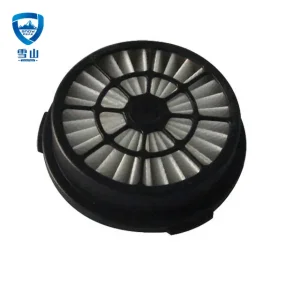
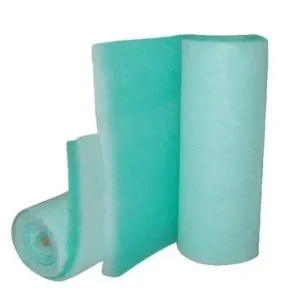
Engineered for immediate integration into commercial air conditioning and custom air handling units.
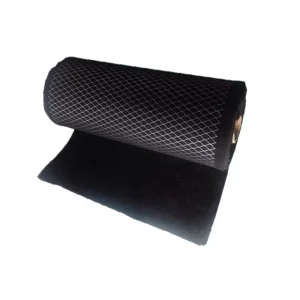
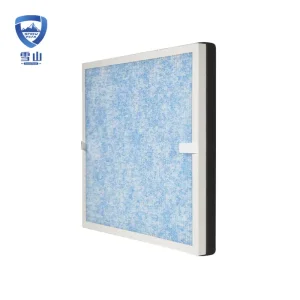
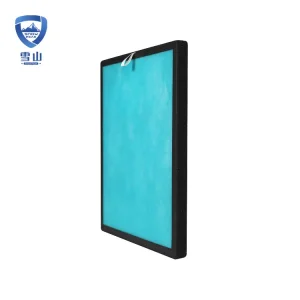
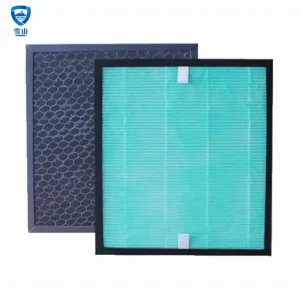
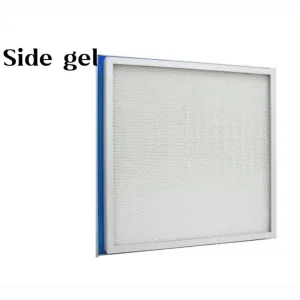
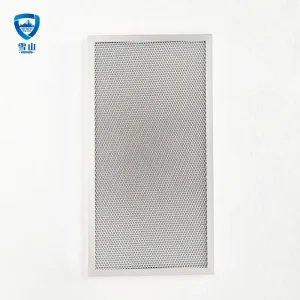
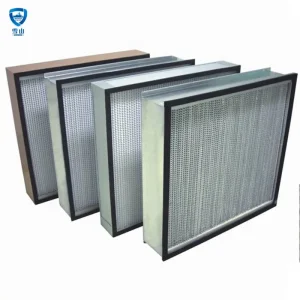
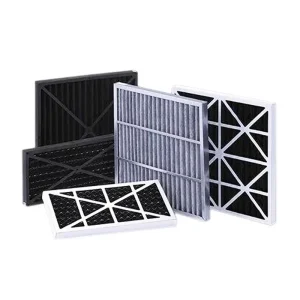
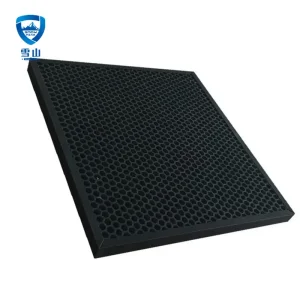
In modern HVAC and industrial engineering, clean air is no longer limited to particle removal. With the rapid expansion of advanced microelectronics, biopharmaceuticals, and high-performance cleanrooms, the control of molecular-level gaseous pollutants—known as Airborne Molecular Contamination (AMC)—has become a critical determinant of product yield and environmental safety. Customized Air Handling Unit (AHU) carbon filters serve as the primary barrier against volatile organic compounds (VOCs), acidic gases, alkaline pollutants, and odor molecules.
Traditional particulate filters (such as HEPA and ULPA) rely on mechanical mechanisms (interception, inertial impaction, and diffusion) to capture solid particles. However, gaseous molecules are extremely small (typically less than 0.001 microns) and easily pass through standard physical filter fibers. To address these gaseous phase pollutants, carbon filtration utilizes the principle of adsorption.
Our advanced carbon filters employ premium activated carbon with highly developed microporous structures. The adsorption process consists of two primary mechanisms:
By controlling the activation process of our carbon source, Shenzhen Snow Peak Clean Technology Co., Ltd. optimizes the ratio between micropores (ideal for small molecules) and mesopores (ideal for larger organic compounds). This micro-mesoporous balance results in lower initial pressure drops and a significantly higher CTC (Carbon Tetrachloride) adsorption rate compared to standard commercial filters.
Different industries present drastically different contaminant challenges. A standard off-the-shelf carbon filter often leads to early saturation, chemical bypass, or excessive system resistance, resulting in elevated energy consumption. Custom AHU carbon filtration is designed around specific application variables:
The global air filtration industry is shifting rapidly toward circular economies. Traditional disposable plastic-framed filters are being replaced by modular, refillable aluminum-frame systems and biodegradable filter media. Furthermore, with the rise of smart building designs, modern AHU carbon setups are increasingly designed with predictive sensor ports to monitor real-time pressure drops and downstream gas concentration. This enables predictive maintenance, ensuring carbon replacements occur *only* when the bed is saturated, minimizing industrial waste.
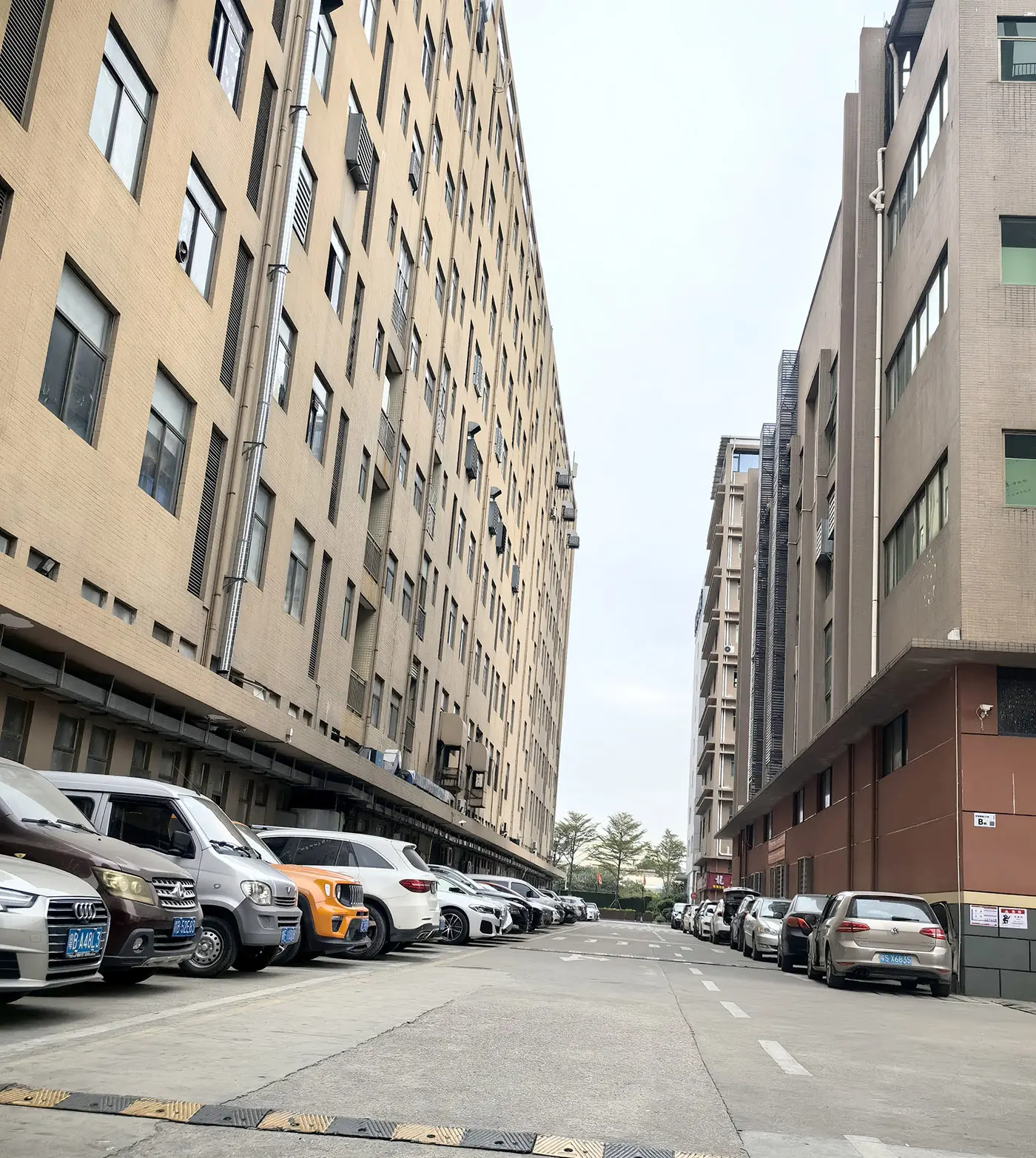
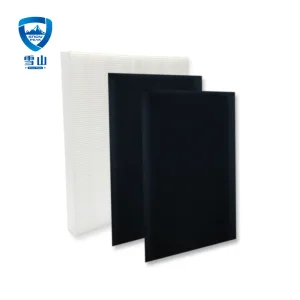
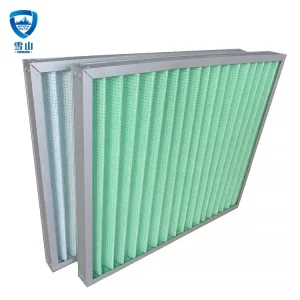
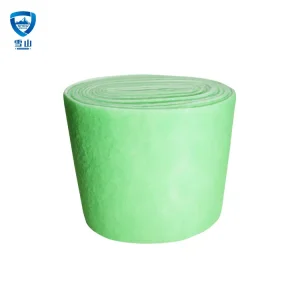
Shenzhen Snow Peak Clean Technology Co., Ltd. is an integrated high-tech enterprise, specialized in air filtration products research and development, production, sales, import and export trade. We produce and supply: Pre-filter, pocket filter, HEPA filter, chemical filter; replacement HEPA filter, car cabin air filter, humidifier filter; pocket filter media, melt-blown composite filter media, and other high-performance filter materials. We provide high quality air purification solutions and products for indoor air pollution control and air conditioning systems of civil and industrial buildings, microelectronics, pharmaceutical, laboratory, school, hospital clean room etc.
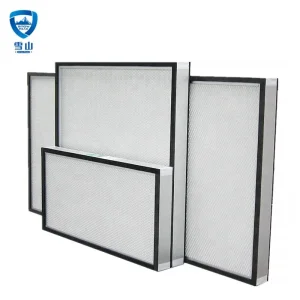
Combined with self-developed patented technology, our sterilizing antiviral HEPA filter can effectively filtrate fine particles, so that PM2.5 concentration down to 10 micrograms/m3, 5 times better than national standard; effectively inhibit the breeding of microorganisms, sterilization rate up to 99.9%, and no secondary pollution, removal of H1N1 virus efficiency as high as 99.99%.
Having 15 years of international air purification technology experience as the background, our company has standardized production workshop, dust-free filter workshop and first-class technology of HEPA filters production line and inspection line, independent research and development of fully automatic air filter production line, equipped with AMADA CNC punch and CNC bending machine as well as many other advanced high-end equipment, provide a strong guarantee for production and quality of air filtration and purification products.
Ensuring absolute precision through specialized production lines and heavy tooling machinery.
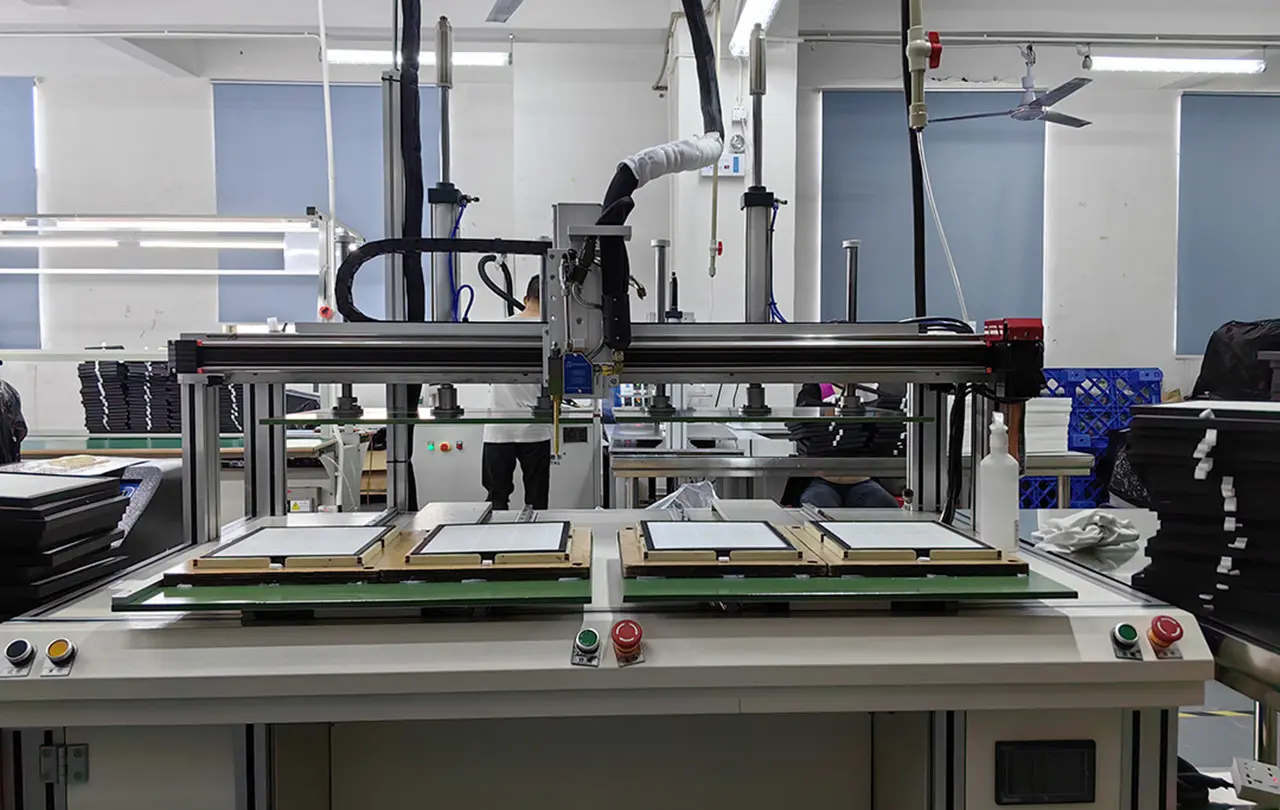
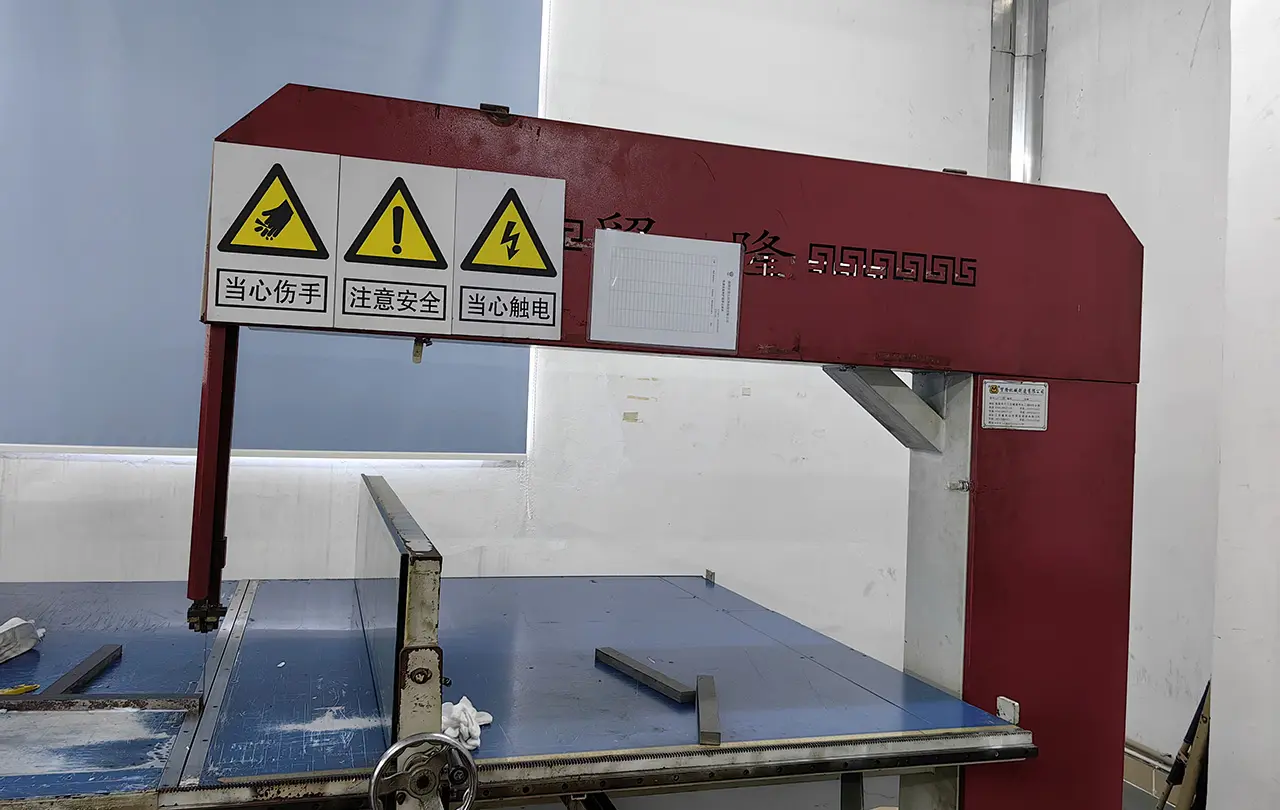
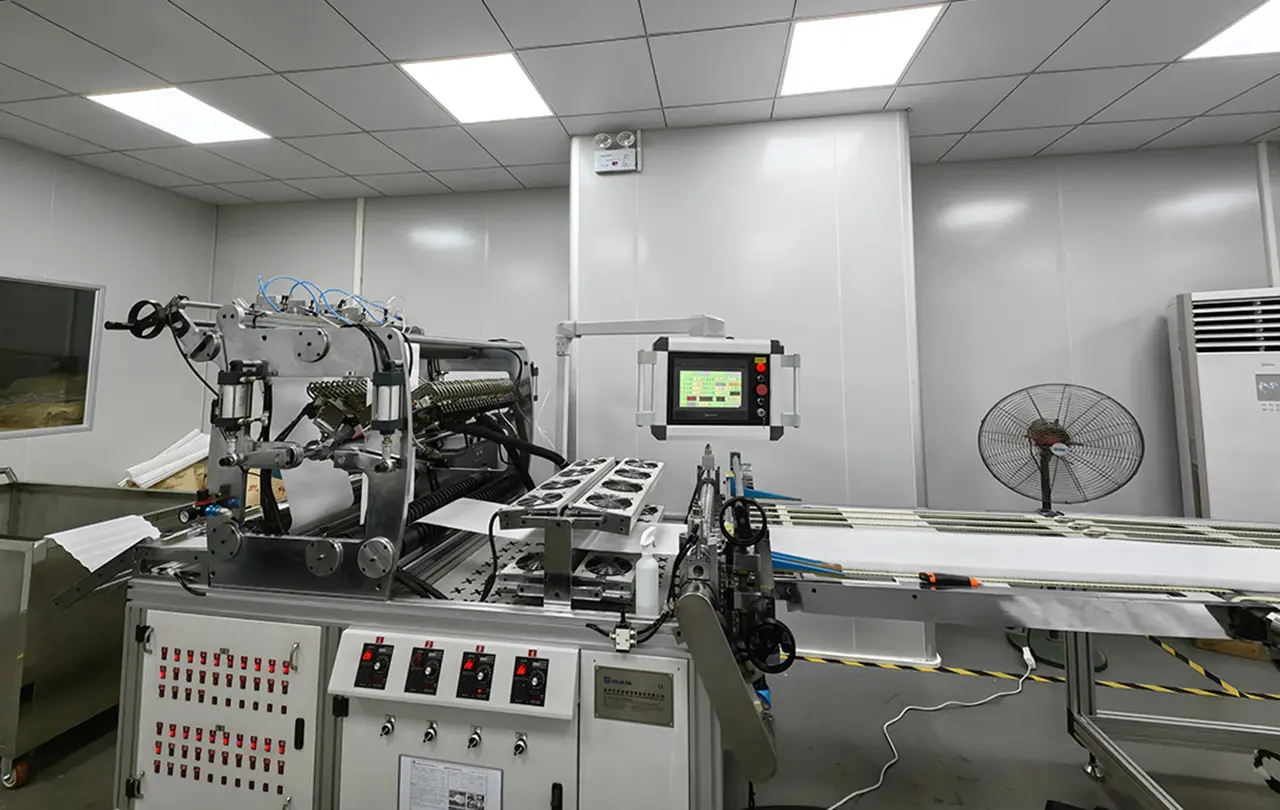
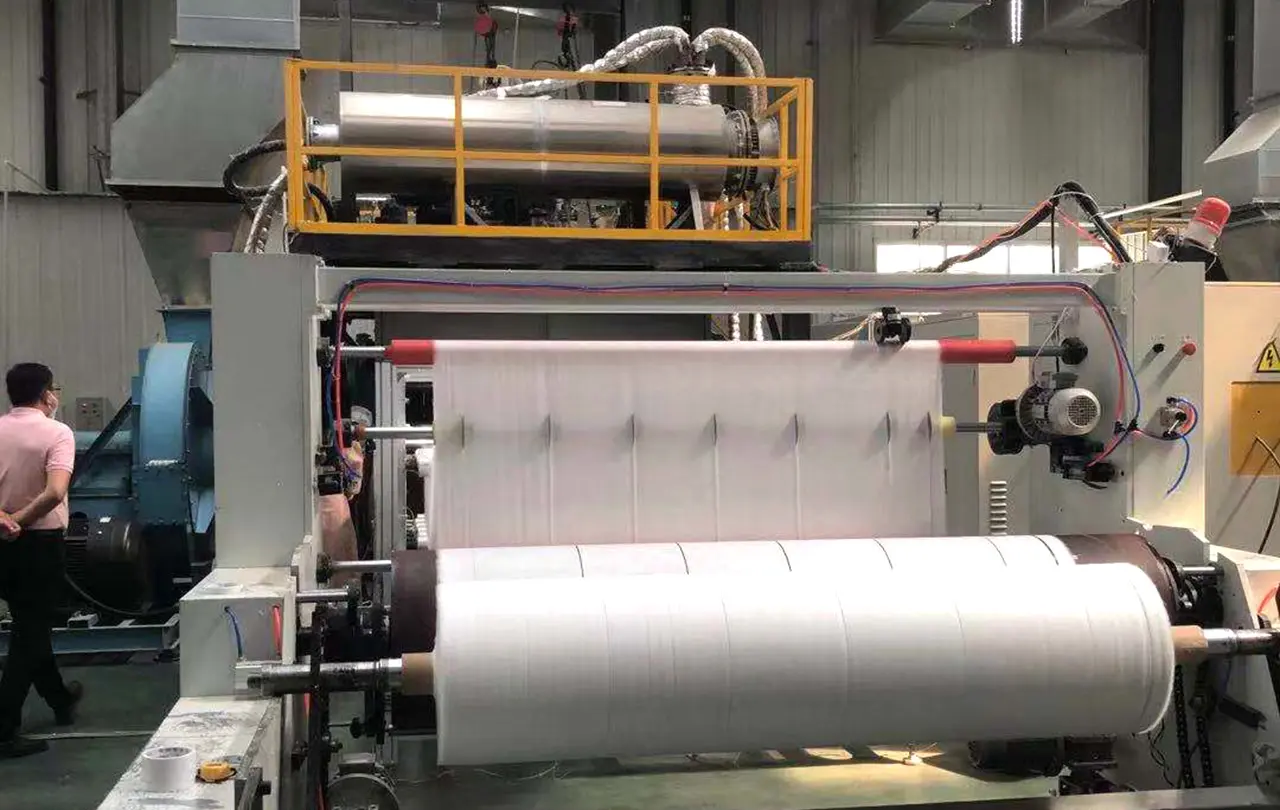
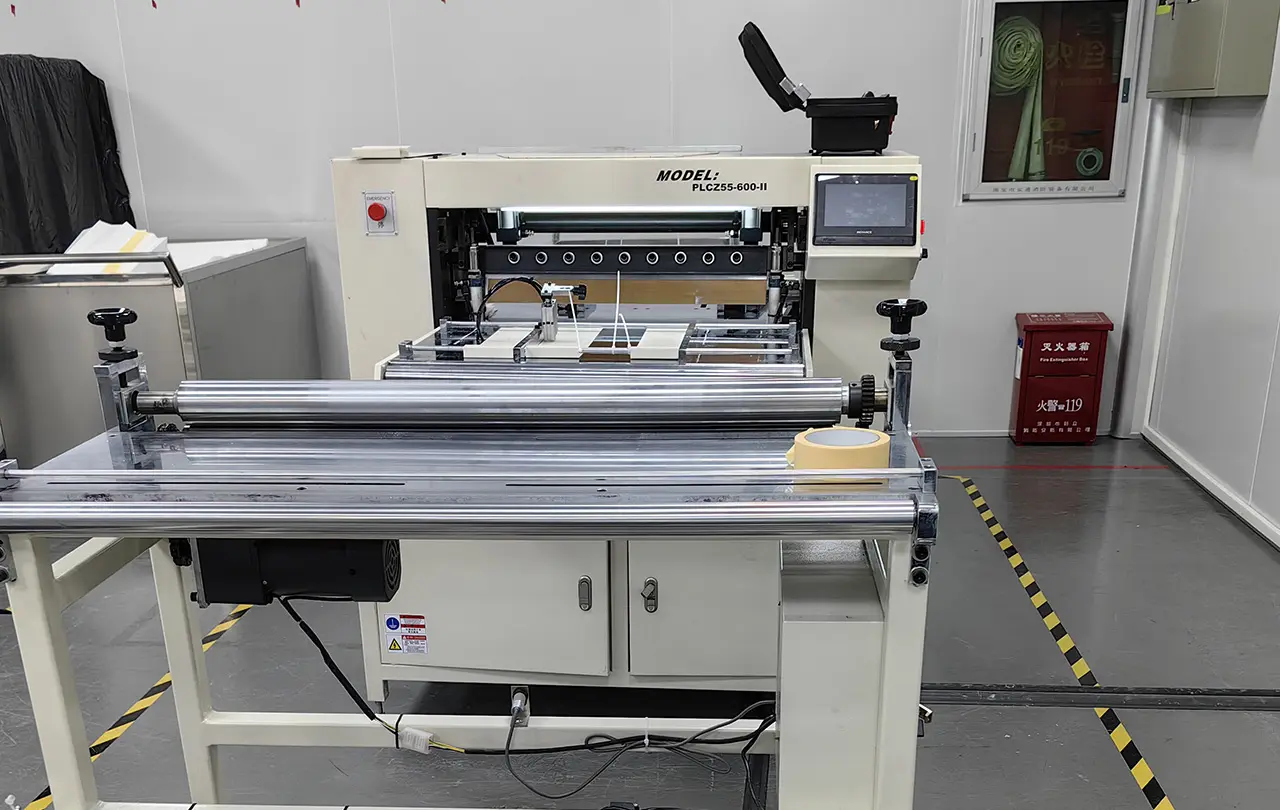
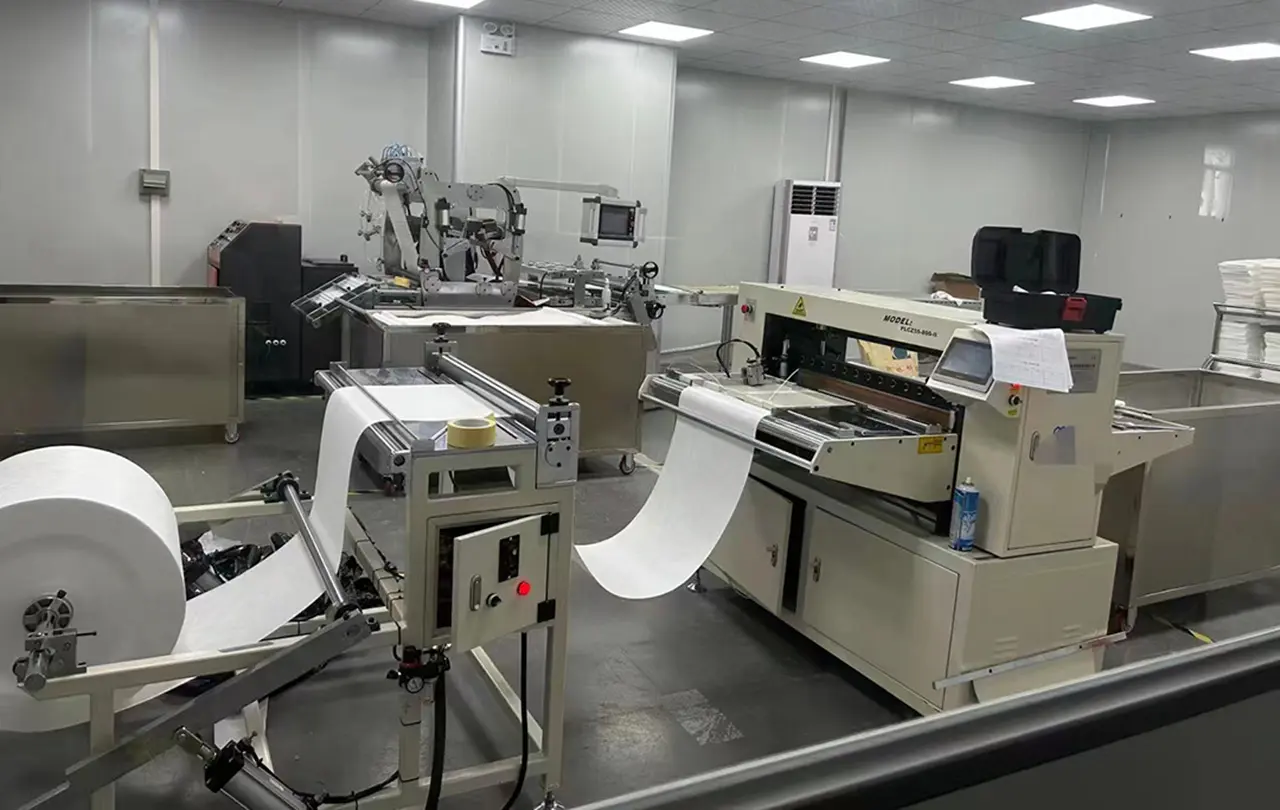
Procuring directly from China's industrial manufacturing hubs provides global HVAC contractors with unmatched competitive advantages. Our facility in Shenzhen capitalizes on a highly localized supply chain, raw material access, and advanced machinery integration (AMADA CNC systems).
By combining vertical integration of filter media manufacturing—such as our in-house pocket and melt-blown composite media production—with fully automated assembly lines, we optimize production costs. We offer rapid design iterations (OEM/ODM drawings within 48 hours) and dramatically shorter lead times, giving global companies a strategic advantage in pricing and fulfillment speed.
Every geographic location poses unique environmental challenges:
Essential chemical and physical performance parameters explained by our R&D engineers.
Contact time determines the efficiency of gaseous adsorption. It is calculated by dividing the volume of the carbon bed (in cubic meters) by the volumetric air flow rate (in cubic meters per second). For general VOC odors, a contact time of 0.1 to 0.2 seconds is sufficient. For heavy toxic gases or critical cleanrooms (airborne molecular contamination control), this should be increased to 0.5 to 2.0 seconds.
Physisorption uses raw carbon to capture volatile organic compounds (VOCs) through physical forces (Van der Waals forces). Chemisorption involves carbon chemically impregnated with active elements (e.g., KOH, Phosphoric Acid) that chemically react with target gases—such as neutralizing acid gases (SO2, HCl) or alkaline gases (Ammonia)—forming stable salts on the carbon substrate.
High humidity causes water molecules to compete with gas molecules for the active pore sites in the activated carbon. When relative humidity exceeds 70%, water vapor starts to fill the micropores through capillary condensation, drastically reducing the filter's capacity for organic solvents and other target gases.
Unlike particulate filters which are replaced based on pressure drop, carbon filters must be replaced when the carbon bed reaches saturation (breakthrough point). We recommend periodic laboratory analysis of carbon test cylinders, or using downstream TVOC sensors. In standard office buildings, replacement occurs every 12 to 24 months; in cleanrooms or heavy industrial plants, it may be required every 3 to 6 months.
No. Standard HVAC carbon filters cannot be regenerated in the field. Industrial regeneration requires heating the carbon to over 800°C in a controlled steam kiln to burn off adsorbed VOCs without burning the carbon itself. Washing with water does not release the chemical compounds trapped deep within the micropores.
Activated carbon has zero tolerance for dust. Fine dust particles block the micropores of the carbon, preventing gas molecules from entering the structure and causing premature failure. Standard practice requires installing a minimum MERV 13 (F7) pre-filter upstream of any carbon filter to trap dust and particulates first.
For corrosive environments (such as waste treatment plants, laboratories, or paper mills), we recommend extruded anodized aluminum, 304/316 stainless steel, or high-density plastic frames. Galvanized steel can be used if coated with anti-corrosive epoxies, but it is not recommended for high acid gas concentrations.
Yes. All our products can be supplied with comprehensive quality control documents, including CE certificates, particle filtration efficiency tests based on EN 1822 and ISO 16890, and initial chemical adsorption performance metrics verified in our own testing lines and dust-free laboratories.
Deep industrial-grade solutions engineered for critical manufacturing and high-end air purification systems.
 Snow Peak