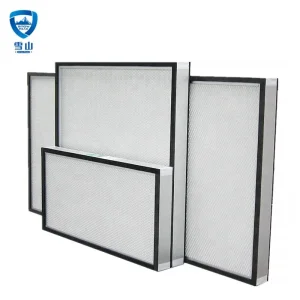
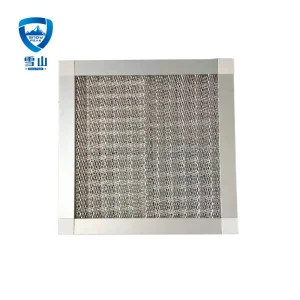
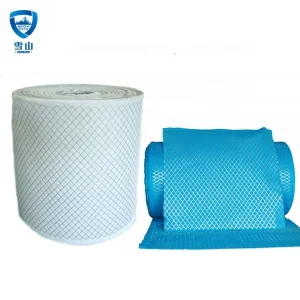
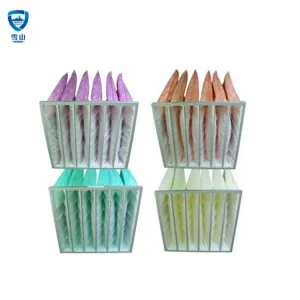
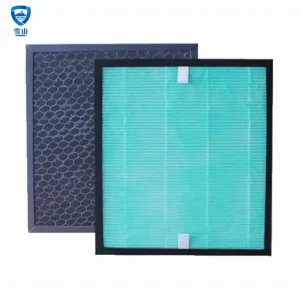
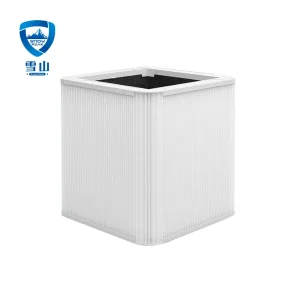
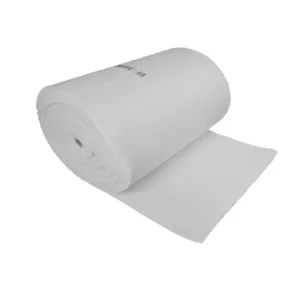
Explore our core engineered air filtration products, covering laminated wire mesh rolls, pocket bag filters, and specialized activated carbon media compatible with global brands.
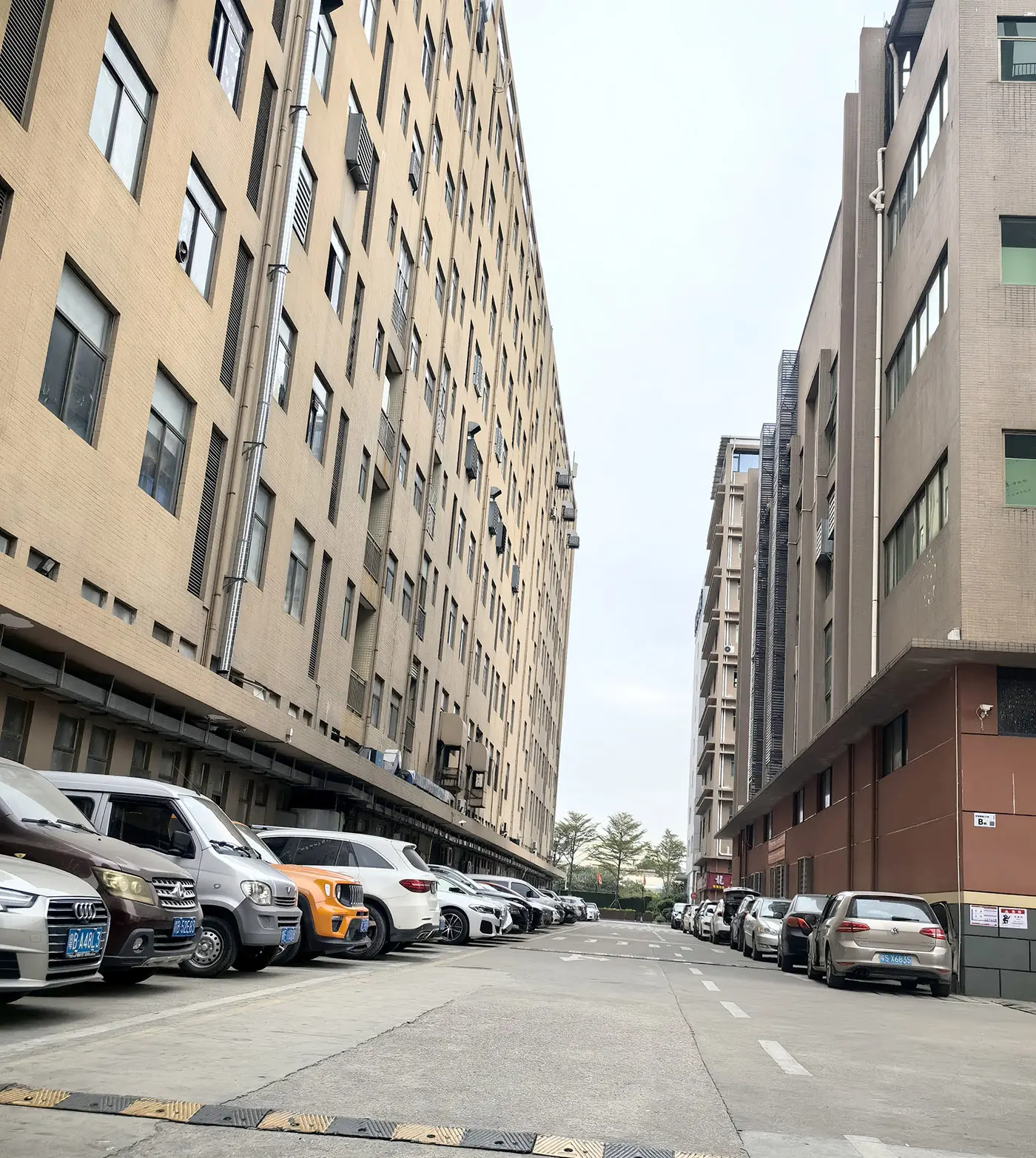
An integrated high-tech enterprise specializing in cutting-edge air filtration research and development, manufacturing, and global distribution.
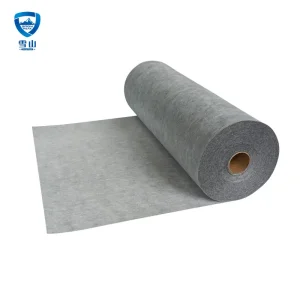
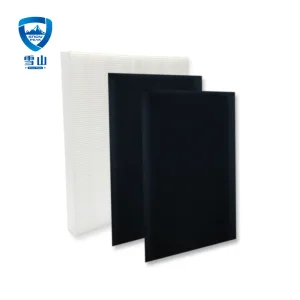
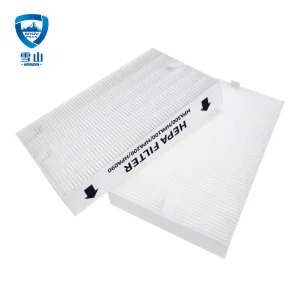
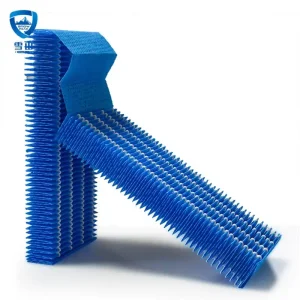
As a leading pioneer in the environmental purification industry, Shenzhen Snow Peak Clean Technology Co., Ltd. offers custom-engineered filtration solutions that address both particulate and molecular contamination. We produce and supply an extensive catalog of cleanroom components: Pre-filters, pocket filters, HEPA filters, chemical filters, replacement HEPA filters, car cabin air filters, and humidifier filters. By developing high-performance raw materials, including pocket filter media and melt-blown composite filter media, we support critical air purification infrastructures worldwide.
Our technologies serve highly regulated sectors such as microelectronics fabrication, pharmaceutical manufacturing, clinical laboratories, educational complexes, and cleanrooms in medical institutions. Leveraging our proprietary patented technologies, our sterilizing antiviral HEPA filter system reduces ambient PM2.5 concentrations down to 10 micrograms/m³—five times cleaner than prevailing national standards. It effectively halts microbial reproduction with a certified 99.9% sterilization rate, ensuring zero secondary dust or particulate emission, and neutralizes the H1N1 virus with an efficiency rating of 99.99%.
A technical examination of physical and chemical adsorption mechanisms for critical gas-phase contaminant removal.
Air purification charcoal filters, or gas-phase chemical filters, are designed to capture vaporous and gaseous contaminants that standard particulate filters (like HEPA) cannot intercept. The primary mechanism driving this extraction is adsorption—the physical or chemical adhesion of gas molecules to the expansive internal surface area of activated carbon. By processing high-quality organic materials, such as coconut shells, coal, or wood, via thermal and chemical activation, we create a complex pore system. This network spans macro-pores, meso-pores, and micro-pores, yielding a specific surface area often exceeding 1,200 m² per gram of material.
For most volatile organic compounds (VOCs), benzene, toluene, and common odor molecules, gas trapping occurs via weak intermolecular forces (Van der Waals forces). As polluted air flows through the carbon bed, target molecules lose kinetic energy and adhere to the carbon pores. However, physical adsorption is highly dependent on temperature and molecular weight; light or highly polar gases (such as formaldehyde, ammonia, or hydrogen sulfide) can bypass untreated carbon.
To overcome this limitation, our custom formulations leverage chemisorption. By impregnating the carbon matrix with targeted chemical agents (such as potassium permanganate, phosphoric acid, or metal catalysts), we initiate chemical reactions upon contact. This transforms volatile gases into stable, non-hazardous compounds locked within the media matrix, ensuring high single-pass removal efficiency even in heavy industrial environments.
| Contaminant Class | Primary Gaseous Threats | Recommended Carbon Modification | Removal Mechanism |
|---|---|---|---|
| High-Molecular VOCs | Benzene, Xylene, Toluene, Gasoline fumes | Standard Unmodified Activated Carbon (High Iodine Value) | Physical Adsorption (Physisorption) |
| Low-Molecular Aldehydes | Formaldehyde ($HCHO$), Acetaldehyde | Amine-impregnated or Catalytic Activated Carbon | Chemisorption & Catalytic Decomposition |
| Acid Gases | Hydrogen Sulfide ($H_2S$), Sulfur Dioxide ($SO_2$) | Alkaline-impregnated (KOH/NaOH) Carbon Media | Acid-Base Neutralization Reaction |
| Alkaline Gases | Ammonia ($NH_3$), Amines | Acid-impregnated ($H_3PO_4$) Carbon Media | Neutralization & Salt Formation |
Tailored structural configurations designed to balance adsorption capacity, dust loading, and system pressure drop.
Utilizes extruded ceramic or plastic honeycomb matrices loaded with fine activated carbon powder. This structure maximizes open frontal area, resulting in low airflow resistance and high structural integrity for HVAC systems.
Combines a non-woven particulate pre-filter, a high-efficiency meltblown layer, and a dense carbon particle core. This space-saving design is widely used in residential and portable commercial purifiers.
For demanding industrial gas-phase applications. Incorporates loose granular or pelletized carbon held in rigid, V-shaped metallic cells, optimizing residence time and chemical service life.
In custom filter design, managing the pressure drop (airflow resistance) is a primary consideration. Higher carbon loading increases gas-adsorption capacity but also restricts airflow, requiring more fan power. Our engineering team addresses this by optimizing pleat geometry, carbon particle size distribution (e.g., 4x8 mesh for bulk gas removal vs. 30x60 mesh for thin composite sheets), and binding agents. This balance ensures high single-pass removal efficiency while keeping operating costs low.
Leveraging state-of-the-art production machinery and raw material control to ensure quality and cost advantages.
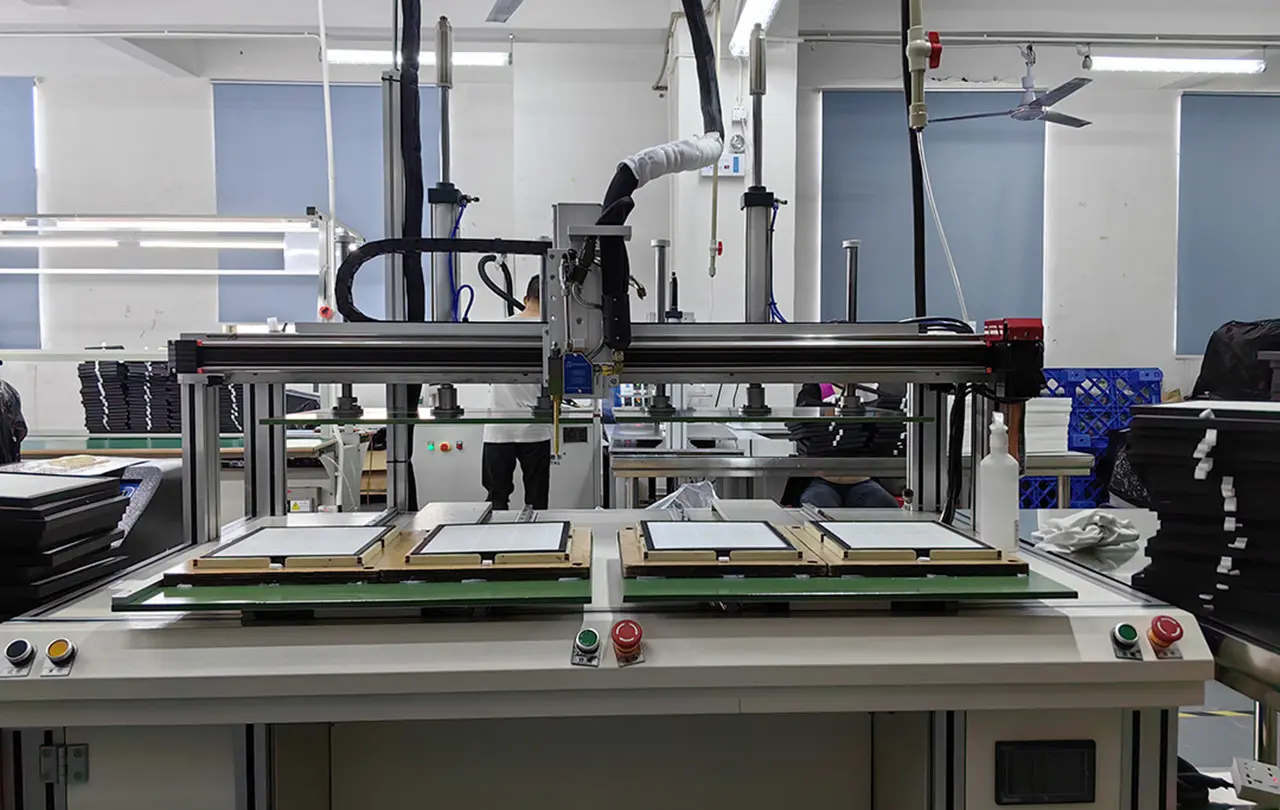
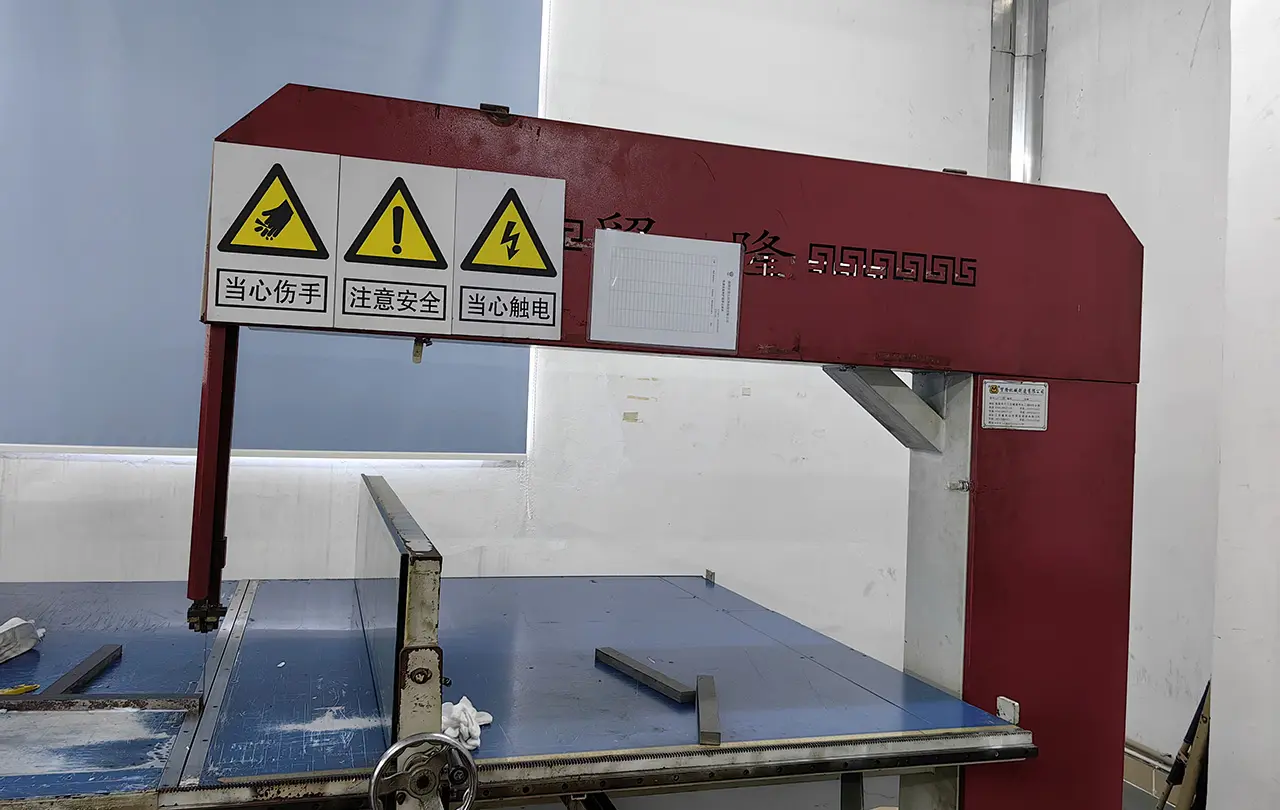
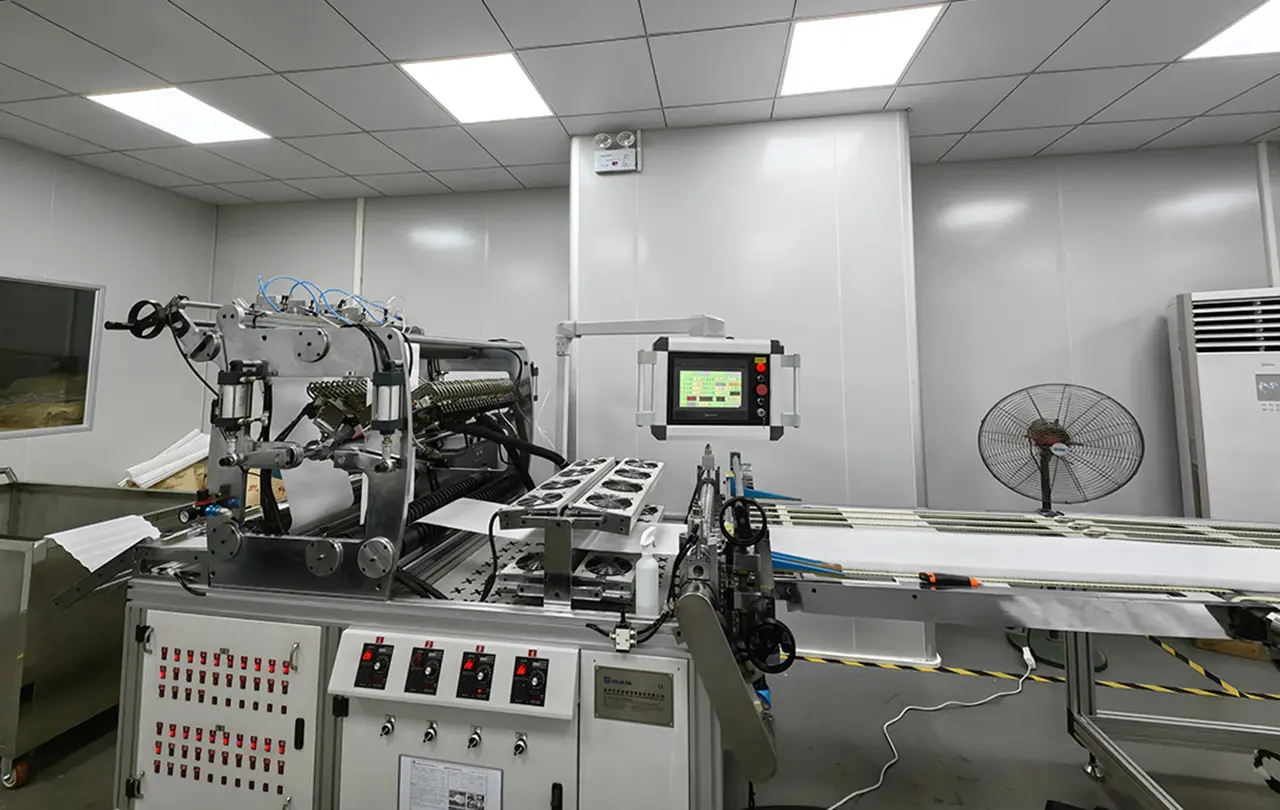
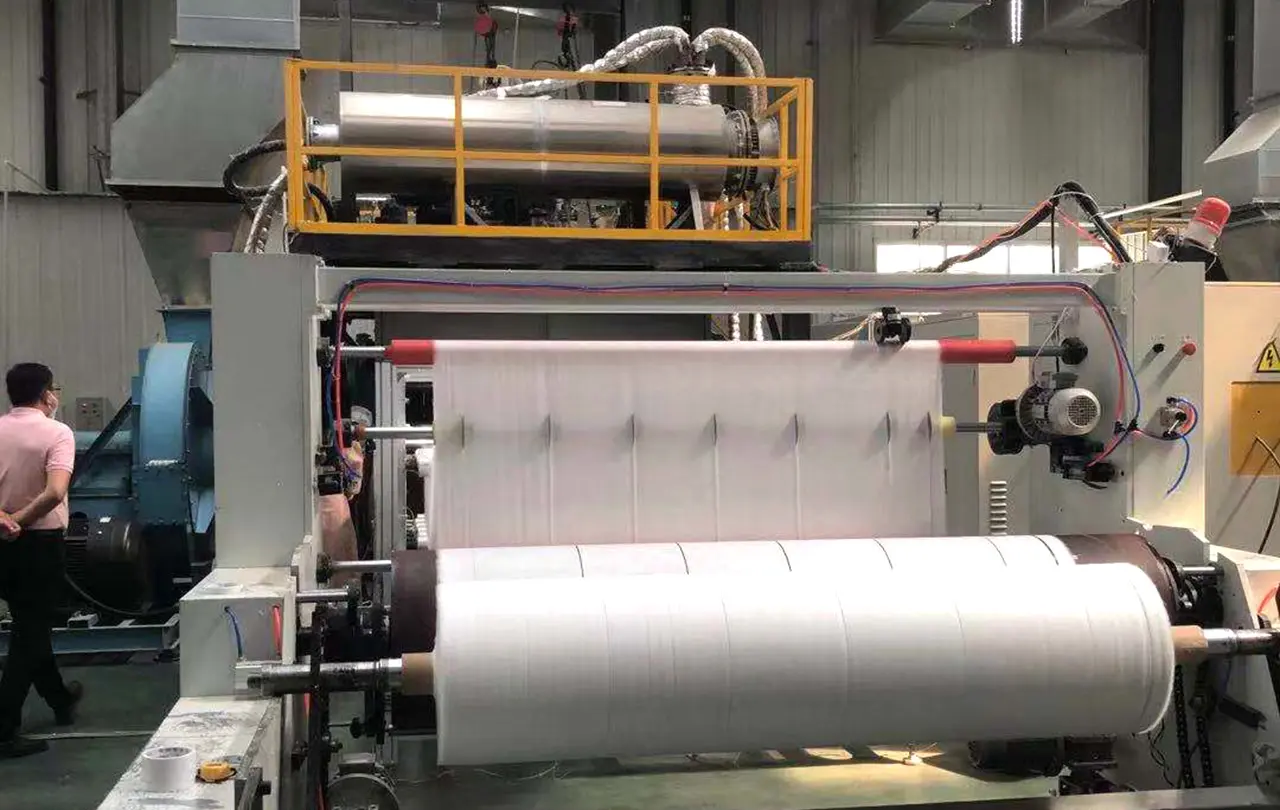
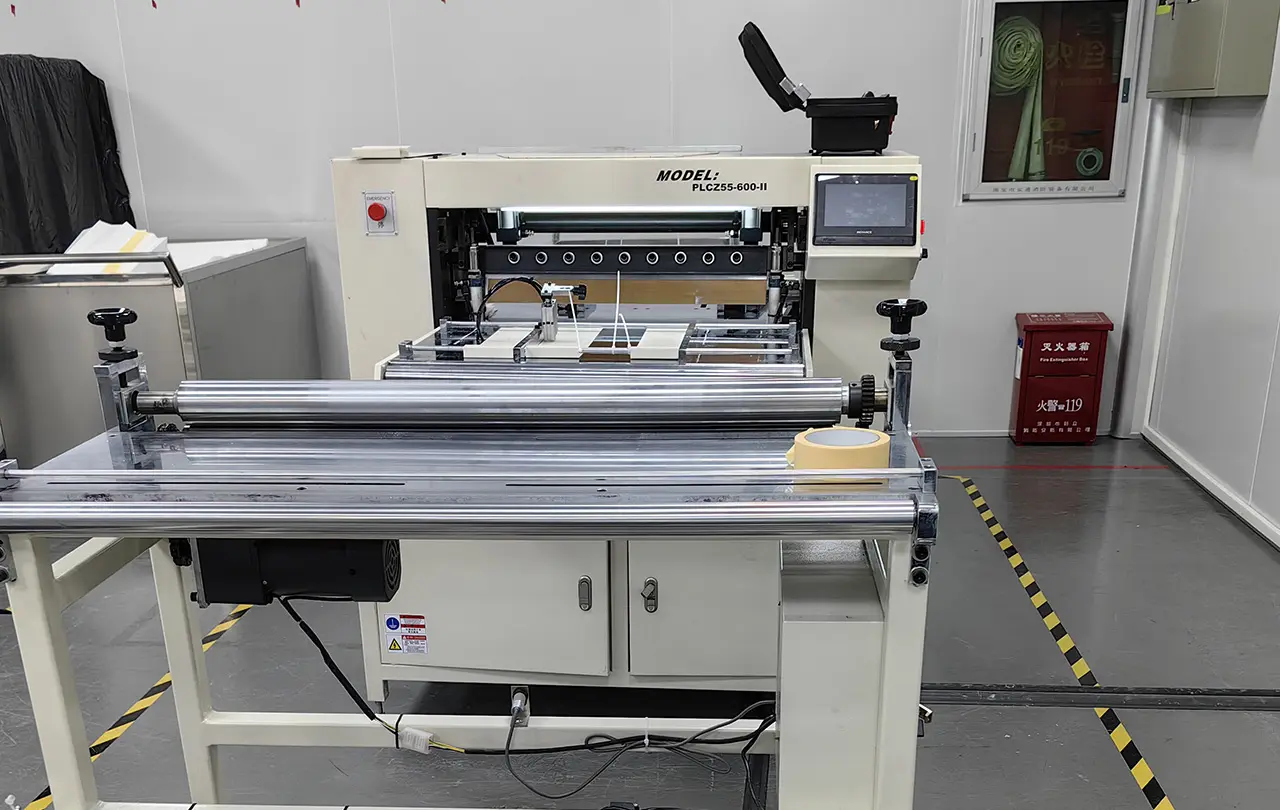
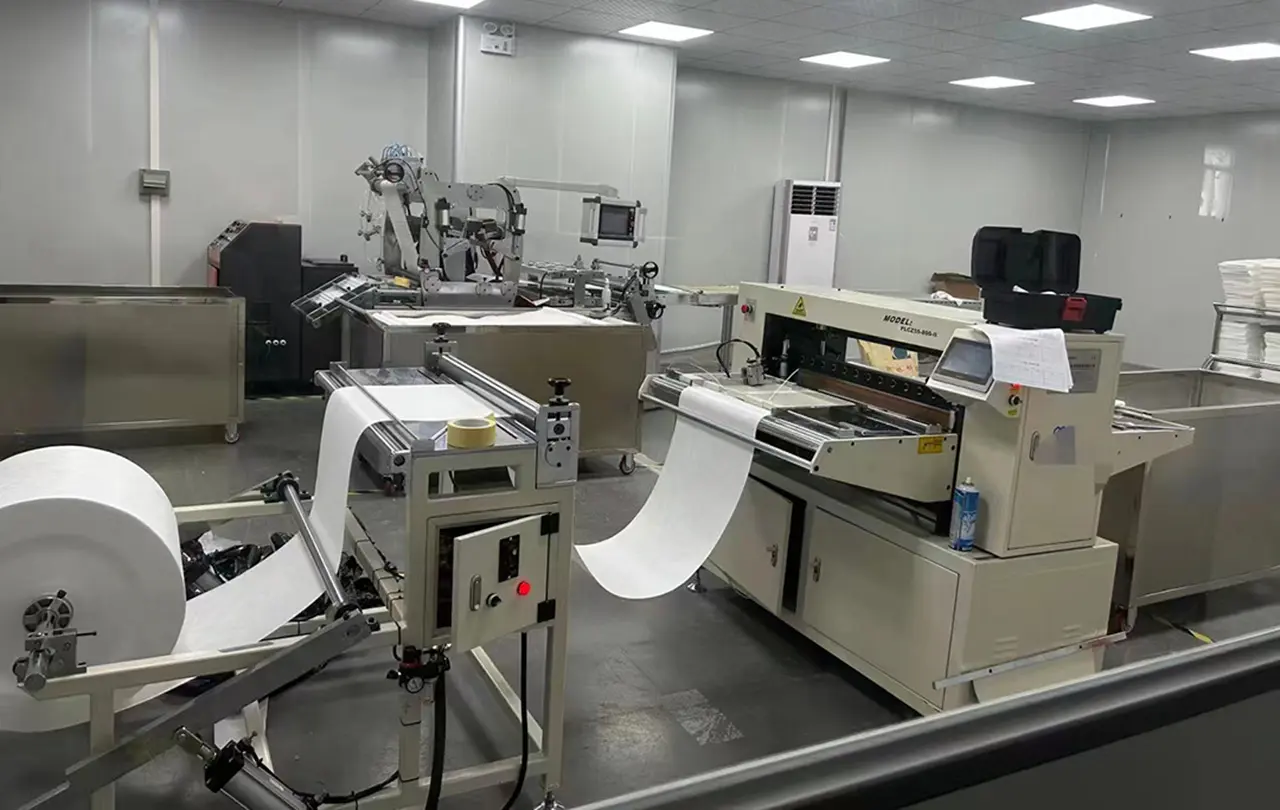
Our manufacturing facility in Shenzhen leverages advanced Factory 4.0 principles, integrating automated raw material handling, real-time quality control, and precision assembly lines. Backed by 15 years of air purification experience, our facility features standardized cleanrooms, dust-free filter assembly lines, and dedicated testing setups.
Our manufacturing floor is equipped with high-end machinery, including AMADA CNC punches and CNC bending machines. By automating processes like hot-melt gluing, media pleating, and ultrasonic welding, we reduce human error, maintain tight dimensional tolerances, and ensure consistent pleat spacing. Our automated inspection lines test every batch for pressure drop, particulate penetration, and structural leaks, providing reliable performance verification.
Operating a vertically integrated supply chain in China allows us to source high-grade raw materials directly, including synthetic nonwovens, high-iodine activated carbon, and structural mesh. This integration protects our production schedules from global supply disruptions, shortens lead times, and allows us to offer flexible, cost-effective customization options for high-volume orders.
Custom filtration configurations engineered to meet the regulatory and functional demands of modern industries.
Protects silicon wafers from airborne molecular contamination (AMC). Our chemical filters are designed to capture acid gases, bases, condensables, and dopants down to parts-per-trillion (ppt) levels, preventing wafer defects and maintaining cleanroom yields.
Combines particulate filtration with active gas adsorption. These systems capture active pharmaceutical ingredients (APIs), chemical process vapors, and sanitization byproducts (such as vaporized hydrogen peroxide), ensuring personnel safety and regulatory compliance.
Improves Indoor Air Quality (IAQ) in urban offices, schools, and transportation hubs. These filters target outdoor pollutants like exhaust fumes ($NO_x$, $SO_2$) and ozone, helping buildings meet ASHRAE 62.1 standards and achieve green building certifications.
Our commitment to sustainable, high-efficiency, and smart gas-phase filtration technologies.
Modern air filtration requires continuous adaptation to changing environmental regulations and evolving commercial needs. We are actively developing next-generation gas-phase filtration technologies, focused on three key areas:
Rigorous quality controls and streamlined delivery networks to meet global regulatory requirements.
Our filtration products are designed and manufactured in accordance with international cleanroom and HVAC standards, including EN 1822 and ISO 16890. We maintain comprehensive certifications to ensure seamless integration into European and North American projects:
To support global supply chains, we offer flexible distribution and logistical arrangements:
Common technical questions regarding the performance, selection, and replacement of activated carbon air filters.
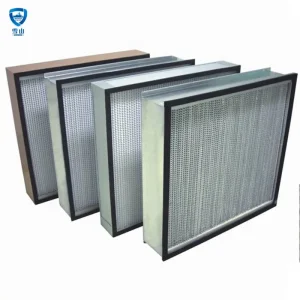
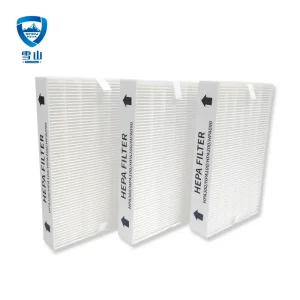
Complete your HVAC or cleanroom layout with our range of high-efficiency HEPA filters, ceiling cotton, and custom replacement modules.
 Snow Peak