Explore our high-performance filtration solutions engineering zero bypass air containment systems.
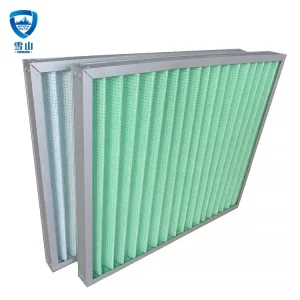
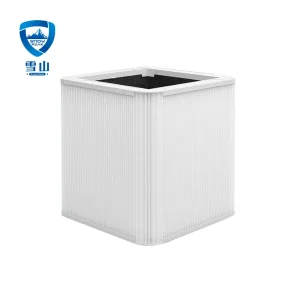
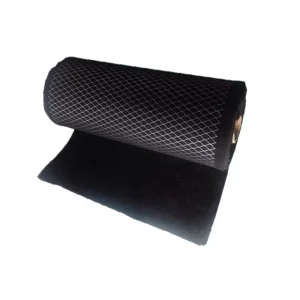
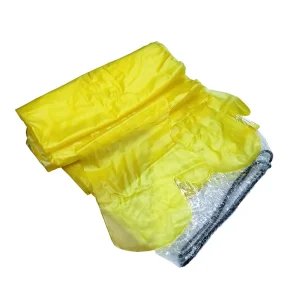
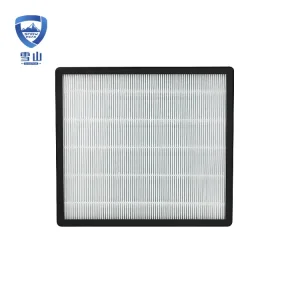
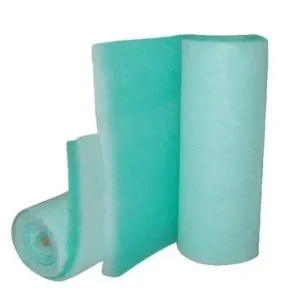
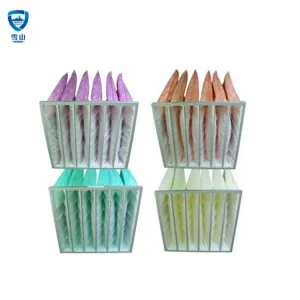
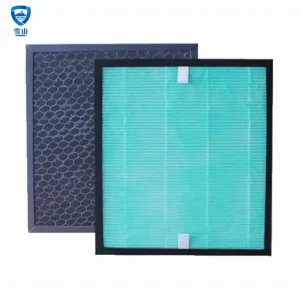
Shenzhen Snow Peak Clean Technology Co., Ltd. is a leading integrated high-tech enterprise, specialized in air filtration products research and development, production, sales, import and export trade.
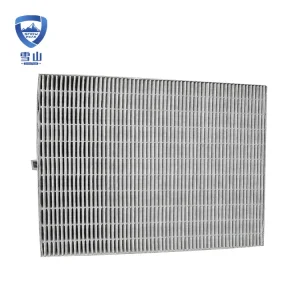
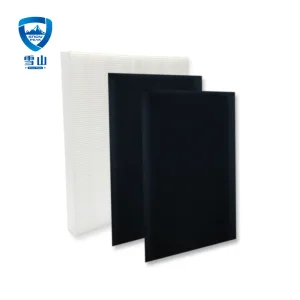
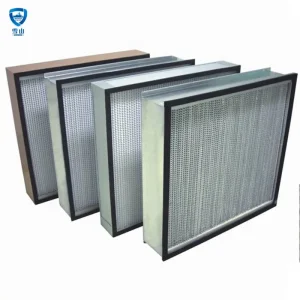
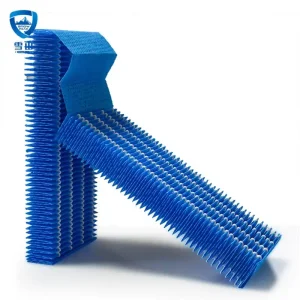
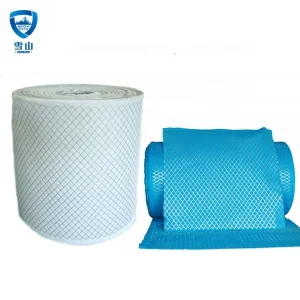
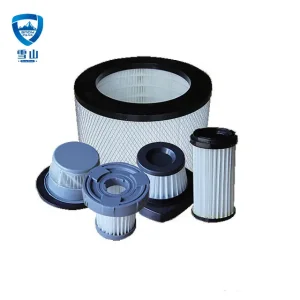
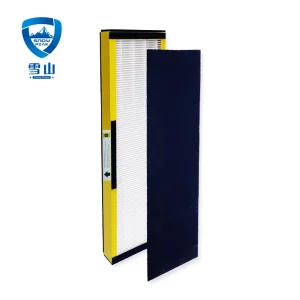
We produce and supply a comprehensive suite of mechanical filtration tools: Pre-filters, pocket filters, HEPA filters, chemical filters; replacement HEPA filters, car cabin air filters, humidifier filters; pocket filter media, melt-blown composite filter media, and other high-performance filter materials.
Our primary objective is to deliver high-quality air purification solutions for indoor air pollution control and air conditioning systems. We serve diverse sectors including civil and industrial buildings, microelectronics, pharmaceuticals, laboratories, educational institutions, and hospital cleanrooms.
Combined with our self-developed patented technology, our sterilizing antiviral HEPA filter effectively filters fine particles, maintaining a PM2.5 concentration below 10 micrograms/m³, which is 5 times better than national standards. It inhibits microbial reproduction with a sterilization rate of up to 99.9% without secondary pollution, achieving an H1N1 virus removal efficiency of 99.99%.
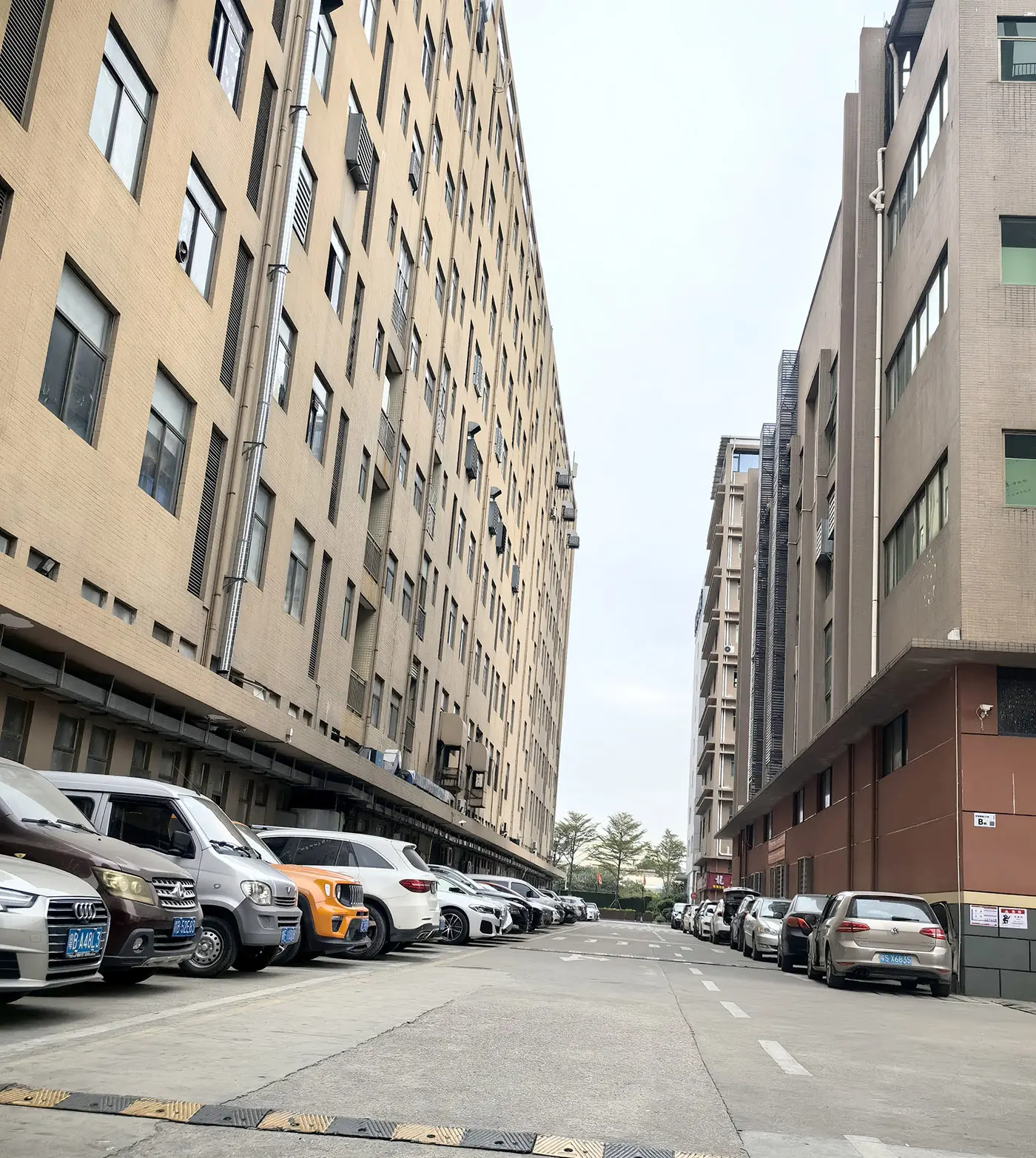
Understanding the engineering behind fluid seal containment systems and how they prevent leakage in critical environments.
In cleanrooms, minor air bypass can compromise entire production batches or sterile environments. Standard gasket HEPA filters rely on mechanical compression against a neoprene or EPDM gasket. Over time, gasket degradation, uneven clamping pressure, or structural vibrations can cause bypass leaks. Gel Seal HEPA filters solve this design vulnerability by utilizing a fluid-seal mechanism.
A Gel Seal HEPA filter has a channel filled with a non-flowing, highly adhesive, and self-healing polyurethane or silicone gel compound along its outer frame. The ceiling grid or mounting housing features a knife-edge (or blade) matching this channel. When the filter is installed, the knife-edge penetrates the gel, creating a hermetic seal. The gel conforms to the blade's surface, filling micro-gaps and preventing air bypass.
| Feature Parameter | Gel Seal HEPA Filters | Conventional Gasket HEPA Filters |
|---|---|---|
| Sealing Principle | Fluid displacement (knife-edge sinks into viscous gel) | Mechanical compression (clamping pressure against gasket) |
| Bypass Risk | Virtually zero; self-healing gel fills micro-fissures | Moderate; risk of gasket compression set or cracking over time |
| Installation Complexity | Simple insertion; does not require heavy clamping force | High; requires precise, uniform torque adjustment on fasteners |
| Maintenance Profile | Long-term stability; gel does not dry out under normal use | Requires periodic inspection for gasket deterioration |
| Ideal Applications | ISO Class 1-5 Cleanrooms, Pharmacies, Biosafety Level Labs | ISO Class 6-8 Cleanrooms, General HVAC Ventilation |
Leveraging state-of-the-art Japanese fabrication tools and high-efficiency automation to ensure zero-defect output.
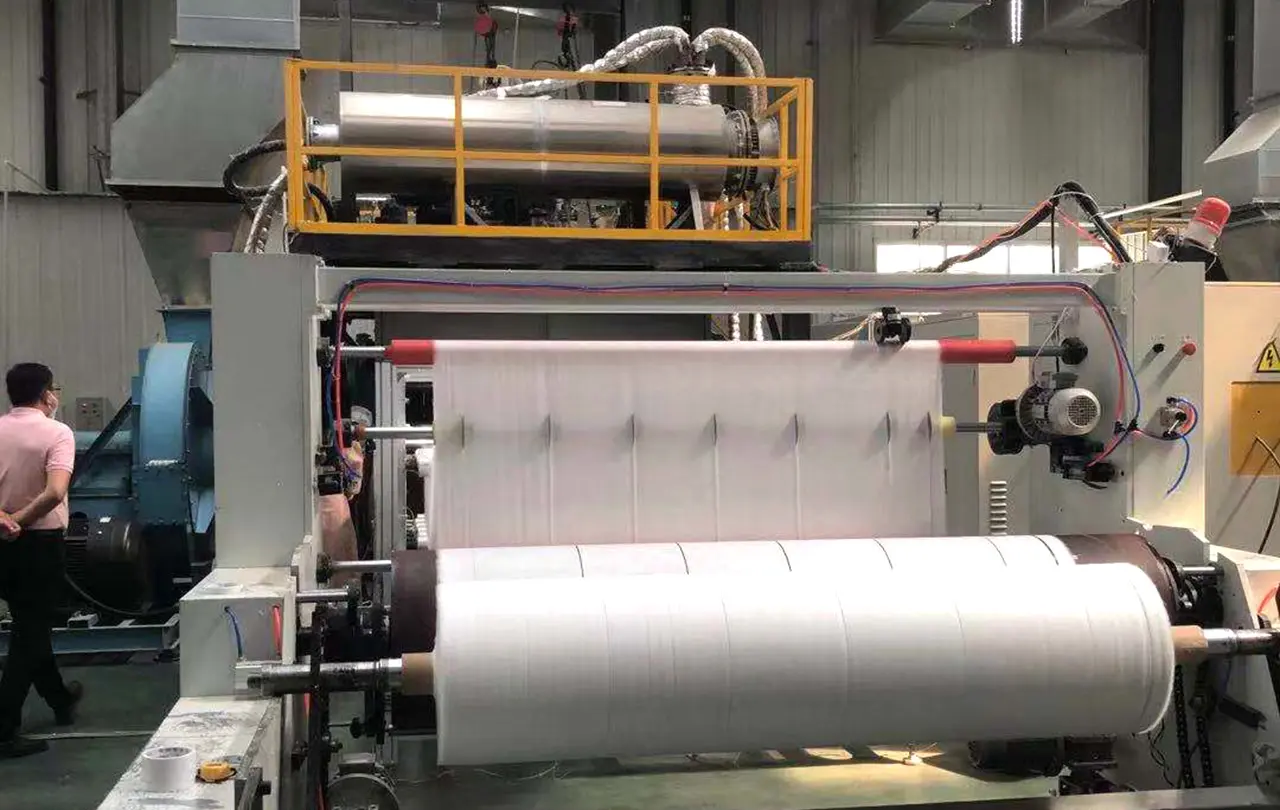
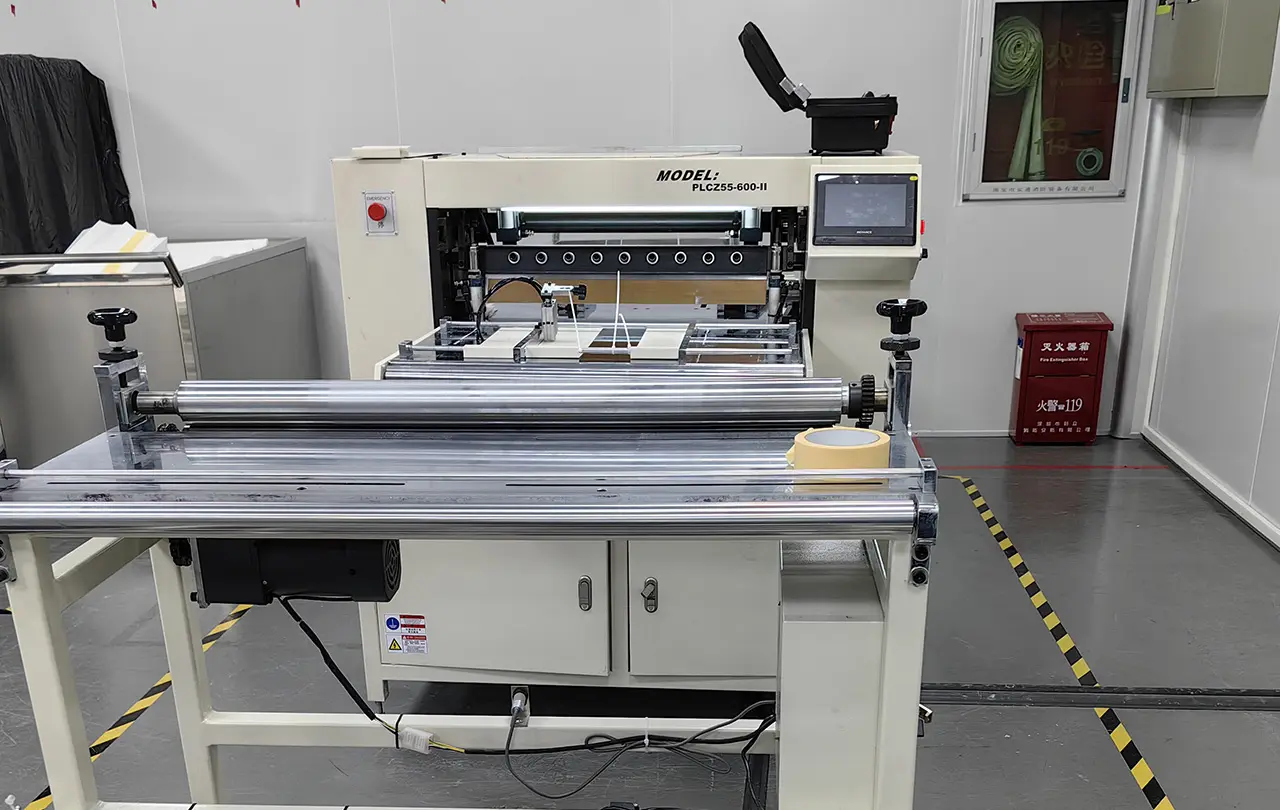
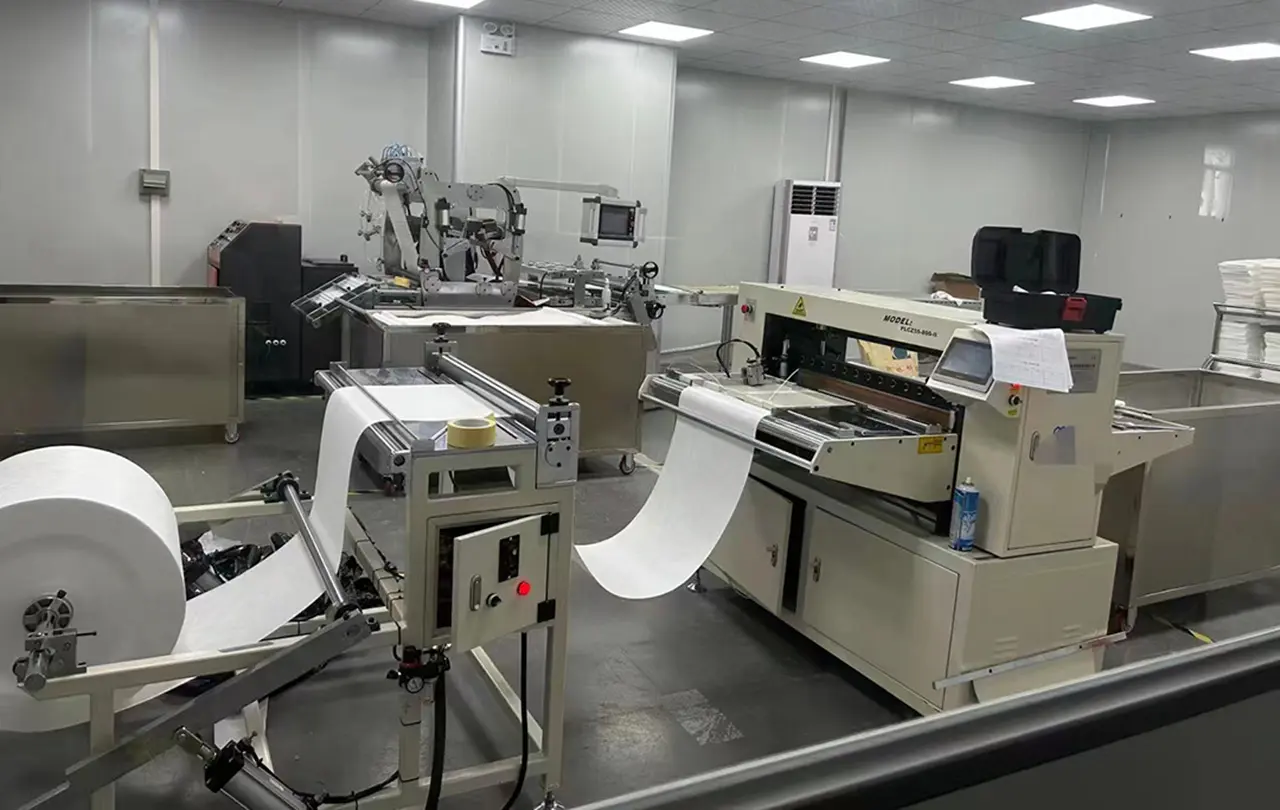
Our 15-year background in international air purification technology guides our manufacturing processes. Shenzhen Snow Peak Clean Technology Co., Ltd. operates a standardized production facility, featuring dust-free filter workshops and automated HEPA filter inspection lines. Equipped with an AMADA CNC punch, CNC bending machines, and automated folding assemblies, our plant guarantees consistent dimensional accuracy and structural integrity for custom fluid-seal filter frames.
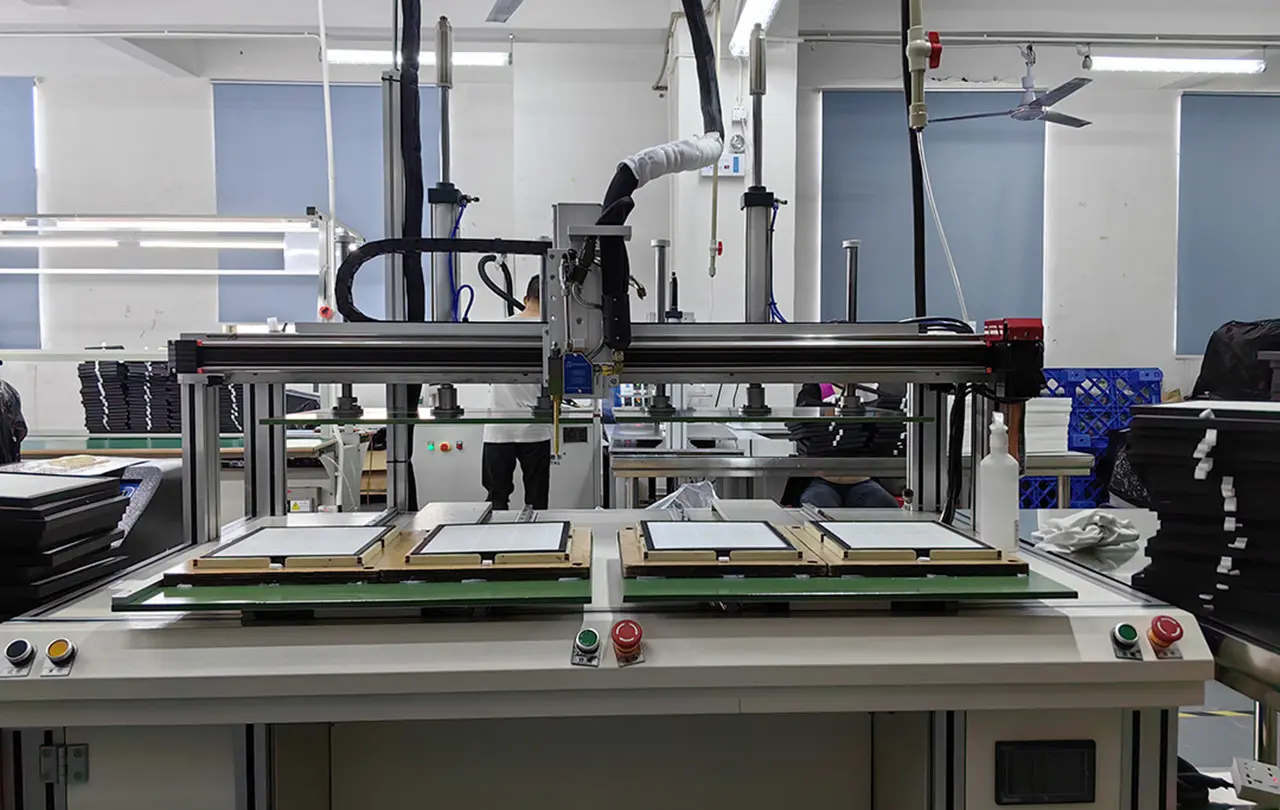
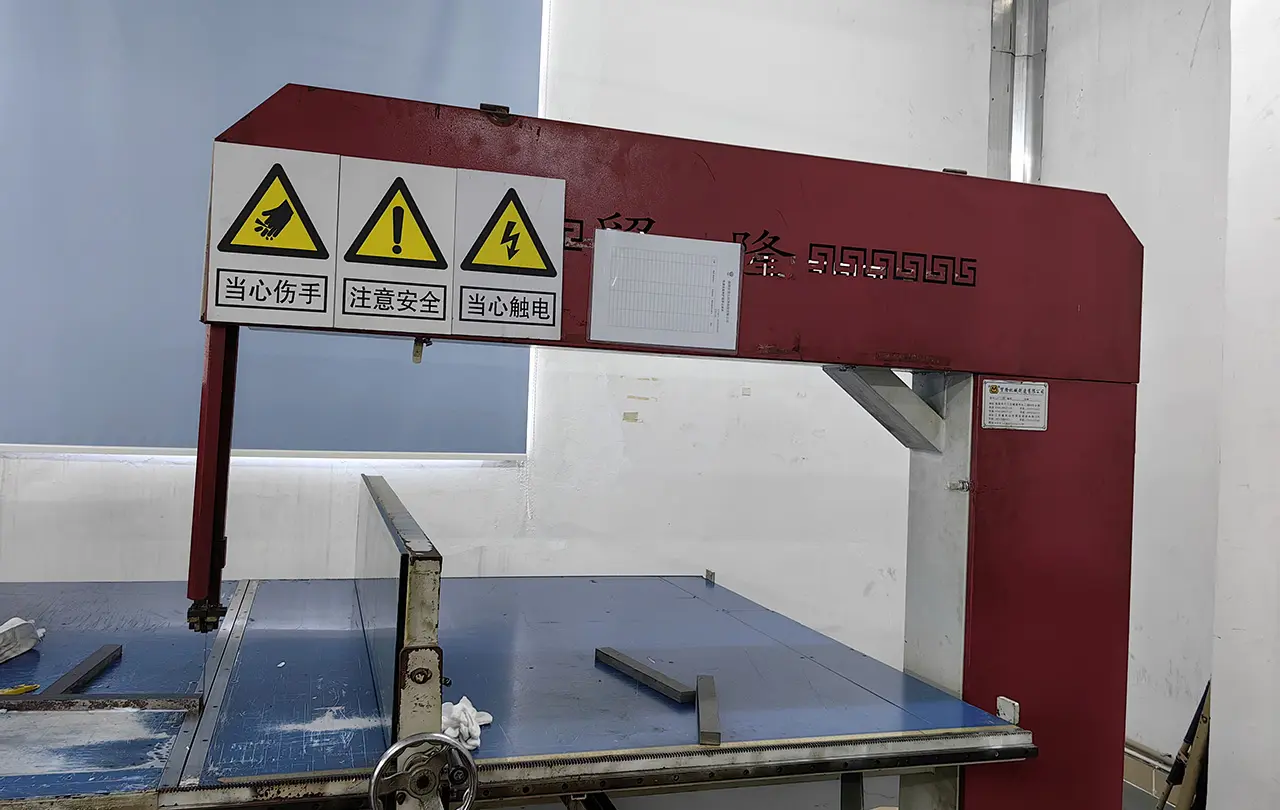
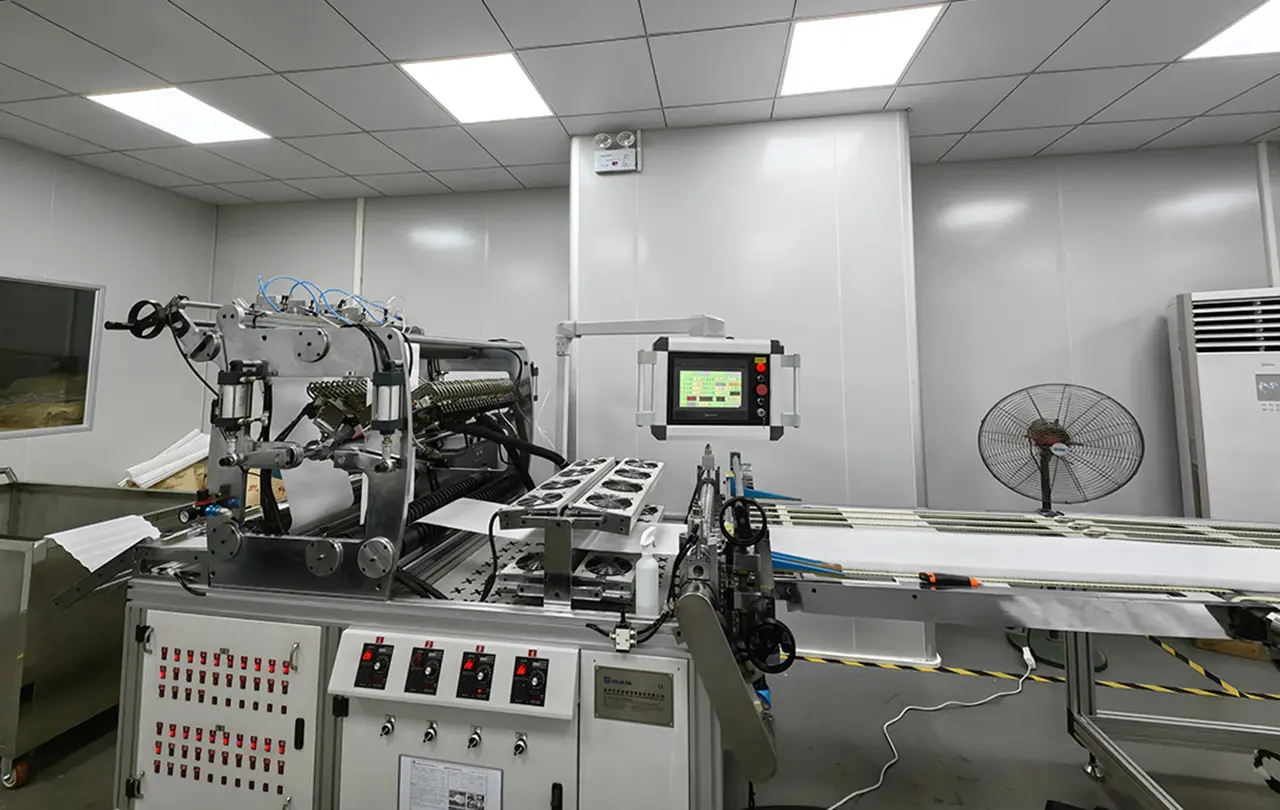
Why global containment engineering firms prioritize procurement from Shenzhen's high-tech manufacturing corridors.
Shenzhen provides rapid access to high-grade anodized aluminum extrusions, localized liquid silicone gel formulations, and non-woven fiberglass media, accelerating lead times.
By combining automatic pleating machinery with CNC manufacturing, we reduce manual assembly labor while maintaining tight structural tolerances for critical filtration systems.
Each custom Gel Seal HEPA filter undergoes scan testing using EN 1822 and ISO 29463 guidelines. We conduct computerized PAO/DOP aerosol testing to verify particle capture efficiency.
Examining the transition toward energy-efficient, smart cleanroom containment systems.
The cleanroom industry is experiencing a shift toward ultra-low penetration air (ULPA) systems. While standard H14 HEPA filters capture 99.995% of 0.3-micron particles, semiconductor lithography and advanced biotherapeutics require U15 and U16 ULPA filters. These capture 99.9995% of particles down to 0.12 microns. Gel seal designs remain essential in these high-efficiency setups, preventing any potential bypass at the filter frame perimeter.
Additionally, modern facilities are prioritizing energy efficiency. Standard cleanroom filtration systems can account for up to 30% of a manufacturing facility's electrical footprint due to airflow resistance. To address this, developers are engineering low-pressure-drop membrane media, such as expanded polytetrafluoroethylene (ePTFE). This technology lowers static pressure, reduces energy consumption, and extends filter operational lifespans when compared to traditional borosilicate glass microfibers.
Tailored mechanical designs for high-stakes cleanrooms, biosafety labs, and surgical environments.
In photolithography and wafer-handling zones, airborne molecular contamination (AMC) and sub-micron particulates can ruin silicon substrates. Gel Seal HEPA and ULPA filters are integrated into Fan Filter Units (FFUs) in cleanroom ceilings, providing a reliable air containment seal. This design prevents unfiltered interstitial ceiling air from bypassing the filter media and contaminating the production floor.
Under US FDA and EU GMP regulations, sterile compounding and aseptic filling require Class A zones. Our Gel Seal HEPA filters are designed to withstand regular chemical cleaning, such as vaporized hydrogen peroxide (VHP) decontamination, without gel degradation. This helps facilities maintain compliant, germ-free cleanroom environments.
Biosafety laboratories working with pathogens require robust containment solutions. Gel Seal filters are used in Bag-In-Bag-Out (BIBO) housings, ensuring a reliable seal during high-risk filter changes. This protects service technicians and prevents pathogenic leakage into the surrounding atmosphere.
Hospital infection control relies on laminar flow cleanrooms to protect surgical fields. Our patented antiviral media helps cleanroom HEPA filters remove viral and bacterial vectors (such as influenza and H1N1) at efficiency rates of 99.99%. This filtration technology improves patient safety in operating rooms and isolation spaces.
Evaluating compliance parameters, structural tolerances, and shipping logistics for international supply chains.
Purchasing managers and cleanroom engineers should evaluate the following criteria when sourcing custom Gel Seal HEPA filters:
Technical answers to key questions about specifying, installing, and maintaining Gel Seal HEPA filters.
Our polyurethane/silicone gel is cured in a dust-free environment under controlled temperatures, achieving structural stability before shipment. Once installed, the gel remains stable without drying out or cracking, providing a reliable seal for over 10 years in typical cleanroom conditions.
Gel Seal HEPA filters can be disinfected using standard pharmaceutical agents, including vaporized hydrogen peroxide (VHP), isopropyl alcohol (IPA), and chlorine dioxide. The gel channel is protected inside the frame channel to prevent direct contact with high-velocity liquids.
Our standard polyurethane gel seals operate continuously in environments from -20°C up to 80°C. For high-temperature autoclaves or sterilization tunnels, we supply specialized silicone gel formulations rated for higher thermal ranges.
Yes. Using our AMADA CNC equipment, we can fabricate custom filter dimensions, frame heights, and gel channel locations. Options include top gel, side gel, and reverse-gel profiles to match various cleanroom ceiling grids.
After installing the filter, engineers conduct an in-situ leak test. A photometer and aerosol generator introduce a test challenge (like PAO) upstream. Testing technicians scan the downstream side and the gel seal joint to confirm zero air bypass.
Our complete product range, supporting industrial HVAC configurations and residential air purifiers.
 Snow Peak