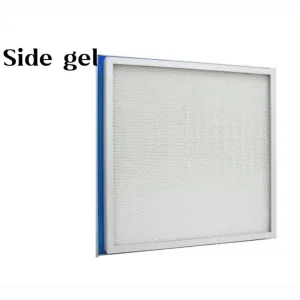
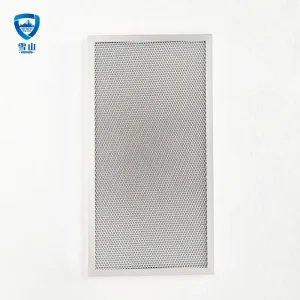
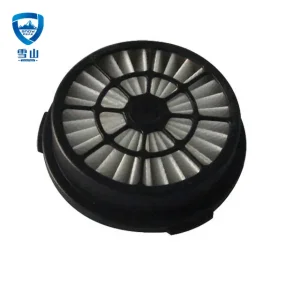
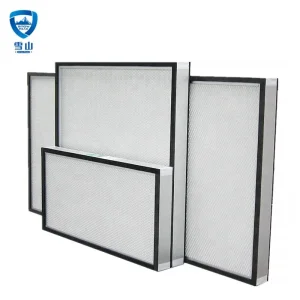
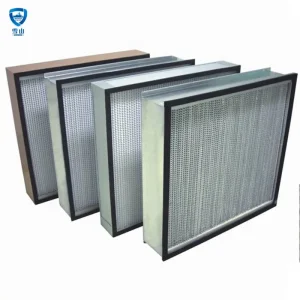
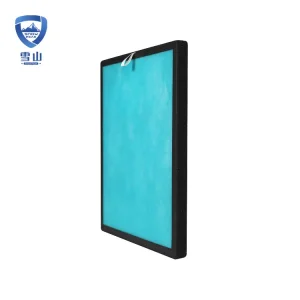
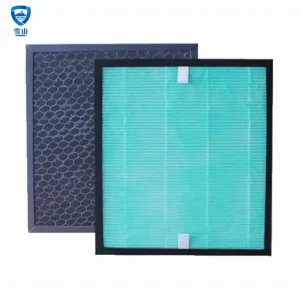
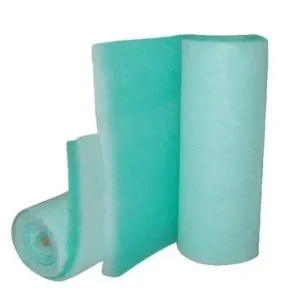
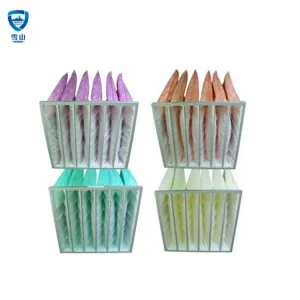
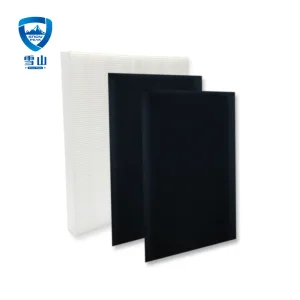
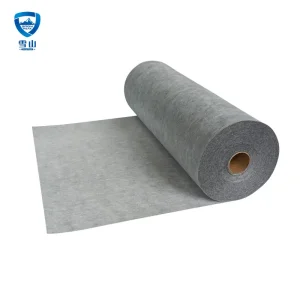
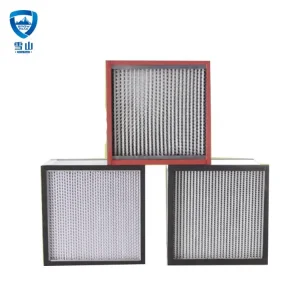
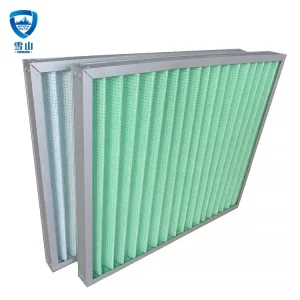
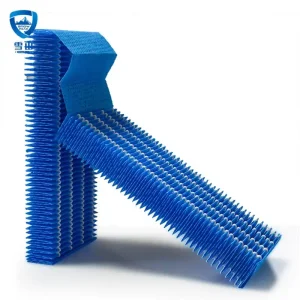
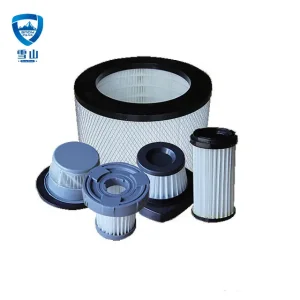
Shenzhen Snow Peak Clean Technology Co., Ltd. is an integrated high-tech enterprise, specialized in air filtration products research and development, production, sales, import and export trade. We produce and supply: Pre-filter, pocket filter, HEPA filter, chemical filter; replacement HEPA filter, car cabin air filter, humidifier filter; pocket filter media, melt-blown composite filter media, and other high-performance filter materials; provide high quality air purification solutions and products for indoor air pollution control and air conditioning systems of civil and industrial buildings, microelectronics, pharmaceutical, laboratory, school, hospital clean room etc.
Combined with self-developed patented technology, our sterilizing antiviral HEPA filter can effectively filtrate fine particles, so that PM2.5 concentration down to 10 micrograms/m3, 5 times better than national standard; effectively inhibit the breeding of microorganisms, sterilization rate up to 99.9%, and no secondary pollution, removal of H1N1 virus efficiency as high as 99.99%.
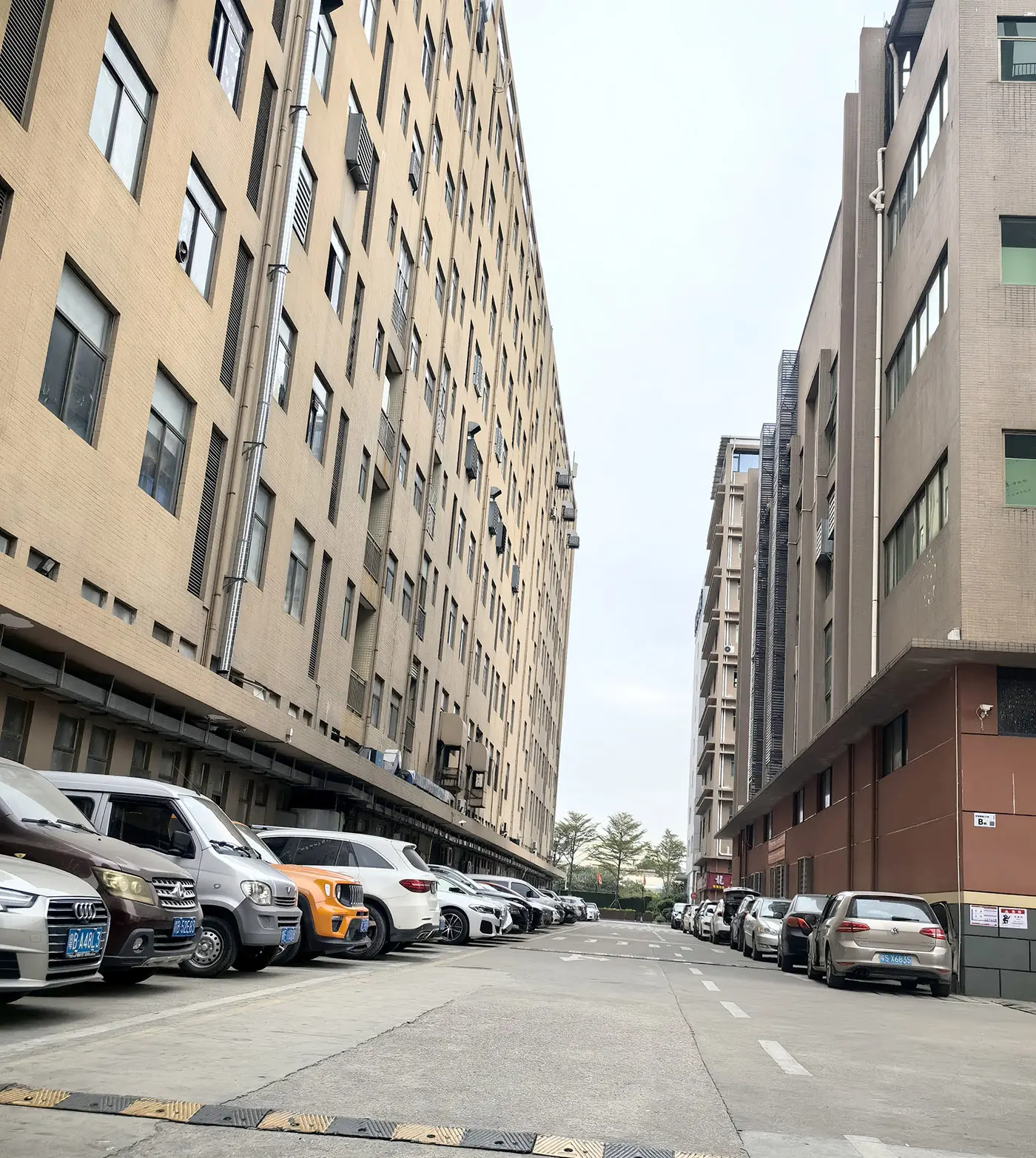
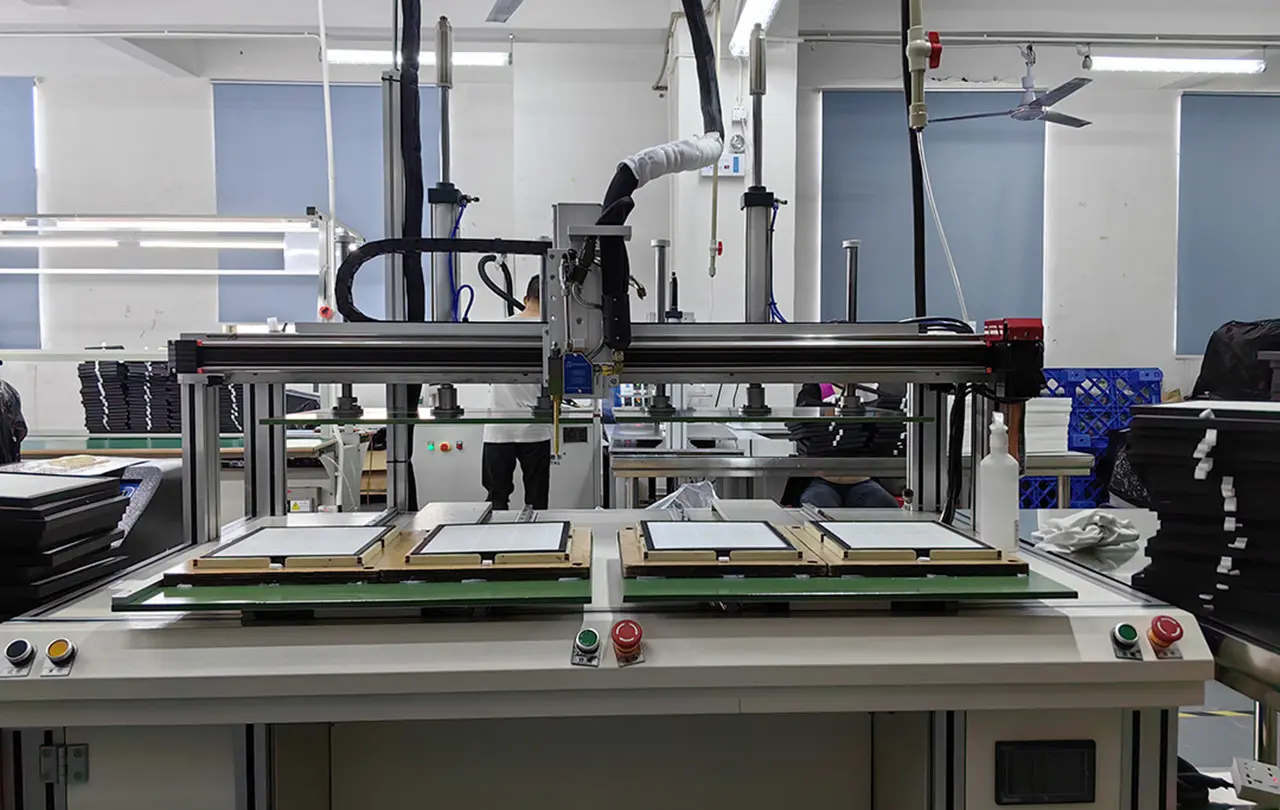
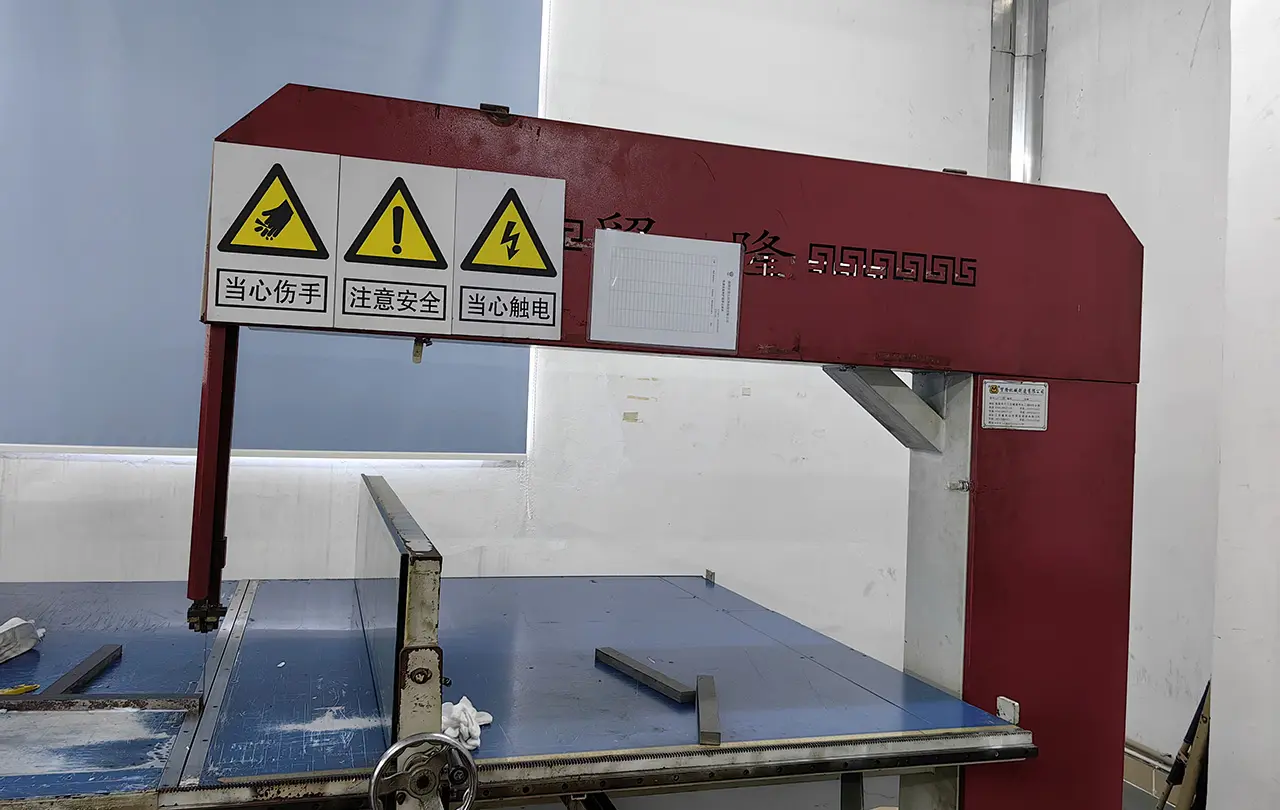
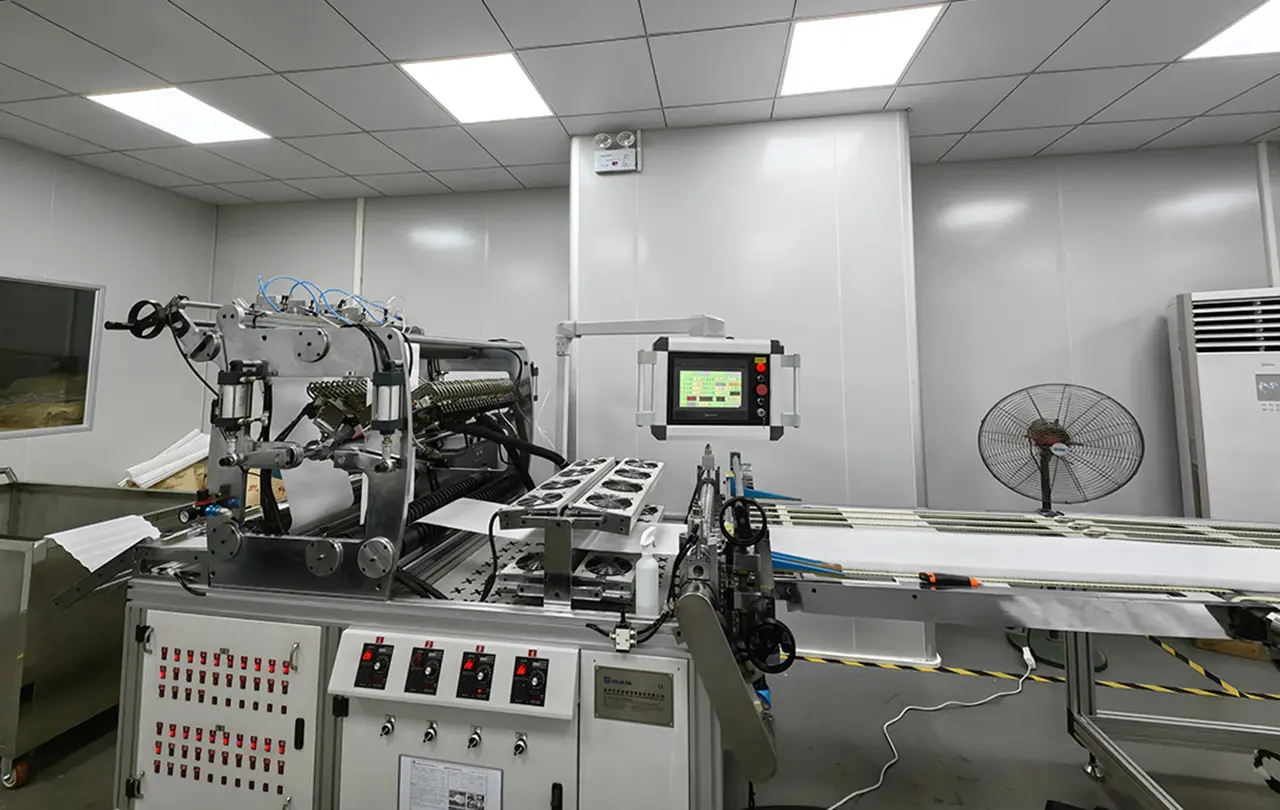
Having 15 years of international air purification technology experience as the background, our company has standardized production workshop, dust-free filter workshop and first-class technology of HEPA filters production line and inspection line, independent research and development of fully automatic air filter production line, equipped with AMADA CNC punch and CNC bending machine as well as many other advanced high-end equipment, provide a strong guarantee for production and quality of air filtration and purification products.
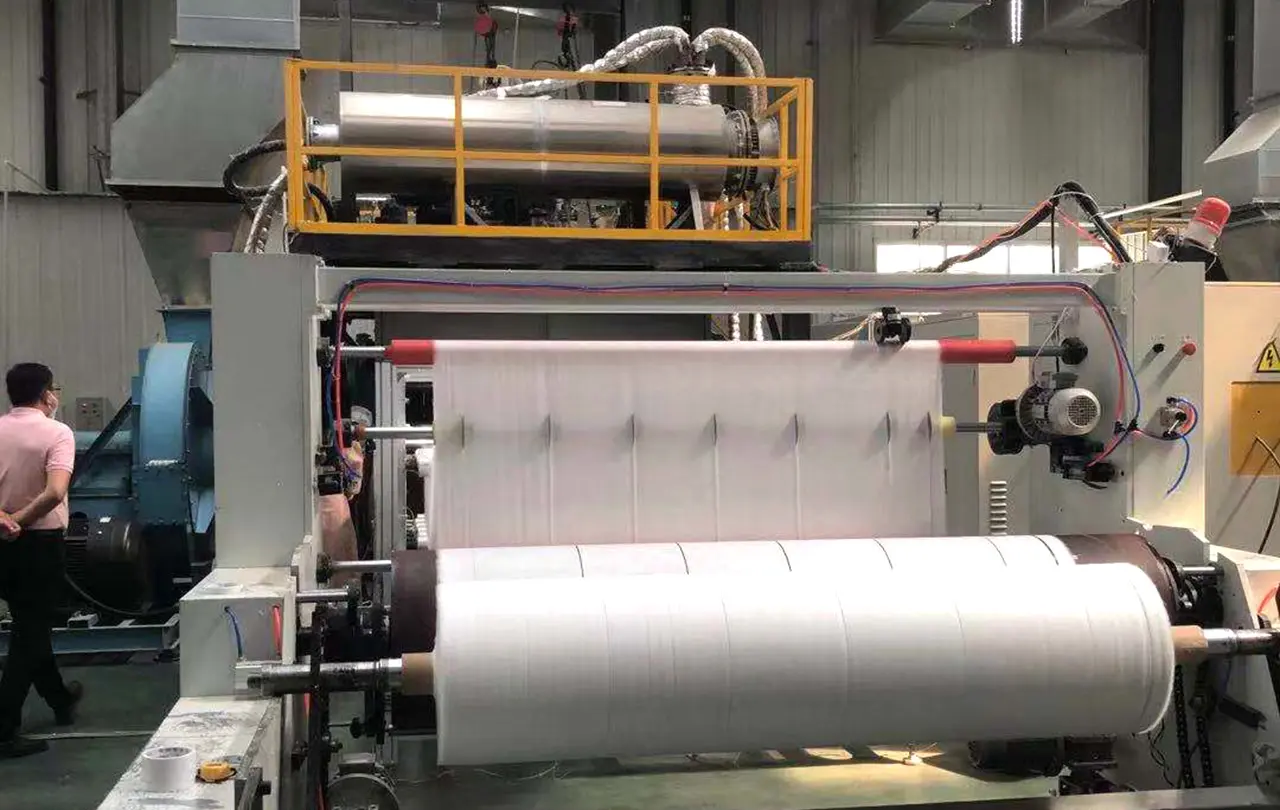
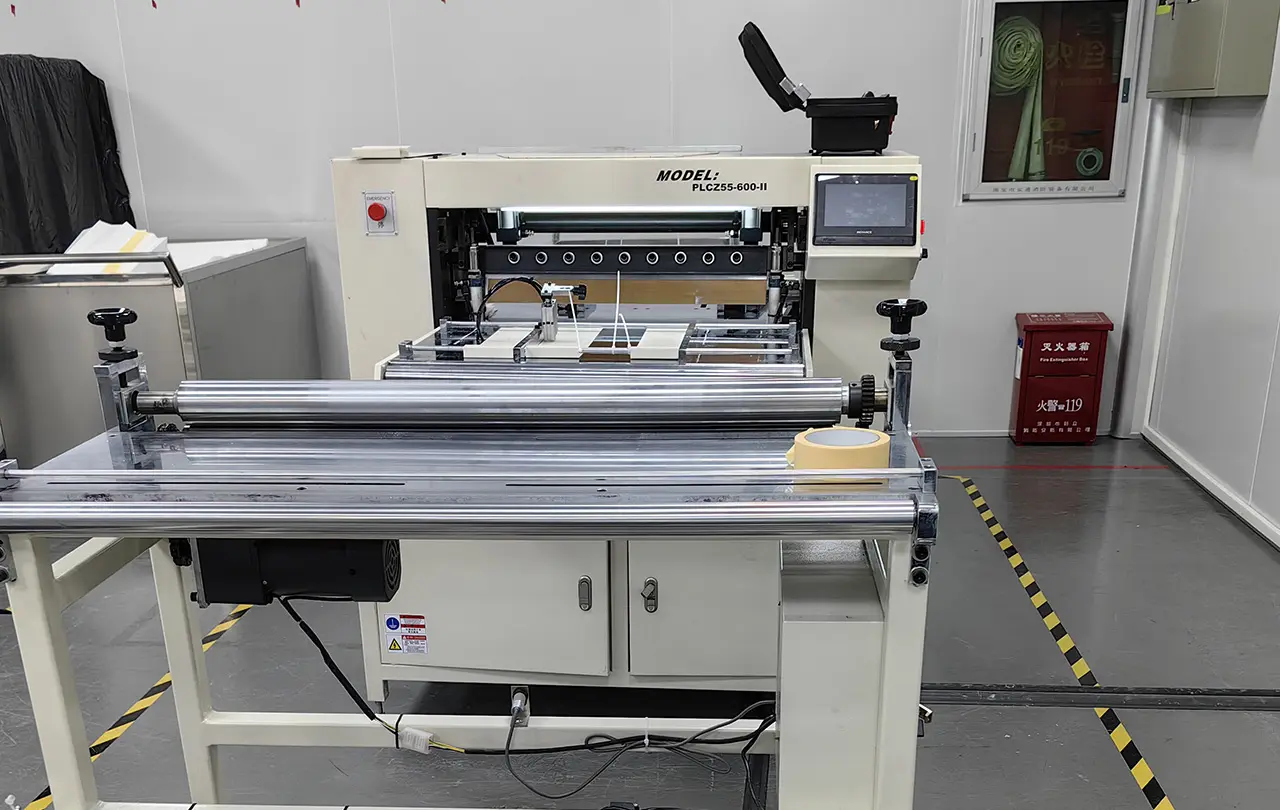
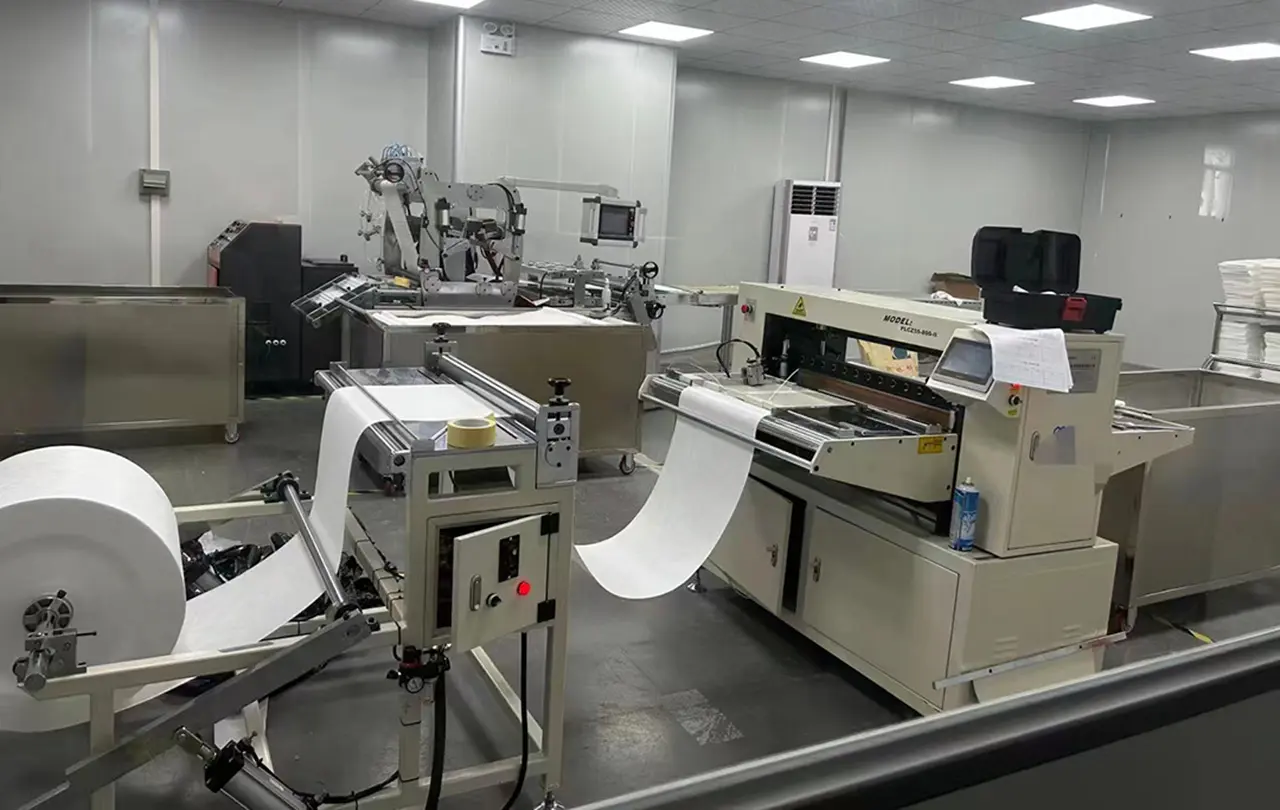
In modern industrial manufacturing and cleanroom operations, the demands placed on mechanical air filtration systems have evolved significantly. Micro-contamination control is no longer limited to high-tech semiconductor fabs; it has become critical in standard HVAC upgrades, pharmaceutical labs, bioprocessing, and automotive spray booths. Transitioning from basic fiberglass rolls to specialized membrane technologies, custom air filter manufacturers are innovating to optimize performance by lowering air resistance while maintaining high particle capture rates.
A key trend in the industry is the shift towards composite materials. Historically, heavy deep-pleat fiberglass filters were the default solution for high-efficiency demands. Today, manufacturers rely on hybrid non-wovens and composite media (such as melt-blown fibers integrated with spunbond backings or customized glass fiber composites) to improve mechanical strength, chemical stability, and electrostatic loading capacity. These composite configurations allow for tighter mini-pleat designs that reduce physical depth while increasing surface area—leading to prolonged filter lifespan and lowered operational energy costs.
For strategic procurement officers sourcing custom filtration equipment for multi-regional industrial projects, the challenge is balancing performance requirements with supply chain security. Standardizing components across overseas operations requires close coordination with custom HEPA manufacturers who understand regional specifications. Key considerations in global procurement cycles include:
Different industries require targeted filtration setups. Designing clean air environments requires evaluating the dominant contaminants, velocity profiles, and chemical environments involved. Below is a macro-level overview of filtration requirements by sector:
| Industry Sector | Primary Contaminant Concern | Recommended Filter Media & Design | Standard Compliance Target |
|---|---|---|---|
| Microelectronics & Semiconductor | Sub-micron particles (0.1µm), AMC (Airborne Molecular Contaminants) | Ultra-low penetration (ULPA) ePTFE / Mini-pleat gel-seal systems | ISO Class 1 - Class 4, EN 1822 U15-U17 |
| Pharmaceuticals & Bioprocessing | Bacterial spores, viral vectors, dust carrying viable microbes | Antibacterial high-efficiency HEPA, liquid gasket gel-seal | GMP Grade A, ISO 14644, H14 efficiency |
| Automotive Finishing & Spray Booths | Paint overspray, fibers, silicone, G4 paint-stop particulates | Progressive structure ceiling cotton, fiberglass floor rolls | EN 779 / ISO 16890 Coarse, G4/M5 pre-filtration |
| Commercial HVAC & Public Buildings | PM2.5, PM10, common allergens, volatile organic compounds (VOCs) | Synthetic pocket bags, carbon composite media, MERV 13-16 panels | ASHRAE 52.2, ISO 16890 ePM1 / ePM2.5 |
Understanding HEPA performance requires analyzing the physical properties of the media. The filter's design must account for the dynamics of particle collection: diffusion, interception, inertial impaction, and electrostatic attraction. The optimal media configuration balances these mechanisms to target the Most Penetrating Particle Size (MPPS, typically around 0.1 to 0.3 microns) without causing excessive resistance to air flow.
Mini-pleat HEPA filters use thin-profile hot-melt dividers to keep pleats evenly spaced, ensuring uniform airflow. This maximizes the usable surface area per volume compared to traditional deep-pleat designs that rely on thick aluminum separators.
Combining electrostatically charged melt-blown layers with mechanical backing structures helps capture fine particulates while maintaining structural integrity, keeping pressure drop increases linear over the filter's service life.
Even small bypass leaks can bypass high-efficiency media. Gel-seal systems using polyurethane or fluid silicone sealants provide a reliable barrier for critical cleanroom ceilings, preventing bypass air leakage.
Operating in highly regulated sectors requires strict adherence to international testing regimes. Standardized certification verifies that every batch of custom HEPA media meets cleanroom design specifications. The most critical global standards include:
The difference lies in their fractional collection efficiency at MPPS (Most Penetrating Particle Size). An H13 HEPA filter provides a minimum efficiency of 99.95%, whereas an H14 HEPA filter provides a minimum efficiency of 99.995%. Sourcing H14 filters is typically required in pharmaceutical filling zones and semiconductor cleanrooms where zero-tolerance contamination criteria apply.
Liquid gel-seal systems utilize a polyurethane gel that cures into a sticky, self-healing gasket. The gel seal flows around the knife-edge collar of the cleanroom ceiling grid, creating a leak-proof seal. Unlike standard rubber gaskets, gel seals will not take a compression set over time, reducing the risk of bypass leaks during routine filter maintenance.
Pleat density determines the total media area. Higher media surface area reduces the face velocity through the filter material, lowering the pressure drop. By tailoring pleat geometry to the application, operators can minimize fan power consumption and lower energy usage across the building HVAC system.
Every cleanroom-grade HEPA filter undergoes individual leak testing and integrity scanning, such as the Laskin nozzle aerosol photometer test or particle counters using PSL spheres. This process verifies that the media, pleats, sealant, and frame are free of leaks and meet the required filtration efficiency standards.
 Snow Peak