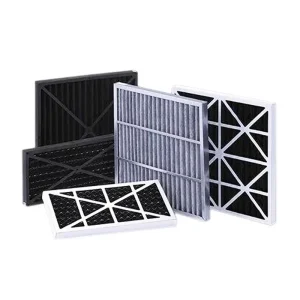
Explore our industrial range of high-efficiency HEPA, activated carbon, and synthetic bag pre-filters designed to meet complex HVAC and microelectronics specifications.
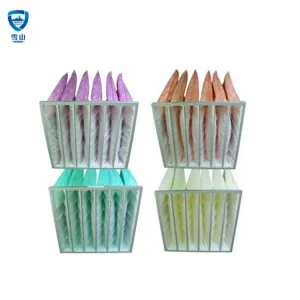
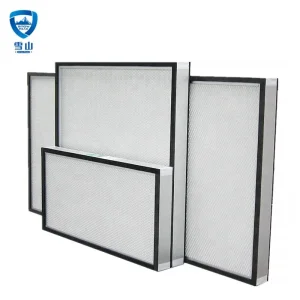
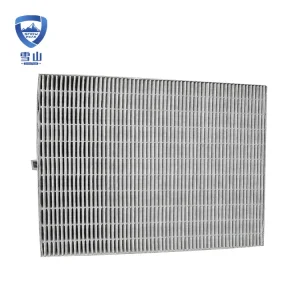
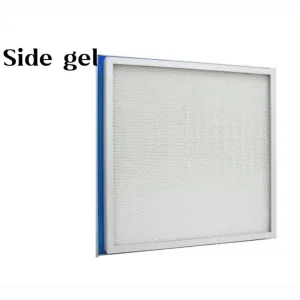
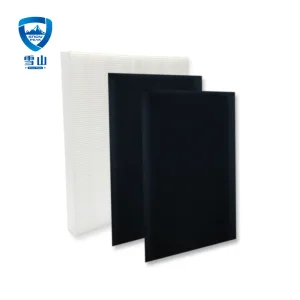
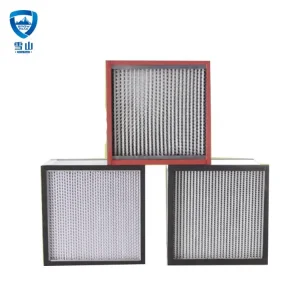
Understanding the strict regulatory frameworks and operational efficiency demands driving the demand for HEPA filtration across multi-billion-dollar global supply chains.
The global industrial High-Efficiency Particulate Air (HEPA) filter market is undergoing a rapid evolution, driven by highly demanding manufacturing standards and stricter governmental environment, health, and safety (EHS) guidelines. Across North America, the European Union, and the Asia-Pacific region, industries such as microelectronics fabrication, biopharmaceutical processing, critical healthcare infrastructure, and precision aerospace engineering demand absolute cleanroom integrity. A single particulate intrusion can compromise a multi-million dollar semiconductor wafer batch or contaminate sterile vaccine lines.
Historically, standard air filtration was designed primarily to protect machinery and basic HVAC systems. Today, the focus has shifted to micro-contaminant elimination. HEPA filters—defined by EN 1822 and ISO 29463 standards—are required to capture at least 99.97% of particles down to 0.3 micrometers. As cleanrooms push boundaries, the reliance on advanced Ultra-Low Penetration Air (ULPA) systems and specialty custom-sized gel-seal and high-temperature HEPA filters has become the norm. The market is shifting from commodity-off-the-shelf items toward highly customized, application-specific filtration configurations that balance initial pressure drop, air velocity, and longevity.
"By transitioning from standard mechanical filtration to advanced, low-resistance meltblown media with electrostatic properties, global enterprises can reduce operational energy expenditure by up to 25% while maintaining absolute ISO Class 5 cleanroom integrity."
Requires volatile organic compound (VOC) removal alongside H14/ULPA particulate systems to protect modern lithography steps.
Demands high-integrity gel-seal liquid tank mini-pleated HEPA filters to avoid any bypass leakages and ensure sterilizing compliance.
Automotive paint lines, glass processing, and baking ovens require stainless steel or aluminum separator filters capable of running above 250°C.
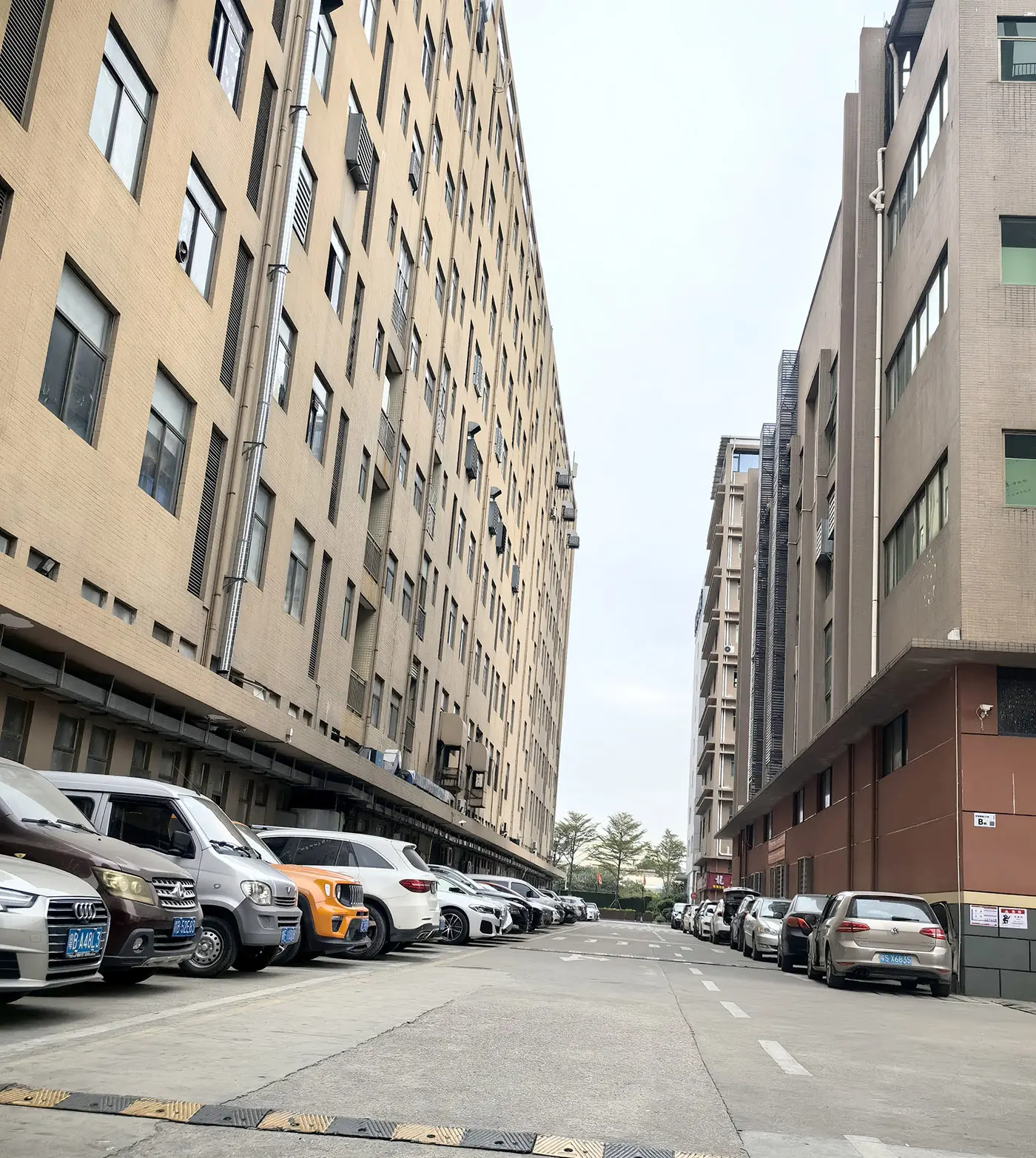
Shenzhen Snow Peak Clean Technology Co., Ltd. is an integrated high-tech enterprise, specialized in air filtration products research and development, production, sales, import and export trade. We produce and supply: Pre-filter, pocket filter, HEPA filter, chemical filter; replacement HEPA filter, car cabin air filter, humidifier filter; pocket filter media, melt-blown composite filter media, and other high-performance filter materials. We provide high quality air purification solutions and products for indoor air pollution control and air conditioning systems of civil and industrial buildings, microelectronics, pharmaceutical, laboratory, school, hospital clean room etc.
Combined with self-developed patented technology, our sterilizing antiviral HEPA filter can effectively filtrate fine particles, so that PM2.5 concentration down to 10 micrograms/m3, 5 times better than national standard; effectively inhibit the breeding of microorganisms, sterilization rate up to 99.9%, and no secondary pollution, removal of H1N1 virus efficiency as high as 99.99%.
Combining state-of-the-art Japanese tooling with high-volume automated lines to achieve industry-leading lead times and unmatched product quality.
Having 15 years of international air purification technology experience as the background, our company has standardized production workshop, dust-free filter workshop and first-class technology of HEPA filters production line and inspection line, independent research and development of fully automatic air filter production line, equipped with AMADA CNC punch and CNC bending machine as well as many other advanced high-end equipment, provide a strong guarantee for production and quality of air filtration and purification products.
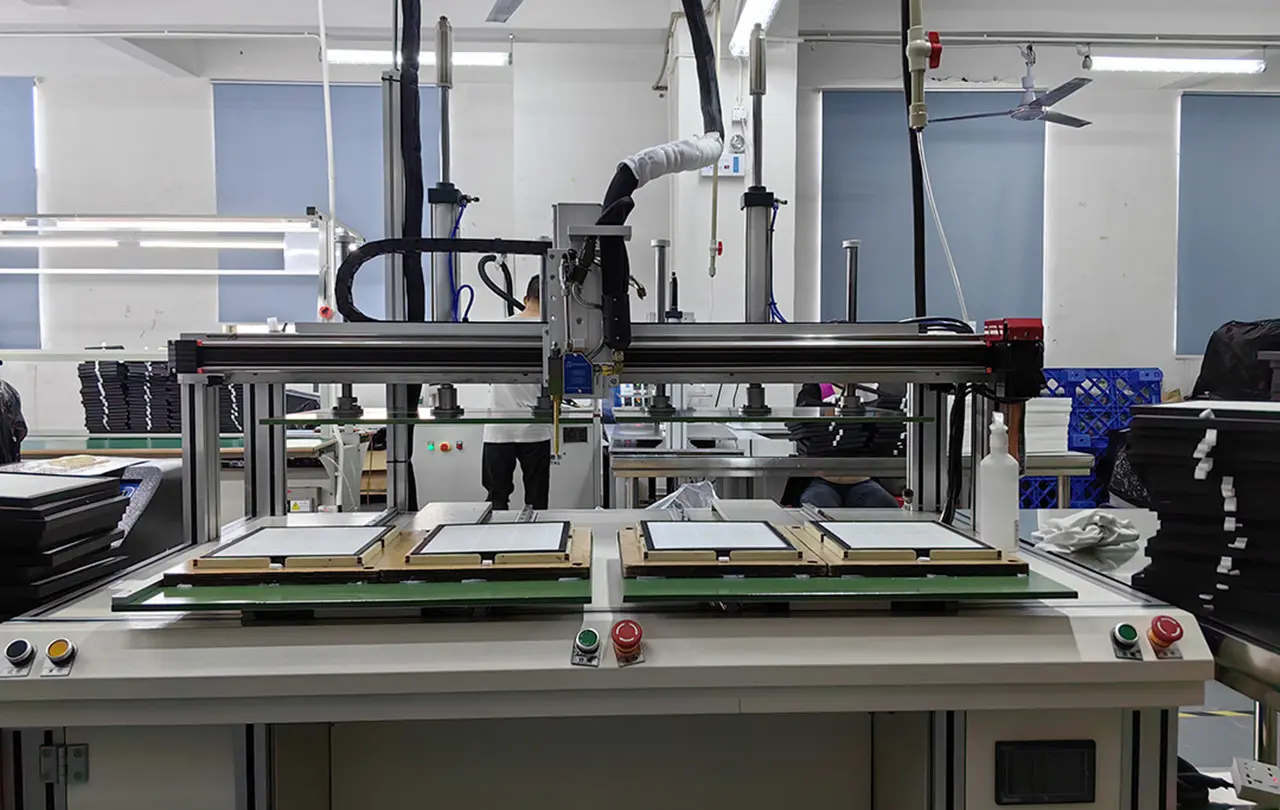
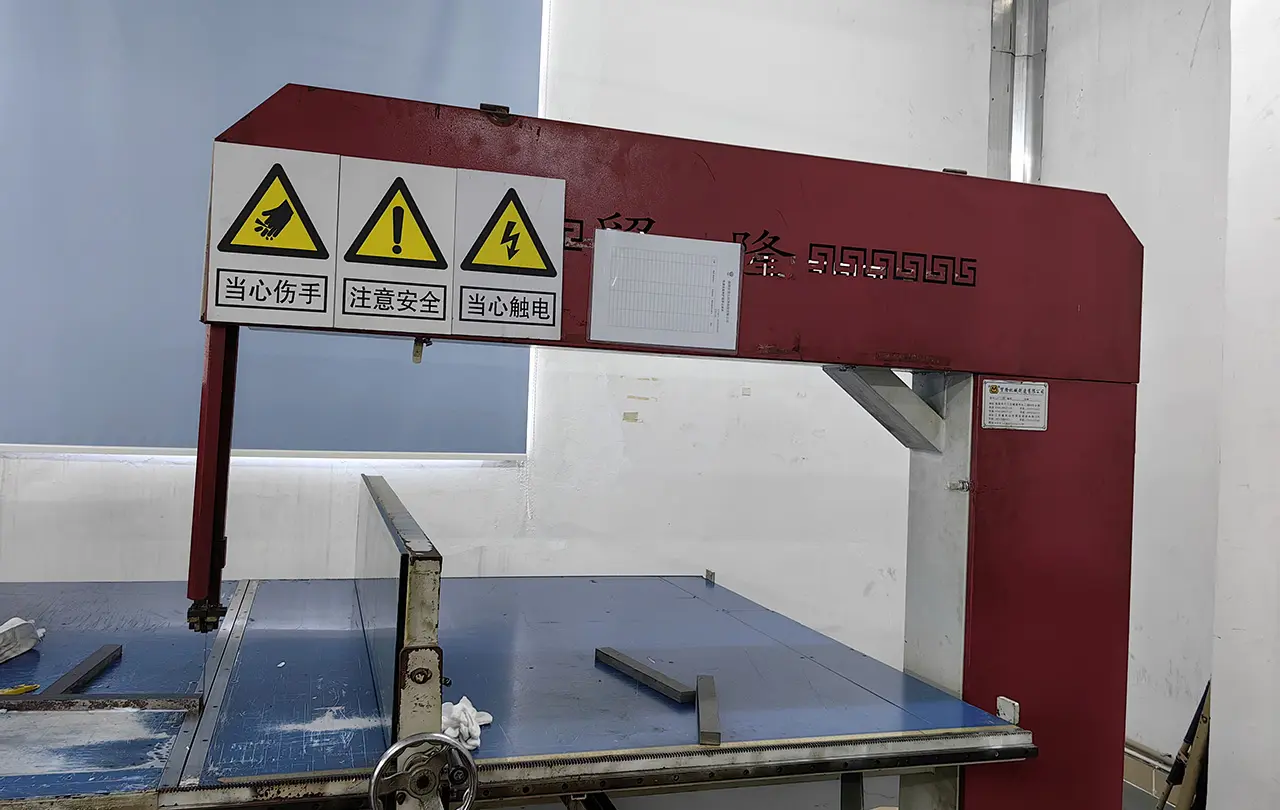
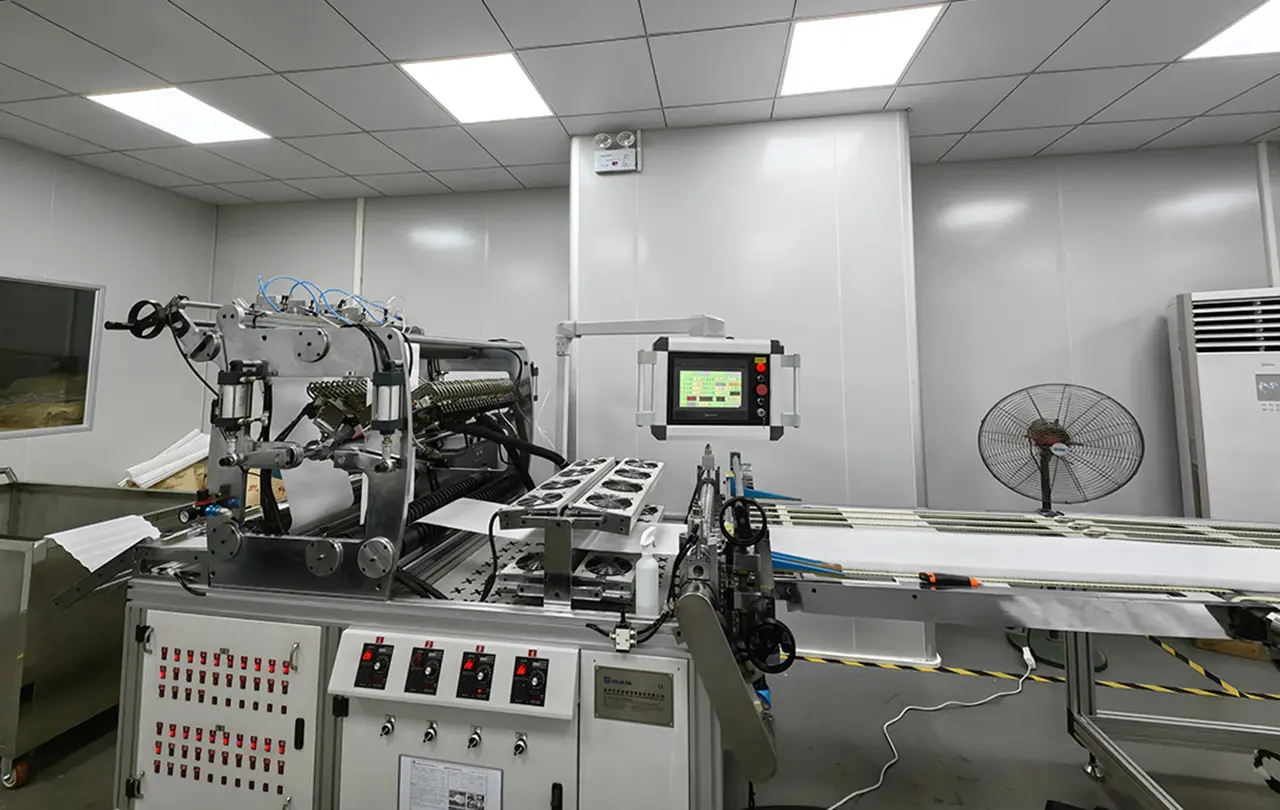
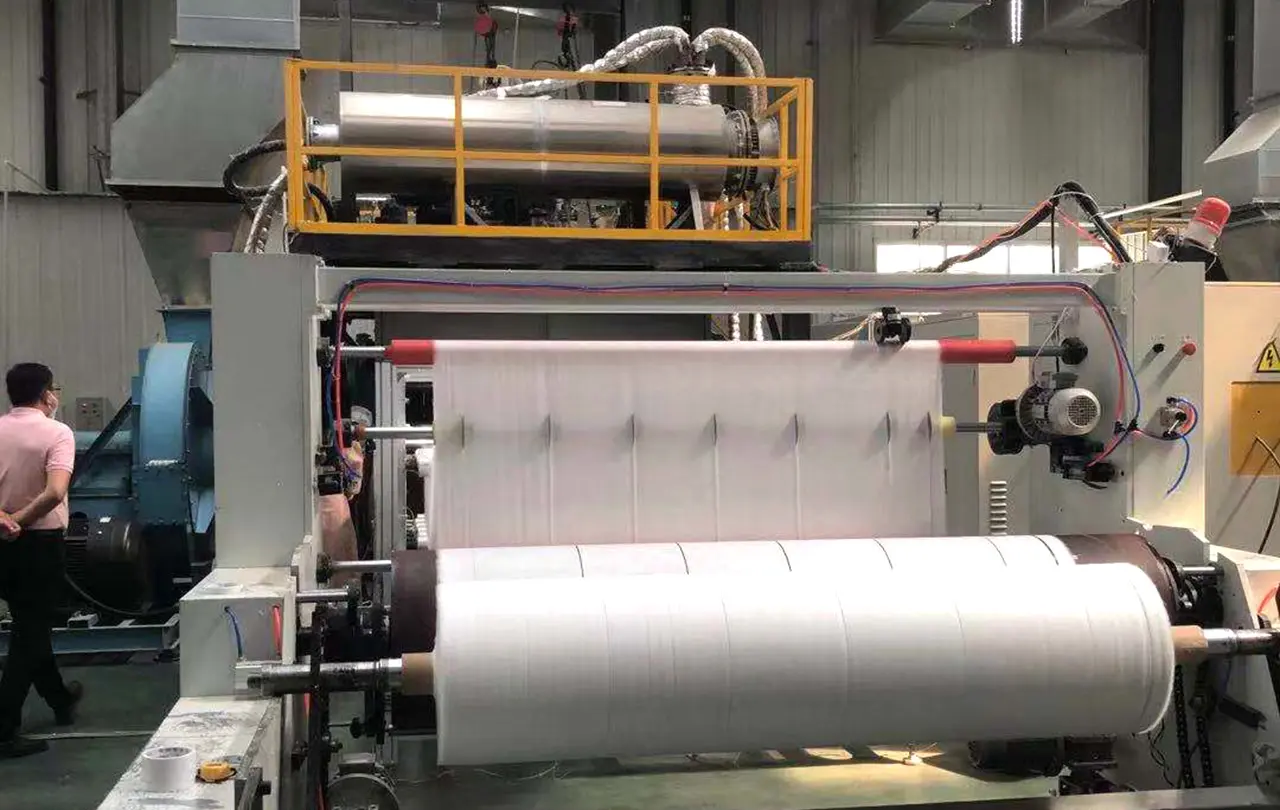
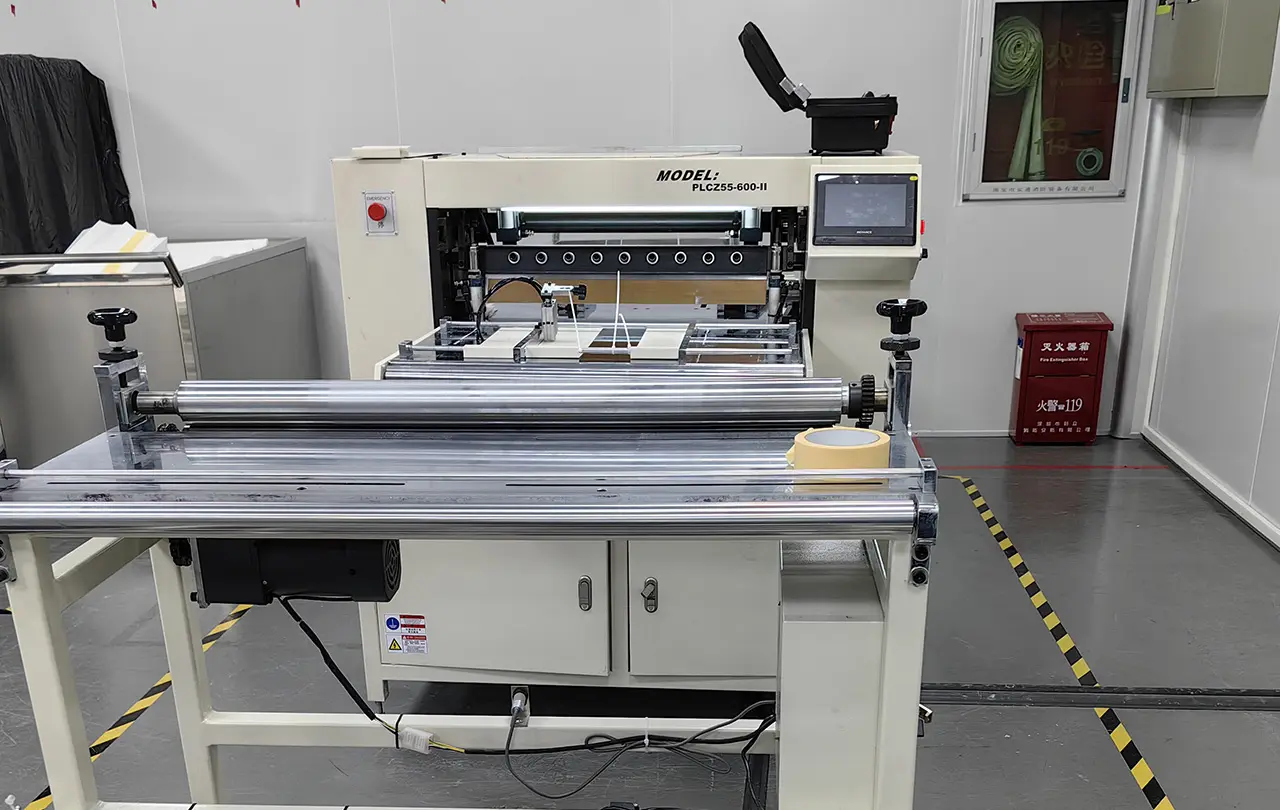
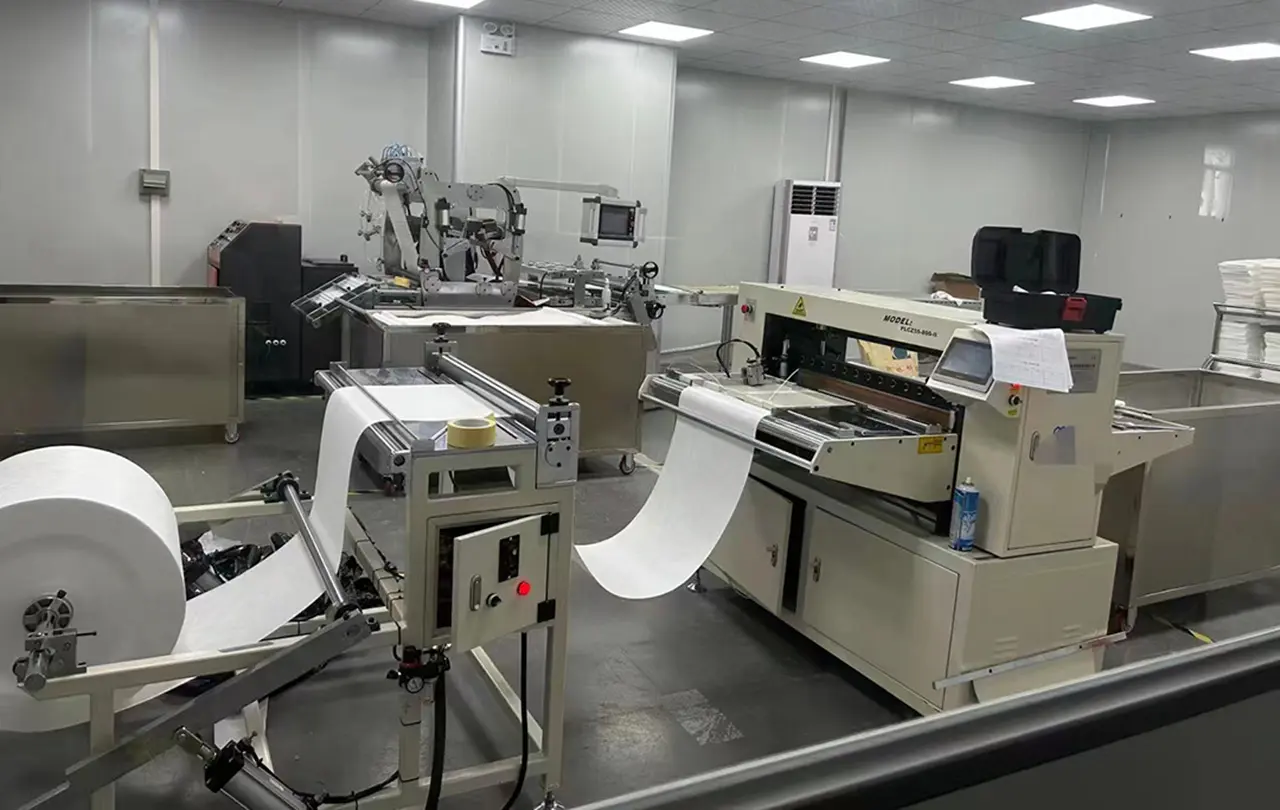
Utilizing high-end AMADA CNC punches and CNC bending machines allows us to fabricate stainless steel, aluminum, and galvanized frames with tolerances under ±0.1mm, ensuring a zero-bypass fit in standard and custom housings.
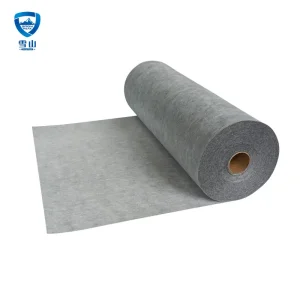
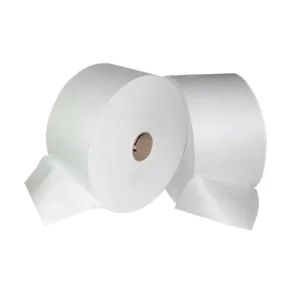
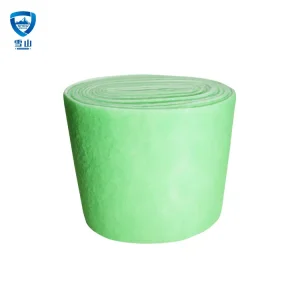
By producing our own pocket filter media and melt-blown composite media raw materials, Shenzhen Snow Peak drastically reduces input costs while retaining granular quality control over physical density and electrostatic properties.
Every single H13, H14, and ULPA filter undergoes rigorous aerosol challenge testing (PAO / DOP) in our dust-free laboratories, verifying efficiency, airflow volume, and nominal pressure drop prior to shipment.
Deploying specialized filtration designs matched with localized environmental demands, and chemical challenges.
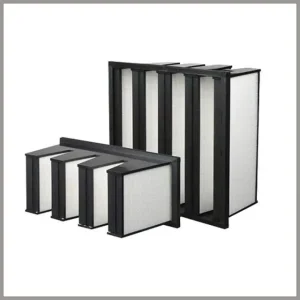
Our customized top-side Gel Seal liquid tank mini-pleated HEPA and V-Bank units are widely deployed in microelectronics plants to guarantee Class 100 or Class 10 cleanroom criteria. These filters integrate sandwich-type activated carbon to target acidic and basic gaseous VOCs that interfere with photolithographic lasers.
Preventing cross-contamination is critical. Our patented sterilizing antiviral HEPA filters achieve a 99.99% removal rate against viral and bacterial vectors like H1N1. They stop microscopic biological hazards while maintaining low drag coefficients within deep-pleat air distribution terminals.
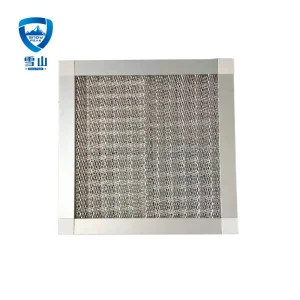
From heavy-duty air conditioning lines to high-temperature production ovens, our stainless steel and aluminum foil separator filters operate safely in continuous-heat environments up to 250°C. High mechanical strength prevents filter blowout, even at fluctuating, high-volume flow velocities.
A technical overview of next-generation material science and energy-saving designs redefining cleanroom standards.
The primary cost driver of maintaining a modern cleanroom is the electrical energy consumed by air-handling unit fans overcoming filter resistance. In response, modern R&D focus is heavily oriented toward developing sub-micron glass-fiber and synthetic meltblown materials with improved fiber distribution consistency. By utilizing multi-layered composite structures with advanced electrostatic charge (electret) injection, these filters capture particles through both mechanical blockages and electrostatic attraction. This design allows for lower physical packing density, keeping initial pressure drop remarkably low (e.g., under 80 Pa for standard H13 filters at nominal velocity).
Additionally, there is an industry-wide transition toward bio-compatible adhesives and recyclability. The replacement of traditional petroleum-based polyurethanes with high-stability, non-outgassing gel systems is gaining significant traction in critical manufacturing facilities.
| Filter Class | Min. Efficiency (at MPPS) | Standard Testing Protocol | Key Trends / Innovations |
|---|---|---|---|
| HEPA H13 | 99.95% | EN 1822 / ISO 29463 | Low-drag meltblown composite, antiviral impregnations |
| HEPA H14 | 99.995% | EN 1822 / ISO 29463 | Liquid gel-seal frames, mini-pleated dense glass fiber |
| ULPA U15 | 99.9995% | EN 1822 / ISO 29463 | PTFE membranes for low outgassing and high chemical resistance |
A comprehensive procurement guide covering technical verification, testing standards, and risk mitigation.
Do not rely solely on self-reported specification sheets. Demand certified EN 1822 / ISO 29463 test reports detailing actual leakage, initial pressure drop vs. face velocity, and fractional collection efficiency.
Examine frame designs carefully. Under high air volumes, plastic or low-gauge steel frames can bend, breaking seal integrity. Anodized aluminum or 304/316 grade stainless steel is recommended for high-reliability environments.
High-efficiency glass fiber media is highly fragile. Ensure your supplier uses custom suspension packaging, heavy-duty cardboard boxes, and solid wooden pallet protection to prevent damage during overseas shipping.
Verify that the factory is ISO 9001 and ISO 14001 certified. For medical and biological applications, ensure their products comply with EU RoHS and CE standards, guaranteeing safety and eco-compatibility.
Key technical answers provided by our engineering team to assist procurement officers and facility engineers.
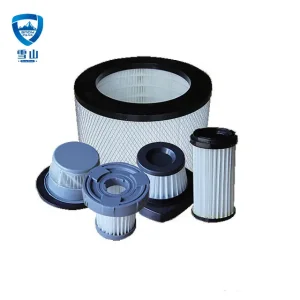
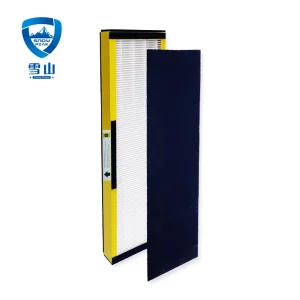
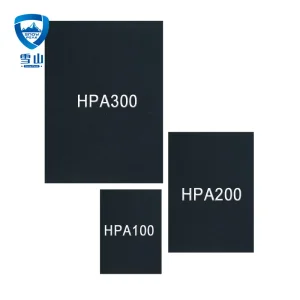
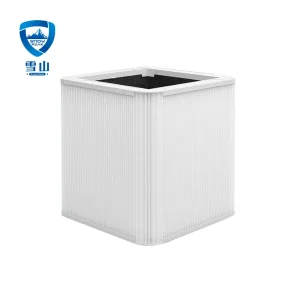
Direct-fit OEM replacements and customized cylindrical air intake elements for consumer, commercial, and heavy industrial collectors.
 Snow Peak