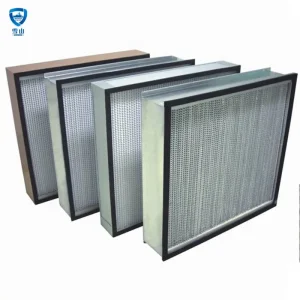
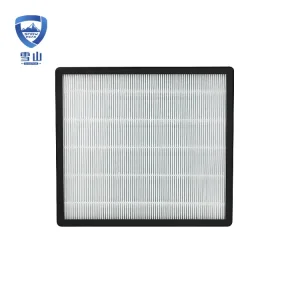
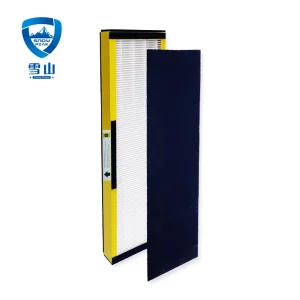
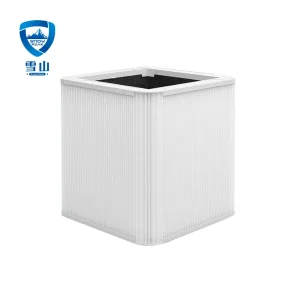
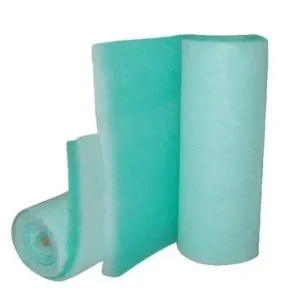
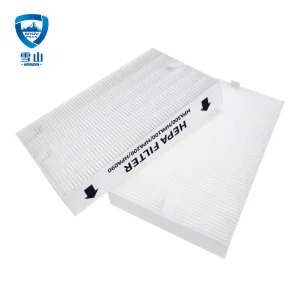
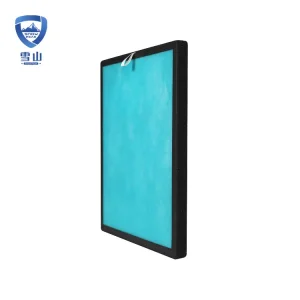
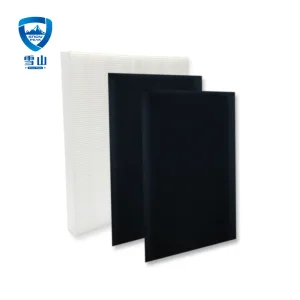
In the modern era of industrial intelligence and highly optimized commercial building management, air filtration plays a critical role. Choosing the correct rating—specifically MERV 10 (Minimum Efficiency Reporting Value 10)—strikes the ideal balance between mechanical ventilation airflow efficiency and microscopic particulate capturing capacity. According to ASHRAE 52.2 standards, MERV 10 filters are engineered to trap between 50% to 64.9% of particles sized 1.0 to 3.0 microns, while capturing up to 85% of particles in the 3.0 to 10.0-micron range.
Unlike lower standard pre-filters (such as MERV 8), MERV 10 systems target critical contaminants, including cement dust, coal dust, biological mold spores, commercial lint, and paint pigments. Global manufacturing facilities, large-scale commercial HVAC loops, and automated processing plants require customized MERV 10 filters to meet specific static pressure profiles and spatial boundaries. By tailoring the pleat count, synthetic media density, and support structural geometry, enterprises achieve high dust holding capacity (DHC) while avoiding the system-throttling static resistance associated with higher-grade filters.
Standard MERV 10 filters often struggle with rapid pressure drop growth. Shenzhen Snow Peak Clean Technology Co., Ltd. addresses this challenge by utilizing electrostatically charged, gradient-structure synthetic micro-fibers. This provides low initial resistance, extending the operational life of the filter by 30% and reducing fan energy usage by up to 15%.
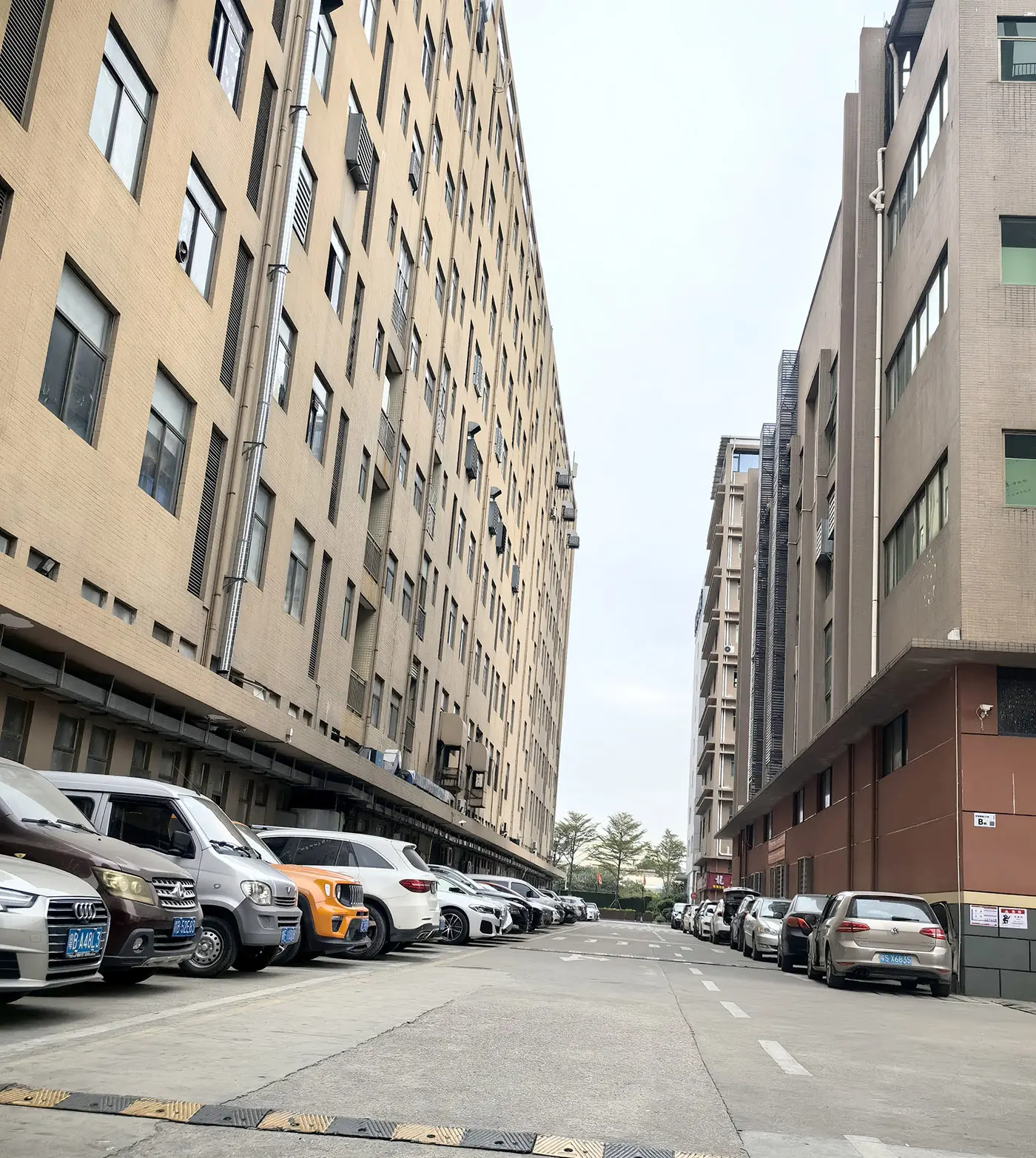
Shenzhen Snow Peak Integrated Cleanroom R&D and Manufacturing Complex
Shenzhen Snow Peak Clean Technology Co., Ltd. is a leading, integrated high-tech enterprise. We specialize in air filtration products, covering research and development, production, sales, import, and export trade. We manufacture a comprehensive range of clean air components, including pre-filters, pocket filters, HEPA filters, chemical filters, replacement HEPA filters, automotive cabin air filters, and humidifier filters. Our material science division produces pocket filter media, melt-blown composite filter media, and advanced synthetic materials, delivering clean air solutions across diverse sectors.
By leveraging our self-developed patented technology, our sterilizing antiviral HEPA and medium-efficiency units inhibit microbial growth. They achieve a 99.9% sterilization rate and control PM2.5 concentrations to within 10 micrograms per cubic meter—outperforming many standard regulatory baselines. Furthermore, our antiviral media filters H1N1 virus strains at an efficiency rate of 99.99% without generating secondary outgassing or chemical pollution.
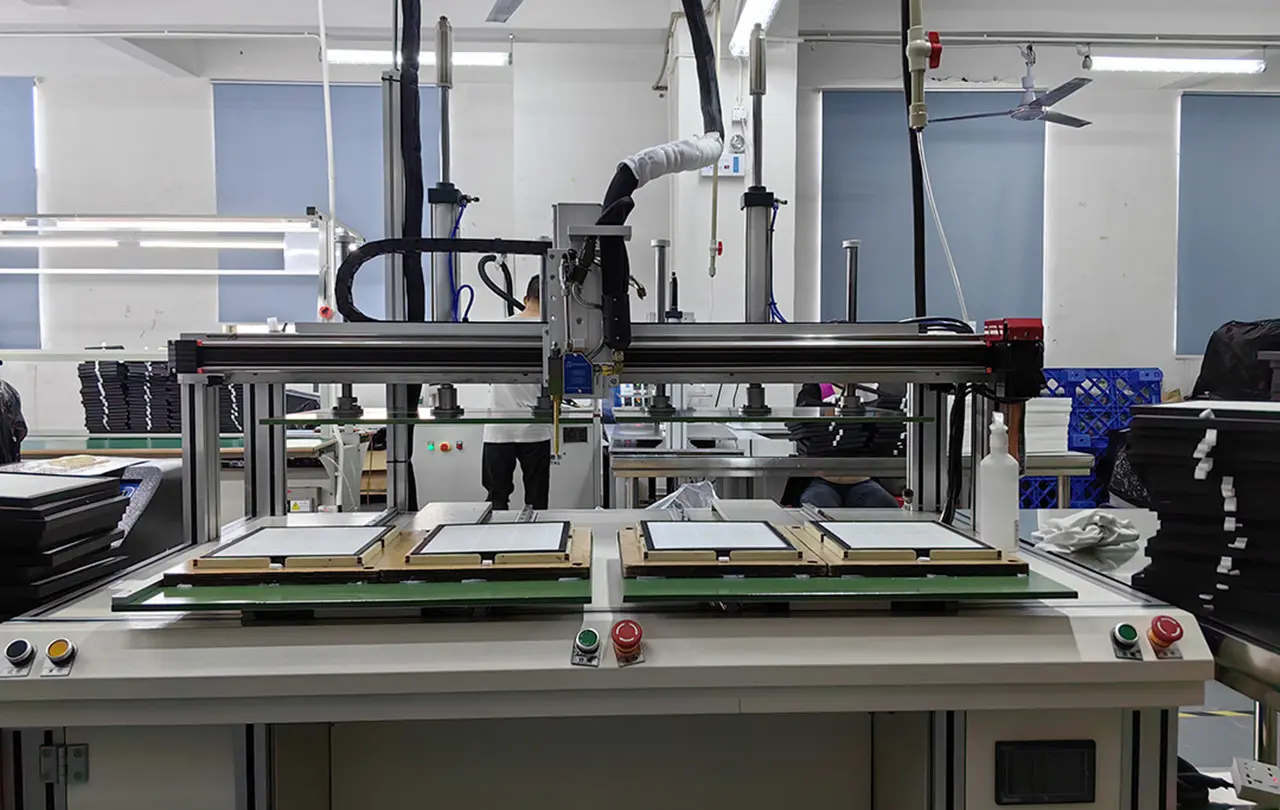
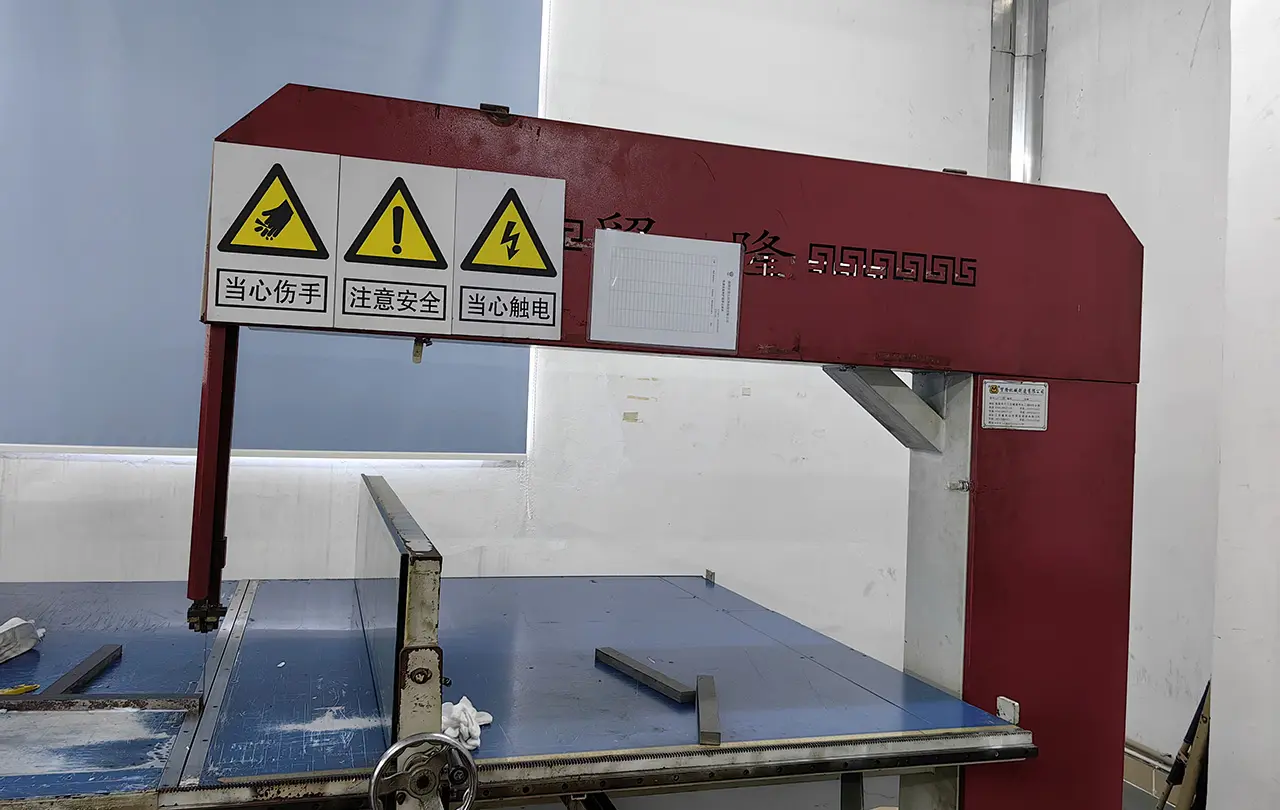
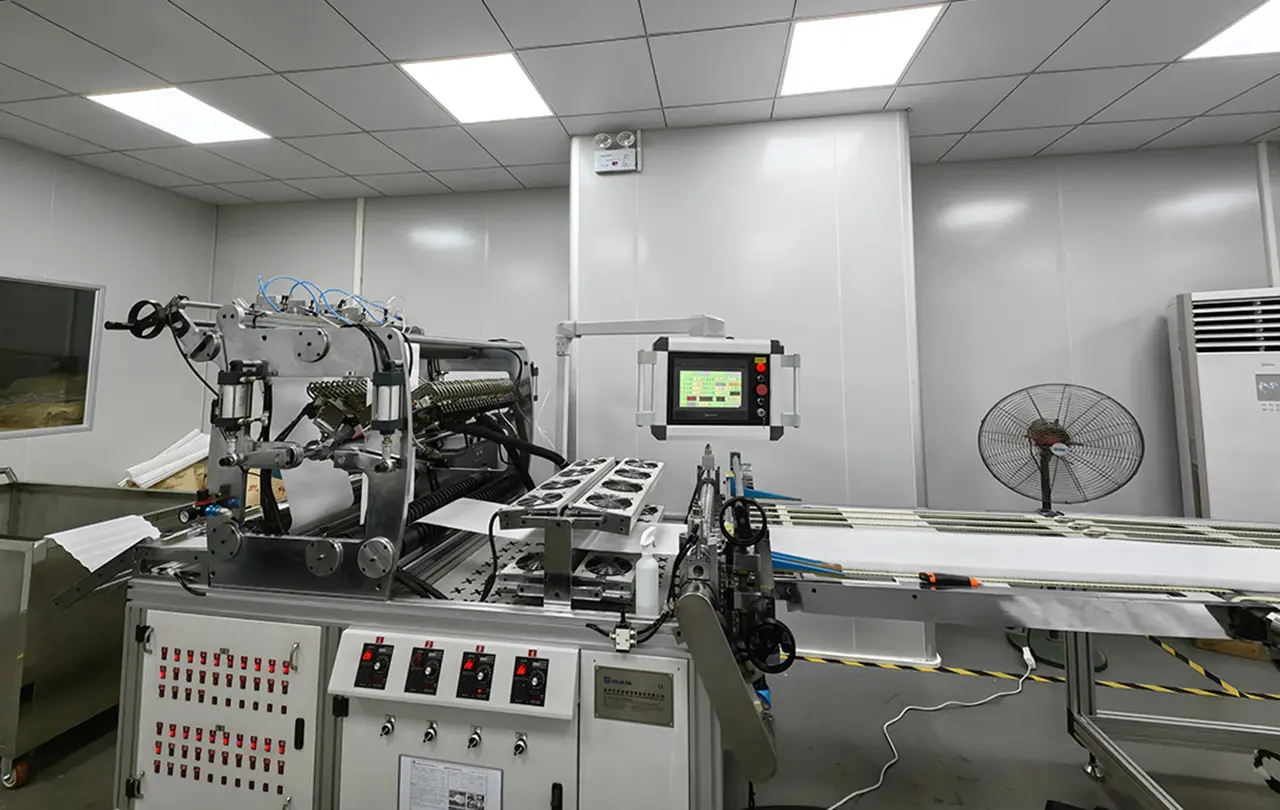
With 15 years of international air purification technology experience, we operate standardized manufacturing facilities and dust-free HEPA filter lines. Our fabrication facility features advanced machinery, including AMADA CNC punch presses, automated folding stations, and CNC bending machines. This advanced equipment ensures precision, consistency, and structural integrity across all custom filter frames and custom-pleated MERV 10 variations.
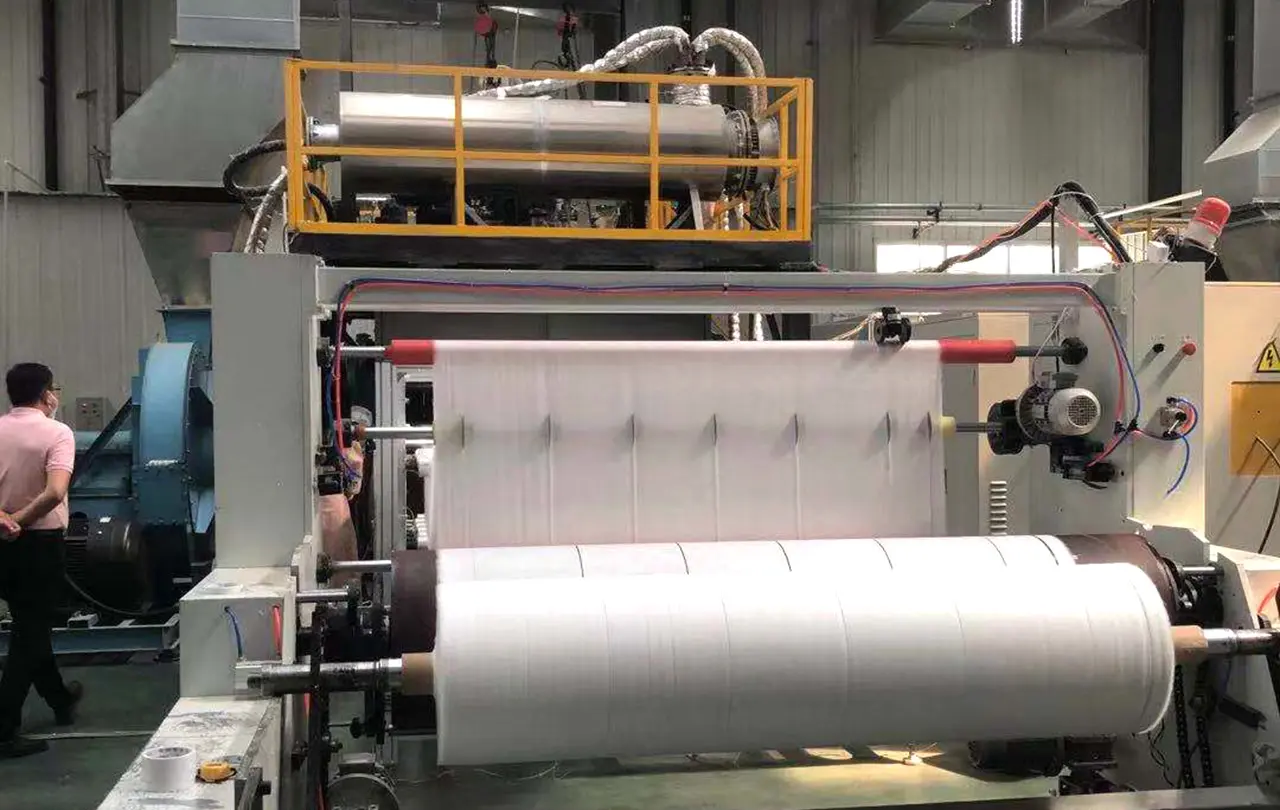
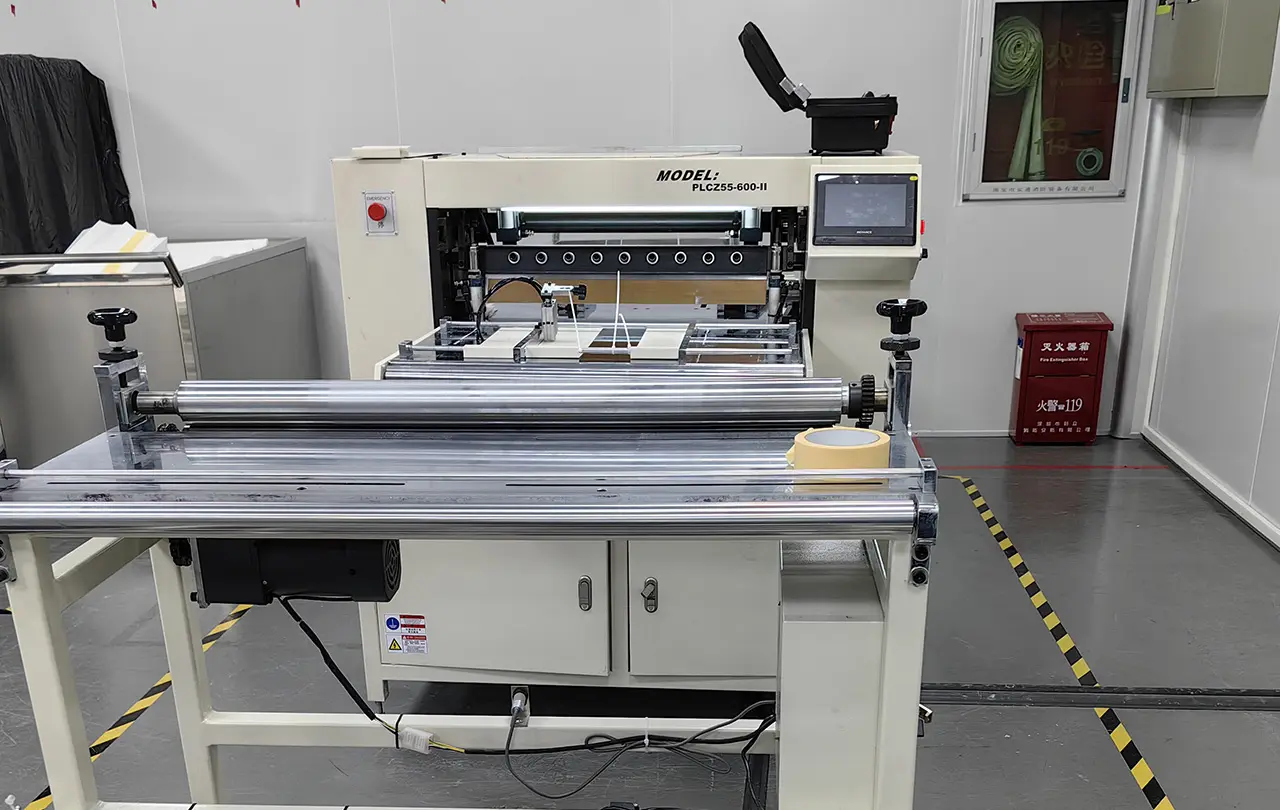
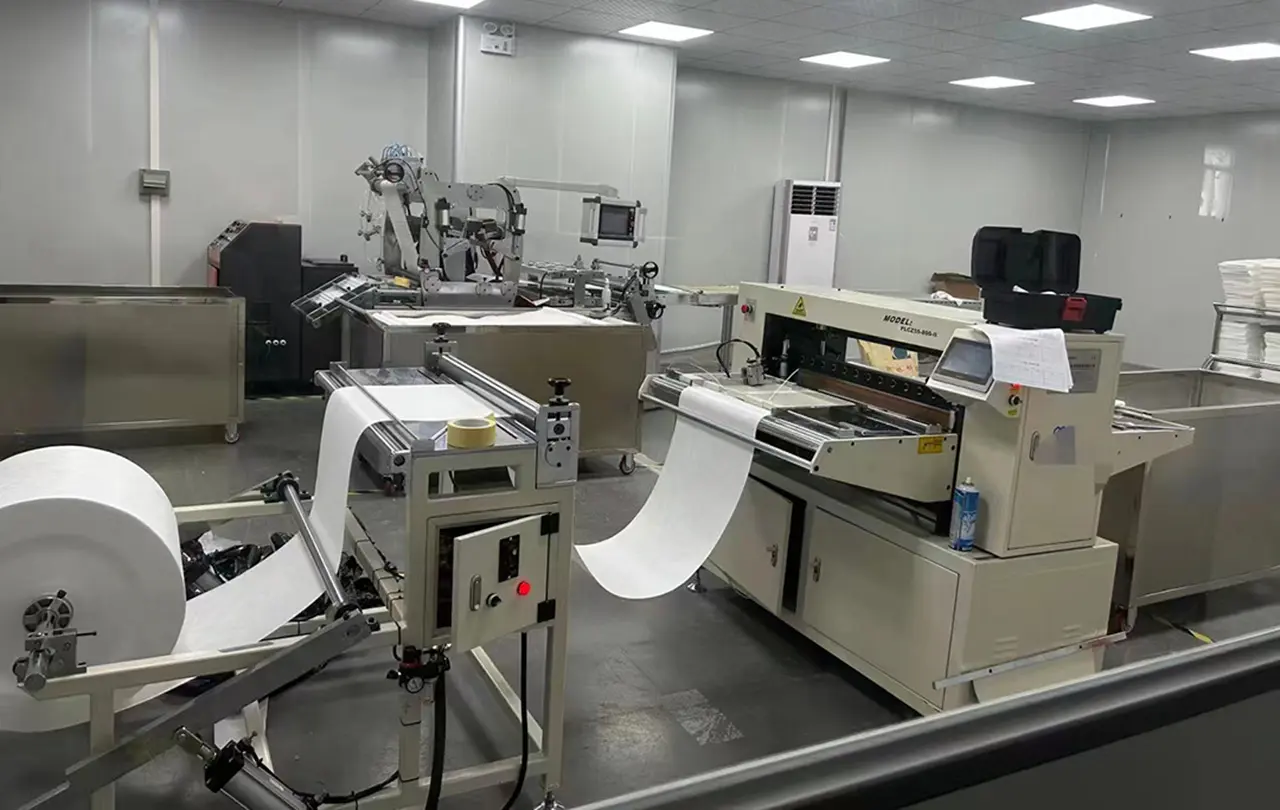
This reference guide highlights the differences in arrestance, typical applications, and average pressure drops across standard filter ratings. It illustrates why MERV 10 serves as the ideal choice for balanced performance.
| MERV Rating | Average Arrestance (1.0 - 3.0 μm) | Target Contaminants | Initial Resistance Range | Primary Commercial/Industrial Uses |
|---|---|---|---|---|
| MERV 8 | < 20% | Pollen, dust mites, sanding dust | 40 - 65 Pa | Residential HVAC, simple pre-filters |
| MERV 10 (Custom Optimized) | 50% - 64.9% | Mold spores, cement dust, paint mist | 55 - 75 Pa | Commercial buildings, paint booths, industrial pre-filtration |
| MERV 13 | > 90% (also >50% for 0.3-1.0μm) | Bacteria, droplet nuclei, smoke | 75 - 110 Pa | Hospitals, cleanrooms, advanced micro-electronics |
| MERV 15 / HEPA | > 99.97% (at 0.3 μm) | Viruses, sub-micron particulates | 120 - 250 Pa | Pharmaceutical labs, semiconductor foundries |
Different industries have unique requirements. Standard air filters often fall short because airflow rates, particulate loads, temperature variations, and chemical environments vary significantly across sectors. We address these needs with tailored solutions:
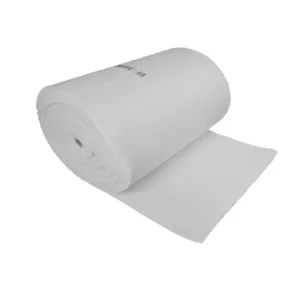
Achieving a high-quality finish requires laminar air flow and the elimination of airborne particulate contamination. Custom MERV 10 ceiling and floor filters (such as our 600G ceiling filter cotton and paint stop rolls) trap overspray particles and inlet dirt while maintaining balanced static pressure across the spray booth.
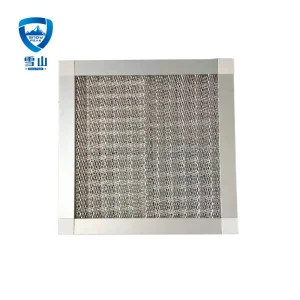
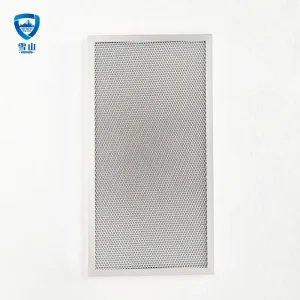
Environments with high dust loads need robust support structures. Our washable steel and aluminum mesh pre-filters protect secondary high-efficiency elements from large debris, extending their service life and optimizing system uptime.
In commercial buildings, fan energy consumption accounts for a significant portion of utility costs. Utilizing pleated synthetic media with low resistance helps facility managers achieve indoor air quality (IAQ) compliance without increasing carbon emissions or utility expenses.
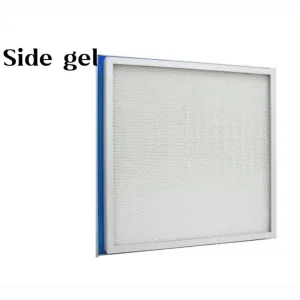
We manufacture customized dimensions to fit non-standard plenums. Our filters are built with rigid beverage board frames, galvanized wire backers, or corrosion-resistant aluminum housings to prevent frame bowing, bypass leaks, and collapse under high-velocity airflow conditions.
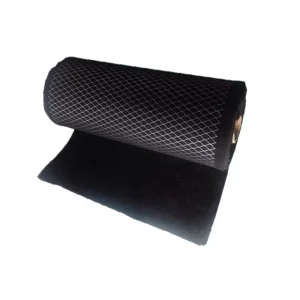
For commercial spaces dealing with volatile organic compounds (VOCs) or urban odors, we combine MERV 10 particulate filtration with activated carbon substrates. This design provides particulate capture and gas-phase molecule adsorption in a single unit.
Standard synthetic fibers lose their electrostatic charge over time, resulting in a drop in filtration efficiency. The next generation of Snow Peak MERV 10 filters uses advanced charging methods that lock in electrostatic charges, maintaining particulate capture efficiency even in high-humidity environments.
We are researching biodegradable polymer media to reduce the environmental impact of disposal. By utilizing plant-derived PLA resin composites, we aim to offer high-performance air filtration that matches traditional synthetic media while supporting corporate sustainability initiatives.
We plan to integrate passive RFID tags and differential pressure sensors directly into commercial filter frames. This allows facility operators to track pressure drop, dust accumulation, and filter life in real time through automated building management platforms.
Our manufacturing facilities are fully compliant with ISO 9001:2015 Quality Management Systems and CE marking standards, ensuring reliable performance across all product batches.
To support global enterprises, our filtration solutions are designed to align with major regional regulatory frameworks:
 Snow Peak