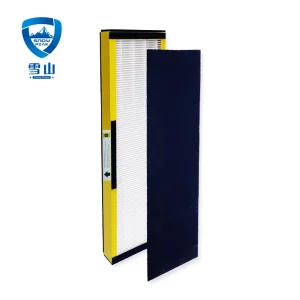
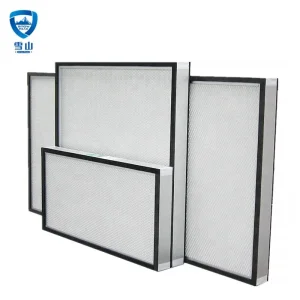
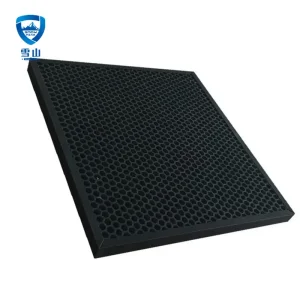
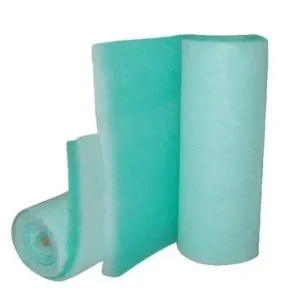
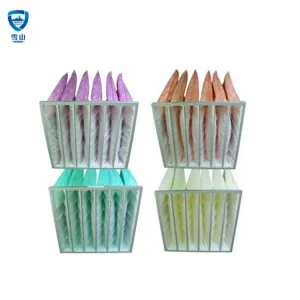
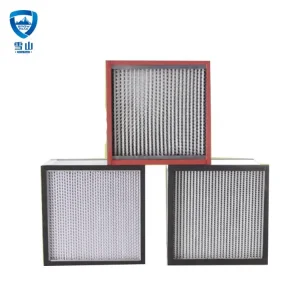
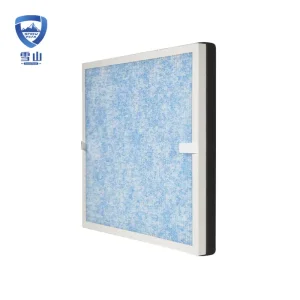
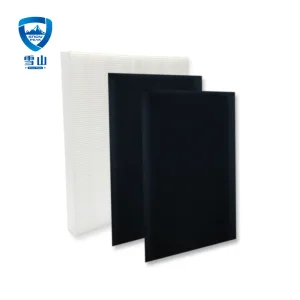
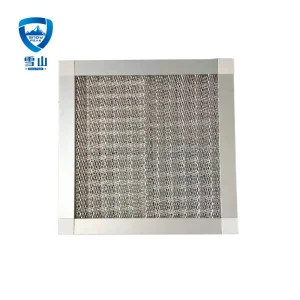
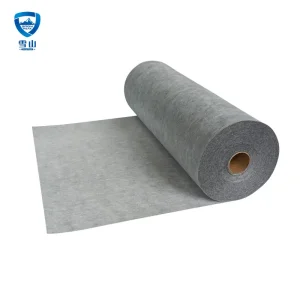
Explore our high-performance replacement filters, customized HEPA solutions, and specialty media engineered to meet strict international standards.
Why MERV 16 represents the critical threshold for high-efficiency particulate capture without the energy penalties of traditional HEPA systems.
In the hierarchy of air filtration, MERV 16 (Minimum Efficiency Reporting Value) occupies a unique and critical position. Rated under the ASHRAE 52.2 testing standard, MERV 16 filter media must capture 95% or more of particles in the 0.3 to 1.0-micron range (E1 category), as well as 95%+ of particles in the 1.0 to 10.0-micron ranges (E2 and E3). This high-efficiency performance is comparable to sub-HEPA grades (such as E11 under EN 1822), making it the absolute gold standard for applications requiring sterile or near-sterile air without the massive system static pressure drop associated with true HEPA filters.
For global procurement managers and HVAC engineers, selecting the right custom MERV 16 material is a balancing act between filtration efficiency, initial resistance (pressure drop), and dust-holding capacity (DHC). Standard filtration media often relies on thick, dense fiber structures that restrict airflow, driving up energy consumption in large-scale commercial air handling units (AHUs). Our advanced MERV 16 material utilizes a composite structure of melt-blown synthetic fibers and electrostatically charged electret media, delivering ultra-low resistance while maintaining a stable charge that captures sub-micron pathogens, bacteria, and fine dust over an extended service life.
Effectively traps airborne viruses, bacteria, and mold spores in the 0.3 to 1.0-micron range, preventing cross-contamination in critical environments.
Engineered composite structure reduces resistance to airflow, significantly lowering HVAC fan energy consumption compared to standard fiberglass media.
High dust-holding capacity (DHC) ensures that the filter maintains its MERV 16 rating throughout its operational lifecycle, reducing replacement frequencies.
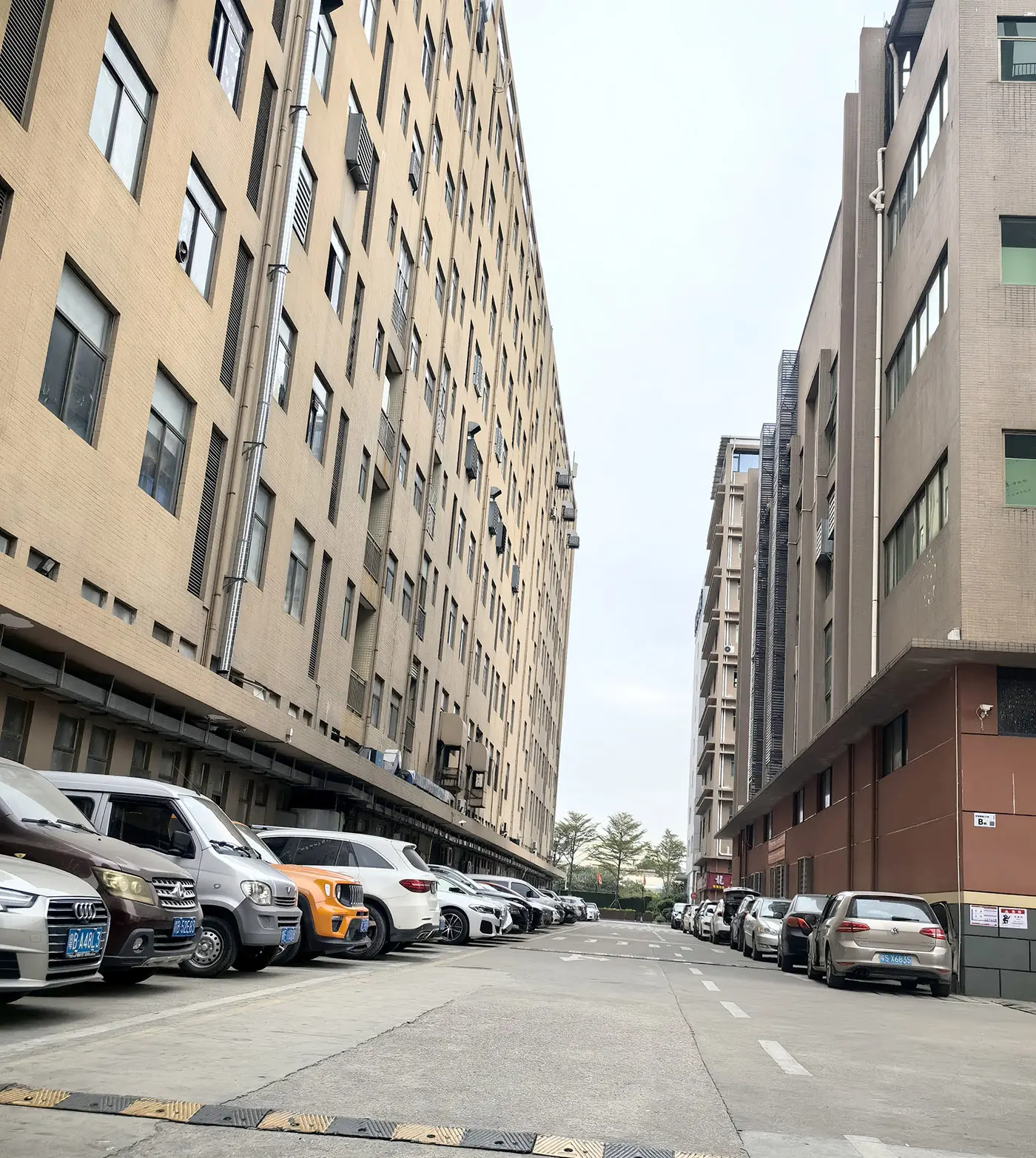
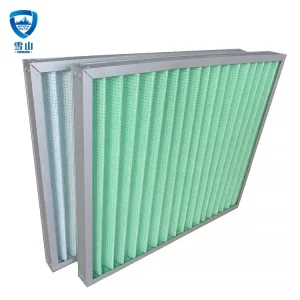
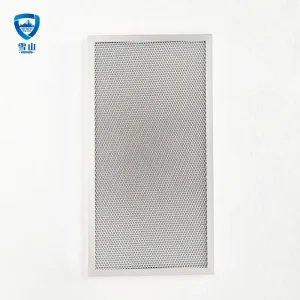
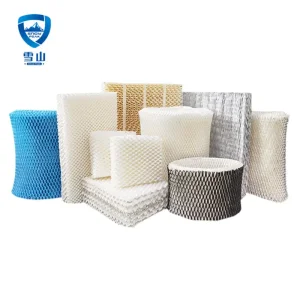
Shenzhen Snow Peak Clean Technology Co., Ltd. is an integrated high-tech enterprise, specialized in air filtration products research and development, production, sales, import and export trade. We produce and supply: Pre-filter, pocket filter, HEPA filter, chemical filter; replacement HEPA filter, car cabin air filter, humidifier filter; pocket filter media, melt-blown composite filter media, and other high-performance filter materials; provide high quality air purification solutions and products for indoor air pollution control and air conditioning systems of civil and industrial buildings, microelectronics, pharmaceutical, laboratory, school, hospital clean room etc.
Combined with self-developed patented technology, our sterilizing antiviral HEPA filter can effectively filtrate fine particles, so that PM2.5 concentration down to 10 micrograms/m3, 5 times better than national standard; effectively inhibit the breeding of microorganisms, sterilization rate up to 99.9%, and no secondary pollution, removal of H1N1 virus efficiency as high as 99.99%.
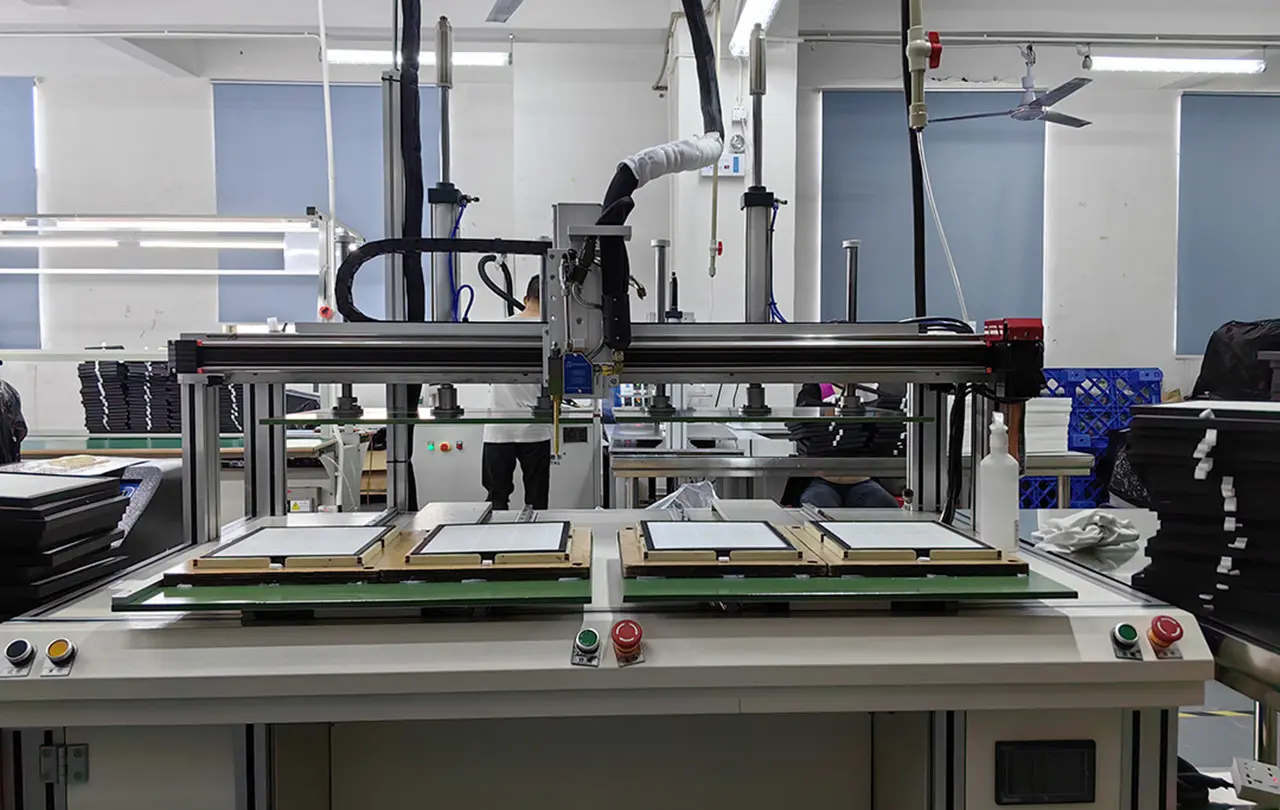
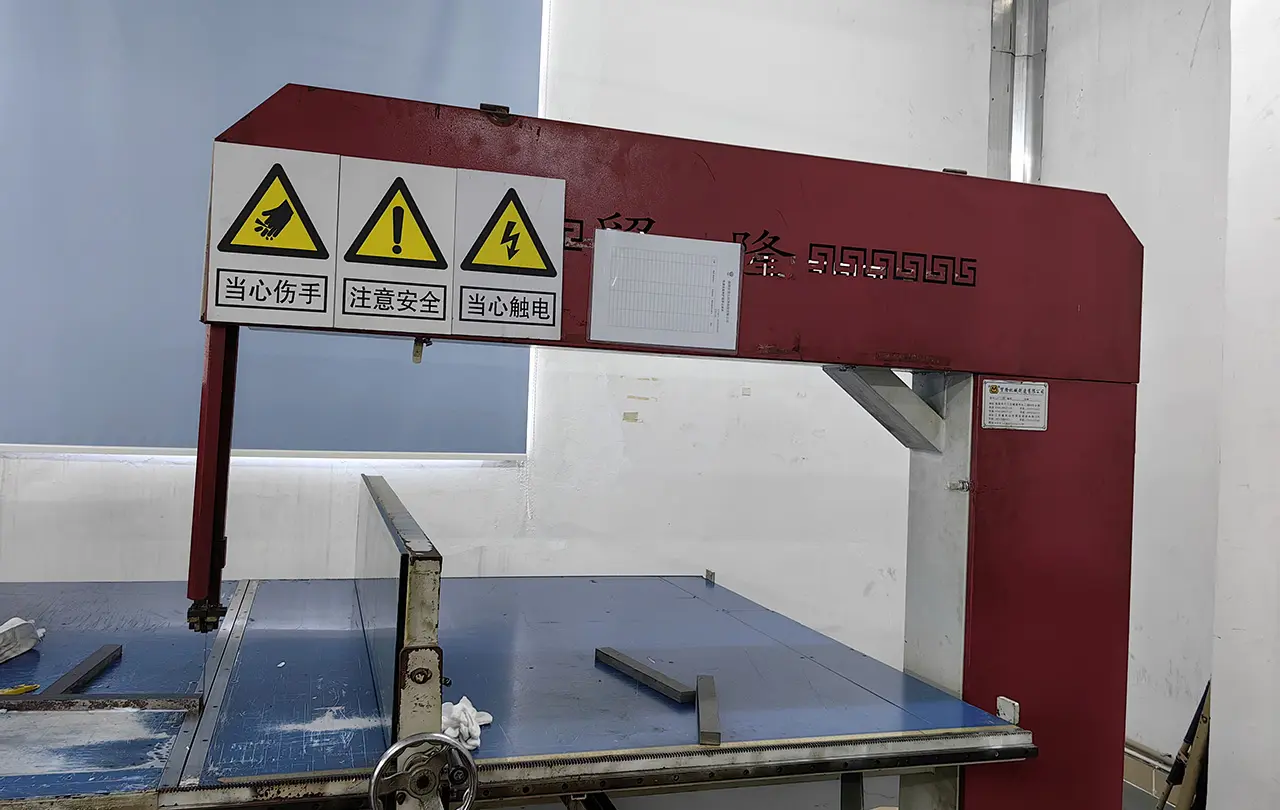
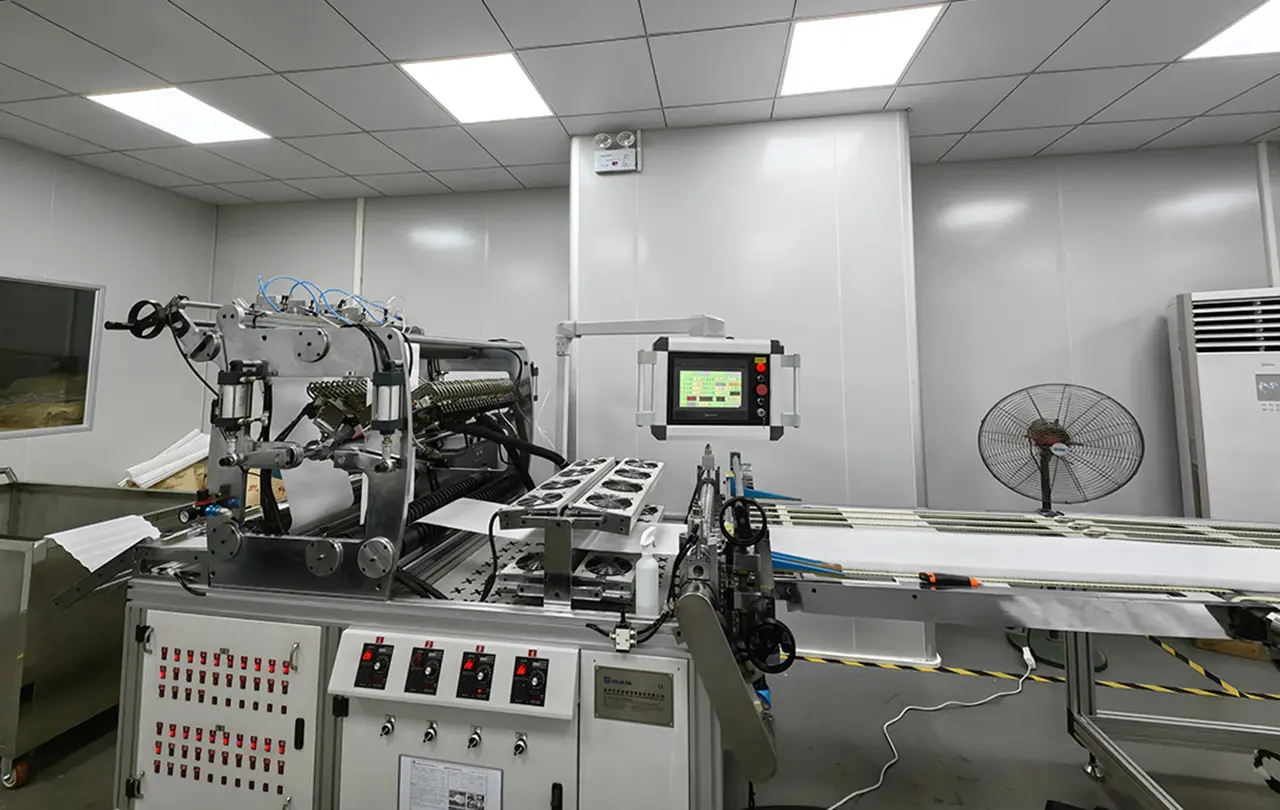
Having 15 years of international air purification technology experience as the background, our company has standardized production workshop, dust-free filter workshop and first-class technology of HEPA filters production line and inspection line, independent research and development of fully automatic air filter production line, equipped with AMADA CNC punch and CNC bending machine as well as many other advanced high-end equipment, provide a strong guarantee for production and quality of air filtration and purification products.
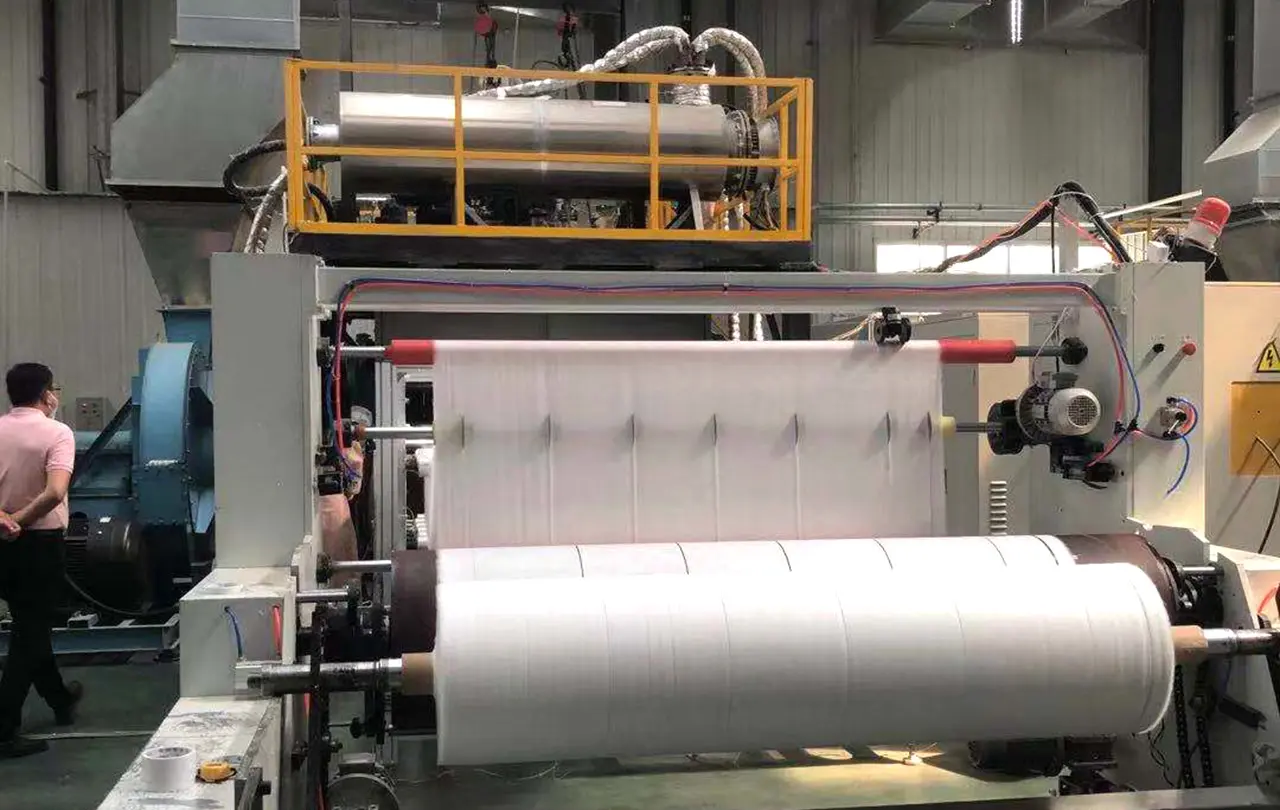
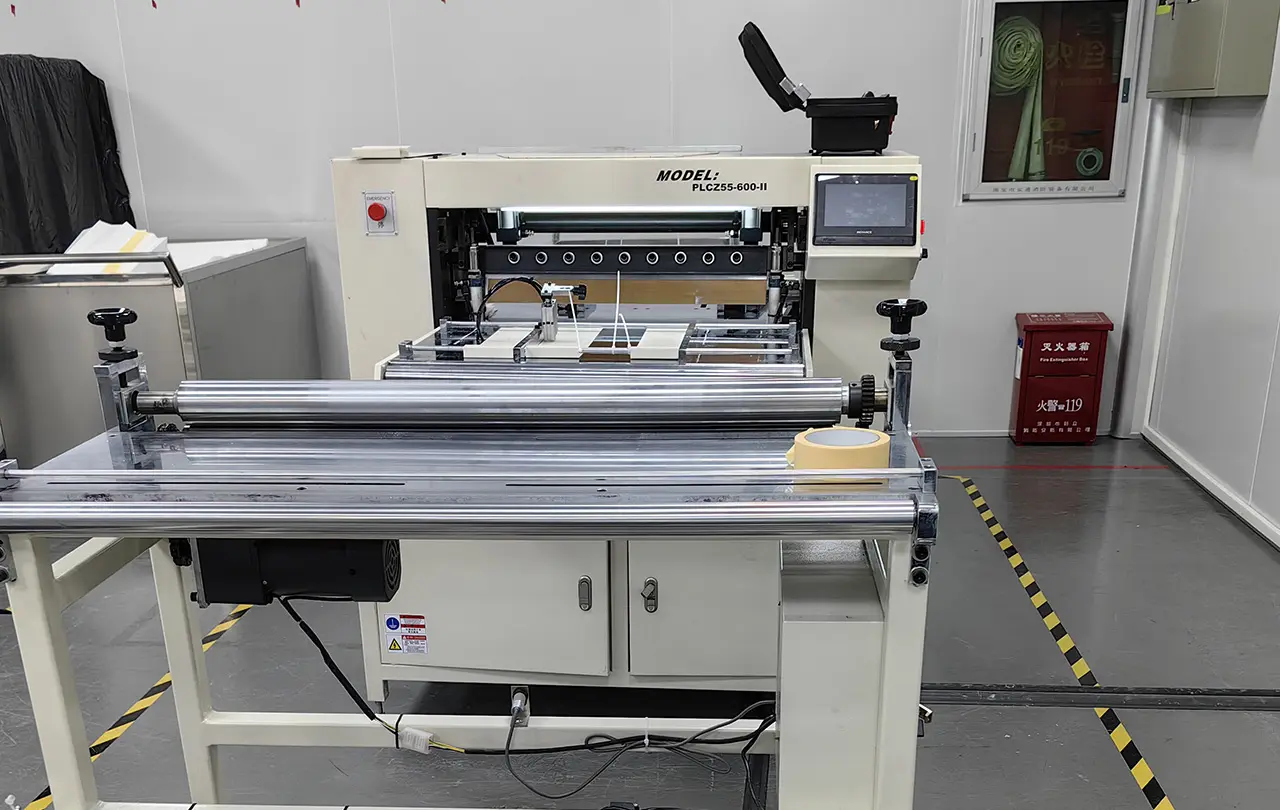
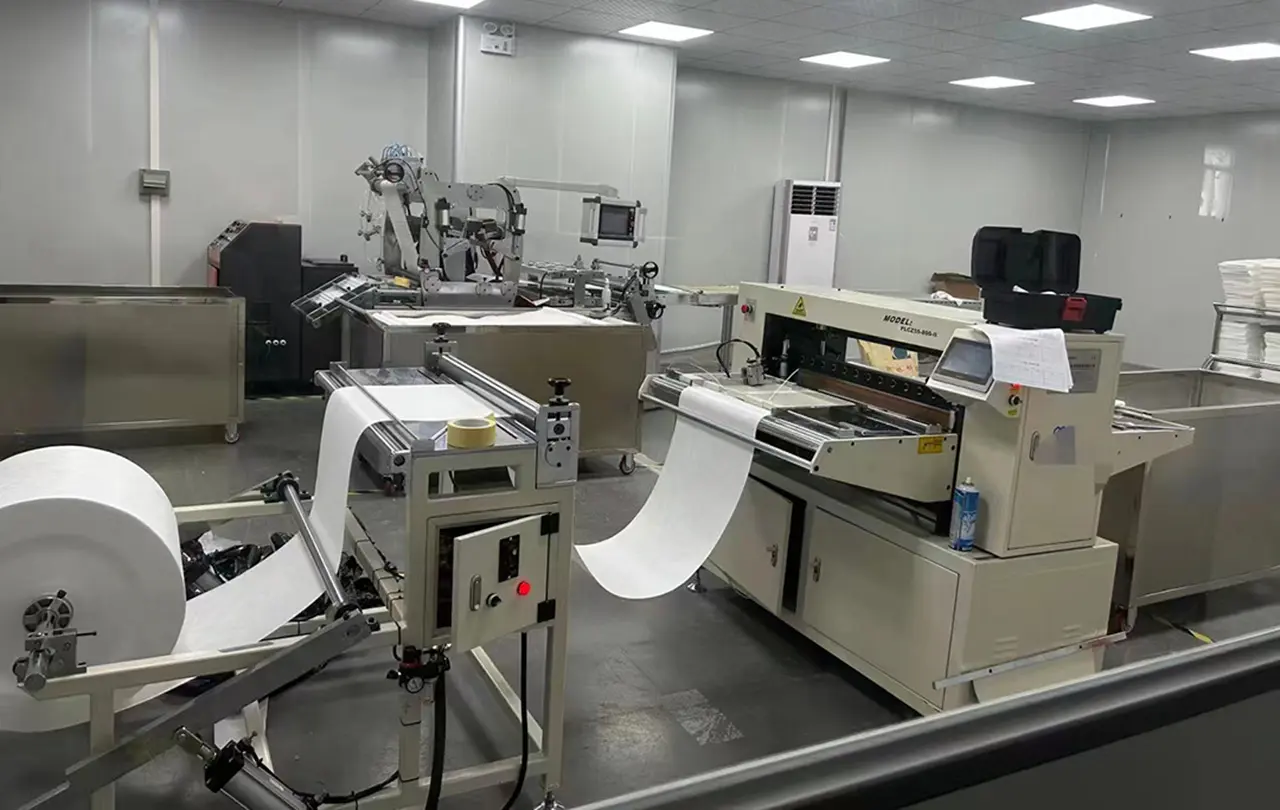
How international buyers optimize their supply chains by sourcing custom roll goods and finished MERV 16 filters.
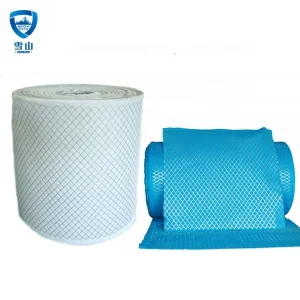
Global HVAC manufacturers and filter converters frequently face the choice between importing finished MERV 16 filters or sourcing raw roll goods for local assembly. Sourcing custom MERV 16 roll goods allows local factories to optimize shipping volumes, reduce import tariffs, and quickly adapt to custom dimensions requested by regional clients. We support both pathways, offering master rolls in widths ranging from 300mm to 2400mm, with customizable basis weights and mechanical backing options (such as wire mesh lamination or synthetic scrims).
Every commercial HVAC system and air purifier has unique mechanical constraints. We work closely with procurement teams to customize the physical and aerodynamic properties of our MERV 16 material. This includes adjusting the pleat depth, pleat spacing, and adding specialized layers such as activated carbon for odor control, or antimicrobial coatings for medical-grade applications. Our engineering team ensures that all custom runs meet the exact pressure drop thresholds required by your system's fan curves.
Deploying MERV 16 filtration technology across critical sectors to guarantee air purity and regulatory compliance.
In clinical settings, MERV 16 filters serve as critical pre-filters for HEPA systems or as the primary filter in general wards. They capture droplet nuclei carrying infectious agents, helping facilities comply with CDC and ASHRAE guidelines for infection control.
Precision manufacturing requires strict control over airborne molecular contamination (AMC) and sub-micron particulates. Our MERV 16 media protects sensitive HEPA/ULPA terminal filters, extending their lifespan and preventing costly cleanroom downtime.
With the rise of wildfire events globally, commercial buildings require filtration that can handle heavy loads of fine particulate matter (PM2.5 and PM1.0). MERV 16 provides the ideal protection level to maintain indoor air quality (IAQ) during extreme outdoor pollution events.
How next-generation material science is shaping the future of high-efficiency air filtration.
The future of air filtration lies in the optimization of the Quality Factor (QF), a metric that defines the relationship between filtration efficiency and pressure drop. Traditional mechanical filtration media relies on thick fibers that create high resistance. Our R&D roadmap focuses on three primary pillars to redefine MERV 16 performance:
Navigating the regulatory landscape of air filtration across different global markets.
While North American markets rely heavily on the MERV rating system defined by ASHRAE 52.2, European and international markets have transitioned to the ISO 16890 standard. A MERV 16 rating corresponds closely to the ISO ePM1 ≥ 95% classification. This means the filter is capable of capturing more than 95% of particles smaller than 1.0 micron. Our testing laboratory is equipped to qualify materials under both standards, ensuring seamless compliance for global distribution.
Every batch of our custom MERV 16 material undergoes rigorous quality control protocols. We utilize calibrated TSI 8130 automated filter testers to measure initial fractional efficiency and pressure drop. Our manufacturing facilities are certified under ISO 9001:2015, and our products carry CE certifications, UL 900 flammability ratings, and comply with RoHS and REACH environmental directives, guaranteeing safety and reliability for your end-users.
Get expert answers to common technical and procurement questions regarding MERV 16 materials.
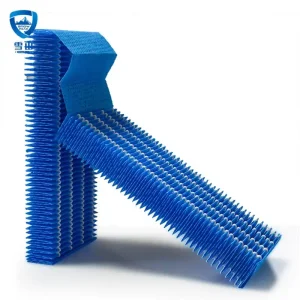
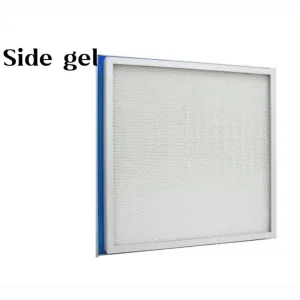
From pocket filters to high-temperature HEPA solutions, we manufacture high-quality products for diverse industrial needs.
 Snow Peak