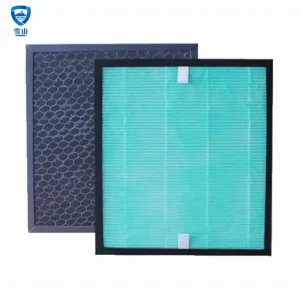
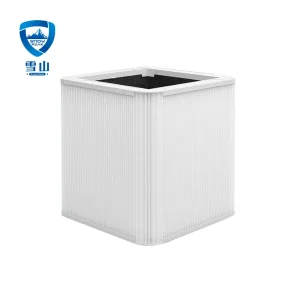
Explore our high-performance filtration modules engineered to meet strict international standards including ISO, CE, and ASHRAE classifications.
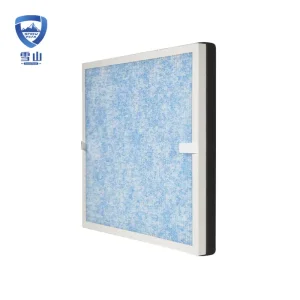
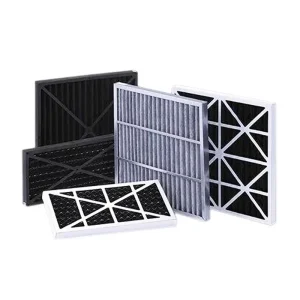
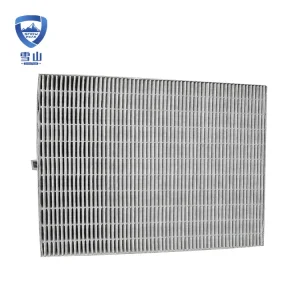
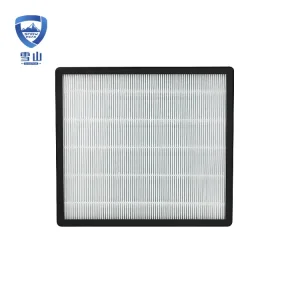
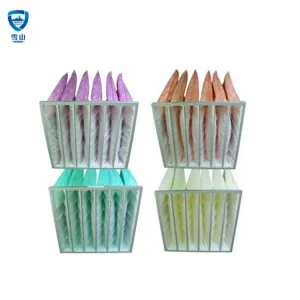
In modern industrial ventilation and indoor air quality management, AHU Carbon Filters (Air Handling Unit Activated Carbon Filters) represent the primary defense against gas-phase molecular contaminants, volatile organic compounds (VOCs), acid vapors, ozone, and biological odors. Unlike particulate filters (such as G4 pre-filters or H13 HEPA modules) which mechanically screen physical dust and microbial aerosols, molecular carbon filters operate on the molecular scale using physical adsorption (Van der Waals forces) and chemical adsorption (chemisorption).
As industrialization deepens and environmental standards become more strict globally, high-capacity carbon molecular filters are no longer luxury options—they are critical infrastructure assets. The selection of media substrate, honeycomb configuration, structural framing, and low-bypass sealing solutions directly correlates with operational energy costs, air handling efficiency, and down-stream manufacturing cleanliness.
While standard activated carbon relies on high internal surface areas (typically 1000–1200 m²/g) to capture neutral VOCs like toluene and benzene, target chemical substances such as hydrogen sulfide (H₂S), sulfur dioxide (SO₂), ammonia (NH₃), and formaldehyde require custom chemical impregnations (e.g., potassium permanganate, phosphoric acid, or metal oxides). Utilizing customized compound media guarantees prolonged filter lifetimes and avoids rapid breakthrough curves in specialized settings like pharmaceutical cleanrooms and wastewater treatment plants.
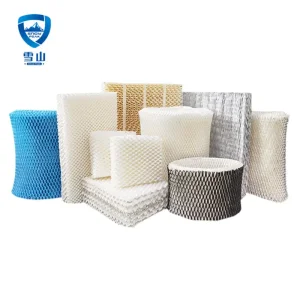
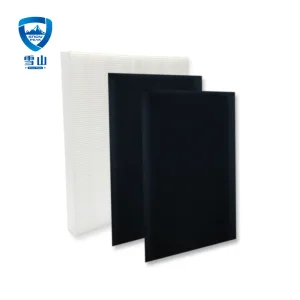
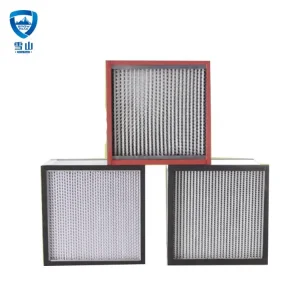
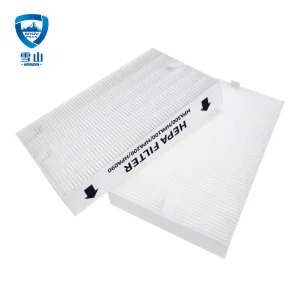
Shenzhen Snow Peak Clean Technology Co., Ltd. is a premier integrated high-tech enterprise, specialized in air filtration products research, development, engineering design, production, distribution, and international trade operations. With deep industry roots, we manufacture and supply comprehensive commercial-to-industrial filtration products, including: Pre-filters, pocket bag filters, HEPA filters, chemical gas-phase carbon filters, replacement consumer HEPA components, automotive cabin cabin air filters, evaporative humidifier wick media, pocket filter medias, and advanced melt-blown composite materials.
Our core mission is delivering advanced air purification solutions for highly demanding facilities. These span indoor residential/civil buildings, massive public commercial centers, microelectronics fabs, pharmaceutical facilities, biological laboratories, educational institutions, clean operating rooms, and general HVAC settings.
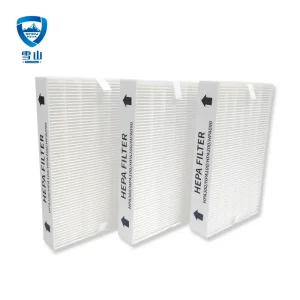
By leveraging our proprietary, self-developed patented technology, our sterilizing and antiviral HEPA and carbon composite filters target multi-dimensional pollutants. The advanced media configuration reduces PM2.5 concentrations down to 10 micrograms per cubic meter—exceeding national clean air baselines by 5 times. Our anti-microbial treatments achieve an active sterilization rate of 99.9% without secondary outgassing or chemical leakage, demonstrating an engineered H1N1 virus removal efficiency of 99.99%.
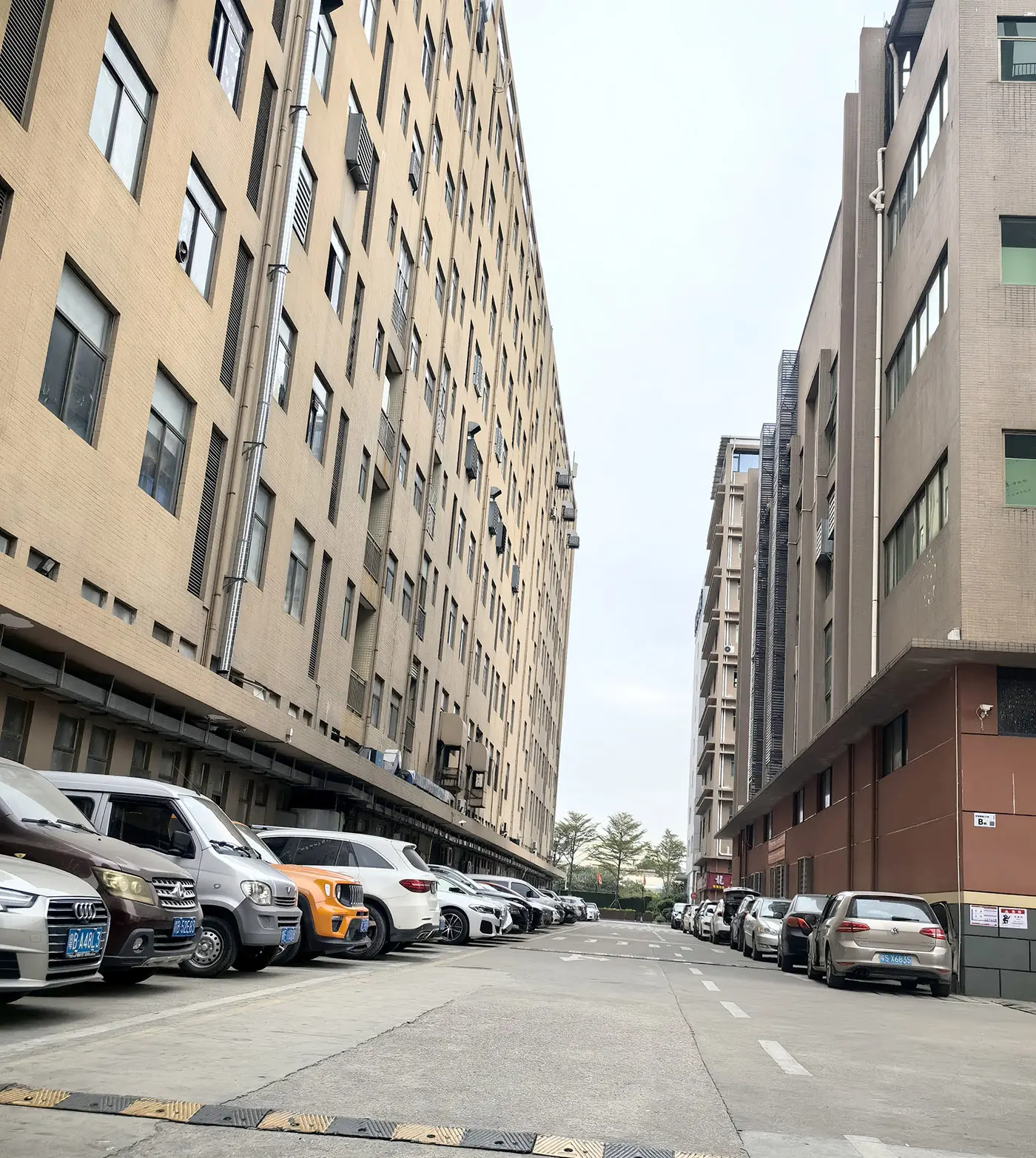
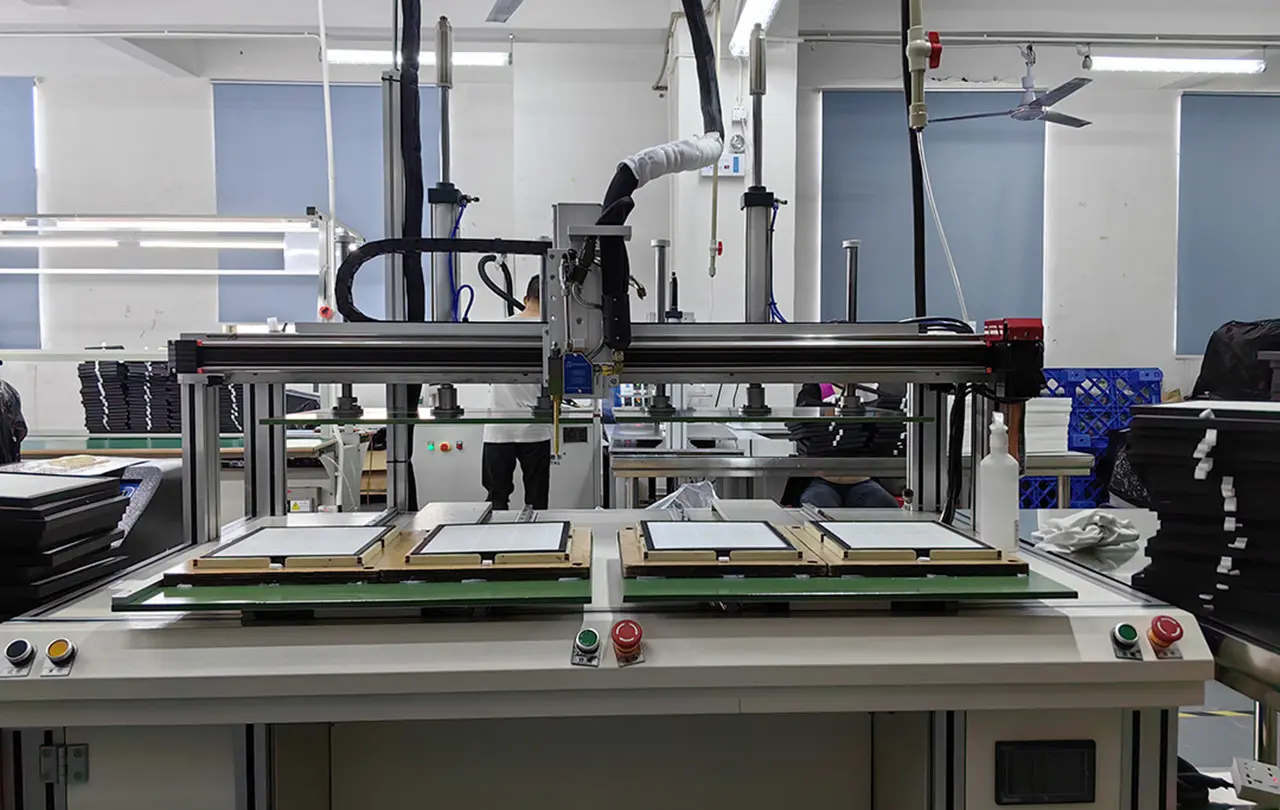
Behind our clean air guarantee lies a cutting-edge production matrix that blends automated robotics, precision metalworking, and strict cleanroom-compliant QA protocols.
Utilizing our 15 years of international air purification engineering experience, Shenzhen Snow Peak Clean Technology Co., Ltd. operates state-of-the-art production environments. This includes standardized manufacturing zones, highly controlled dust-free filter assembly lines, and advanced testing setups designed to replicate real-world industrial environments.
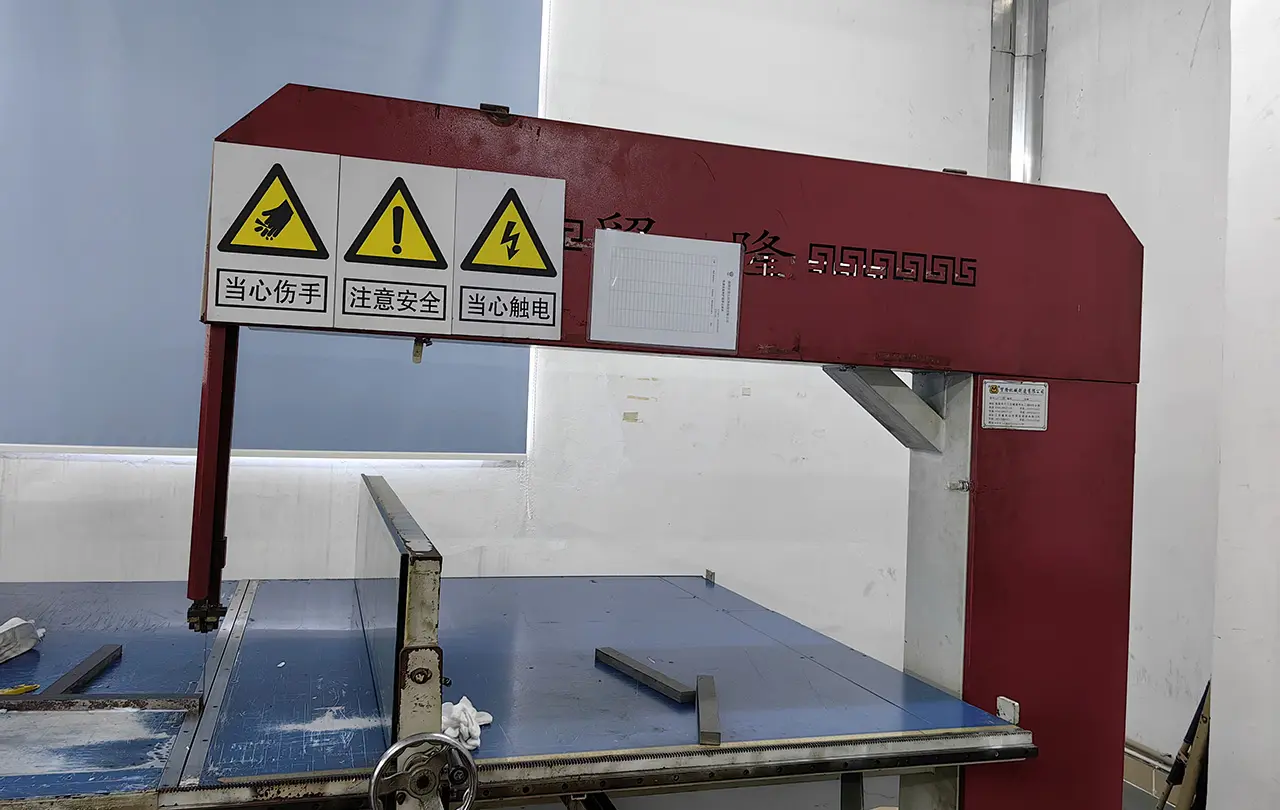
Our facility integrates automated mechanical manufacturing configurations alongside premium sheet metal fabricators like AMADA CNC punches and AMADA CNC bending machines. This industrial machinery allows us to build heavy-duty galvanized steel, stainless steel, or aluminum structural frames with absolute dimensional accuracy, guaranteeing leak-proof seals in heavy-duty AHU arrangements.
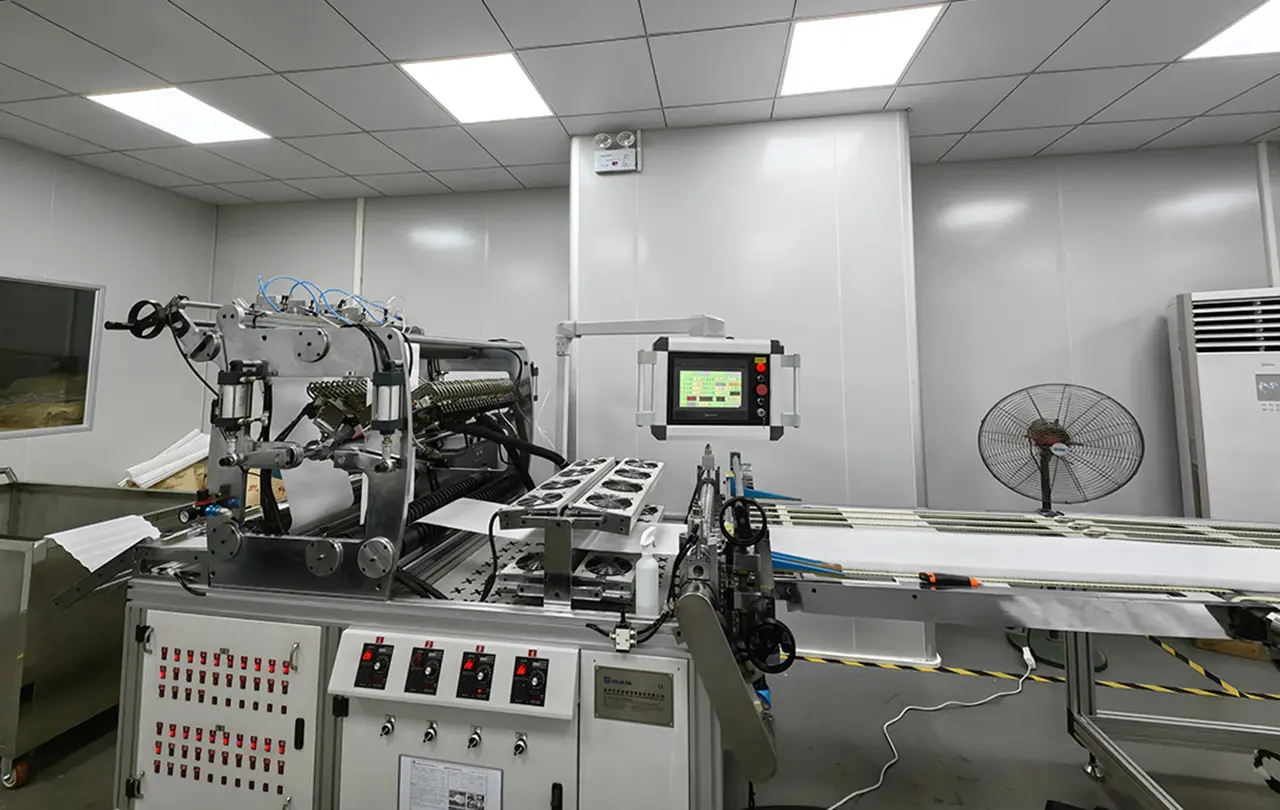
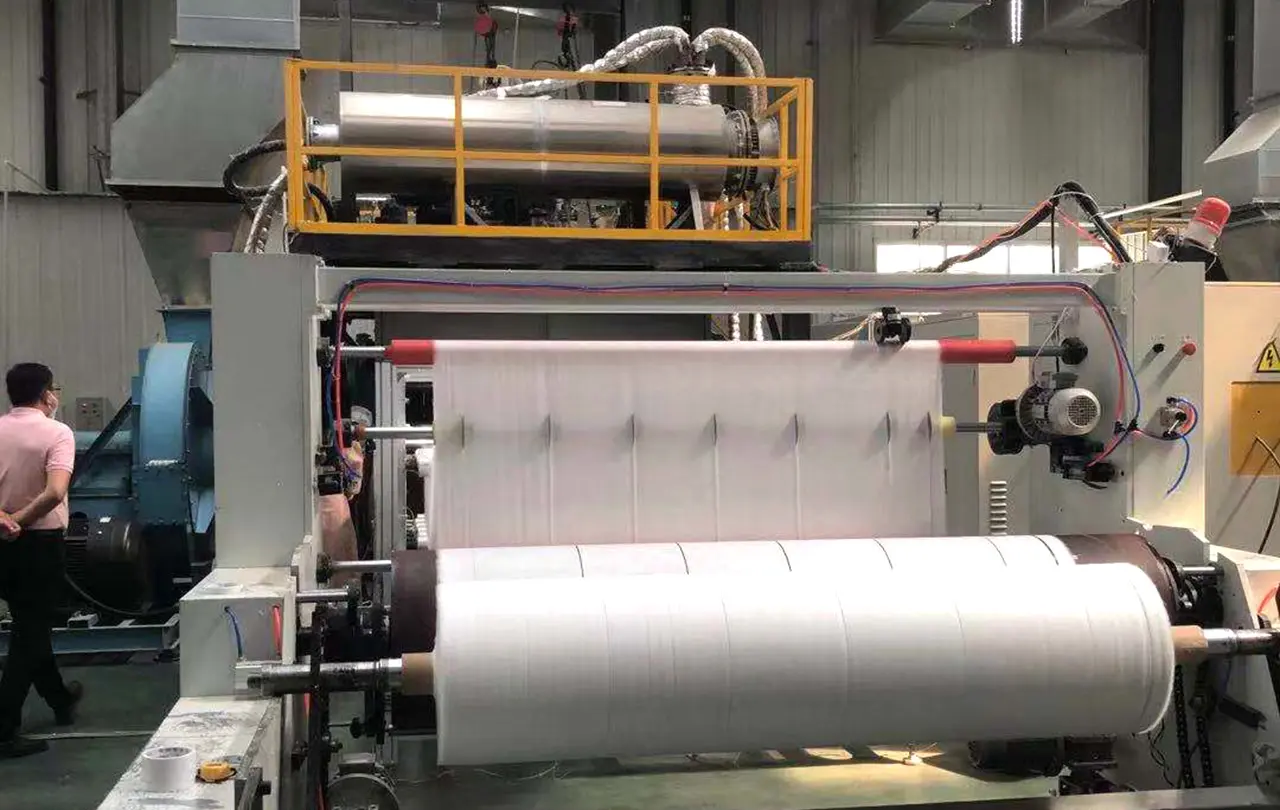
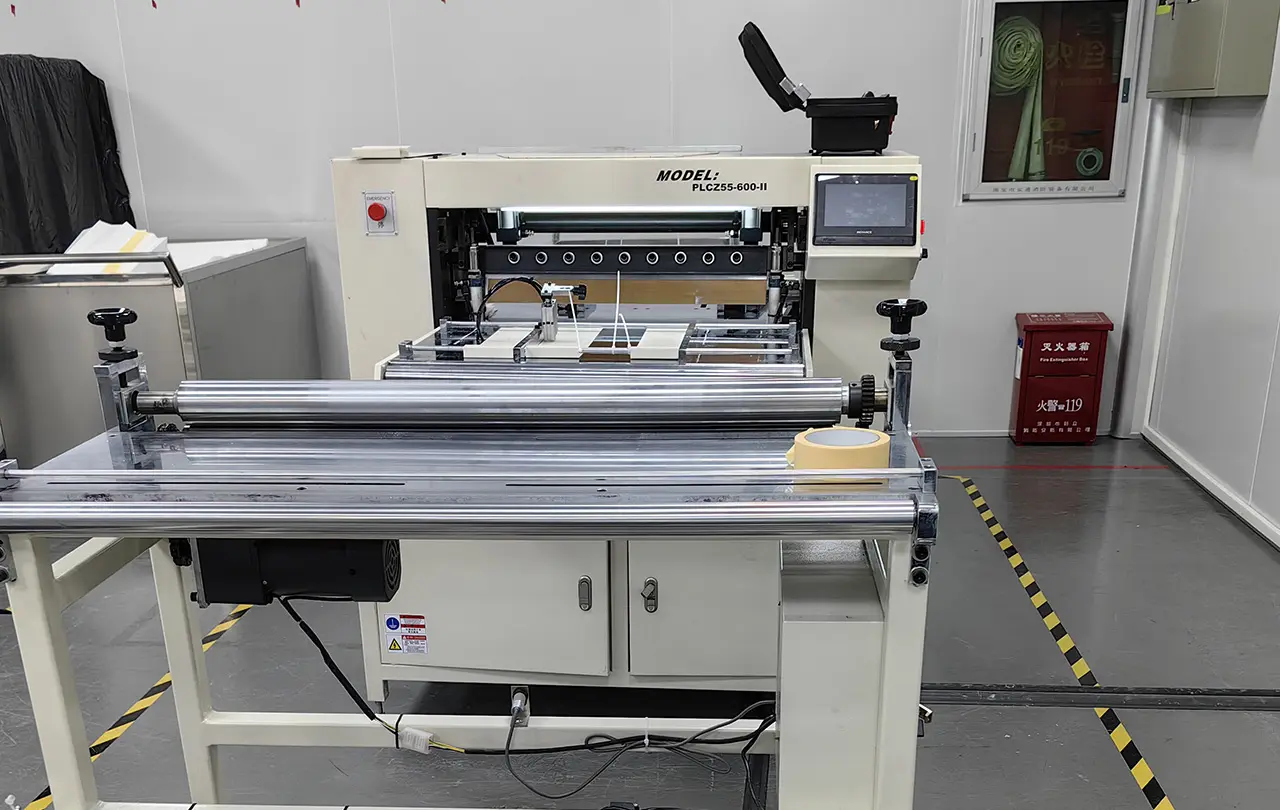
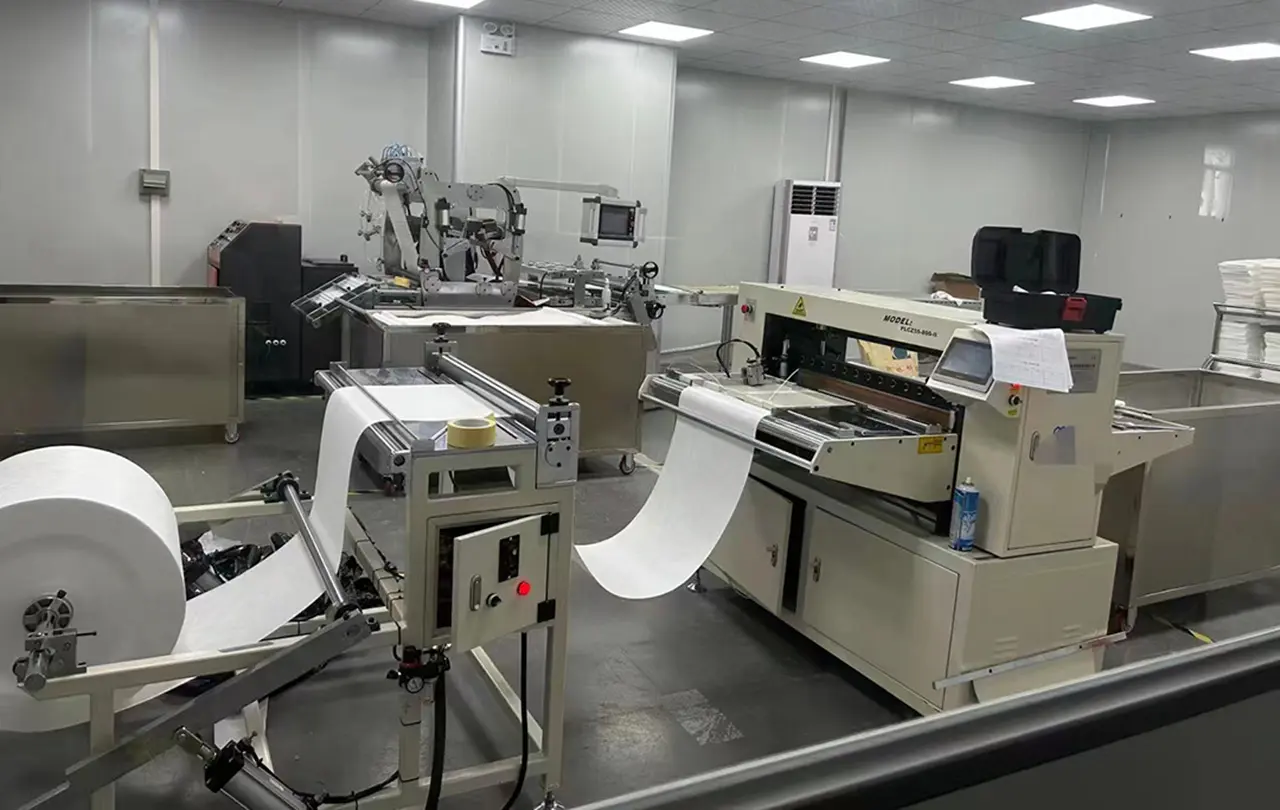
Sourcing industrial AHU carbon filters directly from a primary China-based high-tech factory like Shenzhen Snow Peak offers global industrial buyers significant supply chain advantages.
From primary active carbon activation (coconut shell, coal-based, wood-based) to high-speed polymer melt-blowing and robotic pleating, all operations are managed under one roof, reducing lead times and handling costs.
Every batch of activated carbon is rigorously evaluated for CTC (carbon tetrachloride) absorption, ash content, and particle size distribution. Completed filter assemblies undergo fractional efficiency checks and pressure drop testing.
Leveraging in-house CNC sheet metal manufacturing and advanced pleating systems, we quickly customize dimensions, media volumes, and framing styles to meet specialized HVAC configurations.
Our carbon filtration assemblies protect equipment, processes, and people across diverse micro-climates and hazardous environments.
Semiconductor production is highly sensitive to airborne molecular contamination (AMC). Trace acidic gases (like HF, HCl), basic compounds (like NH₃), and condensable organic vapors can deposit onto wafer surfaces, causing structural faults. Our low-outgassing, custom-impregnated honeycomb carbon filters remove AMCs down to parts-per-trillion (ppt) levels, shielding delicate photolithography lines.
Managing cross-contamination, volatile solvent emissions, and toxic vapors is vital in biological research. Combining Snow Peak's patented antiviral HEPA technology with active carbon media creates a dual-action defense. This combination captures sub-micron viral vectors and neutralizes chemical odors in laboratory exhaust systems.
Metropolitan commercial centers must process outdoor air containing high concentrations of vehicular combustion emissions, including sulfur dioxide (SO₂), nitrogen oxides (NOx), ozone (O₃), and fine particulates (PM2.5). Our high-flow panel carbon filters optimize indoor air quality (IAQ) and maintain low initial static pressure, reducing energy consumption in building ventilation systems.
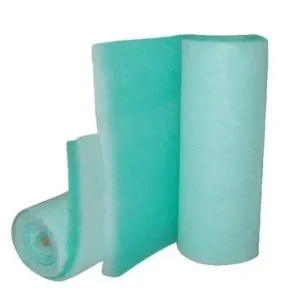
High-volume coating and solvent-based operations release significant amounts of VOCs. In these settings, G2-G4 fiberglass paint stop floor rolls are combined with OEM VOC-removal carbon filters. This configuration captures sticky paint overspray and adsorbs gaseous chemical hydrocarbons, protecting the surrounding environment and complying with local emission standards.
The molecular air filtration sector is transitioning from traditional, heavy deep-bed carbon systems to lighter, highly efficient, and low-pressure-drop composite modules. This evolution is driven by global sustainability standards and the need for energy conservation in HVAC operations.
| Filter Parameter | Honeycomb Activated Carbon Filters | Sandwich Type Carbon Fabric Filters | Deep-Bed Granular Carbon Filters |
|---|---|---|---|
| Primary Target Pollutants | Broad VOCs, Trace Odors & Light Gases | Low-concentration VOCs, Ozone, Formaldehyde | High-concentration Acid Gases & Toxic Chemicals |
| Pressure Drop (Pa @ 2.5 m/s) | Extremely Low (35 - 60 Pa) | Low (45 - 80 Pa) | High (120 - 220 Pa) |
| Adsorption Lifetime | Medium to Long (depending on cell density) | Short to Medium (fast saturation) | Extremely Long (high carbon volume) |
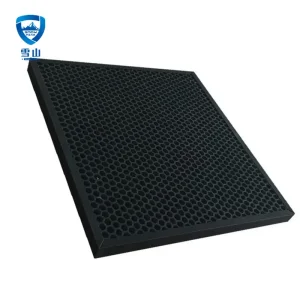
| Typical Configurations | Plastic or Cardboard Honeycomb Frame | Mini-Pleated media with Wire Mesh Support | Heavy-duty V-Bank or Metal Panel canisters |
| Primary Target Industries | HVAC, Air Purifiers, Commercial Buildings | Cleanrooms, Consumer Air Purifiers | Chemical Processing Plants, Wastewater Sites |
Testing molecular air purification systems under the ISO 10121 standard provides buyers with objective data regarding gas-phase filter performance. ISO 10121-1 and 10121-2 define testing protocols for media and full-size filter elements. They evaluate filters against four primary gases: acid gases (represented by SO₂), basic gases (represented by NH₃), VOCs (represented by Toluene), and low-boiling-point aldehydes (represented by Formaldehyde). Selecting elements certified to these standards ensures reliable, predictable performance throughout the filter's operational lifespan.
Global supply chain professionals should evaluate these critical technical metrics when sourcing industrial carbon filtration units.
Carbon Tetrachloride (CTC) adsorption measures the loading capacity of activated carbon. Look for carbon media with a CTC rating of 60% to 80% to ensure optimal adsorption performance.
High resistance increases fan power consumption. Opt for pleated composite designs or honeycomb configurations that maximize surface area while maintaining initial pressure drop below 80 Pa.
Frame rigidity is essential to prevent air bypass. Select heavy-duty galvanized steel, anodized aluminum, or rigid impact-resistant ABS frames featuring double-lipped airtight gaskets.
Ensure that binder resins, hot-melt adhesives, and construction sealants do not release secondary organic compounds (VOCs) that could contaminate cleanroom processes.
Expert answers to common engineering questions regarding molecular air purification technologies.
Review our certified containment and molecular air filtration products designed for commercial and industrial ventilation systems.
 Snow Peak