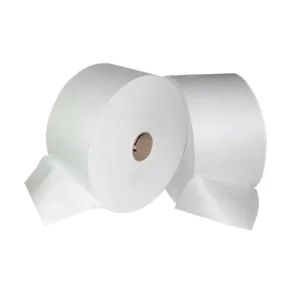
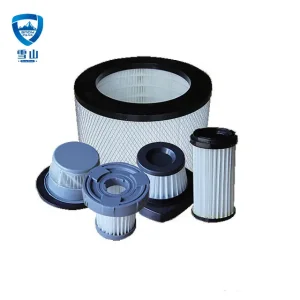
Engineered for high filtration efficiency, minimal pressure drop, and exceptional lifetime stability. Click to browse specific technical parameters.
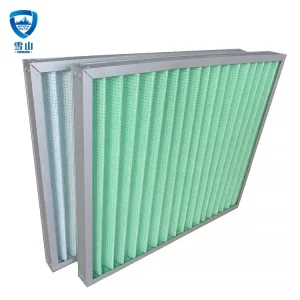
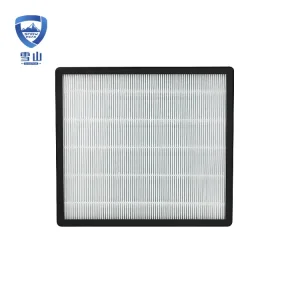
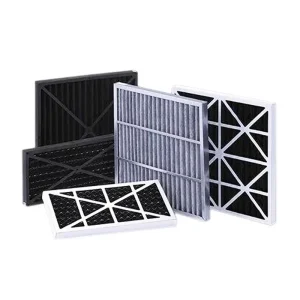
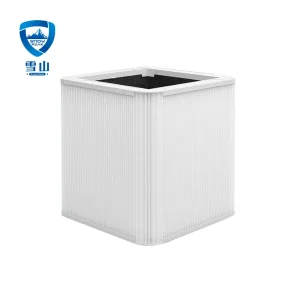
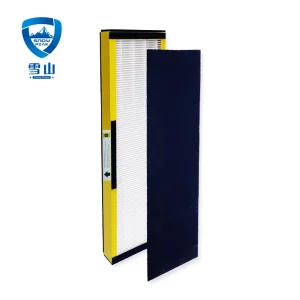
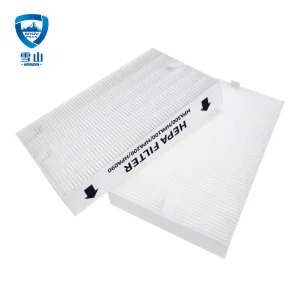
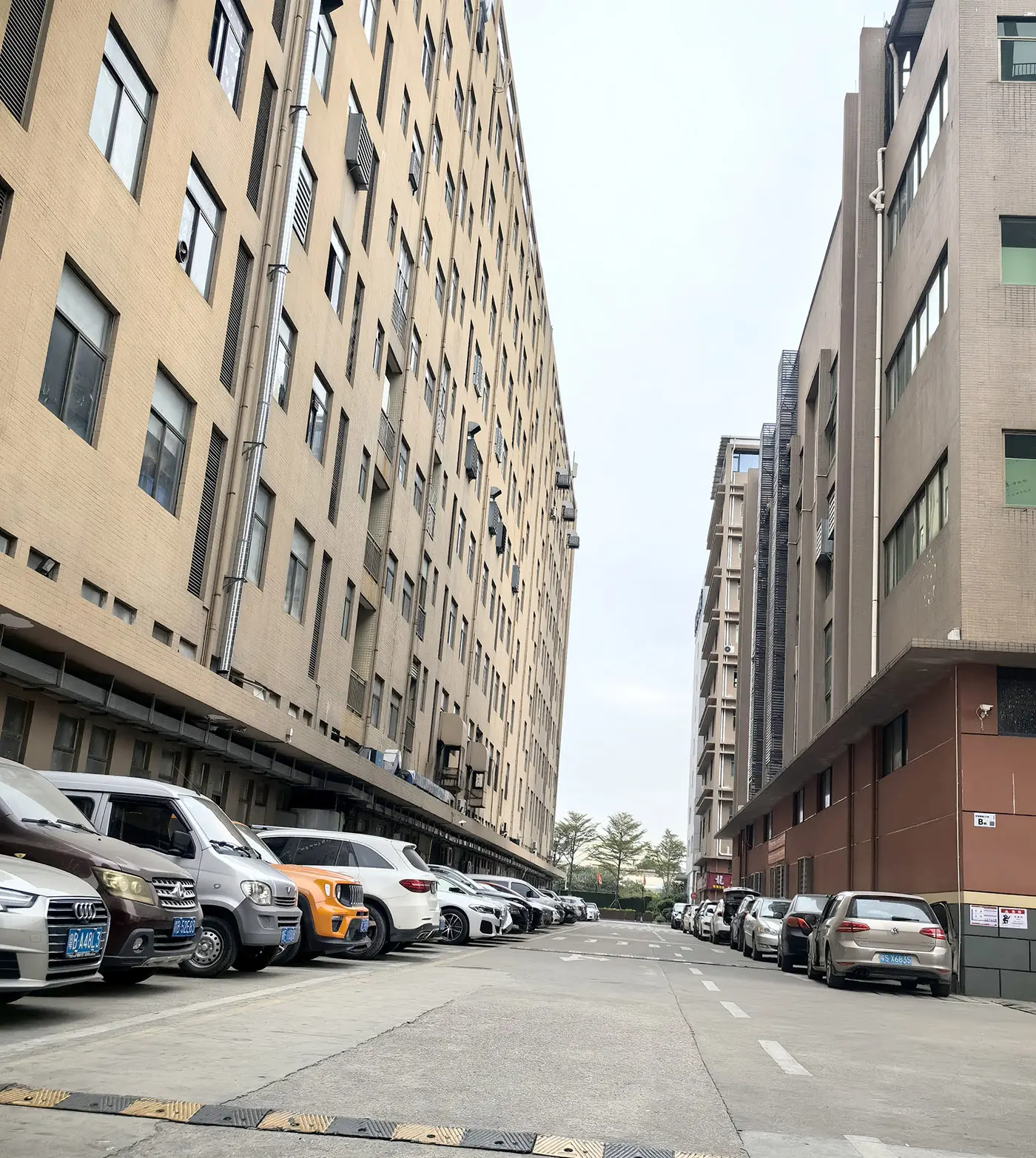
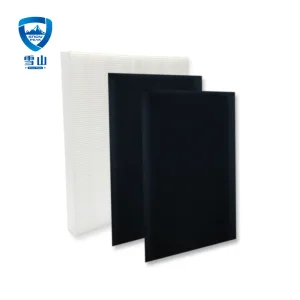
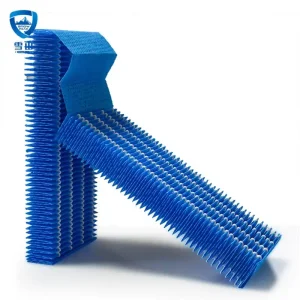
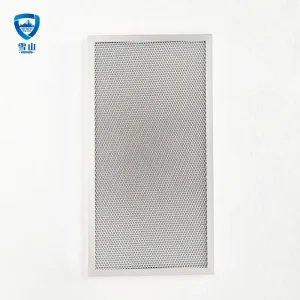
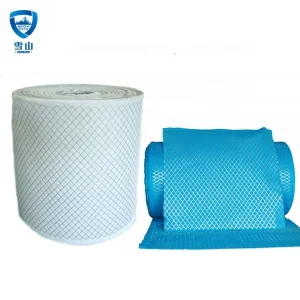
Shenzhen Snow Peak Clean Technology Co., Ltd. is an integrated high-tech enterprise, specialized in air filtration products research and development, production, sales, import and export trade. We produce and supply: Pre-filter, pocket filter, HEPA filter, chemical filter; replacement HEPA filter, car cabin air filter, humidifier filter; pocket filter media, melt-blown composite filter media, and other high-performance filter materials; provide high quality air purification solutions and products for indoor air pollution control and air conditioning systems of civil and industrial buildings, microelectronics, pharmaceutical, laboratory, school, hospital clean room etc.
Combined with self-developed patented technology, our sterilizing antiviral HEPA filter can effectively filtrate fine particles, so that PM2.5 concentration down to 10 micrograms/m3, 5 times better than national standard; effectively inhibit the breeding of microorganisms, sterilization rate up to 99.9%, and no secondary pollution, removal of H1N1 virus efficiency as high as 99.99%.
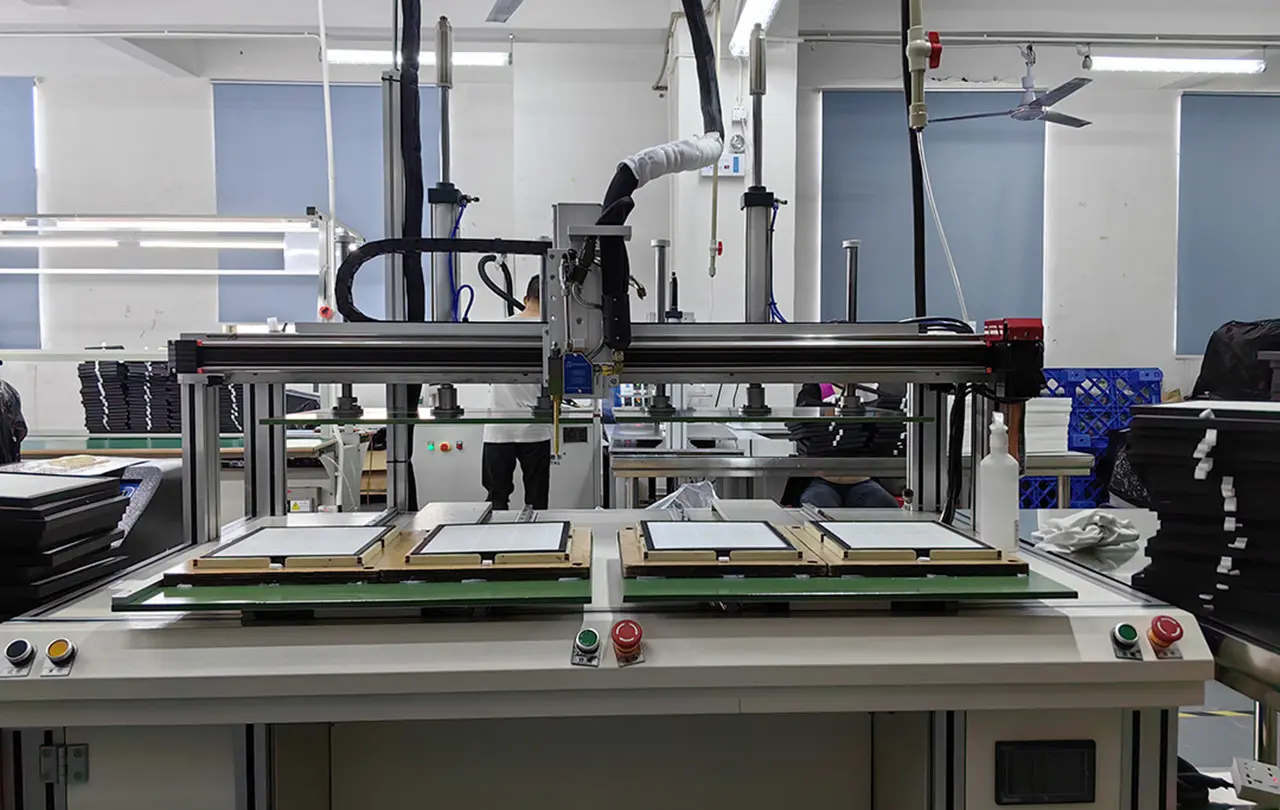
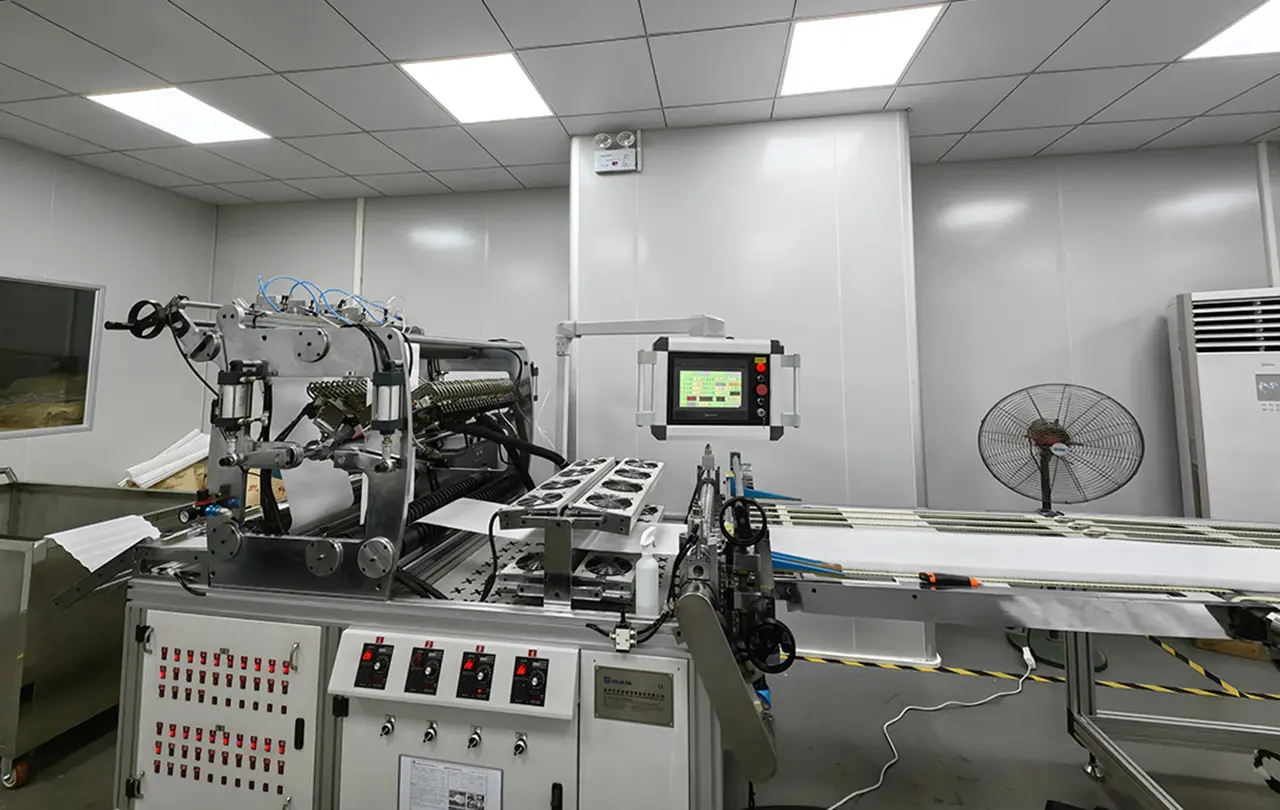
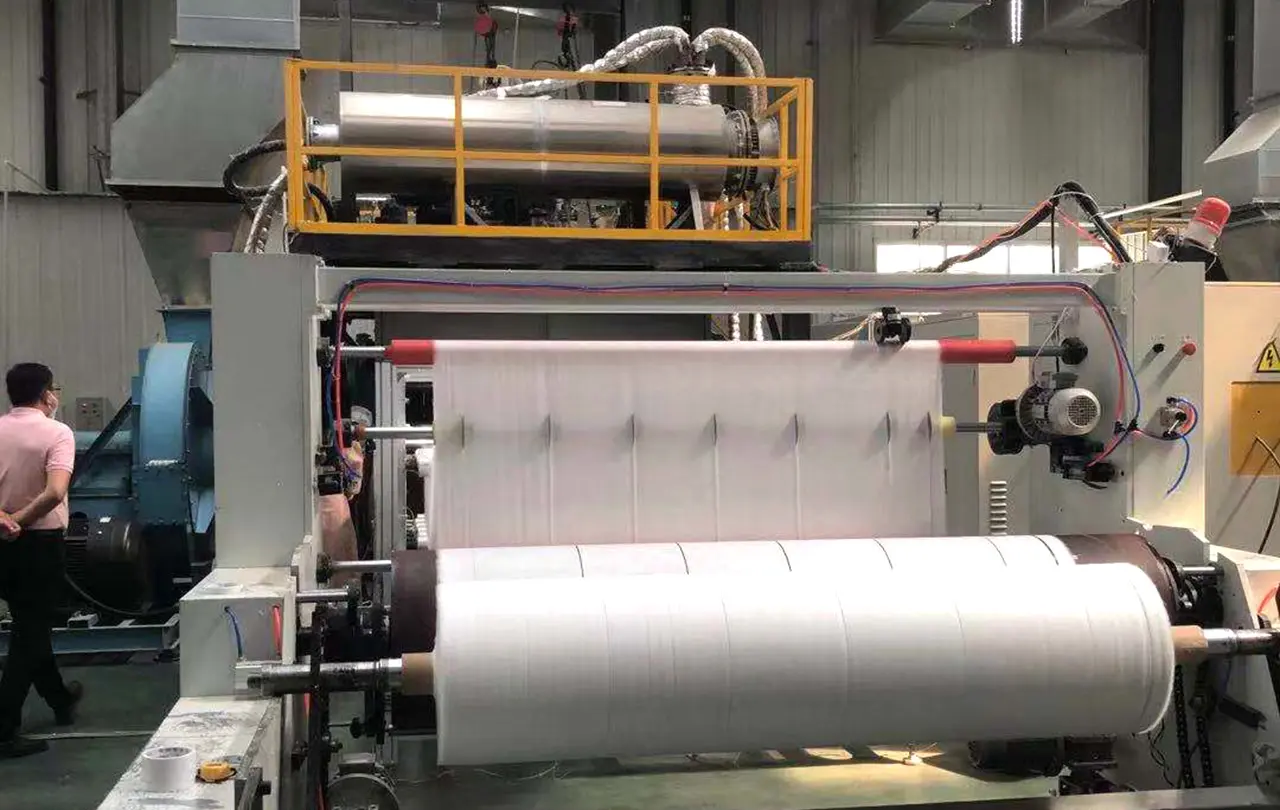
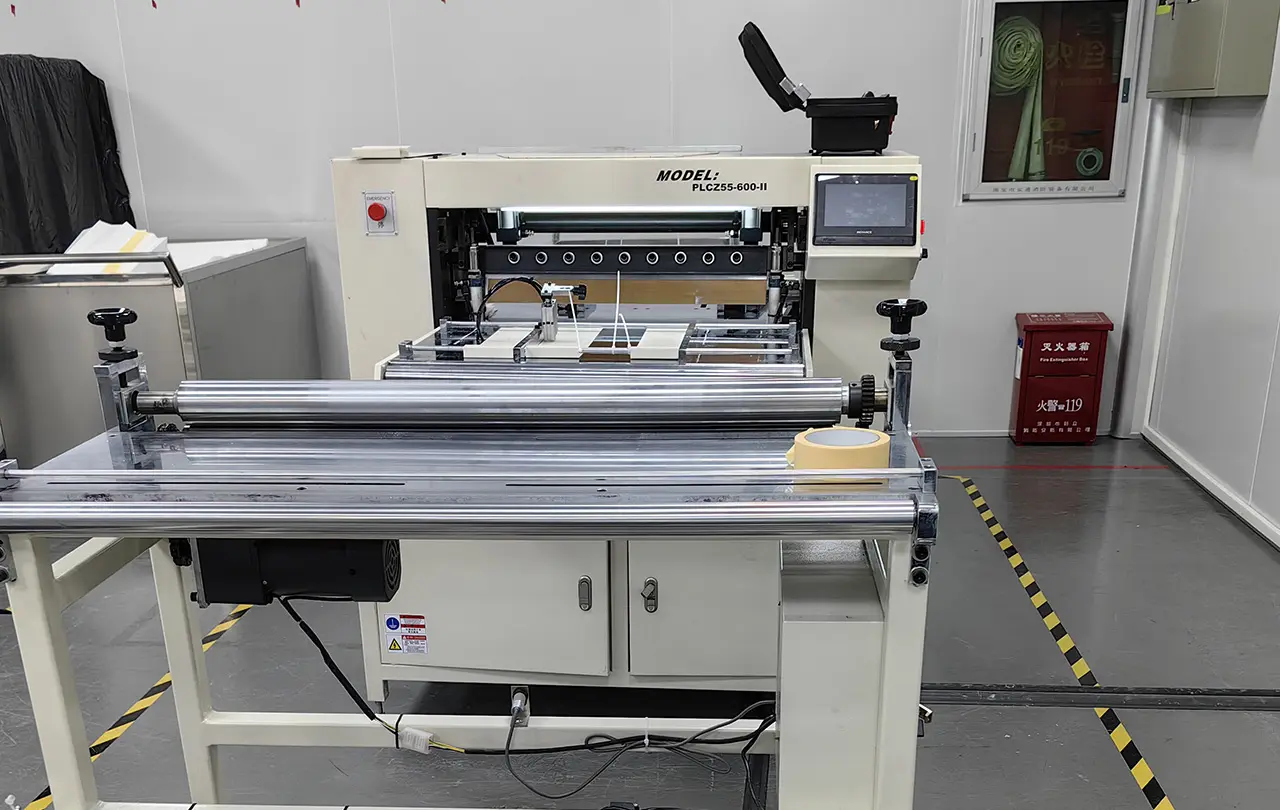
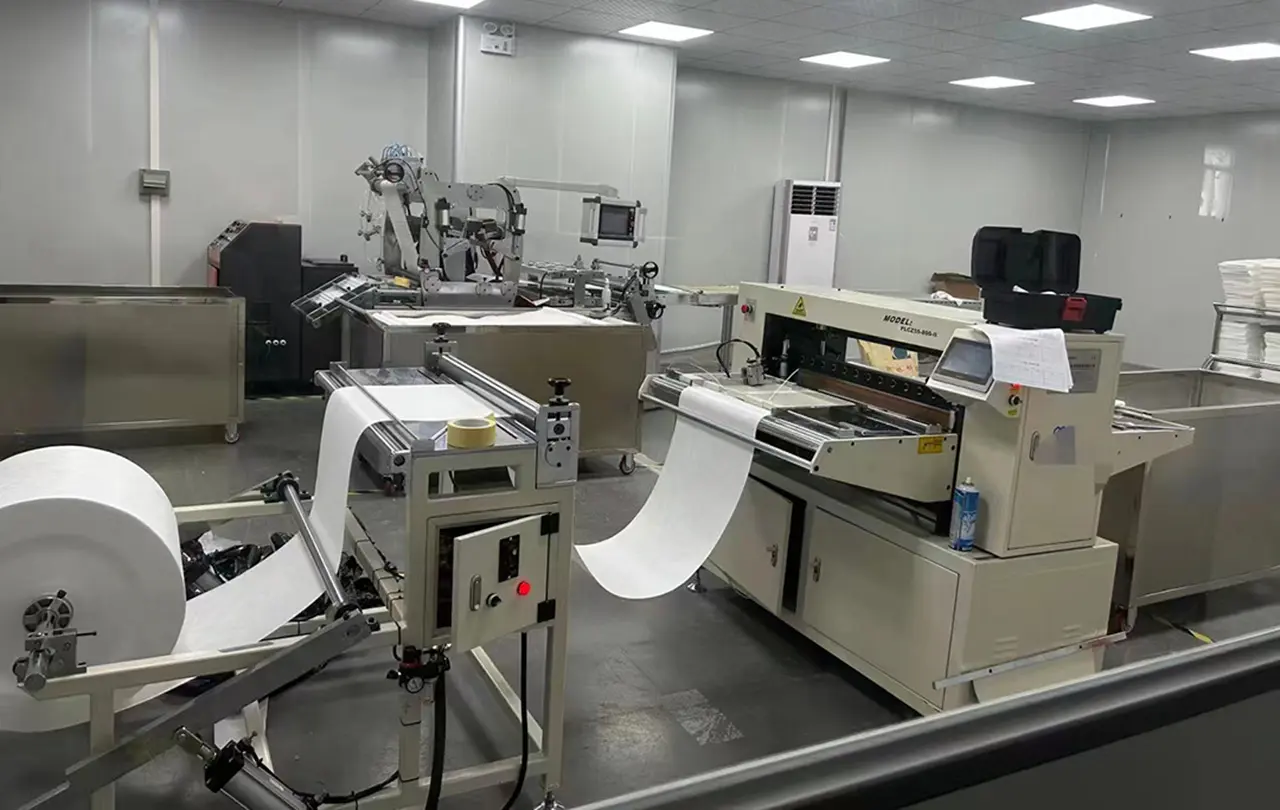
Equipped with state-of-the-art fully automated pleating, cutting, and gluing infrastructure to guarantee absolute seal integrity and structural durability.
The global air purification and gas-phase filtration landscape has undergone a paradigm shift. Traditional Granular Activated Carbon (GAC) systems are increasingly being replaced or augmented by high-performance Activated Carbon Fiber (ACF) and carbon composite matrices. Historically, gas-phase filtration was relegated to heavy industrial chemical facilities. However, rapid urban development, heightened awareness of volatile organic compounds (VOCs), and stringent occupational health regulations (such as ASHRAE 62.1 and EN 16798) have driven the adoption of carbon fiber air filters into commercial HVAC, pharmaceutical formulation, and semiconductor cleanrooms globally.
Unlike traditional granular beds which suffer from structural settling, high air resistance (static pressure drops), and channeling effects, carbon fiber filters present an interconnected web of micro-pores. These micro-pores enable rapid adsorption kinetics due to their short diffusion paths. Globally, the market demand is bifurcated into two primary segments: low-resistance particulate plus VOC dual-stage purification in commercial public spaces, and highly targeted, trace-level chemical filtering (specifically amine, acid, and VOC abatement) in advanced fabrication cleanrooms.
"According to filtration engineering consensus, Activated Carbon Fiber (ACF) displays adsorption rates up to 10 to 100 times faster than typical granular activated carbon, drastically reducing the required thickness and weight of filters in modern building ventilation systems."
Three key developments define the technical trajectory of Carbon Fiber Air Filters:
Hybrid Lamination (Meltblown + Carbon Composite): Historically, particulate capture and molecular filtration required two independent stages. Today, advancements in non-woven web processing enable manufacturers to laminate electrostatically charged meltblown synthetic fibers directly onto carbon-loaded substrates. This hybrid architecture provides high particulate filtration efficiency (up to H13/H14 HEPA class) alongside molecular gaseous adsorption within a single integrated pleat.
Chemical Catalysis (Chemisorption): While physical adsorption (physisorption) effectively captures heavier VOCs (boiling point > 60°C), low-molecular-weight target chemicals such as formaldehyde (HCHO), hydrogen sulfide (H2S), and sulfur dioxide (SO2) require chemical neutralization. Future-oriented manufacturers utilize doped activated carbon fibers, treating the fiber surfaces with custom reagents (such as phosphoric acid, potassium hydroxide, or nanometal catalysts) to trigger chemisorption, locking down toxins permanently.
Sub-nanometer Pore Control & Molecular Sieves: Tailoring the pore-size distribution of the carbon fibers allows developers to match the kinetic diameter of specific target pollutants. The transition from random micro-porosity to precision-tailored pore distributions ensures maximum capture capacity for volatile gases in highly sensitive environments like museums, archival facilities, and lithography cleanrooms.
Carbon-based air filtration relies heavily on local site variables (temperature, relative humidity, air flow velocities, and ambient pollutant configurations). Let's review the primary settings:
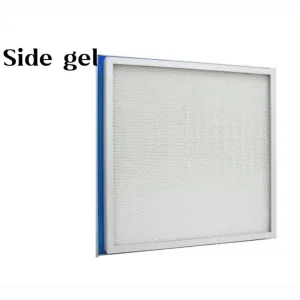
I. Semi-Conductor Fabrication & Microelectronics: In cleanrooms where electronic chips are etched, Airborne Molecular Contamination (AMC) is a critical source of defect yield loss. Traces of ammonia (NH3) can ruin photoresist exposure. Custom gel-seal carbon-loaded HEPA filtration banks are installed to clean localized air down to parts-per-billion (ppb) thresholds, ensuring uninterrupted cleanroom production.
II. Hospitals and Isolation Units (BIBO Applications): Bag-In-Bag-Out (BIBO) safety housing setups are used in biosafety level (BSL-3/BSL-4) laboratories and isolation wards. Here, gaseous chemical sterilants, odors, and active pathogens must be scrubbed before air is recirculated or exhausted into the surrounding atmosphere.
III. Urban HVAC Intake Systems: Commercial towers in major cities confront high vehicle exhaust odors (NOx, SOx, ozone). Installing G3/G4 or pleated carbon-impregnated pre-filters protects the down-stream high-efficiency HEPA filters from premature organic loading while eliminating odor bypass into occupied offices.
The production methodology of high-performance carbon-infused filters starts with selecting the precursor (polyacrylonitrile, rayon, or pitch). Shenzhen Snow Peak Clean Technology uses advanced thermal carbonization and controlled chemical activation to create a media with high Specific Surface Area (SSA) and low aerodynamic resistance.
| Parameter / Metric | G3/G4 Pleated Carbon Panel | H13 Carbon-HEPA Composite | Activated Carbon Fiber Mat (ACF) |
|---|---|---|---|
| Specific Surface Area (BET) | 300 - 500 m²/g | 800 - 1100 m²/g | 1200 - 1800 m²/g |
| Initial Resistance (at 2.5 m/s) | 45 - 65 Pa | 120 - 180 Pa | 25 - 40 Pa |
| Primary Adsorption Target | Coarse dust, VOCs, base odors | PM2.5, H1N1, Fine VOCs | Ultra-fast gaseous scrubbing |
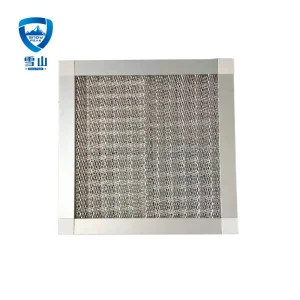
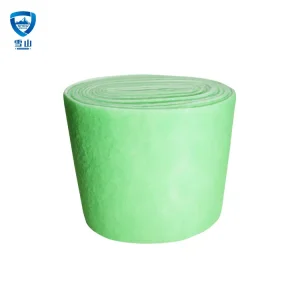
| Framing Options | Cardboard, Alum, Steel | Anodized Alum, PU Gel Seal | Synthetic Mesh / Pleated mat |
| Compliance Standards | ISO 16890, EN 779 | EN 1822, ISO 29463 | ISO 10121-2 |
Our core technical development revolves around ensuring structural stability under high humilities. Standard activated carbon loses efficiency when humidity exceeds 70% RH due to competitive adsorption of water molecules. By incorporating hydrophobic, carbonized polymer composites, our latest generation of filters maintains stable gas-phase adsorption even in humid environments.
When integrating molecular carbon filtration into large commercial HVAC systems, engineers must calculate total lifetime cost and system static pressure limits. Designing carbon filters requires a balance between gas contact dwell time (residence time) and pressure drop. Our macro engineering approach includes:
Pressure Drop Optimization: System fans consume exponential amounts of energy when static pressure increases. By using pleated carbon structures instead of heavy granular deep beds, HVAC systems can run at lower fan speeds, directly lowering energy consumption and helping buildings achieve LEED and WELL environmental certifications.
Modular Maintenance Planning: By placing standard G3 or G4 pre-filters directly upstream of carbon-HEPA filters, we prevent physical dust and grease from blinding the micropores of the carbon media. This setup increases the operating lifetime of the high-value downstream carbon filters by up to three times.
A look at the capabilities and machinery driving our international air purification technology standards.
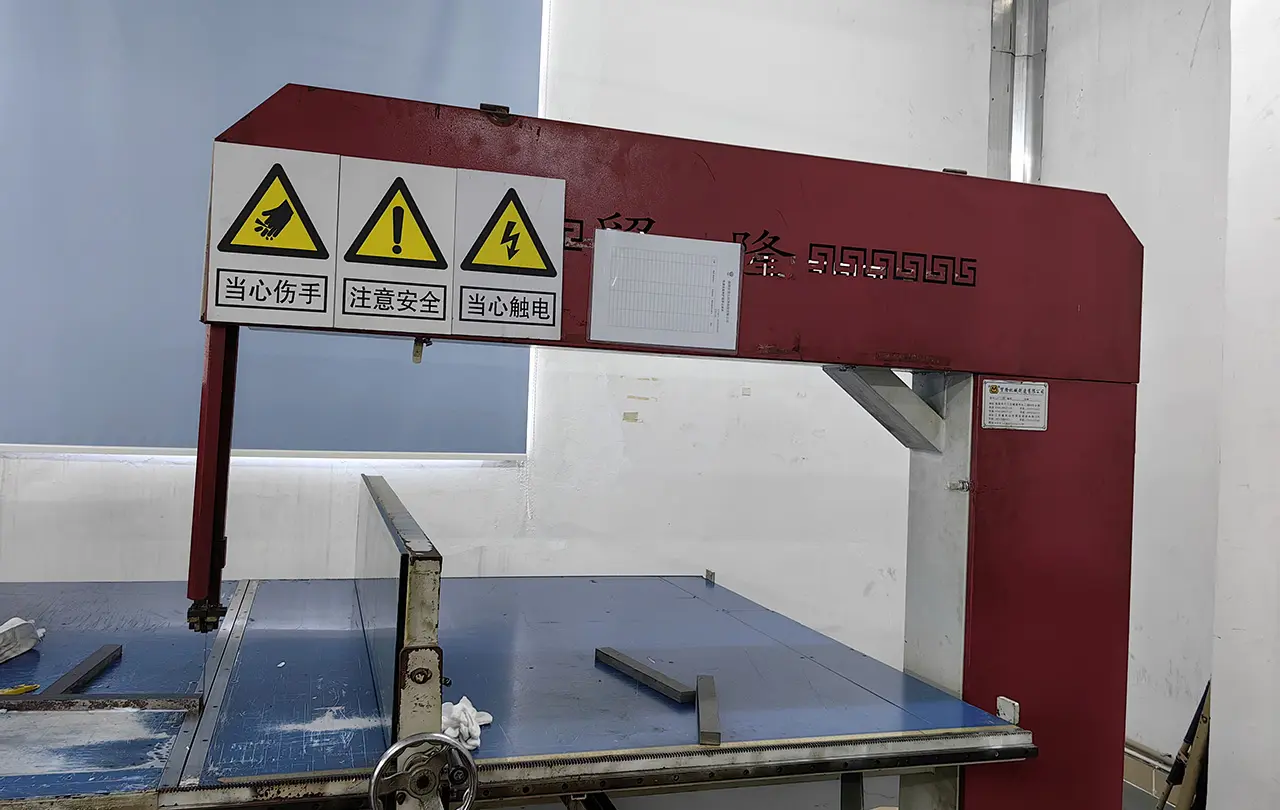
Having 15 years of international air purification technology experience as the background, our company has standardized production workshop, dust-free filter workshop and first-class technology of HEPA filters production line and inspection line, independent research and development of fully automatic air filter production line, equipped with AMADA CNC punch and CNC bending machine as well as many other advanced high-end equipment, provide a strong guarantee for production and quality of air filtration and purification products.
Providing direct answers to technical engineering and procurement queries regarding gas-phase filtration.
Custom-sized and standardized replacement filters designed to fit top international brands and cleanroom setups.
 Snow Peak