Explore our elite range of advanced industrial-grade air filters designed for commercial HVAC, cleanrooms, and medical applications.
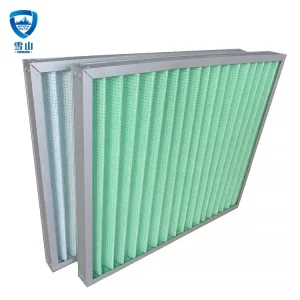
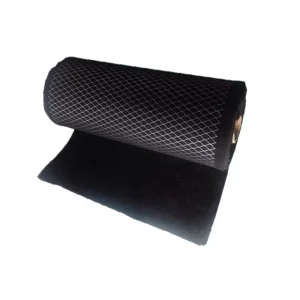
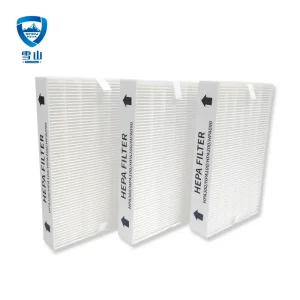
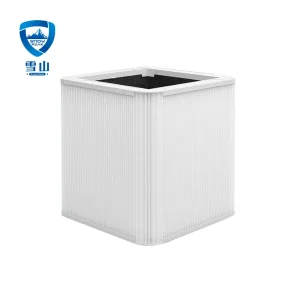
In the era of micro-nanotechnology fabrication, precision medicine, and strict environmental parameters, modern containment and indoor ventilation setups have transitioned past basic particulate blockage. Today, modern industrial complexes require specialized Dhepa (Deep-Pleat High-Efficiency Particulate Air) filtration alongside micro-porous active carbon systems to maintain absolute cleanroom integrity. Modern processing facilities globally are dealing with a double challenge: mitigating nanoscale biological contaminants while simultaneously capturing volatile organic compounds (VOCs), acidic vapor clouds, and gaseous residues.
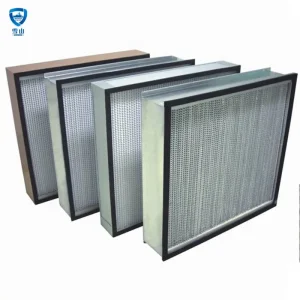
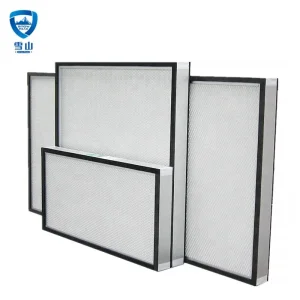
While conventional HEPA filters offer significant protection, Dhepa configurations engineered with deep-pleated designs feature extended media configurations that reduce face velocity and drag while maximizing dust holding capacity (DHC). By incorporating deep-pleat structures using hot-melt separators or aluminum dividers, Dhepa systems extend operating lifetimes by up to 150% compared to standard mini-pleat variations. This structure stabilizes airflow in demanding semiconductor, cleanroom, and biosafety environments.
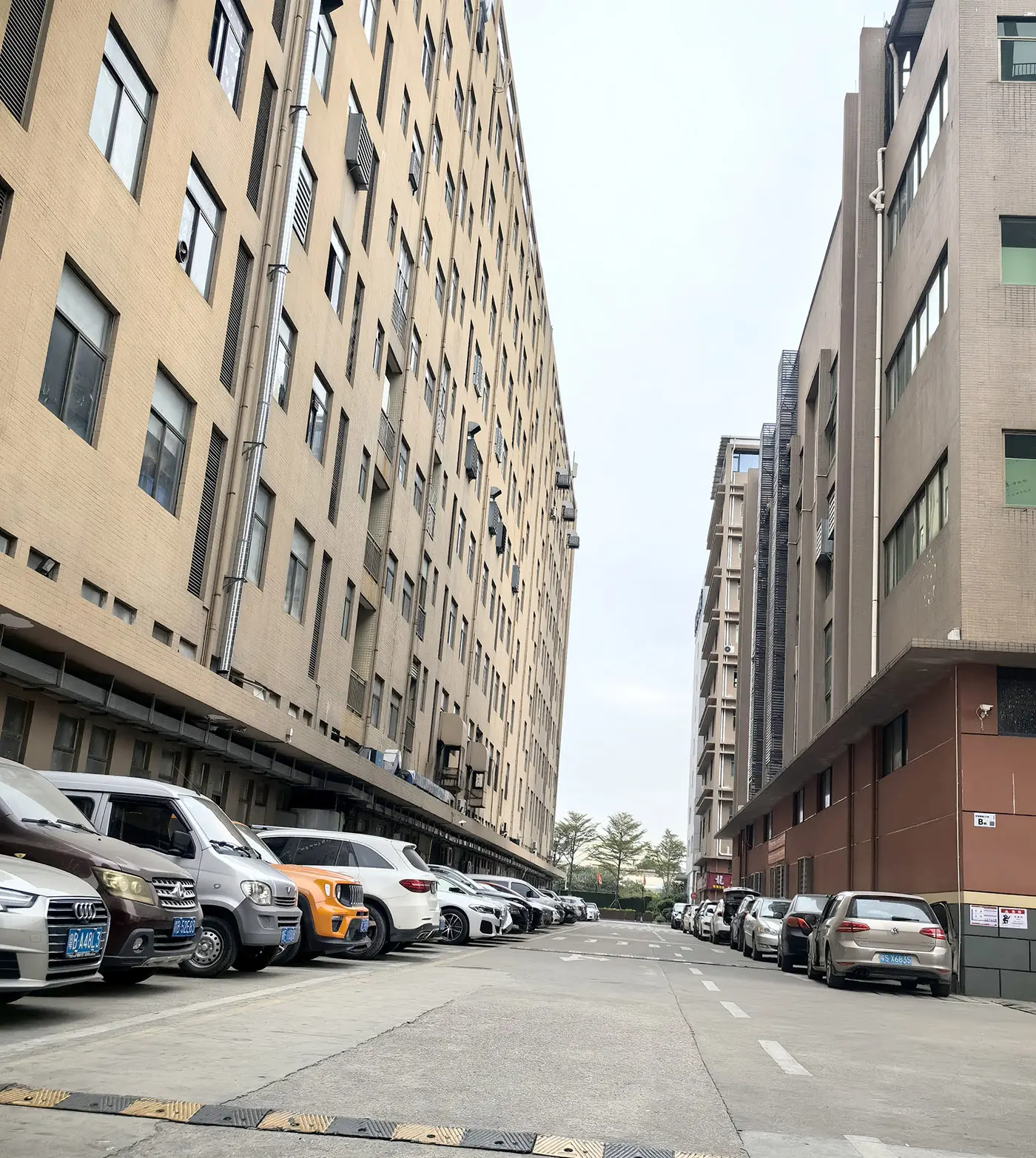
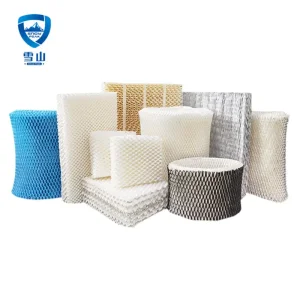
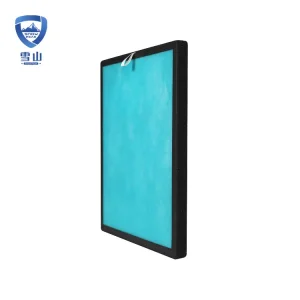
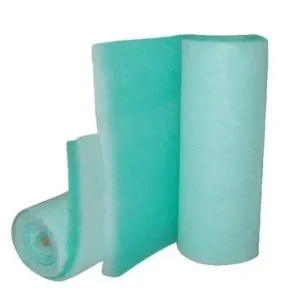
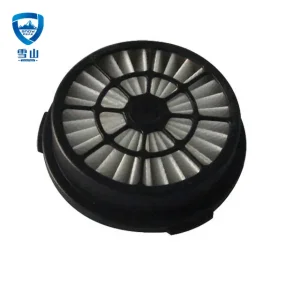
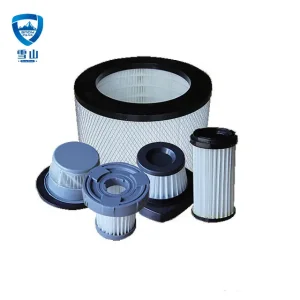
Shenzhen Snow Peak Clean Technology Co., Ltd. is a fully integrated, high-tech enterprise specialized in air filtration products research, development, manufacturing, and global trade. We specialize in producing and exporting a versatile catalog comprising pre-filters, pocket filters, HEPA filters, chemical gas adsorption filters, and custom replacement HEPA and automotive cabin cabin systems. Our materials are constructed using pocket filter media and melt-blown composite media to deliver air purification solutions for commercial projects, cleanrooms, microelectronics facilities, pharmaceutical plants, biosafety laboratories, hospitals, and schools.
Equipped with proprietary patented technologies, our sterilizing antiviral HEPA filters control PM2.5 concentrations to under 10 micrograms per cubic meter—outperforming baseline standards. Our filters inhibit microbial reproduction, achieving a 99.9% sterilization rate and 99.99% H1N1 virus eradication rate without causing secondary contamination.
Inside our quality-controlled assembly facilities, utilizing automated technology and heavy CNC systems.
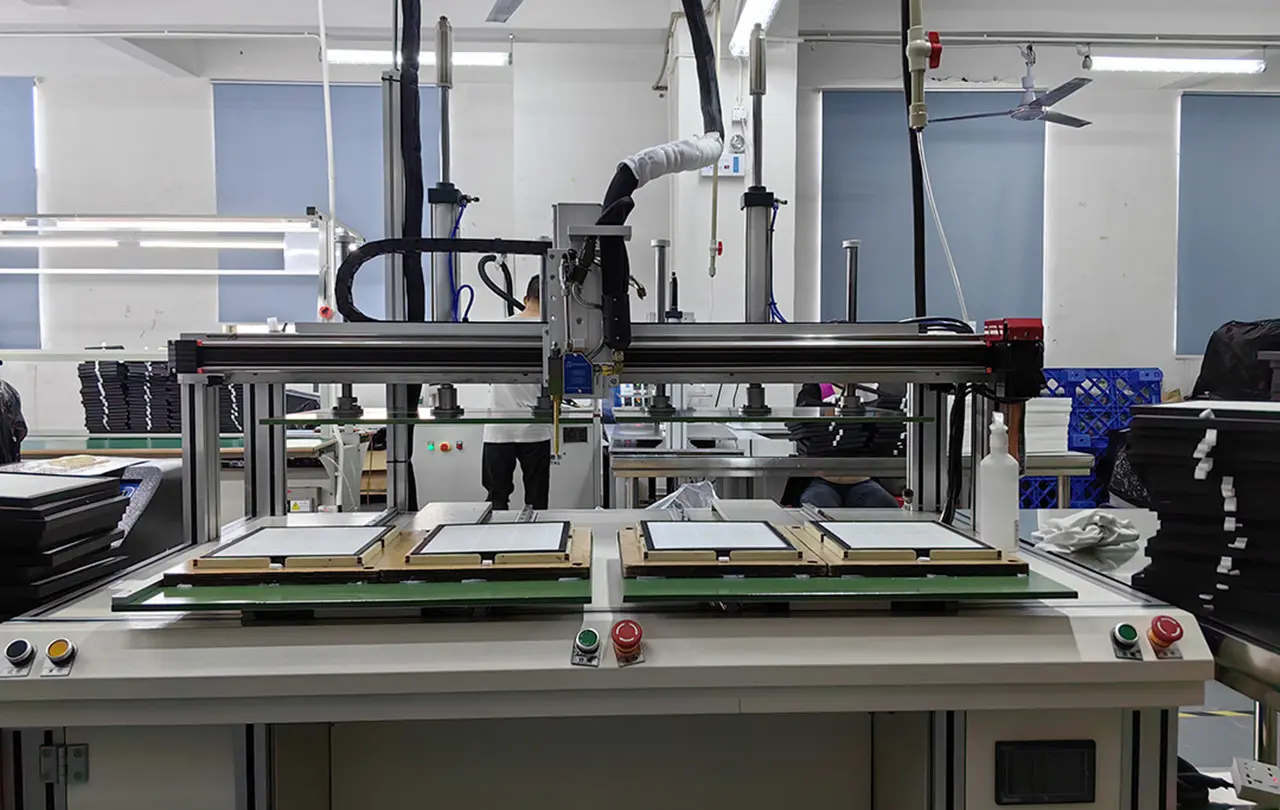
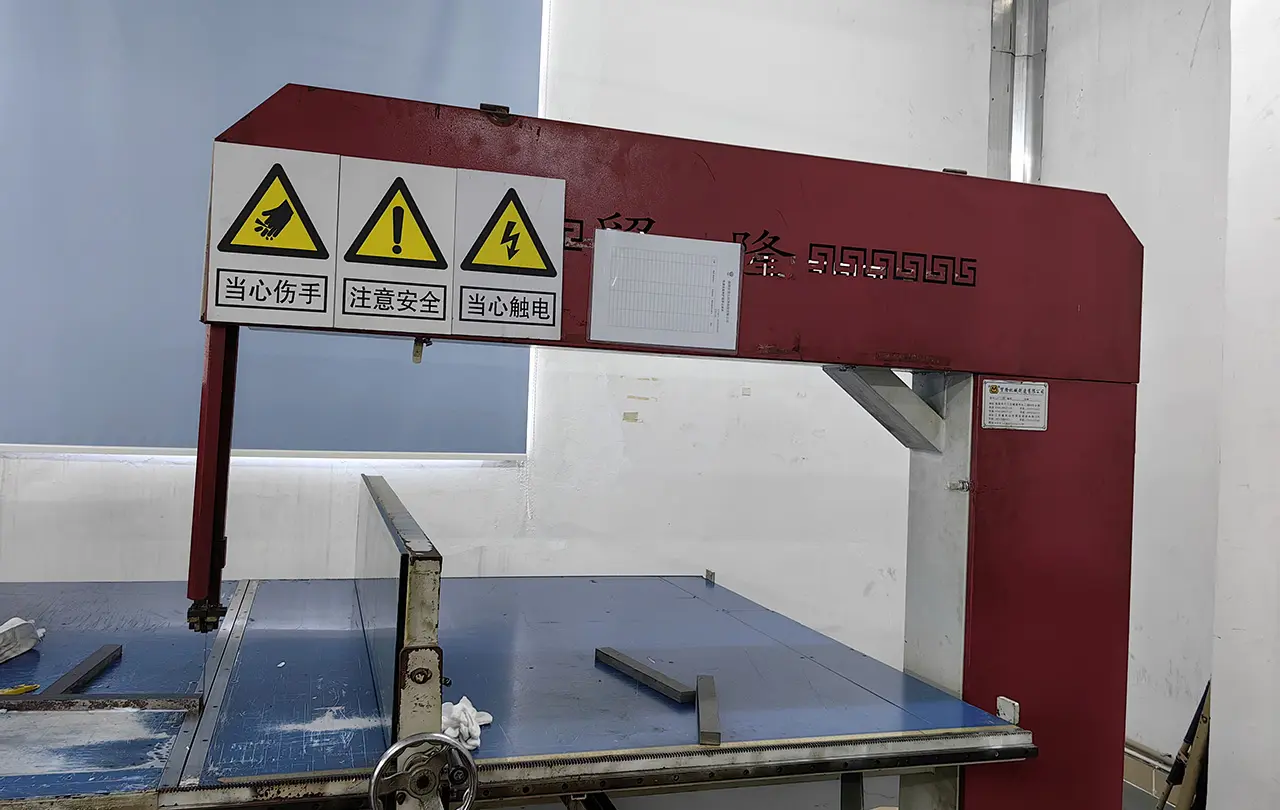
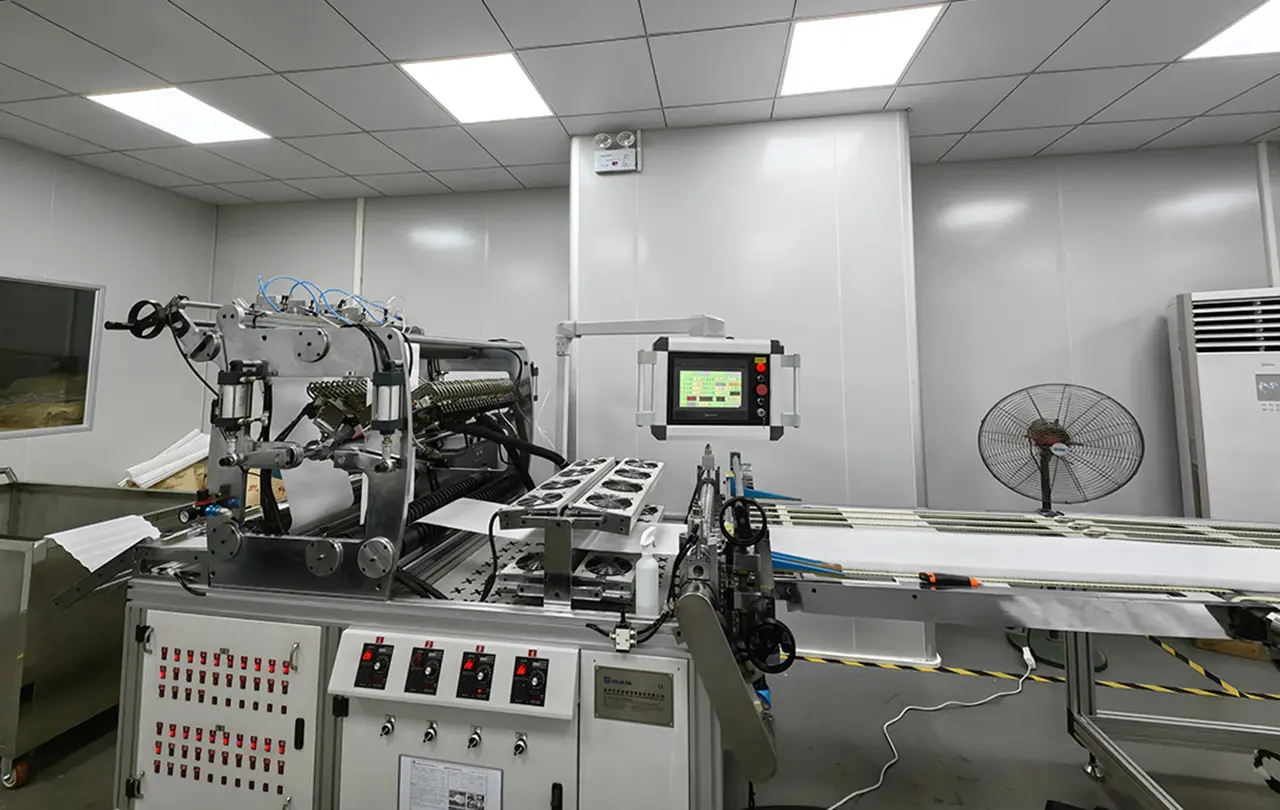
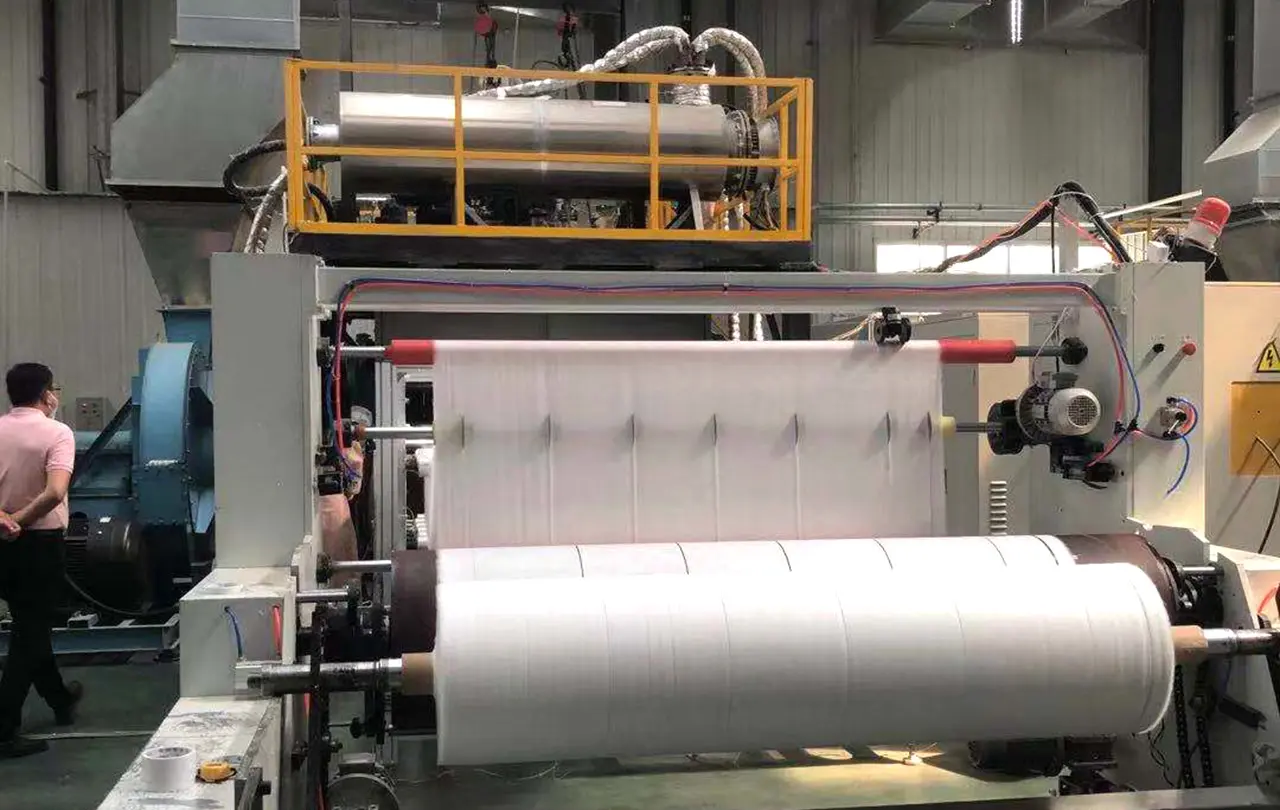
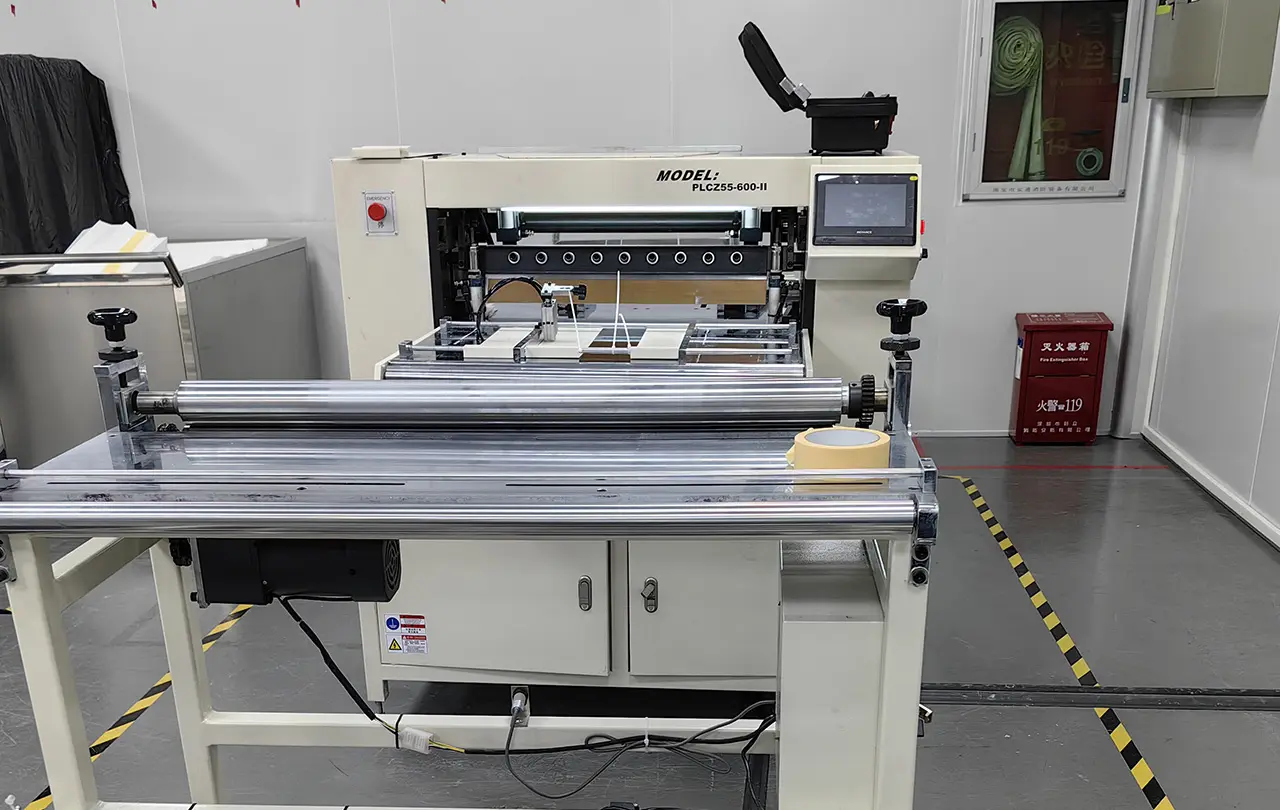
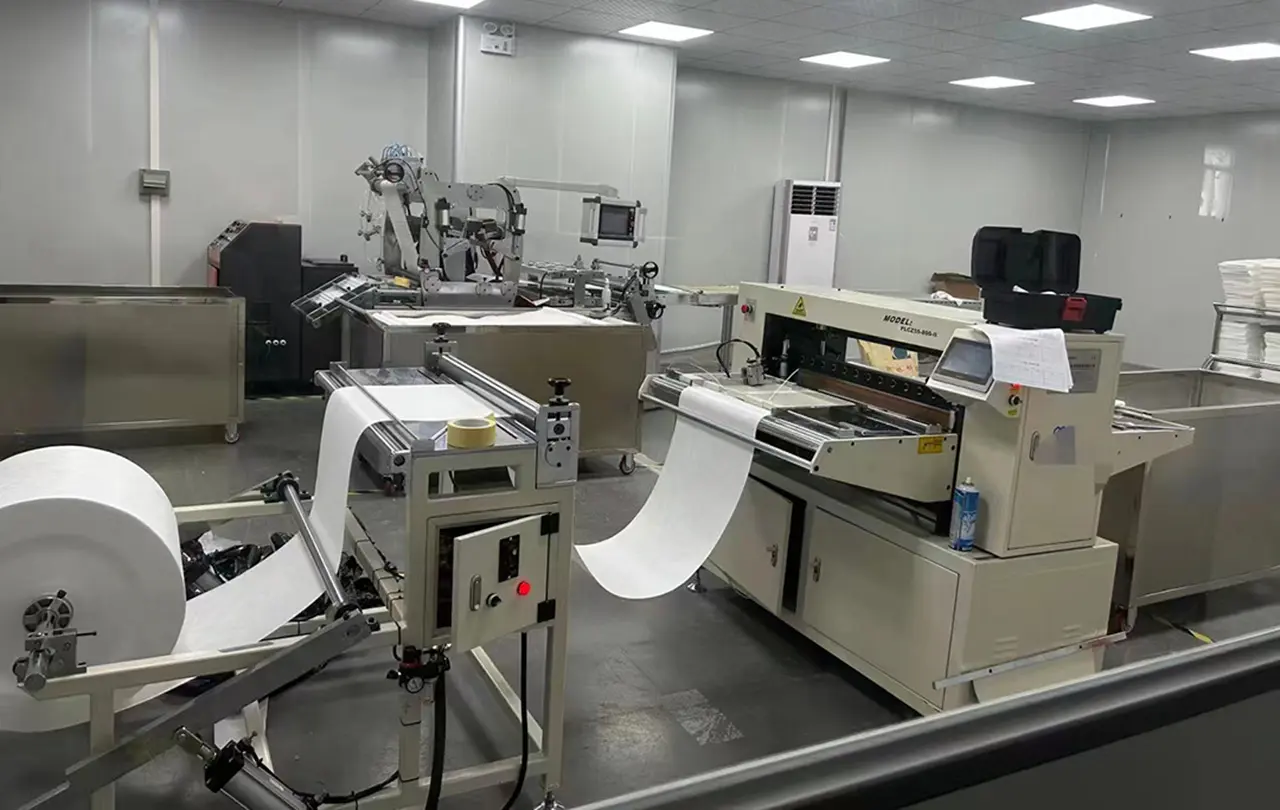
High-performance Dhepa filtration systems rely on clean air dynamics. Our media blends borosilicate micro-fibers with high-density melt-blown polymers, utilizing four primary collection mechanisms: inertial impaction, interception, diffusion, and electrostatic attraction.
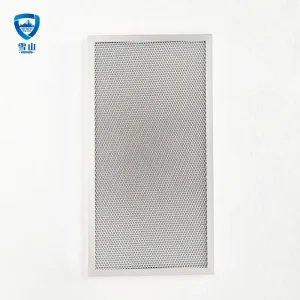
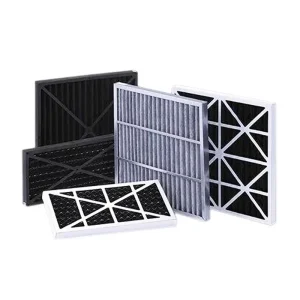
To target gaseous chemical pollutants, our carbon filters utilize activated carbon media reinforced with protective wire mesh. The activation process yields high internal surface areas (up to 1500 m²/g). Through physical adsorption and chemisorption, volatile compounds, ozone, carbon emissions, nitrogen oxide (NOx), and industrial chemical vapors are securely trapped inside the carbon pores.
Regulatory standards for cleanrooms vary significantly by region. In the European Union, standard EN 1822 governs HEPA classifications (H13 to U17), requiring detailed leak testing. In contrast, the US market relies on ASHRAE 52.2 (MERV ratings) and IEST-RP-CC001 guidelines for cleanroom applications. Shenzhen Snow Peak supports international supply chains by conforming to ISO 9001 quality audits, CE certification standards, and RoHS environmental directives.
We provide cleanroom systems tailored to local regulatory frameworks, including:
• Europe (EN1822 / ISO 29463): Fully certified H13/H14 HEPA units for hospitals and drug manufacturing.
• North America (ASHRAE / IEST): Custom dimensions designed for HVAC plenums and terminal housings.
• Asia-Pacific: Highly durable, heat-resistant configurations matching regional manufacturing requirements.
Our clean air configurations are engineered to meet the operational demands of high-precision environments:
As industrial environmental policies shift toward net-zero targets and reduced energy footprints, advanced filter development focuses on lowering pressure drop across all filtration stages. High airflow resistance increases fan power consumption, which elevates operational costs.
Developing sub-50nm polymer fibers to achieve high mechanical efficiency with low pressure drops, extending filter lifespans.
Transitioning from coal-based raw materials to sustainably sourced agricultural carbon matrices to lower lifecycle carbon impacts.
Embedding RFID sensors and pressure monitors directly into filter frames to enable predictive maintenance and track performance in real time.
Technical answers to key challenges in industrial design, air handling system specifications, and filter replacement protocols.
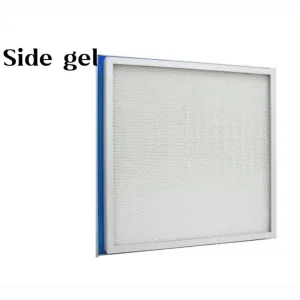
Heavy-duty containment housings, specialized gel seals, and replacement chemical filters for advanced air purification systems.
 Snow Peak