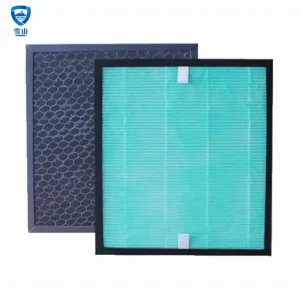
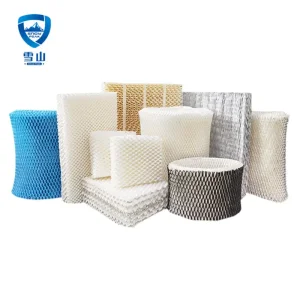
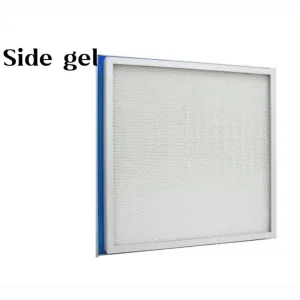
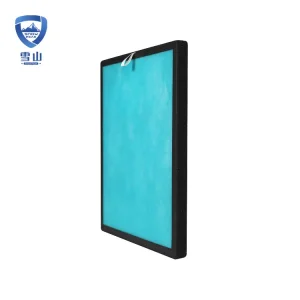
Explore our primary phase filtration systems, G2-G4 media, and brand-compatible HEPA configurations.
In the current global industrial ecosystem, carbon neutrality and corporate environmental responsibility (ESG) metrics have shifted from secondary marketing points to critical operational mandates. Traditionally, ventilation and high-efficiency particulate air (HEPA) systems relied heavily on disposable media. While highly effective at immediate particle capture, the sheer volume of solid waste generated by routine replacement cycles has created significant financial burdens and environmental footprint issues. Consequently, multinational corporations are spearheading a structural transition toward durable, washable, and high-performance filtration materials.
By implementing regenerative (washable) primary and secondary air filters, commercial enterprises, pharmaceutical facilities, microelectronics fabs, and automotive assembly lines can reduce their Total Cost of Ownership (TCO) by up to 40% over a five-year projection. Washable media mitigates shipping delays, simplifies supply chain logistics, and lowers overall waste disposal fees. At the same time, it ensures consistent structural integrity, matching the rigid filtration efficiency standards specified by international testing benchmarks (EN 779 / ISO 16890).
Reducing dependence on frequent single-use filter imports protects manufacturing plants from fluctuating supply chains and high raw material costs.
Specially structured washable filters maintain low pressure drop values across multiple cleaning cycles, minimizing fan power requirements.
Aligning with local regulatory mandates like EU's Circular Economy Action Plan and China's Green Development guidelines.
Achieving durabilty in washable air filtration requires highly specialized materials. Common fiberglass or cheap synthetic filters degrade instantly under mechanical washing stress, losing their structural fibers and charge density. The high-performance washable filters engineered by Shenzhen Snow Peak Clean Technology Co., Ltd. utilize a multi-layered composite strategy:
| Filter Material Type | Efficiency Class (EN 779) | Washable Cycle Limit | Primary Industrial Use Case | Resistance To Corrosive Chemicals |
|---|---|---|---|---|
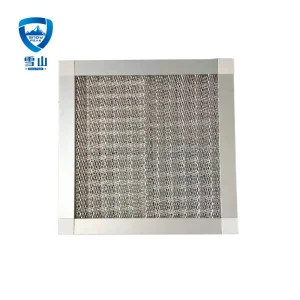
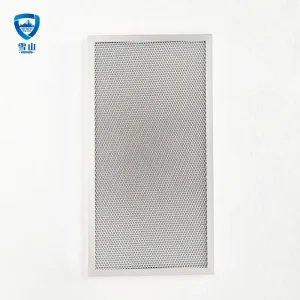
| Metallic Wire Mesh (Stainless Steel/Aluminum) | G2 - G3 (Coarse Filtration) | Unlimited (Under standard care) | Oil mist collection, heavy dust pre-filtration | Excellent (SUS304/316) |
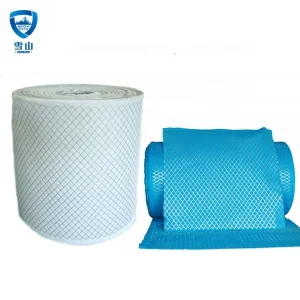
| Polyester Synthetic Laminated Media | G3 - G4 / M5 | 10 - 15 Cycles | Commercial AHU, HVAC intake pre-filtering | Good |
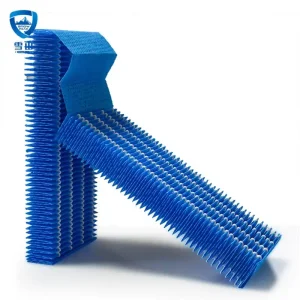
| High Absorbent Non-woven / Wet Curtains | N/A (Evaporative Media) | 8 - 12 Cycles | Evaporative cooling pads, industrial humidifiers | Medium |
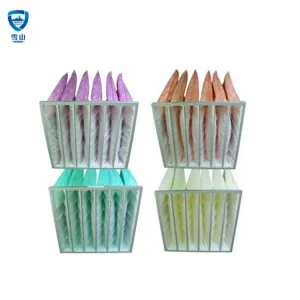
| Custom Composite Synthetic Bag Filters | M6 - F9 | 4 - 6 Cycles (Gently washed) | Fine dust intake, large cleanroom pre-filtration | Good |
A deep look into Shenzhen Snow Peak Clean Technology Co., Ltd.'s processing standards and infrastructural capacity.
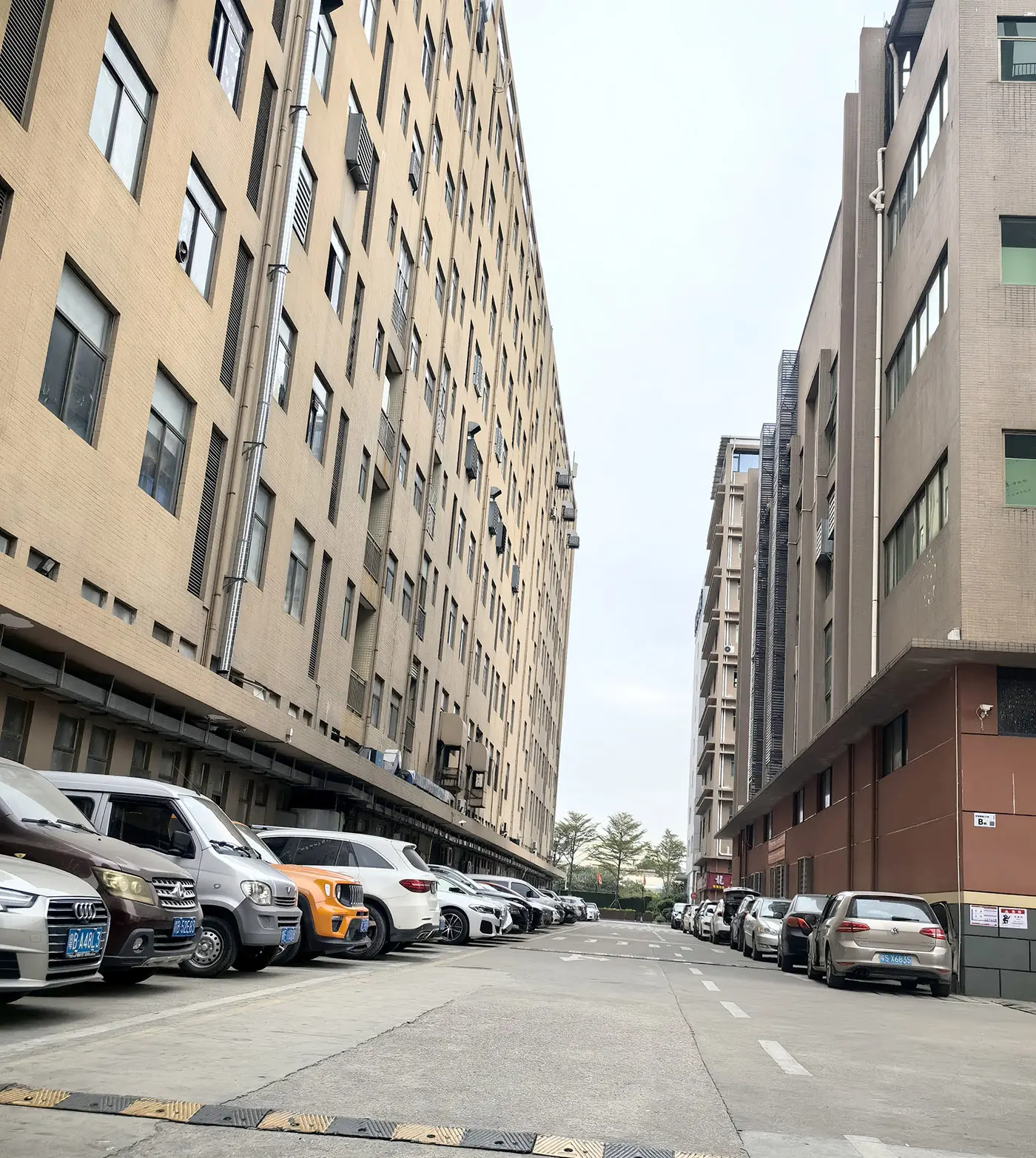
Shenzhen Snow Peak Clean Technology Co., Ltd. is an integrated high-tech enterprise, specialized in air filtration products research and development, production, sales, import and export trade. We produce and supply: Pre-filter, pocket filter, HEPA filter, chemical filter; replacement HEPA filter, car cabin air filter, humidifier filter; pocket filter media, melt-blown composite filter media, and other high-performance filter materials; provide high quality air purification solutions and products for indoor air pollution control and air conditioning systems of civil and industrial buildings, microelectronics, pharmaceutical, laboratory, school, hospital clean room etc. Combined with self-developed patented technology, our sterilizing antiviral HEPA filter can effectively filtrate fine particles, so that PM2.5 concentration down to 10 micrograms/m3, 5 times better than national standard; effectively inhibit the breeding of microorganisms, sterilization rate up to 99.9%, and no secondary pollution, removal of H1N1 virus efficiency as high as 9999%.
Having 15 years of international air purification technology experience as the background, our company has standardized production workshop, dust-free filter workshop and first-class technology of HEPA filters production line and inspection line, independent research and development of fully automatic air filter production line, equipped with AMADA CNC punch and CNC bending machine as well as many other advanced high-end equipment, provide a strong guarantee for production and quality of air filtration and purification products.
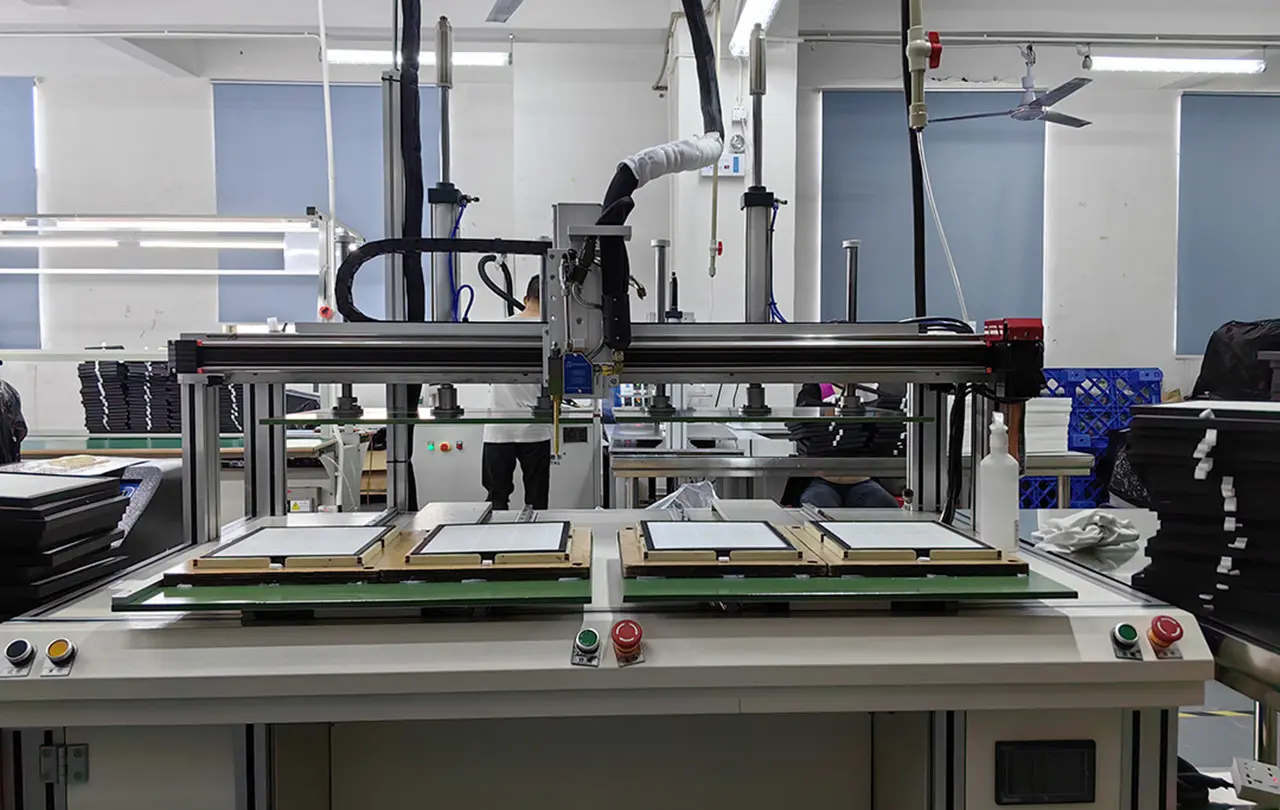
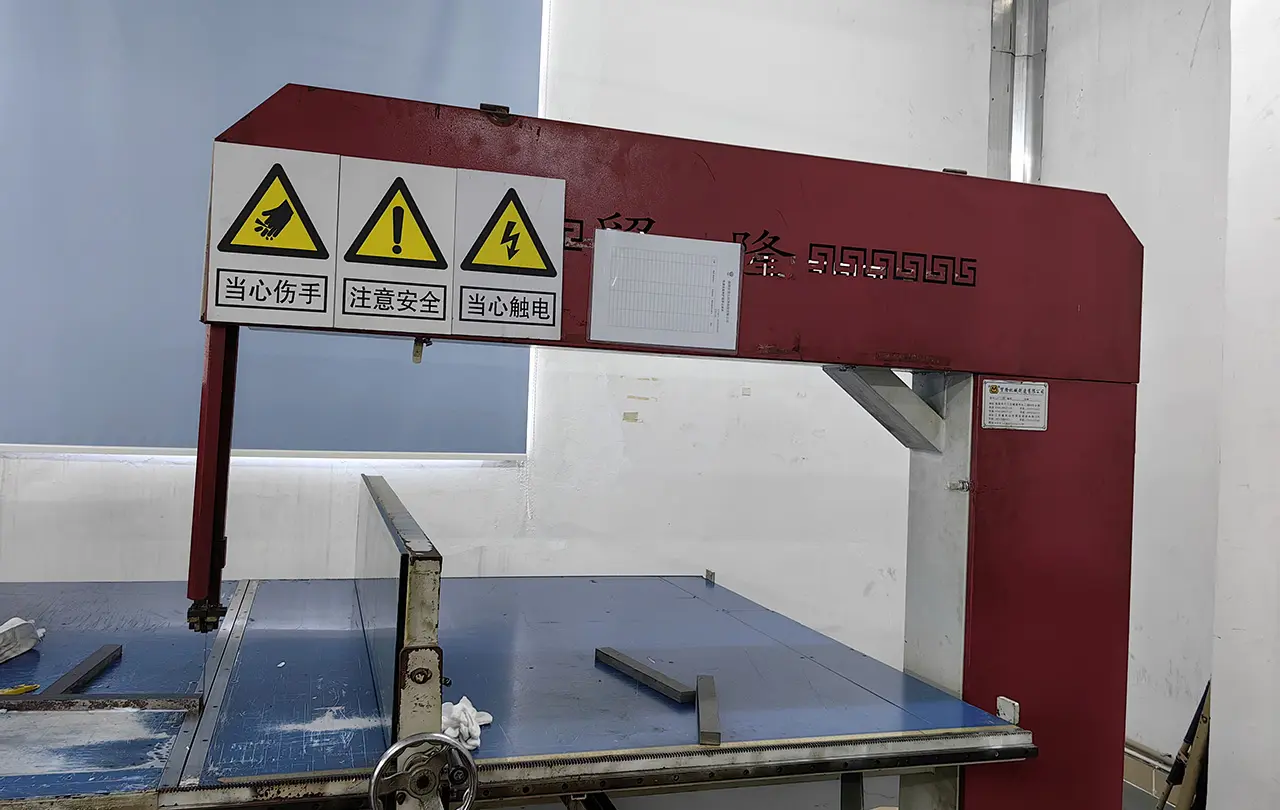
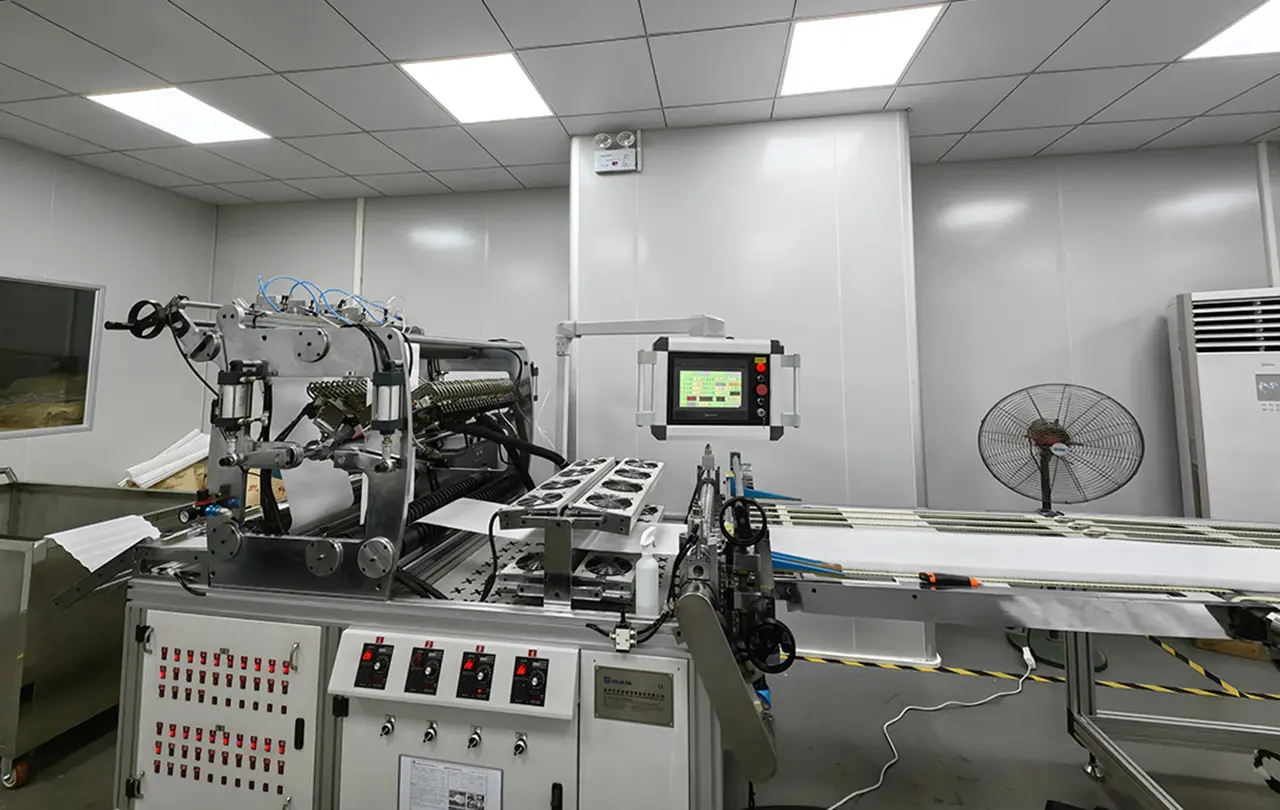
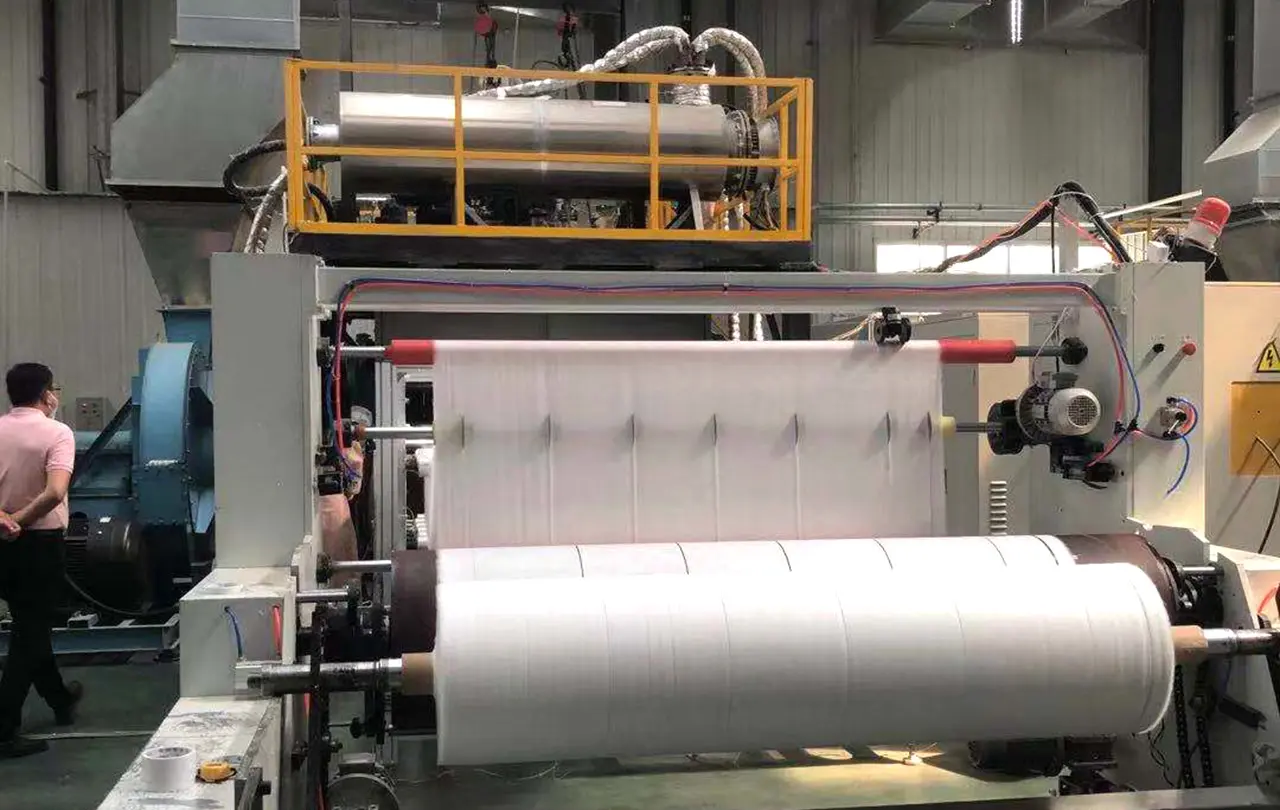
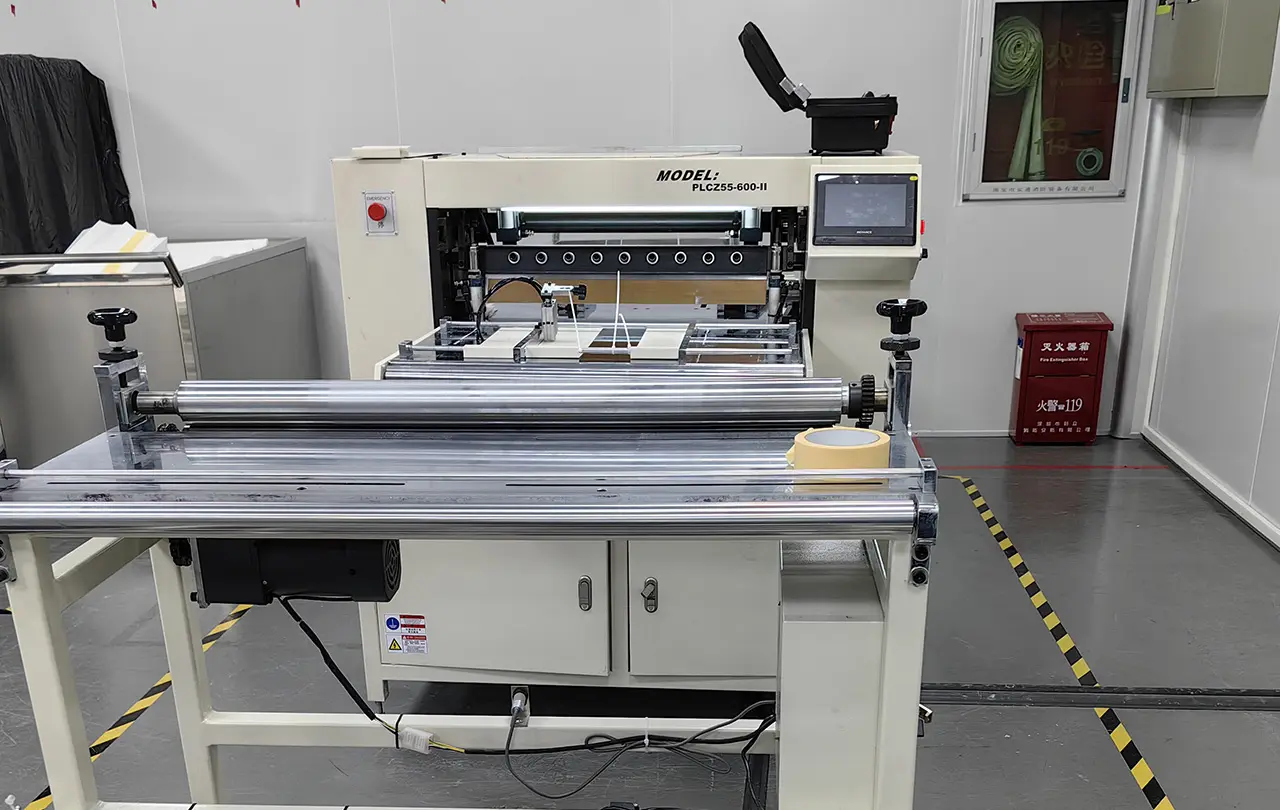
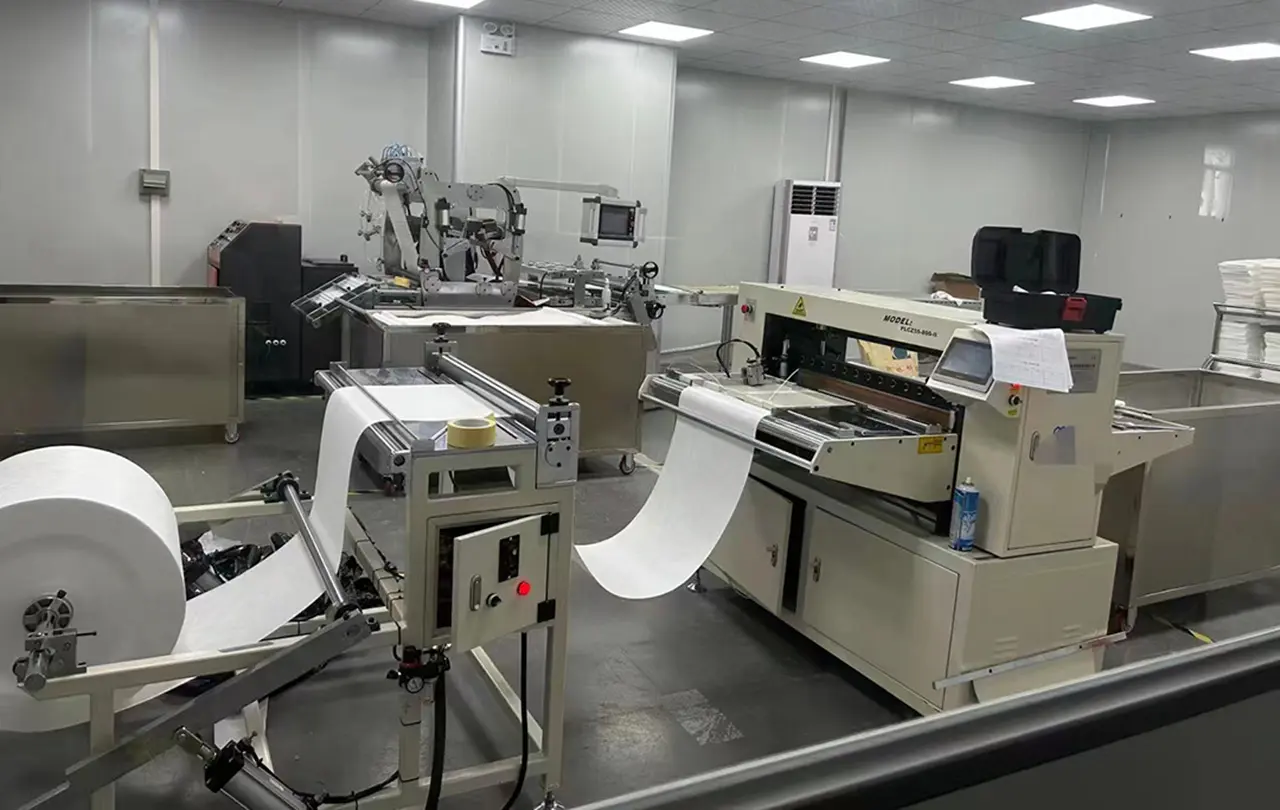
Procurement requirements for durable and washable filters vary significantly across target industries. In the microelectronics cleanroom sector, pre-filters must maintain a high dust loading capacity to prevent premature load on ultra-low penetration air (ULPA) filters. For commercial HVAC networks, washable filters are chosen to withstand high humidity environments without collapsing.
Our customization process allows procurement managers to define precise mechanical dimensions, pleat heights, frame profiles, and media compositions to suit distinct facilities:
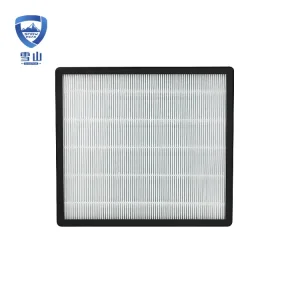
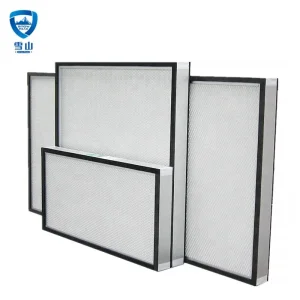
Gel Seal liquid tank structures paired with mini-pleated HEPA filters prevent bypass leaks, ensuring a 99.999% particulate barrier within pristine Class 100 cleanrooms.
Snow Peak's antiviral HEPA series eliminates H1N1 viruses up to 99.99%, ensuring hygienic conditions in critical clinical wards and drug packing zones.
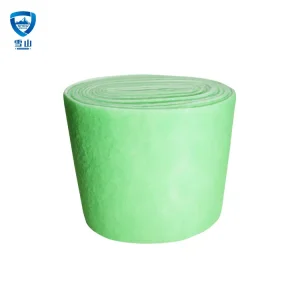
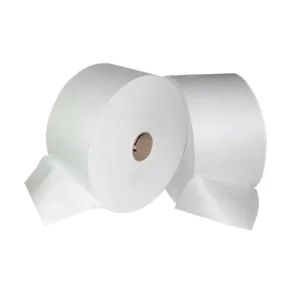
Robust G3-G4 polyester rolls and synthetic bag filters protect heavy-duty HVAC systems from outdoor pollution while retaining clean air characteristics.
Operating globally requires strict compliance with international air filtration standards. Shenzhen Snow Peak Clean Technology Co., Ltd. designs, tests, and certifies all washable and durable filter models to ensure they satisfy the target country's legal boundaries:
Our localization support guarantees comprehensive technical documentation, customized CAD drawings, clear installation guidelines, and responsive customer service for buyers across North America, Europe, Southeast Asia, and the Middle East.
Frequently asked questions concerning the life cycle, efficiency preservation, and processing of washable filtration media.
Standard synthetic media relies on electrostatically charged fibers (electret) to capture fine dust particles. Washing can dissipate this charge, potentially reducing efficiency. However, Snow Peak's washable pre-filters and G2-G4 media are designed using specialized mechanical sieving patterns. We utilize highly structured polyester mesh and wire-backed matrices that retain their shape and clean air parameters over multiple washing cycles, ensuring consistent physical filtration without depending on electrostatic retention.
1. Pre-rinse: Shake off heavy surface dust or vacuum the air-entry face.
2. Wash: Submerge the filter frame in warm water mixed with a mild surfactant or neutral detergent. Avoid harsh acids or chlorine-based solvents.
3. Rinse: Direct a low-pressure spray through the clean side to push trapped dust out of the dirty side.
4. Dry: Allow the unit to air-dry completely before reinstalling to prevent mold growth and maintain pressure drop values.
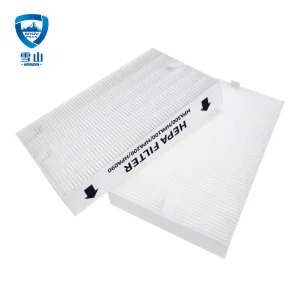
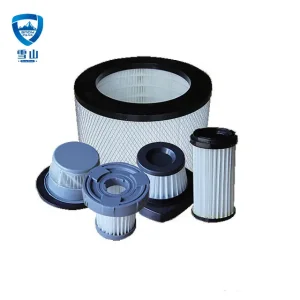
True HEPA filters (H13, H14) containing ultra-fine micro-glass fibers cannot be washed, as washing disrupts the delicate wet-laid structure. For high-efficiency requirements, we offer specialized washable pre-filters that capture up to 90% of coarse particulates, which extends the operational life of the primary HEPA filter. We also supply custom synthetic and gel-sealed HEPA options designed for replacement cycles, protecting them from structural damage.
The primary indicator is the residual pressure drop (resistance). Once a filter is washed, if the clean resistance remains 50% higher than the initial pressure drop when new, the media is likely saturated with fine dust deep inside the matrix. Other indicators include physical fraying of the synthetic media, corrosion of the aluminum or stainless steel frames, or visible breakdown of the composite wire mesh.
Our sterilizing antiviral HEPA filters incorporate a specialized antiviral formulation embedded into the filter fibers during the composite meltblown process. This ensures the treatment remains active within the media structure. It achieves a 99.9% sterilization rate against bacteria and a 99.99% removal rate of the H1N1 virus, without causing secondary pollution or chemical outgassing.
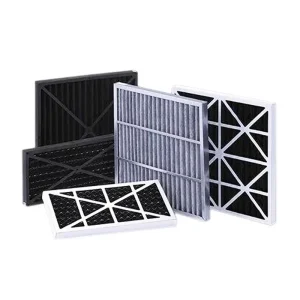
Yes. Supported by our AMADA CNC equipment, automated gluing, and pleating systems, we provide comprehensive OEM and ODM support. We manufacture custom frame depths, customized gel seals, cylindrical structures, and multi-stage carbon and HEPA configurations tailored to match the technical specifications of your equipment.
Discover our specialized high-capacity HEPA models, custom meltblown fabric rolls, and durable metallic mesh frames.
 Snow Peak