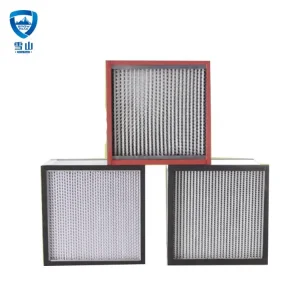
Explore our high-performance HEPA filters designed for critical applications ranging from domestic air purifiers to industrial cleanroom containment environments.
In modern industrial, commercial, and residential environments, the configuration of air purification systems directly influences health, operational precision, and regulatory compliance. High-Efficiency Particulate Air (HEPA) filters represent the critical barrier against microscopic airborne contaminants. From preventing micro-particulate contamination in semiconductor fabrication lines to neutralizing airborne viral hazards in medical facilities, HEPA technology stands as the cornerstone of clean engineering.
This document presents a comprehensive analysis of modern HEPA design, manufacturing paradigms, and localized supply chain integration. We address key engineering principles, performance certifications (EN 1822 / ISO 29463), and the evolving requirements of global procurement departments.
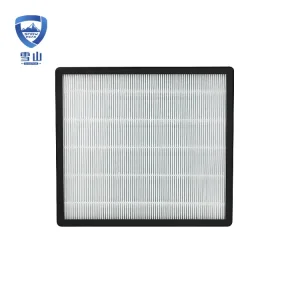
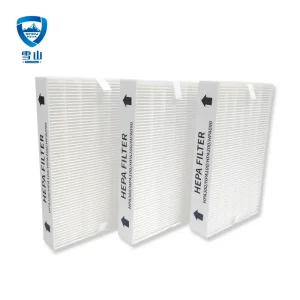
True H13 and H14 class HEPA filtration platforms are engineered to trap 99.97% and 99.995% respectively of particles down to 0.3 micrometers in diameter, mitigating risks associated with sub-micron pollutants.
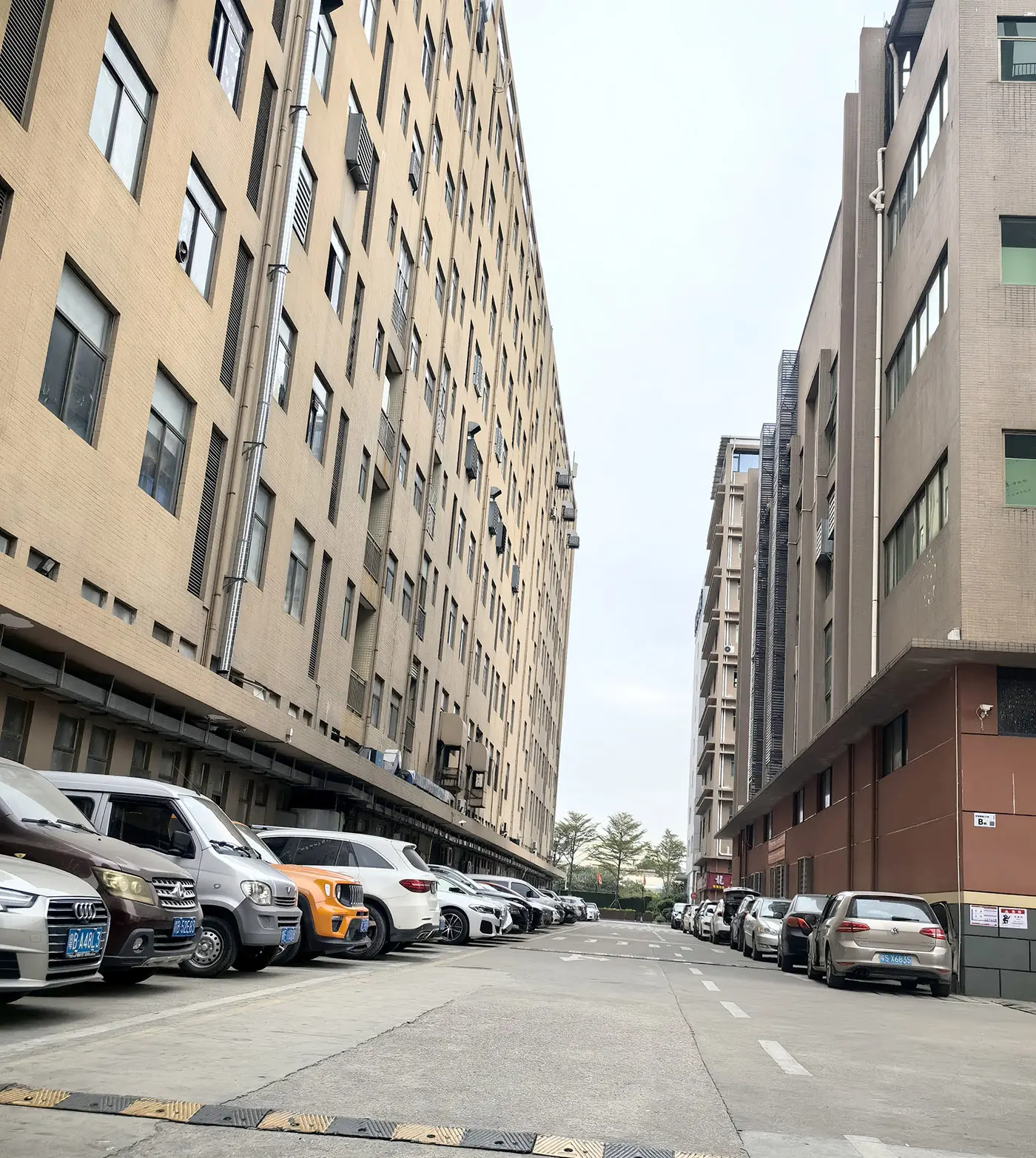
Shenzhen Snow Peak Clean Technology Co., Ltd. is an integrated high-tech enterprise specialized in air filtration products research and development, production, sales, import, and export trade. We produce and supply: Pre-filters, pocket filters, HEPA filters, chemical filters; replacement HEPA filters, car cabin air filters, humidifier filters; pocket filter media, melt-blown composite filter media, and other high-performance filter materials. We provide high-quality air purification solutions and products for indoor air pollution control and air conditioning systems of civil and industrial buildings, microelectronics, pharmaceuticals, laboratories, schools, and hospital clean rooms.
Combined with self-developed patented technology, our sterilizing antiviral HEPA filter can effectively filtrate fine particles, keeping PM2.5 concentration down to 10 micrograms/m3, which is 5 times better than the national standard. It effectively inhibits the breeding of microorganisms, yielding a sterilization rate up to 99.9% with no secondary pollution. Its removal efficiency of the H1N1 virus is as high as 99.99%.
The trajectory of modern HEPA filtration development focuses on lowering operational costs, minimizing pressure drop, and introducing functional active coatings.
Development focuses on synthetic melt-blown and fiberglass matrices that maintain structural integrity and particulate retention while reducing initial resistance by 20-30%, resulting in lower energy draw for mechanical air handlers.
Electrospun nanofibers create fine mesh networks with higher dust holding capacity (DHC). These systems capture sub-micron particles with mechanical mechanisms, reducing reliance on electrostatic charges that decay over time.
Modern materials incorporate active silver-ion, copper-ion, or specialized organic sanitizing agents. These disrupt cell membranes of captured pathogens, preventing the filter media from acting as a breeding ground.
To address environmental directives, research focuses on developing high-durability, polylactic acid (PLA) or recycled cardboard framing structures that facilitate straightforward incineration and recycling operations.
Air filtration systems must be tailored to the specific environmental and chemical criteria of different industrial sectors.
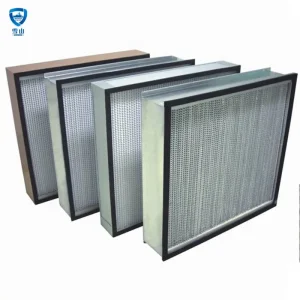
Yield preservation in semiconductor fabrication depends on the elimination of airborne molecular contaminants (AMCs) and sub-micron particulates. Our ultra-low penetration air (ULPA) systems achieve efficiencies of 99.999% at 0.12μm, sustaining ISO Class 3 cleanrooms. Aluminum-separator fiberglass deep-pleat filters ensure structural reliability under laminar flow conditions.
Sterility in vaccine formulation, processing, and clinical operations requires zero microbiological bypass. Antiviral HEPA assemblies, certified under EN 1822 guidelines, capture and render inactive viral structures such as H1N1. Liquid-gasket systems prevent leaks along the outer framework in clean containment zones.
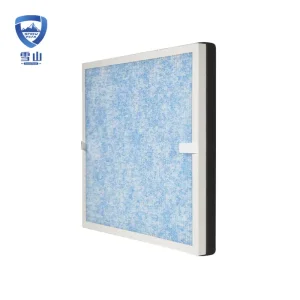
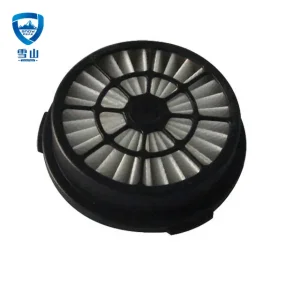
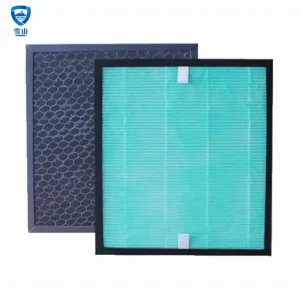
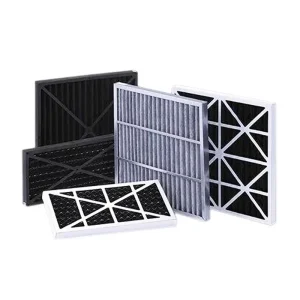
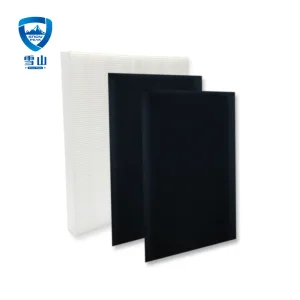
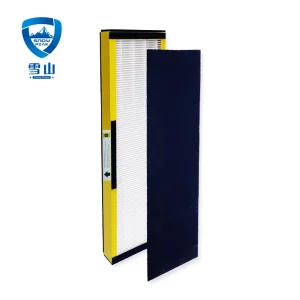
For residential air purifiers and vacuum cleaners, compact form factors must deliver high Clean Air Delivery Rates (CADR). Our custom multi-stage carbon and composite HEPA filters are designed to fit OEM systems (such as Coway, Honeywell, and Guardian configurations), balancing structural stability with domestic airflow parameters.
With a foundation built on 15 years of international air purification experience, our production infrastructure utilizes high-end metalworking machinery and automated assembly lines to ensure consistency.
Our facility features standardized dust-free filter production workshops and dedicated inspection lines for HEPA filters. We utilize self-developed fully automatic air filter assembly machinery, supplemented by AMADA CNC punches and CNC bending machines. This machinery supports high dimensional accuracy for custom filter designs.
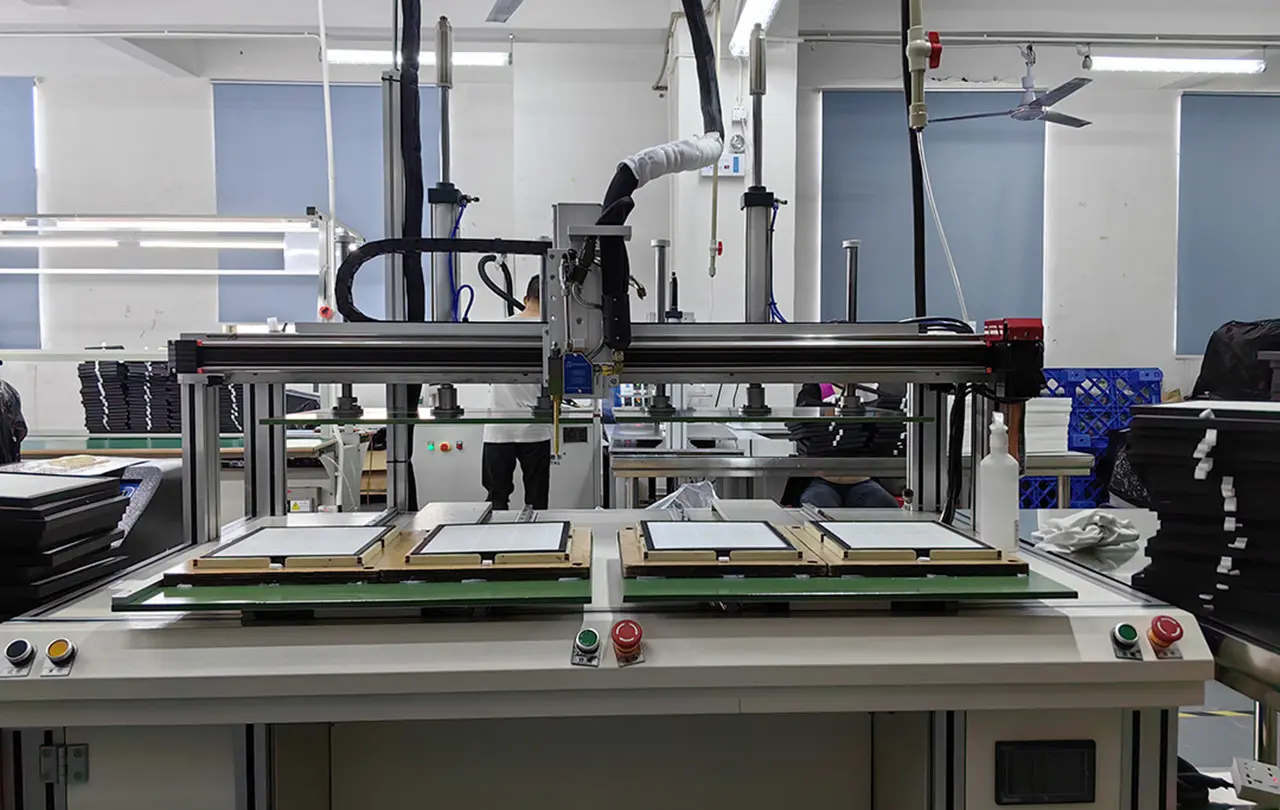
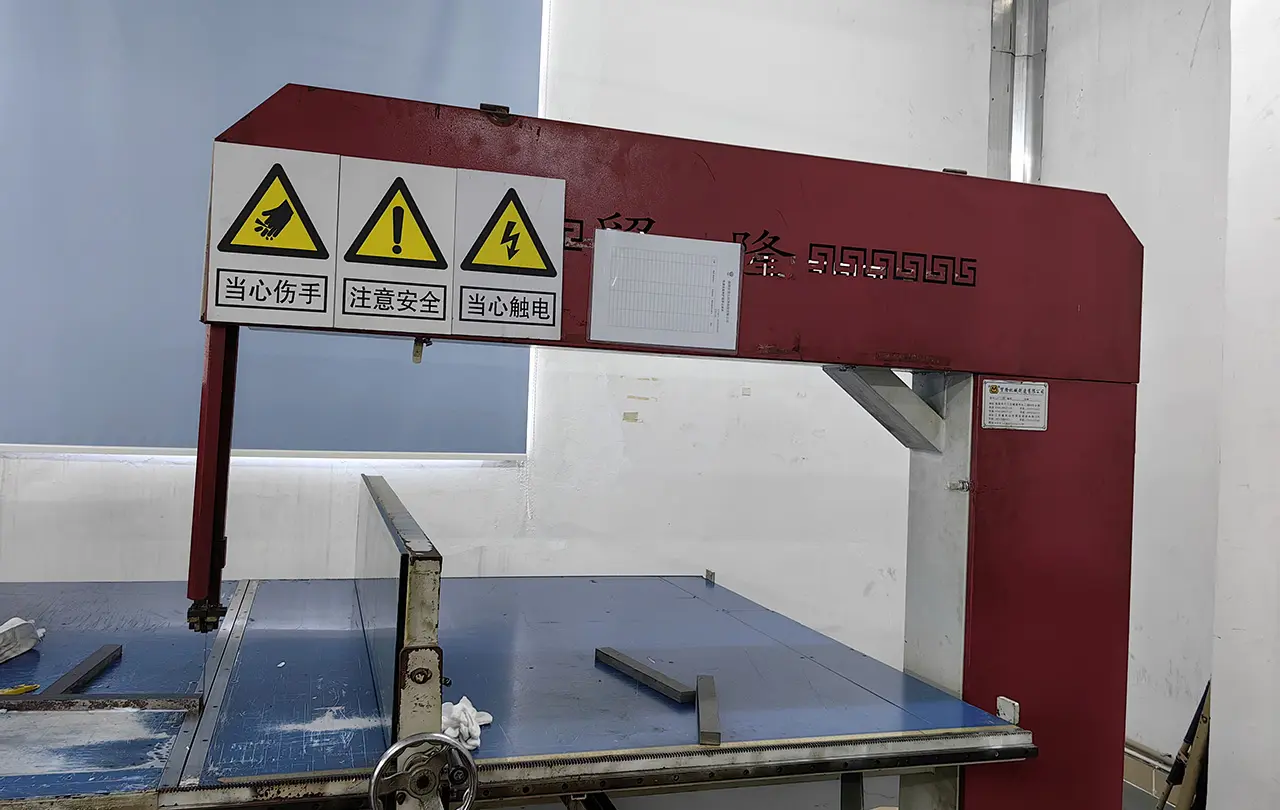
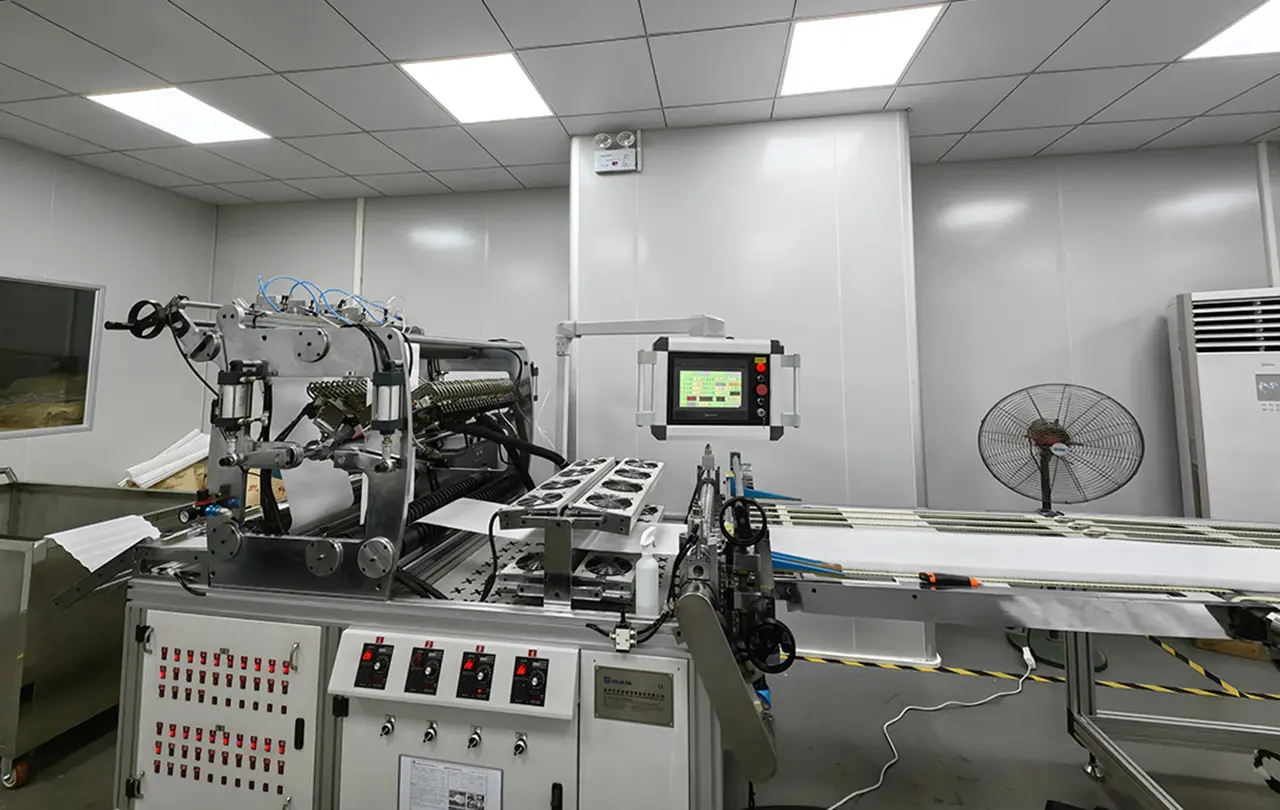
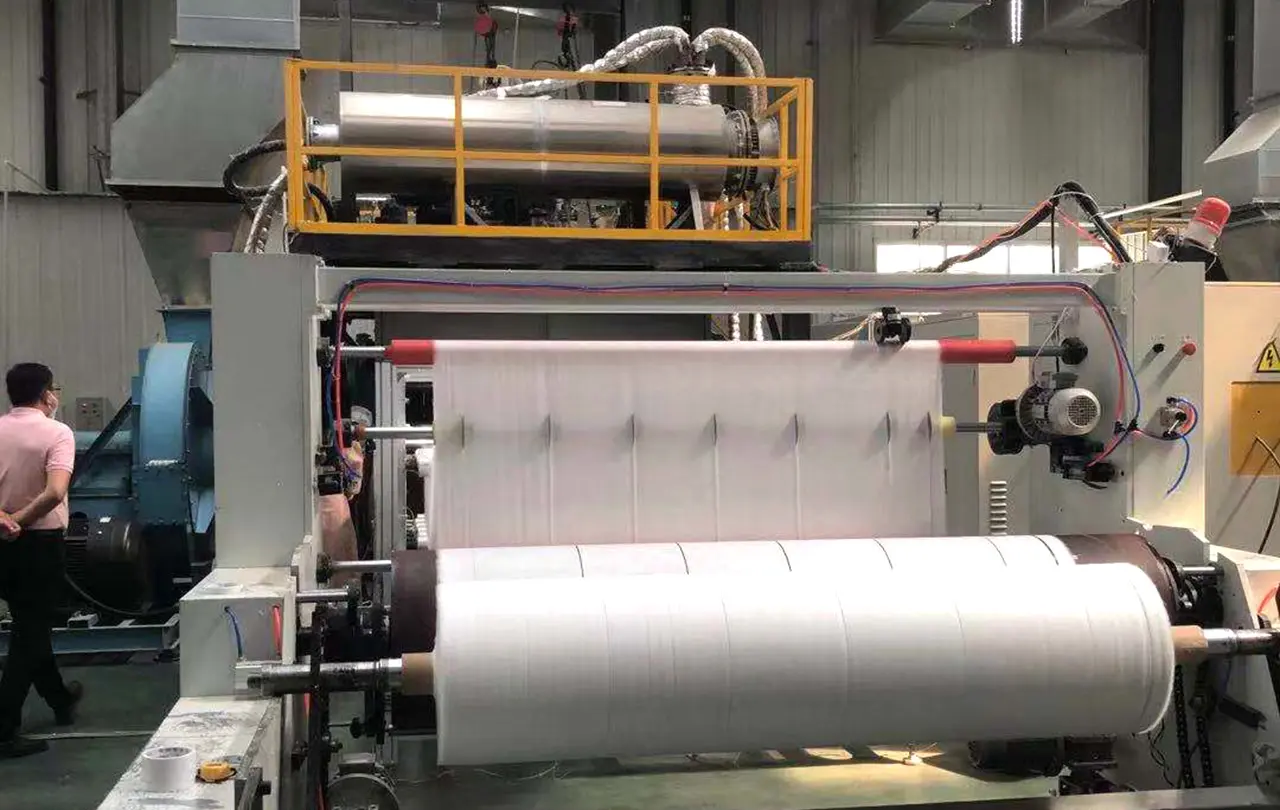
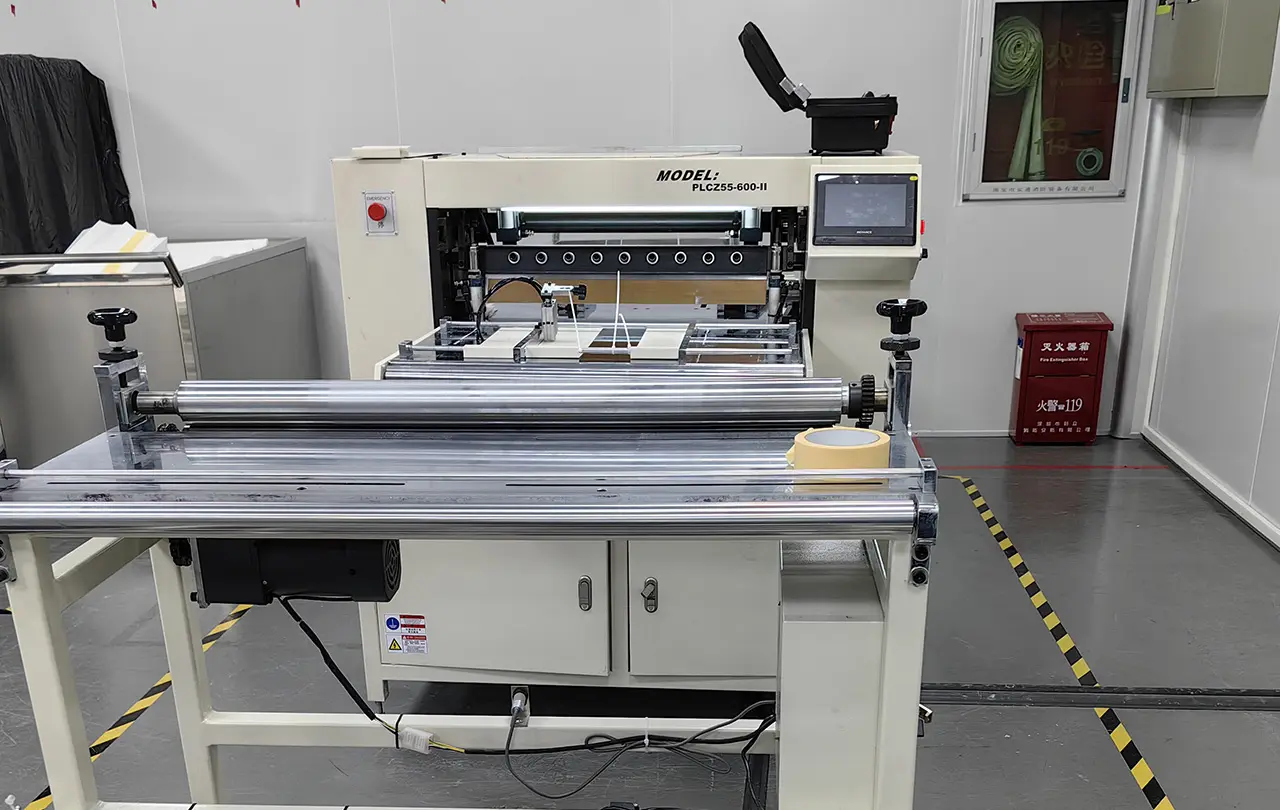
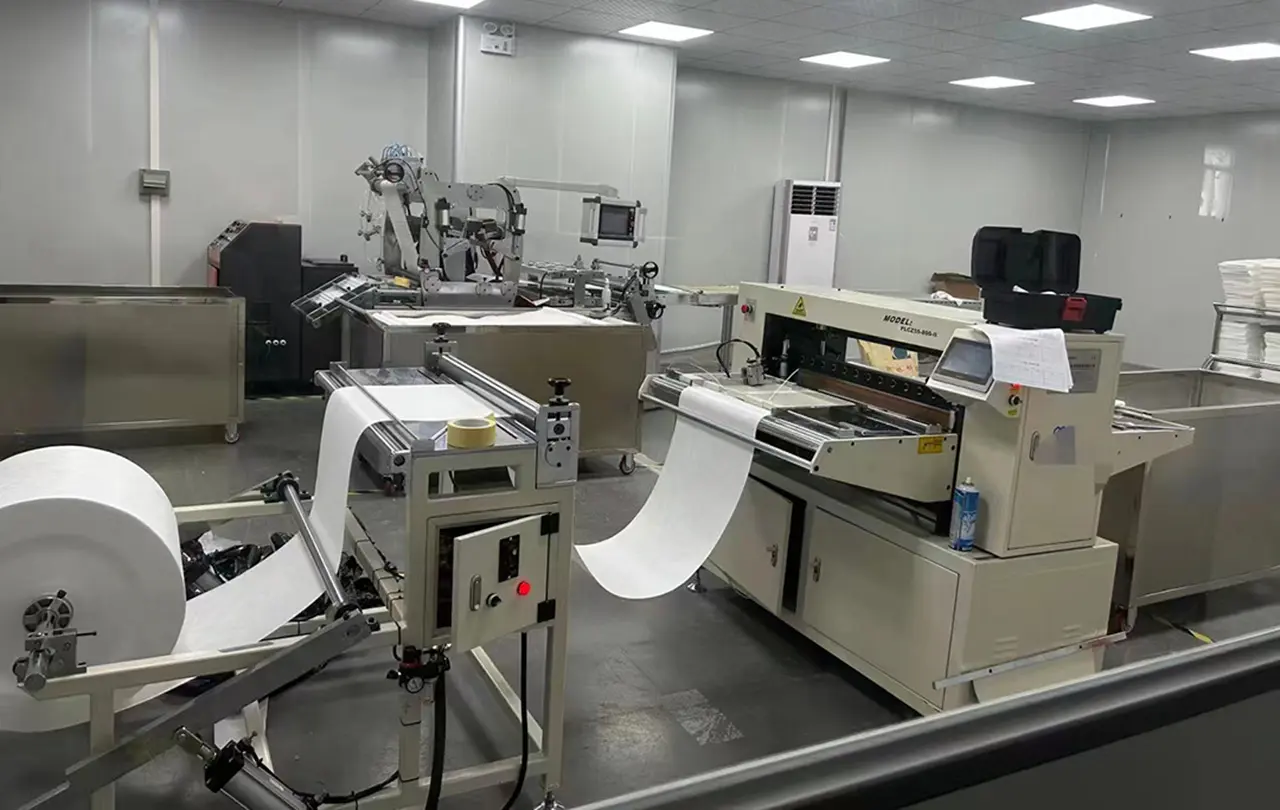
Integrating automated production technologies with deep logistics infrastructure ensures reliable lead times and cost-effective scaling for global buyers.
Our manufacturing processes utilize sensor-controlled pleating, hot-melt adhesive distribution, and automated gasket application. Automation limits manual touchpoints, minimizing risk of media damage during manufacture and ensuring pleat spacing. Consistent pleating optimizes cleanroom filter performance and stabilizes pressure drop across the filter face.
Every production batch undergoes structural leak testing and pressure-drop verification. We evaluate filtration efficiency using sub-micron aerosol generators and particle counters, checking against target standards (such as EN 1822 or ASHRAE 52.2). This testing provides tracing documentation for global cleanroom applications.
Based in the industrial hub of Shenzhen, China, we maintain partnerships with regional melt-blown, fiberglass, and active-carbon substrate manufacturers. This integrated logistics network ensures consistent access to raw materials during high-demand periods. This helps stabilize production costs and shorten delivery lead times for international distributors.
Understanding cleanroom standards, safety requirements, and supply chains helps procurement managers select reliable partners.
We manufacture in accordance with ISO 9001:2015 standards, and hold CE and UL certifications. Custom media configurations comply with EN 1822 (H13 to U17 efficiency) and ISO 29463 guidelines.
Industrial orders are packed in reinforced, moisture-resistant cartons and palletized with vacuum-sealed plastic wrap. This preserves static charge and prevents fiber damage during sea freight transit.
We design filters to match client specifications for dimensional profiles, framing materials (extruded aluminum, stainless steel, cardboard), gasket types, and optional integrated active carbon layers.
Technical specifications, application parameters, and engineering protocols explained by our R&D department.
These ratings indicate the filter's minimum efficiency for particles at the Most Penetrating Particle Size (MPPS, typically 0.1 to 0.2 microns). An H13 HEPA filter removes 99.95% of these particles, H14 captures 99.995%, and a U15 ULPA filter captures 99.9995%. The higher-grade units introduce more initial air resistance, which requires corresponding system fan capacity.
Unlike standard filters that capture microbes mechanically, our antiviral HEPA filters incorporate a patented sanitizing compound within the fiber matrix. This compound targets cellular membranes and viral coatings upon contact, achieving a 99.9% sterilization rate and reducing the risk of pathogen replication on the filter media.
Filter replacement is typically indicated by pressure drop readings. When the differential pressure across the filter exceeds twice the initial clean resistance (often between 250 and 450 Pa, depending on design specs), or when air velocity drops below target requirements, the filter should be replaced to prevent load on the HVAC blowers.
Yes. We support custom production for OEM and industrial applications. Our technical team works with clients to define dimensions, depth, frame types (extruded aluminum, stainless steel, or moisture-resistant cardboard), gasket styles (fluid-gel, neoprene, or EPDM), and custom faceguards to match specific installation slots.
Explore our industrial-grade, heavy-duty HEPA and specialized carbon-impregnated replacement filters designed for various air purification systems.
 Snow Peak