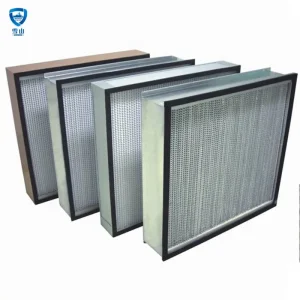
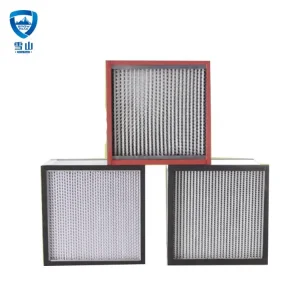
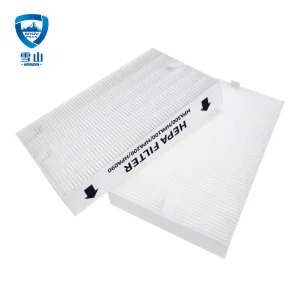
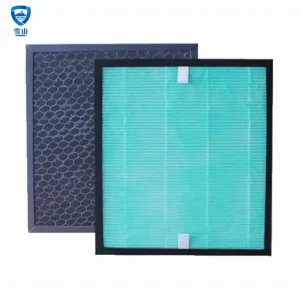
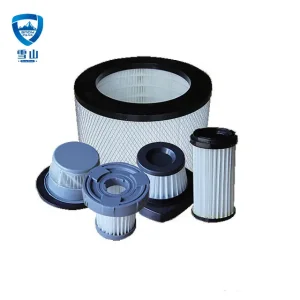
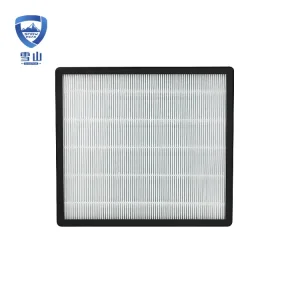
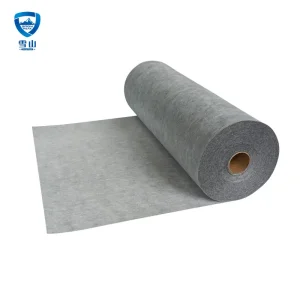
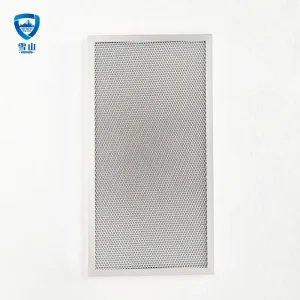
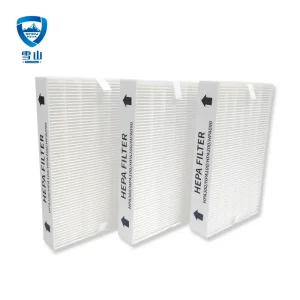
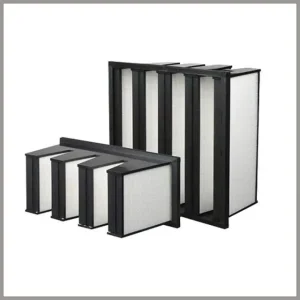
In modern commercial HVAC design and cleanroom air purification, the transition from simple dust retention to comprehensive, multi-phase molecular clean air delivery is paramount. MERV 13 carbon filters represent the apex of this technology by coupling particulate capture efficiency with high-capacity chemical adsorption. Per the ASHRAE 52.2 test standard, a Minimum Efficiency Reporting Value (MERV) of 13 dictates that a filter must trap at least 90% of large particles (3.0 to 10.0 microns), at least 85% of medium particles (1.0 to 3.0 microns), and at least 50% of sub-micron particles (0.3 to 1.0 micron). This is crucial for capturing fine particulate matter (PM2.5), bacteria, smoke, and droplet nuclei from respiratory aerosols.
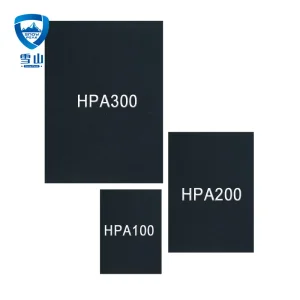
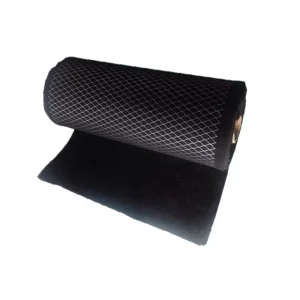
However, particulate capture is only one side of the equation. Gaseous contaminants such as Volatile Organic Compounds (VOCs), formaldehyde, ozone, sulfur dioxide, and industrial odors cannot be trapped by mechanical fibers alone. This is where integrated activated carbon media acts as the secondary defense line. Through the physical mechanism of adsorption, carbon pores lock in gas-phase molecules, neutralizing odors and chemical compounds that degrade indoor air quality (IAQ). As leading global manufacturers, Shenzhen Snow Peak Clean Technology Co., Ltd. customizes the density, frame structural design, and carbon loading rate of these filters to match the exact airflow parameters of large-scale mechanical ventilation systems.
Global corporate enterprises face mounting regulatory pressures regarding sustainability, ESG criteria, and human health metrics. Organizations seeking LEED (Leadership in Energy and Environmental Design) or WELL Building Standard certifications must demonstrate superior IAQ strategies. Typically, this demands upgrading building filtration networks to MERV 13 or higher. Procurement departments, however, grapple with three critical challenges when selecting a manufacturing partner:
How advanced molecular and particulate filtration architectures address specific demands across global industrial ecosystems.
Data centers and cleanrooms are highly sensitive to airborne particulate contamination (dust causing heat buildup) and corrosive acid gases. Gaseous contaminants such as hydrogen sulfide, sulfur dioxide, and chlorine cause corrosion on printed circuit boards. Custom-engineered MERV 13 carbon media prevents chemical degradation by scrubbing recirculating air of acidic vapours, lowering equipment downtime.
Hospitals and biological laboratories require constant environmental sterile control. Snow Peak's self-developed antiviral HEPA and MERV 13 composite filters effectively inhibit microbial propagation, achieving a disinfection rate of up to 99.9% and H1N1 virus removal efficiencies as high as 99.99%. Carbon layers also neutralize chemical sterilants and pharmaceutical fumes.
Urban commercial office spaces contend with outside air intake tainted by traffic emissions (nitrogen oxides, diesel soot, ozone) and indoor building material emissions (formaldehyde, VOCs). Retrofitting HVAC configurations with low-resistance MERV 13 carbon media allows property managers to optimize occupant health, meet ESG standards, and lower energy costs compared to thick HEPA retrofits.
Below is a comparison of standard air filtration parameters indicating the exact placement of MERV 13 Carbon Filters in the engineering hierarchy:
| Filter Grade / Type | Primary Particle Target (Fraction Size) | Gas Adsorption Capacity (CTC Activity) | Initial Resistance Range (Pa) | Common Applications |
|---|---|---|---|---|
| G4 / MERV 7-8 Prefilter | Large Dust, Lint, Hair (> 10 µm) | Negligible (Mechanical Only) | 35 - 75 Pa | Residential HVAC, HEPA Pre-protection |
| MERV 13 Carbon Pleated | Bacteria, PM2.5, Soot (0.3 - 3.0 µm) | Moderate to High (40% - 60% CTC) | 65 - 110 Pa | Commercial Offices, IAQ Upgrades, Public Buildings |
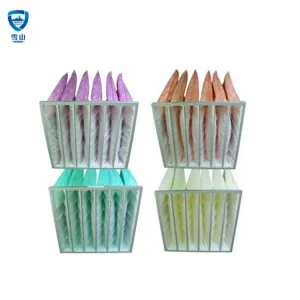
| F7 / F8 Fine pocket filter | Fine Dust, Aerosols (1.0 - 3.0 µm) | Dynamic depending on carbon sandwich | 80 - 150 Pa | HVAC Air Intake, Paint Booths, Spray Systems |
| H13 - H14 True HEPA | Sub-micron Pathogens (≥ 99.97% @ 0.3 µm) | Optional with carbon frame combination | 220 - 250 Pa | Microelectronics cleanrooms, Biotech labs, Operating Rooms |
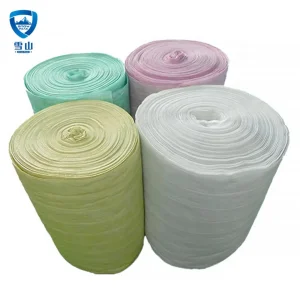
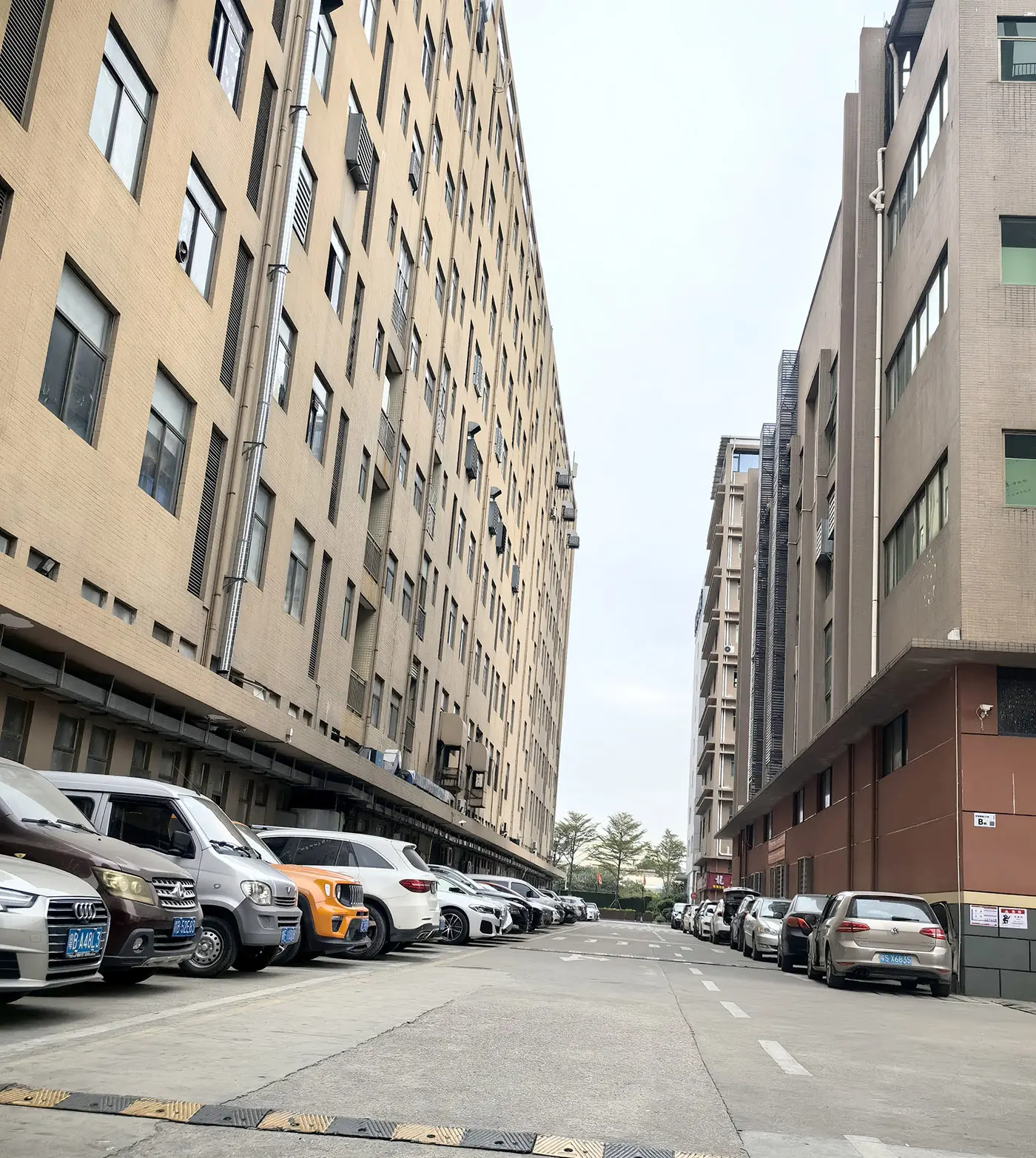
Shenzhen Snow Peak Clean Technology Co., Ltd. is an integrated high-tech enterprise, specialized in air filtration products research and development, production, sales, import and export trade. We produce and supply: Pre-filter, pocket filter, HEPA filter, chemical filter; replacement HEPA filter, car cabin air filter, humidifier filter; pocket filter media, melt-blown composite filter media, and other high-performance filter materials; provide high quality air purification solutions and products for indoor air pollution control and air conditioning systems of civil and industrial buildings, microelectronics, pharmaceutical, laboratory, school, hospital clean room etc. Combined with self-developed patented technology, our sterilizing antiviral HEPA filter can effectively filtrate fine particles, so that PM2.5 concentration down to 10 micrograms/m3, 5 times better than national standard; effectively inhibit the breeding of microorganisms, sterilization rate up to 99.9%, and no secondary pollution, removal of H1N1 virus efficiency as high as 99.99%.
Having 15 years of international air purification technology experience as the background, our company has standardized production workshop, dust-free filter workshop and first-class technology of HEPA filters production line and inspection line, independent research and development of fully automatic air filter production line, equipped with AMADA CNC punch and CNC bending machine as well as many other advanced high-end equipment, provide a strong guarantee for production and quality of air filtration and purification products.
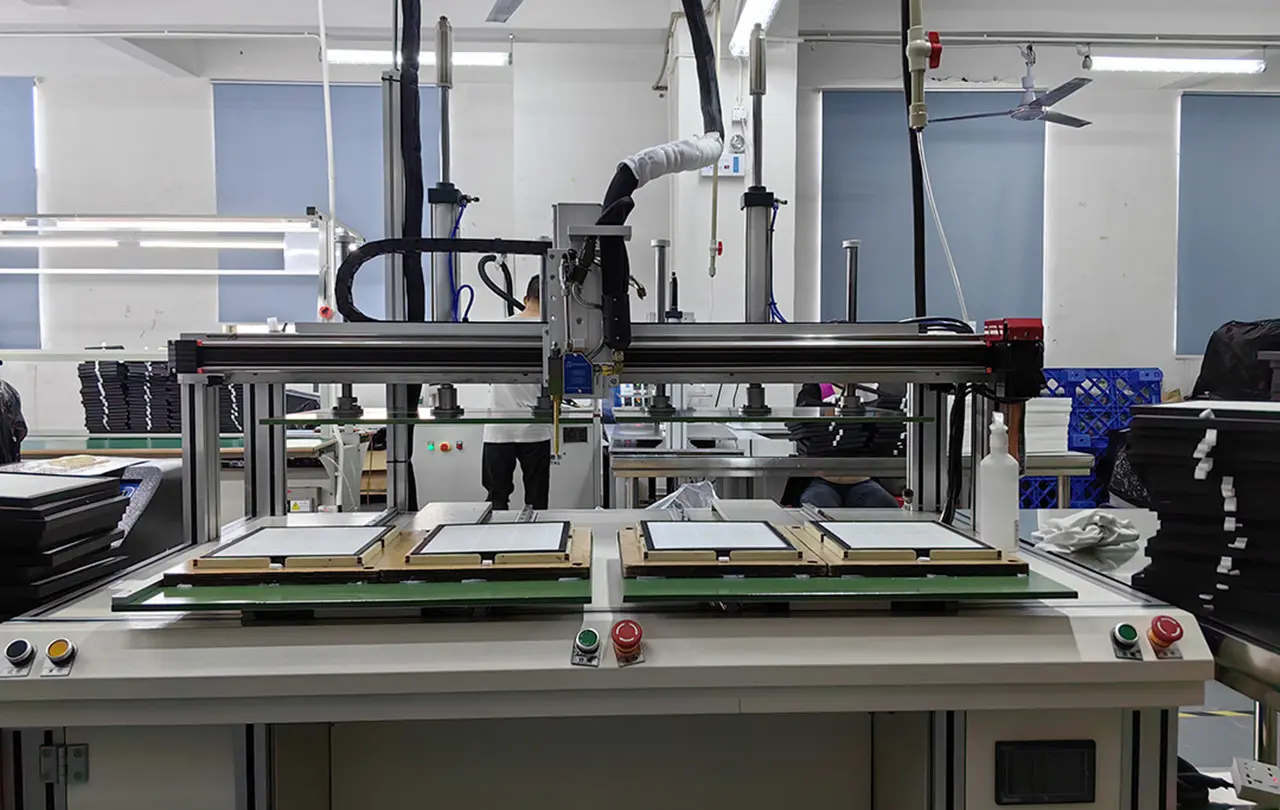
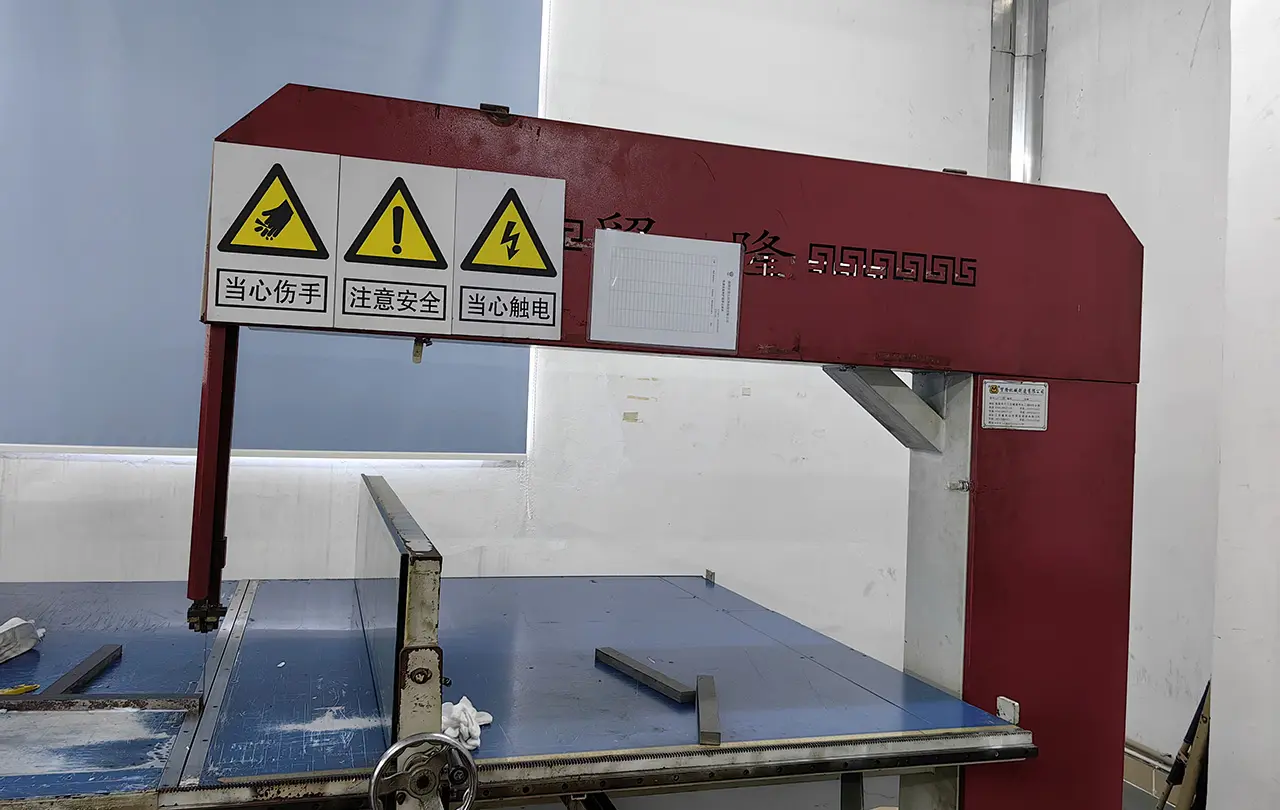
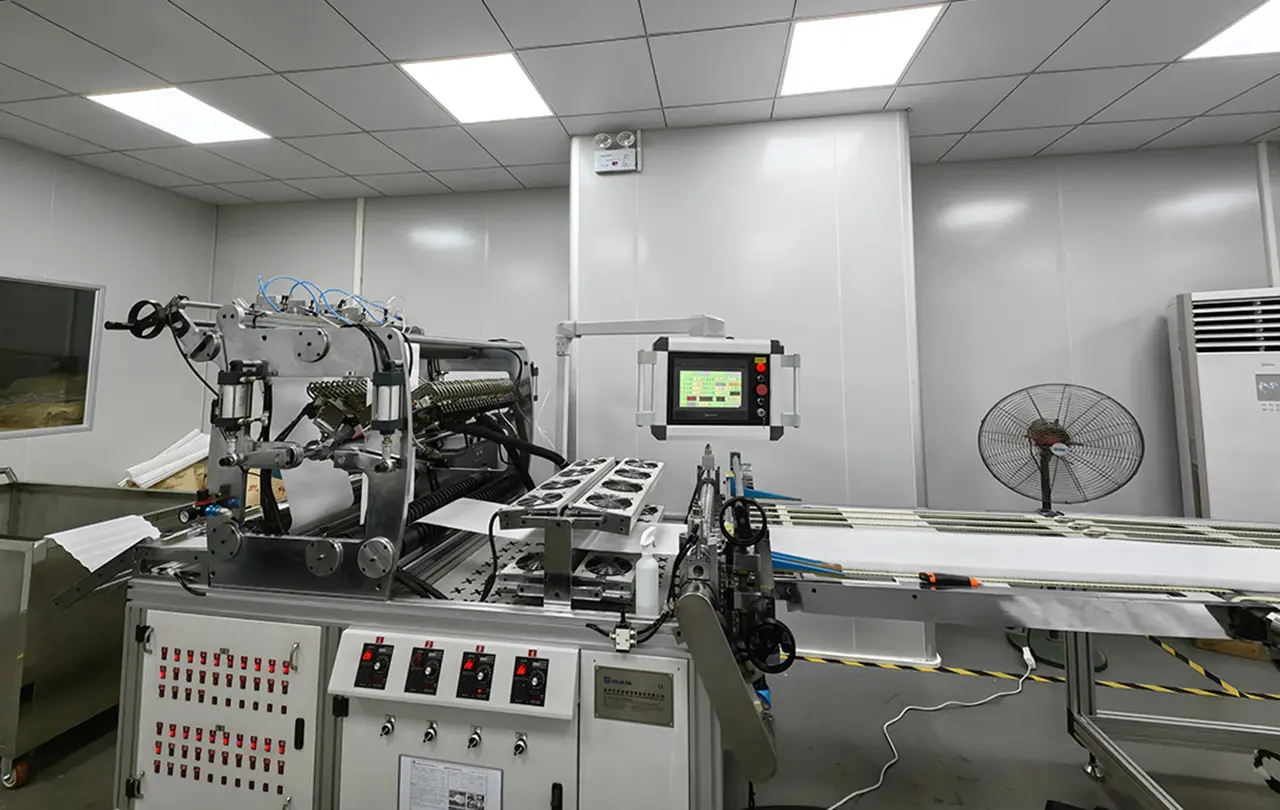
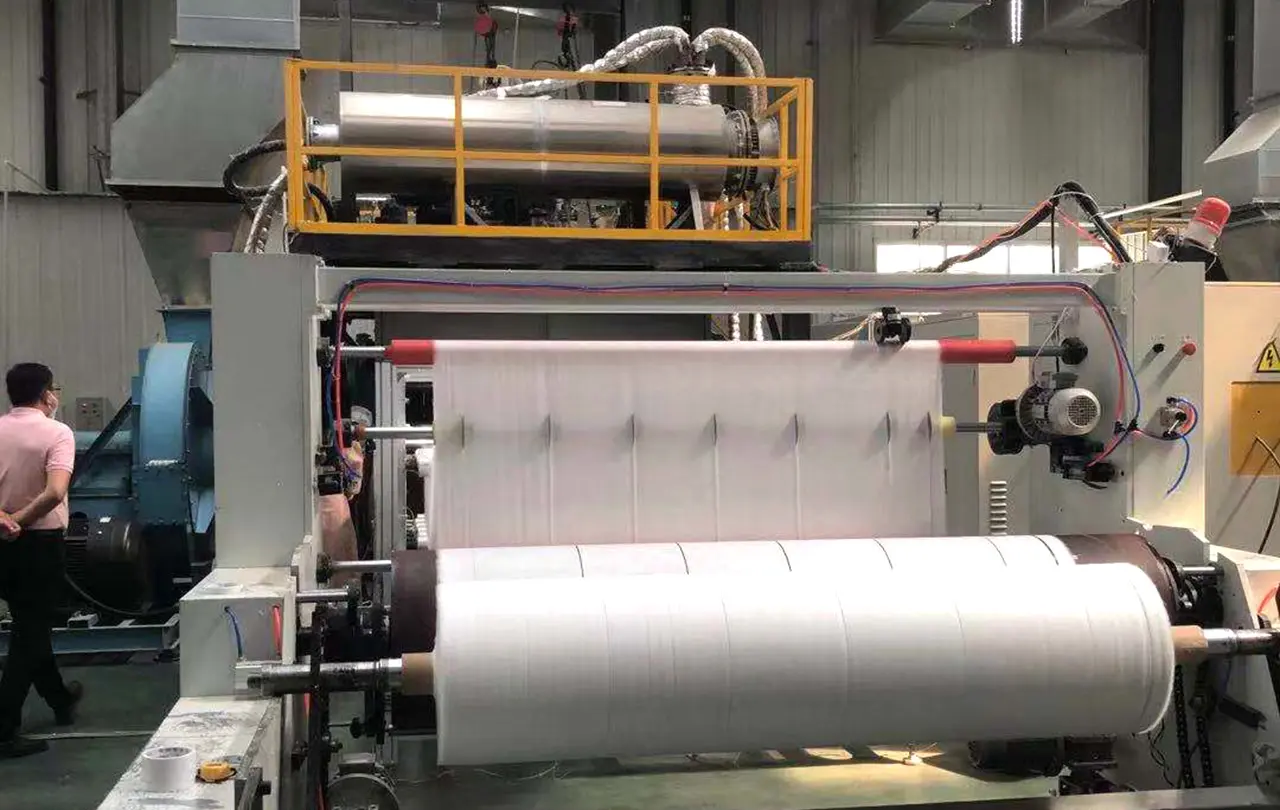
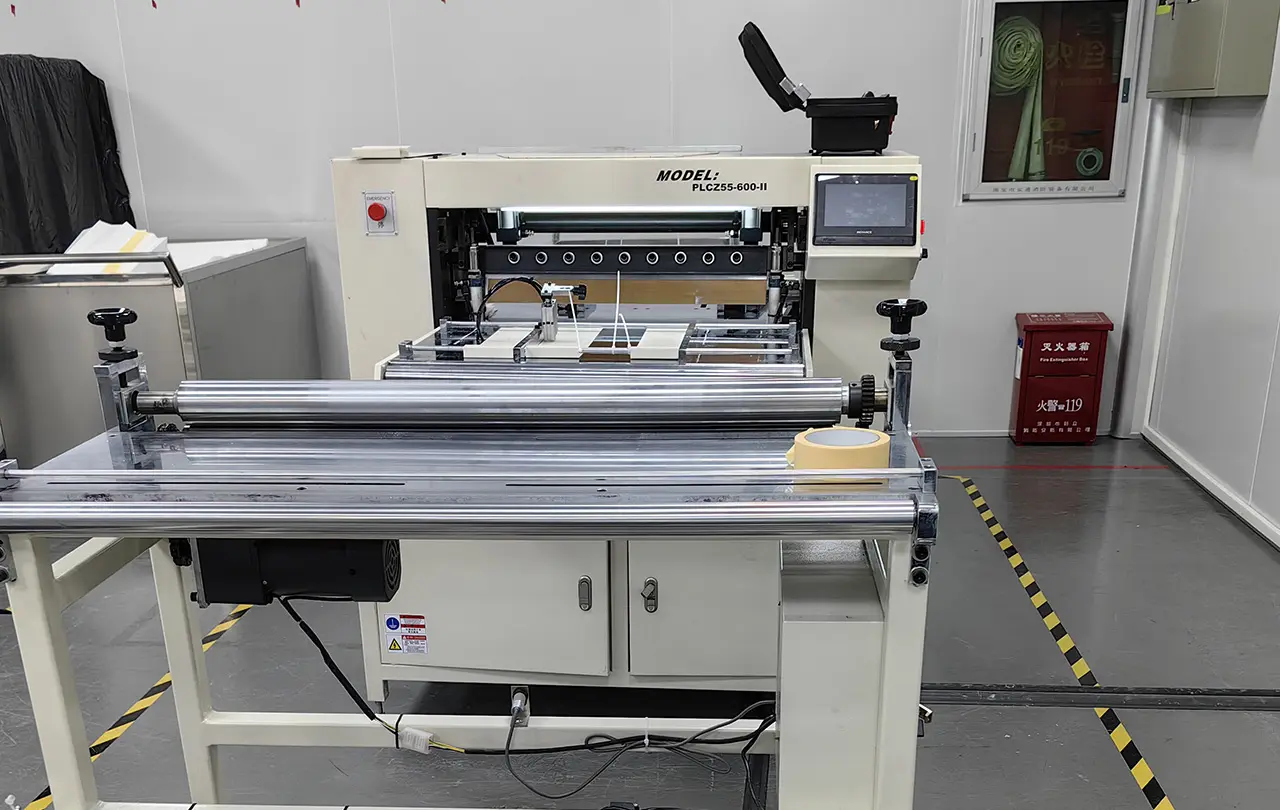
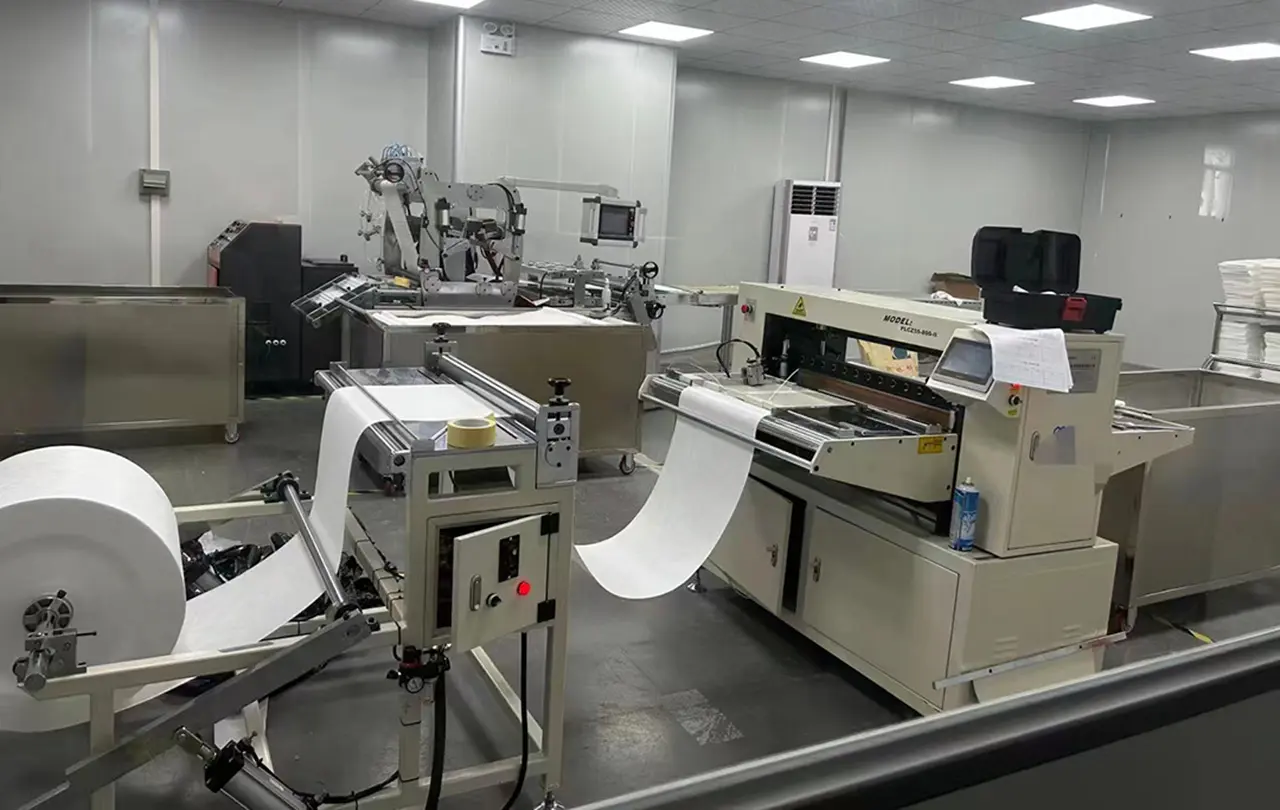
As a leading OEM/ODM manufacturer, Shenzhen Snow Peak Clean Technology is committed to advancing active filtration media research. The future roadmap of MERV 13 carbon pleated filters relies heavily on material-level developments:
Utilizing split-fiber polymeric synthetics that receive a stable, long-lasting electrostatic charge (electret technology). This allows the filter fibers to attract tiny particles without needing smaller mechanical pores, keeping resistance low and extending life.
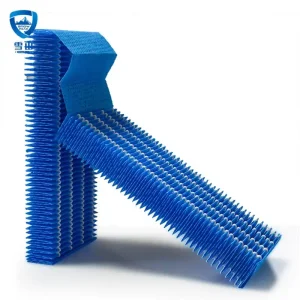
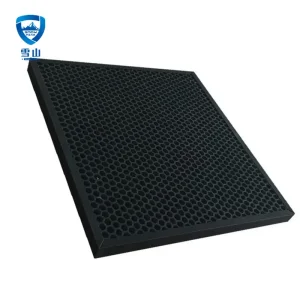
Instead of standard carbon granules that can settle or create dust bypass, we use sandwich structures and honeycomb frames embedded with catalyst-treated carbon. Impregnating carbon with copper, zinc, or manganese compounds targeted for industrial applications makes it highly reactive against acidic fumes.
In response to global corporate sustainability initiatives, our engineering department is prototyping recycled aluminum frames and bio-based cardboard structures that can be incinerated or recycled easily, lowering carbon footprints.
All components designed, manufactured, and inspected strictly within ISO 9001 certified cleanrooms, conforming fully with global HVAC test regulations.
Reliability in filtration performance demands constant conformance checks. Snow Peak maintains testing centers outfitted with optical particle counters, airflow chambers, and gas concentration trackers. This assures every batch of MERV 13 carbon filters delivers the expected pressure drop and filtration levels.
A standard mechanical MERV 13 filter only captures dust and fine particles, not gas. However, when combined with activated carbon media, it targets both. The carbon layer uses physical adsorption to capture gas molecules (odors, chemical fumes), while the MERV 13 media traps the solid particles.
Typically, they should be replaced every 3 to 6 months depending on air quality, usage, and system load. If the space has high levels of odors or chemicals (such as a salon, manufacturing floor, or laboratory), the carbon layers may saturate faster than the particulate media, requiring more frequent changes.
A high-quality MERV 13 carbon filter usually adds an initial resistance of 65 to 110 Pa (approx. 0.26 - 0.44 inches water gauge) at typical airflow speeds. Snow Peak uses high-flow, low-resistance media to minimize energy costs and prevent motor strain in standard air handling systems.
Yes, adding carbon can increase resistance compared to basic particulate filters. To minimize this, Snow Peak uses a thin sandwich configuration or a honeycomb carbon design. This provides excellent contact surface area for gas removal while keeping airflow resistance low.
No. These are disposable HVAC filters. Washing them damages the electrostatic charge on the synthetic fibers and fills the microscopic pores of the activated carbon, rendering the filter useless.
CTC (Carbon Tetrachloride) activity measures the pore volume of activated carbon. A higher CTC rating (like our 50-60% active carbon) means more micropores are available to trap gases, leading to higher capacity and longer filter life.
 Snow Peak