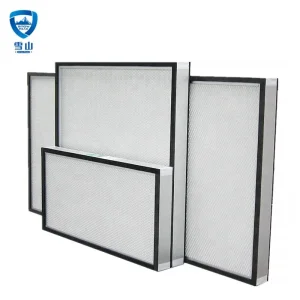
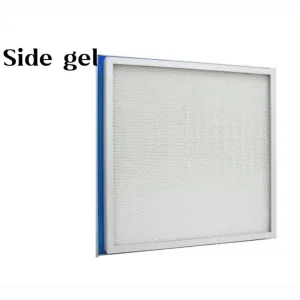
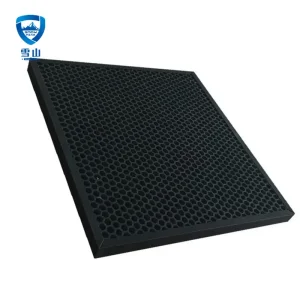
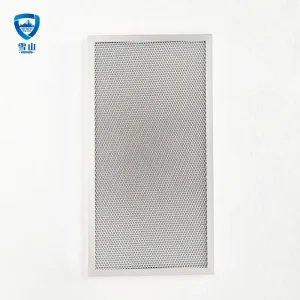
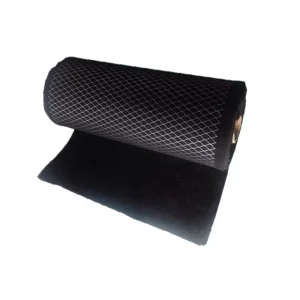
Explore our premium grade materials engineered to satisfy strict MERV 16 and sub-micron particle filtration requirements.
In modern industrial HVAC engineering, the selection of filtration media plays a primary role in securing indoor air quality (IAQ) and protecting critical processes. Under the ASHRAE 52.2 standard, the Minimum Efficiency Reporting Value (MERV) scale is used to define a filter's ability to capture particles of varying sizes. MERV 16 filter material represents the pinnacle of standard HVAC filtration, achieving a particle removal efficiency of ≥95% in the finest size range (0.3 to 1.0 microns), while capturing nearly 99% of particles in the 1.0 to 10.0-micron range. This performance bridges the gap between typical commercial-grade HVAC filters and specialized cleanroom HEPA (High-Efficiency Particulate Air) filtration systems.
High-grade MERV 16 filter materials are usually composed of advanced polymeric blends, fiberglass matrixes, or multi-layered composite electret melt-blown nonwoven media. The integration of stable electrostatic charges (electrets) within the fiber matrix is critical. Unlike purely mechanical capture—which relies on interception, inertial impaction, and diffusion—electrostatic attraction pulls sub-micron contaminants onto the fibers without increasing the physical packing density. This maintains a exceptionally low pressure drop (resistance to airflow), which is a key parameter for reducing energy consumption in industrial fans and air handling units (AHUs).
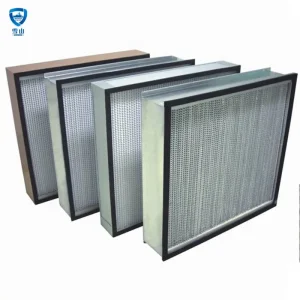
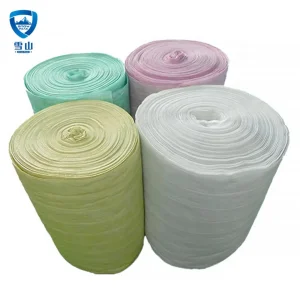
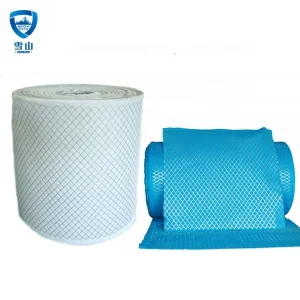
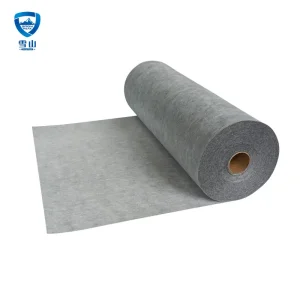
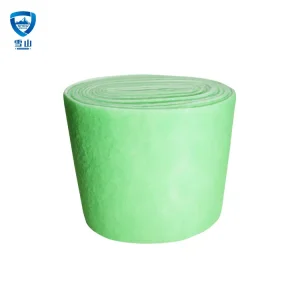
The manufacturing process of MERV 16 material requires precise control over fiber distribution. By leveraging custom-formulated compound materials, manufacturers like Shenzhen Snow Peak Clean Technology Co., Ltd. can supply filter media rolls and pleats that maintain structured geometry under high air velocities. This structure prevents bypass, reduces media oscillation, and prolongs the service life of finished pocket, panel, or rigid box filters.
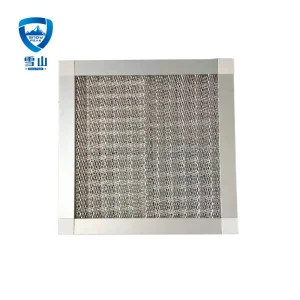
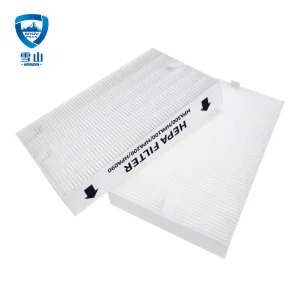
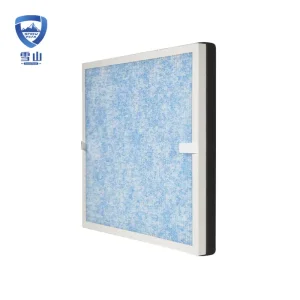
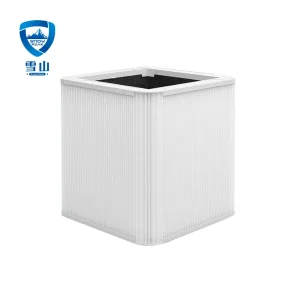
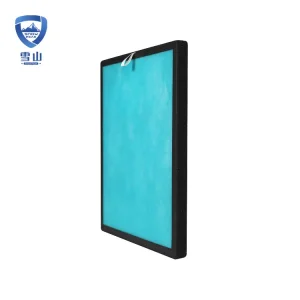
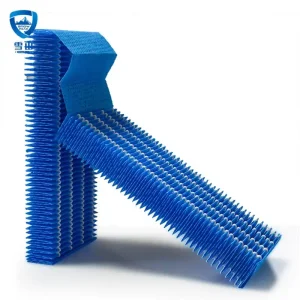
Shenzhen Snow Peak Clean Technology Co., Ltd. is an integrated high-tech enterprise, specialized in air filtration products research and development, production, sales, import and export trade. We produce and supply: Pre-filter, pocket filter, HEPA filter, chemical filter; replacement HEPA filter, car cabin air filter, humidifier filter; pocket filter media, melt-blown composite filter media, and other high-performance filter materials; provide high quality air purification solutions and products for indoor air pollution control and air conditioning systems of civil and industrial buildings, microelectronics, pharmaceutical, laboratory, school, hospital clean room etc.
Combined with self-developed patented technology, our sterilizing antiviral HEPA filter can effectively filtrate fine particles, so that PM2.5 concentration down to 10 micrograms/m3, 5 times better than national standard; effectively inhibit the breeding of microorganisms, sterilization rate up to 99.9%, and no secondary pollution, removal of H1N1 virus efficiency as high as 99.99%.
The global demand for high-efficiency HVAC and air purification systems is experiencing a structural expansion. Historically, MERV 16 filters were reserved for niche medical environments and precision laboratory settings. Today, they are standard equipment across high-density commercial real estate, food processing plants, data centers, and advanced manufacturing sectors. This transition is heavily driven by building codes, post-pandemic indoor air standards, and corporate sustainability mandates targeting aerosol reduction and pathogen control.
In regions such as North America and Europe, guidelines set by bodies like ASHRAE and the European Committee for Standardization (CEN) have recommended upgrading building filtration systems to MERV 13 or higher. Where building infrastructure permits, upgrading to MERV 16 is widely recognized as the most effective action to capture sub-micron bio-aerosols, pollen, mold spores, and combustion particles without requiring costly system overhauls to support H13/H14 HEPA frames. This has created a massive procurement demand for durable, low-resistance MERV 16 media rolls and prefabricated mini-pleated components.
Furthermore, in the Asia-Pacific region, rapid industrial expansion and urban clean air regulations have spurred high-volume procurement of filtration solutions. Cleanrooms in semiconductor foundries and pharmaceutical packing units require multi-tiered filtration cascades. Within these cascades, MERV 16 filters serve as critical secondary pre-filtration units. By capturing over 95% of fine particulates, they prevent premature loading of terminal HEPA and ULPA filters, saving global operators millions of dollars in maintenance down-time and material replacement costs.
Global compliance with ASHRAE 52.2 and ISO 16890 continues to favor the integration of high-efficiency MERV 16 solutions.
MERV 16 filters are rated to isolate droplet nuclei and viral carriers, providing sterile pathways in critical areas.
Provides close-to-HEPA performance with a lower physical footprint and significantly lower pressure drops.
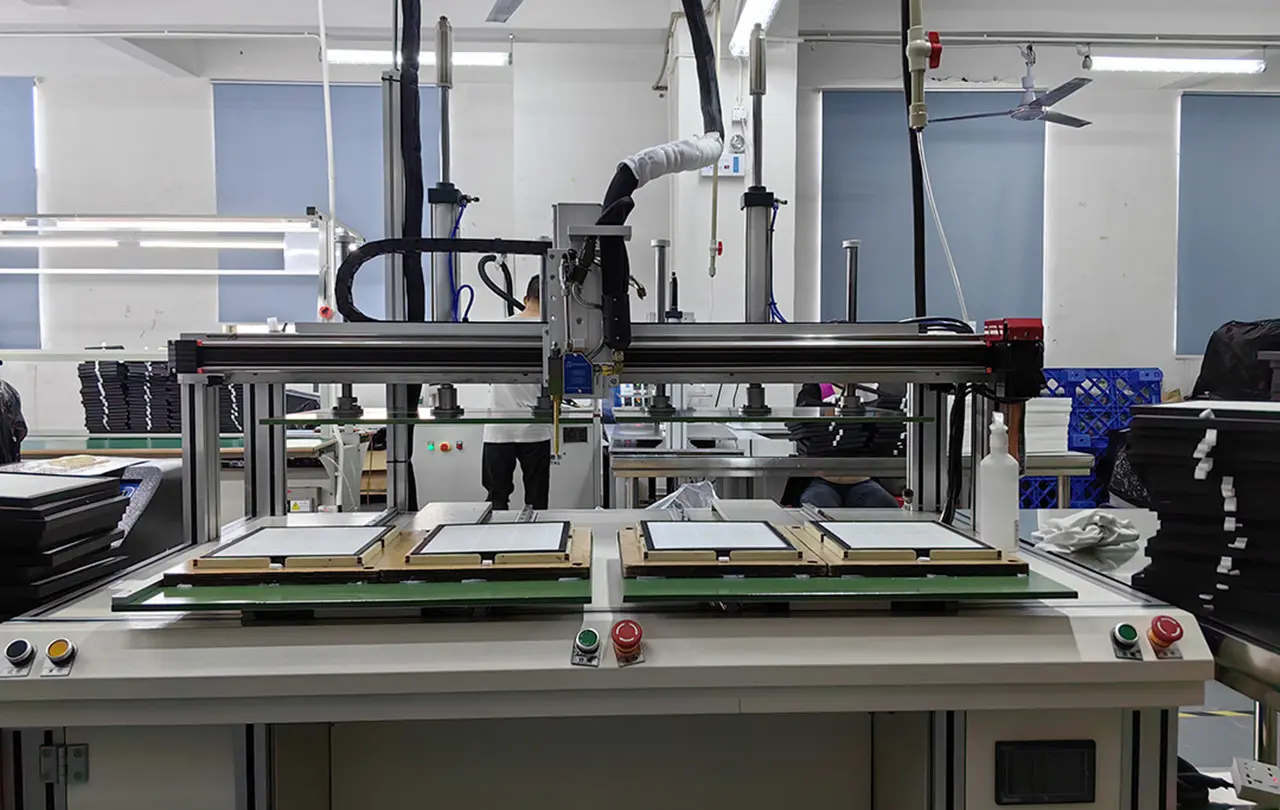
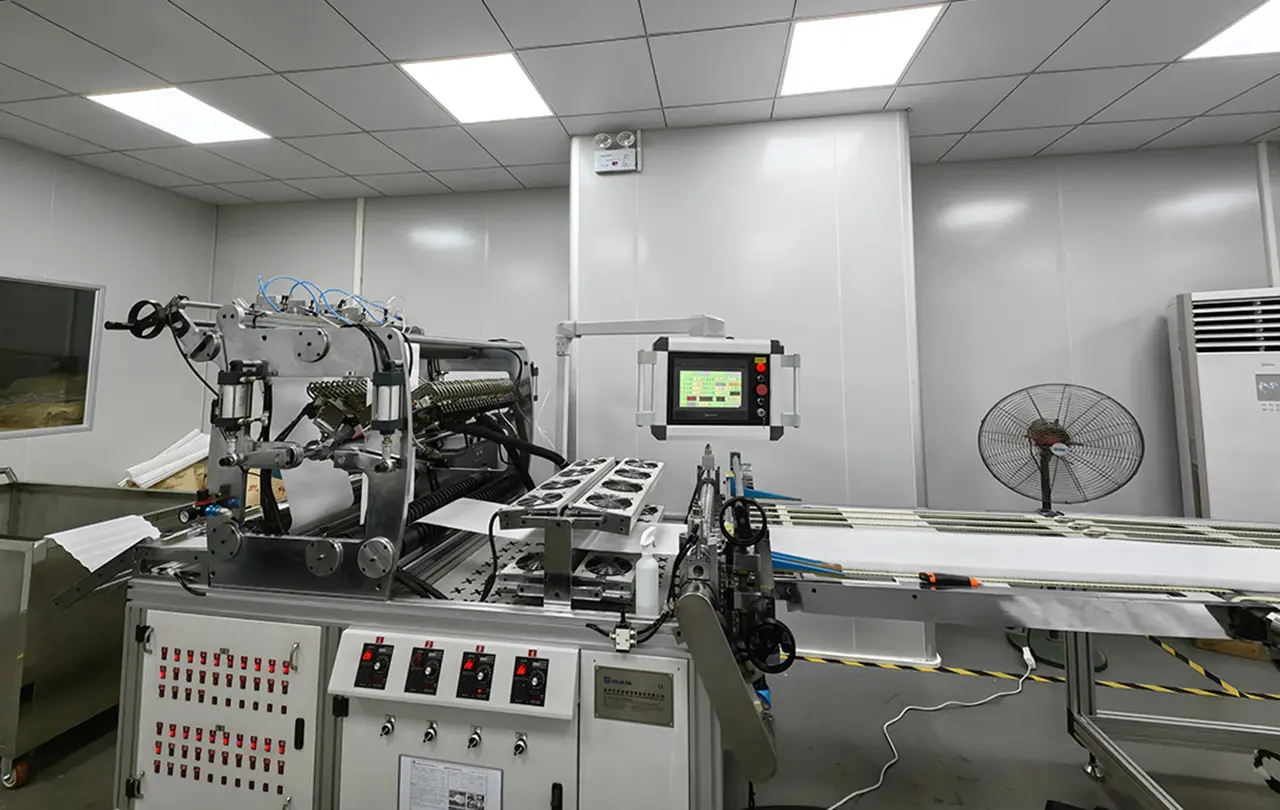
Under our strict quality protocols, Shenzhen Snow Peak integrates advanced robotic lines to process fine fibers into robust filtration configurations.
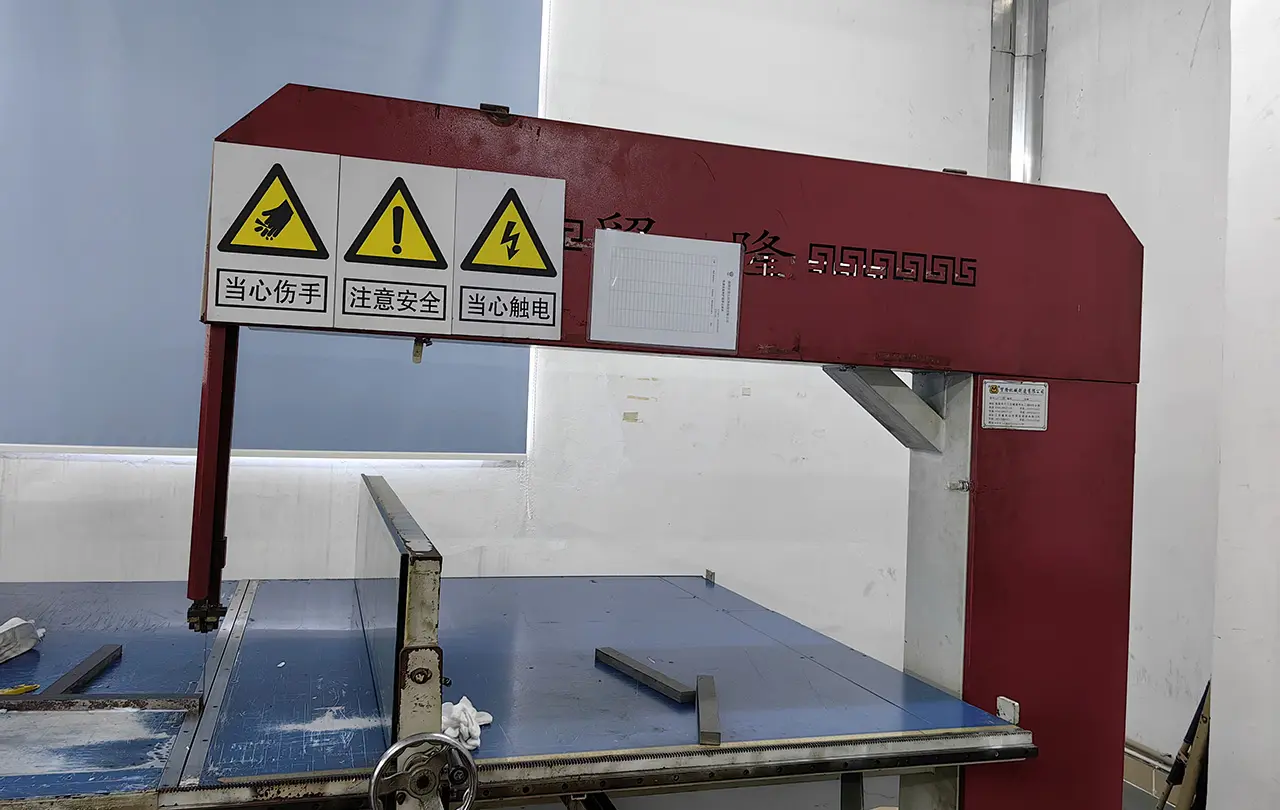
Having 15 years of international air purification technology experience as the background, our company has standardized production workshop, dust-free filter workshop and first-class technology of HEPA filters production line and inspection line, independent research and development of fully automatic air filter production line, equipped with AMADA CNC punch and CNC bending machine as well as many other advanced high-end equipment, provide a strong guarantee for production and quality of air filtration and purification products.
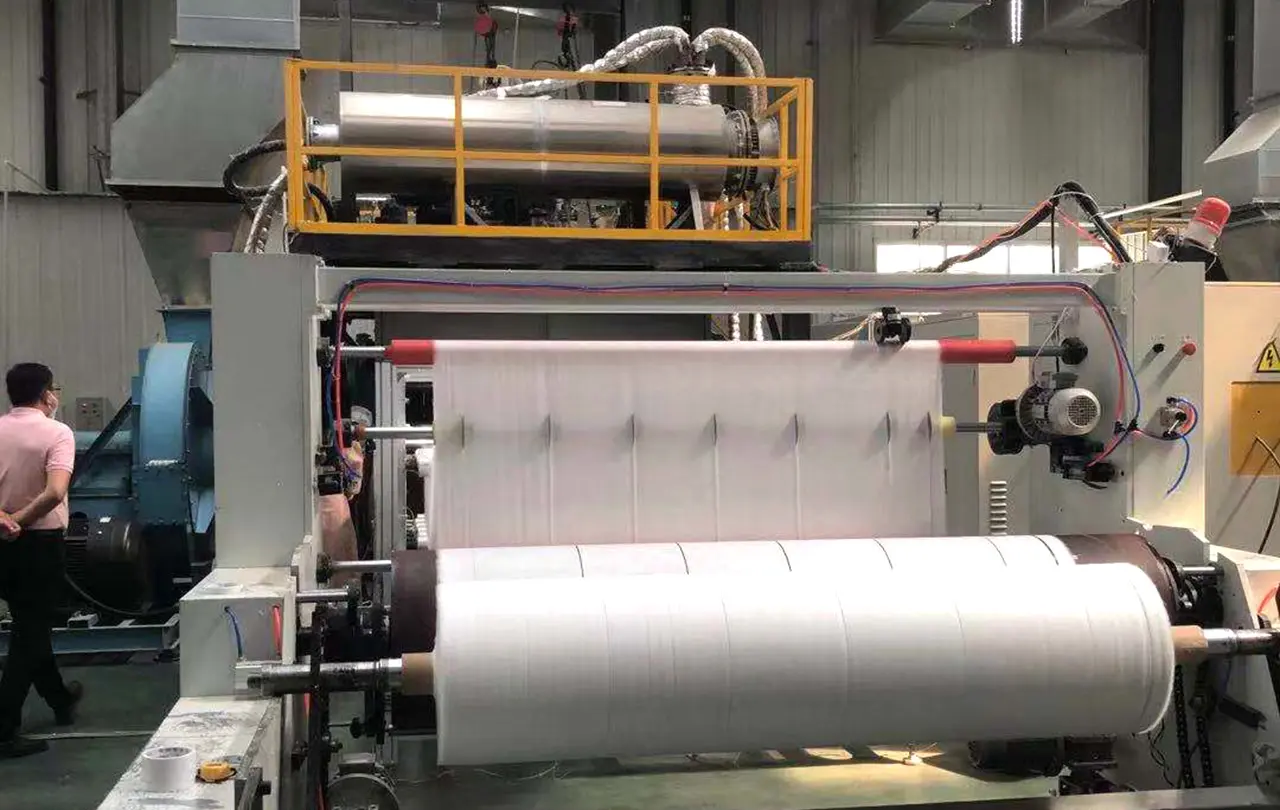
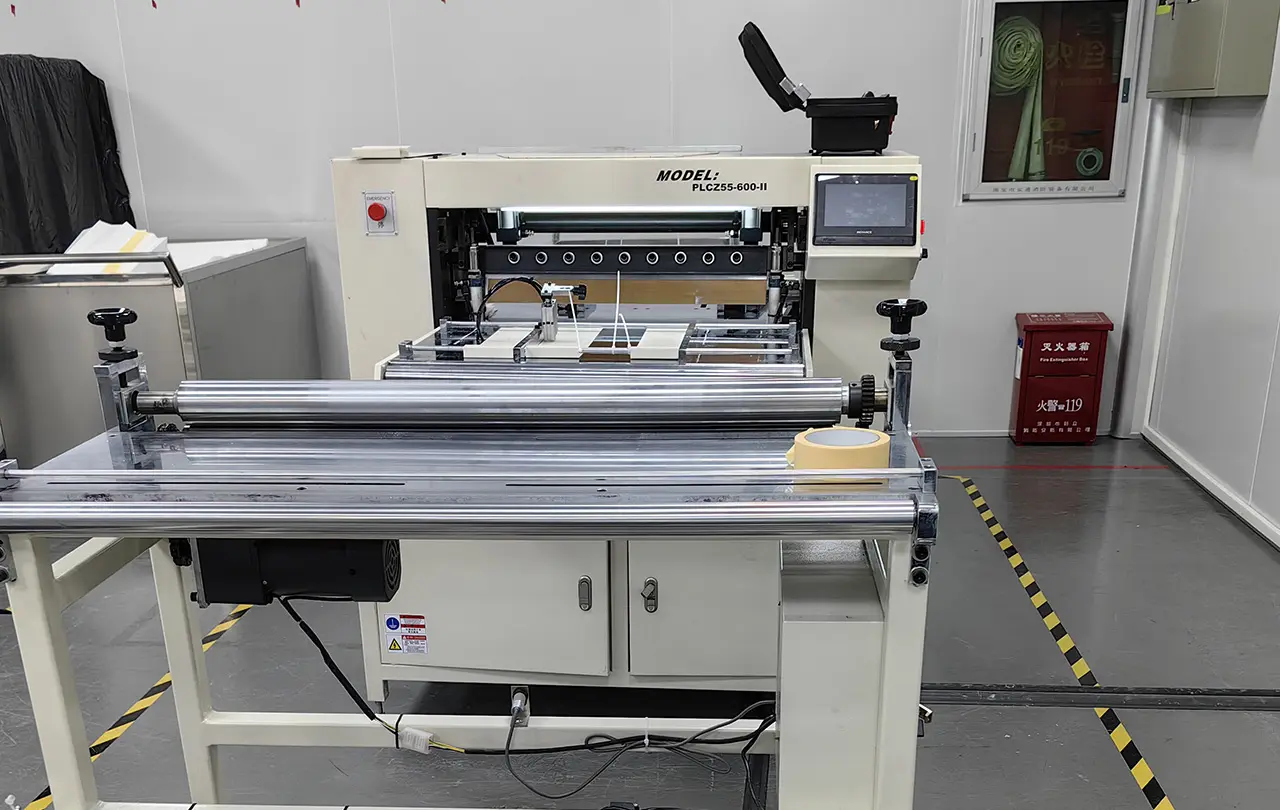
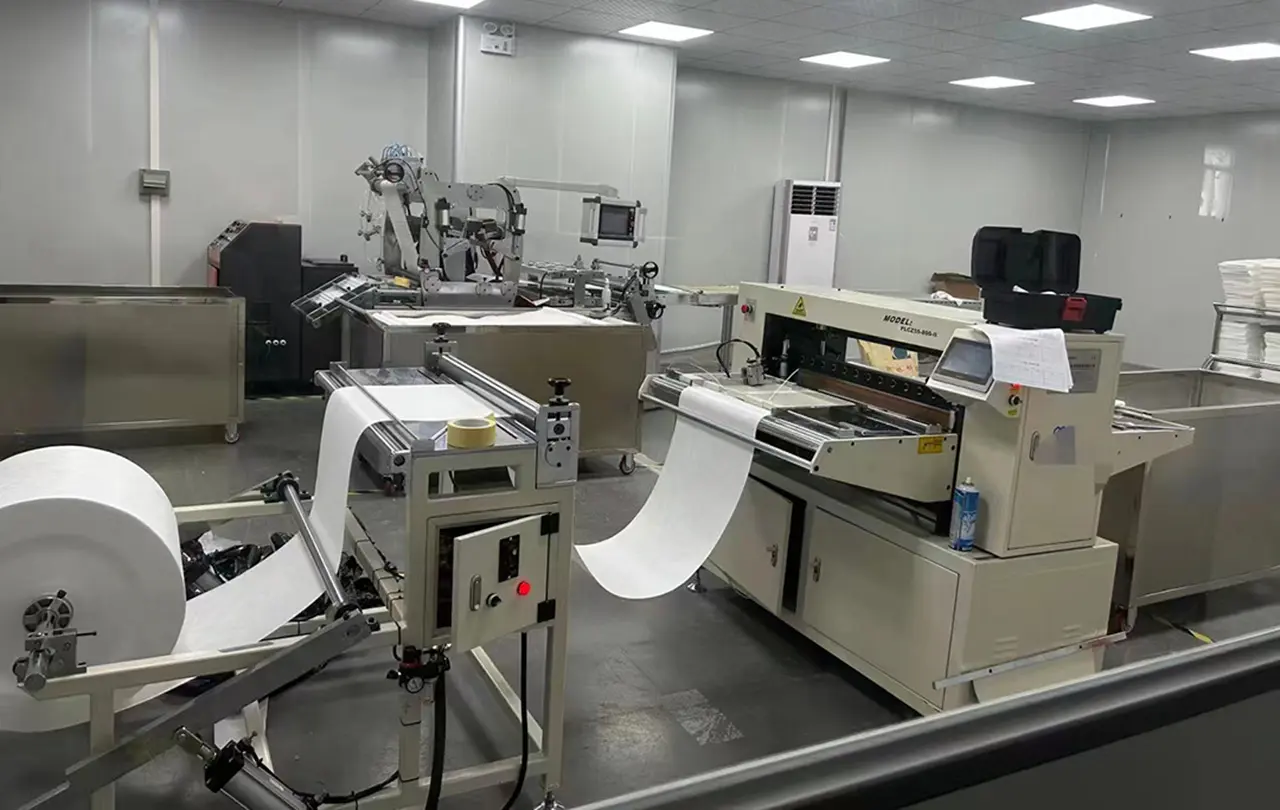
Depending on geographical location, local climates, and environmental demands, MERV 16 filter material is customized to tackle target contaminants:
A. Urban Centers Facing High Smog and Fine PM2.5: In metropolitan areas with high levels of industrial emissions or vehicular congestion, MERV 16 materials act as highly reliable barrier units. They trap soot, fine diesel exhaust particulates, and atmospheric dust. Integrating these filters inside administrative complexes, hospitals, and educational facilities lowers PM2.5 exposure to levels well within clean-air health advisories.
B. Coastal and High-Humidity Regions: Under warm, humid coastal conditions, biological growth is a significant risk. Standard filtration media often allow mold spores and bacteria to cultivate on the filter surface. High-grade synthetic MERV 16 composite fibers, especially those embedded with antimicrobial treatments, actively inhibit this biological activity. This prevents the distribution of spores through ducted ventilation pathways.
C. Semiconductor Cleanrooms and Laboratory Plenums: The microelectronics sector has zero tolerance for ambient dust particles. Here, our MERV 16 pleated filters serve as intermediate stages in fan filter units (FFUs). Placing them before terminal HEPA (H14) or ULPA (U15) systems extends the functional lifecycle of cleanroom terminal filters by up to 200%, translating to significant operational savings.
The clean technology sector is evolving rapidly. Key long-term trends shaping the development and procurement of high-efficiency filtration solutions include:
1. Smart Sensor Integration and Dynamic Performance: Modern buildings increasingly use automated building management systems (BMS). Tomorrow's filtration setups rely on MERV 16 filters designed for continuous differential pressure monitoring. This allows facilities to plan replacements based on actual dust load rather than fixed intervals.
2. Focus on Life Cycle Assessment (LCA) and Green Materials: Global buyers are progressively demanding synthetic and glass fibers that are fully recyclable or derived from post-consumer materials, minimizing landfill footprint at the end of their operational cycles.
3. Advanced Nanofiber Coating Technology: Electret charge retention is being paired with electrospun nanofiber coatings. This hybrid approach combines the high-efficiency electrostatic collection of fine particles with mechanical surface filtration. This ensures the filter maintains its high efficiency even after the initial electrostatic charge dissipates over time.
Answers to common technical questions asked by HVAC engineers, project coordinators, and global purchasing agents.
Explore our range of filtration components, from high-temperature carbon units to custom mini-pleat cleanroom HEPA inserts.
 Snow Peak