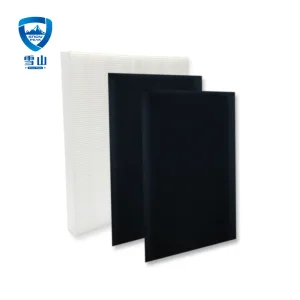
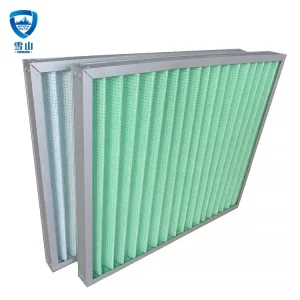
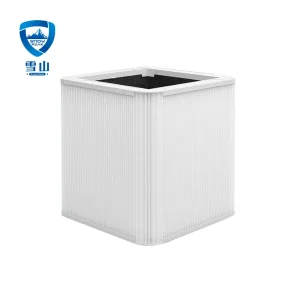
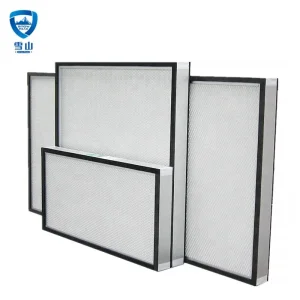
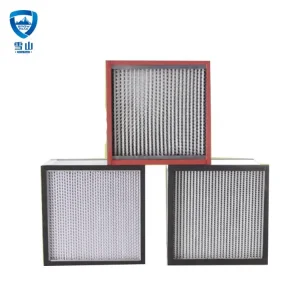
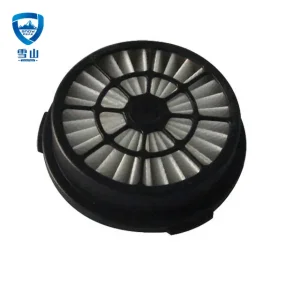
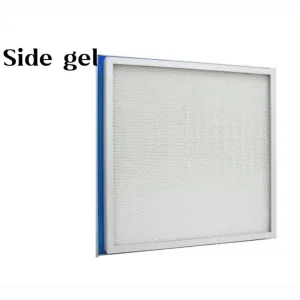
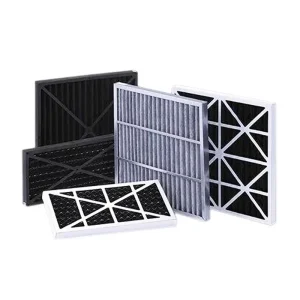
High-Quality MERV 8 Carbon Filter Manufacturers & Company

Integrating Advanced Molecular Gas-Phase Adsorption and Particulate Filtration. Trusted Engineering Solutions for Global HVAC Systems, Odor Mitigation, and Cleanroom Processing.

Enterprise Profile & Advanced Clean Tech Strength

Shenzhen Snow Peak Clean Technology Co., Ltd.: Driving international air purification benchmarks through specialized R&D and automatic production pipelines.
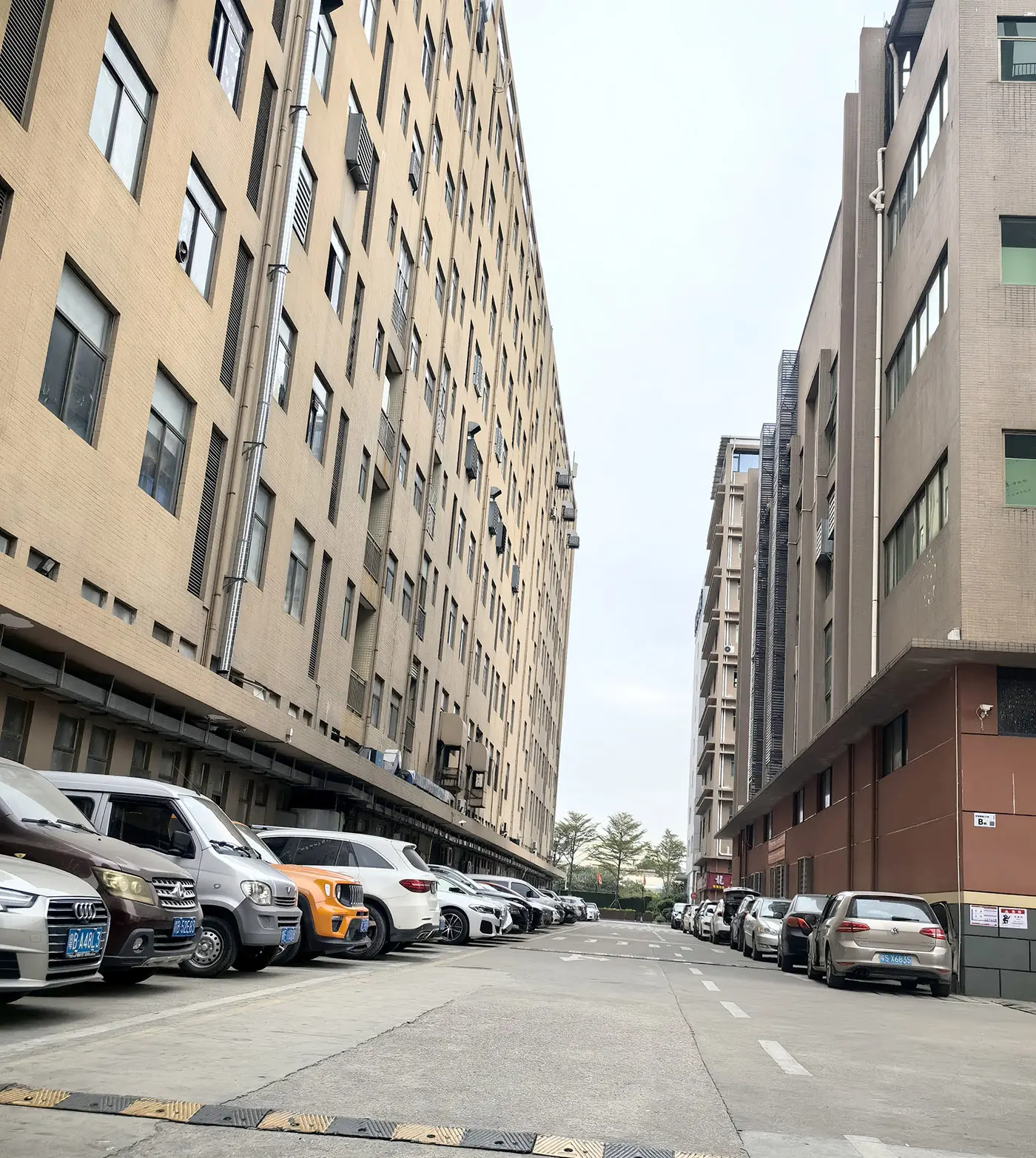
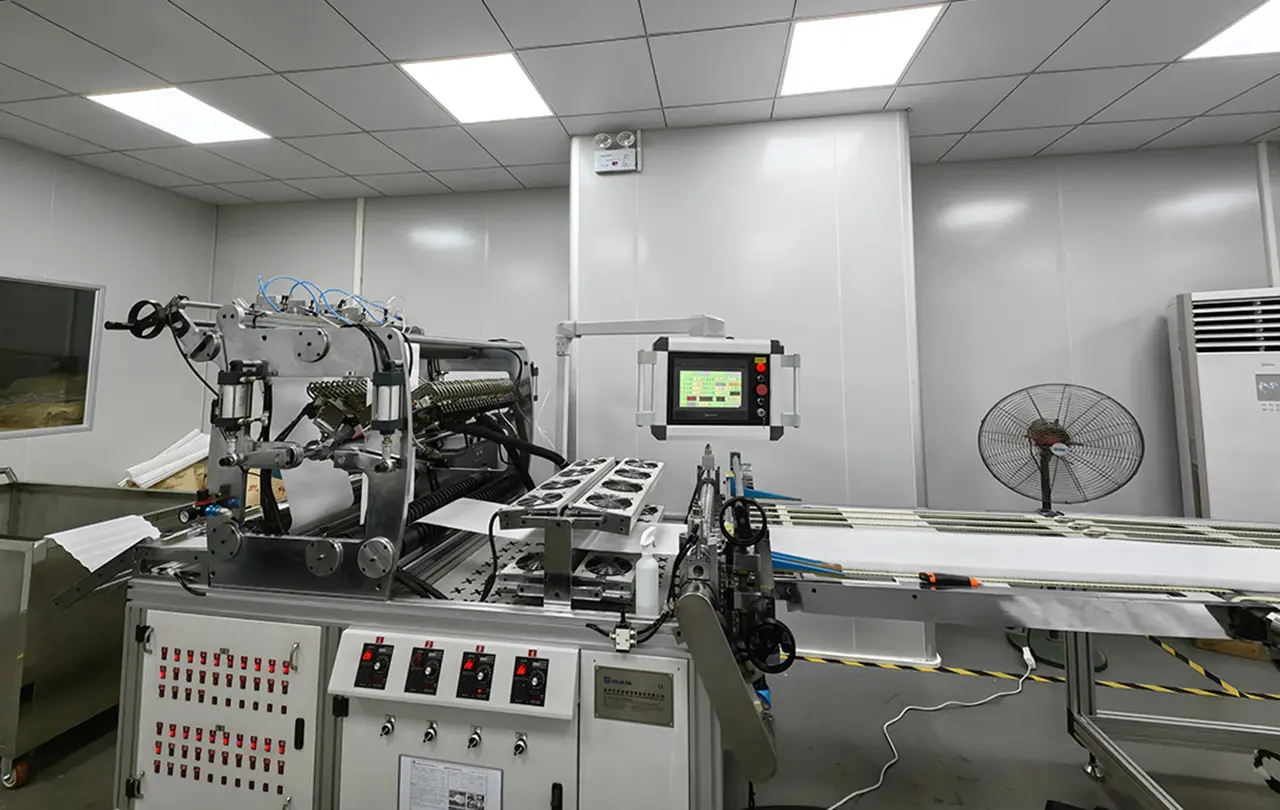
Shenzhen Snow Peak Factory Workshop

Shenzhen Snow Peak Clean Technology Co., Ltd.

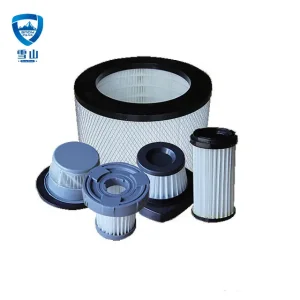
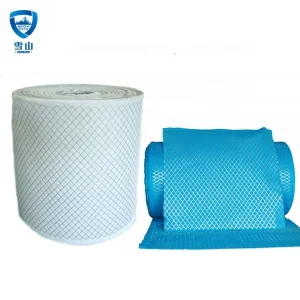
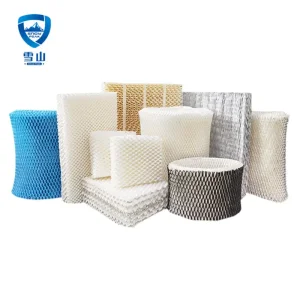
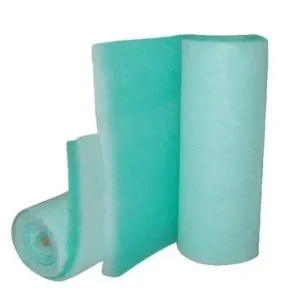
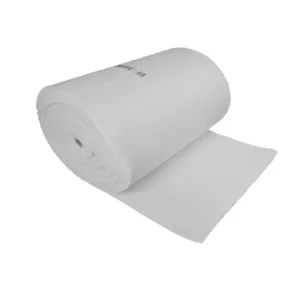
We are an integrated high-tech enterprise, specialized in air filtration products research and development, production, sales, import and export trade. We produce and supply: Pre-filter, pocket filter, HEPA filter, chemical filter; replacement HEPA filter, car cabin air filter, humidifier filter; pocket filter media, melt-blown composite filter media, and other high-performance filter materials; provide high quality air purification solutions and products for indoor air pollution control and air conditioning systems of civil and industrial buildings, microelectronics, pharmaceutical, laboratory, school, hospital clean room etc.

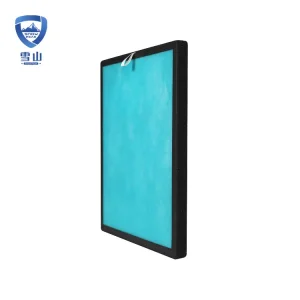
Combined with self-developed patented technology, our sterilizing antiviral HEPA filter can effectively filtrate fine particles, so that PM2.5 concentration down to 10 micrograms/m3, 5 times better than national standard; effectively inhibit the breeding of microorganisms, sterilization rate up to 99.9%, and no secondary pollution, removal of H1N1 virus efficiency as high as 99.99%.

15+
Years International Air Purification Tech Background
99.99%
H1N1 Antiviral Efficiency
99.9%
Bacterial Sterilization Rate
PM2.5 <10
Cleanliness Down to 10μg/m³

State-of-the-Art Production & Machinery

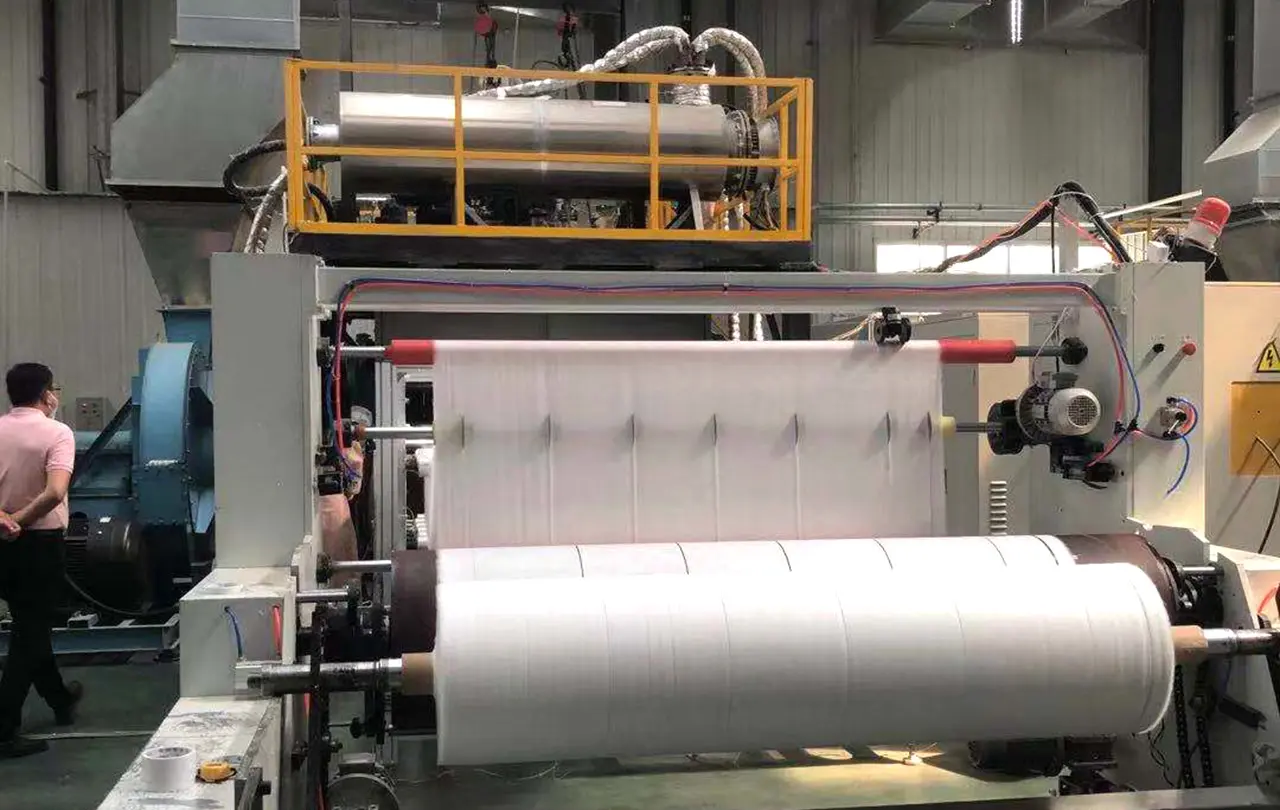
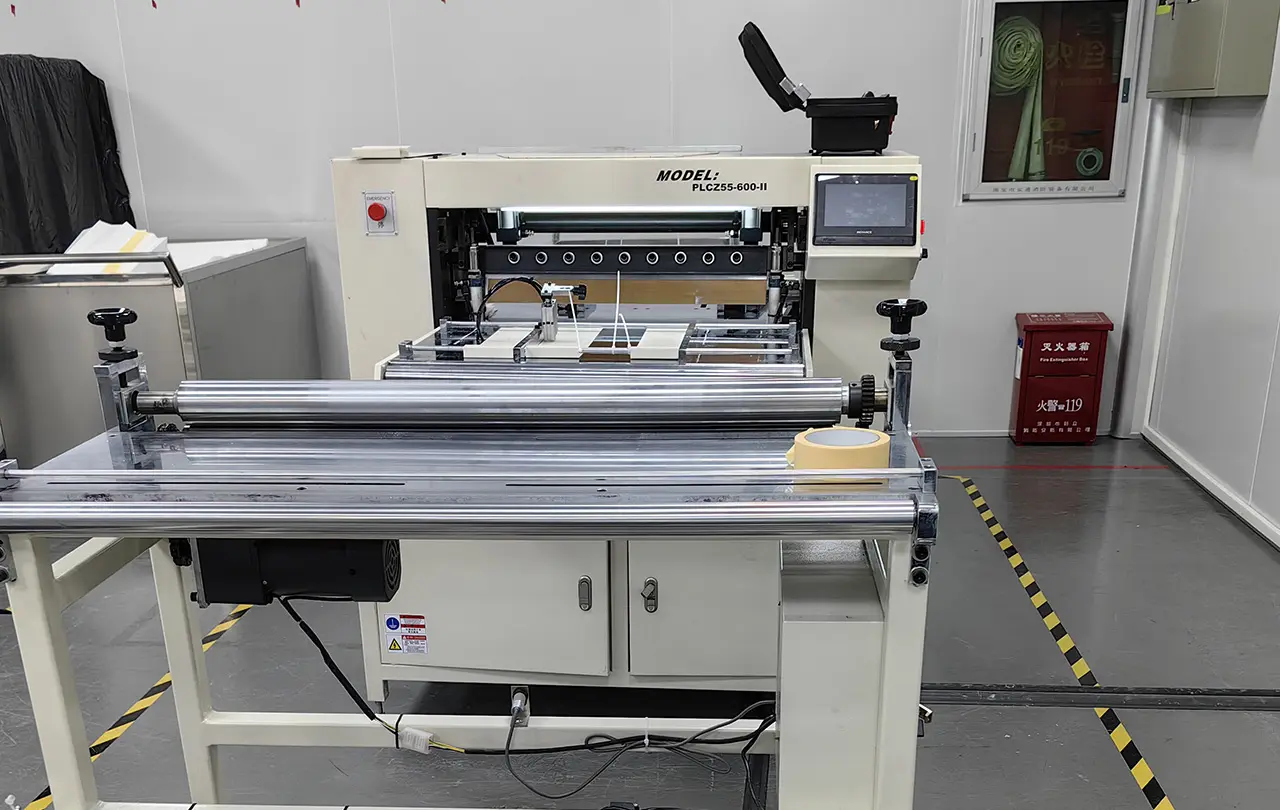
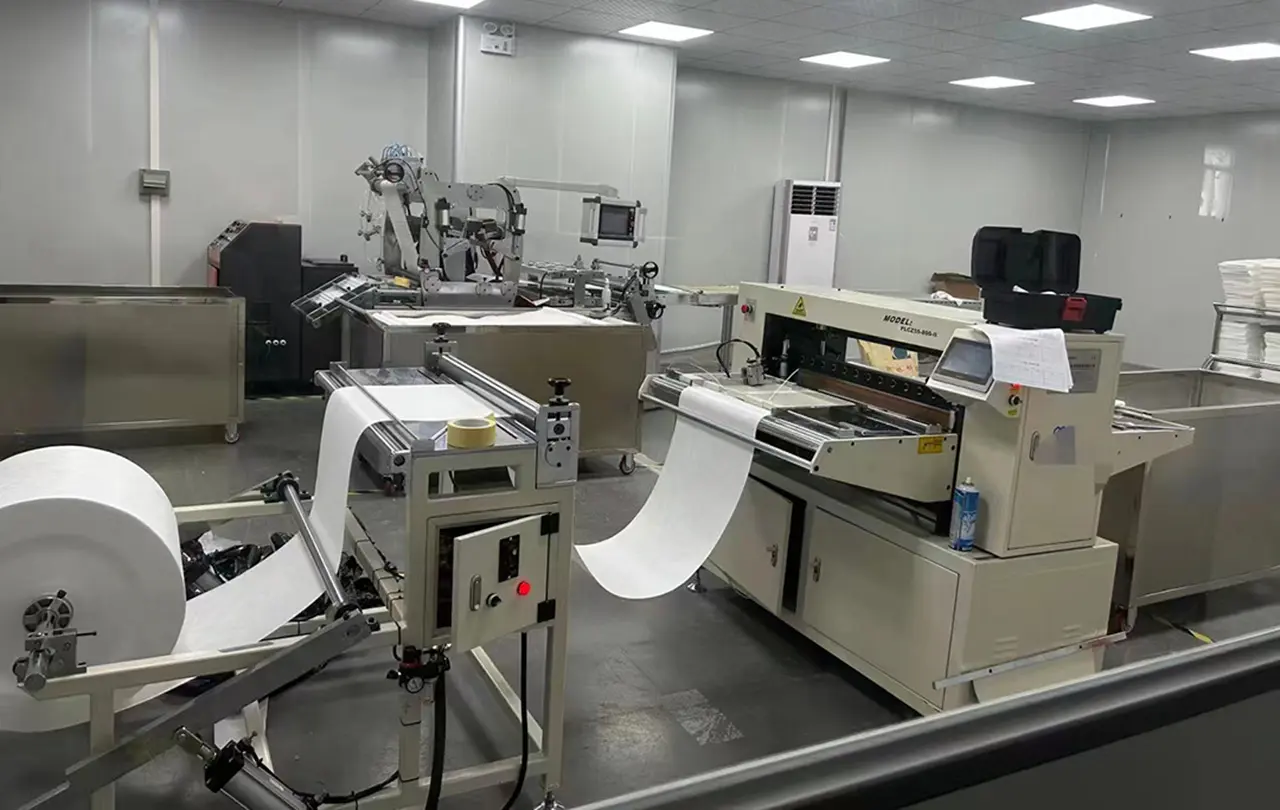
Our standardized, dust-free filter workshops are equipped with AMADA CNC punch and CNC bending machines, together with independent R&D fully automatic production lines.
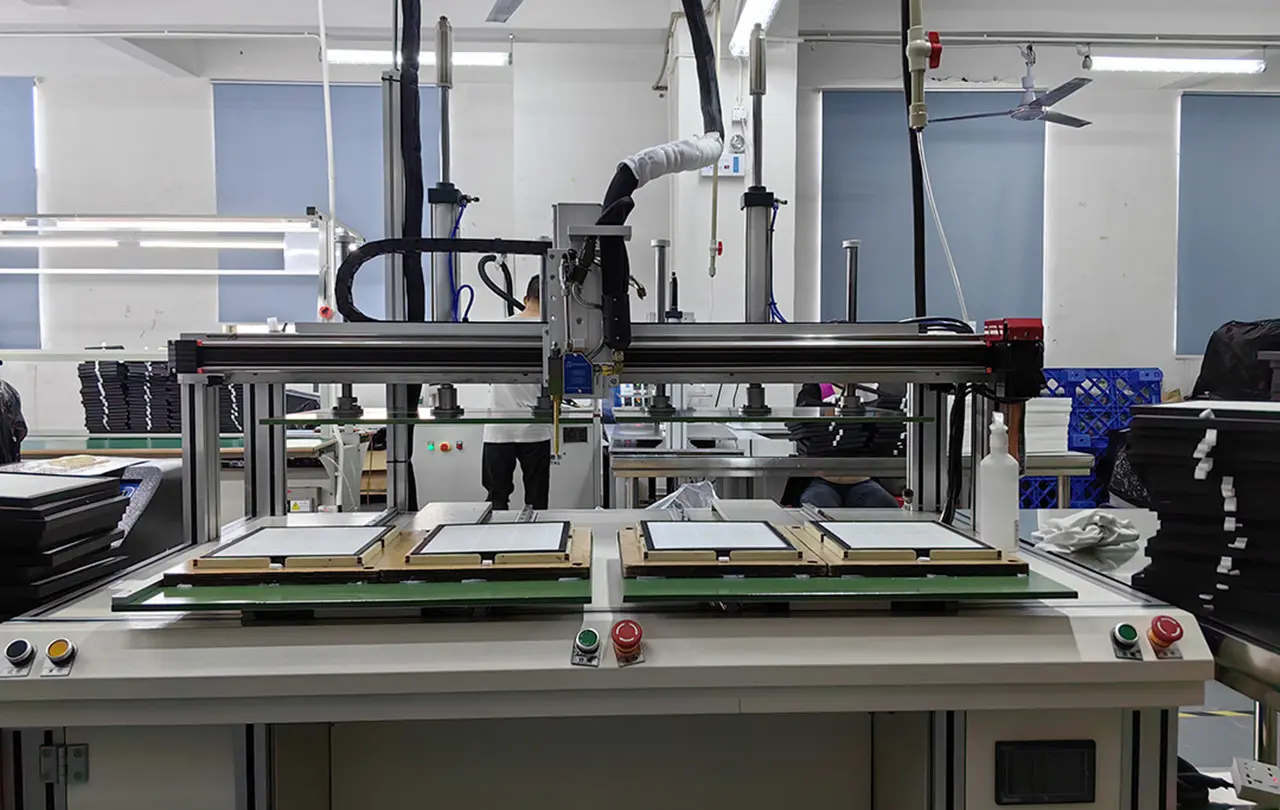
Gluing machine
Gluing Machine
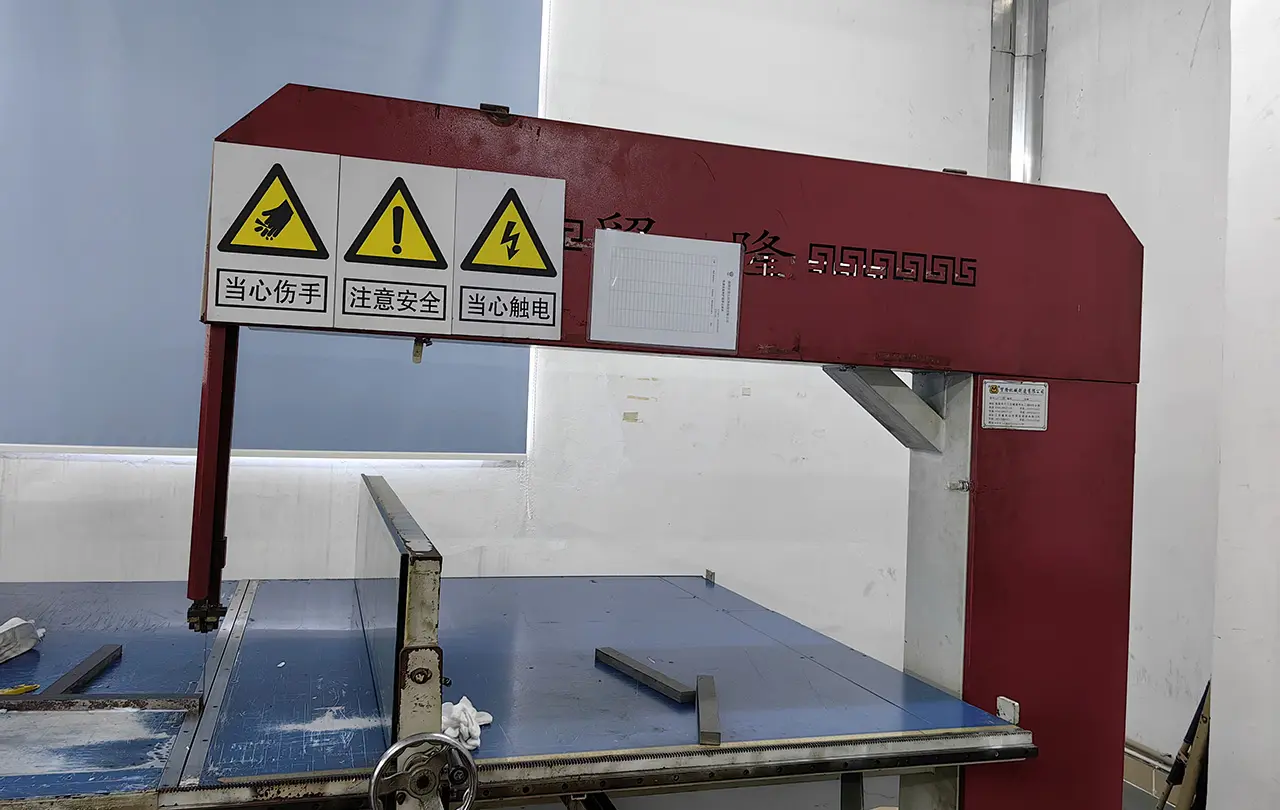
Cutting machine
Cutting Machine
Gluing process
Precision Gluing
Compound filter media
Compound Filter Media
Pleating line 1
Automatic Pleating Line A
Pleating line 2
Automatic Pleating Line B

Technical Whitepaper: MERV 8 Carbon Filter Engineering

An in-depth analysis of particulate interception mechanisms, gas-phase activated carbon adsorption, and structural design configurations for industrial, commercial, and HVAC operations.

1. Understanding the Dual-Action Advantage of MERV 8 Carbon Filters

In modern HVAC and industrial indoor air quality (IAQ) engineering, addressing both particulate matter and gaseous contaminants is crucial. A standard particulate filter is physically incapable of intercepting gaseous phase pollutants, such as Volatile Organic Compounds (VOCs), localized odors, and toxic gases. Conversely, a pure gas-phase carbon filter lacks the structural configuration to capture sub-micron particles without premature loading.

The MERV 8 Carbon Filter represents a hybrid material optimization that combines mechanical particulate capture with molecular adsorption. According to ASHRAE Standard 52.2, a MERV 8 rated media must exhibit a filtration efficiency of at least 70% for particles in the 3.0 to 10.0 micron range (E3 group). By integrating finely ground or laminated activated carbon particles into this synthetic structure, manufacturers create a medium capable of dual-action performance:

  • Mechanical Inertial Impaction & Interception: The synthetic polyester or polyolefin fibers capture mold spores, dust mites, pollen, and coarse atmospheric dust.
  • Van der Waals Molecular Adsorption: The embedded activated carbon contains an intricate network of micropores (under 2nm) and mesopores (2nm to 50nm), exposing a vast specific surface area (typically 800 to 1200 m²/g) to selectively trap odor molecules, solvent vapors, and volatile compounds.
2. The Science of Molecular Carbon Adsorption & CTC Evaluation

The performance of carbon-loaded media is determined by two critical parameters: carbon density (g/m²) and carbon activity. Carbon activity is standardly benchmarked using the CTC (Carbon Tetrachloride) Adsorption Rate or the Iodine Number. High-quality manufacturers like Shenzhen Snow Peak Clean Technology utilize premium coconut shell or coal-based activated carbon featuring a CTC value exceeding 50% to 60%.

During the manufacturing process, a proprietary thermal activation process at high temperatures (up to 1000°C) in the presence of steam or carbon dioxide creates millions of pores within the carbon granules. When air passes through the laminated media, gas phase molecules diffuse into these pores and are held by attractive intermolecular forces. This mechanism makes MERV 8 carbon filters highly effective for treating:

  • Organic Solvents: Benzene, Toluene, Xylene, and other hydrocarbons common in commercial painting booths and electronics manufacturing.
  • Inorganic Odor Compounds: Hydrogen Sulfide (H₂S), Ammonia (NH₃), and sulfur dioxides common in municipal processing and wastewater facilities.
  • Household and Office Gaseous Contaminants: Tobacco smoke, cooking odors, and pet dander VOC emissions.
3. Chinese Manufacturing Excellence and Supply Chain Optimization

For global procurement officers, sourcing filtration products from China, particularly from advanced clusters like Shenzhen, offers massive operational advantages. The localized consolidation of the supply chain enables seamless vertical integration—from raw material synthesis to high-end CNC machining.

Material Compounding Efficiency: By direct sourcing high-grade polyester non-woven fabrics, metal reinforcement wire meshes, and high-activity carbon matrices locally, manufacturers reduce logistical lead times and production overheads.

Automation & CNC Precision: Leading companies utilize automated gluing, cutting, and pleating machines to ensure consistent quality. Shenzhen Snow Peak’s integration of AMADA CNC punch and bending systems allows for custom-dimensioned frame designs (cardboard, galvanized sheet metal, or aluminum alloy) with extremely low tolerance variances. This guarantees that pleated MERV 8 filters preserve structural integrity under high air velocity conditions without bypass leakage.

4. Industry Trends: Sustainability, Energy Conservation & Low Pressure Drop

The global air filtration market is undergoing a structural transition focused on reducing energy consumption in air handling units (AHUs). Because carbon filters introduce additional resistance to airflow, optimizing the pressure drop is a primary R&D focal point. High-quality manufacturers are engineering thinner, high-density carbon webs that maximize adsorption surface area while maintaining a low initial pressure drop (e.g., < 0.25 inches w.g. at 492 fpm).

Furthermore, the demand for eco-friendly, biodegradable frames and recyclable materials is increasing. The development of compostable cardboard frames and solvent-free thermal bonding processes ensures that the lifecycle environmental footprint of MERV 8 carbon filters aligns with modern green building standards like LEED and BREEAM.

5. Localized Application Architecture & Macro Solutions

MERV 8 Carbon Filters are deployed across diverse sectors to satisfy distinct air-quality requirements:

  • Commercial & Residential HVAC: Used as primary pre-filters in office complexes, hotels, and schools to intercept coarse dust and mitigate outdoor VOCs or vehicle exhaust odors.
  • Industrial Paint & Spray Booths: Positioned in return air ducts to capture paint overspray particles (preventing fan and coil contamination) and adsorb toxic solvent fumes.
  • Cleanroom Pre-filtration: Installed as first-stage pre-filters upstream of H13/H14 HEPA filters in semiconductor, microelectronics, and pharmaceutical laboratories to prolong the service life of expensive terminal HEPA modules.
  • Hospital & Institutional Care: Deployed in waiting rooms and medical facilities to help remove airborne particulates while capturing localized chemical disinfectants and odor compounds.

FAQ - Technical & Procurement Advisory

Expert answers addressing the physics, selection criteria, operational parameters, and customization of MERV 8 carbon filters.

Q1: What is the main difference between a standard MERV 8 filter and a MERV 8 Carbon filter?
A standard MERV 8 filter uses synthetic or fiberglass media solely designed to trap airborne particles mechanically. A MERV 8 Carbon filter utilizes composite media containing embedded activated carbon. This enables the filter to capture physical particles while simultaneously adsorbing chemical gases, organic compounds, and odors at a molecular level.
Q2: How long does the activated carbon remain active in a typical MERV 8 filter?
The gas adsorption capacity of the activated carbon depends on the volume of VOCs in the environment and the carbon loading density (g/m²). In average commercial environments, the carbon media reaches molecular saturation within 3 to 6 months. Even after the carbon is saturated, the filter will continue to mechanical filter dust particles up to its physical loading limit.
Q3: How does relative humidity (RH) affect the carbon filter's performance?
Activated carbon is hydrophobic but will begin to co-adsorb water vapor in environments where the relative humidity exceeds 60-70%. This water vapor occupies the micropores, reducing the available surface area for target VOCs and organic odors. It is recommended to maintain the air stream relative humidity below 60% for maximum gas adsorption efficiency.
Q4: What is the initial pressure drop of Shenzhen Snow Peak’s MERV 8 carbon filters?
Our standard 2-inch deep pleated MERV 8 carbon filters have an initial pressure drop ranging from 0.20 to 0.28 inches water gauge (50 to 70 Pa) at a nominal face velocity of 500 fpm. This low resistance helps HVAC systems maintain optimal air exchange rates while minimizing energy consumption.
Q5: Can these carbon filters remove fine PM2.5 and viruses?
MERV 8 filters are designed for coarse and medium particulates (particles larger than 3.0 microns). While they capture some larger PM2.5 particles, they are not rated for viruses or sub-micron particulate filtration. For virus control and sub-micron containment, we recommend deploying a system that utilizes a MERV 8 Carbon filter as a pre-filter, followed by a Shenzhen Snow Peak antiviral HEPA filter, which achieves H1N1 virus removal efficiencies up to 99.99%.
Q6: What customization options are available for industrial OEM buyers?
We offer extensive OEM/ODM customization services. Buyers can select different frame materials (moisture-resistant beverage board, galvanized steel, anodized aluminum), adjust the pleat density, vary the carbon loading (from 100g/m² up to 400g/m²), and specify exact custom dimensions to fit specialized air handlers, manufacturing equipment, or spray booths.
Q7: How is the quality of the raw carbon material verified?
Every batch of activated carbon utilized in our factory undergoes rigorous quality control checks, including testing for iodine value (minimum 900 mg/g) and CTC adsorption capacity. This ensures uniform pore distribution and high adsorption efficiency for chemical vapors and odors throughout the filter's service life.
Q8: What export certifications do your cleanroom products hold?
Our products hold CE certification and comply with international manufacturing standards, including ISO 9001 and the ISO 16890/ASHRAE 52.2 standards. Our testing laboratory is equipped to run performance compliance tests for pressure drop, particulate efficiency, and structural integrity.