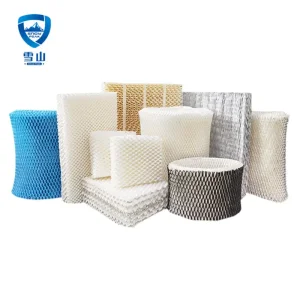
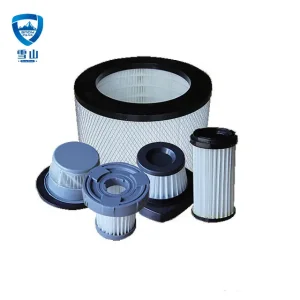
Explore our highly certified air purification replacement filters, customizable components, and composite raw materials engineered to maximize gas-phase containment in industrial and domestic applications.
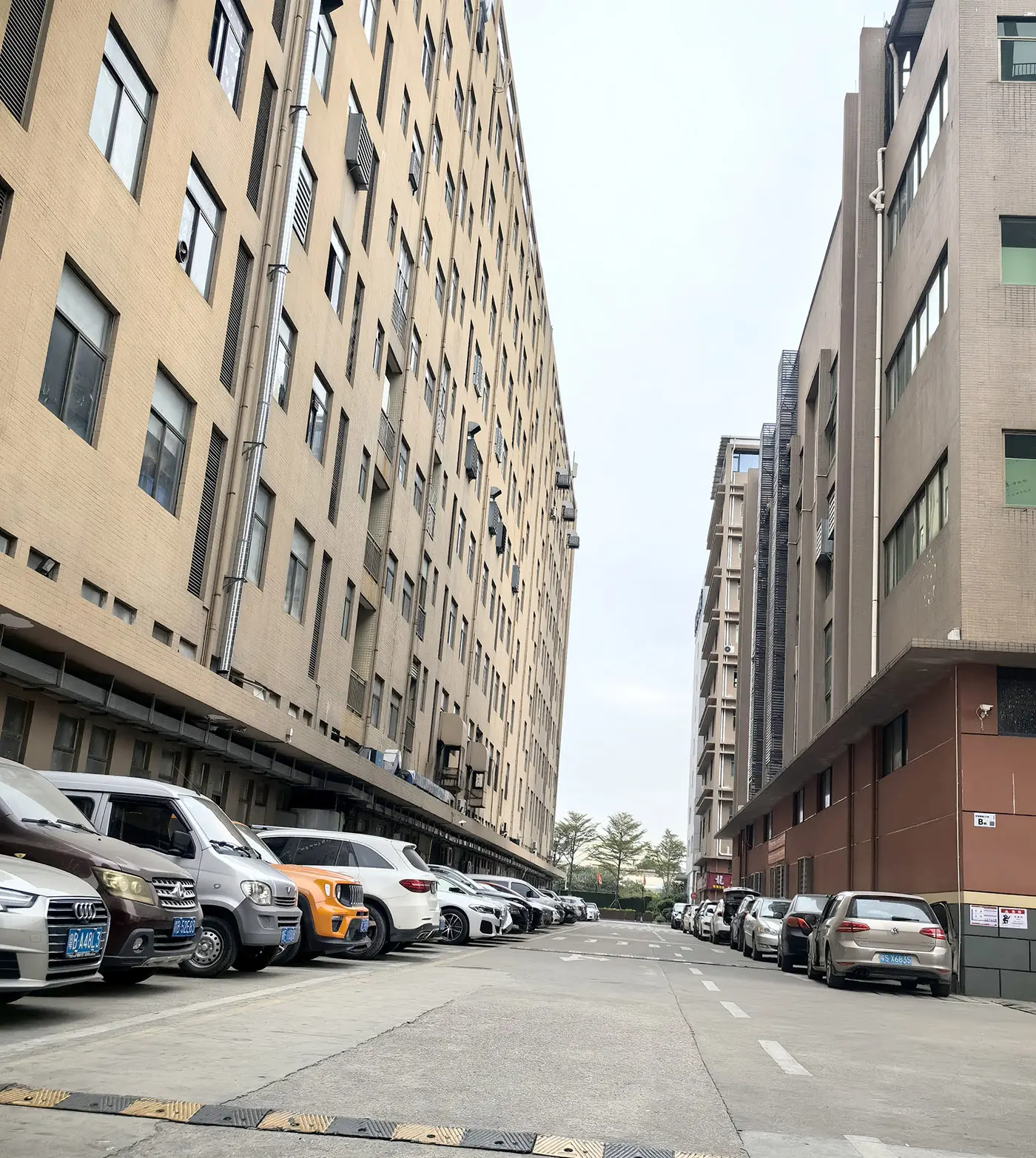
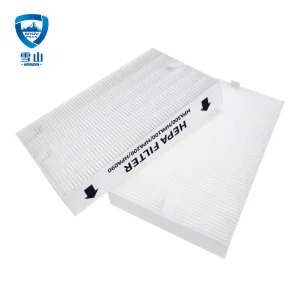
Shenzhen Snow Peak Clean Technology Co., Ltd. is a high-tech integrated enterprise specializing in air filtration products research, development, production, and import/export trade. We manufacture and supply high-performance Pre-filters, Pocket filters, HEPA filters, Chemical filters, and replacement elements designed for HVAC systems of civil and industrial infrastructures.
Our microfiltration technology features a self-developed patented antiviral layer, lowering PM2.5 concentrations to just 10 micrograms/m³ (surpassing national clean standards by five times) while securing a 99.9% sterilization rate. In high-stakes testing, our system has successfully verified a 99.99% removal efficiency against the H1N1 virus without introducing any risk of secondary contamination.
Delivering robust manufacturing and precision engineering across global supply networks.
Years Tech Experience
H1N1 Filtration
Target PM2.5 Purity
Iodine Value Carbon
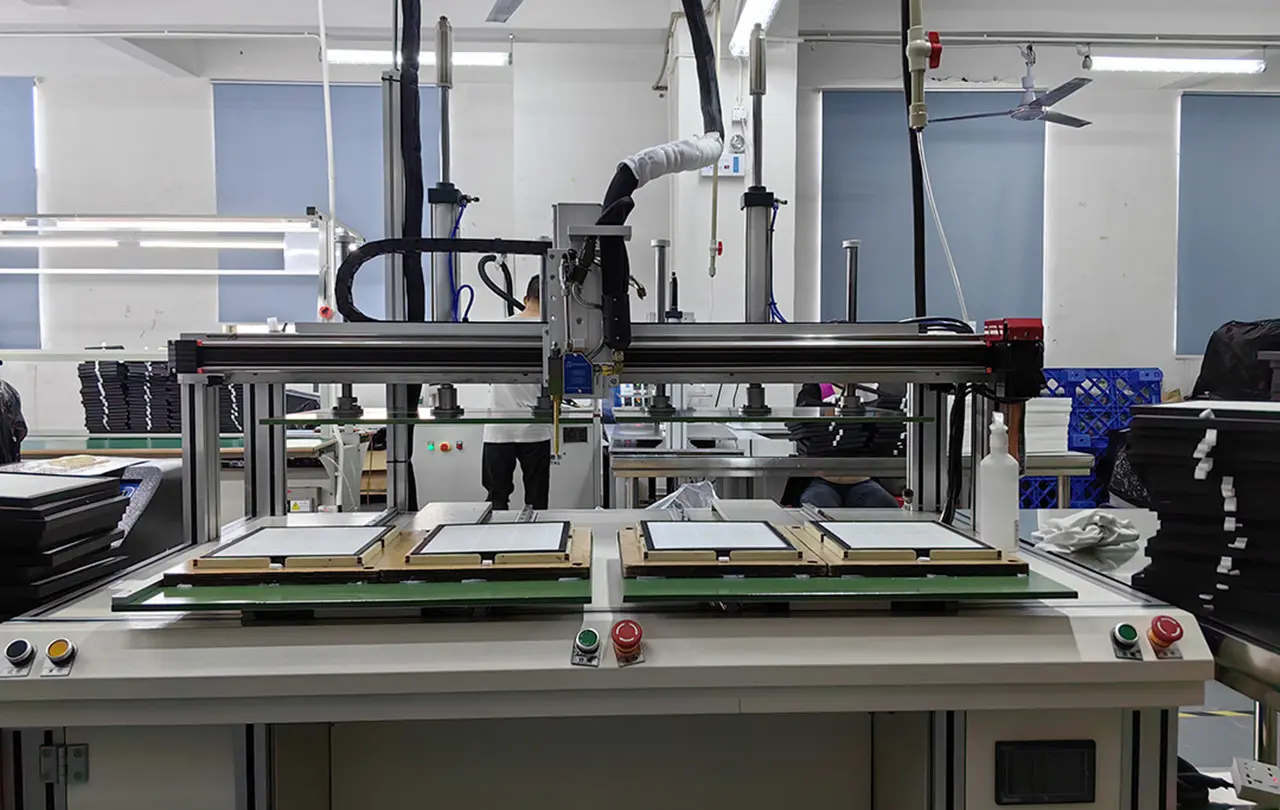
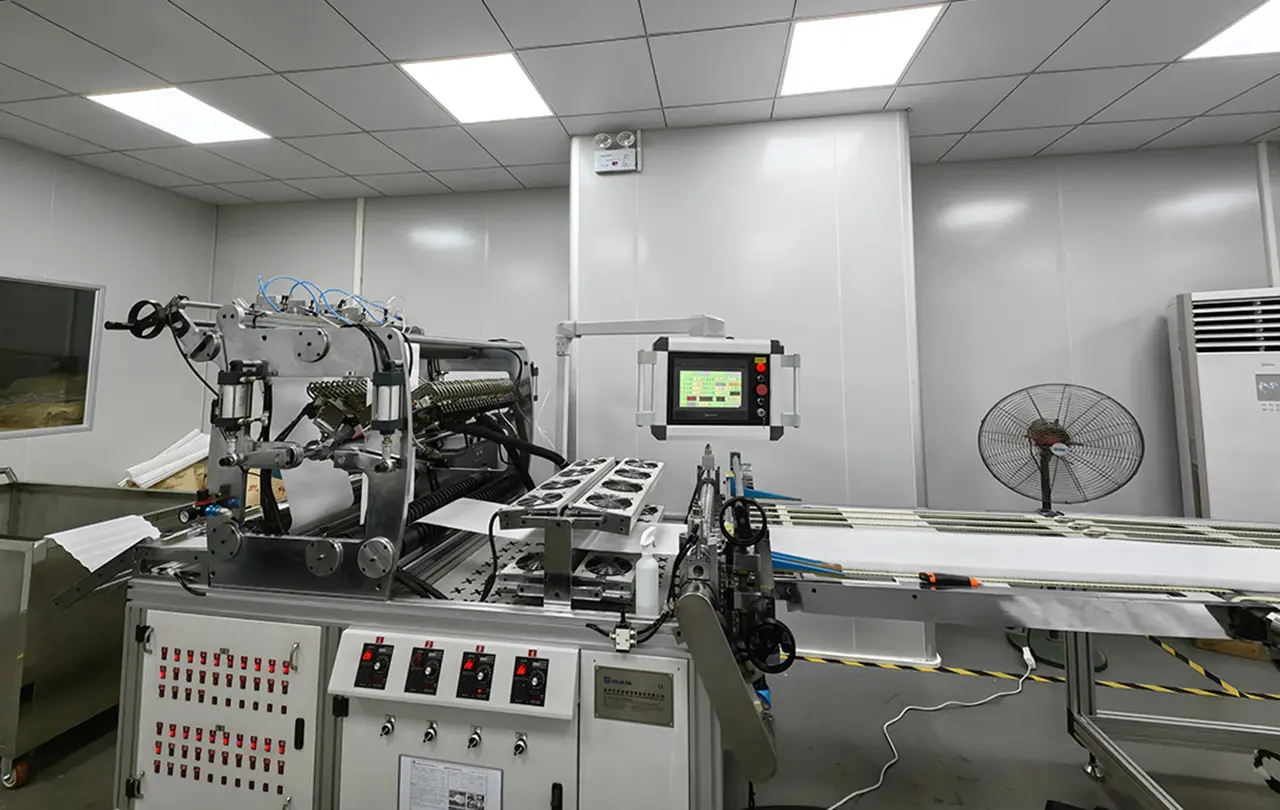
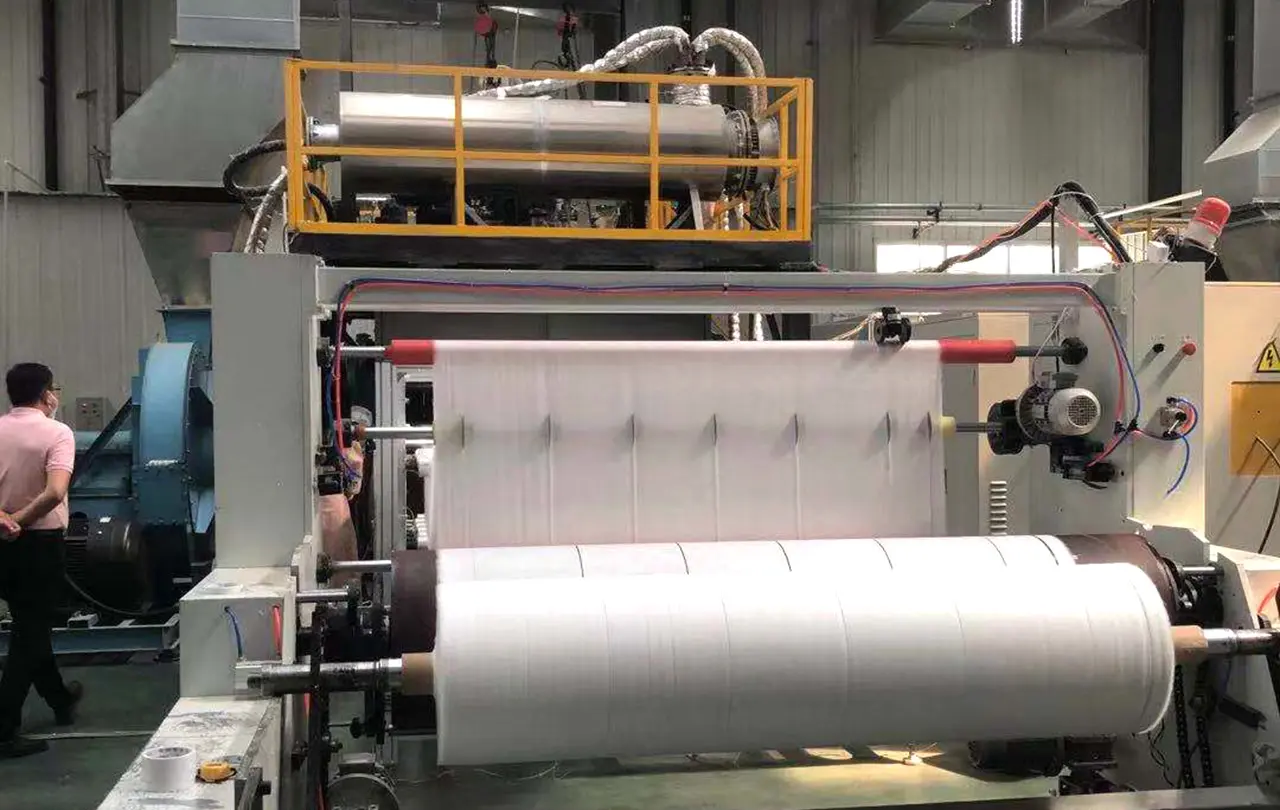
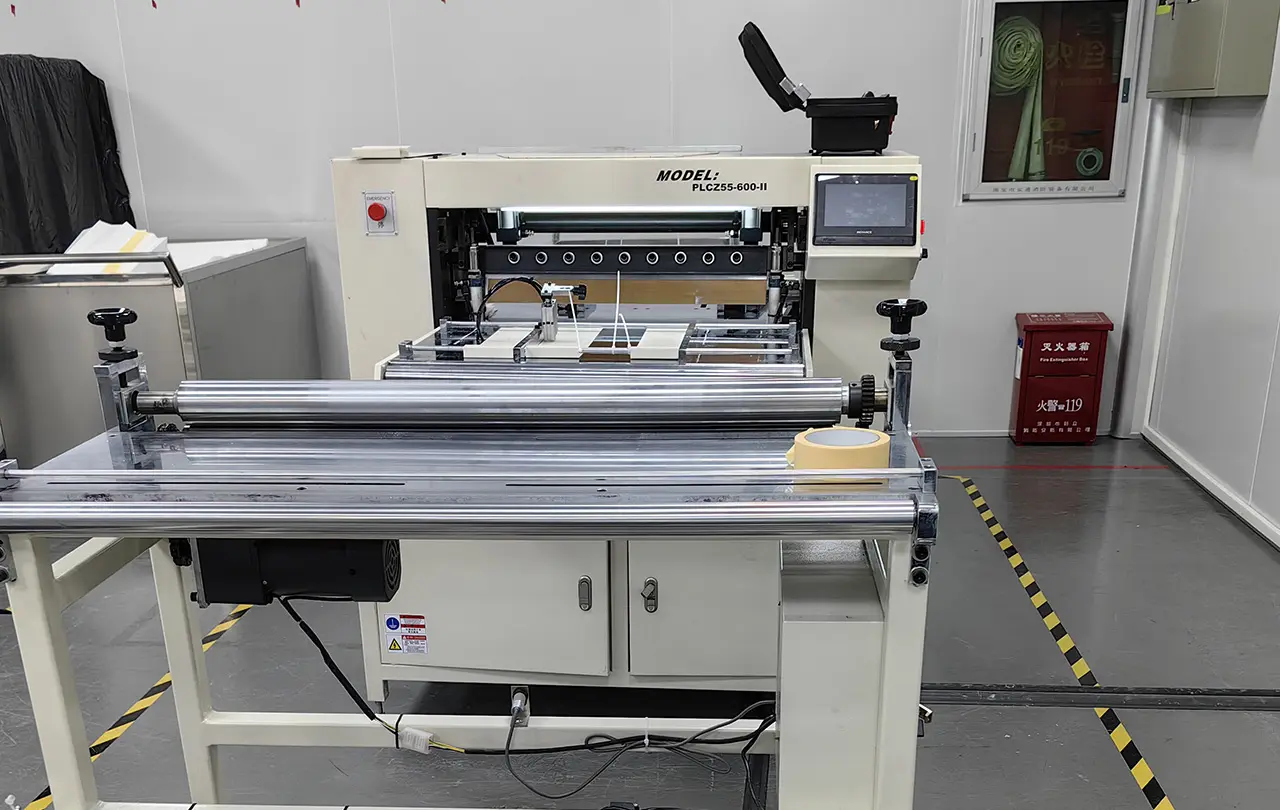
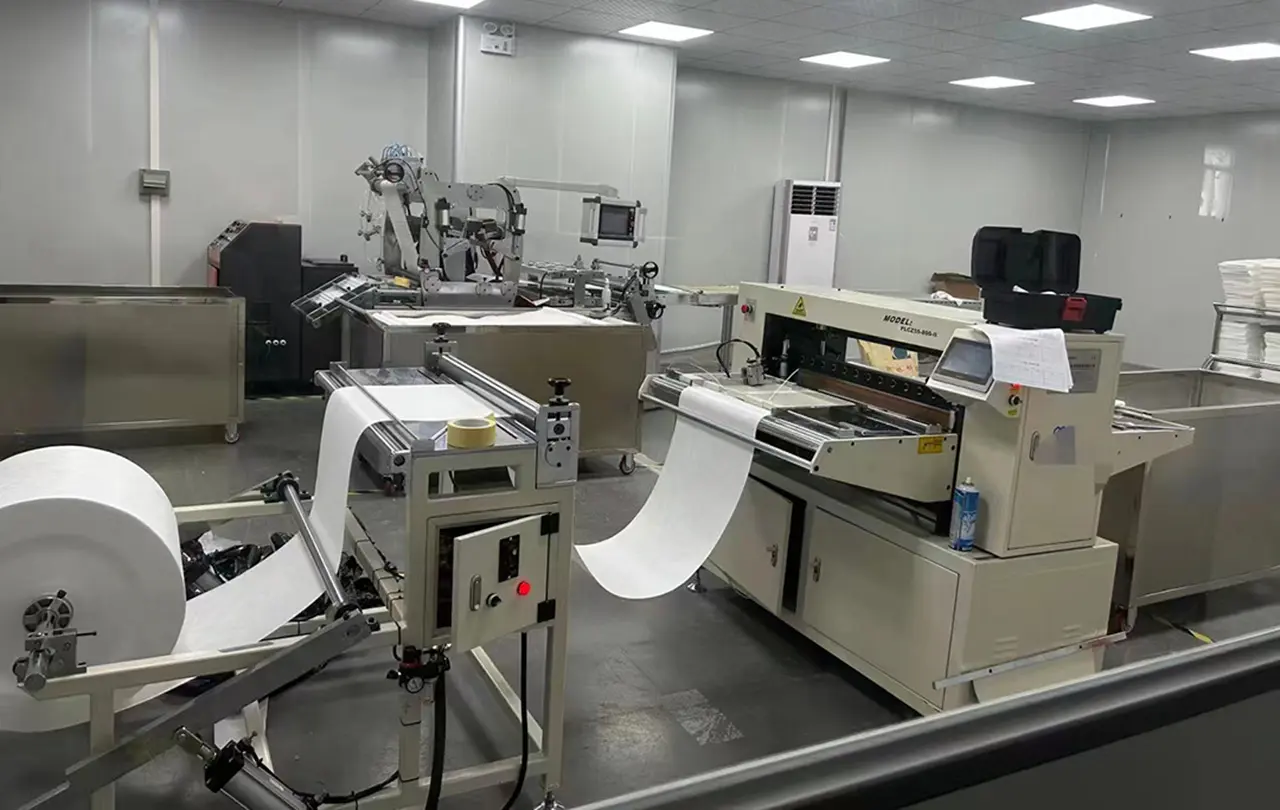
Our standardized facility integrates first-class automated pleating, computer-monitored gluing, and high-precision CNC punch units to produce micro-scale carbon and HEPA composite media.
A technical whitepaper overview detailing gas-phase kinetics, adsorbent pore size distributions, and fluid dynamics in confined environments.
Standard gas-phase filters rely on heavy, deep beds of Granular Activated Carbon (GAC). As filters scale down to fit miniature sensors and high-density wearable electronics, they suffer from breakthrough constraints. We optimize micropore geometries (diameter < 2nm) using high-iodine-value synthetic matrices to maintain molecular trapping efficiency even at millisecond residence times.
The primary constraint in tiny carbon filters is the dramatic surge in air resistance (pressure drop) as cross-sectional area decreases. By utilizing pleated laminates and sandwich structure activated carbon fabric (ACF), we achieve a massive structural surface area per unit volume, minimizing drag while maintaining maximum air throughput in low-flow fans.
In miniaturized form factors, even a 0.1mm gap between the carbon media and the structural frame will cause complete system bypass, rendering the filter useless. We integrate liquid polyurethane sealing techniques and precision AMADA CNC tooling to build high-tolerance metallic and plastic frames that guarantee absolute peripheral sealing.
Across the globe, industrial air treatment faces a profound transformation. Regulatory pressure from agencies like the European Environmental Agency (EEA) and the US EPA is forcing microelectronics, aerospace, and medical device manufacturers to implement point-of-use micro-purification units. High-Quality Smallest Carbon Filters represent the core solution to this engineering demand.
In the field of microelectronics and semiconductor lithography, airborne molecular contamination (AMC) at parts-per-billion levels can ruin entire silicon wafers. Our specialized compact carbon blocks are built to sit directly inside cleanroom mechanical handling arms and enclosed tool environments, actively stripping out VOCs, organophosphates, and acid gases. By matching miniature footprints with premium gas-adsorption capacities, we provide manufacturers a way to achieve absolute environmental stability without structural modifications.
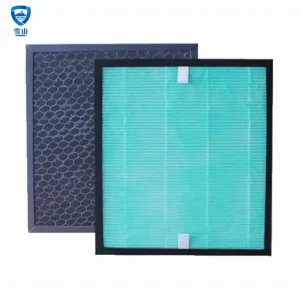
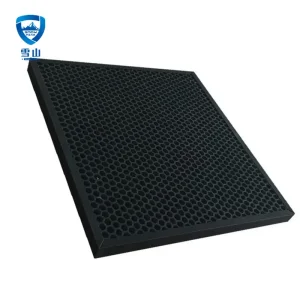
Simultaneously, the global growth in portable medical ventilators and diagnostic gas analyzers requires gas filters that are light, compact, and completely free of loose carbon dust. Our manufacturing lines resolve this issue by using heat-stabilized, structured activated carbon fabrics and honeycomb matrices. These designs eliminate the risk of carbon shedding, ensuring that patients receive clean, dust-free therapeutic air.
Integrating 15 years of international air purification engineering expertise to establish standardized, ISO-certified clean production floors.
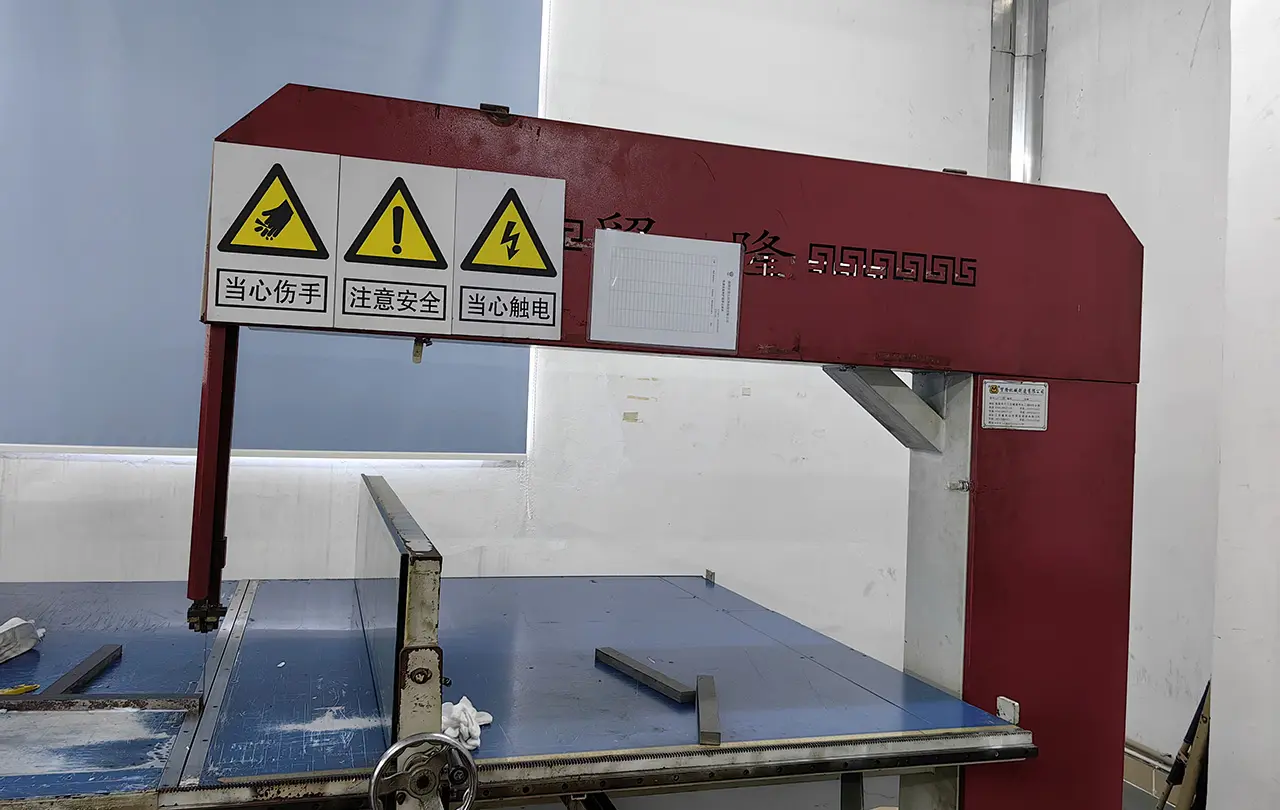
At Shenzhen Snow Peak Clean Technology Co., Ltd., we combine specialized materials expertise with robust manufacturing machinery. Our cleanrooms feature high-end equipment like AMADA CNC punches and CNC bending machines, allowing us to maintain incredibly tight dimensional tolerances for stainless steel and aluminum framework components.
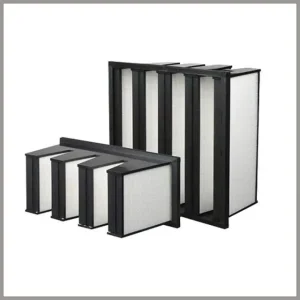
This manufacturing setup supports the custom design and assembly of high-temperature HEPA structures, V-bank systems, and carbon-impregnated pleated packs. Our automated pleating and laminating lines ensure that composite layers of carbon media, wire mesh, and hot-melt adhesives are bonded evenly, maximizing the available filtration surface area.
Sterilization Performance: Reaches 99.9% biological sterilization, preventing bacterial colonization on the filter media.
Antiviral Efficiency: Lab-tested 99.99% removal rate against H1N1 virus particles under clean testing guidelines.
PM2.5 Control: Safely reduces particulate counts to 10 micrograms/m³, performing 5 times better than national target standards.
Chemical Adsorption: Specifically engineered to capture acid gases (SOx, NOx), alkaline vapours (NH3), and complex VOCs.
How we are preparing next-generation miniature carbon filters to meet evolving industrial requirements.
We are actively testing MOF-doped carbon structures. MOFs provide massive crystalline surface areas of up to 7,000 m²/g, enabling micro filters to target and capture specific toxic gases like formaldehyde or hydrogen sulfide with high selectivity.
Our engineering team is combining aluminum-based honeycomb photocatalysts with compact activated carbon blocks. This hybrid design allows adsorbed organic compounds to be decomposed under UV illumination, extending the filter's service life.
We are shifting our raw material sourcing toward sustainable precursors like bamboo and agricultural waste-derived carbon. This transition helps our global customers meet strict environmental standards while maintaining filtration performance.
Get professional, authoritative answers to common design, operational, and structural questions about compact carbon filters.
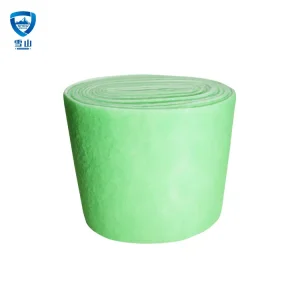
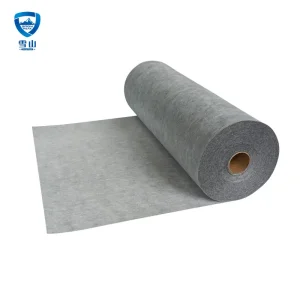
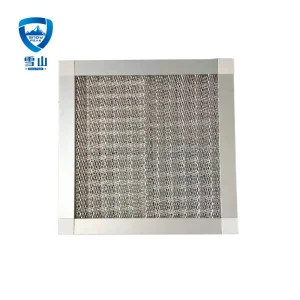
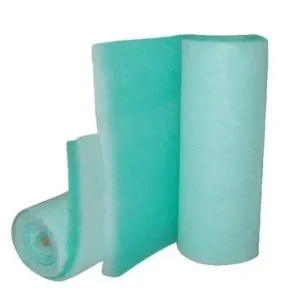
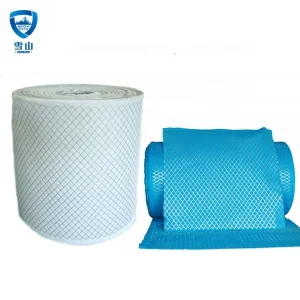
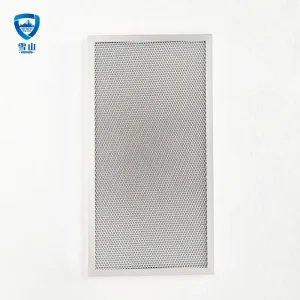
Complete your purification assembly with certified industrial pads, primary efficiency pre-filters, metal washable nets, and high-capacity carbon matrices.
 Snow Peak