Discover our range of advanced air filtration systems designed for commercial, residential, and high-performance cleanroom environments.
Years Tech Experience
Inhibition Rate
H1N1 Removal
PM2.5 Capability
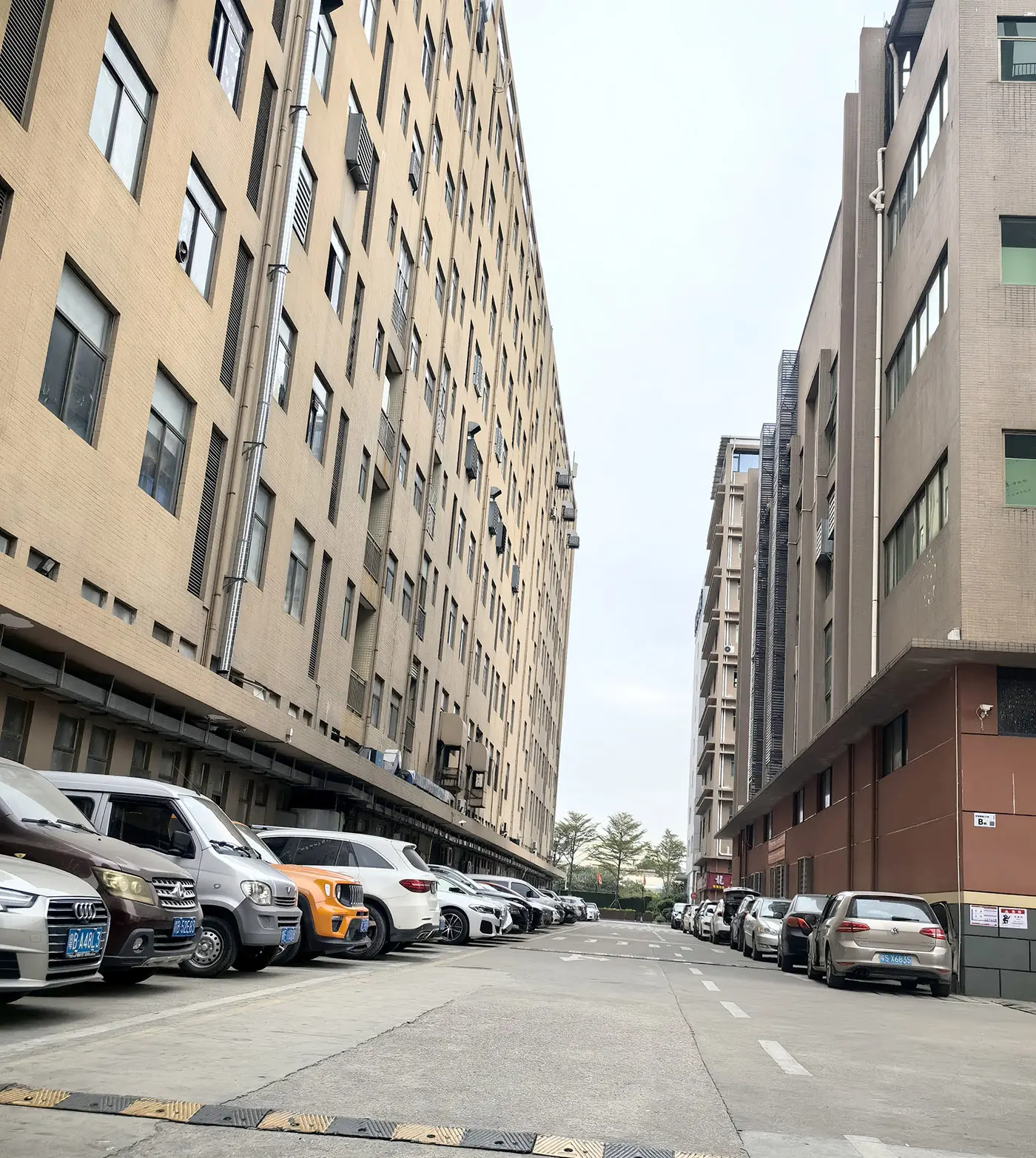
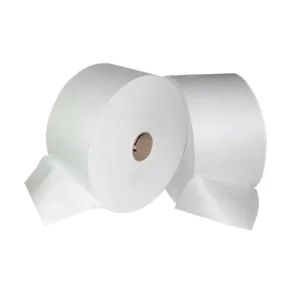
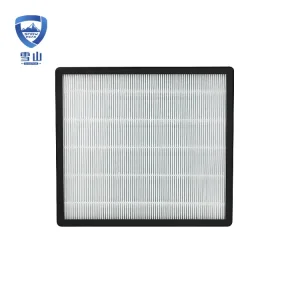
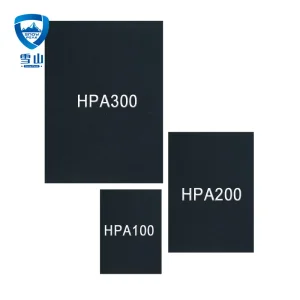
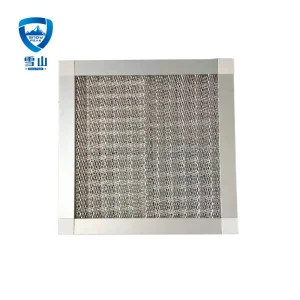
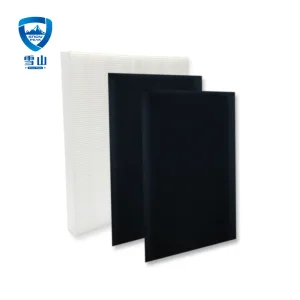
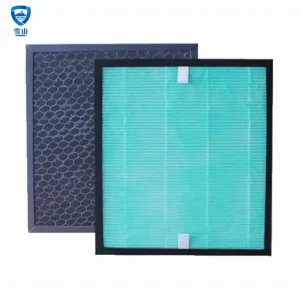
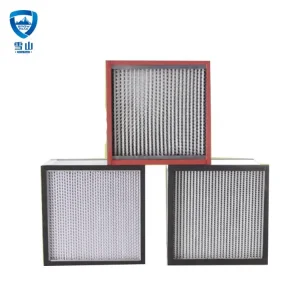
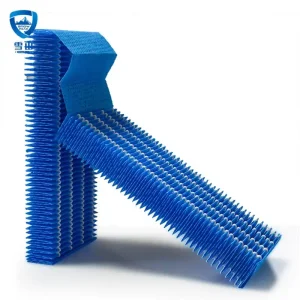
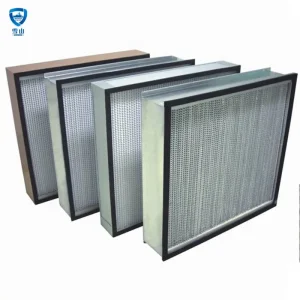
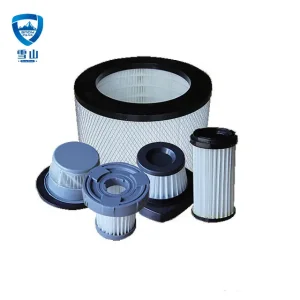
Shenzhen Snow Peak Clean Technology Co., Ltd. is an integrated high-tech enterprise, specialized in air filtration products research and development, production, sales, import and export trade. We produce and supply: Pre-filter, pocket filter, HEPA filter, chemical filter; replacement HEPA filter, car cabin air filter, humidifier filter; pocket filter media, melt-blown composite filter media, and other high-performance filter materials.
We provide high quality air purification solutions and products for indoor air pollution control and air conditioning systems of civil and industrial buildings, microelectronics, pharmaceutical, laboratory, school, hospital clean rooms, etc. Combined with self-developed patented technology, our sterilizing antiviral HEPA filter can effectively filtrate fine particles, so that PM2.5 concentration is kept down to 10 micrograms/m3, which is 5 times better than the national standard. It effectively inhibits the breeding of microorganisms, demonstrating a sterilization rate up to 99.9%, causing no secondary pollution, with removal of H1N1 virus efficiency as high as 99.99%.
An in-depth analysis of molecular adsorption systems, procurement dynamics, technology roadmaps, and local regulatory standards.
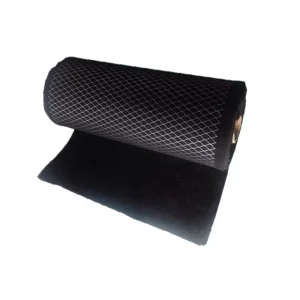
Within B2B environmental engineering, the role of active molecular gas-phase media has transitioned from optional auxiliary refinement to a core prerequisite. Modern ventilation demands clean intake air that is isolated not only from solid macro-particulates but also from gaseous toxins. A high-quality window carbon filter serves as the frontline safeguard at the building envelope. By leveraging advanced physical and chemical adsorption, these structures prevent volatile organic compounds (VOCs), low-molecular-weight odorants, combustion emissions (such as SOx and NOx), and industrial pollutants from entering internal air circuits.
Traditional particulate filters (such as basic glass-fiber screens or synthetic non-wovens) lack the chemical affinity required to arrest gaseous pollutants. Activated carbon fills this gap through an intricate micro-pore structural matrix. In raw processing terms, a single gram of optimized activated carbon exhibits a specific surface area exceeding 1,000 to 1,500 square meters. When ambient airstreams traverse this tortuous carbon path, pollutant molecules are held within the carbon pores by London dispersion forces—a specific sub-type of van der Waals forces. As a premier window carbon filter supplier, Shenzhen Snow Peak Clean Technology Co., Ltd. optimizes carbon density and macro-porosity to deliver high single-pass removal efficiency alongside low static resistance.
The global procurement profile for industrial filter media has shifted in response to stricter environmental regulations, such as the European Green Deal, ASHRAE Standard 62.1 (Ventilation for Acceptable Indoor Air Quality), and strict occupational safety mandates. Contemporary procurement teams prioritize the following operational criteria:
Procuring entities prioritize filters that balance low initial airflow resistance with high dust-holding and gas-adsorption capacities. Minimizing pressure drop directly reduces the operational energy consumption of HVAC supply fans.
Global suppliers must provide verifiable compliance records, including CE certification, ISO 16890 particulate grading, and RoHS/REACH compliance reports for molecular carbon matrices.
Modern ventilation units are increasingly specialized. Modular facade vents, custom structural window frames, and specialized supply inlets require bespoke dimensional configurations without bypassing leaks.
Understanding these key market priorities allows Shenzhen Snow Peak to deliver tailored, high-performance solutions. By offering customized pleat depths, specialized carbon impregnations (such as metal oxides for acid gases or amine compounds for formaldehyde), and heavy-duty structural frame variations, we ensure our clients maintain a competitive operational advantage.
To achieve cleaner indoor air, window carbon filter products must be integrated into a larger, multi-tiered filtration system. Building-wide ventilation strategies rely on a coordinated configuration of filters to manage particulate and molecular pollutants systematically.
| Filtration Stage | Primary Technology | Target Contaminants | Typical Applications |
|---|---|---|---|
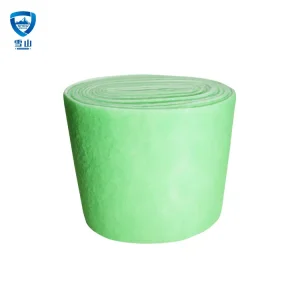
| Primary Pre-filtration | G2 to G4 green/white roll media or metallic mesh | Coarse dust, pollen, leaves, insect ingress | Fresh air intake vents & HVAC pre-filtering |
| Secondary Carbon Adsorption | Active coconut/coal-based window carbon filter media | VOCs, ozone, vehicle exhaust emissions, odors | Intake vents, facade ventilation systems |
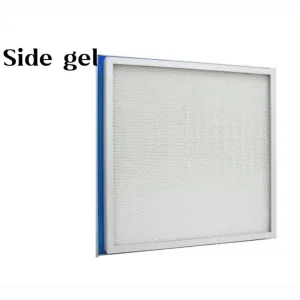
| High-Efficiency Particulate | H13 / H14 Glass fiber HEPA & Gel-seal cleanroom filters | Fine particulates (PM2.5), viruses, bacteria, spores | Microelectronics, pharmaceutical, cleanroom environments |
Within this multi-stage system, window carbon filters act as an essential barrier against gas-phase pollutants. By placing them immediately after the pre-filter, engineers can capture volatile contaminants before they reach the high-efficiency particulate air (HEPA) filters. This protects the downstream HEPA layers from VOC loading, extending the overall lifespan of the cleanroom filtration line.
The performance of a carbon-based filter depends on the structural quality of its active media. Our R&D division focuses on optimizing three key technical performance metrics:
As clean air requirements become more stringent, molecular filtration technologies must continue to evolve. Our current R&D roadmap focuses on three main development paths:
We are integrating super-thin electrospun fiber layers with carbon lattices. This combination reduces airflow resistance and filters out ultrafine particles down to PM0.1.
By treating the carbon surface with specialized catalysts, the filter can break down hazardous gases like formaldehyde and ozone into harmless compounds, extending filter life.
We are expanding our use of renewable, coconut-shell-derived carbon and biodegradable, plastic-free frame components to meet global sustainability and circular economy goals.
Providing reliable air filtration products to international markets requires strict compliance with global engineering and safety standards. Shenzhen Snow Peak ensures all export products meet relevant regional specifications:
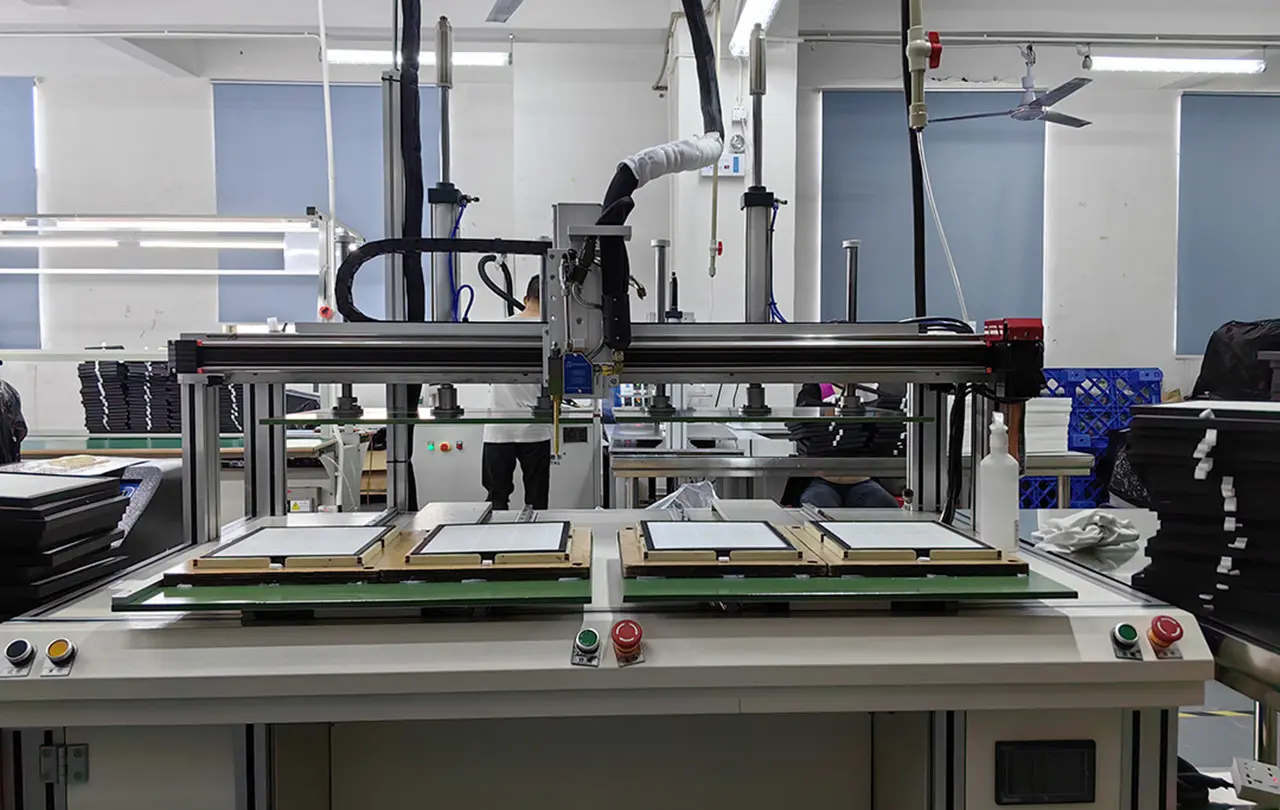
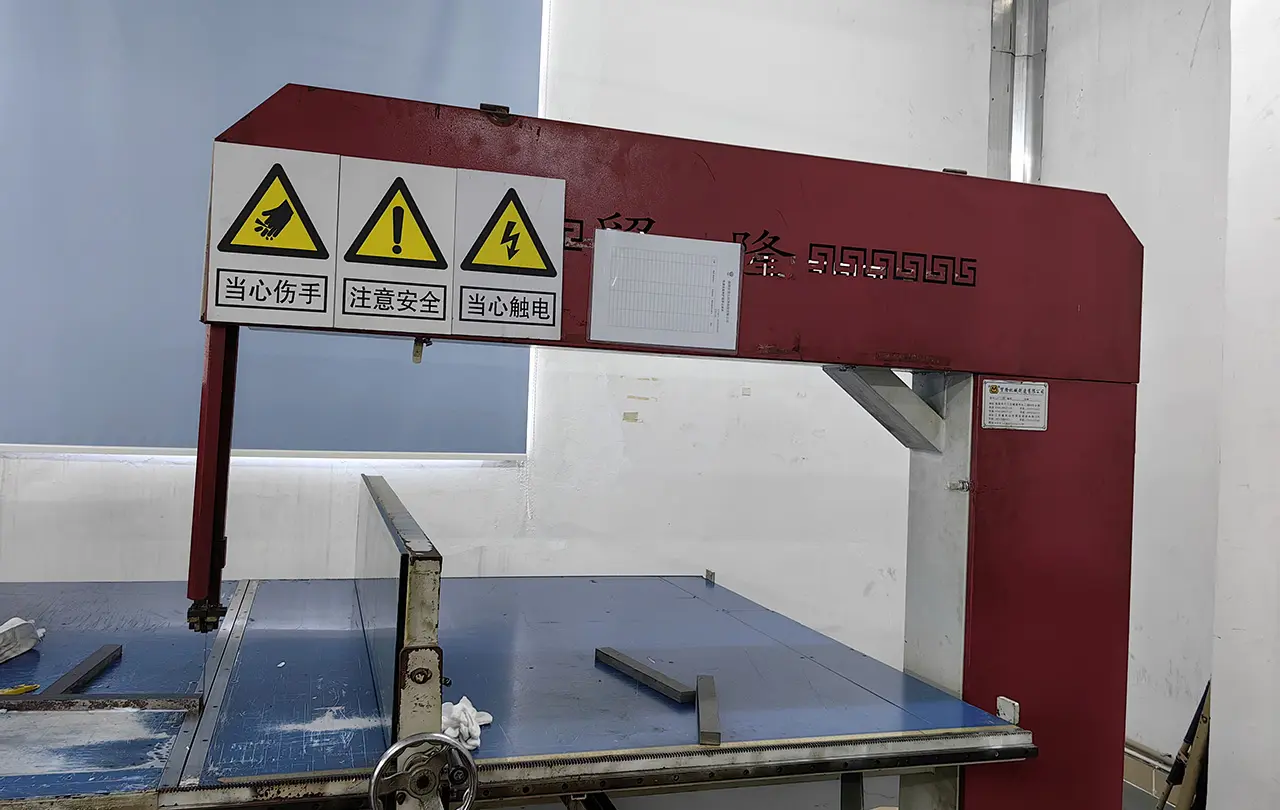
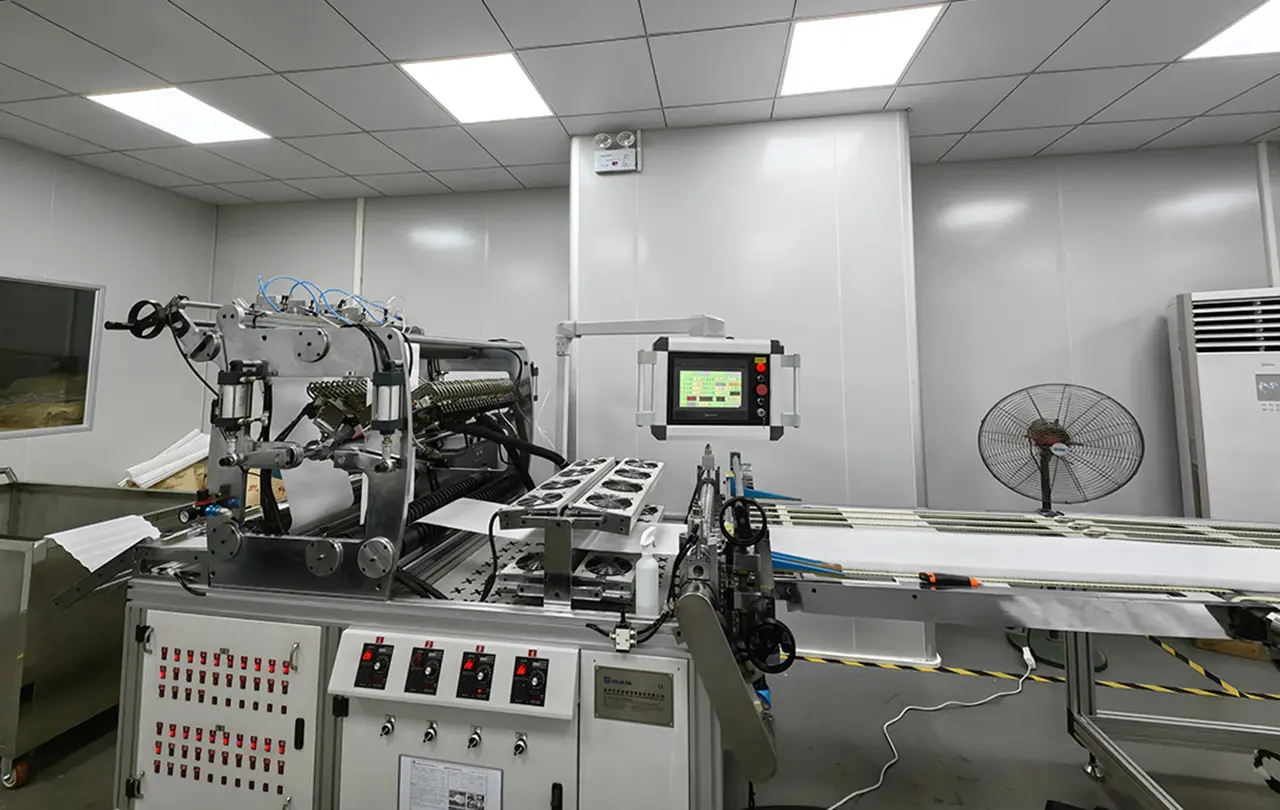
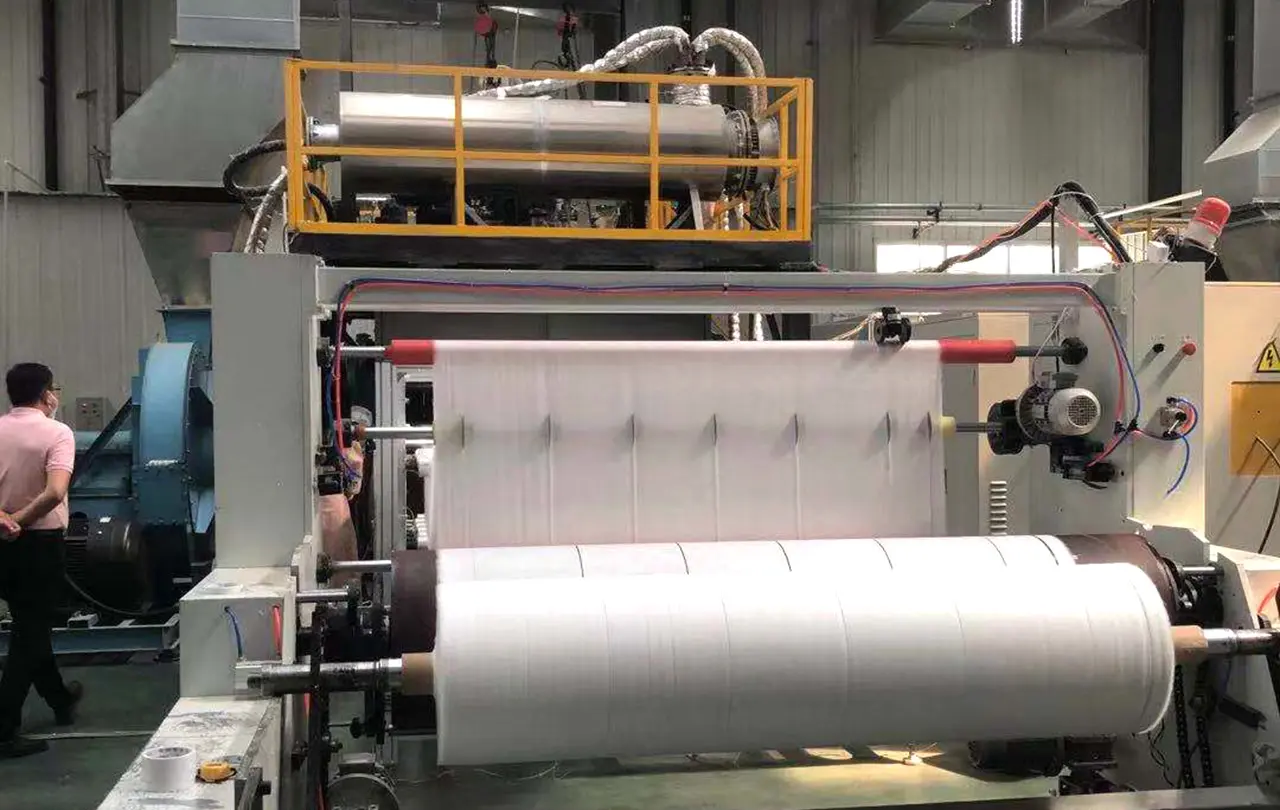
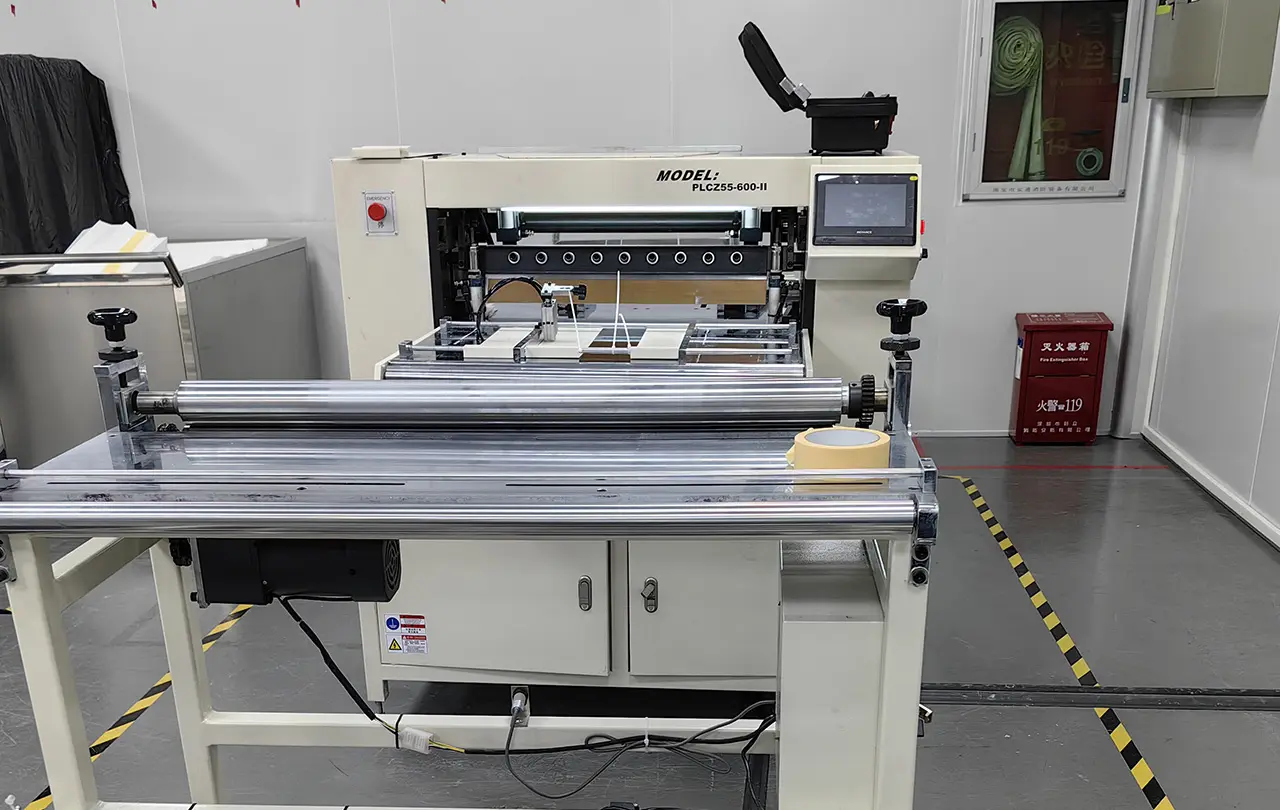
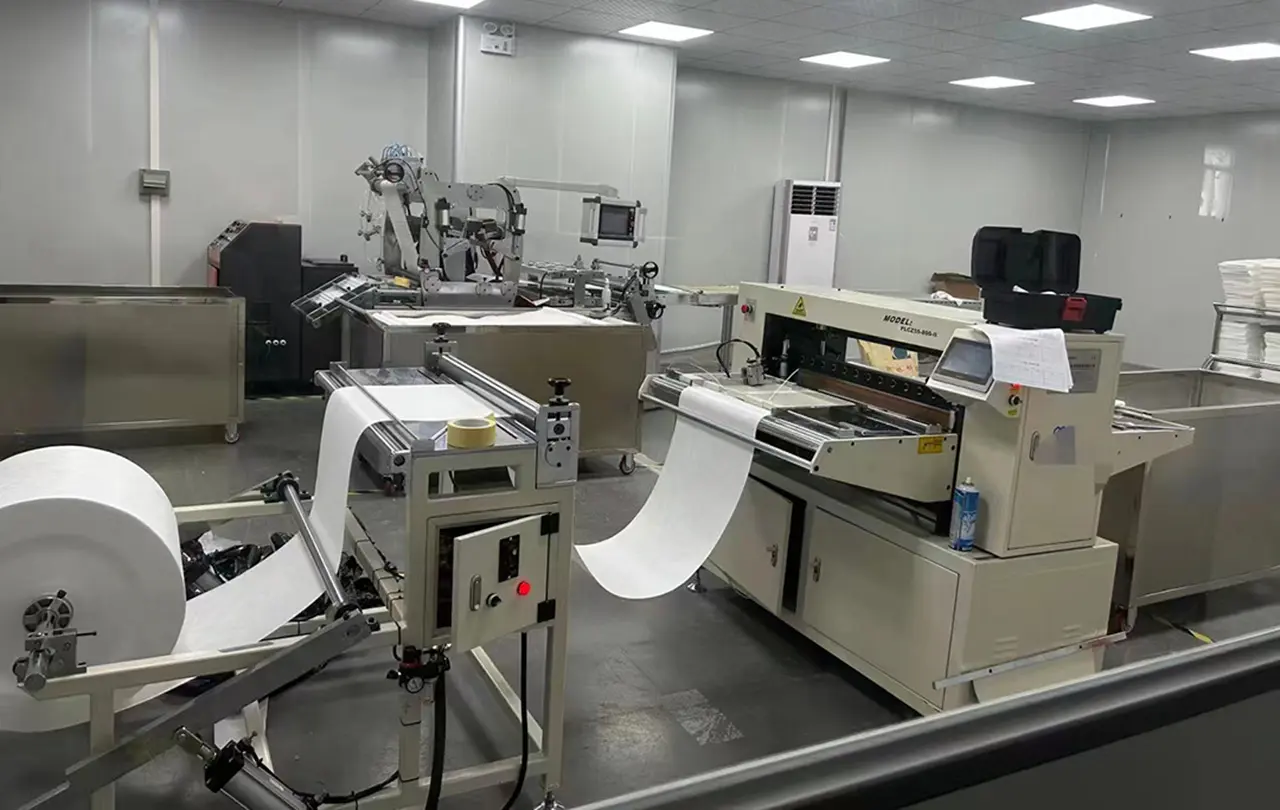
Equipped with advanced manufacturing lines, high-precision tooling, and rigorous testing setups to guarantee reliable, high-volume production.
Having 15 years of international air purification technology experience as the background, our company has standardized production workshops, a dust-free filter workshop, and a first-class HEPA filters production line and inspection line. We utilize an independently developed, fully automatic air filter production line, equipped with an AMADA CNC punch, CNC bending machine, and other high-end machinery. These resources provide a strong, reliable baseline for the production quality and consistent delivery of our air filtration and purification products.
Get answers to common questions about window carbon filters, maintenance, and system design.
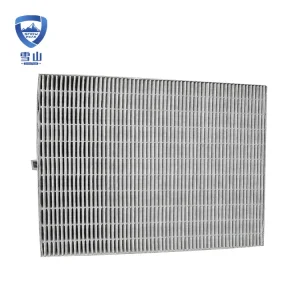
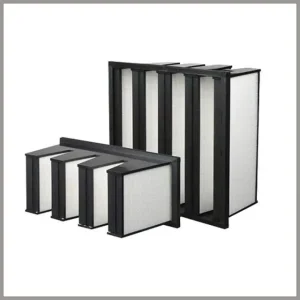
Select from our range of particulate, chemical, and HEPA replacement filters built to fit standard HVAC setups.
 Snow Peak