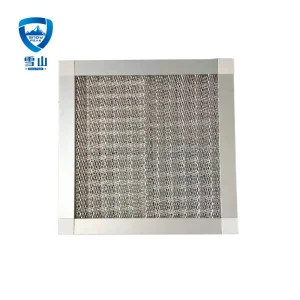
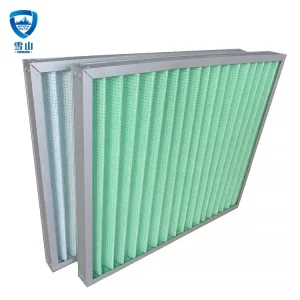
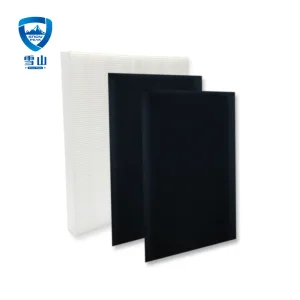
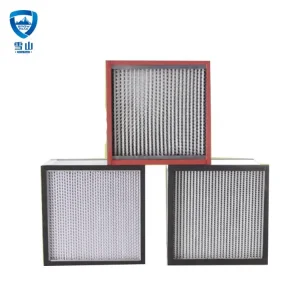
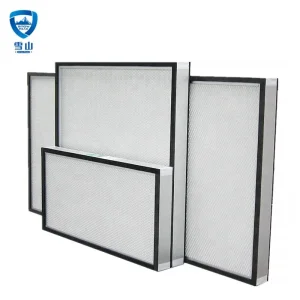
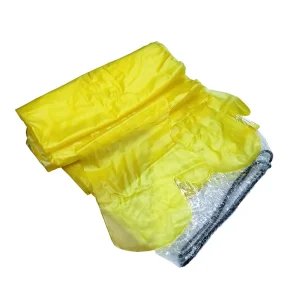
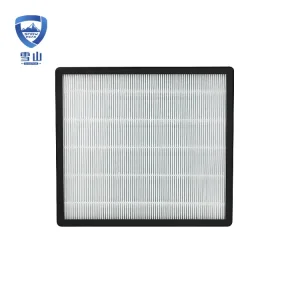
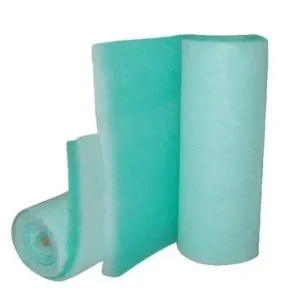
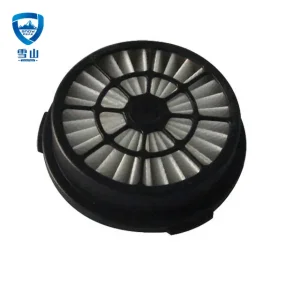
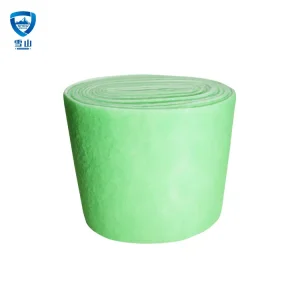
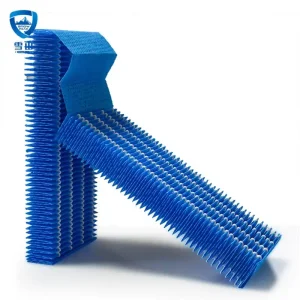
Discover our primary and high-efficiency filters engineered for optimal HVAC and industrial dust containment systems.
Understanding how macroeconomic environmental shifts and strict occupational safety codes are shaping international HVAC manufacturing.
In the modern era of industrialization, the global clean air mandate has transitioned from a basic comfort metric to a critical regulatory and compliance necessity. Across primary manufacturing hubs, cleanrooms, and commercial real estate networks, the demand for high-performance AC Filter Cloths has surged. Environmental protection standards like the European EN 779 and ISO 16890 frameworks, alongside ASHRAE 52.2 in the United States, demand rigorous particulate capture, extending from coarse dust extraction to critical bio-aerosol containment.
Industrial environments require bespoke media compositions designed to mitigate system degradation while optimizing energy efficiency. High-density synthetic non-woven fiber blends, needle-punched structures, and multilayer composite media have largely superseded traditional low-yield fiberglass layers. The objective is clear: reduce initial static pressure drop, optimize dust holding capacity (DHC), and extend the performance cycles of filtration setups.
| Classification (ISO 16890 / EN 779) | Primary Material Base | Target Particulate Size | Typical Applications |
|---|---|---|---|
| Coarse (G2 - G4) | Synthetic polyester / Glass Fiber | > 10 μm (Coarse dust, sand, lint) | HVAC Pre-filtration, Paint spray booths, Fan coil units |
| ePM10 / ePM2.5 (M5 - F9) | Melt-blown composites / Needle-punch | 2.5 μm - 10 μm (Spores, pollen, fine ash) | Commercial HVAC systems, food processing, packaging line intake |
| HEPA (H13 - H14) | Ultra-fine Glass Fiber / PTFE | 0.3 μm (Bacteria, viral droplets, micro-dust) | Semiconductor cleanrooms, hospital surgical suites, isolation facilities |
As primary components in ventilation loops, the design of filter cloths must balance thermal tolerance, mechanical shear strength, and chemical inertia. This is especially vital when developing filtration matrices for volatile environments, such as aerospace labs, paint shops, or heavy-duty chemical plants where chemical fumes and high heat profiles could compromise media integrity.
Deep engineering insights into how airflow mechanics, density grading, and material choice determine filtration performance.
Using advanced melt-blown techniques to embed a persistent electrostatic charge (electret) into the media. This electrostatically captures sub-micron particulates without increasing structural density or airflow resistance.
Integrating specialized active ingredients into the filter fibers to target microscopic pathogens. The compound structure inhibits microbial reproduction on the media surface, ensuring a high sterilization rate and preventing secondary contamination.
Constructing multi-tier structures where the density increases progressively from the air-inlet side to the air-outlet side. This gradient structure ensures high dust-holding capacity, preventing early surface clogging and extending overall service life.
Modern ODM filter cloth design relies on advanced thermobonding processes. Rather than relying on chemical adhesives that can release volatile organic compounds (VOCs) under high heat, fibers are mechanically interlocked using localized heat treatment. This maintains the structural stability of the pleats, ensuring they do not collapse or deform under variable airflows.
Additionally, combining high-efficiency particulate air (HEPA) membranes with activated carbon structures allows dual-phase filtration. Physical blockages catch large and fine particulates, while gas-phase adsorption neutralizes organic odors, toxic vapors, and indoor chemical residues.
Shenzhen Snow Peak Clean Technology Co., Ltd. - Driving innovation through specialized filtration engineering and high-end machinery.
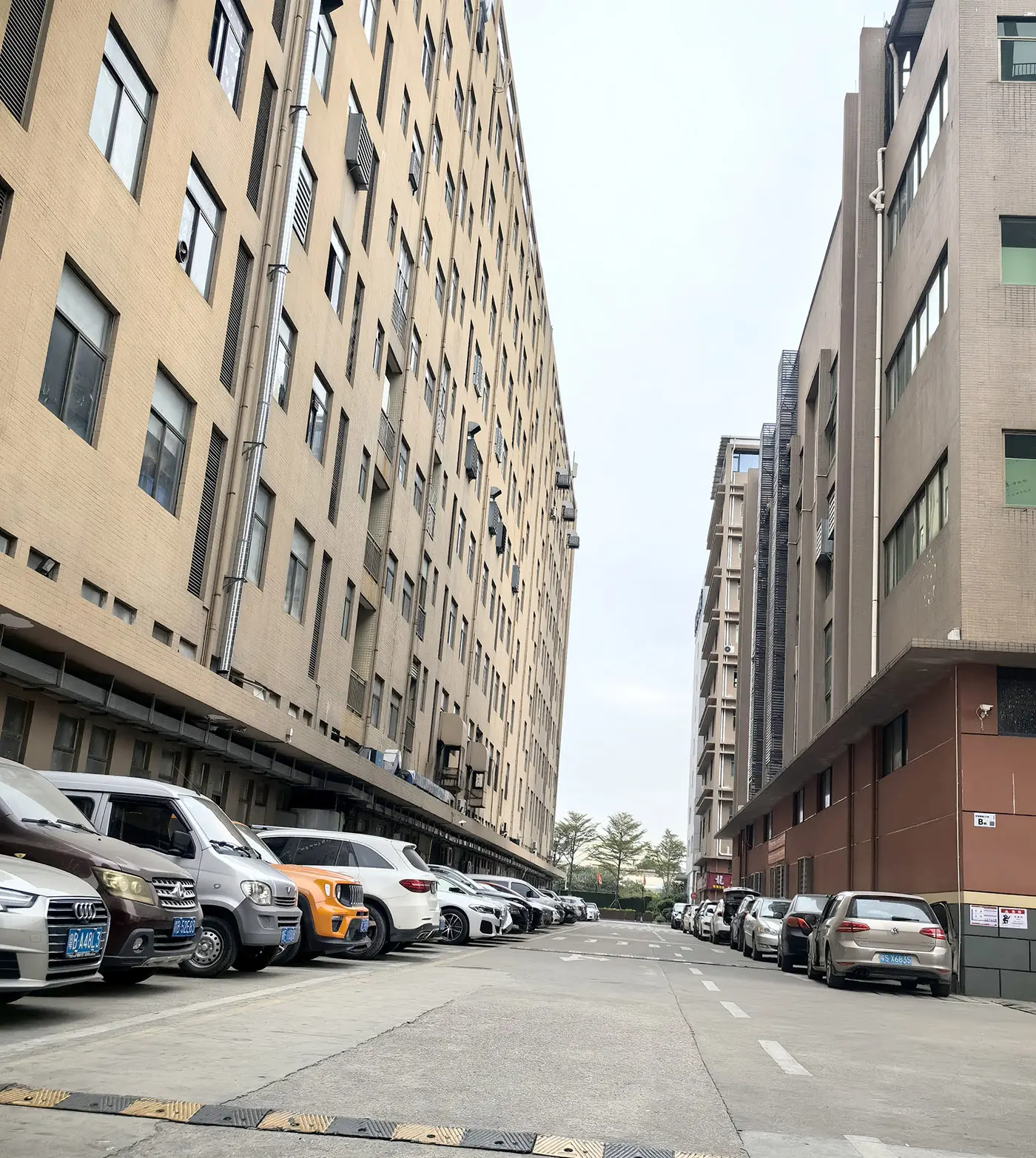
A look into our automated lines, CNC workshops, and advanced pleating systems.
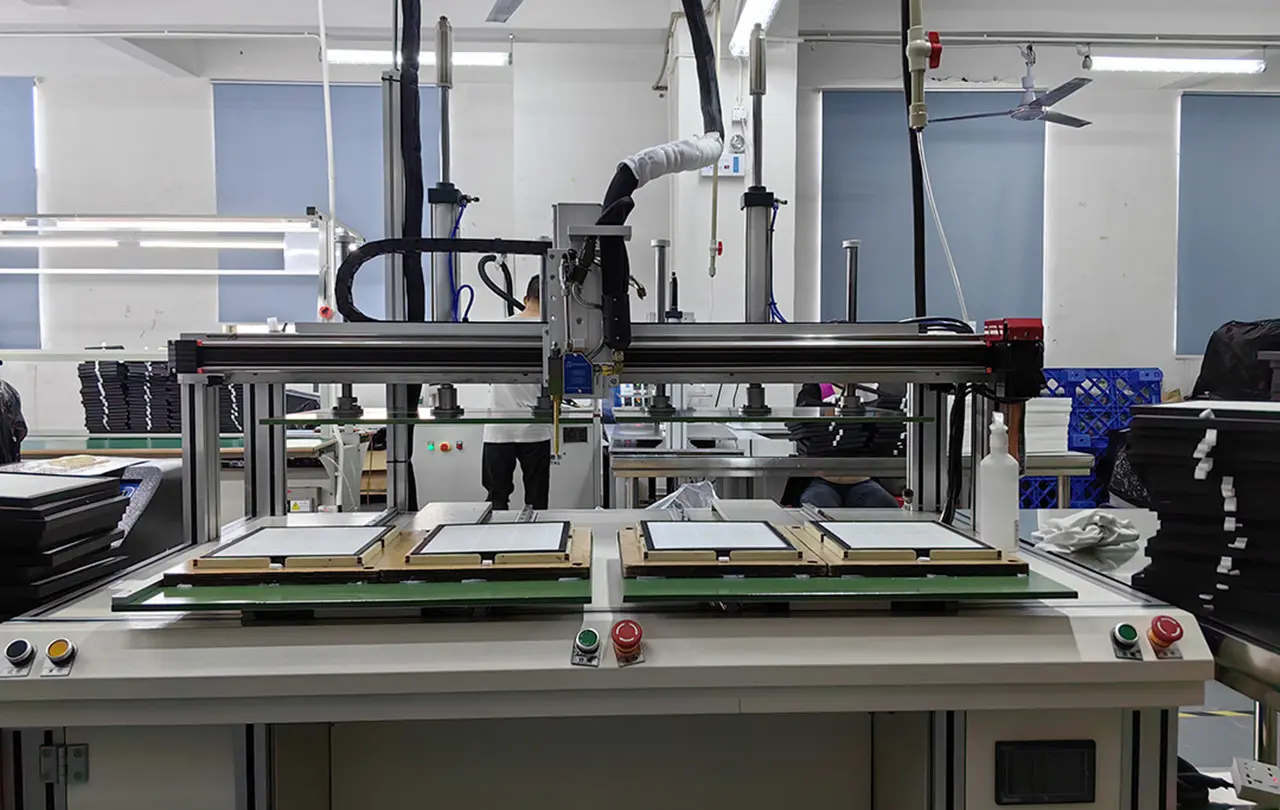
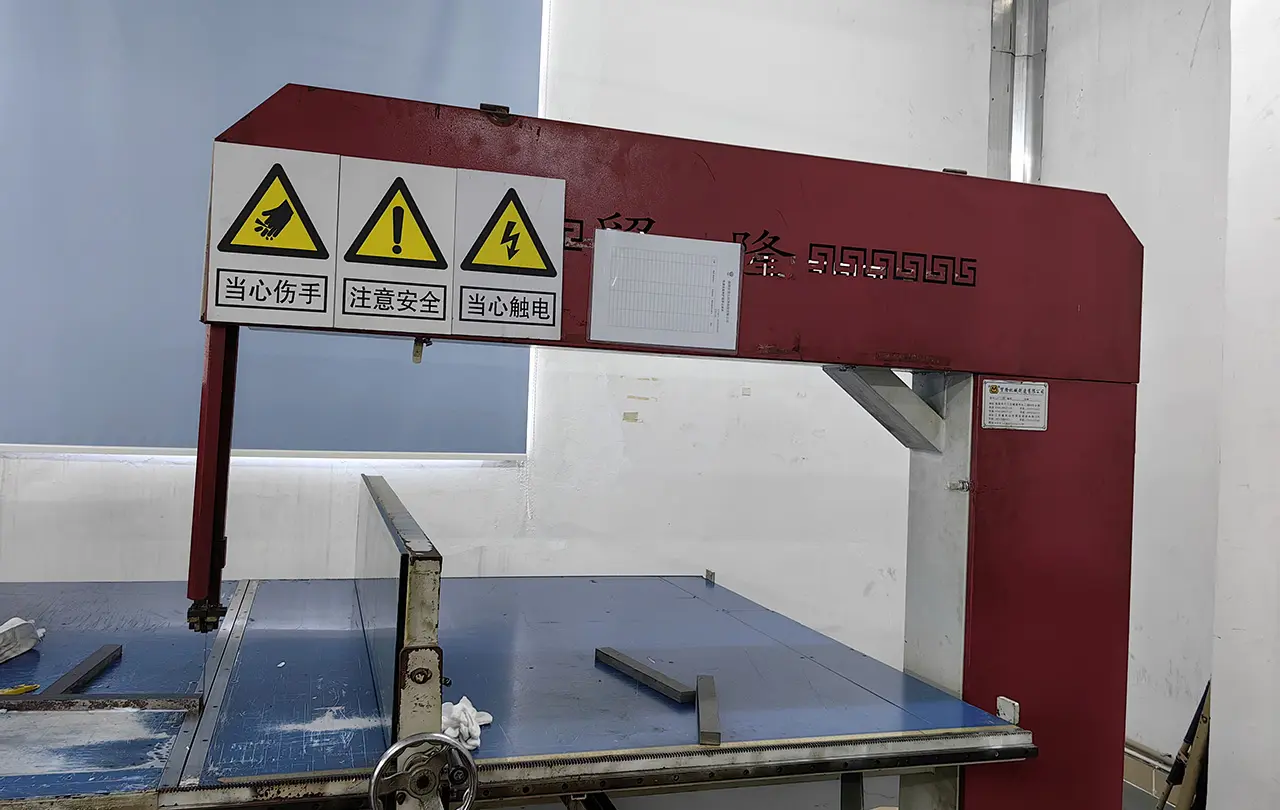
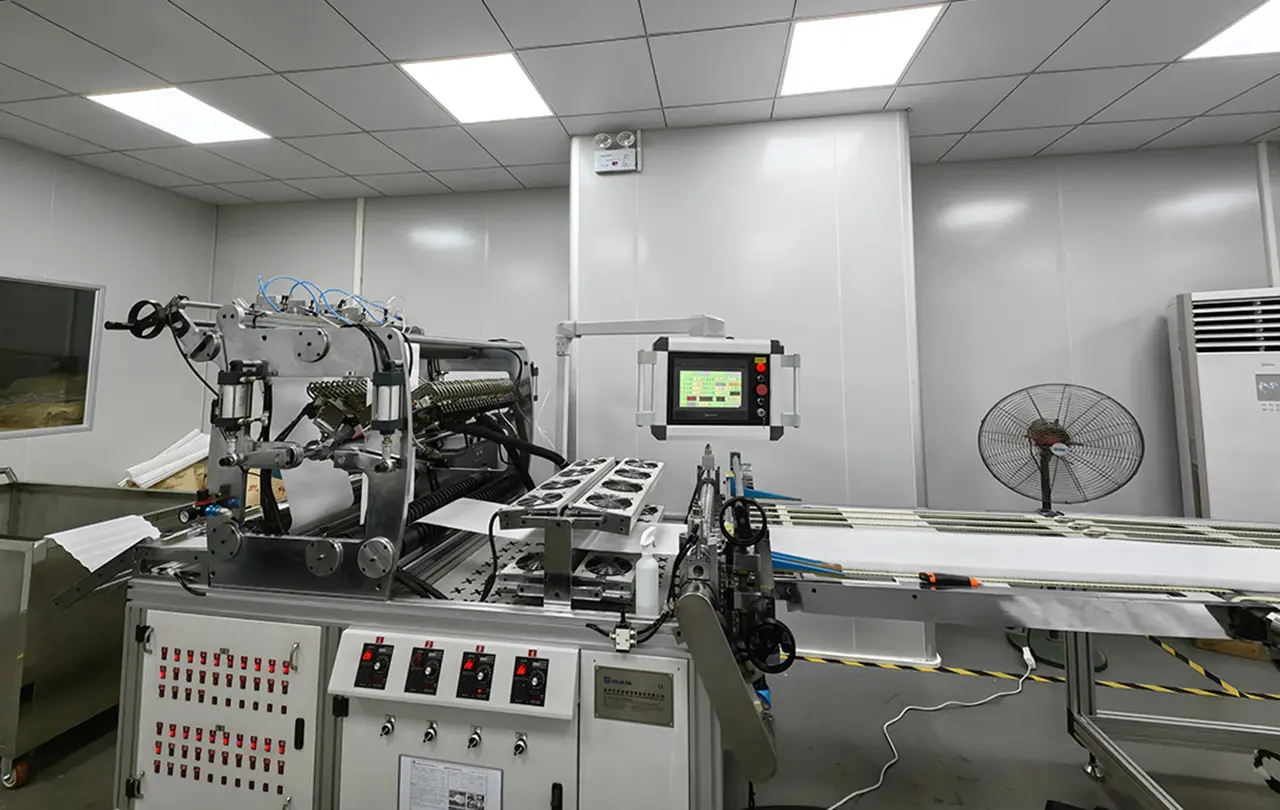
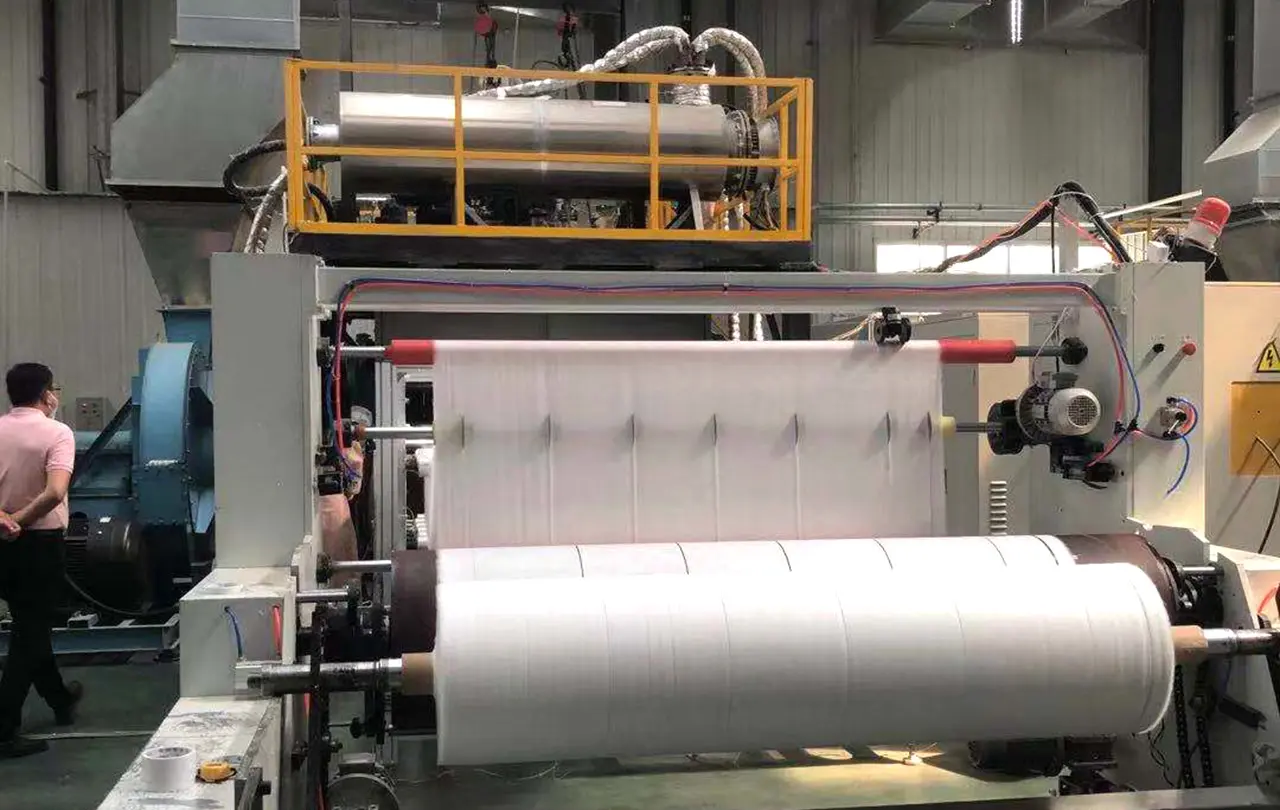
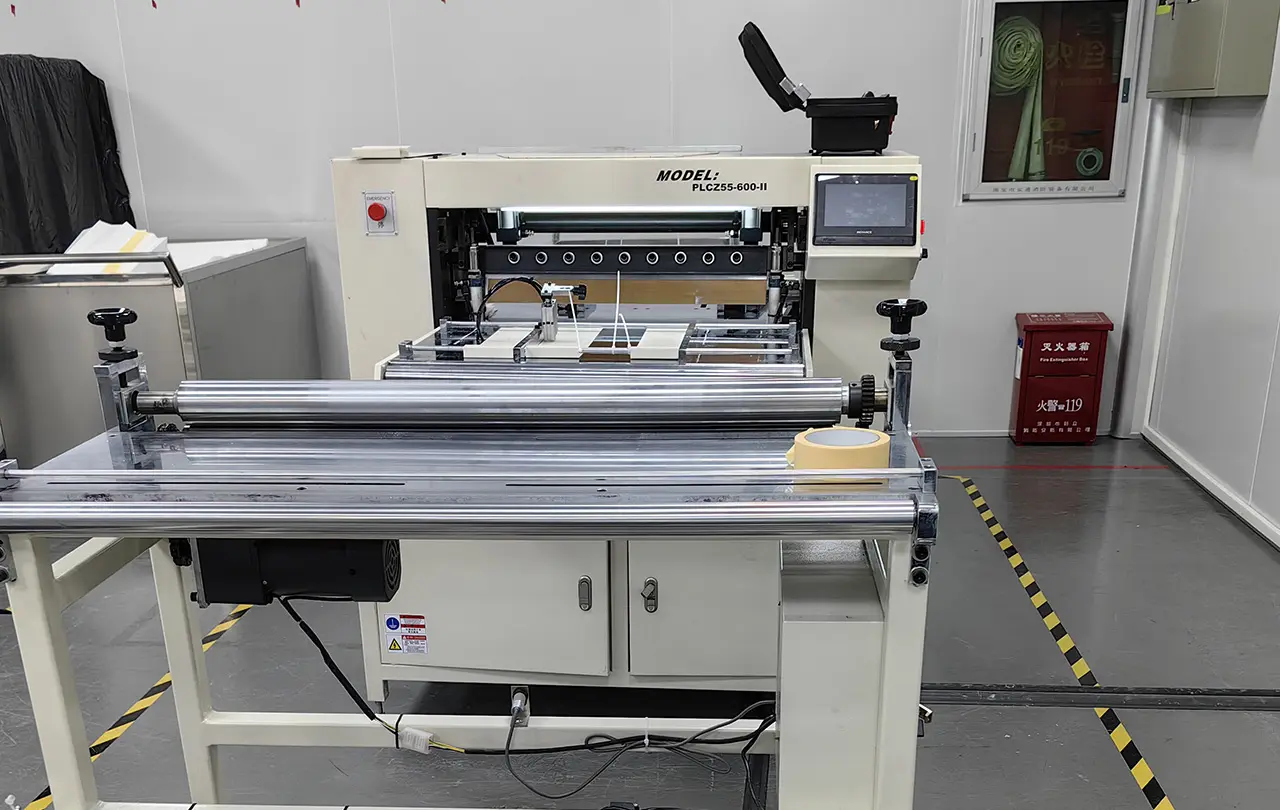
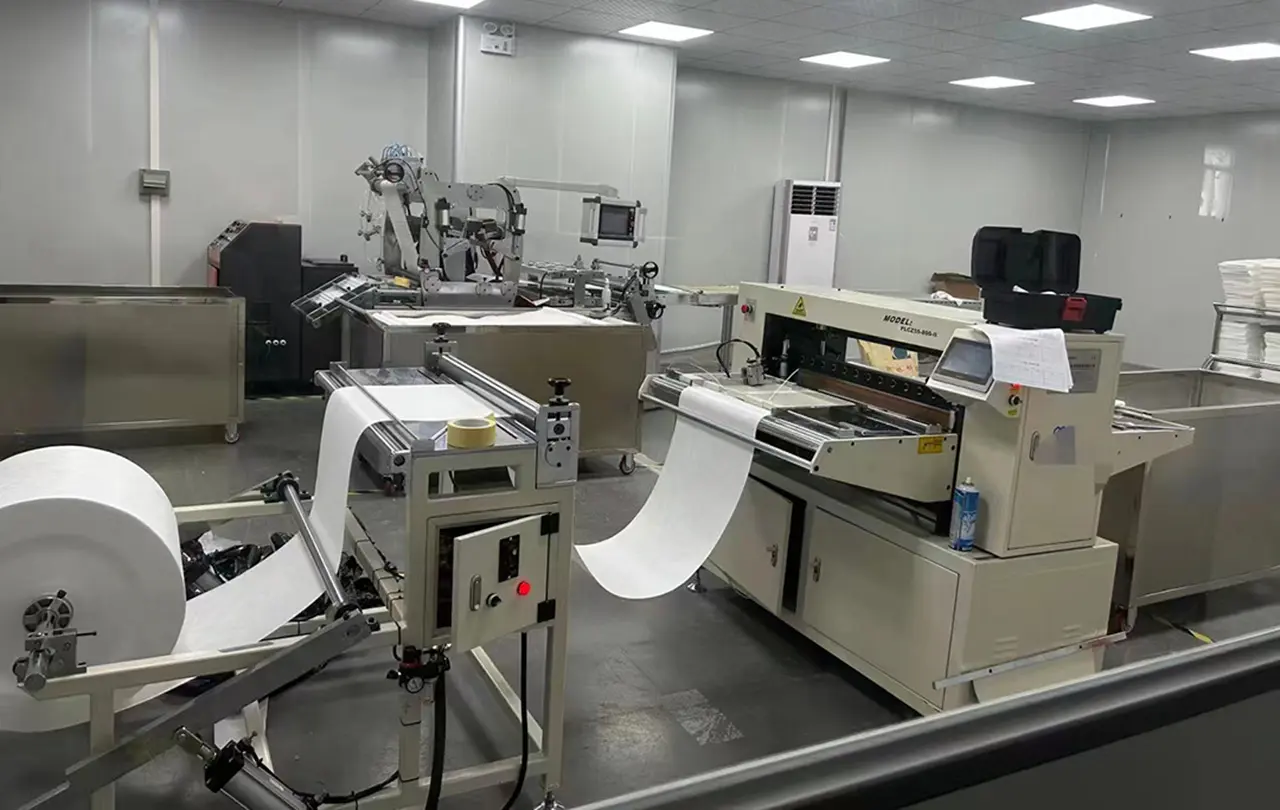
Why manufacturing in Shenzhen provides structural cost, speed, and logistics benefits to international buyers.
Selecting a manufacturing partner in China's Silicon Valley, Shenzhen, offers significant strategic advantages. Located in a high-density electronics and polymer technology hub, Shenzhen Snow Peak integrates R&D directly with advanced regional materials manufacturing. Our production lines feature top-tier equipment, including AMADA CNC punch and bending machines, enabling rapid turnaround for high-precision, heavy-duty housing designs.
This concentration of manufacturing infrastructure significantly reduces development lead times. Custom specifications for industrial air conditioners, hospital cleanrooms, or high-volume residential air purifiers can be processed, simulated, prototyped, and tested within very short timelines.
Additionally, direct access to international ports like Shenzhen and Hong Kong reduces transit times and transport overheads. We work with globally recognized logistics partners to ensure raw materials are processed and products are shipped with transparent custom clearings and full compliance paperwork, ensuring delivery reliability.
How our filter media meets the specialized requirements of diverse commercial, industrial, and cleanroom environments.
Hospital surgical wings and isolation units demand the highest standards of biosafety. Our medical-grade HEPA filters with H1N1 virus removal efficiencies up to 99.99% provide reliable defense against pathogens.
We supply primary panel filters (G3, G4) and bag-in-bag-out (BIBO) safety housings, built to handle heavy dust loads in manufacturing plants, mining facilities, and commercial buildings.
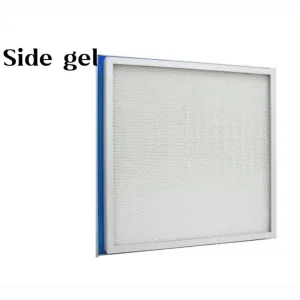
Our specialized gel-seal HEPA systems prevent microscopic leaks, protecting sensitive silicon wafer fabrication and microelectronics packaging areas from contamination.
The processes and technology roadmap that define our commitment to quality, efficiency, and material science.
We source high-grade non-woven fibers, polypropylene chips, and specialized fiberglass materials, conducting thorough raw materials inspection to verify physical and electrostatic durability.
Using advanced multi-beam lamination systems to combine protective spunbond layers, melt-blown electret centers, and optional activated carbon blocks without blocking airflow pathing.
Our pleating lines shape the media to precise geometries. Simultaneously, AMADA CNC machines process metal or alloy frames to match the filter cores, ensuring tight tolerances.
Every HEPA filter is scan-tested using specialized aerosol spectrometers to verify it meets class H13/H14 parameters and EN 1822 guidelines, ensuring leak-free performance.
Answers to key questions regarding technical parameters, customizing options, and international exports.
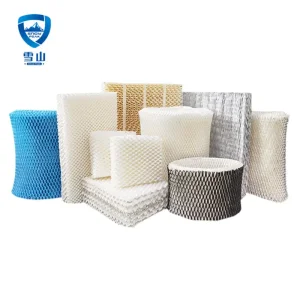
Explore our specialized replacement filters, rolls, and humidifier media designed for residential, commercial, and HVAC systems.
 Snow Peak