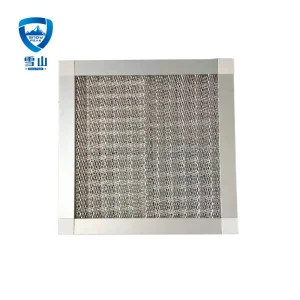
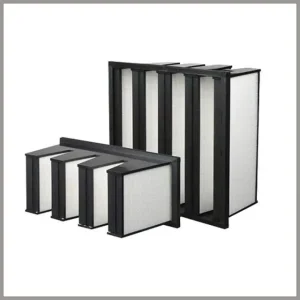
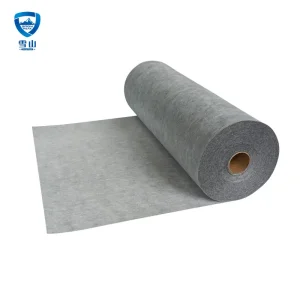
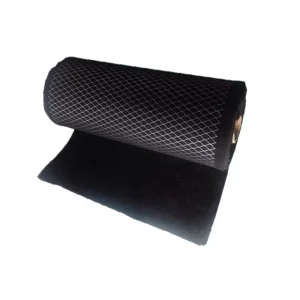
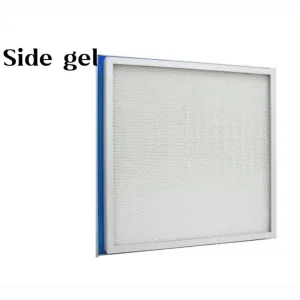
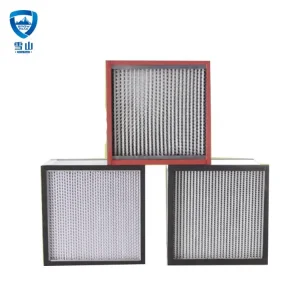
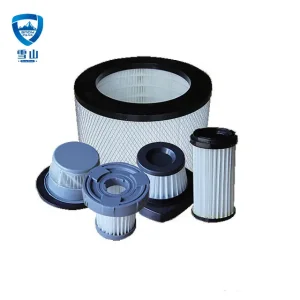
Engineered for absolute performance, durability, and standard compliance. Discover our range of industrial, civil, and automotive filtration solutions.
Modern passenger vehicles are increasingly operating as mobile micro-environments. As urbanization increases and traffic density surges globally, passengers inside vehicle cabins are exposed to a potent mixture of atmospheric pollutants. These range from solid particulate matter, including PM2.5, ultra-fine dust, combustion soot, and brake wear microparticles, to toxic gaseous pollutants such as ozone (O3), nitrogen oxides (NOx), sulfur dioxide (SO2), carbon monoxide (CO), and volatile organic compounds (VOCs) like benzene, toluene, and formaldehyde.
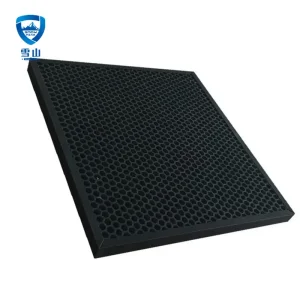
Standard particulate cabin filters, which rely solely on mechanical filtration principles (such as sieving, inertial impaction, interception, and diffusion), are highly effective against dust and PM2.5 but are completely transparent to gaseous molecules and biological pathogens. This gap in protection represents a significant risk to occupant health, triggering asthma, fatigue, cognitive decline during driving, and long-term respiratory issues. Activated charcoal cabin filters solve this structural vulnerability by combining high-efficiency particulate physical filtration with advanced gas-phase adsorption.
The core mechanism of activated charcoal cabin filters lies in physical adsorption (physisorption) governed by Van der Waals forces. Activated carbon is processed to possess an incredibly high surface-area-to-volume ratio—often exceeding 1,000 square meters per gram. This massive internal surface area is structured with microscopic pores categorized into micropores (diameter < 2 nm), mesopores (2 to 50 nm), and macropores (> 50 nm).
When contaminated air passes through the active media, gaseous molecules flow into the pore structure and are trapped. For compounds with low molecular weight or polarity that resist physical adsorption (such as formaldehyde or ammonia), advanced filters utilize chemisorption. This involves impregnating the activated carbon matrix with specific catalysts or chemical reagents that react chemically with the target gases, neutralizing them and permanently bonding them to the carbon skeleton.
Standard engineering thresholds that define high-performance ODM Activated Charcoal filters.
As the automotive sector transitions toward Autonomous Driving (AD), Connected, and Electric Vehicles (EVs), cabin design is being reimagined as an extension of the living space. This transition demands high-efficiency climate control systems that consume minimal power. Filtration systems are directly affected because higher airflow resistance (pressure drop) forces the climate control blower to consume more battery energy, reducing vehicle range.
The technical roadmap for advanced cabin filtration focuses on resolving the tradeoff between filtration efficiency and airflow resistance. Our current research and development pipeline addresses these trends across three primary technological frontiers:
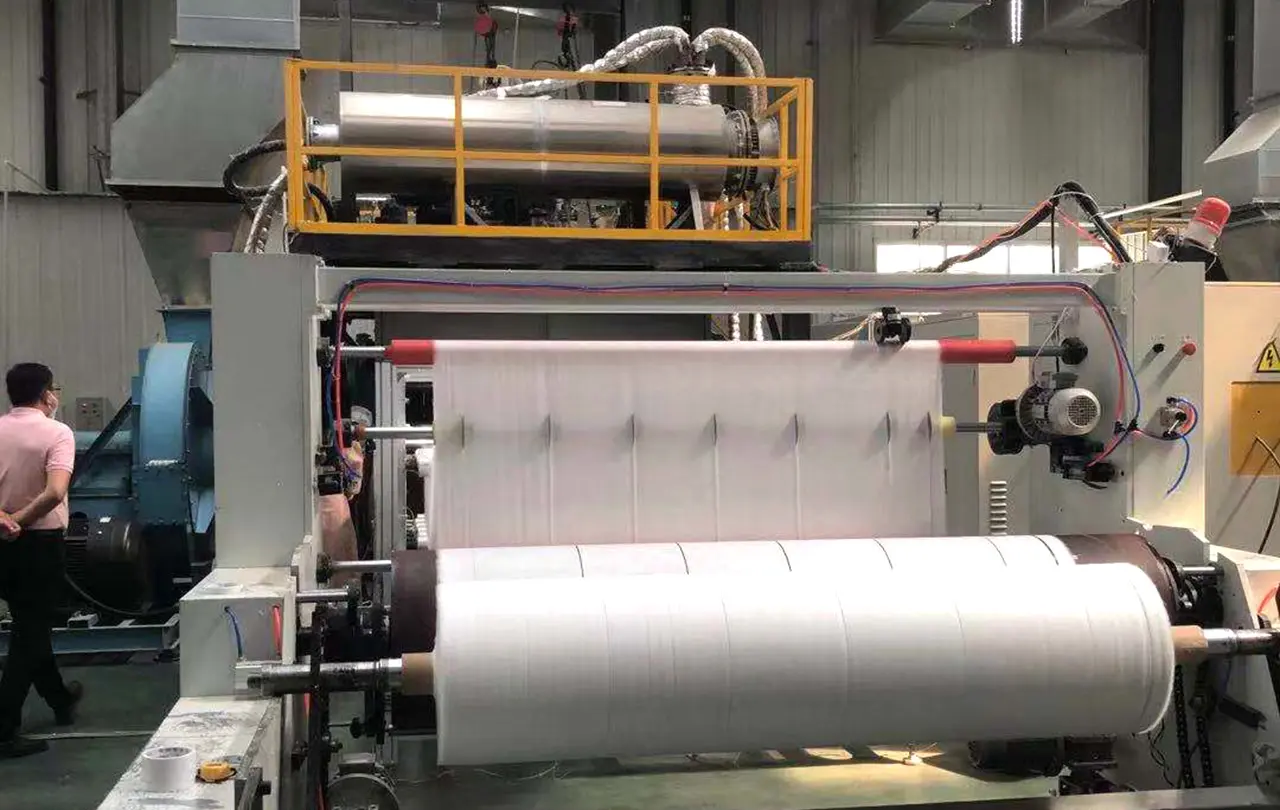
By electrospinning polymeric nanofibers onto the support media, we construct Web-like structures with fiber diameters under 100 nanometers. These matrices capture sub-micron particles with minimal physical blockage, preserving battery range in electric vehicles while meeting PM0.3 standards.
Rather than using a single carbon layer, next-generation filters employ progressive, functionalized layers. A primary coconut-shell carbon layer adsorbs heavy VOCs, followed by a secondary layer treated with functional acid/alkali groups targeting NOx, SO2, and formaldehyde.
To reduce plastic waste, we are developing biodegradable structural frames and plant-derived support webs. Combined with natural shell-derived carbon, this supports circular economy goals and helps OEMs meet end-of-life vehicle (ELV) recycling targets.
| Filtration Technology Stage | Primary Particulate Media | Adsorption Phase Spec | System Pressure Drop (at 300 m³/h) | Target Pollutants Addressed |
|---|---|---|---|---|
| Stage 1 (Legacy) | Standard Synthetic Meltblown (Coarse) | Un-impregnated Coal Carbon | 35 - 45 Pa | Coarse Dust, Pollen, Heavy Odors |
| Stage 2 (Current OEM Standard) | Electrostatic Meltblown (Medium efficiency) | Standard Coconut Shell Activated Carbon | 45 - 60 Pa | PM2.5, Toluene, Benzene, Ozone |
| Stage 3 (Advanced ODM) | Nanofiber + Electrostatic Hybrid Layer | Functionalized Chemisorptive Dual-Media | 50 - 65 Pa | PM0.3, Formaldehyde, NOx, SO2, Allergen Inactivation |
| Stage 4 (Future Tech) | Bio-synthesized Nanowebs (Biodegradable) | Catalytic Self-Regenerative Carbon Matrices | < 40 Pa | All PM fractions, Pathogens, Ultrafine VOCs, Permanent Catalysis |
As a global ODM/OEM exporter, our engineering reach extends beyond standard automotive aftermarket replacement parts. We design and deliver systemic macro filtration solutions across multiple industries, providing customized answers for complex air quality challenges:
We work directly with automotive tier-1 suppliers and OEMs during the initial design phase of vehicle HVAC channels. By running computational fluid dynamics (CFD) simulations, we optimize the filter geometry, pleat count, and media distribution to fit restricted spatial packaging while maximizing dust holding capacity (DHC) and minimizing aerodynamic resistance.
Agricultural tractor cabs, mining excavators, and industrial heavy machinery operate in environments with high concentrations of silica dust, pesticide vapors, and diesel exhaust. We manufacture robust, heavy-duty cabin filters that feature multi-stage media setups with structural metal reinforcement, protecting operators in challenging environments.
High-occupancy environments, including trains, buses, and public transport hubs, require continuous particulate and odor control. Our large-format, high-volume carbon pleated filters provide consistent filtration efficiency and high chemical holding capacity, extending service intervals and reducing maintenance costs for operators.
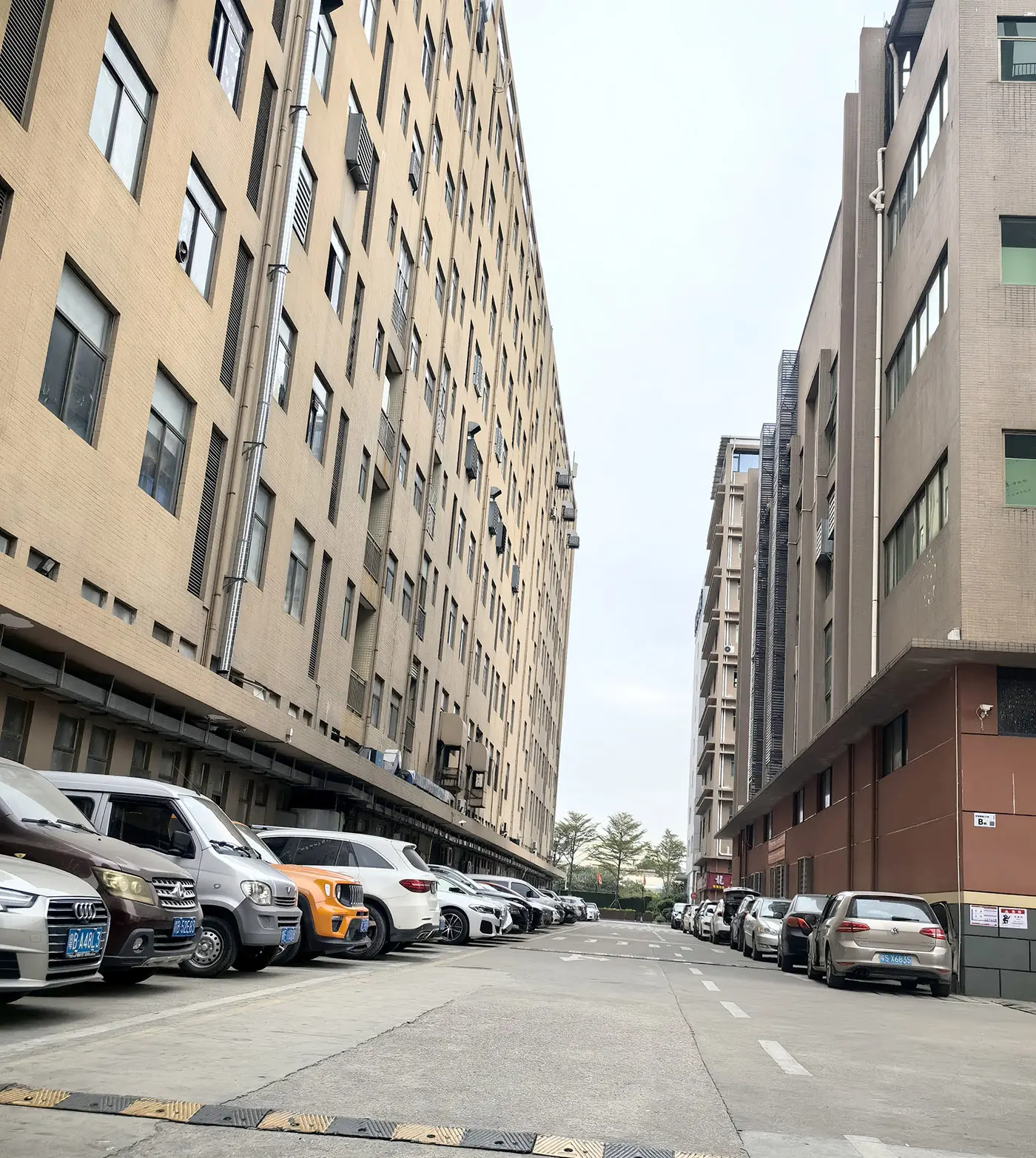
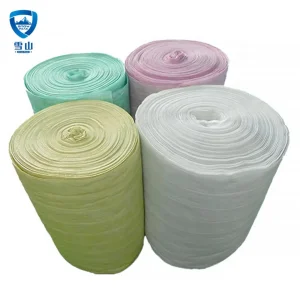
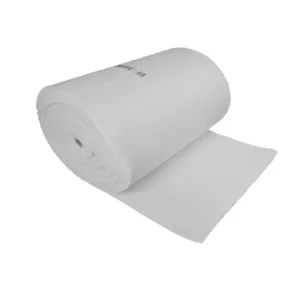
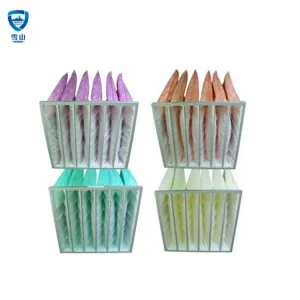
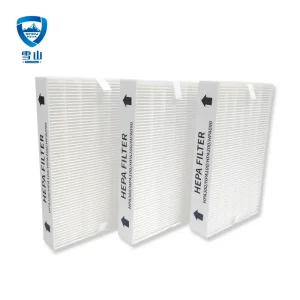
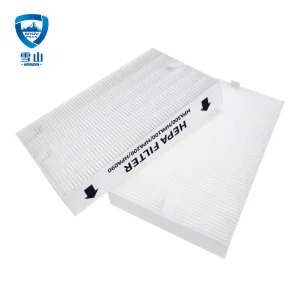
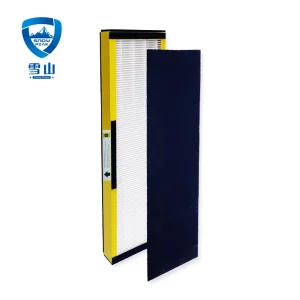
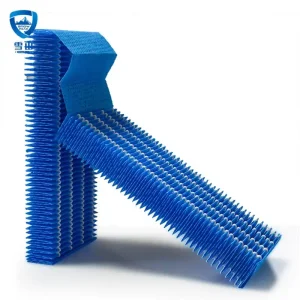
Shenzhen Snow Peak Clean Technology Co., Ltd. is an integrated high-tech enterprise specialized in air filtration products research and development, production, sales, import and export trade. We produce and supply: Pre-filter, pocket filter, HEPA filter, chemical filter; replacement HEPA filter, car cabin air filter, humidifier filter; pocket filter media, melt-blown composite filter media, and other high-performance filter materials.
Our solutions provide high-quality air purification for indoor air pollution control and air conditioning systems in civil and industrial buildings, microelectronics, pharmaceuticals, laboratories, schools, and hospital clean rooms. Combined with our self-developed patented technology, our sterilizing antiviral HEPA filter effectively filters fine particles, maintaining PM2.5 concentrations below 10 micrograms/m³, which is five times better than the national standard. It inhibits the breeding of microorganisms with a sterilization rate of up to 99.9%, avoids secondary pollution, and achieves an H1N1 virus removal efficiency of 99.99%.
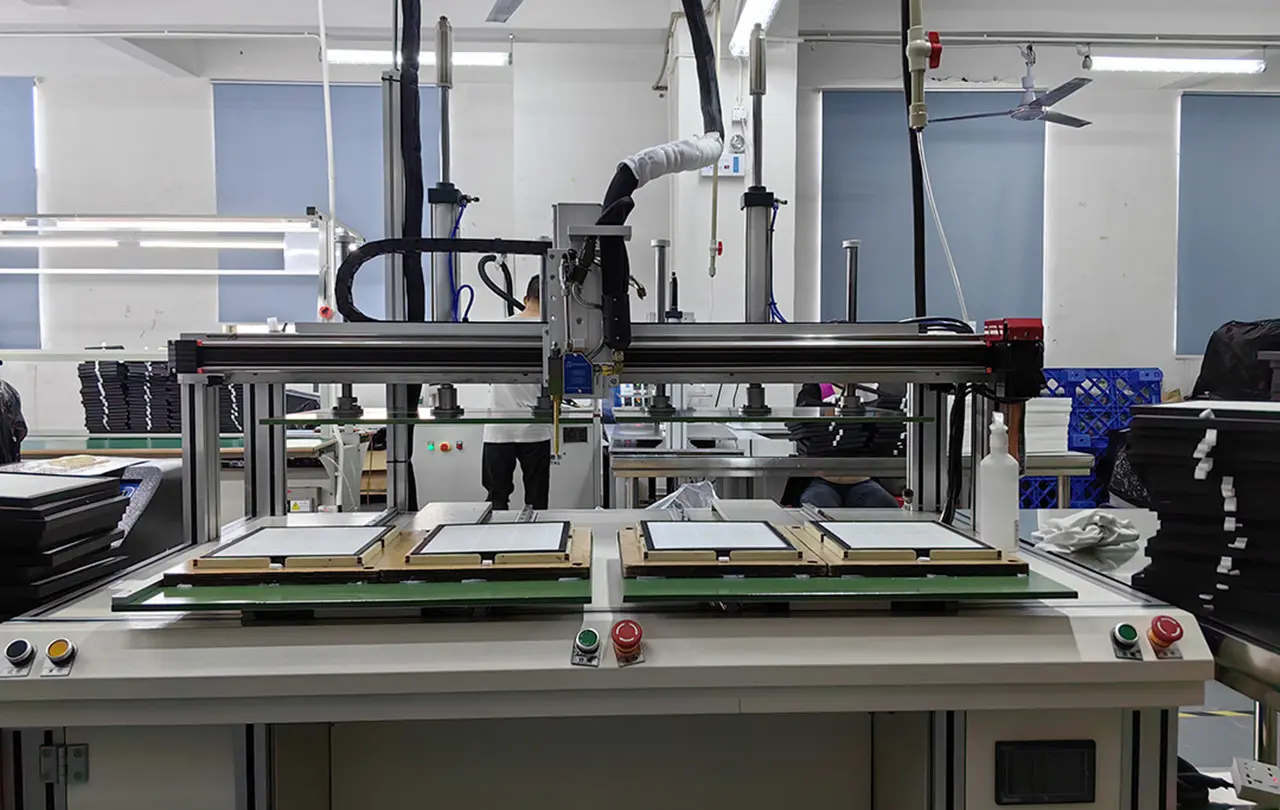
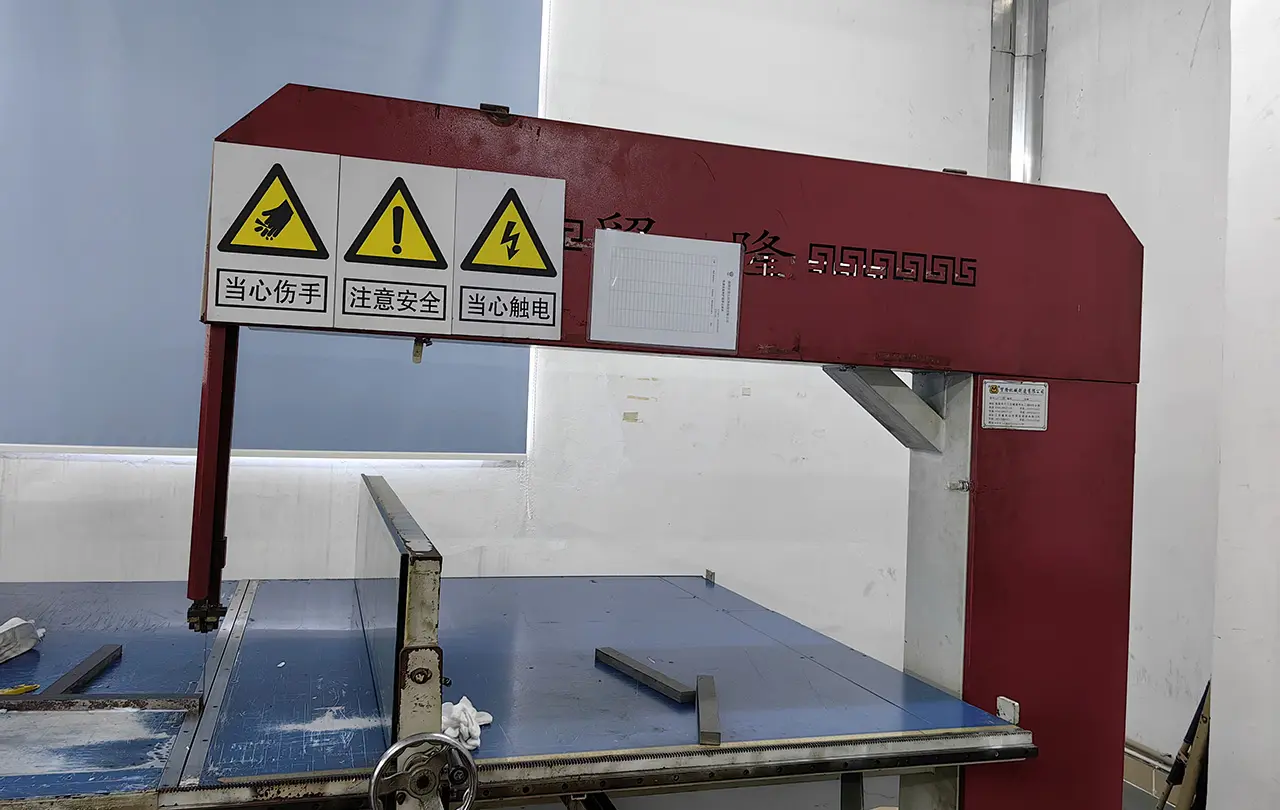
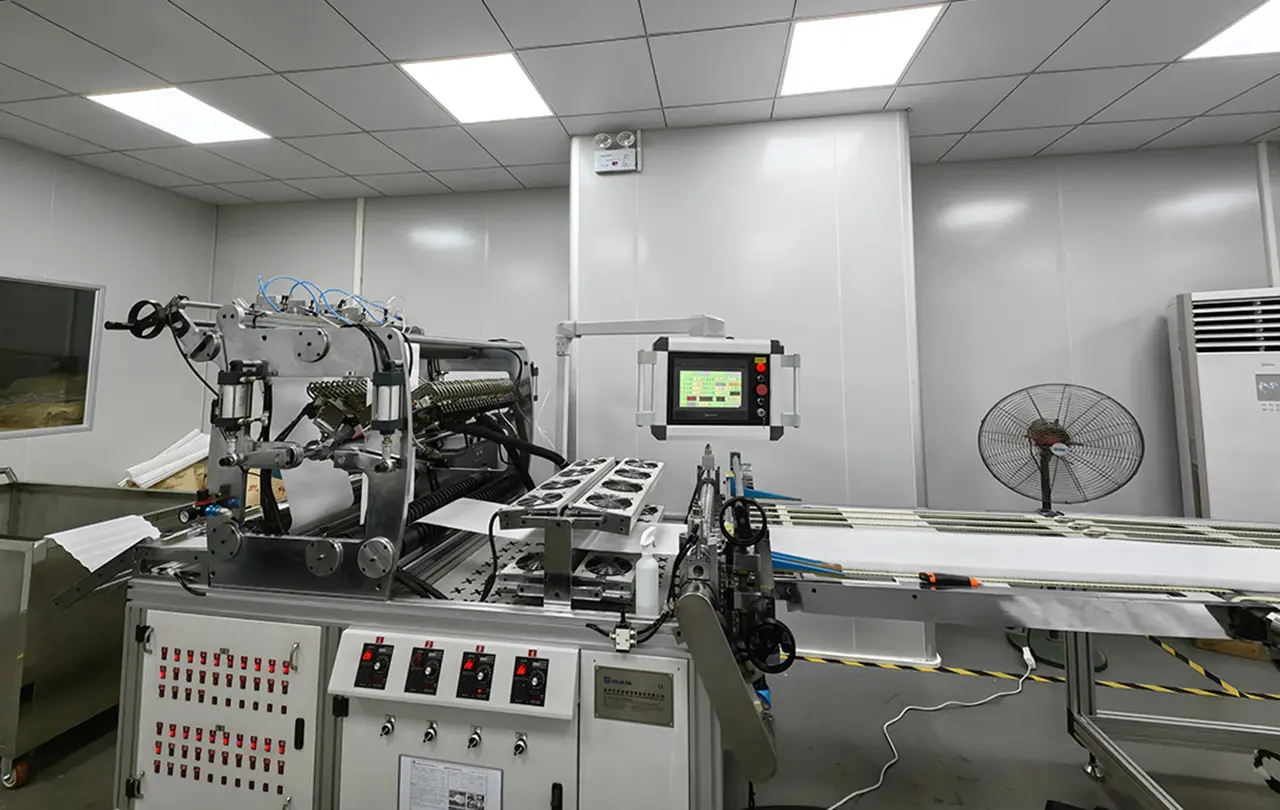
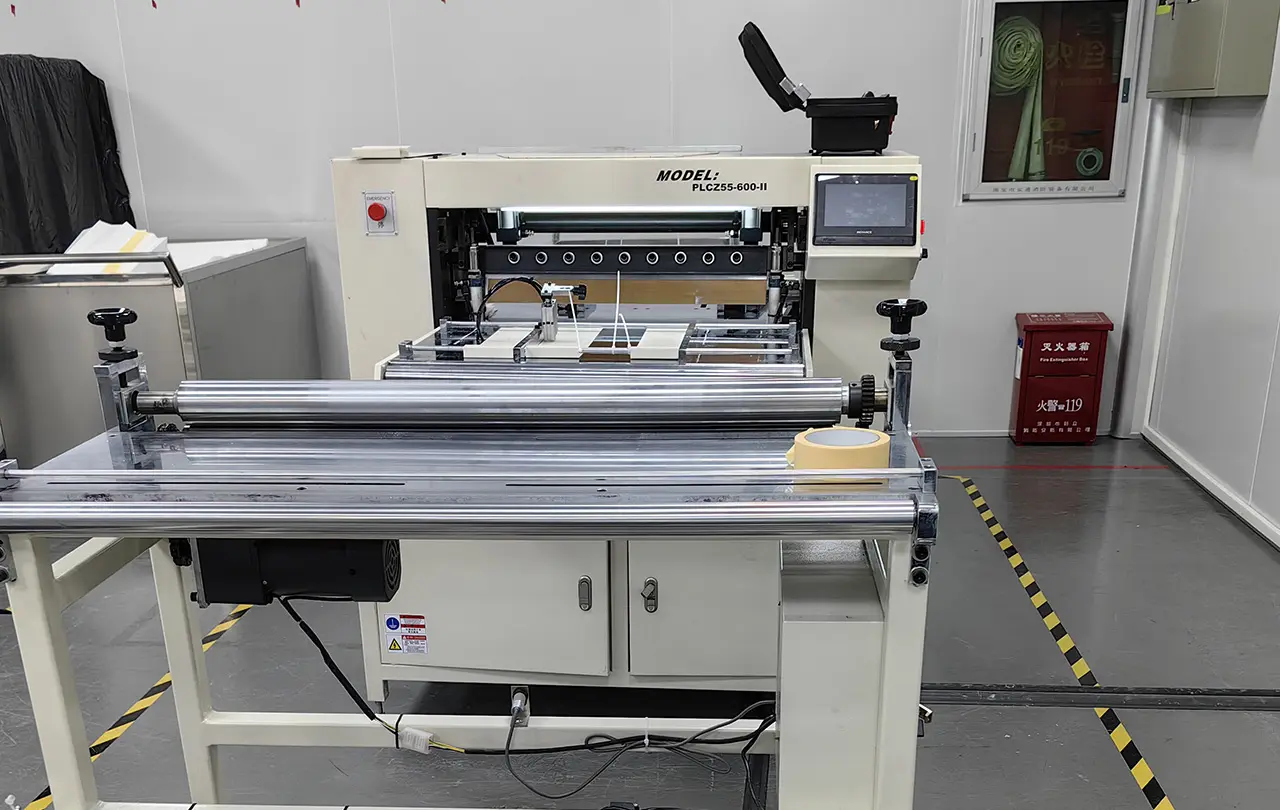
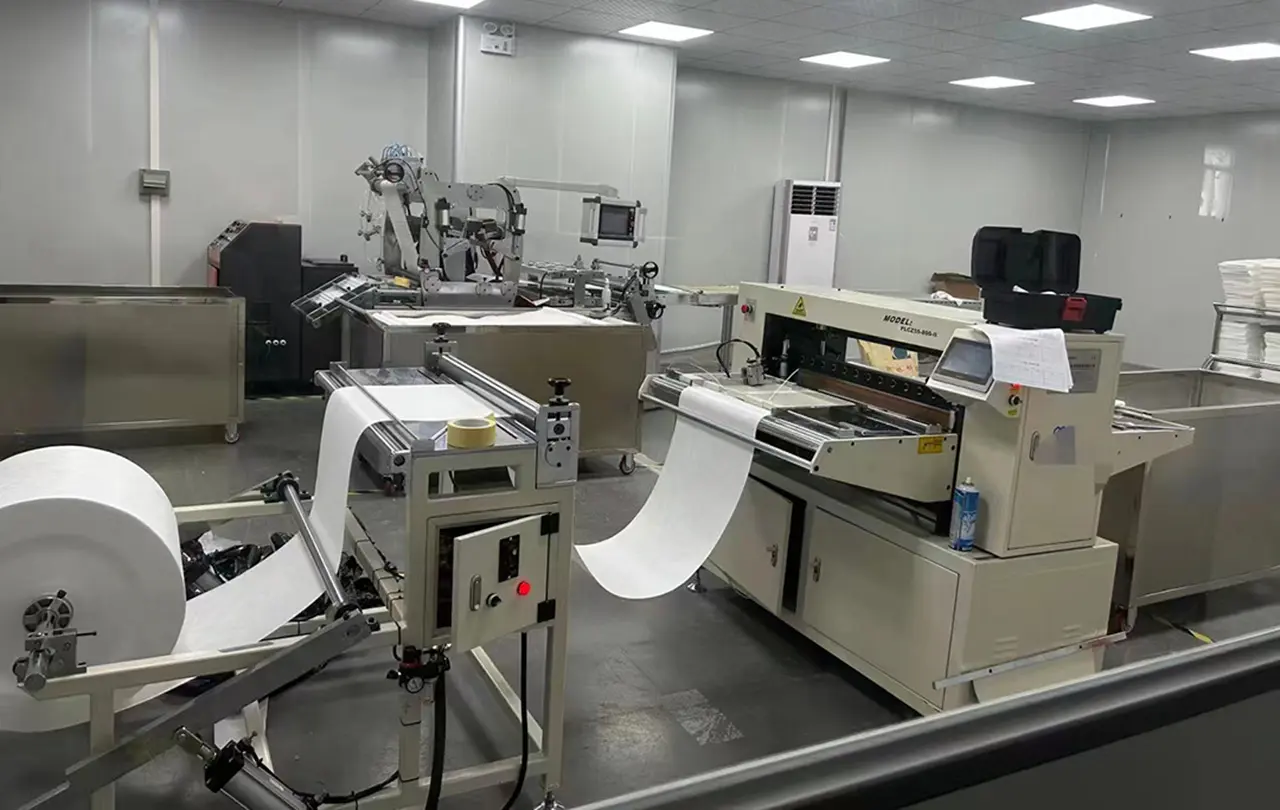
Having 15 years of international air purification technology experience as our foundation, our company features standardized production workshops, a dust-free filter workshop, and advanced HEPA filter production and inspection lines. Our in-house research and development team has designed fully automatic air filter production lines equipped with AMADA CNC punches, CNC bending machines, and other advanced high-end machinery. These tools provide a strong guarantee for the production capacity, precision, and quality consistency of our air filtration and purification products.
Take a look inside our state-of-the-art facilities equipped with computerized high-precision manufacturing systems.
Procuring cabin air filtration products at scale requires strict compliance with international standards, consistent quality across batches, and reliable logistics support. For global procurement teams, distributors, and tier-1 system integrators, we structure our manufacturing workflows around key international standards:
Our filtration materials and structural assemblies undergo testing to meet standards such as ISO 11155-1 (for gas filtration performance), ISO 11155-2 (for particulate filtration efficiency), and ISO 16890. This ensures that every shipment meets the exact specifications required by foreign markets.
Each batch of raw activated carbon and meltblown media is assigned a unique tracking number, detailing its iodine value, CTC adsorption rate, and origin. We employ automated optical inspection (AOI) systems on our pleating lines to verify pleat pitch, spacing, and glue bead consistency, avoiding structural failures in the field.
We provide full customs processing support, export certification, and flexible shipping terms (FOB, CIF, DDP). By maintaining buffer raw material inventories and operating automated assembly lines, we can quickly scale production to meet seasonal demand spikes.
Get expert insights into activated carbon cabin filters, technical standards, and customization capabilities.
Explore our range of high-efficiency HVAC pocket filters, custom purifiers, and industrial replacement elements.
 Snow Peak