Explore our high-performance HEPA filters, custom carbon media, and HVAC pre-filters manufactured under ISO 9001 and CE certifications.
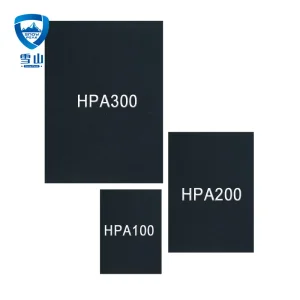
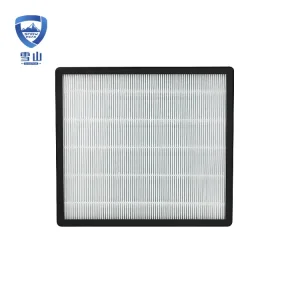
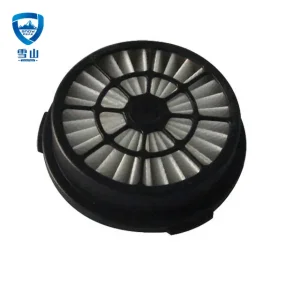
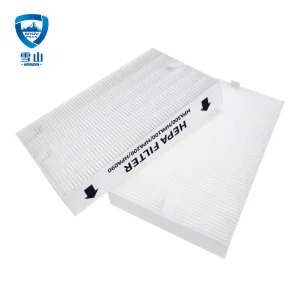
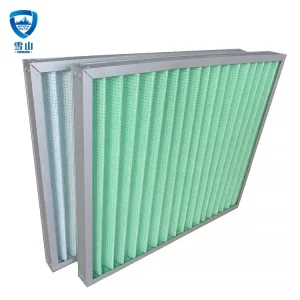
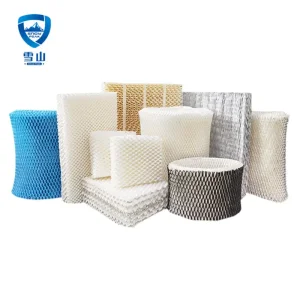
Within clean air systems, the inclusion of an engineered activated carbon pre-filter serves as the first line of defense for both particulate and gas-phase filtration. By merging mechanical arrestance with physical adsorption, these components protect downstream high-efficiency particulate air (HEPA) systems from early loading while neutralizing volatile organic compounds (VOCs), acid vapors, and environmental odor profiles.
For industrial HVAC, microelectronics fabrication, and medical facility cleanrooms, relying solely on mechanical filtration leaves gaseous chemical contaminants unresolved. Gaseous phase molecular pollutants readily bypass standard glass fiber or synthetic medias, demanding an adsorption-driven solution. As a premier ODM partner, we engineer custom-loaded carbon formulations specifically tailored to targeted molecular weights and adsorption dynamics.
Activated carbon utilizes physical adsorption (van der Waals forces) within an intricate networks of micropores (diameters less than 2 nm) and mesopores (2 to 50 nm). High iodine-value carbon provides an internal surface area of up to 1200 m²/g, acting as an electrostatic trap for gaseous compounds. When augmented with chemical impregnates (chemisorption), it selectively destroys acidic or basic pollutants, yielding pure air supply streams.
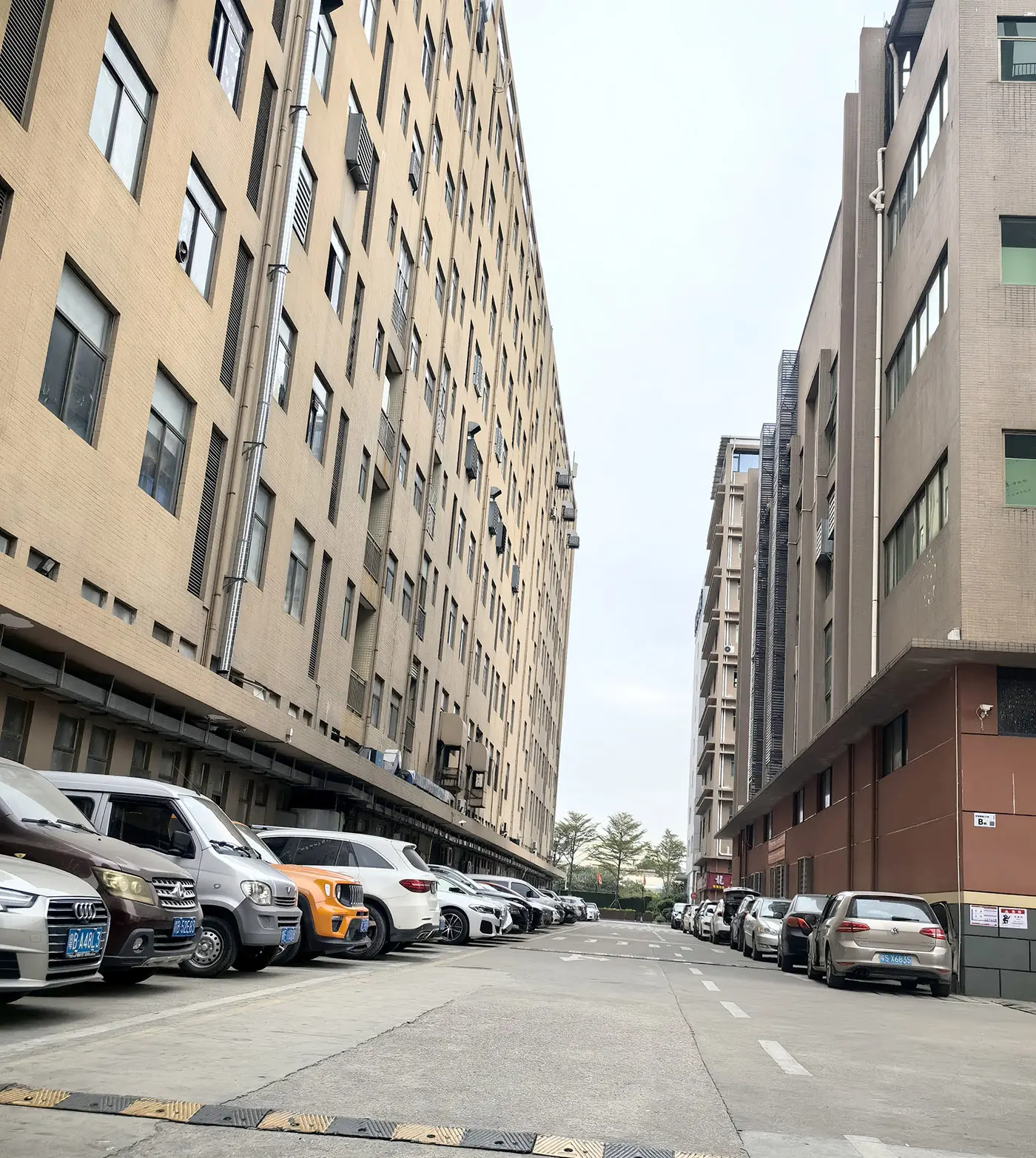
Shenzhen Snow Peak Clean Technology Co., Ltd. is an integrated high-tech enterprise, specialized in air filtration products research and development, production, sales, import and export trade. We produce and supply: Pre-filter, pocket filter, HEPA filter, chemical filter; replacement HEPA filter, car cabin air filter, humidifier filter; pocket filter media, melt-blown composite filter media, and other high-performance filter materials.
We provide high quality air purification solutions and products for indoor air pollution control and air conditioning systems of civil and industrial buildings, microelectronics, pharmaceutical, laboratory, school, hospital clean room etc. Combined with self-developed patented technology, our sterilizing antiviral HEPA filter can effectively filtrate fine particles, so that PM2.5 concentration down to 10 micrograms/m³, 5 times better than national standard; effectively inhibit the breeding of microorganisms, sterilization rate up to 99.9%, and no secondary pollution, removal of H1N1 virus efficiency as high as 99.99%.
Our fully automated and standard-compliant manufacturing lines utilize precision machinery to maintain strict quality metrics across all filtration layers.
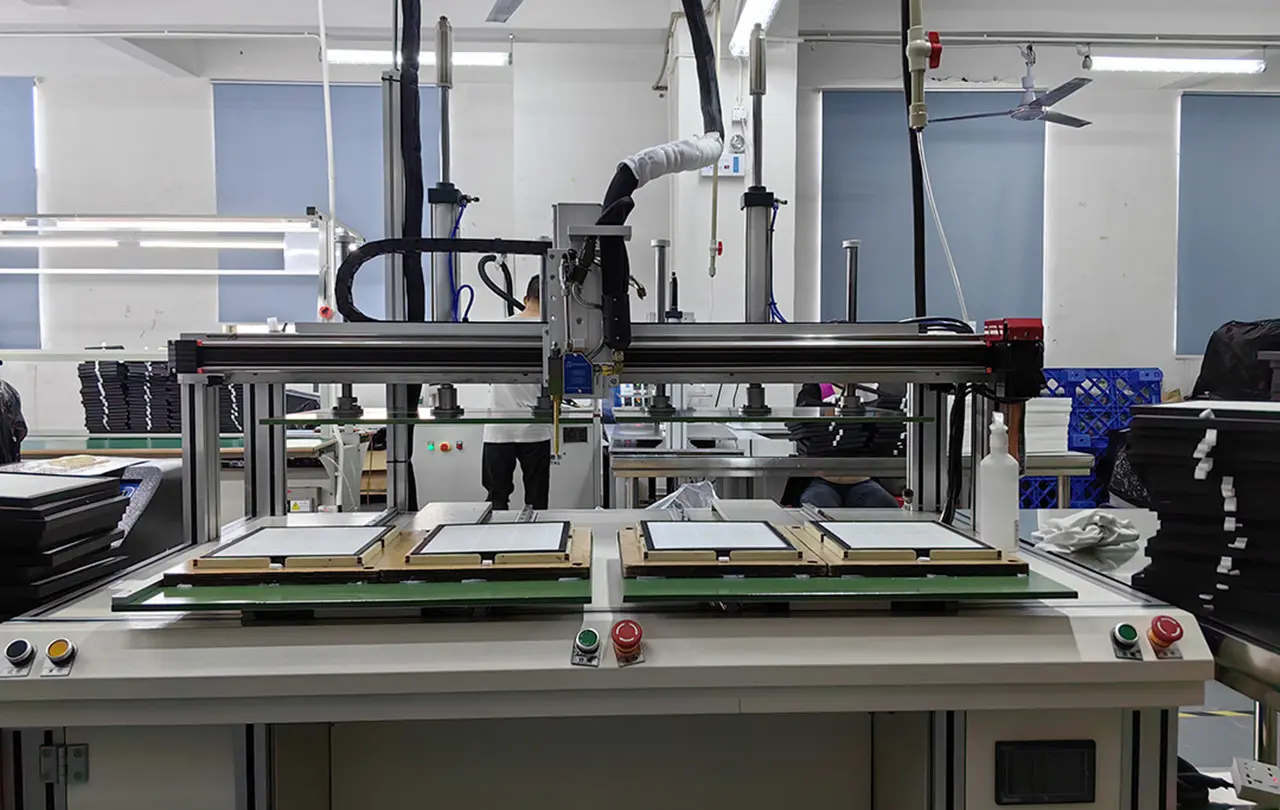
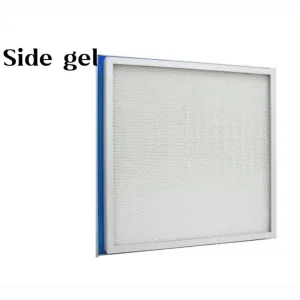
Our automated gluing setups apply exact quantities of solvent-free hot-melt polyurethane or thermoplastic adhesives to filter pack edges. This guarantees robust structural integrity, zero bypass paths, and maintains precise pleat spacings for uniform pressure distribution.
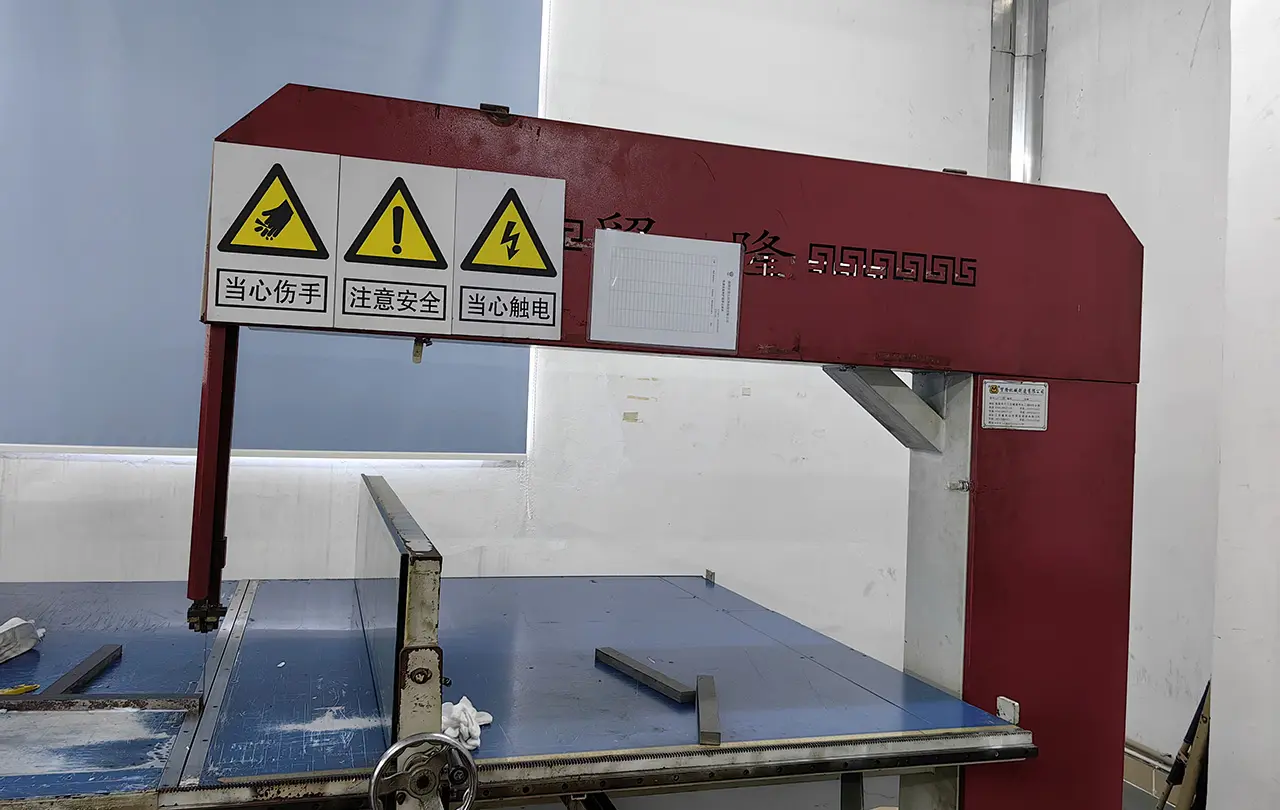
Using digital CNC cutting platforms, synthetic pre-filters, carbon blankets, and glass-fiber packs are cut down to tolerances within ±0.5mm. This guarantees optimal perimeter fitting inside outer framing channels, eliminating cleanroom installation gaps.
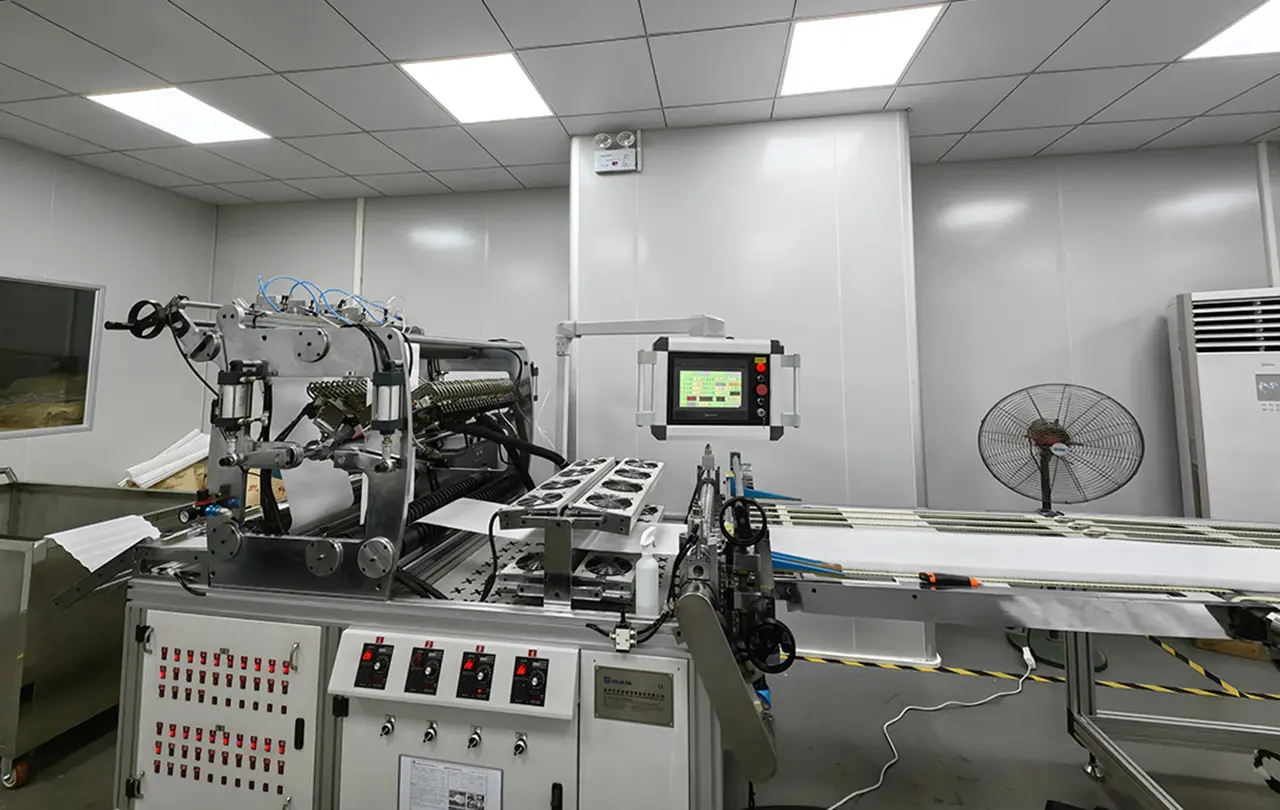
Perfect frame-to-media sealing prevents dirty air bypass. We utilize high-strength, low-outgassing polyurethane potting compounds to hermetically bond the pleated media pack inside wood, cardboard, or aluminum outer casing frames.
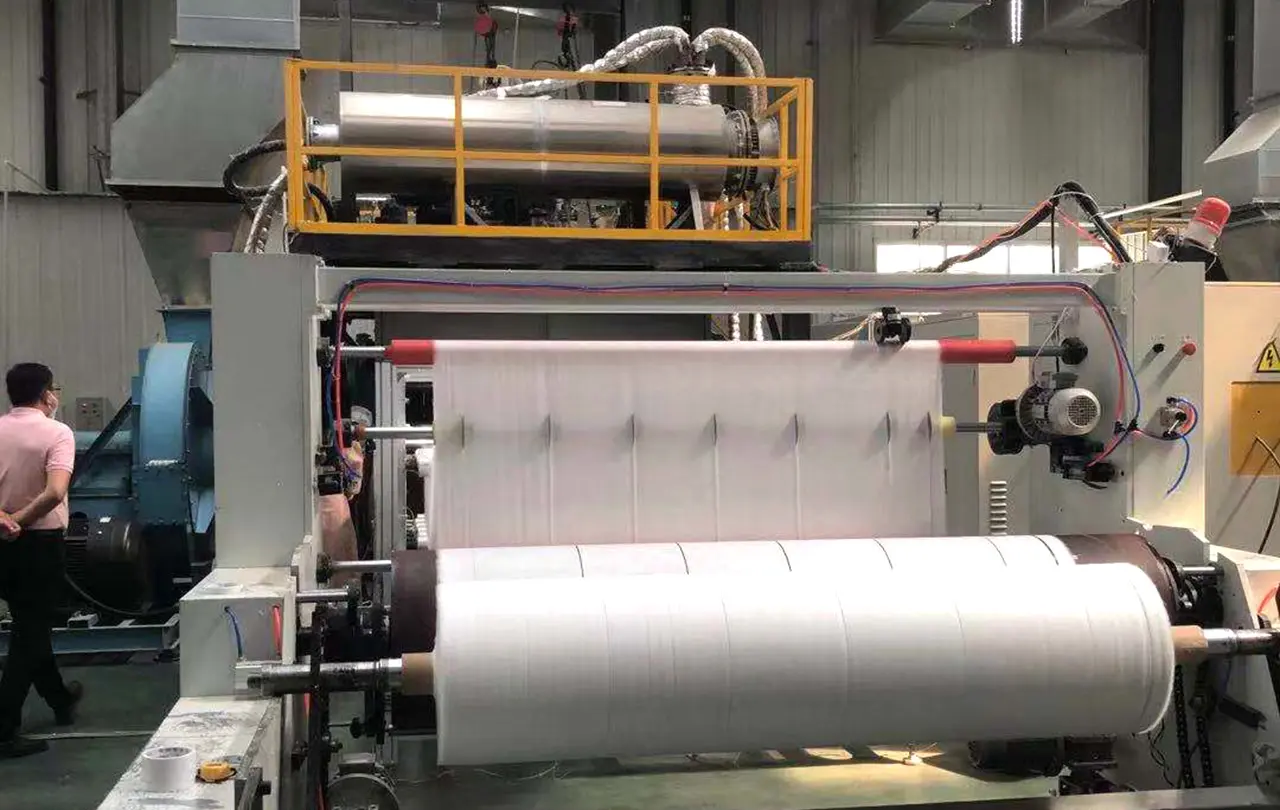
Our composite lines bond high-density activated carbon powder/granules with melt-blown electret carrier webs or coarse synthetic fibers. This produces multi-layered media sheets that simultaneously target sub-micron particles and airborne molecular contaminants (AMCs).
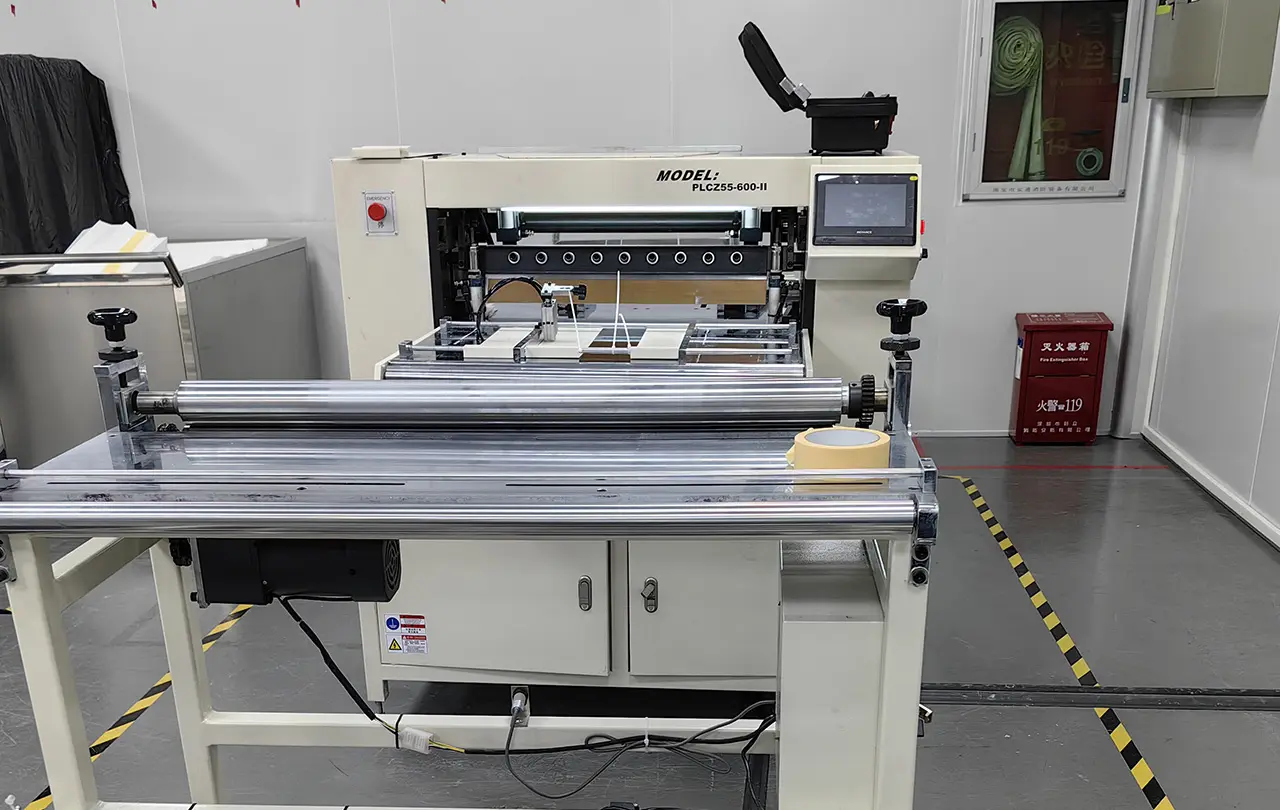
Configured for customized pleat heights (ranging from 15mm to 96mm), this line handles non-woven, wire-backed, and synthetic composites, utilizing heated rollers to yield uniform structures that optimize total surface area availability.
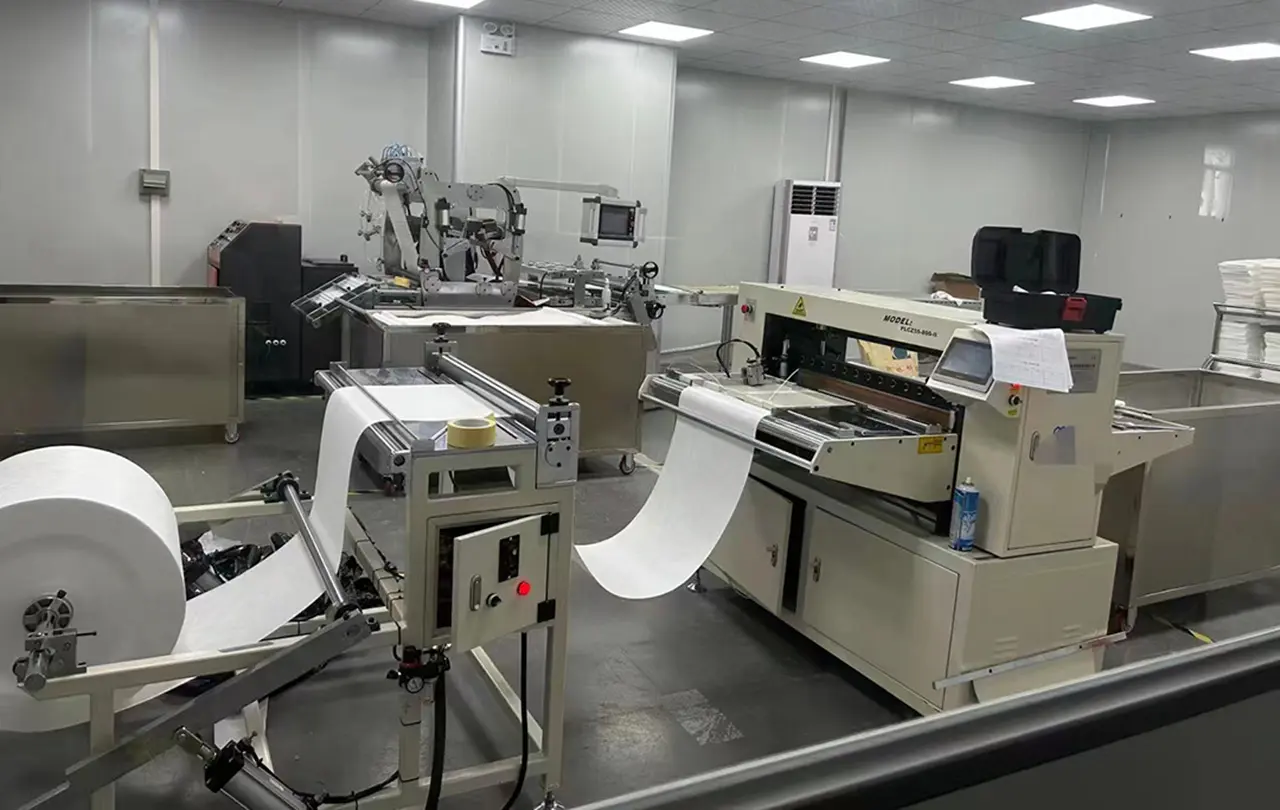
For HEPA and high-performance carbon configurations, this machinery inserts hot-melt glue threads as physical pleat separators. This ensures open flow channels, low resistance, and maximum operational lifetime under variable air volume (VAV) operations.
Backed by 15 years of international air purification engineering expertise, Snow Peak maintains the infrastructure to support global supply agreements.
Our production floor features standardized dust-free assembly zones, fully-integrated HEPA and chemical filter assembly stations, and raw material validation labs. With AMADA CNC punch installations and multi-axis bending presses, we quickly fabricate custom aluminum, galvanized, and stainless steel framing options in-house.
A technical comparison of air purification benchmarks and compliance testing parameters across global markets.
We test and classify our pre-filters according to global ISO 16890 standards (Coarse, ePM10, ePM2.5, ePM1), ensuring accurate particulate performance data for HVAC engineers and building managers.
Gas-phase filtration materials are validated under ISO 10121-1 and ISO 10121-2 protocols, determining initial efficiencies, holding capacities, and breakthrough rates for targeted challenge gases.
Our carbon composite filters are engineered with flame-retardant binder systems to achieve Class 1 or Class 2 ratings under UL 900 standards, ensuring integration safety within HVAC ventilation systems.
| Filter Material Class | Primary Target Contaminants | Initial Pressure Drop (Pa @ 2.5 m/s) | Adsorption Efficiency (Toluene @ 50ppm) | Recommended Airflow Velocity |
|---|---|---|---|---|
| Pre-Filter Polyurethane Carbon (PPI 20-30) | Large Dust, Hair, VOC Precursors | 25 - 45 Pa | > 78% (Initial) | 1.0 - 1.8 m/s |
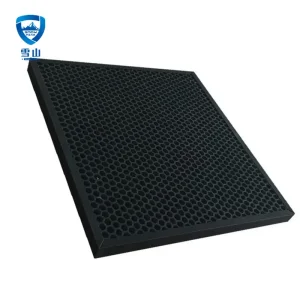
| Honeycomb Carbon Plate | Formaldehyde, Acid Gases, Heavy VOCs | 65 - 95 Pa | > 92% (High Capacity) | 1.5 - 2.5 m/s |
| Composite Synthetic Pre-Filter | PM10, ePM2.5, Coarse Dust | 40 - 60 Pa | N/A (Particulate Focus) | 2.0 - 3.0 m/s |
| Meltblown Composite HEPA + Carbon | Sub-micron Particulates, Viruses, Odors | 120 - 180 Pa | > 85% (Dual Action) | 0.5 - 1.2 m/s |
Customized carbon pre-filtration configurations designed for challenging environments worldwide.
Lithography tools are highly sensitive to Airborne Molecular Contamination (AMCs). Our low-outgassing active carbon pre-filters eliminate trace organic compounds, volatile organic siloxanes, and acid/base vapors to protect wafer yields.
Hospitals, diagnostic labs, and bio-containment zones generate chemical and pathological odors. Our antiviral carbon composites provide double-layer defense, capturing particulate carrying vectors and neutralizing gaseous chemical threats.
Modern office complexes, transport hubs, and universities face heavy outdoor pollutants like ozone, nitrogen oxides (NOx), and sulfur compounds (SOx). Our high-flow pleated pre-filters ensure clean air without overloading ventilation fan systems.
Every batch of ODM carbon material undergoes extensive performance checks. We test iodine adsorption capacity, carbon density, CTC percentages, and mechanical pressure drop curves. Additionally, we run particulate penetration scans on a certified TSI test rig to confirm fractional efficiency for particulate filters.
We work closely with customers during product design, utilizing performance simulations to model pressure drops and calculate the expected replacement lifetimes of carbon media across various operating settings.
Answers to common engineering questions regarding activated carbon filtration design, selection, and performance parameters.
Lifespan varies based on chemical loading and airflow rates, but typically ranges from 3 to 6 months. In environments with low VOC concentrations, carbon filters can last up to 12 months. Periodic pressure drop checks help determine when mechanical pre-filter layers need replacement to avoid airflow restrictions.
Relative humidity levels above 60% can reduce adsorption efficiency. Water molecules compete with VOCs for adsorption sites within the micropores, which can displace lower-molecular-weight gases. We offer hydrophobic carbon formulations to maintain performance in high-humidity applications.
For acidic pollutants like sulfur dioxide (SO2) or hydrogen sulfide (H2S), we use carbon impregnated with alkaline agents like potassium hydroxide (KOH). For basic gases like ammonia (NH3), we utilize phosphoric acid (H3PO4) impregnation. This chemical reaction (chemisorption) permanently binds the gas molecules.
Yes, our filters are manufactured using flame-retardant binder systems and media substrates. They are tested to comply with UL 900 Class 1 or Class 2 requirements, ensuring safety and compliance with regional fire safety regulations.
Prototype turnaround typically takes 7 to 10 working days, depending on materials and frame custom tooling requirements. Once the design is validated, full production lead times range from 3 to 4 weeks.
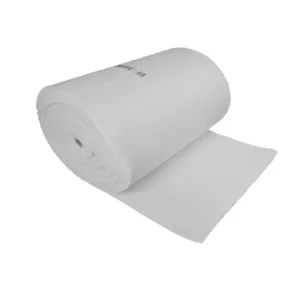
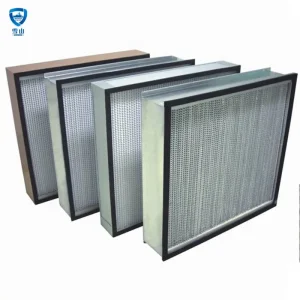
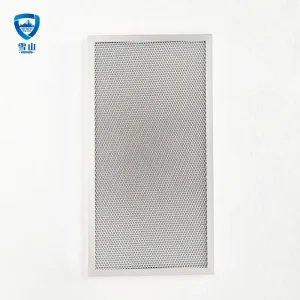
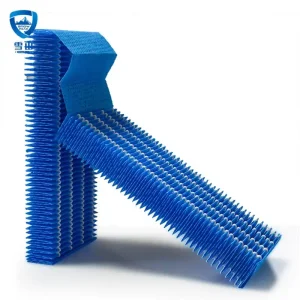
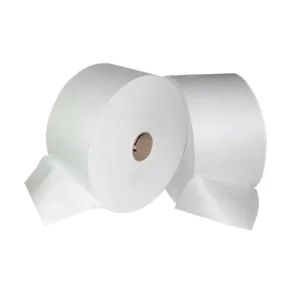
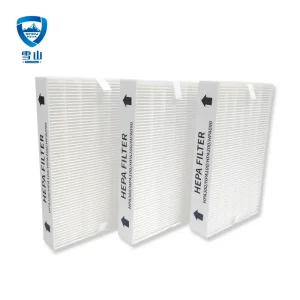
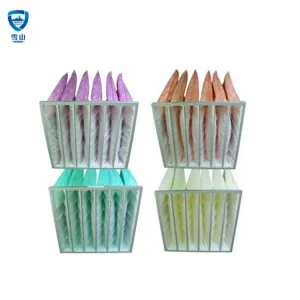
A selected range of replacement filtration components, media rolls, and specialized cleanroom filters.
 Snow Peak