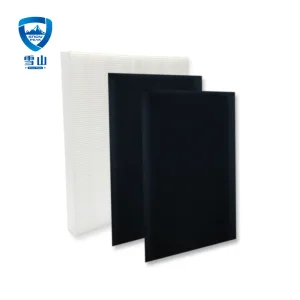
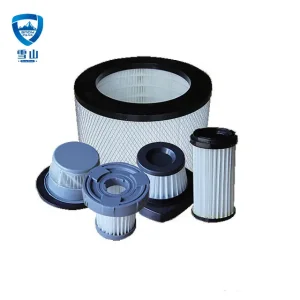
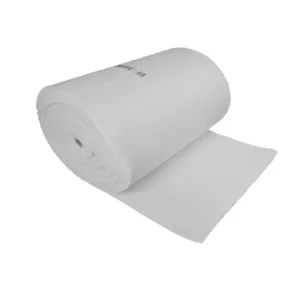
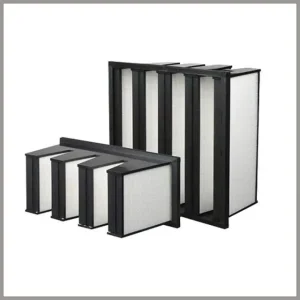
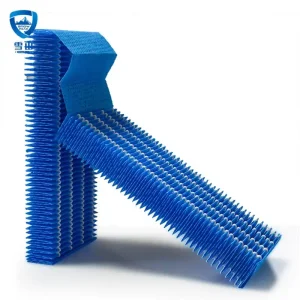
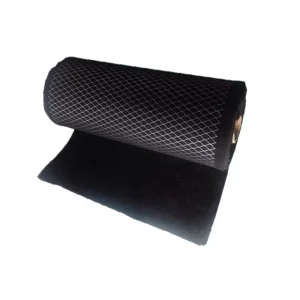
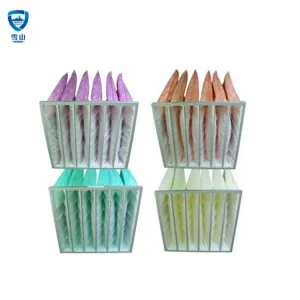
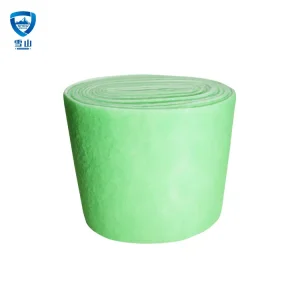
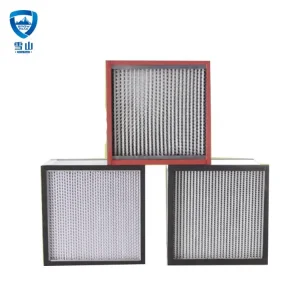
High-performance molecular adsorption media, HEPA barriers, and composite systems engineered to order for cleanrooms, commercial HVAC, and extreme environment mitigation.
In an era characterized by accelerating urbanization, strict VOC (Volatile Organic Compound) emission regulations, and a heightened emphasis on Indoor Environmental Quality (IEQ), molecular air filtration has shifted from a specialty niche to an industrial necessity. Activated carbon filter ventilation systems represent the cornerstone of gas-phase contaminant control, serving to mitigate hazardous air pollutants, offensive odors, corrosive gases, and process emissions across diverse global sectors.
The macro global demand for carbon filtration systems is driven heavily by manufacturing sectors including microelectronics fabrication, pharmaceutical processing, chemical refining, and large-scale industrial coating plants. According to recent international environmental directives, cleanrooms must maintain zero-tolerance levels for airborne molecular contamination (AMC) to prevent the degradation of micro-circuits and sensitive biopharmaceutical batches. At the same time, commercial high-rise buildings and modern HVAC ecosystems are incorporating high-density carbon media to achieve compliance with building performance standards like LEED and the WELL Building Standard.
As a leading ODM/OEM manufacturer and exporter, Shenzhen Snow Peak Clean Technology Co., Ltd. is positioned at the intersection of material science and environmental engineering. We specialize in producing bespoke molecular and particulate filtration solutions designed to perform under extreme temperature, humidity, and flow rate conditions, ensuring our global supply chain partners receive robust, compliant, and cost-effective filtration options.
Traditional carbon filtration relied heavily on loose carbon granule trays, which presented significant limitations: high static pressure drop, bypass leaks, settling, and excessive weight. Modern ventilation systems demand lightweight, high-capacity, and low-resistance designs. This requirement has spurred the technological evolution toward engineered carbon composite materials and structured V-bank configurations.
Key Design Metric: Information Gain & Dynamic Gas Breakthrough. The efficiency of a carbon filter is not merely defined by its raw weight, but by the "Contact Time" (or Residence Time) of the air stream within the carbon pore matrix. Our latest ODM designs achieve an optimized adsorption index through customized micro-, meso-, and macro-pore distributions tailored to target specific molecular weights.
The integration of HEPA technology with activated carbon media represents a major step forward. By laminating melt-blown synthetic structures or fiberglass media directly with activated carbon web networks, manufacturers can design multi-stage filters within a single, unified frame. This approach saves physical footprint within air handling units (AHUs), reduces mechanical fan energy consumption, and simplifies maintenance routines.
Physical adsorption (physisorption) relies on weak van der Waals forces to trap volatile compounds inside the nanoporous carbon structure. While effective for heavy organic vapors, physical adsorption is less efficient for lightweight, highly polar gases such as formaldehyde, ammonia, sulfur dioxide, and hydrogen sulfide. To bridge this gap, our chemical filters implement Chemisorption: a process where the carbon matrix is chemically impregnated with active reagents (like potassium permanganate, phosphoric acid, or metal oxides) that chemically neutralize toxic gases on contact, converting them into stable, non-volatile compounds.
Shenzhen Snow Peak Clean Technology Co., Ltd. is an integrated high-tech enterprise, specialized in air filtration products research and development, production, sales, import and export trade. We produce and supply: Pre-filter, pocket filter, HEPA filter, chemical filter; replacement HEPA filter, car cabin air filter, humidifier filter; pocket filter media, melt-blown composite filter media, and other high-performance filter materials; provide high quality air purification solutions and products for indoor air pollution control and air conditioning systems of civil and industrial buildings, microelectronics, pharmaceutical, laboratory, school, hospital clean room etc.
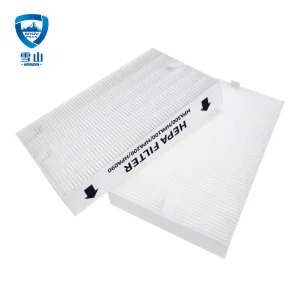
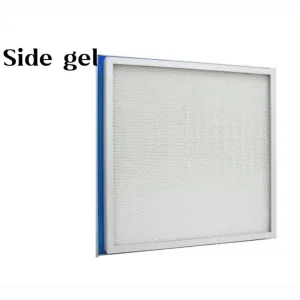
Combined with self-developed patented technology, our sterilizing antiviral HEPA filter can effectively filtrate fine particles, so that PM2.5 concentration down to 10 micrograms/m3, 5 times better than national standard; effectively inhibit the breeding of microorganisms, sterilization rate up to 99.9%, and no secondary pollution, removal of H1N1 virus efficiency as high as 99.99%.
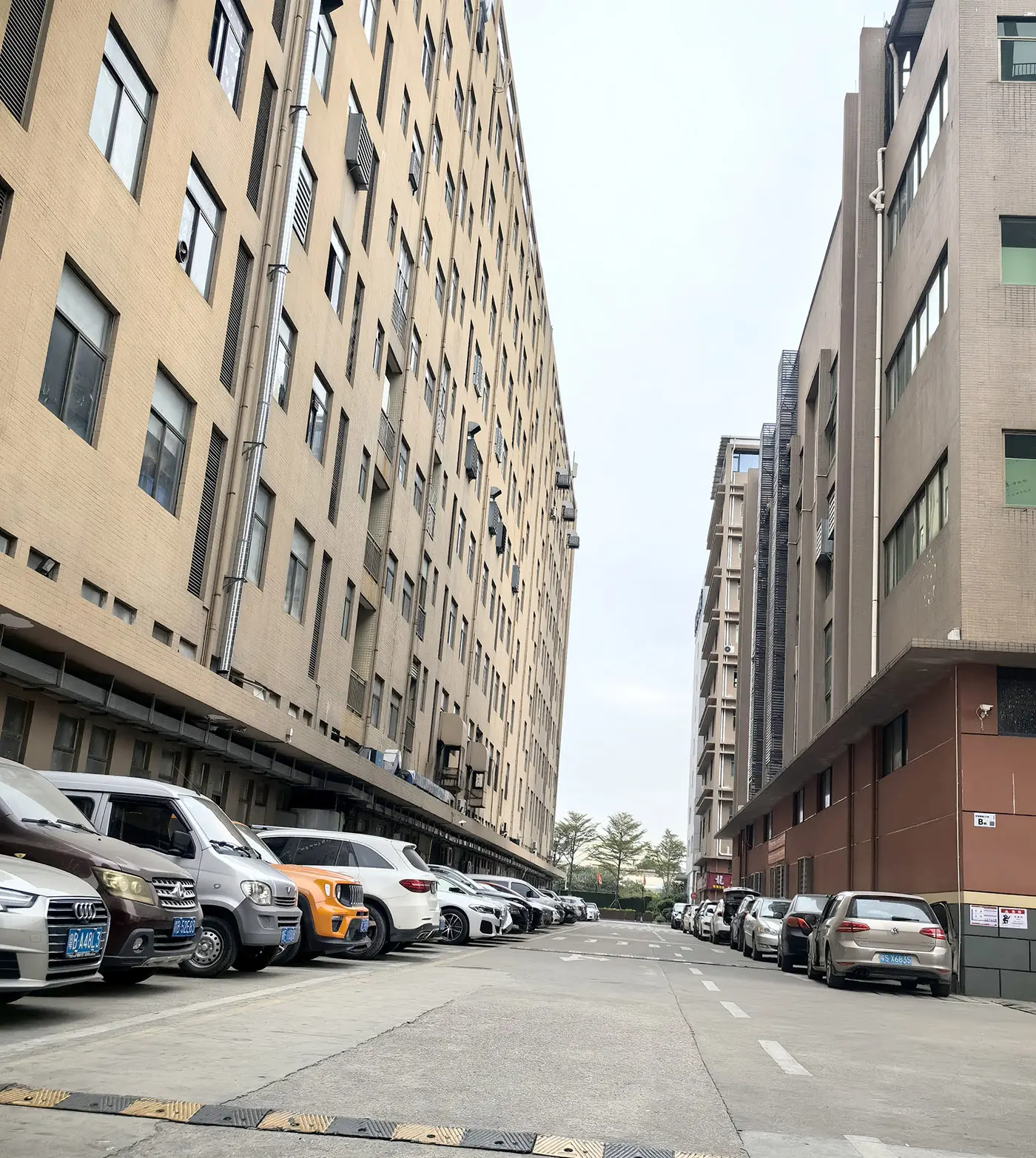
State-of-the-art machinery and dust-free environments that ensure repeatable filtration performance, structural integrity, and rigorous testing standards.
Having 15 years of international air purification technology experience as the background, our company has standardized production workshop, dust-free filter workshop and first-class technology of HEPA filters production line and inspection line, independent research and development of fully automatic air filter production line, equipped with AMADA CNC punch and CNC bending machine as well as many other advanced high-end equipment, provide a strong guarantee for production and quality of air filtration and purification products.
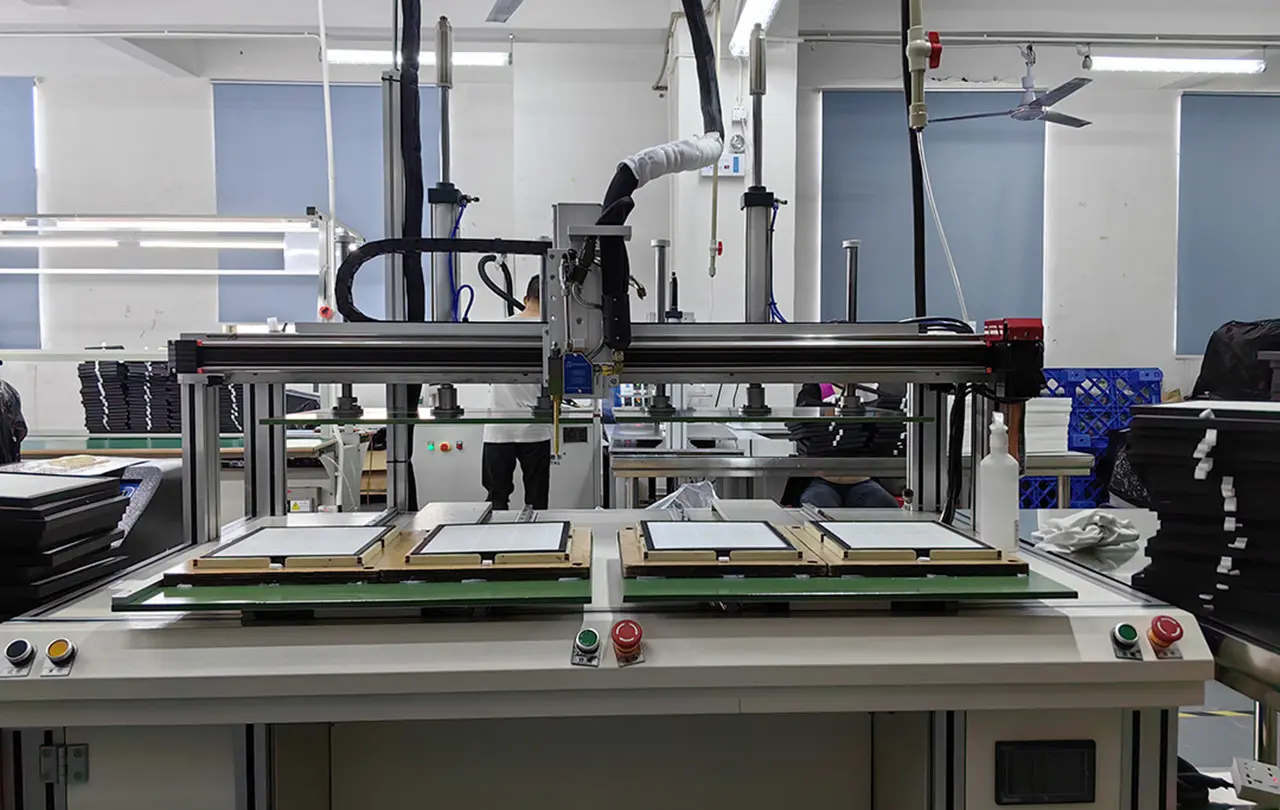
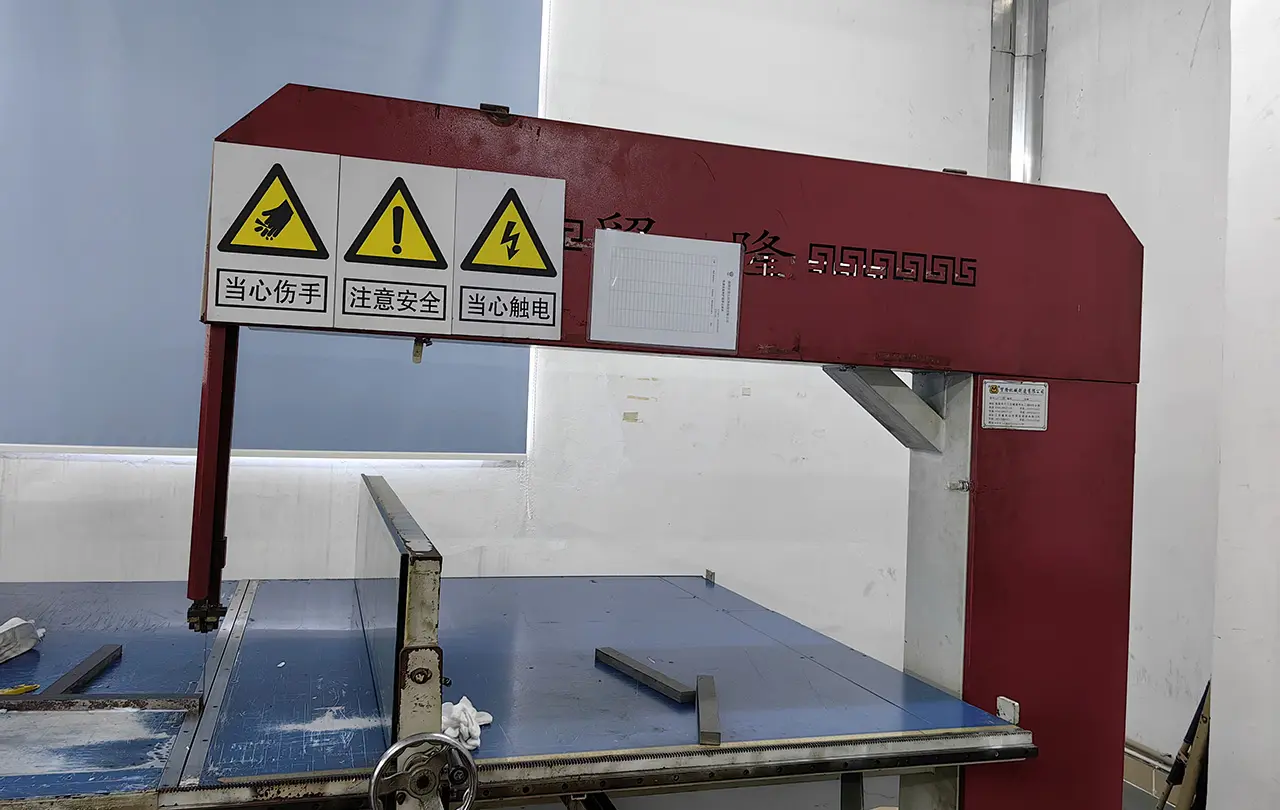
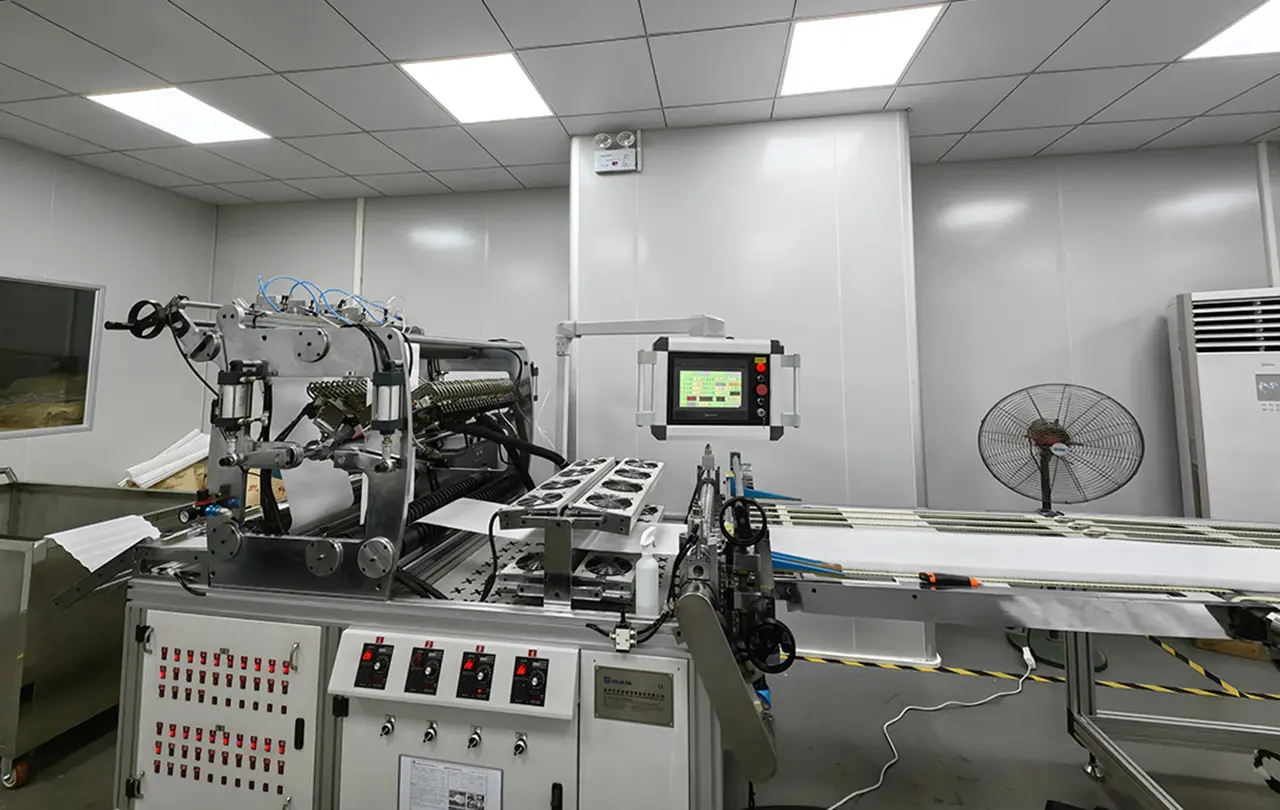
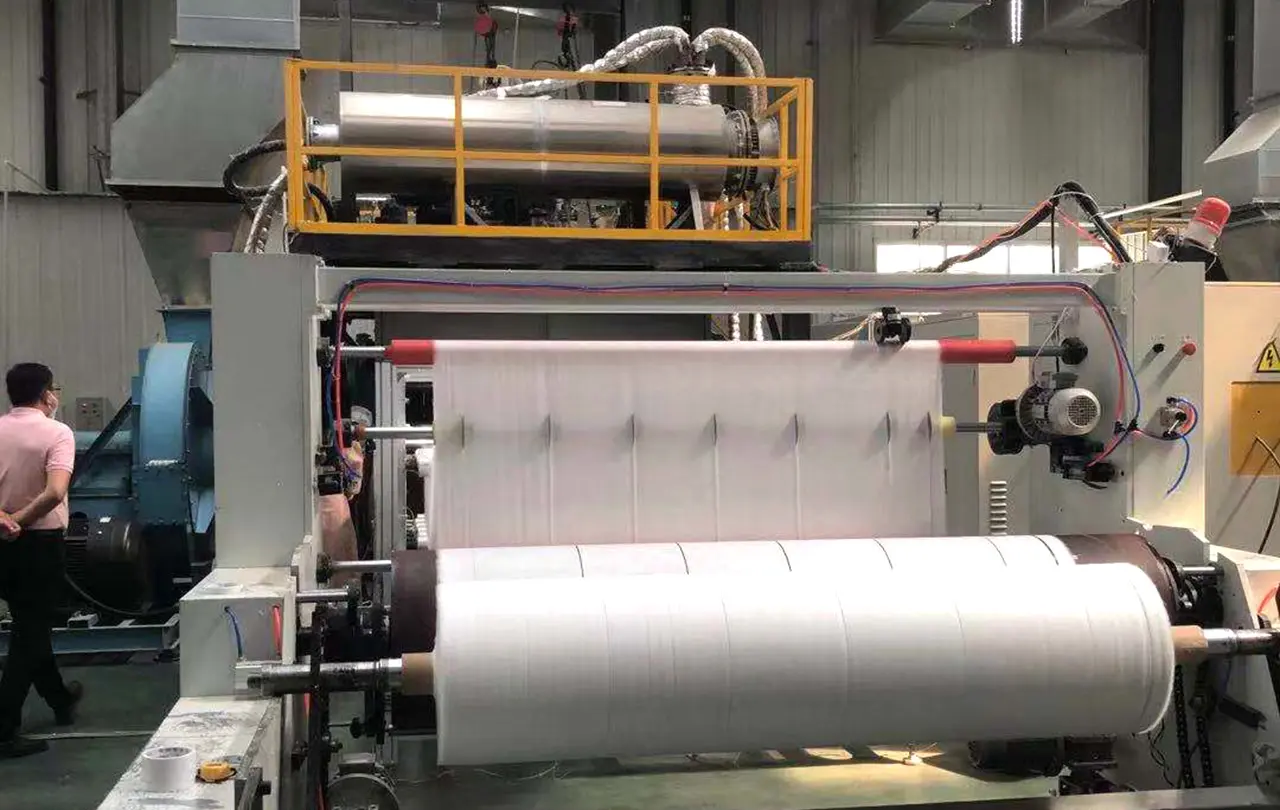
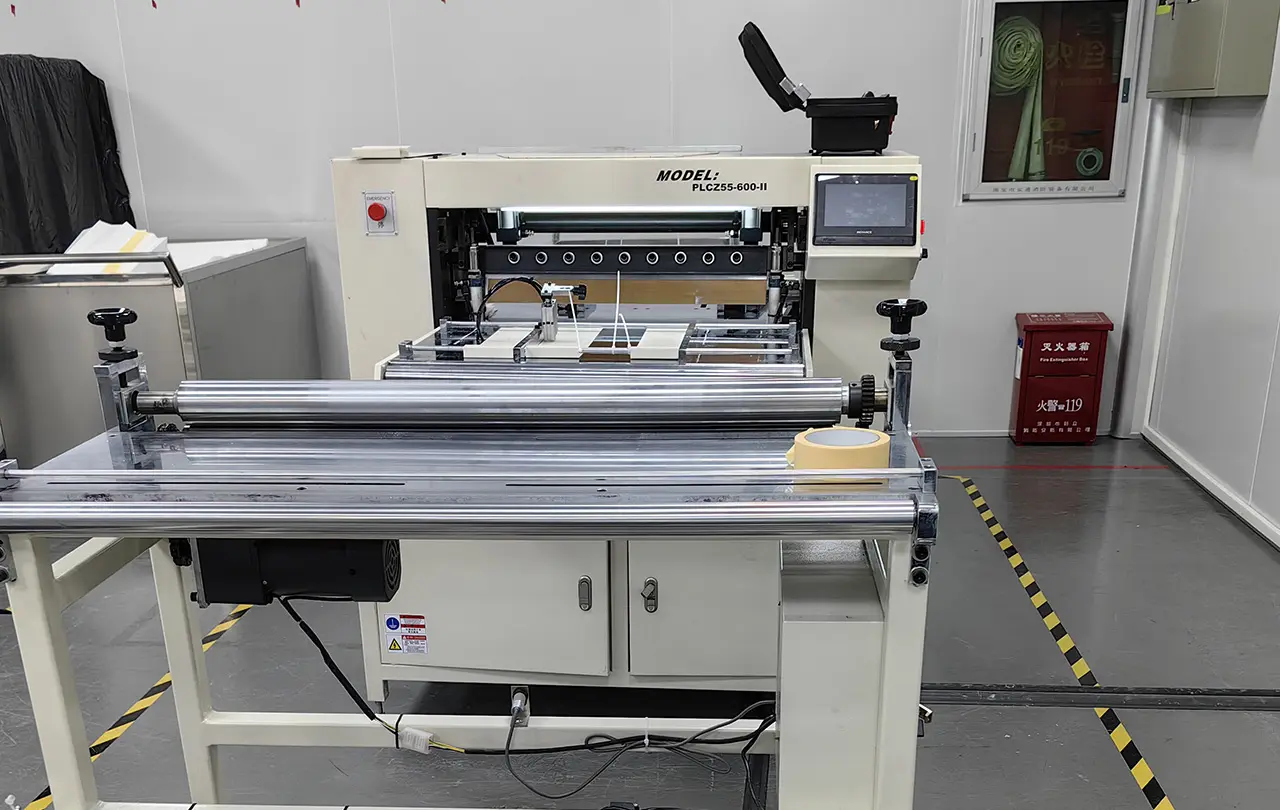
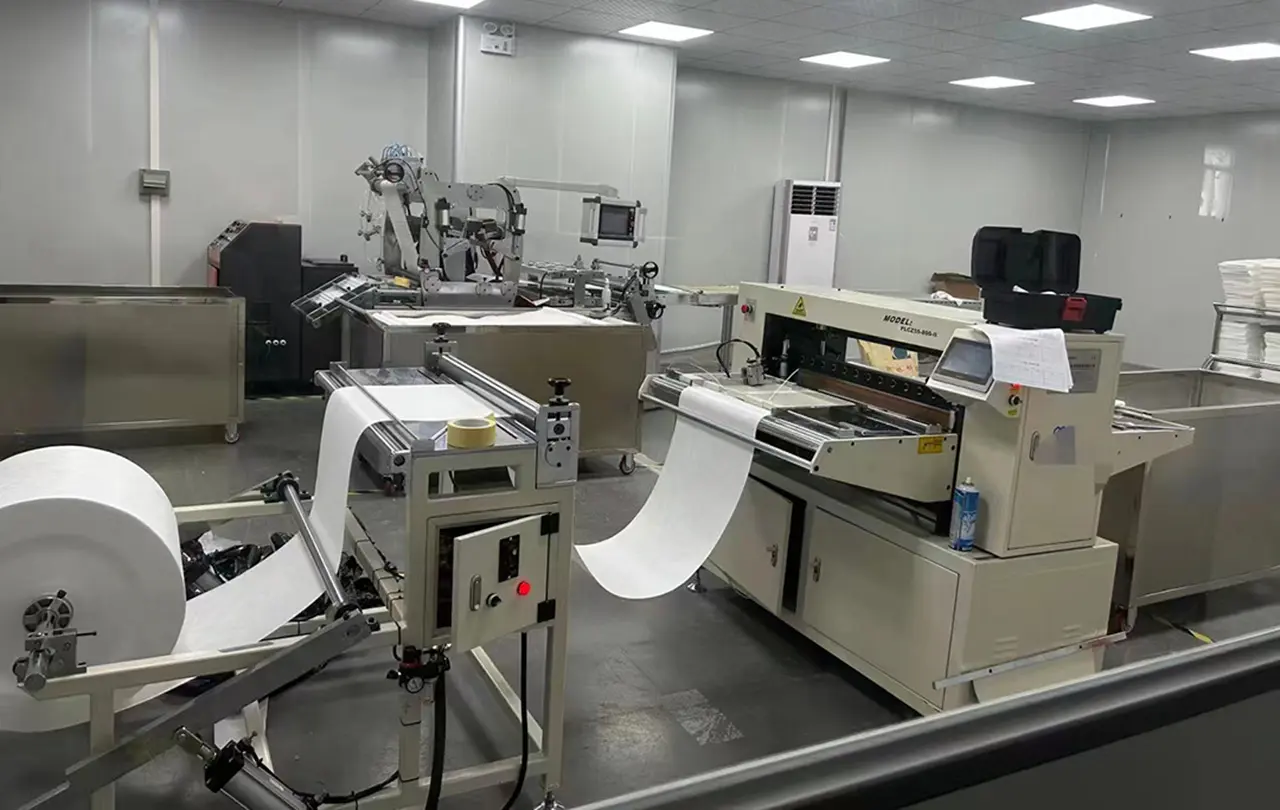
Different geographies and operational spaces exhibit different air purification challenges. A standard design cannot solve all problems. Through customized ODM capabilities, Shenzhen Snow Peak develops targeted filtration solutions optimized for specific operating environments:
Integrating viral mitigation HEPA with chemically-tailored carbon layers to scrub pathogenic agents, chemical off-gassings, and solvent fumes down to trace levels.
Protecting silicon wafers from Airborne Molecular Contamination (AMC) using specialized chemical filters that eliminate volatile organic bases, silicones, and dopants.
Mitigating paint mist, VOCs, and heavy hydrocarbons using coarse pre-filtration cotton paired with V-bank activated carbon beds for safe outdoor air emissions.
A regional example of these systems in action is municipal waste management facilities in developing urban hubs. These zones deal with concentrated emissions of hydrogen sulfide and ammonia. Without custom-engineered chemisorptive carbon setups, standard filters saturate quickly. Similarly, high-airflow industrial commercial centers in dense cities require low-pressure-drop, multi-stage systems to continuously scrub PM2.5 and nitrogen oxide pollutants from incoming street-level ventilation air.
Critical performance parameters, manufacturing inquiries, and operational configurations explained by our filtration engineering specialists.
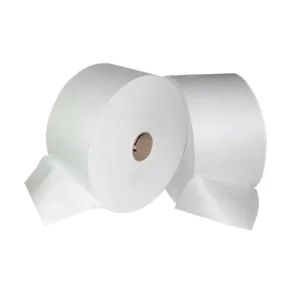
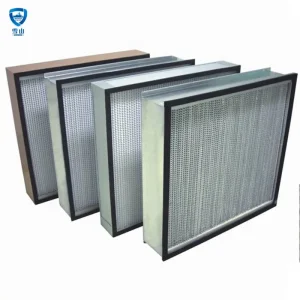
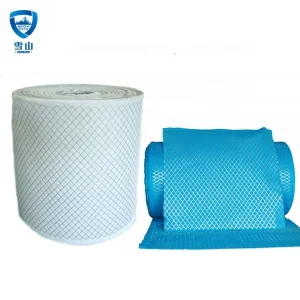
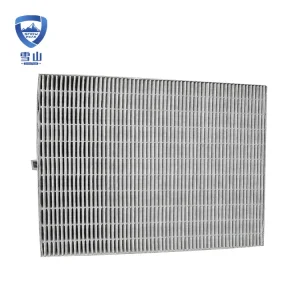
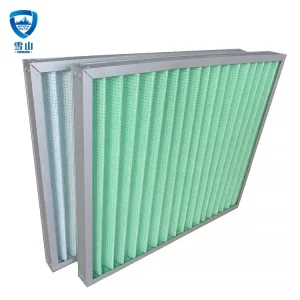
Engineered rolled goods, high-temperature particulate barriers, and specialized pocket filters designed for commercial ventilation and cleanroom air handling systems.
 Snow Peak