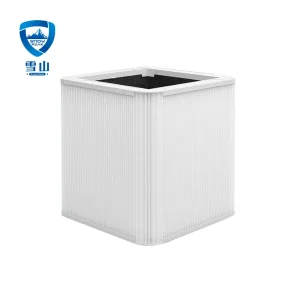
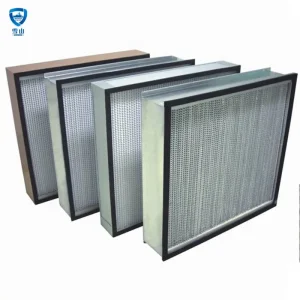
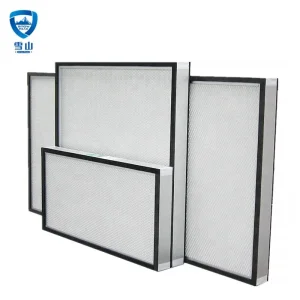
Carbon Monoxide (CO) is a colorless, odorless, tasteless, and highly toxic gas. Produced by incomplete combustion of carbon-based fuels, CO poses a severe threat to human health globally. Unlike large particulate matters, volatile organic compounds (VOCs), or gaseous contaminants such as formaldehyde, carbon monoxide possesses a exceptionally low molecular weight and does not easily adhere to standard activated carbon media. Addressing this challenge requires highly specialized engineering solutions: low-temperature catalytic oxidation systems.
As a leading ODM Carbon Monoxide Air Filter Manufacturer, we recognize that standard carbon air filtration methods are inadequate for chemical capture of CO molecules. Real-world mitigation requires catalytic conversion—specifically, oxidizing carbon monoxide into harmless carbon dioxide (CO2) at ambient temperatures. This chemical transformation depends heavily on active material design, pore structure engineering, and optimized contact time within the filter bed.
Unlike absorption techniques that reach saturation, catalytic oxidation directly converts toxic CO gas into stable CO2, eliminating secondary release hazards during waste disposal.
Engineered hopcalite (manganese and copper oxide mixtures) and gold-based nano-catalysts enable complete conversion at normal ambient temperatures (5°C to 45°C).
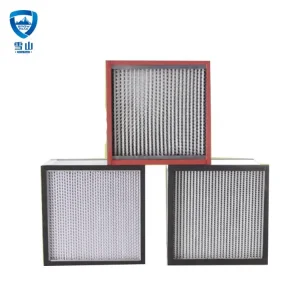
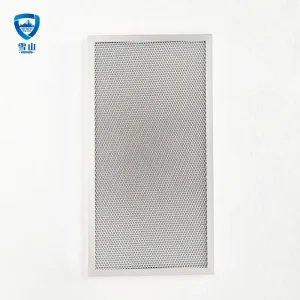
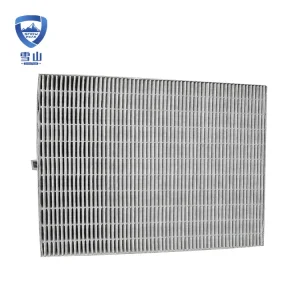
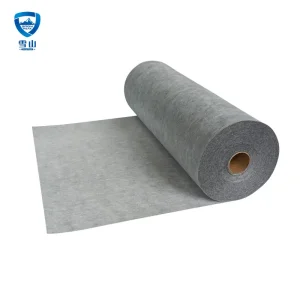
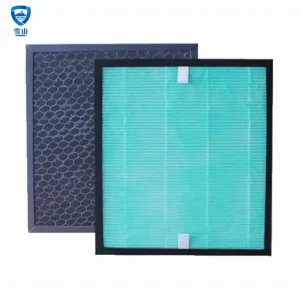
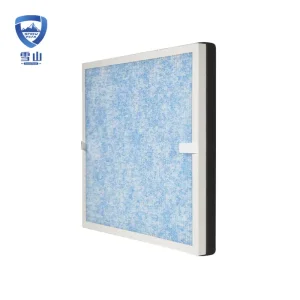
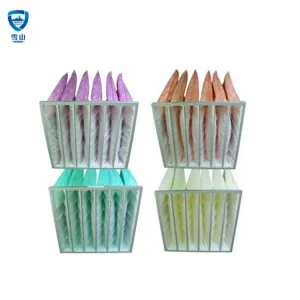
Designed with customized structural matrices, including ceramic honeycombs, aluminum honeycomb lattices, and pleated composite fibers, to balance airflow and space requirements.
From metallurgical smelters and underground parking lots to smart HVAC commercial structures and wildfire defense breathing apparatuses, the demand for high-capacity Carbon Monoxide filters has surged exponentially. Industrial factories are operating under increasingly stringent ESG (Environmental, Social, and Governance) targets and occupational health policies (e.g., OSHA, EU-OSHA, and WHO indoor air quality directives).
Our OEM/ODM manufacturing capability addresses this global shift by developing multi-stage composite systems. We integrate deep particulate filters with catalyst filters to protect critical workforces in hazardous environments. For example, during seasonal wildfire events in North America and Australia, ambient carbon monoxide levels can surge to toxic concentrations, requiring specialized, high-capacity, low-pressure-drop filters for commercial buildings.
| Application Sector | Critical Target Standards | Filter Technology Selection | ODM Customization Parameters |
|---|---|---|---|
| Metallurgical & Smelting | OSHA PEL < 50 ppm (TWA) | Heavy-duty hopcalite ceramic honeycomb catalysts | High temperature thermal resistance, corrosive gas toleration |
| Commercial Parking Garages | EN 50545-1 / ASHRAE 62.1 | Synthetic pleated frames combined with high-dispersion CO media | High airflow capacity (up to 5000 CFM), low initial pressure drop |
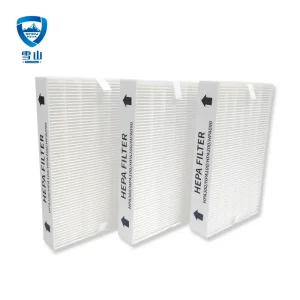
| Wildfire HVAC Integration | EPA NAAQS standards | Composite HEPA (H13) + Gas-phase Carbon + Active CO Catalyst | Dual-action particulate and gas purification for residential/commercial retrofits |
| Mine Refuge Stations | ISO 23932 Safety requirements | Oxygen replenishment support with metal-cased catalytic scrubbers | High chemical efficiency at near-saturated humidity environments |
To deliver true "Information Gain" to engineers and sourcing teams, we outline below the exact scientific trade-offs between standard gas adsorption techniques and catalytic oxidation processes. A common misconception is that impregnated carbon can capture carbon monoxide. In reality, physical adsorption of carbon monoxide is highly volatile and unstable at room temperature.
Our proprietary catalyst utilizes a mixed-metal oxide composite, acting as a reactive surface where CO molecules coordinate with active oxygen species. The reaction path lowers the activation energy required to form CO2, allowing safe, efficient room-temperature conversion without external heating elements.
A typical issue with low-temperature CO catalysts is their sensitivity to relative humidity (RH). Water vapor can competitively occupy catalytic active sites. To address this, our ODM filters incorporate a custom upstream desiccant layer or hydrophobic catalyst coatings, allowing peak performance in environments with up to 90% RH.
By coating our catalyst onto high-porosity aluminum honeycombs or extruded ceramic cores, we maximize the geometric surface area while minimizing air resistance. This design ensures optimal contact time (dwell time ≥ 0.1 seconds) even in high-velocity HVAC systems.
For applications demanding long-term operational resilience, our research focuses on nano-structured noble metals (Au, Pt, Pd) dispersed over transition metal oxides. These formulas show high resistance to moisture deactivation and organic solvent poisoning, making them ideal for challenging industrial environments.
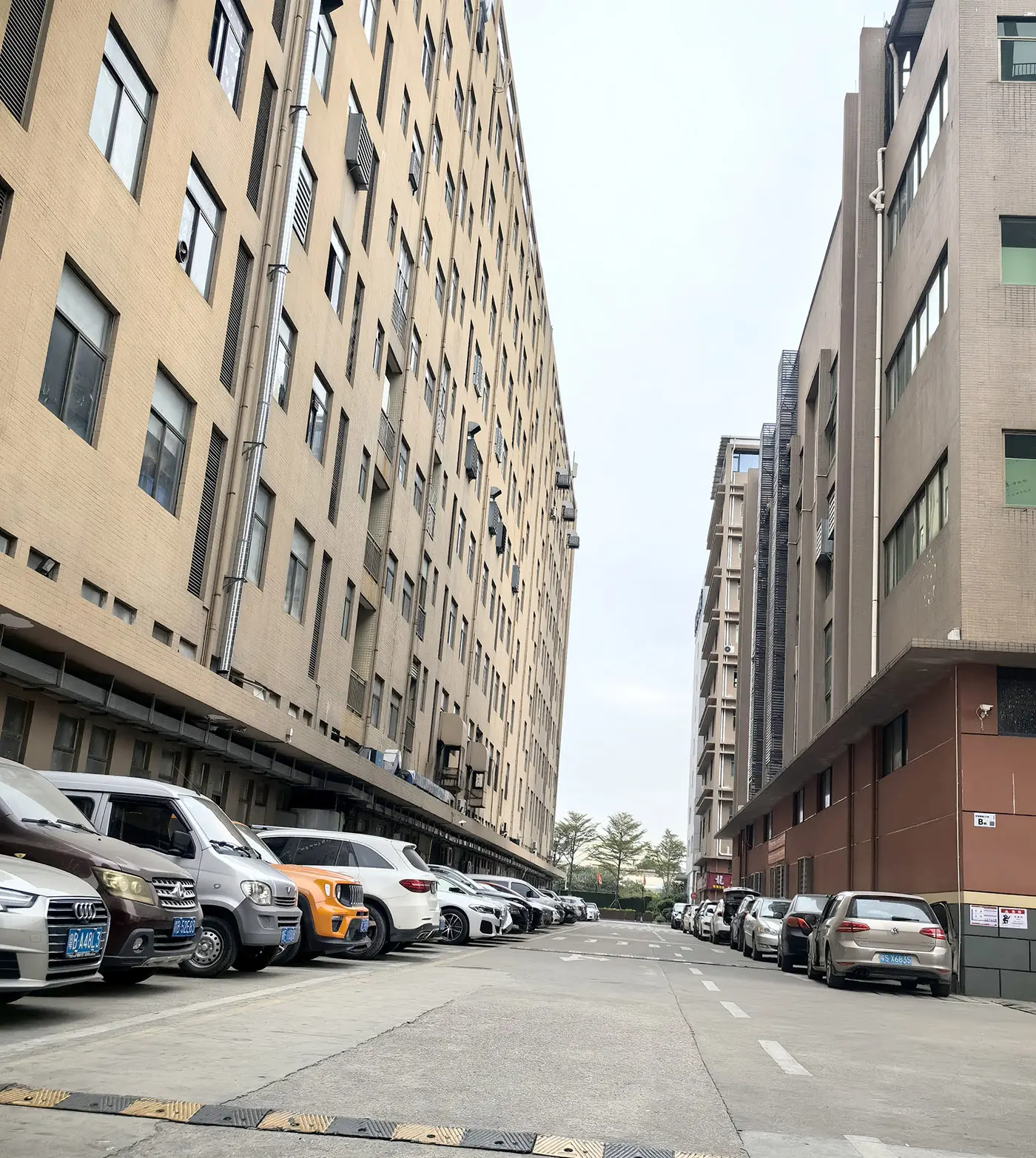
Shenzhen Snow Peak Clean Technology Co., Ltd. is an integrated high-tech enterprise, specialized in air filtration products research and development, production, sales, import and export trade. We produce and supply: Pre-filter, pocket filter, HEPA filter, chemical filter; replacement HEPA filter, car cabin air filter, humidifier filter; pocket filter media, melt-blown composite filter media, and other high-performance filter materials; provide high quality air purification solutions and products for indoor air pollution control and air conditioning systems of civil and industrial buildings, microelectronics, pharmaceutical, laboratory, school, hospital clean room etc.
Combined with self-developed patented technology, our sterilizing antiviral HEPA filter can effectively filtrate fine particles, so that PM2.5 concentration down to 10 micrograms/m3, 5 times better than national standard; effectively inhibit the breeding of microorganisms, sterilization rate up to 99.9%, and no secondary pollution, removal of H1N1 virus efficiency as high as 99.99%.
We control every step of the fabrication process—from raw fiber selection and polymer blending to pleating, frame bonding, and structural testing. Our state-of-the-art manufacturing lines ensure consistent, high-yield product quality for demanding global supply chains.
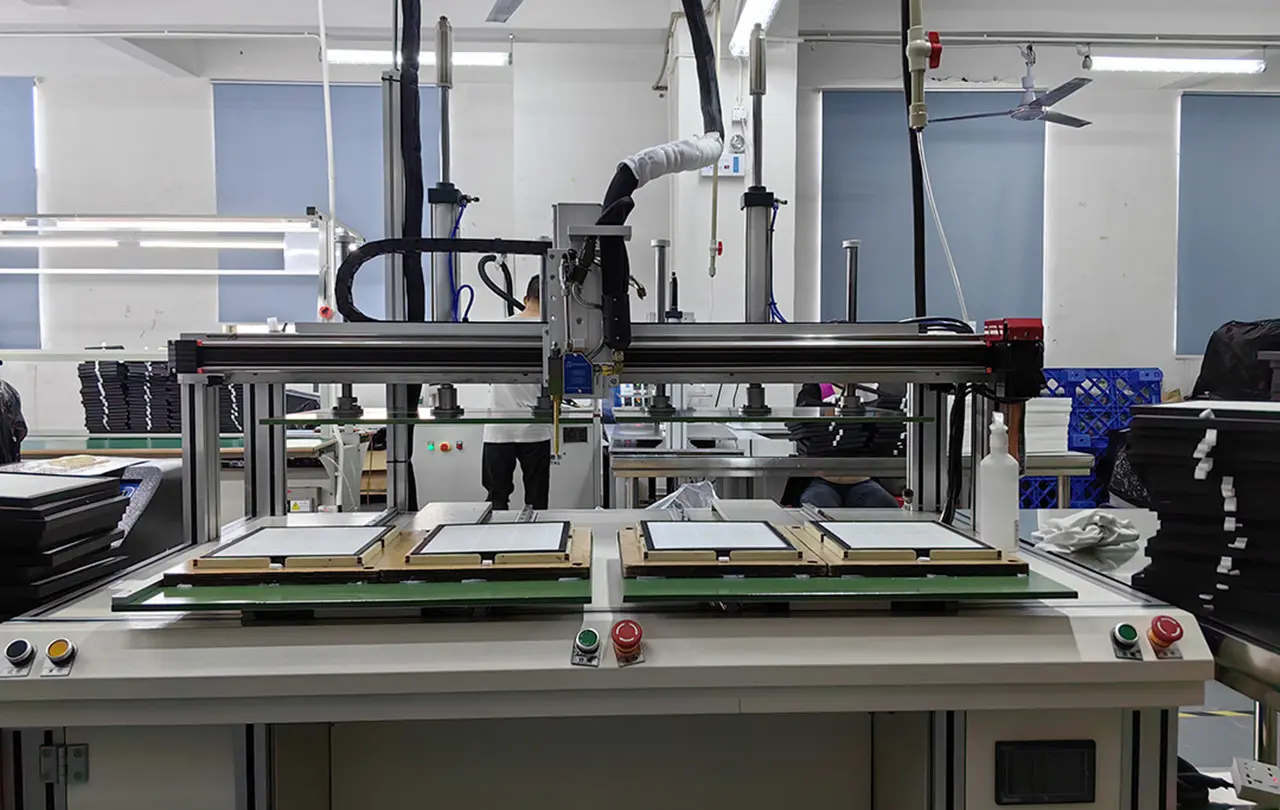
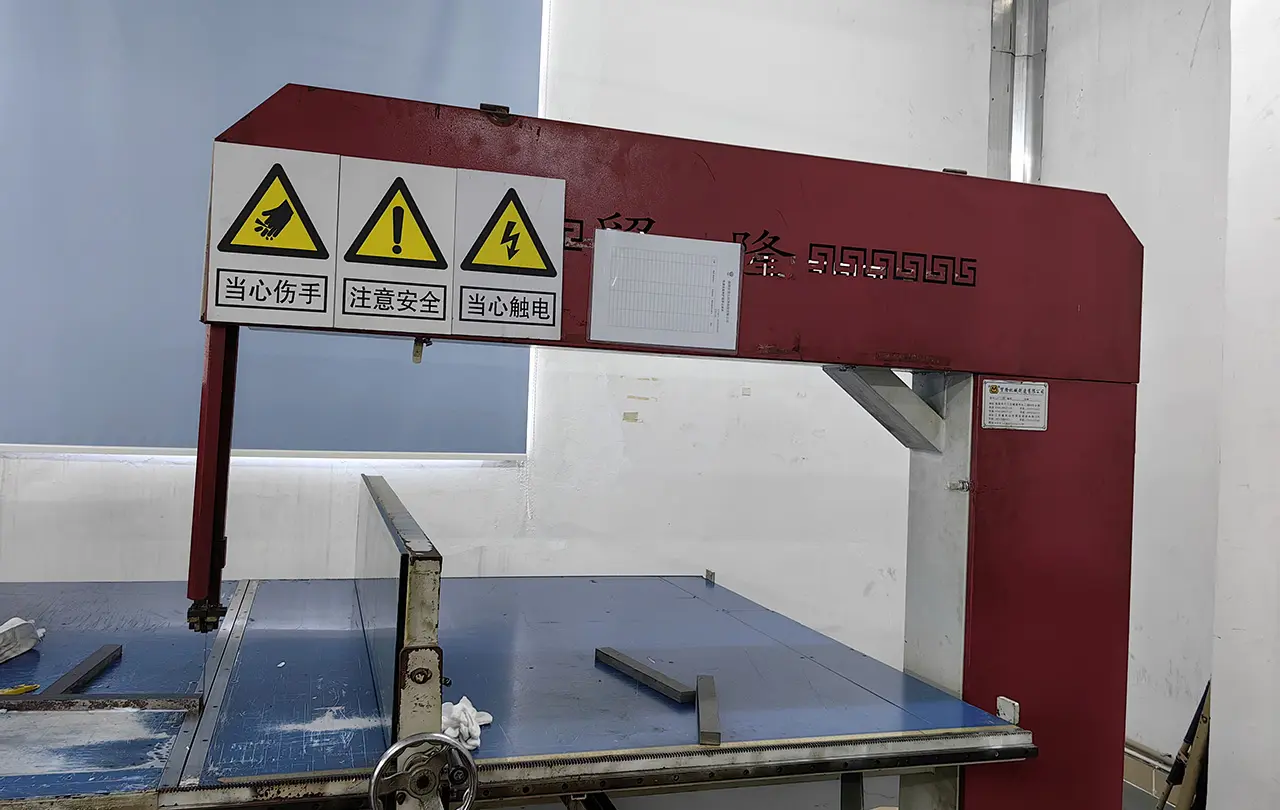
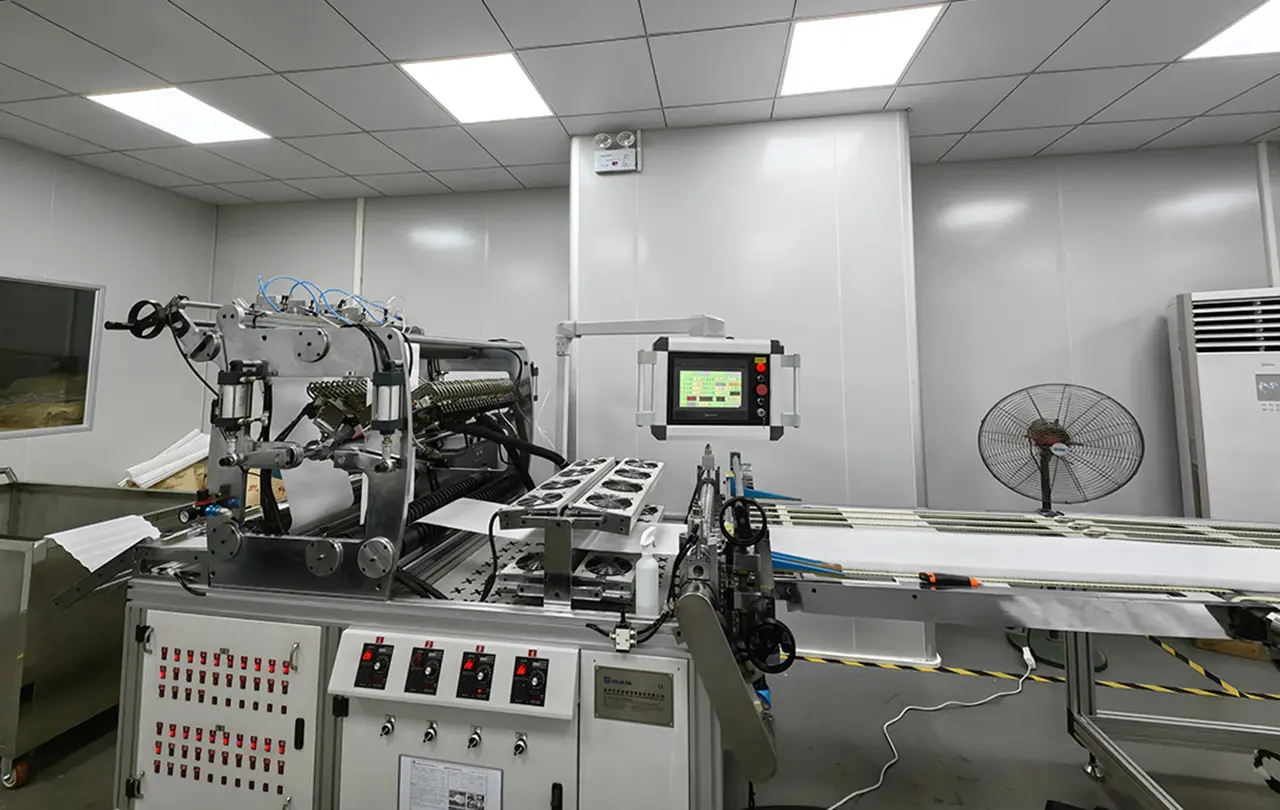
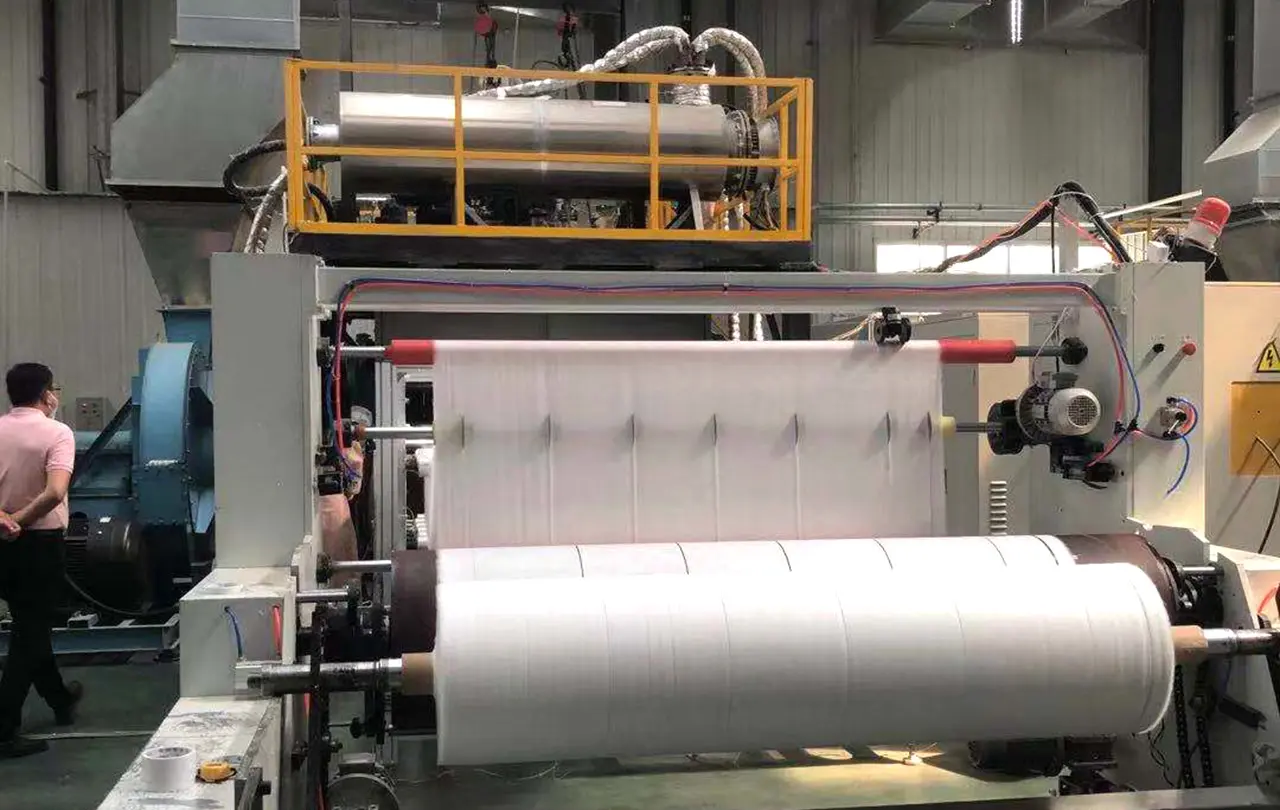
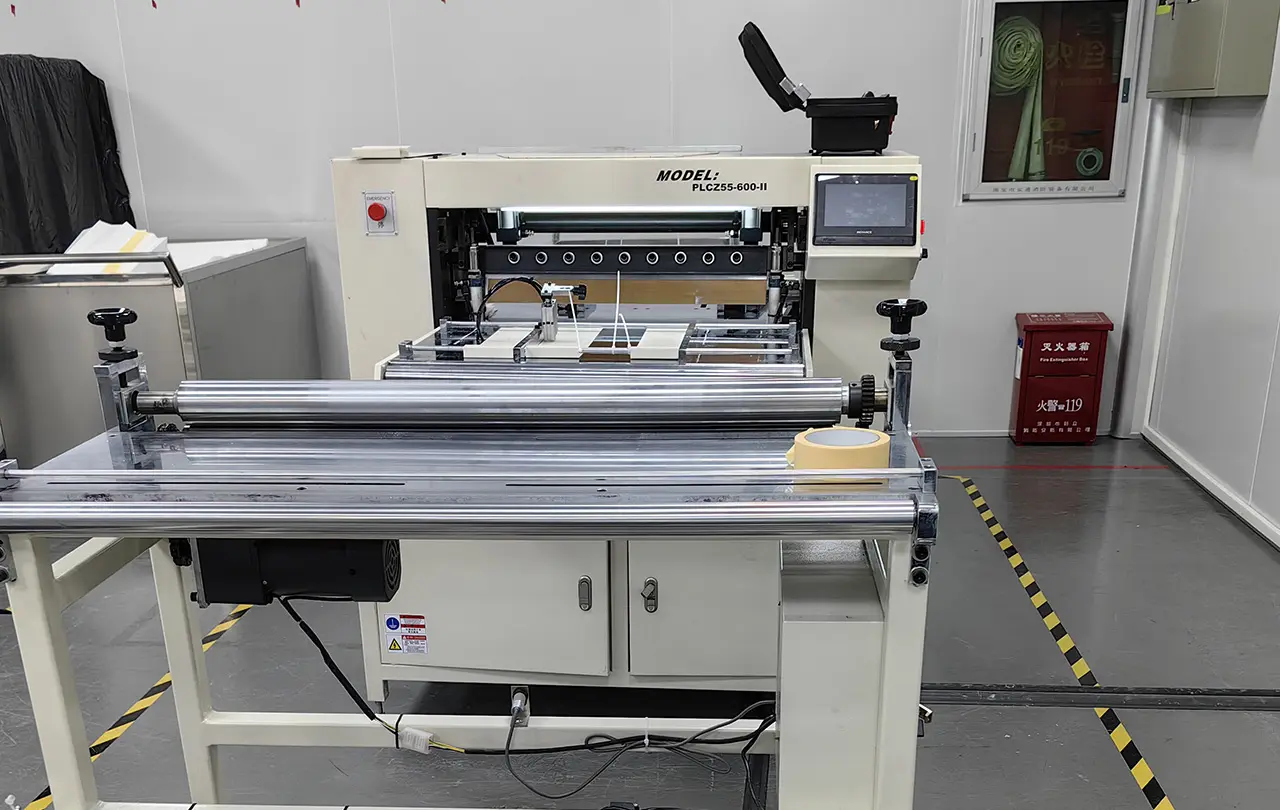
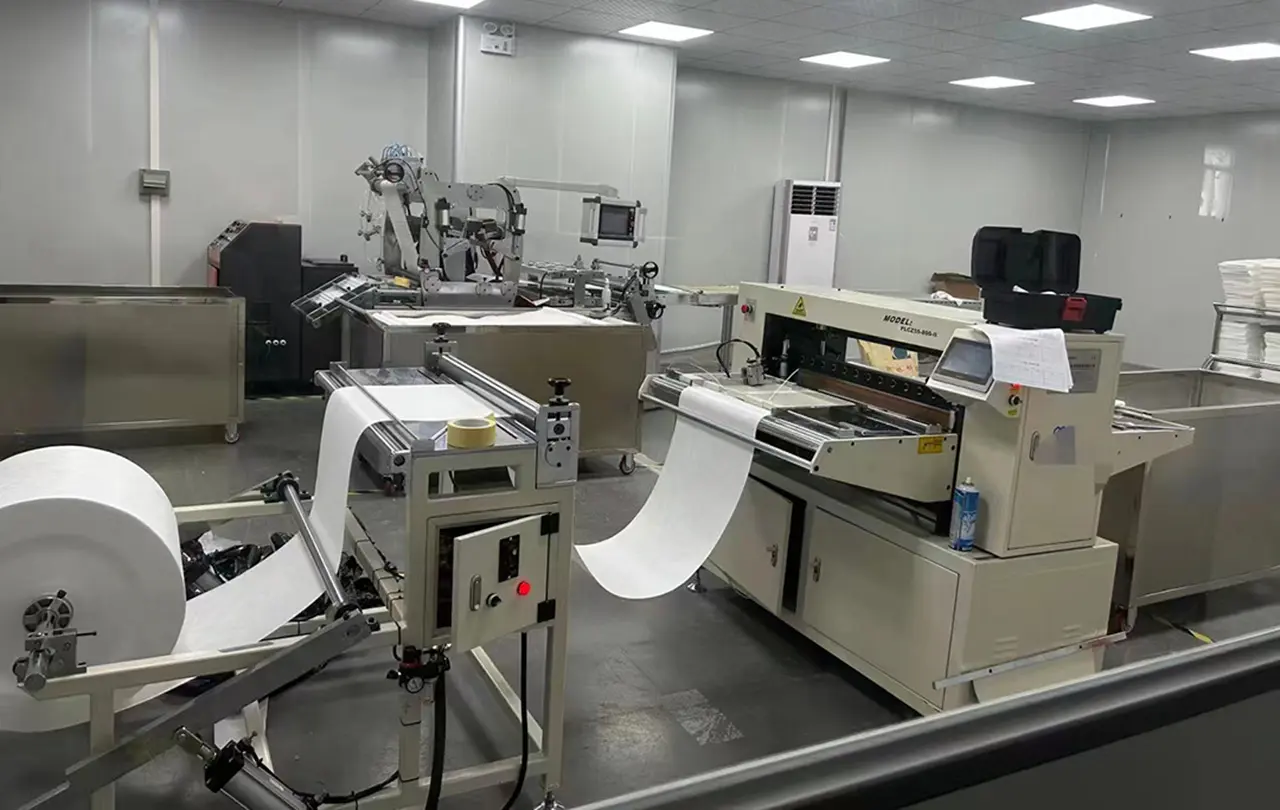
Having 15 years of international air purification technology experience as the background, our company has standardized production workshop, dust-free filter workshop and first-class technology of HEPA filters production line and inspection line, independent research and development of fully automatic air filter production line, equipped with AMADA CNC punch and CNC bending machine as well as many other advanced high-end equipment, provide a strong guarantee for production and quality of air filtration and purification products.
This technical foundation allows us to produce structural components with exceptional precision. From custom-sized filter frames built to survive high-vibration engine chambers, to high-performance catalysts designed for deep-pleated HVAC modules, our automated manufacturing process ensures consistent quality at scale. We serve industrial clients across North America, Europe, East Asia, and Australia, providing tailored filtration solutions for chemical plants, refineries, mining structures, and commercial systems.
To help clients quickly bring custom solutions to market, our engineering team utilizes a structured co-development process for specialized carbon monoxide and chemical filtration systems.
We analyze your target application's environmental factors, including expected inlet CO concentrations (ppm), ambient humidity, temperature ranges, system air velocity, and dimensional constraints.
Depending on moisture and temperature profiles, we select the optimal catalyst (Hopcalite, active carbon hybrid, or gold nanoparticle) and substrate (ceramic honeycomb or aluminum mesh).
We run computer-aided fluid dynamics simulations to evaluate airflow paths, pressure drop profiles, and target gas retention times. This step ensures clean system integration before building physical prototypes.
Finished prototypes undergo safety and performance testing under high-load conditions. We verify structural integrity and gas conversion efficiency before starting mass production.
We answer common questions from design engineers, cleanroom operators, and procurement managers regarding low-temperature catalytic oxidation and custom OEM/ODM manufacturing processes.
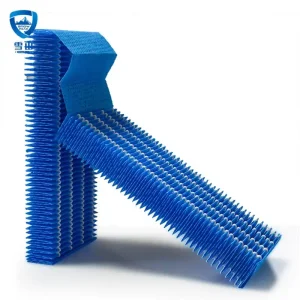
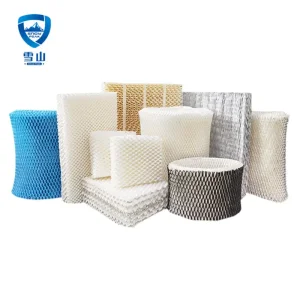
 Snow Peak