Premium OEM and ODM products engineered to remove particulate matters, volatile organic compounds, and microbial loads.
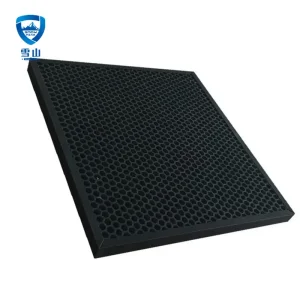
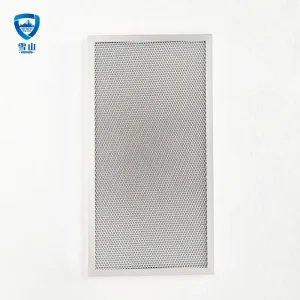
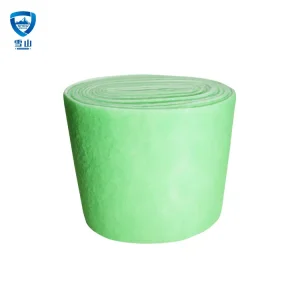
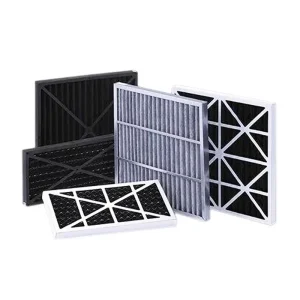
A comprehensive research-grade examination of synthetic fiber technology, particle arrestance physics, and international classification systems.
In modern industrial and HVAC architecture, primary filtration serves as the initial line of defense against atmospheric and occupational particulate matter. According to standard definitions under the EN 779:2012 framework (and its progressive successor ISO 16890), G3 filter media is specified to exhibit an average synthetic dust arrestance of 80% ≤ Am < 90%. When measured against the ISO 16890 protocol, G3 classification corresponds to the ISO Coarse 50% or ISO Coarse 55% category, validating its capacity to arrest particles greater than 10 microns with high volumetric efficiency.
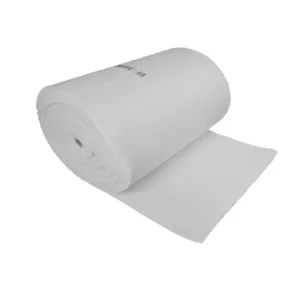
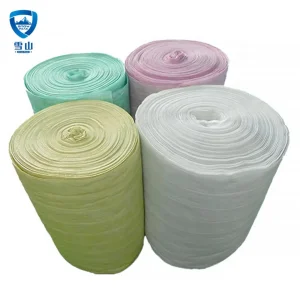
The operational mechanisms of G3 media rest upon three primary filtration physics: inertial impaction, interception, and diffusion. Primarily, larger coarse dust particles possess high momentum, preventing them from conforming to the shifting laminar air streams passing through the fiber matrix. Consequently, they impact directly with the fibers and are captured. G3 media manufactured by Shenzhen Snow Peak Clean Technology is optimized using a progressive density structure: the fiber density increases from the air-entering side to the air-leaving side. This architectural configuration maximizes the Dust Holding Capacity (DHC), prevents premature surface blinding, and significantly dampens the initial differential pressure escalation curve.
From a chemical and material sciences perspective, premium G3 media is constructed from high-tensile, break-resistant synthetic polyester (PET) fibers. These fibers are thermal bonded and resin-treated to prevent fiber shedding under fluctuating velocity pressures. In specialized commercial settings, such as automotive paint spray booths or high-volume ventilation plants, ensuring consistent thickness and density distribution is vital. Media with structural variance can cause uneven airflow distribution, leading to bypass issues or local saturation points that compromise the downstream secondary (M5, F7) or tertiary (H13 HEPA) air filters.
Engineered to deliver minimal airflow resistance, reducing standard energy consumption of AHU blowers by up to 18% compared to non-progressive media structures.
Free from organic binders or volatile chemical adhesives, eliminating off-gassing and ensuring safe operation at temperatures reaching up to 100°C.
Rigorously tested utilizing ISO Fine Dust standards to ensure exact validation of arrestance capabilities, providing auditable compliance metrics.
Engineered benchmark data for structural thickness, airflow velocity, resistance levels, and dust load limits.
| Property Parameter | Unit Value | Snow Peak G3-Premium | Standard G3 Media | Industry Standard G4 (Ref.) |
|---|---|---|---|---|
| Classification (EN 779 / ISO 16890) | Class | G3 / ISO Coarse 55% | G3 / ISO Coarse 50% | G4 / ISO Coarse 65% |
| Thickness (±2mm) | mm | 15 - 20 | 10 - 15 | 20 - 25 |
| Basis Weight (±10%) | g/m² | 200 - 250 | 150 - 180 | 300 - 400 |
| Rated Airflow Velocity | m/s | 1.5 - 2.0 | 1.5 | 1.5 |
| Initial Resistance (at rated flow) | Pa | ≤ 25 | ≤ 30 | ≤ 40 |
| Recommended Final Resistance | Pa | 250 | 250 | 250 |
| Dust Holding Capacity (DHC) | g/m² | 480 - 520 | 380 - 420 | 600 |
| Max Operating Temperature | °C | 100 | 80 | 100 |
Analyzing global procurement requirements and custom application strategies across major industrial, chemical, and commercial systems.
In municipal buildings, commercial malls, food processing factories, and general assembly complexes, G3 primary efficiency media acts as the shield for high-efficiency downstream bags, V-banks, or HEPA filters. Removing larger particulates like soot, pollen, hair, and construction debris prevents early clogging of advanced elements, cutting total replacement costs by up to 40% annually.
For high-end paint lines (such as automotive body paint shops or precision machinery coatings), air quality determines surface paint adhesion and finish uniformity. In these environments, G3 glass fiber or progressive synthetic media captures paint overspray droplets and large dust particles. Implementing specific ceiling and floor exhaust systems prevents surface blemishes, directly increasing manufacturing yields.
Power generation assets and heavy-duty gas turbines operate under vast volumetric air demands. Dust ingestion into compressor stages leads to blade erosion, aerodynamic degradation, and blade fouling. High-grade G3 roll filters or panel-pleated units reliably stop coarse silica particles and environmental dust loads, stabilizing energy output and extending maintenance intervals.
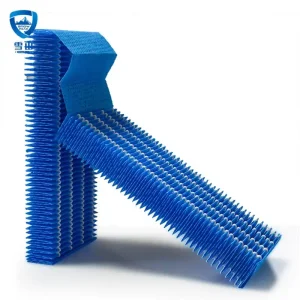
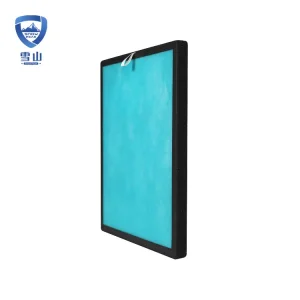
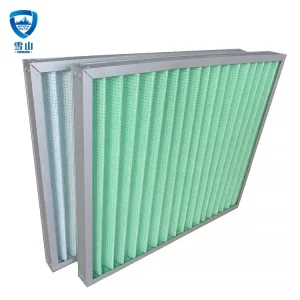
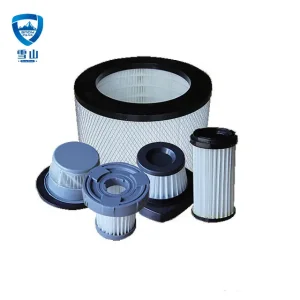
Appliance brands require highly customized, thin, high-performance G3 components. We supply custom non-woven wet curtains, humidifier filter pads, and customized mini-pleated HVAC modules. These fit directly into air purifiers, residential AC vents, and complex dehumidifier machinery, ensuring optimal particle arrestance and low noise output.
An integrated, high-tech enterprise specializing in R&D, advanced fabrication, and global distribution of air filtration products.

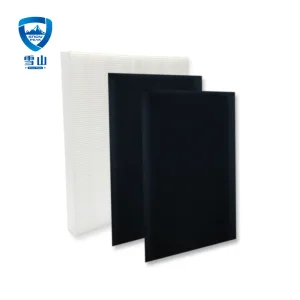
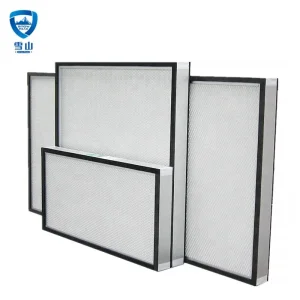
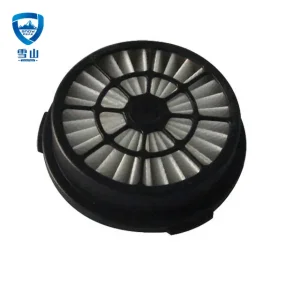
Shenzhen Snow Peak Clean Technology Co., Ltd. is an integrated high-tech enterprise, specialized in air filtration products research and development, production, sales, import and export trade. We produce and supply: Pre-filter, pocket filter, HEPA filter, chemical filter; replacement HEPA filter, car cabin air filter, humidifier filter; pocket filter media, melt-blown composite filter media, and other high-performance filter materials; provide high quality air purification solutions and products for indoor air pollution control and air conditioning systems of civil and industrial buildings, microelectronics, pharmaceutical, laboratory, school, hospital clean room etc.
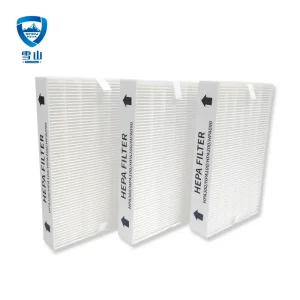
Combined with self-developed patented technology, our sterilizing antiviral HEPA filter can effectively filtrate fine particles, so that PM2.5 concentration down to 10 micrograms/m3, 5 times better than national standard; effectively inhibit the breeding of microorganisms, sterilization rate up to 99.9%, and no secondary pollution, removal of H1N1 virus efficiency as high as 99.99%.
Our processing infrastructure utilizes advanced computerized mechanical systems to ensure micron-level accuracy across pleated media sheets and synthetic rolls.
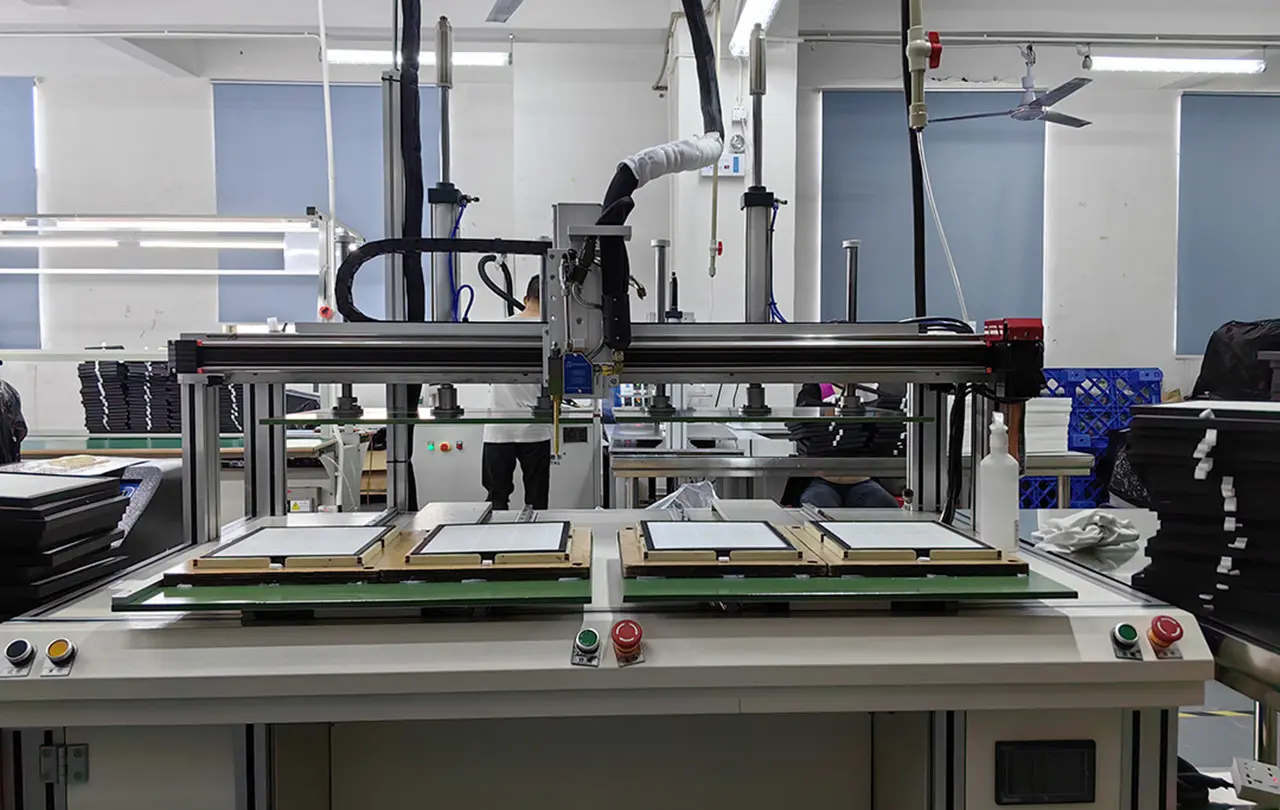
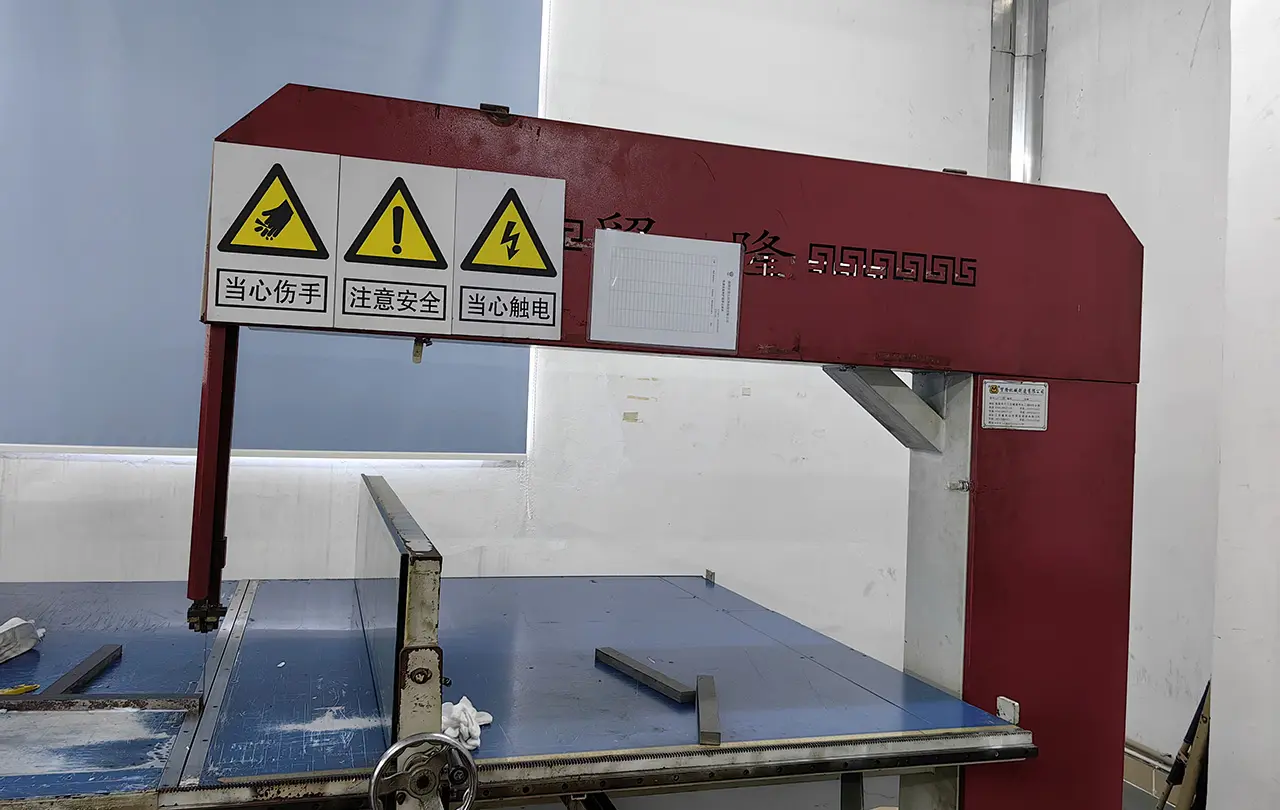
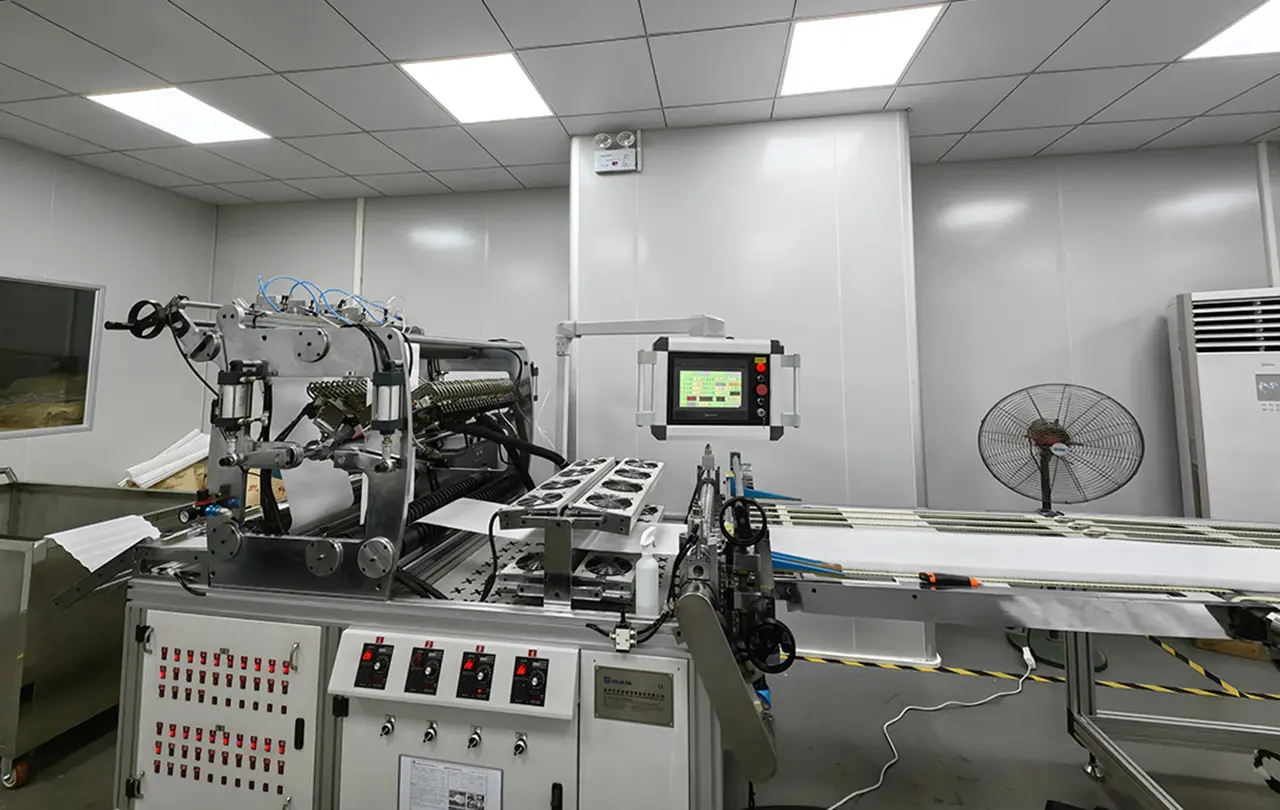
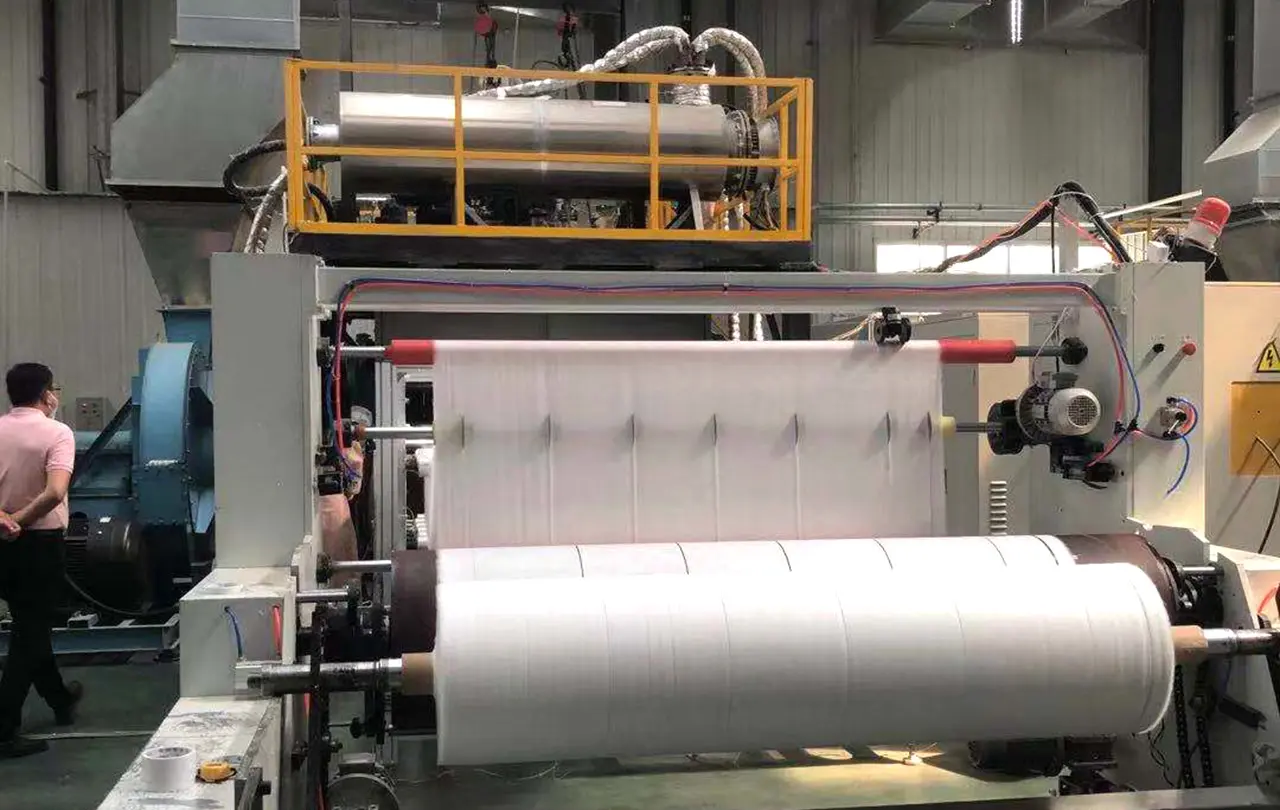
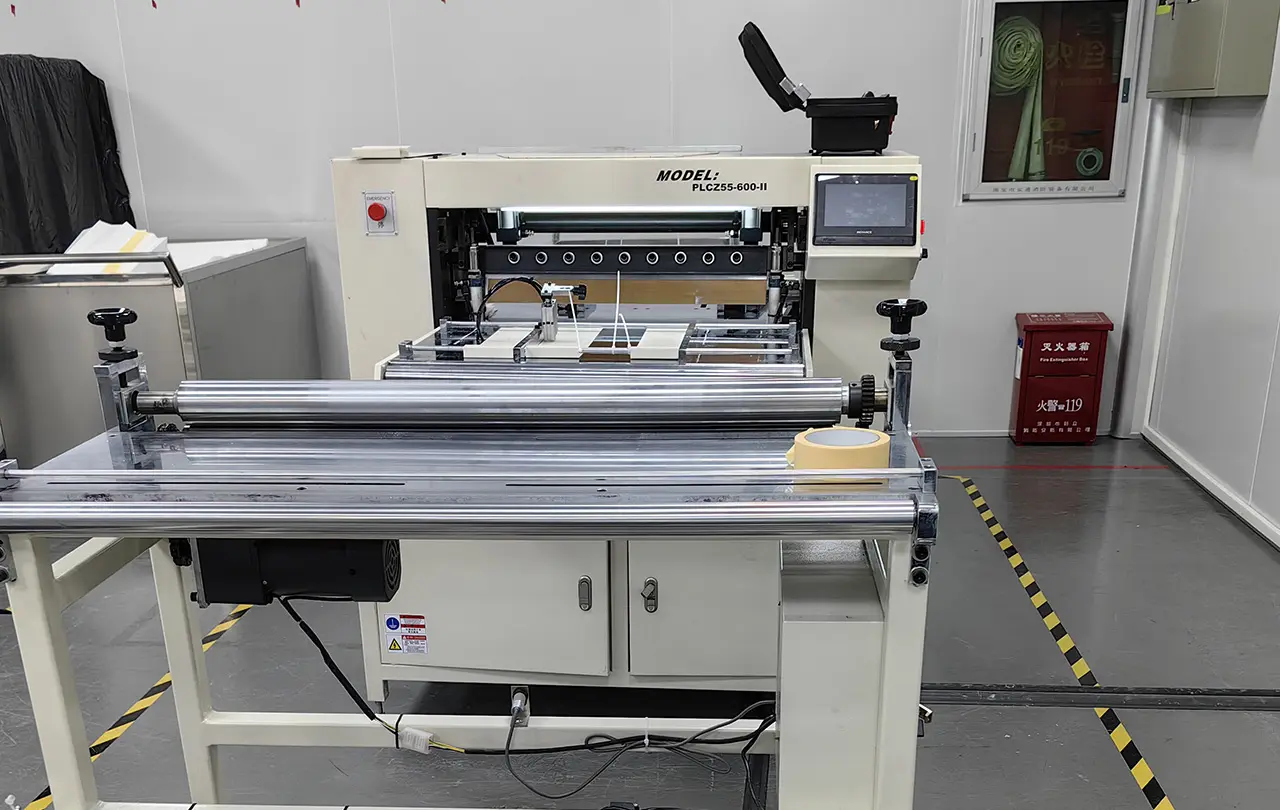
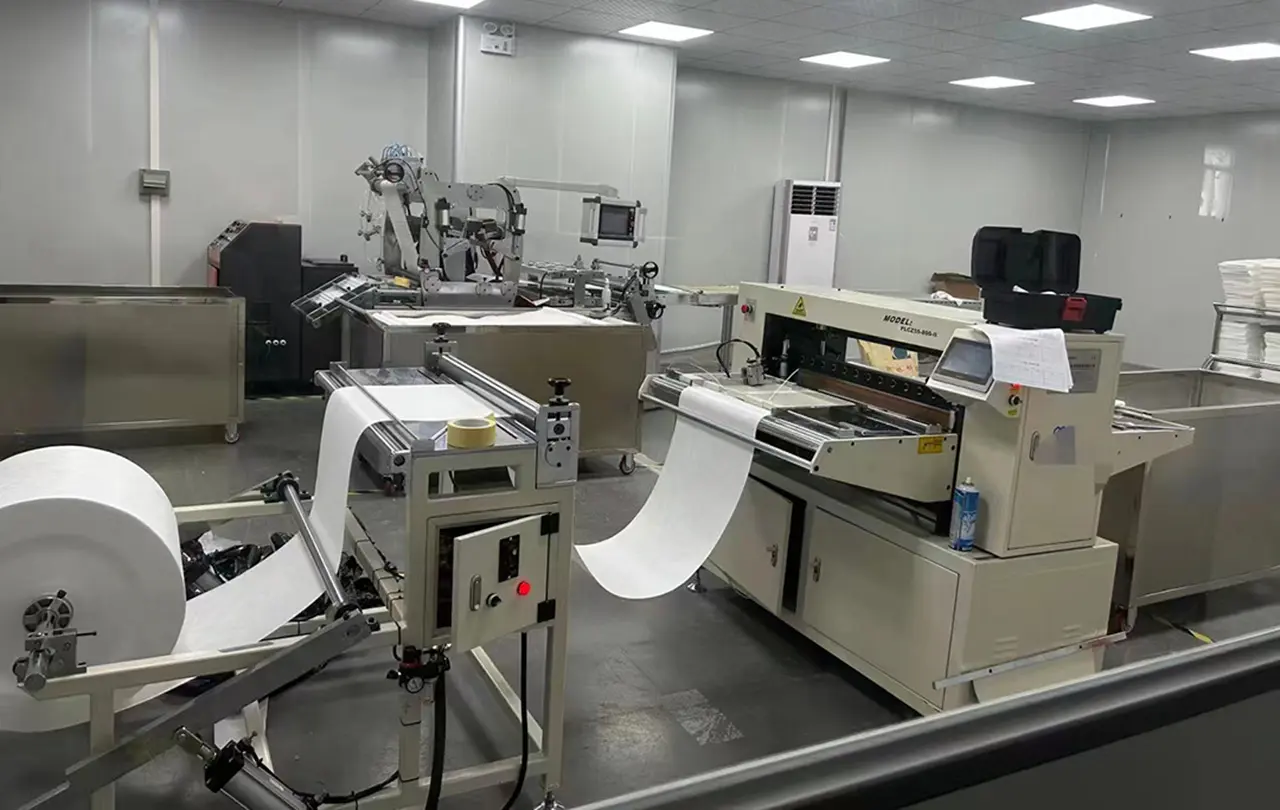
Having 15 years of international air purification technology experience as the background, our company has standardized production workshop, dust-free filter workshop and first-class technology of HEPA filters production line and inspection line, independent research and development of fully automatic air filter production line, equipped with AMADA CNC punch and CNC bending machine as well as many other advanced high-end equipment, provide a strong guarantee for production and quality of air filtration and purification products.
Every roll of G3 media and customized HEPA panel undergoes strict inspection via aerosol test rigs. By maintaining automated control loops across tensioning, pleating, gluing, and thermal bonding systems, we achieve consistent dust collection metrics, uniform pressure drops, and zero-defect packaging tolerances on heavy industrial shipments.
Ensuring cross-border standardization, material safety compliance, and proactive environmental life-cycle alignments.
Procuring raw air filtration media across international boundaries requires strict compliance alignment with national and regional safety standards. As an ODM and OEM partner, we guarantee our G3 media rolls, cardboard panel filters, and high-efficiency HEPA materials comply with regulatory frameworks globally, including the European Union's REACH and RoHS directives. In critical settings, flame retardancy is essential to prevent fire propagation within ceiling plenums and air ducts. Consequently, our synthetic and glass-fiber filters are engineered to comply with UL 900 Class 1 or Class 2 fire classification standards, extinguishing immediately when exposed to spark threats.
Regarding manufacturing sustainability, our engineering division has pioneered recycled PET options for G3 primary media. Utilizing post-consumer recycled plastic bottles, we reformulate high-strength, micro-spun fibers that match the performance of virgin polyester. This initiative reduces carbon footprints by up to 35% without compromising mechanical strength, fiber distribution, or volumetric dust capacity. Through this technical framework, our clients satisfy strict environmental corporate mandates while maintaining operational system integrity.
Expert clarifications regarding technical execution, structural optimization, testing protocols, and bulk commercial orders.
Premium replacement options, painting room ceiling cottons, and custom-frame HVAC configurations designed for global specifications.
 Snow Peak