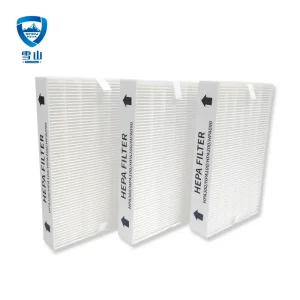
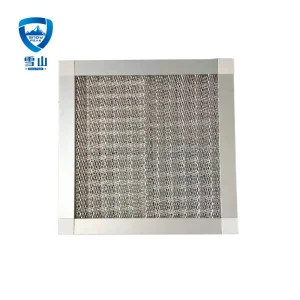
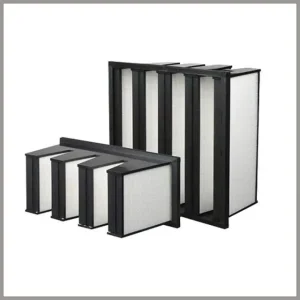
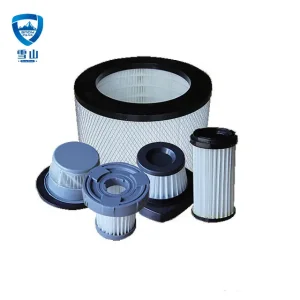
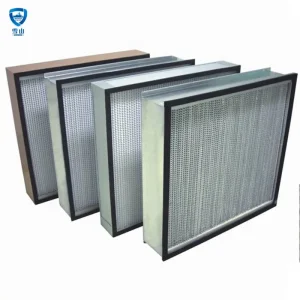
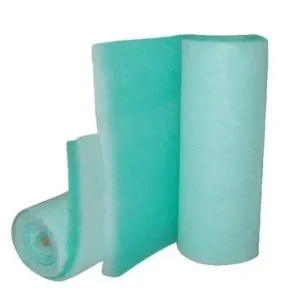
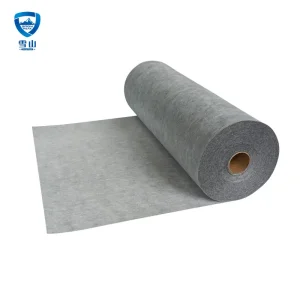
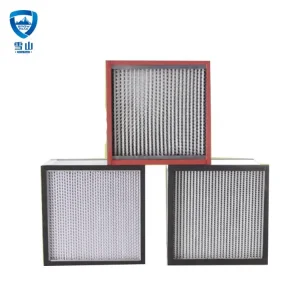
In modern ultra-clean environments—such as sub-nanometer semiconductor fabrication plants, biological safety laboratories (BSL-3/BSL-4), and sterile pharmaceutical filling suites—microscopic airborne contamination poses a catastrophic risk. Traditional gasket-sealed HEPA filters, which rely on mechanical compression against a neoprene or EPDM profile, often fail to maintain a perfect seal under continuous vibration, thermal cycling, and structural deflection of the ceiling grid.
To address this structural vulnerability, Gel Sealed HEPA Filters have emerged as the gold standard for high-integrity cleanroom installations. Instead of mechanical pressure, these filters utilize a specialized, non-Newtonian polyurethane or silicone fluid gel situated inside a peripheral channel. When installed, a knife-edge profile integrated into the cleanroom ceiling grid or terminal housing penetrates this gel channel. The high-viscosity gel flows around the knife-edge, creating a zero-leakage, hermetic seal that adjusts dynamically to micro-movements, changes in duct pressure, and ambient temperatures.
From a global sourcing perspective, procuring high-quality ODM gel-sealed filters requires careful verification of gel chemical stability. Inferior gels can undergo outgassing, releasing volatile organic compounds (VOCs) that contaminate silicon wafers, or suffer from "gel dripping"—where the gel liquefies and drops out of the channel under elevated temperatures. Advanced manufacturers mitigate this risk by formulating highly cross-linked polyurethane compounds that retain their physical properties across a temperature range of -40°C to 80°C.
Selecting the correct sealing method is critical to minimizing both Initial CapEx and long-term OpEx. The table below highlights the mechanical and operational differences between gasket compression and fluid gel sealing.
| Performance Parametric | Traditional Gasket-Sealed HEPA | Gel-Sealed HEPA (Fluid Seal) |
|---|---|---|
| Sealing Principle | Mechanical compression of neoprene/EPDM profile | Knife-edge penetration into high-viscosity polymer gel |
| Risk of Bypass Leakage | Moderate (caused by gasket hardening, compression set, or uneven clamping) | Extremely Low (self-healing, liquid-tight dynamic seal) |
| Installation Complexity | High (requires precise torque control on clamping brackets) | Low (gravity-assisted drop-in seating over grid knife-edges) |
| Vibration Resistance | Poor (vibration degrades compression force over time) | Excellent (gel dampens vibration without losing seal integrity) |
| Typical Lifespan | 3 to 5 years (gasket material degrades and loses elasticity) | 8 to 10+ years (stable gel chemistry protects against cracking) |
| Preferred Applications | Standard HVAC, commercial buildings, secondary cleanrooms | Semiconductor cleanrooms, BSL-3/4 labs, aseptic pharmaceutical zones |
Shenzhen Snow Peak Clean Technology Co., Ltd. is a premier, integrated high-tech enterprise specializing in air filtration products research, development, production, and global export. With a robust background spanning over 15 years of international air purification technology experience, our company operates standardized production facilities, class-10,000 dust-free filter assembly lines, and advanced HEPA testing setups.
Our diverse portfolio includes pre-filters, pocket filters, HEPA/ULPA filters, chemical molecular filters, cleanroom terminal modules, and cabin air purification media. Leveraging our proprietary patented technologies, our sterilizing antiviral HEPA filters reduce PM2.5 concentrations down to 10 micrograms per cubic meter—5 times cleaner than standard regulatory requirements. Furthermore, our media prevents the colonization of biological agents, achieving a sterilization rate of 99.9% and an H1N1 virus removal efficiency of 99.99% with zero secondary outgassing.
Our production lines are equipped with state-of-the-art machinery including AMADA CNC punches and CNC bending machines, giving us unmatched engineering tolerances for frame fabrication. This mechanical precision is critical to ensuring that the gel channels on our custom HEPA filters are perfectly flat, eliminating uneven depths that could compromise cleanroom knife-edge penetration.
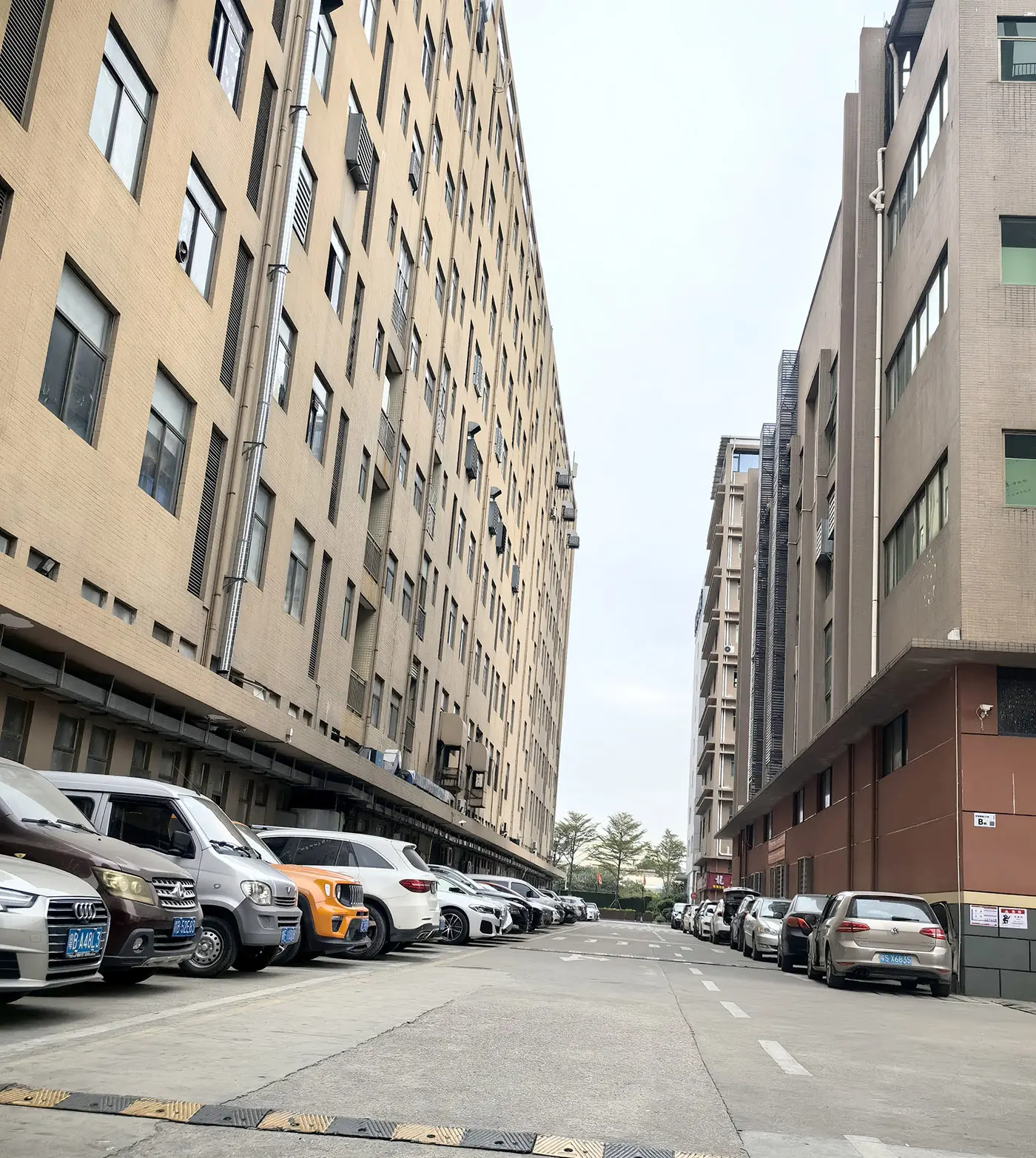
To maintain strict quality control, every stage of our assembly line is monitored using digital imaging and automated sensor grids. Here is a step-by-step overview of our automated production workflow:
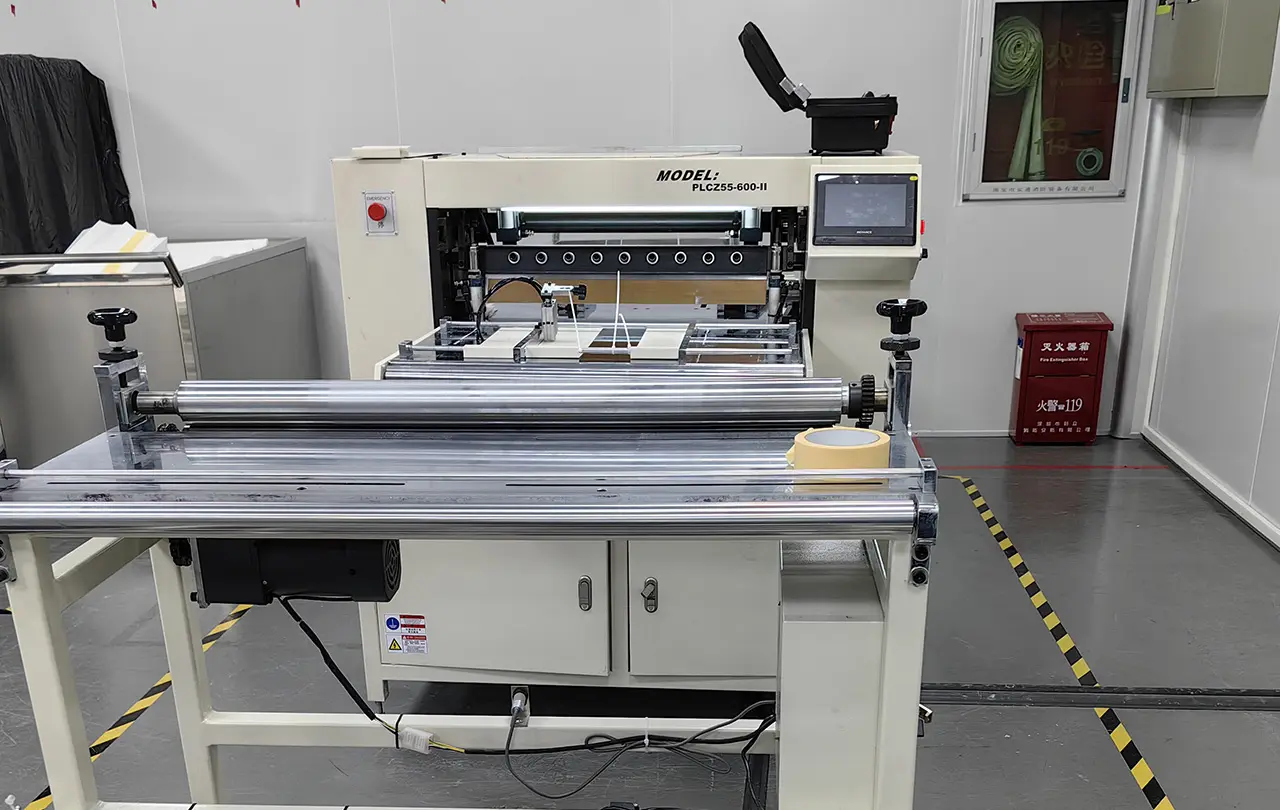
Our automated high-speed pleating lines score and fold premium micro-glass fiber media with precise spacing, ensuring uniform airflow distribution.
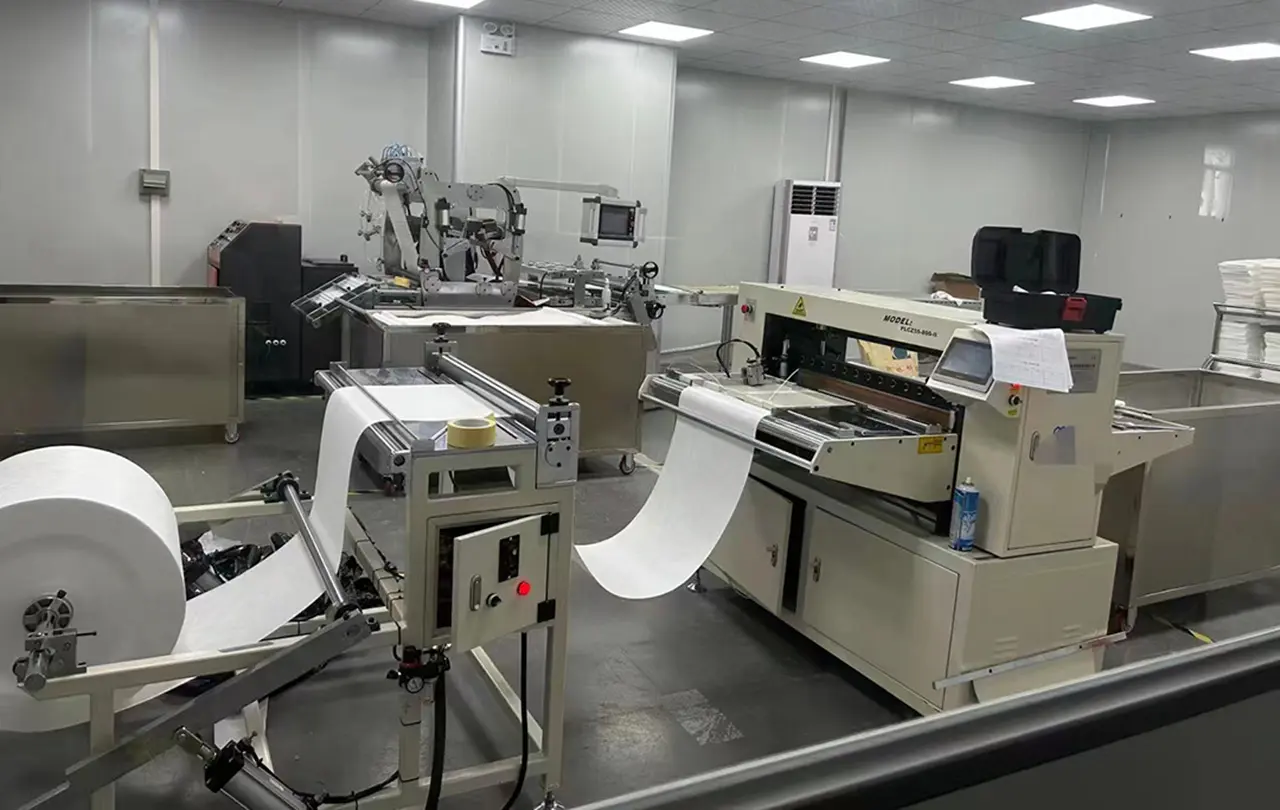
Thermoplastic glue beads are applied to maintain consistent pleat geometry, reducing resistance and extending operational life.
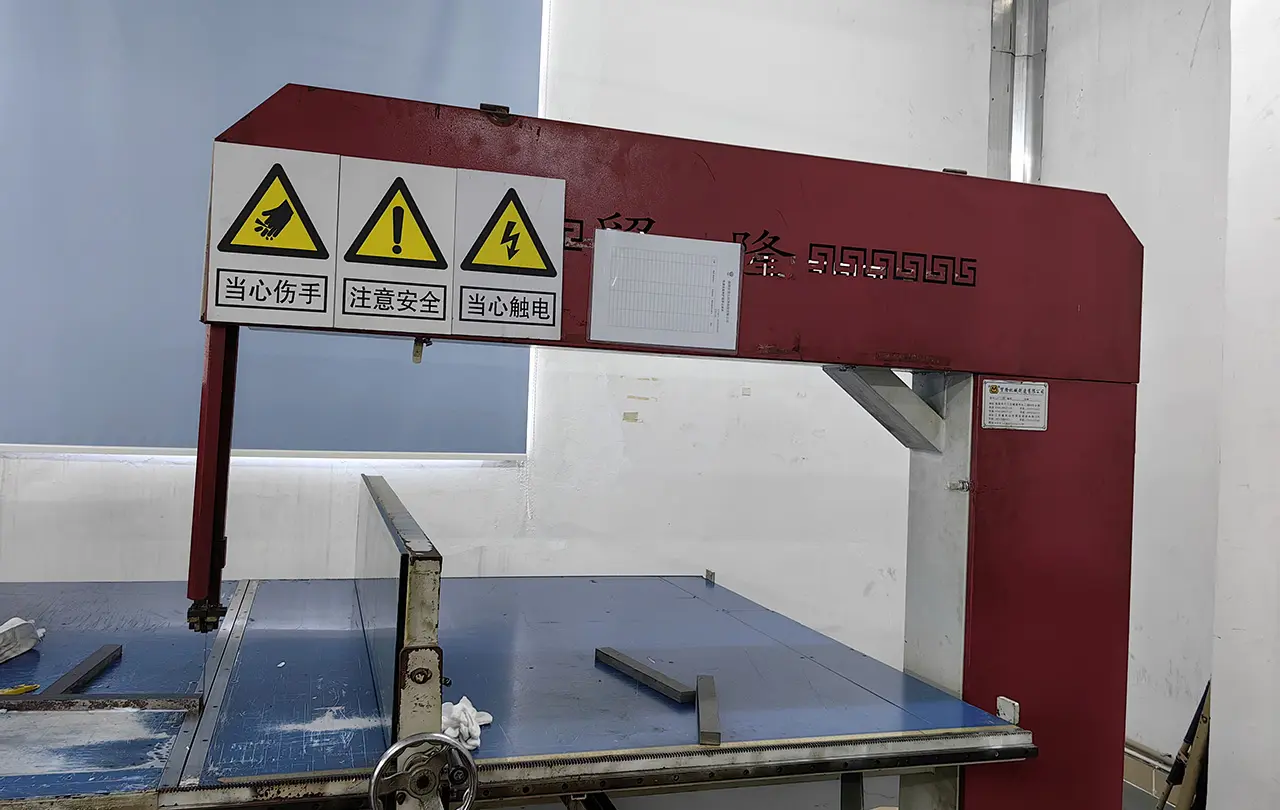
High-precision AMADA CNC cutters punch and form anodized aluminum profiles, ensuring perfect gel-channel alignment.
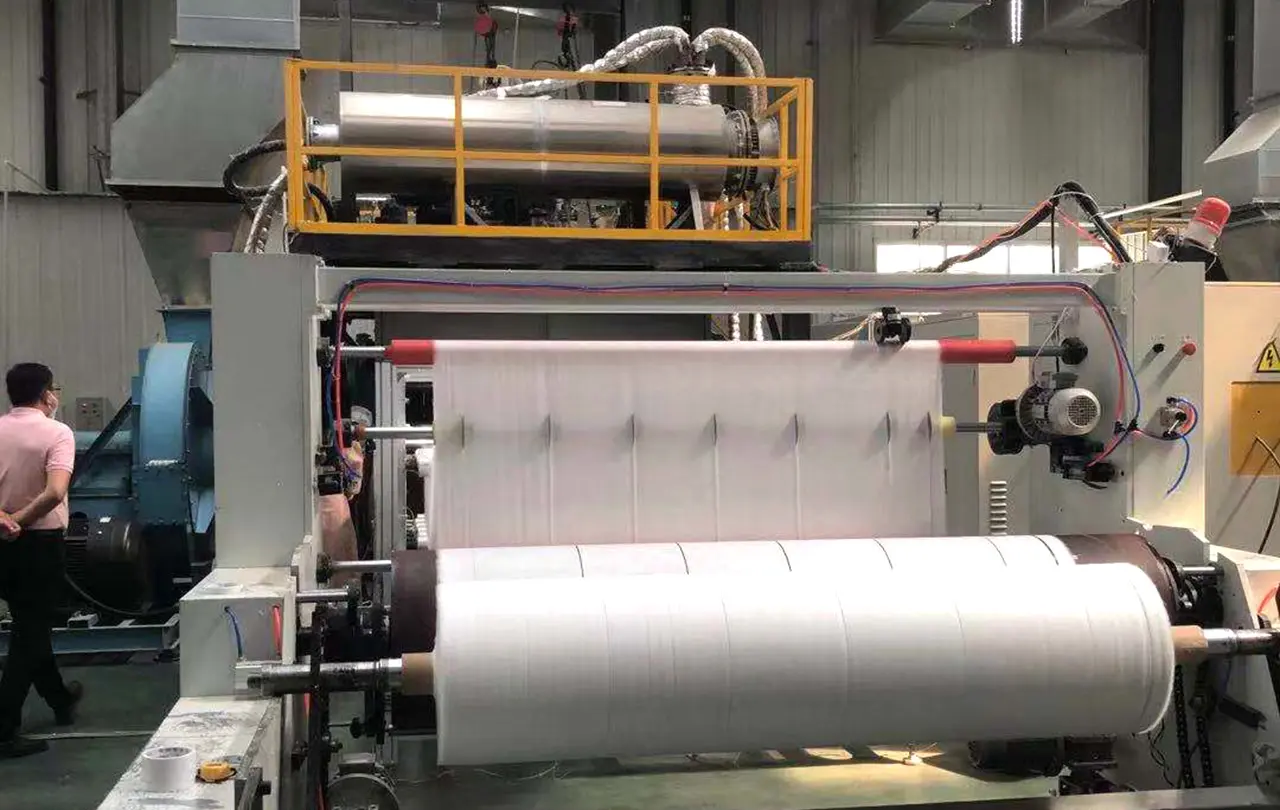
Specialized compound lamination integrates structural backings with antiviral active layers to achieve multi-functional protection.
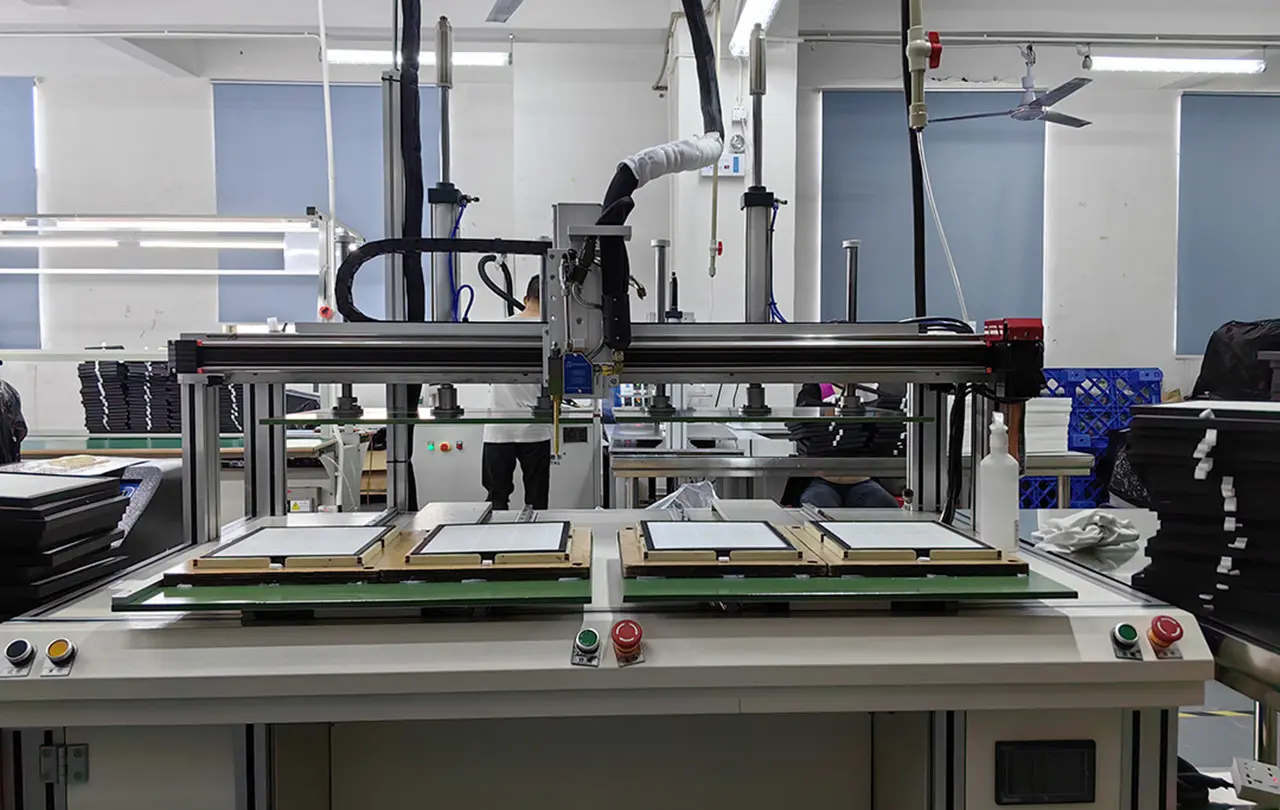
CNC dispensers apply continuous polyurethane compound to seal the media pack hermetically to the metal frame.
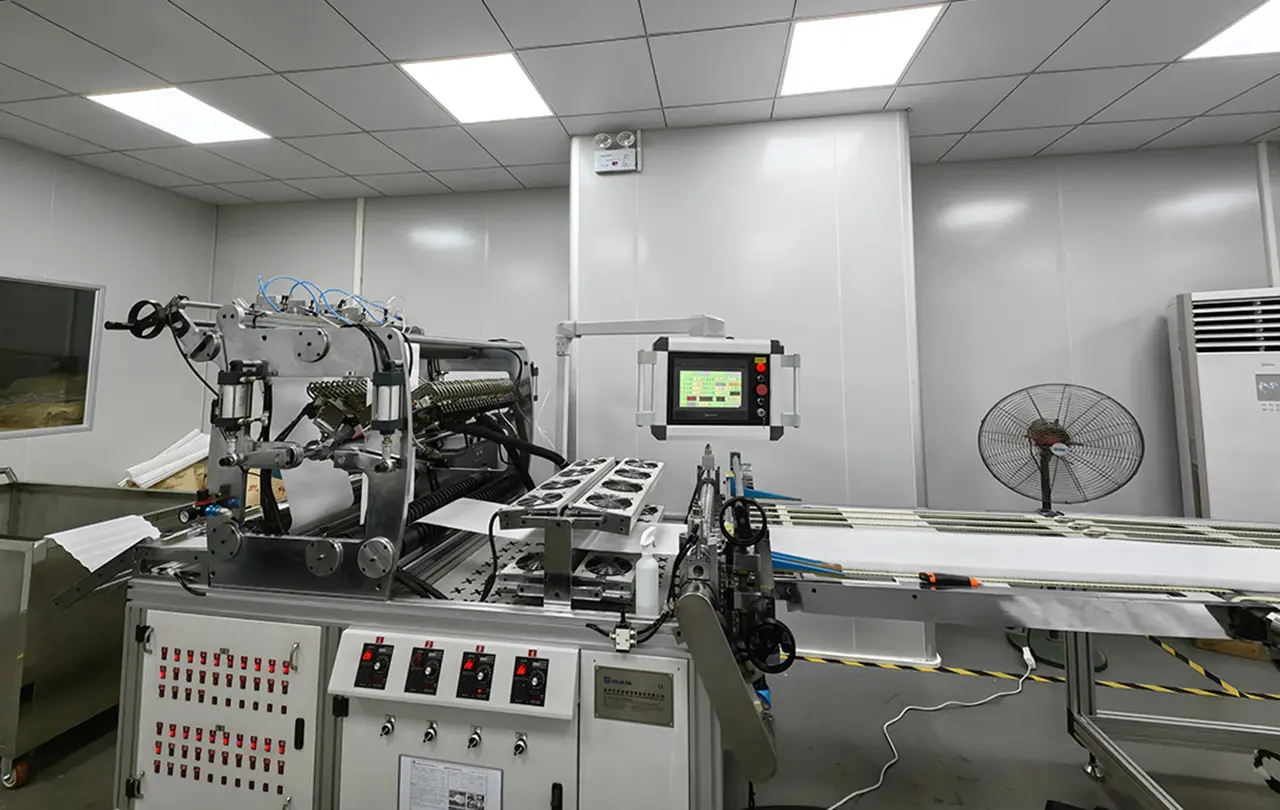
The specialized liquid gel is injected into the frame's peripheral channel and cured in a dust-free environment to form a stable, non-Newtonian seal.
In today's volatile global market, cleanroom projects face tight completion deadlines. Disruptions in the supply chain can lead to project delays, resulting in significant financial penalties for engineering firms. Our Factory 4.0 initiative at Shenzhen Snow Peak integrates advanced automation with a resilient supply chain structure to resolve these risks.
By sourcing raw fiberglass media, polyurethane chemical bases, and extruded aluminum profiles directly from regional suppliers, we bypass middleman delays. This local supply chain guarantees consistent raw material availability, even during global supply shortages.
Automated pleating lines, computerized gel dispensing heads, and AMADA CNC bending stations minimize human error. Automation ensures that every gel-sealed frame has uniform channel depth, preventing bypass leaks when mated with the cleanroom grid.
Every gel-sealed HEPA filter undergoes complete EN 1822 and ISO 29463 test protocols. Our automated PAO (Polyalphaolefin) scan test rigs inspect the entire media pack and gel seal for leaks. We issue a digital certificate for each filter, guaranteeing H13, H14, or U15 efficiency.
For international engineering, procurement, and construction (EPC) companies, partnering with a direct ODM manufacturer in China reduces procurement costs. This setup delivers custom frame configurations (such as top-gel, side-gel, or reverse-gel designs) without the typical markups of regional distributors.
Gel-sealed HEPA filters are utilized across high-tech and biological industries where environmental control is critical. Key application fields include:
In Class 1 (ISO 3) cleanrooms, photolithography lines require absolute particle control. Any particle larger than 0.1μm can damage wafer pathways. Our gel-sealed HEPA/ULPA filters provide an airtight seal, eliminating bypass leaks caused by duct vibrations or frame warping.
FDA and EU GMP regulations demand sterile conditions for aseptic filling lines. Liquid gel seals eliminate the crevices common to gasket designs, preventing mold and bacterial colonization. The clean gel chemistry is also resistant to vaporized hydrogen peroxide (VHP) decontamination.
Facilities handling high-consequence pathogens must maintain strict isolation. Exhaust air filtration requires high-efficiency HEPA filters with zero bypass leakage. The self-healing properties of gel-sealed filters ensure isolation is maintained during pressure shifts.
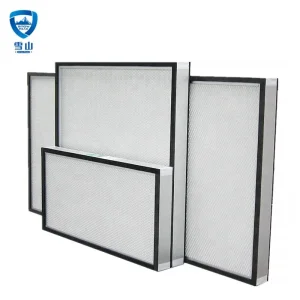
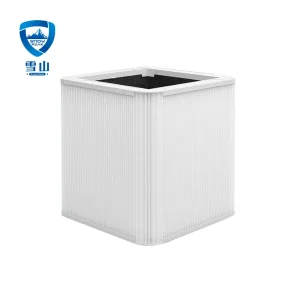
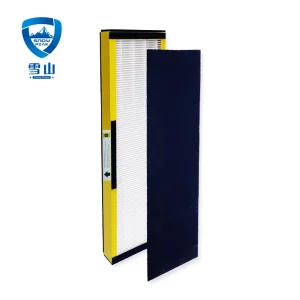
 Snow Peak