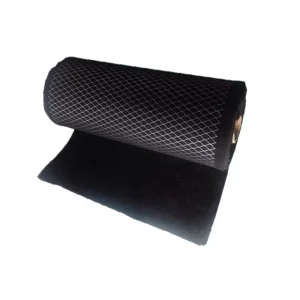
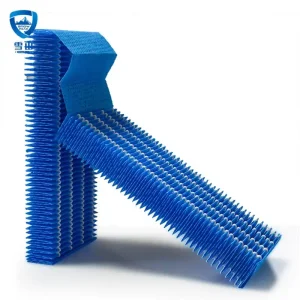
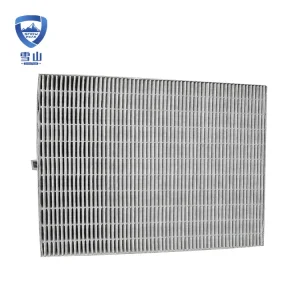
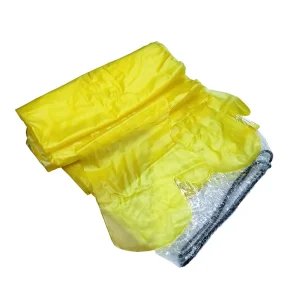
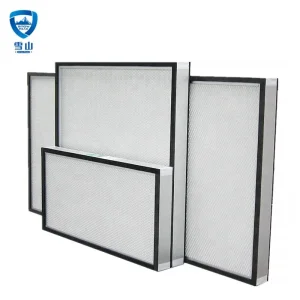
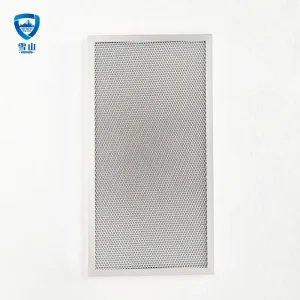
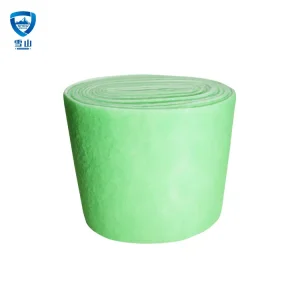
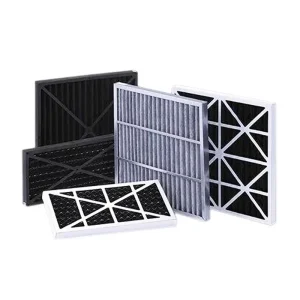
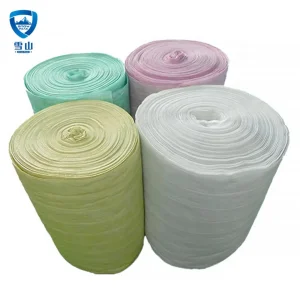
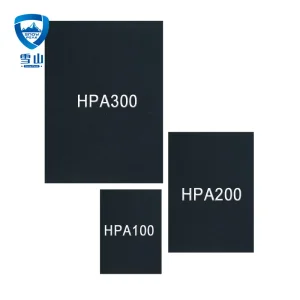
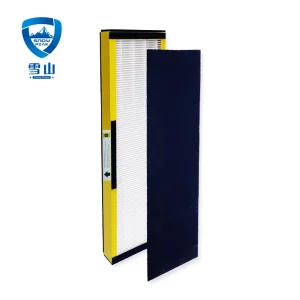
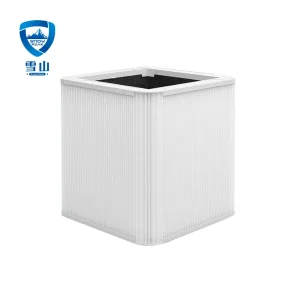
Explore our high-efficiency synthetic pockets, gas phase carbon media, and customized HEPA solutions manufactured under precise quality criteria.
In critical cleanroom and commercial HVAC design, understanding H13 True HEPA filtration is paramount. Per standard European Standard EN 1822 and the equivalent ISO 29463, H13 filters are classified as High-Efficiency Particulate Air solutions, demanding a minimum particulate capture rate of ≥99.95% for the Most Penetrating Particle Size (MPPS) of 0.3 micrometers. Unlike lower grade classifications such as EPA E10 to E12, or nominal consumer-grade filters, H13 filters guarantee absolute barrier security for challenging high-airflow applications.
The micro-structural layout of a True H13 filter relies on complex, randomized configurations of borosilicate glass fibers or advanced synthetic polyolefin composites. The capture mechanisms do not rely simply on a "sieve" effect. Rather, they capitalize on four physical mechanics: diffusion (affecting particles <0.1 μm driven by Brownian motion), interception (particles following streamlines that pass within one particle radius of a fiber), inertial impaction (larger particles that deviate from airflow paths due to mass momentum), and in some advanced composites, electrostatic attraction.
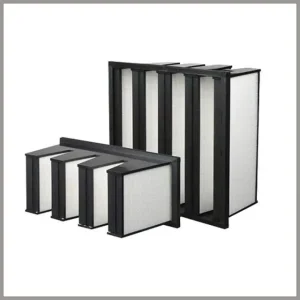
For OEMs and technical procurement departments globally, choosing an ODM partner with the ability to engineer and customize HEPA configurations to control the initial pressure drop (resistance) is critical. Higher density pleats offer larger surface areas, minimizing structural stress on air handler motors, maintaining uniform face velocity, and extending the filter's service life.
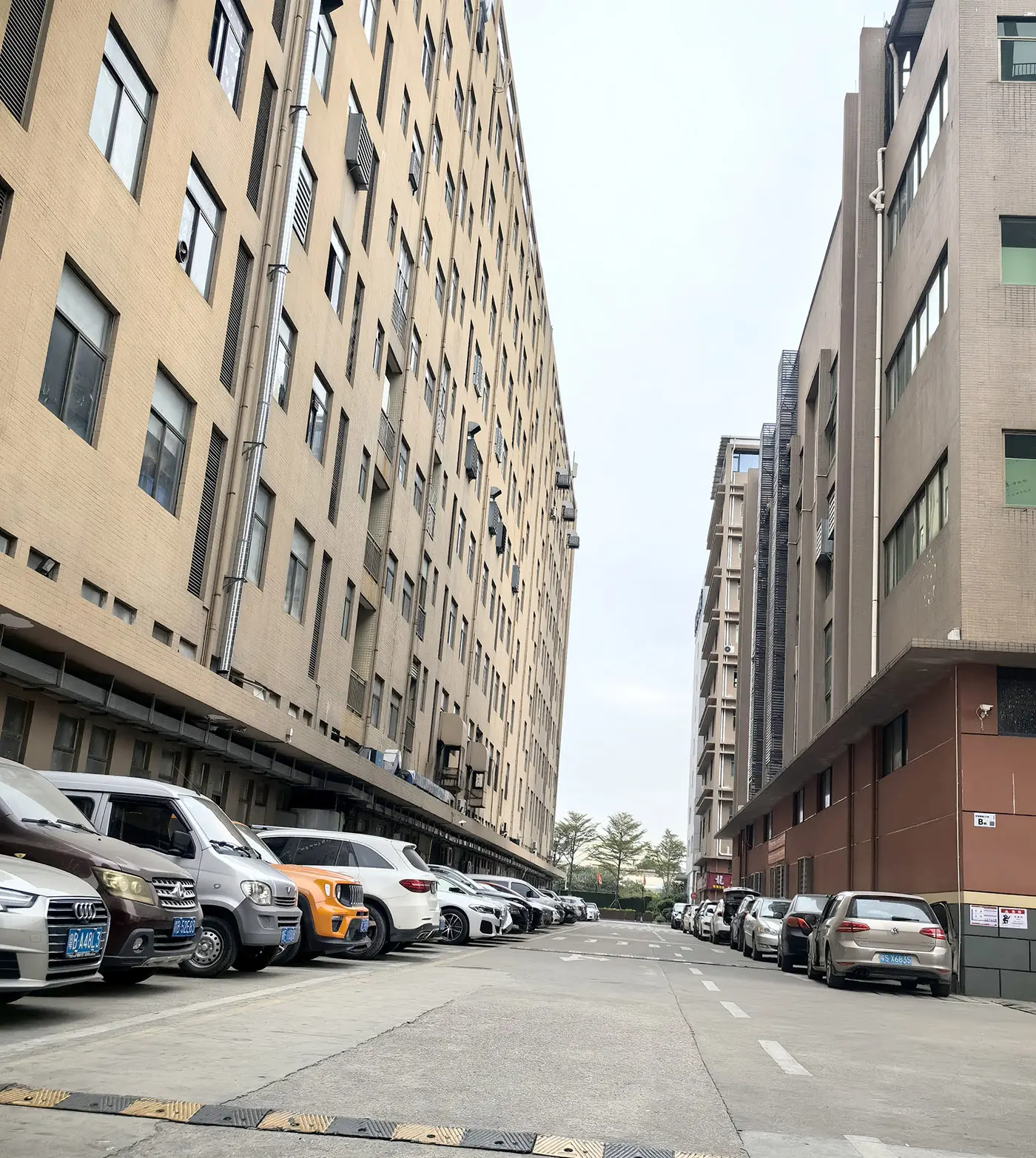
Shenzhen Snow Peak Clean Technology Co., Ltd. deploys state-of-the-art machinery to guarantee structural integrity and zero bypass leakage across all production lines.
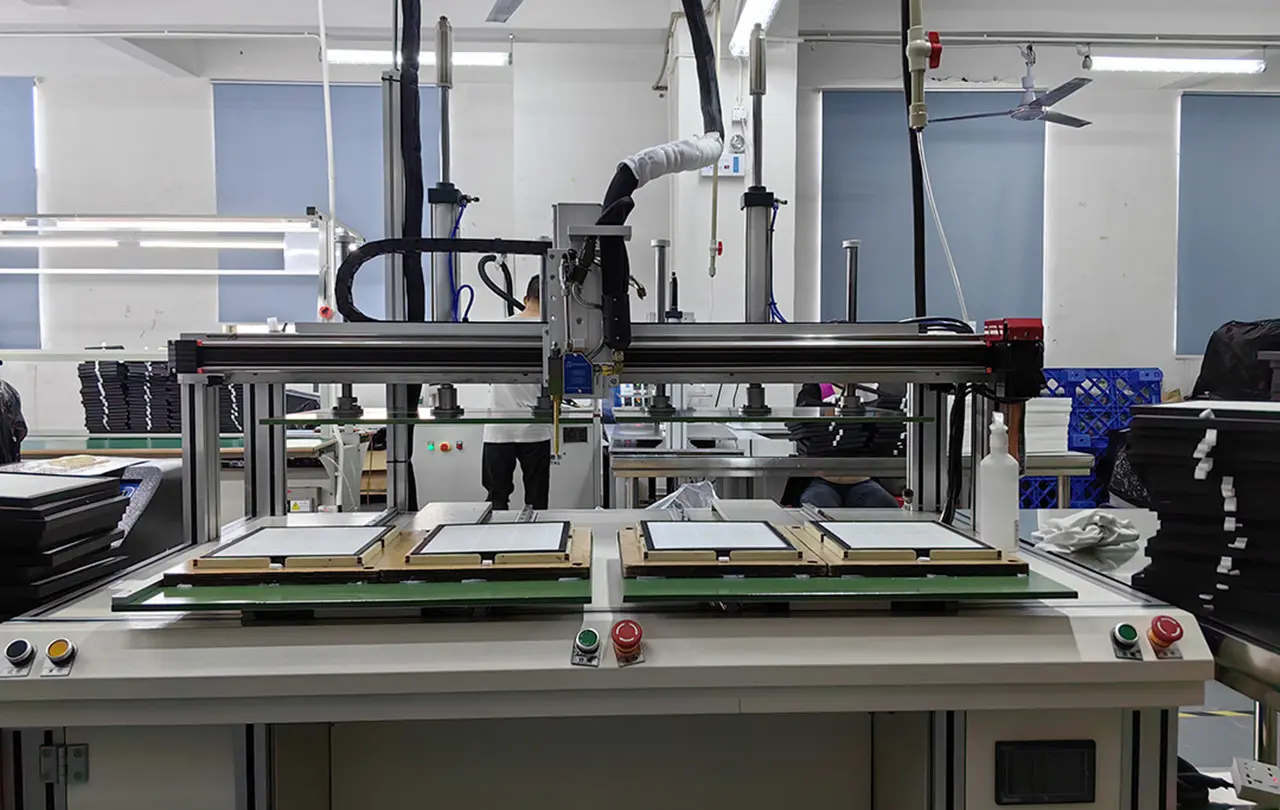
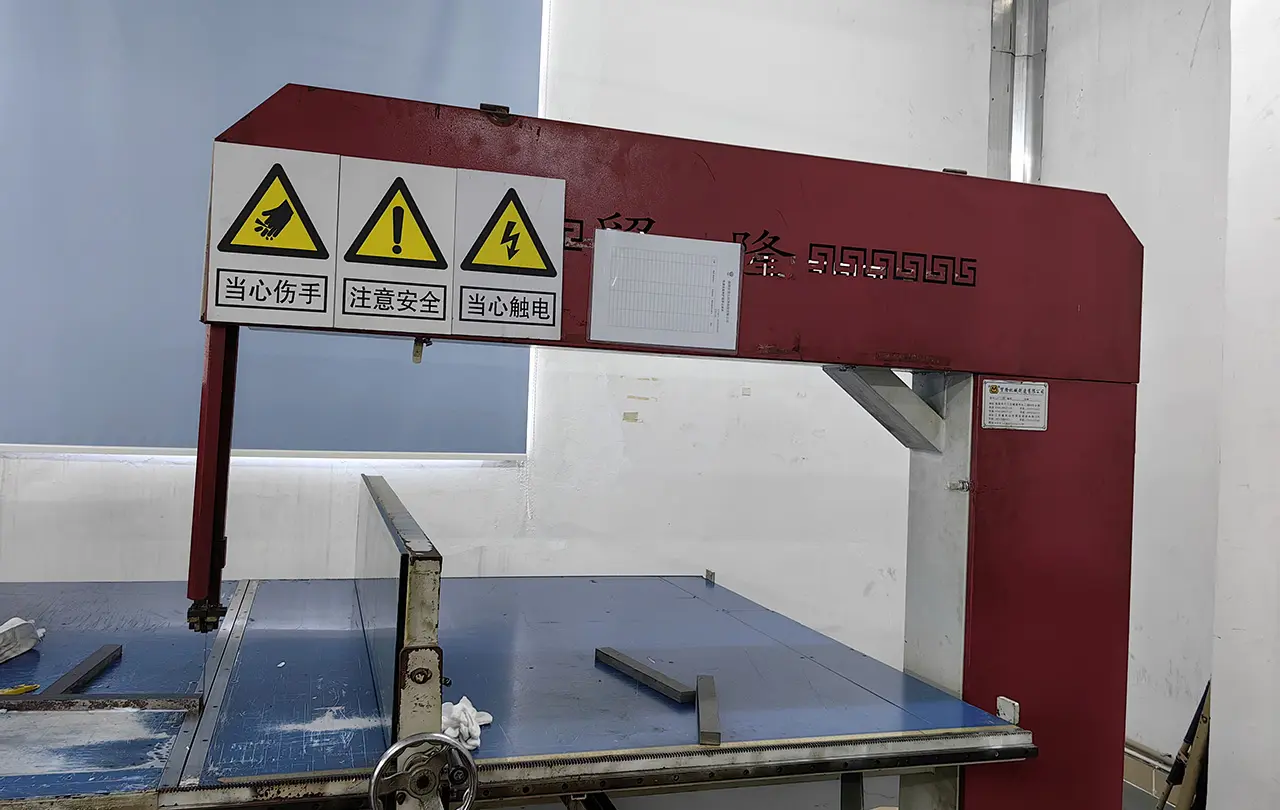
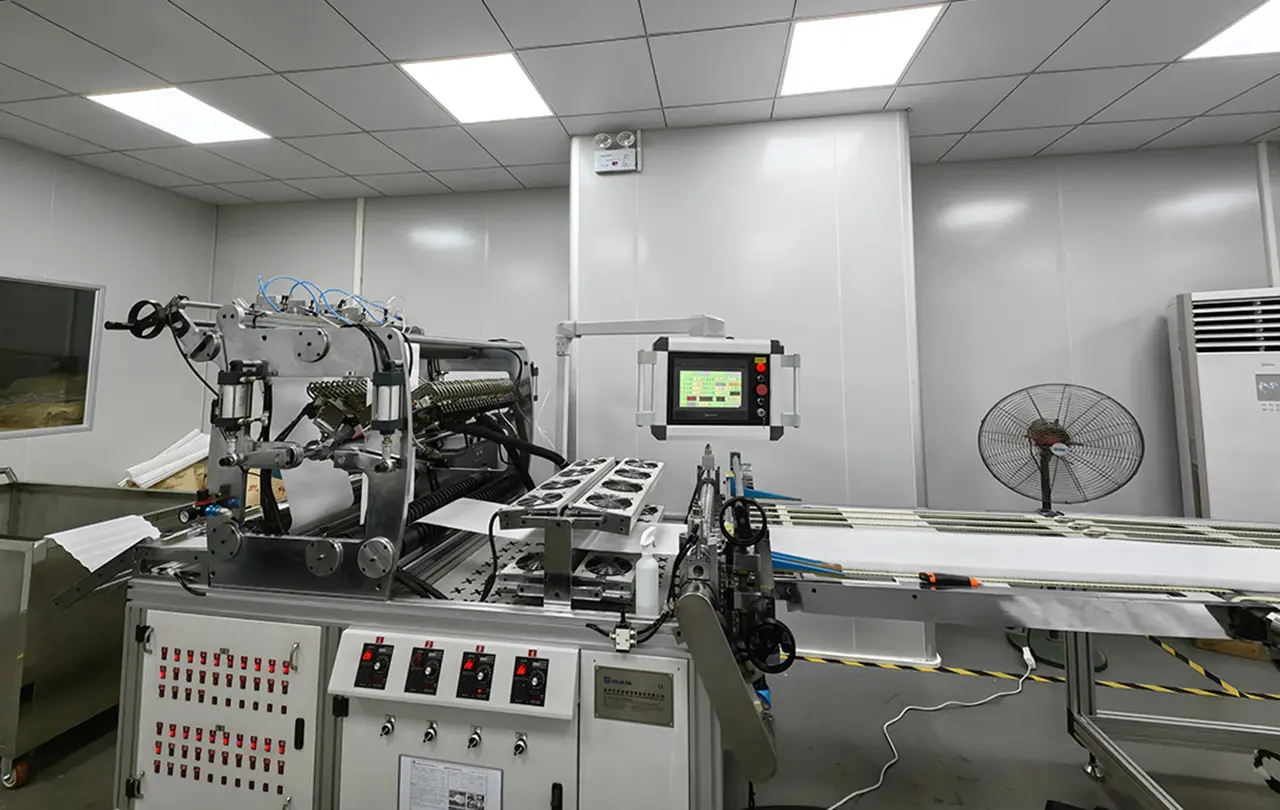
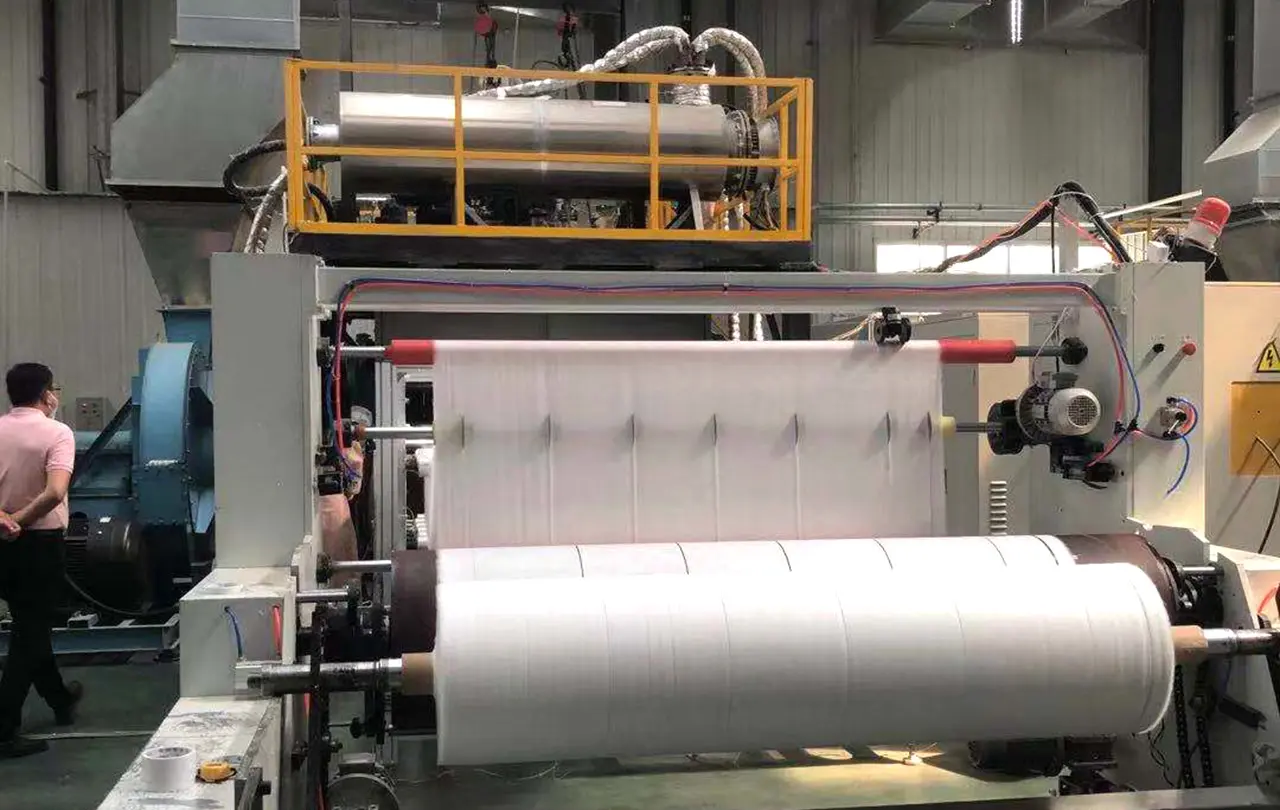
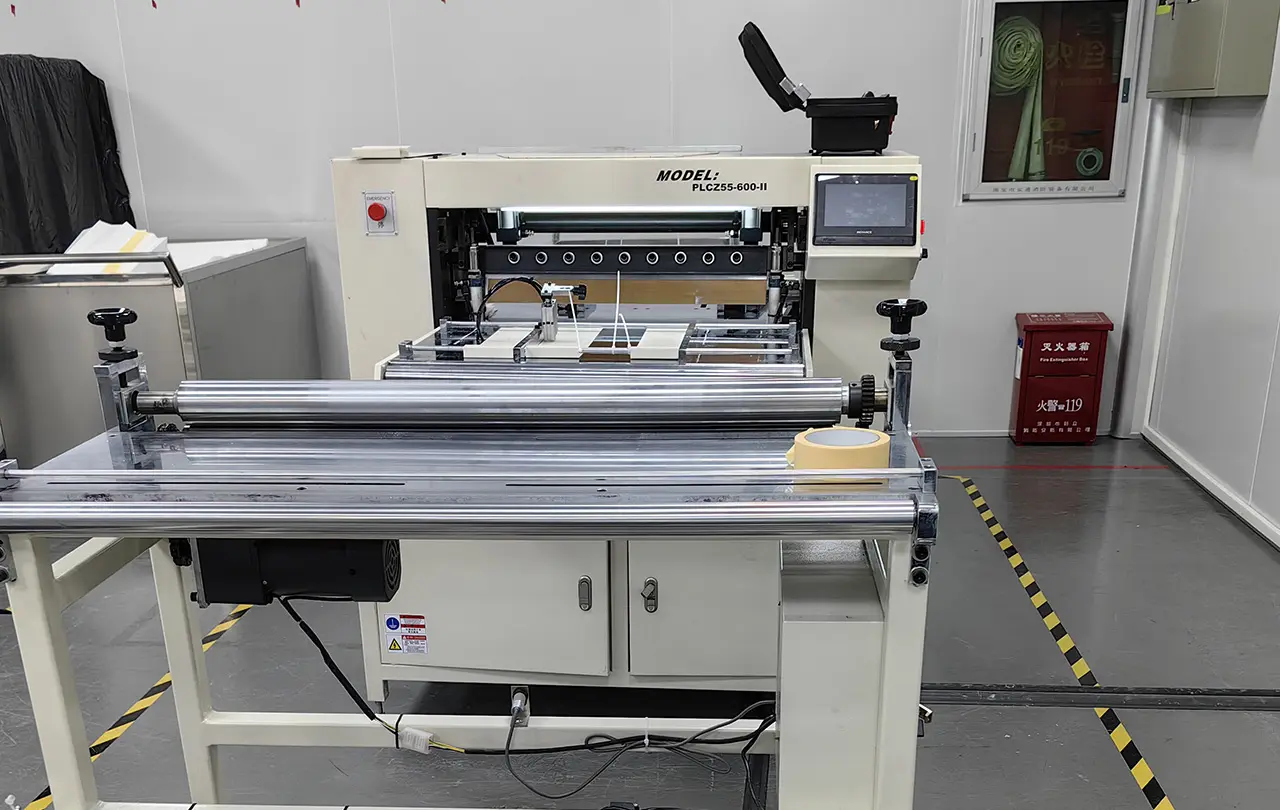
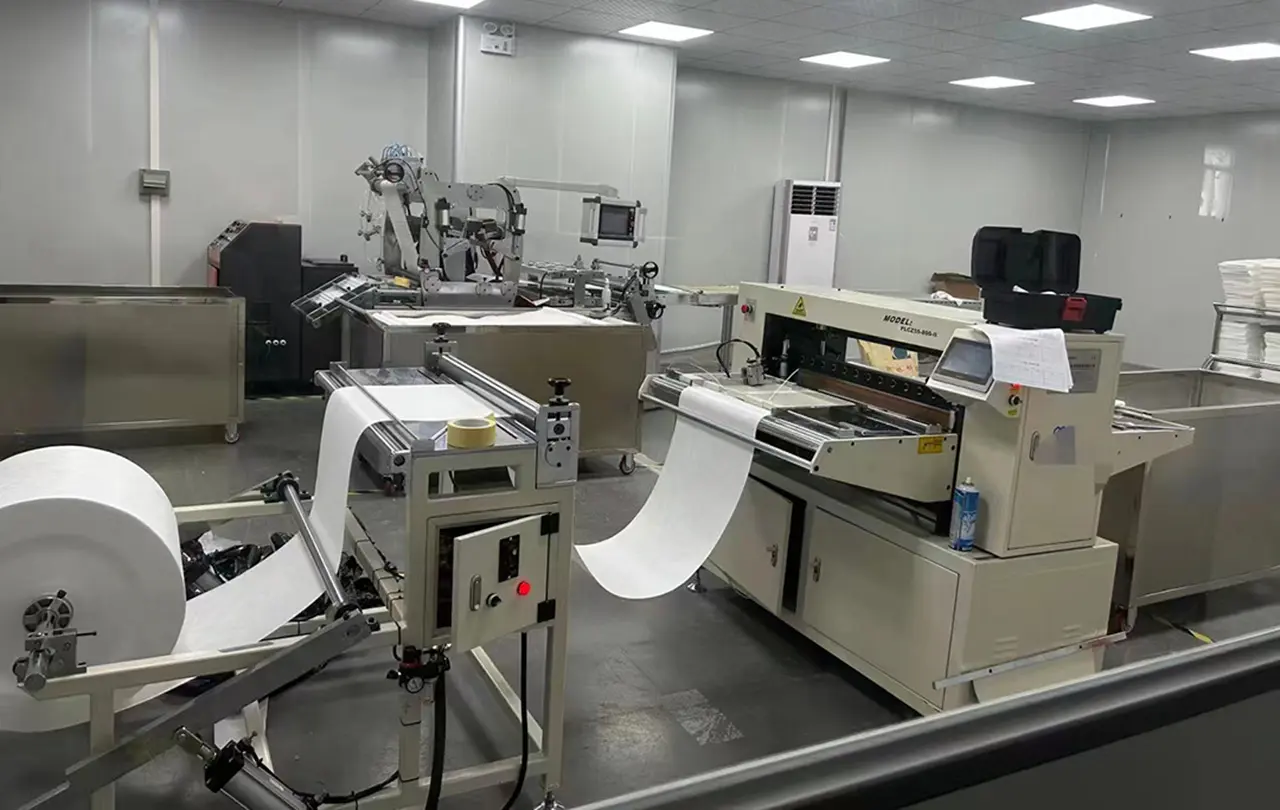
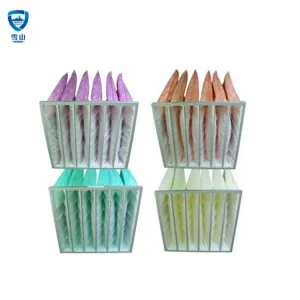
Established as a high-tech enterprise, Shenzhen Snow Peak Clean Technology Co., Ltd. has constructed a complete manufacturing and engineering ecosystem dedicated to premium indoor air purification and chemical filtration systems. Our engineering capabilities run the entire gamut of air purity controls: from G4, M5, M6, F7, F8, F9 pre-filtration pocket filters to H13 & H14 high-efficiency particulate air units, and customized volatile organic compound (VOC) removal gas phase systems.
By integrating 15 years of international technology experience, we have successfully developed patented antiviral and sterilizing True HEPA filters. Tested to the highest standard, our sterilizing antivirals reduce particle loads, holding PM2.5 levels down to a mere 10 micrograms per cubic meter—outperforming many national and international standards. Through active non-woven compound layers, they achieve a 99.9% microbial sterilization rate and display a 99.99% removal efficiency against the H1N1 influenza virus without producing secondary chemical byproducts.
Supported by state-of-the-art Japanese AMADA CNC punching and bending machines, alongside standardized cleanrooms, our quality management ensures structural tolerance alignment down to the millimeter. This mechanical rigidity protects delicate mini-pleated filter media, preventing bypass issues during high vibration or air pressure changes.
High-efficiency filtration requirements are reshaping smart cities, advanced packaging facilities, and automotive cabin environments globally.
Global corporations mandate supply chain partners who optimize system resistance metrics. Reduced initial pressure drop translates directly to lower fan energy usage, allowing high-performance HVAC systems to operate sustainably and meet strict corporate carbon reduction targets.
The acceleration of advanced node semiconductor fabs requires air handling systems that deliver near-zero molecular contamination. Outgassing-free sealants and lightweight aluminum mini-pleated HEPA configurations prevent chemical breakdown and structural degradation inside cleanrooms.
Post-pandemic commercial property developments, medical institutions, and university research clinics demand high-integrity H13 HEPA arrays. Antiviral active coatings that capture and neutralize airborne viruses prevent the risks of secondary biological growth on filter media.
The Chinese clean technology manufacturing sector has undergone a deep technological transformation, evolving from manual assembly into a highly integrated Factory 4.0 ecosystem. Shenzhen Snow Peak Clean Technology is at the forefront of this industrial shift. Through automated raw material processing, automated melt-blown and synthetic pocket assembly, and high-efficiency mini-pleat lines, we achieve production speeds and product consistency that conventional operations cannot match.
By controlling upstream processes—such as high-performance melt-blown material compounding and mechanical component design with advanced CNC setups—we eliminate supply chain delays and raw material volatility. Standardized manufacturing allows us to secure cost-efficiencies while guaranteeing compliance with strict CE and ISO testing guidelines.
Furthermore, our comprehensive testing protocols include DOP/DEHS aerosol leakage scanning for every single HEPA filter leaving our assembly line. This high level of testing provides commercial, pharmaceutical, and electronic hardware clients with absolute proof of performance, preventing potential bypass leakage problems.
From industrial microchip fabrication cleanrooms to healthcare institutions, H13 filtration is vital for keeping facilities operational.
Ultra-sensitive manufacturing zones require ceiling-integrated fan filter units (FFUs) fitted with H13-H14 mini-pleat filters. These units remove sub-micron airborne dust that could settle on raw wafers, preventing costly circuit defects and production scrap.
Our antiviral, high-efficiency HEPA solutions are used inside operating rooms, laboratories, and specialized clinics. Their 99.99% viral interception and antibacterial layers protect medical staff and patients from airborne pathogens and cross-contamination risks.
Modern shopping complexes, corporate headquarters, and academic complexes incorporate H13 HEPA systems within their main HVAC units. This protects occupants from heavy urban outdoor particulates (PM2.5/PM10) and optimizes overall indoor air quality index (AQI) ratings.
Get professional insights from our filter engineers on filtration efficiency, drop-in replacements, testing methods, and structural optimizations.
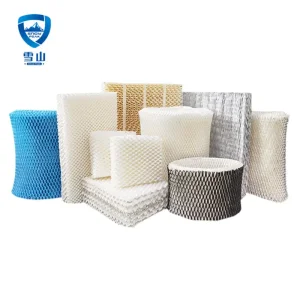
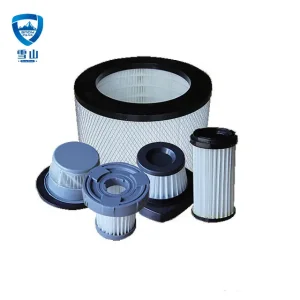
Explore our photocatalyst filters, replacement HEPA assemblies, and high-efficiency cylindrical air collectors designed for heavy-duty industrial systems.
 Snow Peak