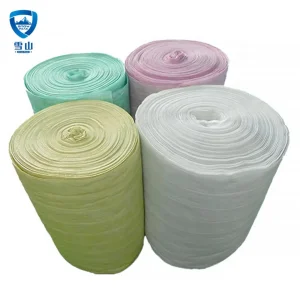
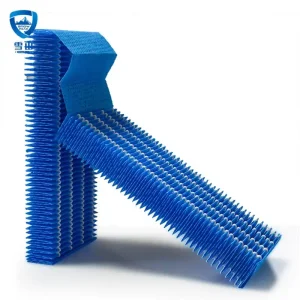
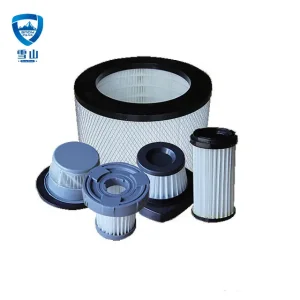
High-efficiency OEM/ODM replacement cartridges, primary roll media, and custom VOC/HEPA combination systems engineered for critical architectures.
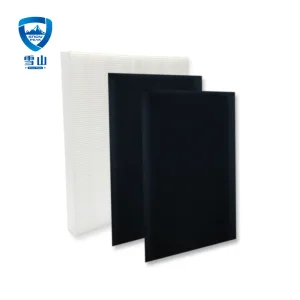
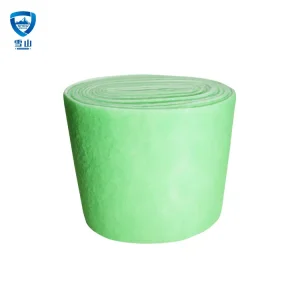
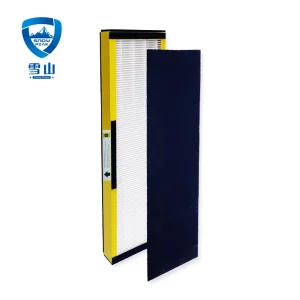
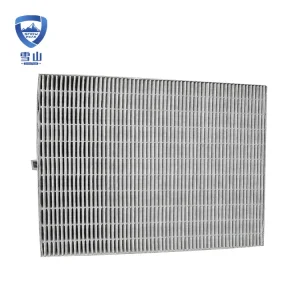
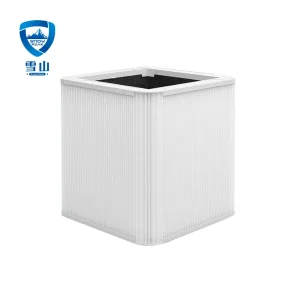
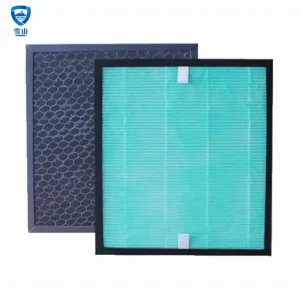
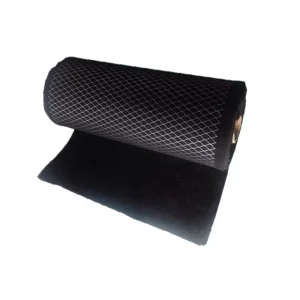
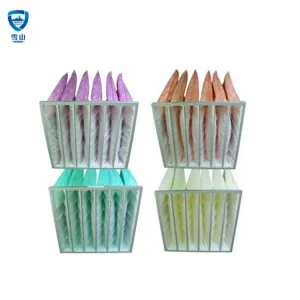
Shenzhen Snow Peak Clean Technology Co., Ltd. is an integrated high-tech enterprise, specialized in air filtration products research and development, production, sales, import and export trade. We produce and supply: Pre-filter, pocket filter, HEPA filter, chemical filter; replacement HEPA filter, car cabin air filter, humidifier filter; pocket filter media, melt-blown composite filter media, and other high-performance filter materials.
We provide high quality air purification solutions and products for indoor air pollution control and air conditioning systems of civil and industrial buildings, microelectronics, pharmaceutical, laboratory, school, hospital clean room etc. Combined with self-developed patented technology, our sterilizing antiviral HEPA filter can effectively filtrate fine particles, so that PM2.5 concentration down to 10 micrograms/m3, 5 times better than national standard; effectively inhibit the breeding of microorganisms, sterilization rate up to 99.9%, and no secondary pollution, removal of H1N1 virus efficiency as high as 99.99%.
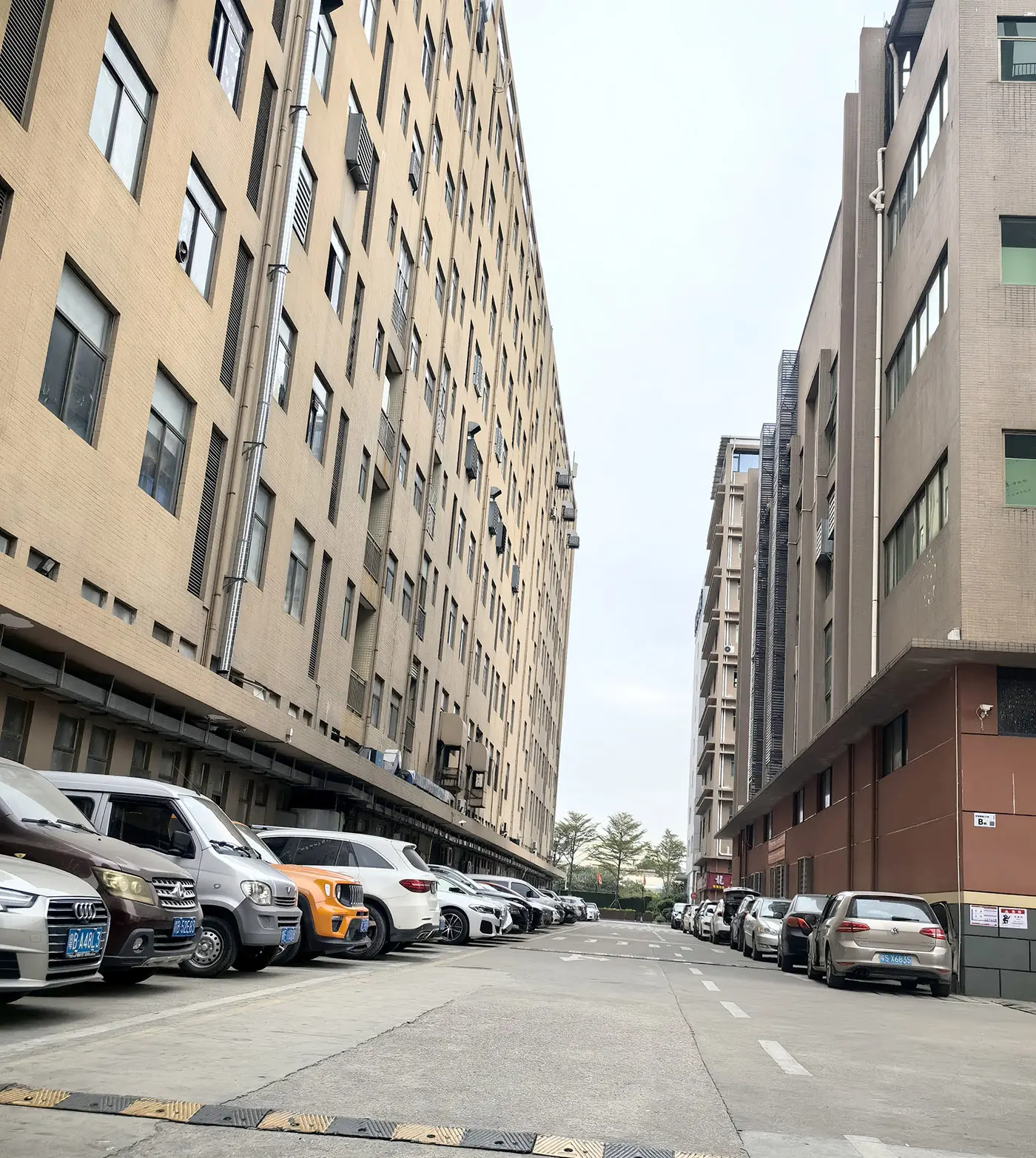
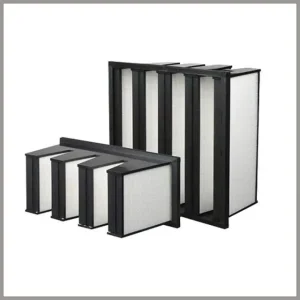
V-Cell filters (frequently categorized as V-Bank, multi-dihedral, or W-shaped HVAC HEPA systems) represent a milestone development in micro-particle fluid dynamics. Unlike standard flat panel pleats or single header deep-pleat filters, the V-cell architecture aligns multiple mini-pleat packs in a series of V-shaped geometries—typically ranging from 2V to 6V configurations. This deliberate geometric structure increases the active surface area of the filter medium within a restricted installation depth (typically 292mm or 12 inches).
Physical Law of Cleanroom Aerodynamics: By expanding the structural surface area of the filter media up to 2-3 times that of standard deep-pleat configurations, the local face velocity across the media is reduced. This reduction directly translates to a lower initial pressure drop, optimized laminar flow distribution, and exponentially higher dust holding capacity (DHC).
For industrial HVAC engineers and procurement directors, this configuration delivers substantial economic gains. Energy costs associated with driving supply fans account for over 70% of an air-handling system's total lifecycle cost (LCC). The V-Cell design significantly lowers resistance to airflow, allowing systems to maintain target flow rates while operating fans at reduced RPM. Consequently, this minimizes the carbon footprint of critical facilities such as semiconductor fabs, microelectronics assembly plants, and biopharmaceutical suites.
| Technical Specification Parameter | V-Bank / V-Cell Configuration (HEPA) | Traditional Deep Pleat (Separated Type) | Standard Header Panel Pleat |
|---|---|---|---|
| Effective Media Area (m² per 610x610mm) | 18.0 – 28.0 m² | 10.0 – 14.0 m² | 2.5 – 5.0 m² |
| Initial Resistance @ 2.5 m/s (Pa) | < 90 - 110 Pa | > 180 - 220 Pa | > 250 Pa |
| Dust Holding Capacity (DHC) (g/unit) | 600 – 900 g | 300 – 450 g | < 150 g |
| Typical Operational Lifespan (Months) | 24 – 36 Months | 12 – 18 Months | 3 – 6 Months |
The global filtration landscape is experiencing rapid transition towards sustainable, low-emissions, and hyper-efficient filtration media. Several macro trends are dictating the engineering specifications for the next generation of V-Cell filters:
While micro-glass fibers remain the standard due to their thermal stability and chemical resistance, synthetic polymer nanofibers are gaining market share. Advanced electrospun nanofibers provide high mechanical collection efficiency with significantly lower pressure drop. Furthermore, synthetic media eliminates the risk of fiber shedding, which is critical in cleanroom facilities where glass fragment contamination can ruin sub-10nm silicon wafer processes.
The COVID-19 pandemic and subsequent global focus on biosecurity have accelerated the demand for filters that do more than physically trap bio-aerosols. Integrating antiviral coatings within the melt-blown or composite media ensures that trapped pathogens are neutralized. Shenzhen Snow Peak’s patented antiviral technology demonstrates a sterilization rate of up to 99.9% and H1N1 virus removal efficiency of 99.99%, addressing a critical need for hospitals and research labs.
Traditional V-bank filters rely heavily on virgin polystyrene (ABS) plastic or heavy galvanized steel sheet metal for framing. Modern environmental directives, such as the European Union’s Circular Economy Action Plan, encourage the development of frames constructed from recycled polymers or fully biodegradable wood-fiber composites. Our engineering team actively tests lightweight, incinerable, halogen-free plastic frames that minimize ecological impact during disposal.
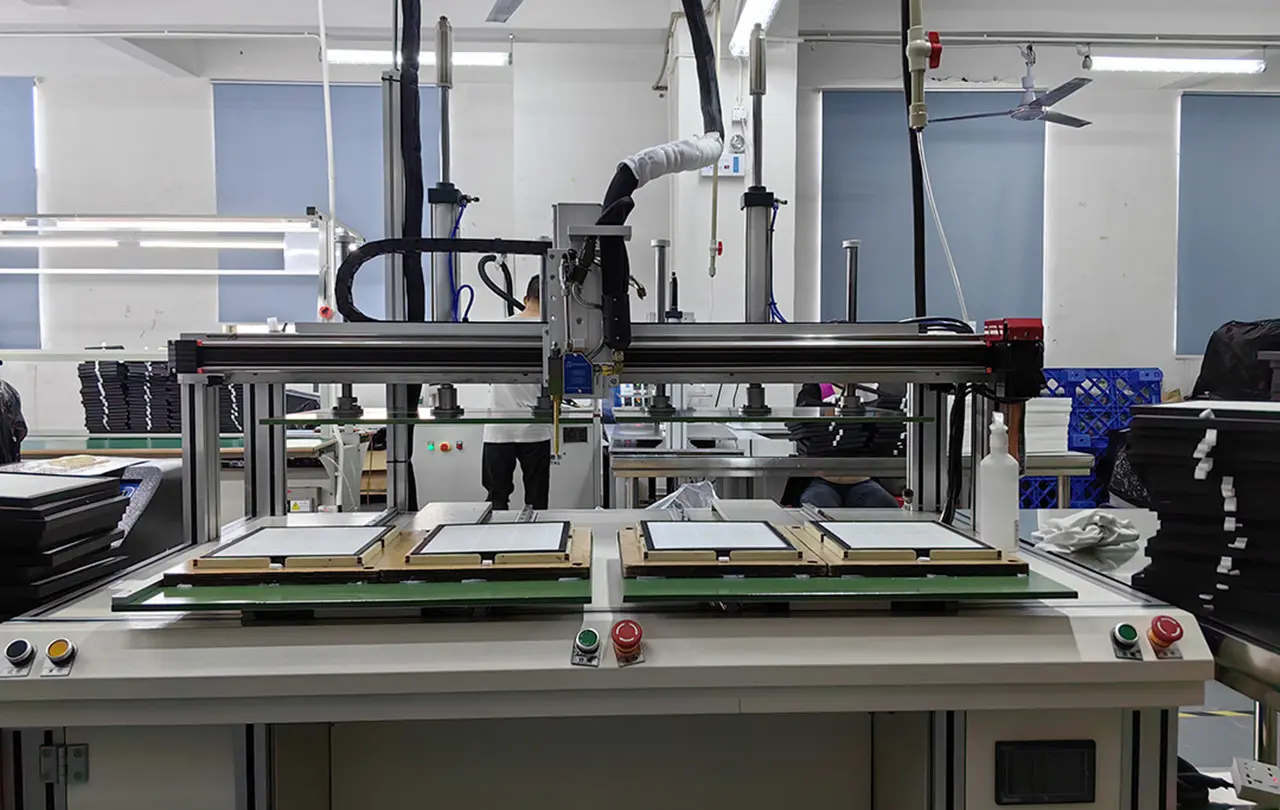
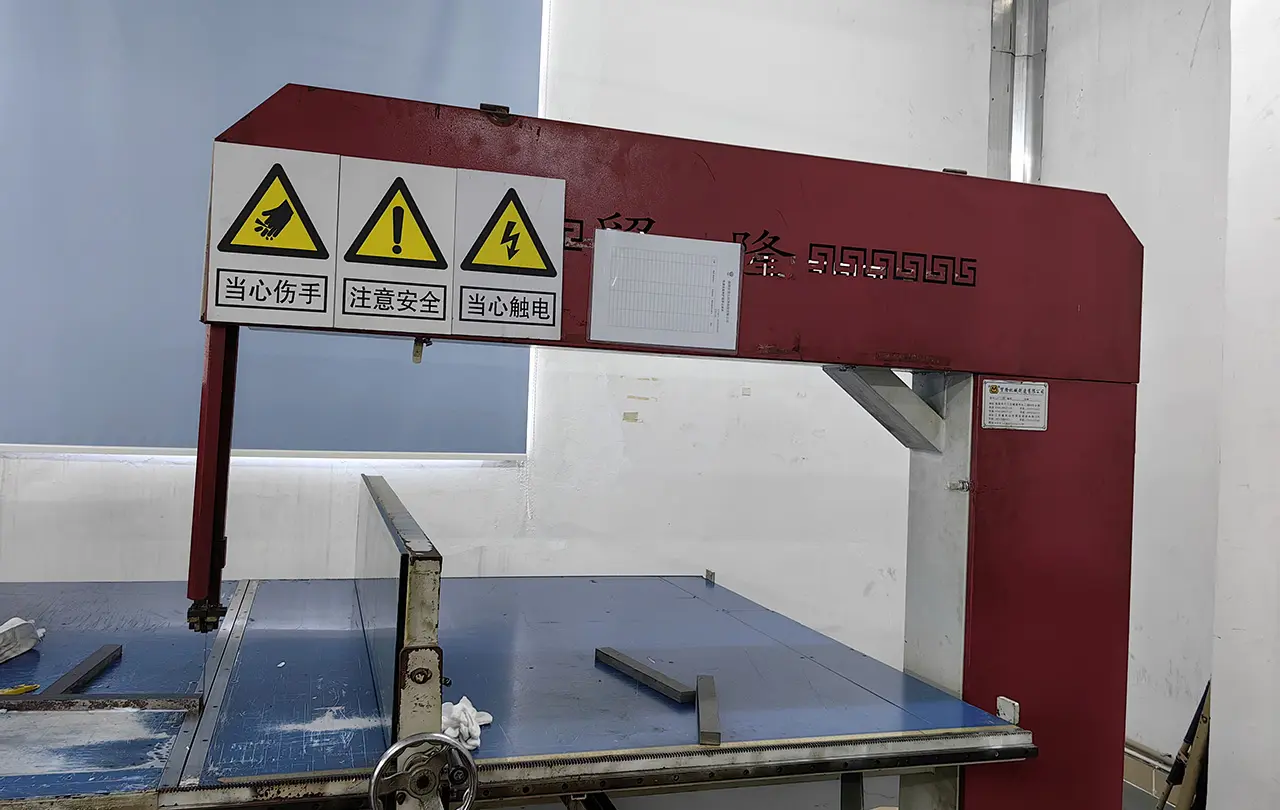
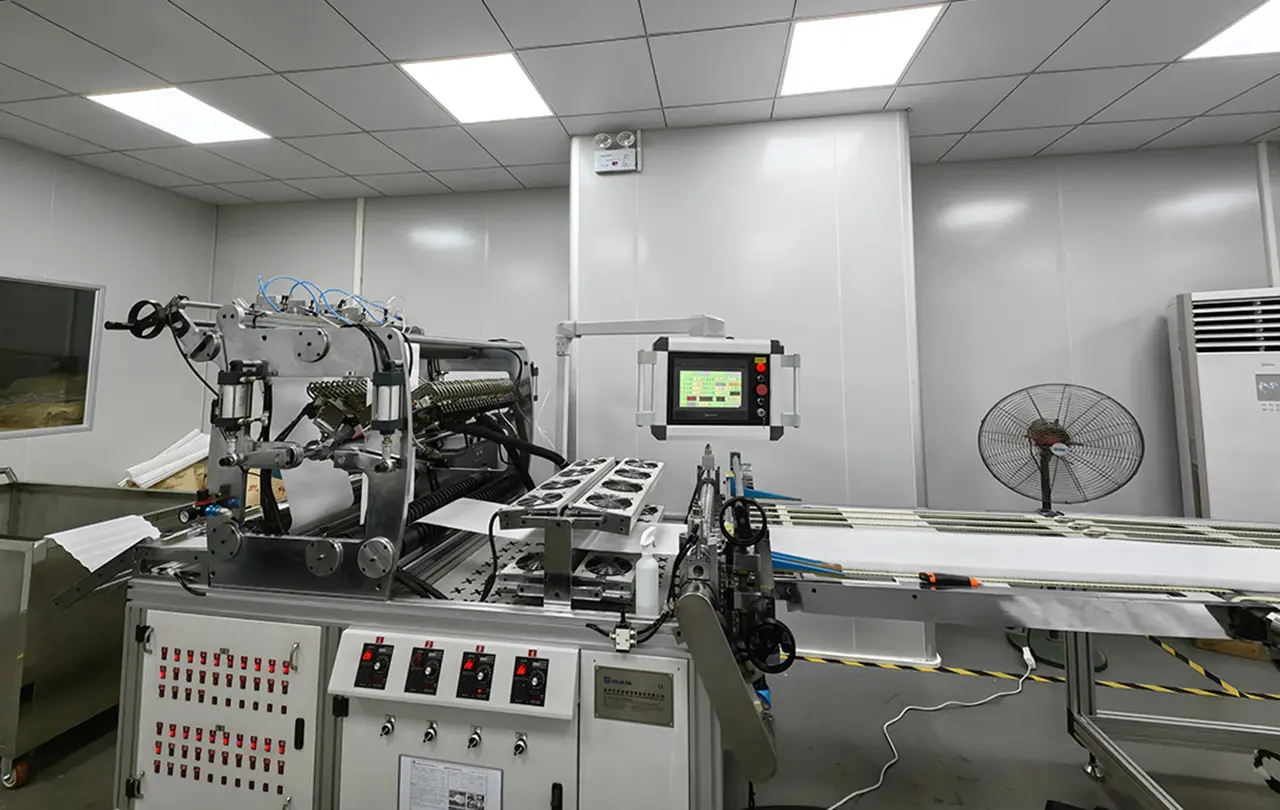
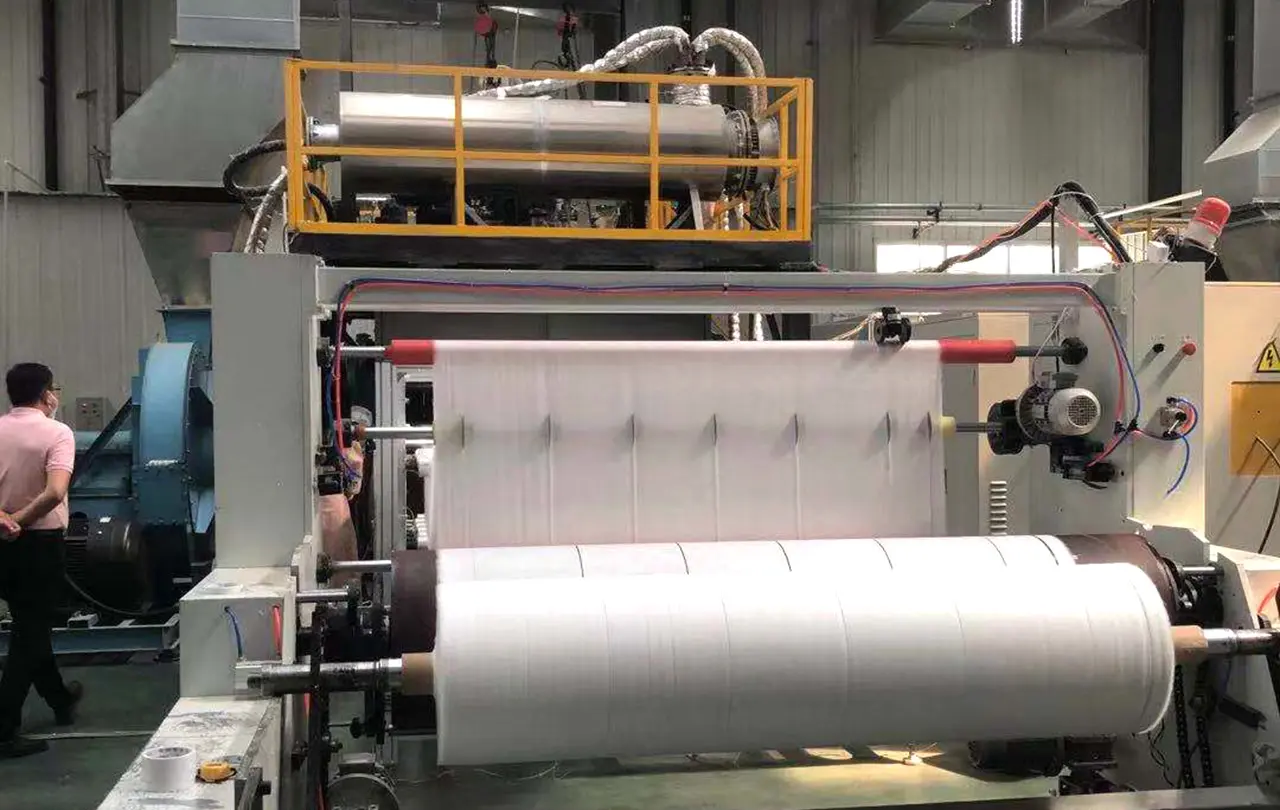
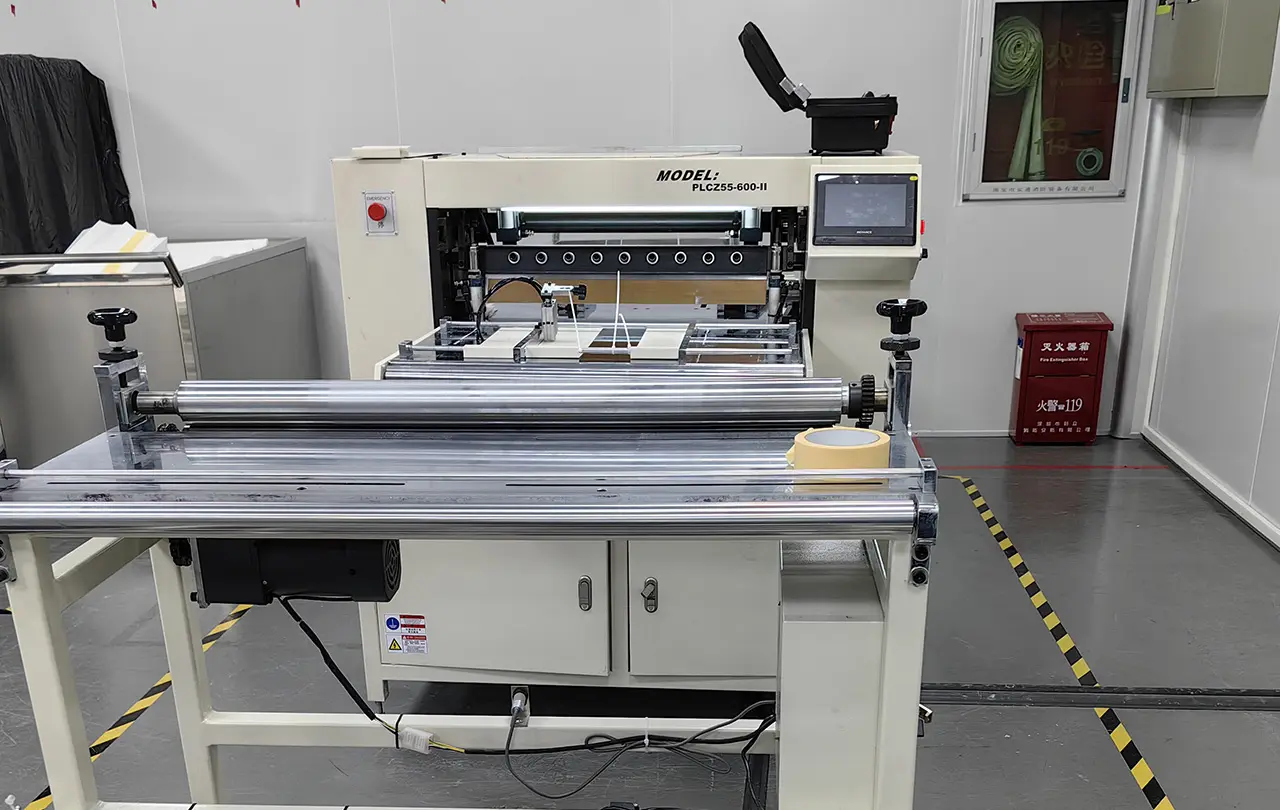
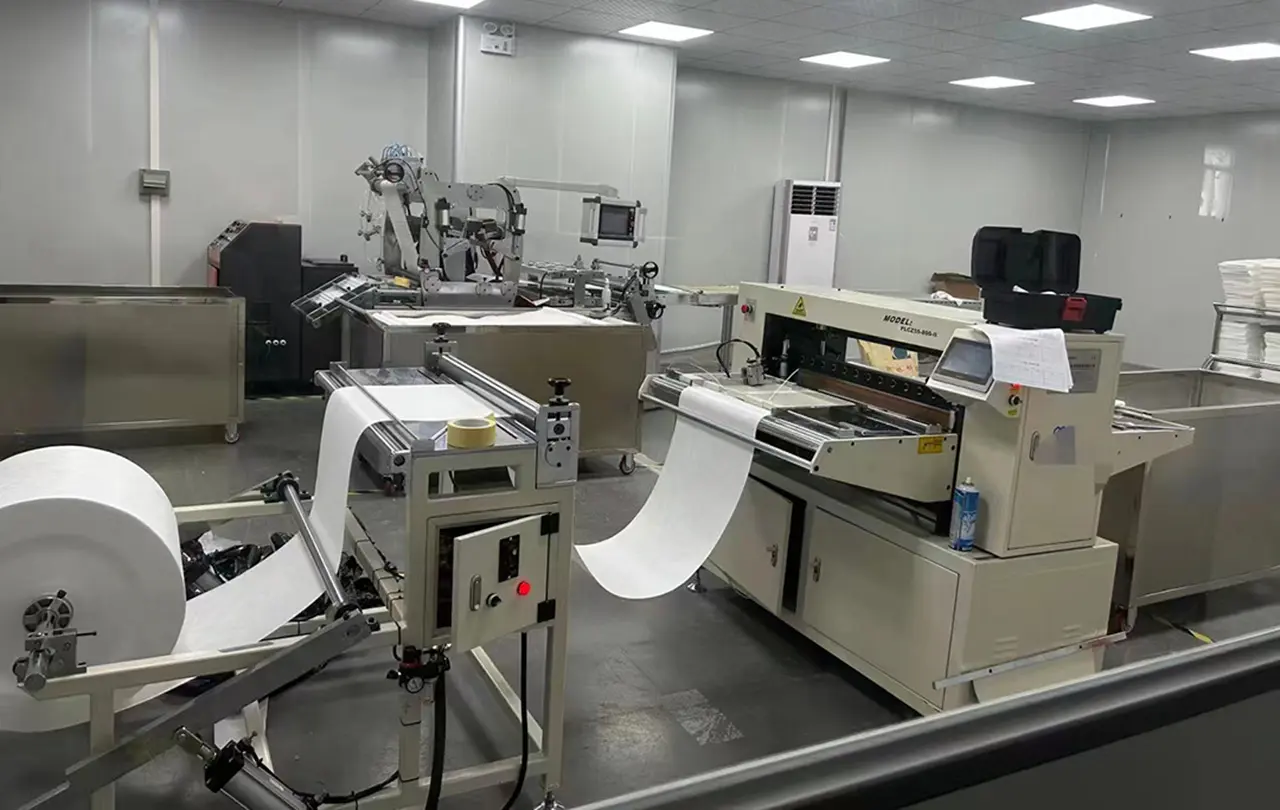
Snow Peak leverages 15 years of air purification expertise, deploying a standardized dust-free workshop, automated CNC punching, and precision pleating systems to ensure premium product quality.
Our production environment is optimized to guarantee high-precision assembly for HEPA, ULPA, and W-shape V-bank filters. Equipped with AMADA CNC punch systems, CNC bending machines, and automated polyurethane hot-melt sealing systems, our facility achieves excellent structural integrity. This ensures airtight seals across all filter configurations, preventing bypass leaks and ensuring compliance with stringent EN 1822 leakage testing protocols.
Sourcing air filtration equipment for multinational operations requires balancing quality, regulatory compliance, and cost-efficiency. Our global procurement team has identified several key operational challenges and offers target solutions:
Differing testing standards between regions (ASHRAE 52.2 in North America vs. ISO 16890 in Europe) often complicate sourcing. Snow Peak resolves this by dual-testing all filtration batches, issuing certificates for both ePM1/ePM2.5 efficiencies and corresponding MERV ratings.
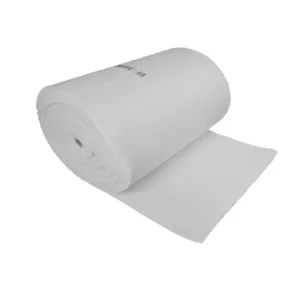
Long sea-freight lead times can disrupt plant maintenance schedules. We maintain raw roll materials in stock and run three semi-automated V-Bank assembly lines, reducing OEM/ODM production lead times to 10-15 business days.
Lower purchase prices often lead to high utility expenses due to inefficient pressure drops. Our technical sales engineers use computerized Life Cycle Cost (LCC) projection tools to help clients balance purchase cost against energy savings.
Clean air is critical for high-technology industrial processes. Our custom V-Cell filtration products are integrated into several key macro industrial solutions:
Silicon wafer fabrication is highly sensitive to airborne molecular contamination (AMC). Standard particulate filters cannot capture trace VOCs, dopants, or acid gases. We engineer custom W-shape composite media that combines ultra-low penetration air (ULPA) glass-fiber layers with high-capacity chemically impregnated activated carbon media. This setup removes both organic molecules and physical particles down to 0.1 microns in a single installation frame.
Sterile fill-finish lines demand zero biological contamination. Standard V-Cell filters must withstand decontamination routines using aerosolized hydrogen peroxide (VHP). Snow Peak supplies pharmaceutical-grade V-cell units with chemically inert polyurethane potting compounds and anodized aluminum frames, preventing degradation or outgassing during sterilization.
Heavy duty power generation gas turbines require continuous air intake, exposing them to sandstorms, fine salt spray, and moisture. Coastal environments can lead to compressor corrosion from salt crystal dissolution. We supply multi-stage hydrophobic V-cell filters that coalesce water droplets and repel salt particles, ensuring long-term turbine operational uptime.
As a global OEM/ODM supplier, we align our design and manufacturing workflows with leading regulatory frameworks. Every batch of air filters leaving our cleanroom assembly line undergoes testing to verify compliance with international standards:
For HEPA and ULPA grades (E10 to U17), we deploy state-of-the-art oil aerosol generators (DEHS/PAO) and particle counters. This testing determines fractional collection efficiency at the Most Penetrating Particle Size (MPPS) and scans for pinhole leaks to guarantee the structural integrity of the filter face.
Recognizing the shift from the old EN 779 system (G4-F9), our medium filters are graded by their fractional efficiency against specific PM fractions. This allows HVAC engineers to model cleanroom particle concentrations based on local outdoor air pollution data.
Essential technical answers from our engineering desk regarding installation, configuration, and optimization of V-Cell systems.
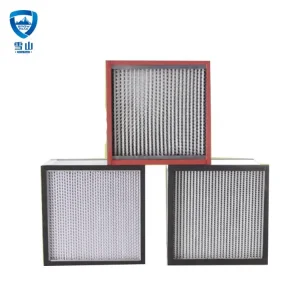
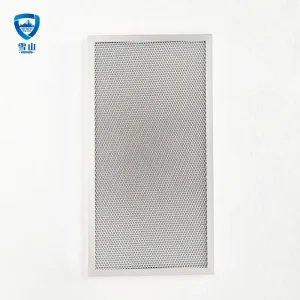
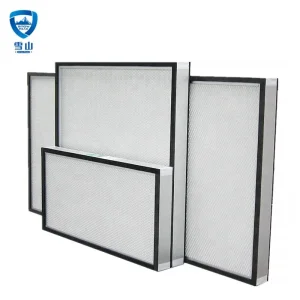
Standard and custom-engineered options for HVAC retrofitting, heavy dust collection, and cleanroom air conditioning systems.
 Snow Peak