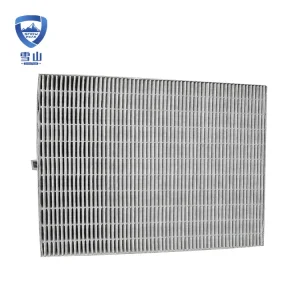
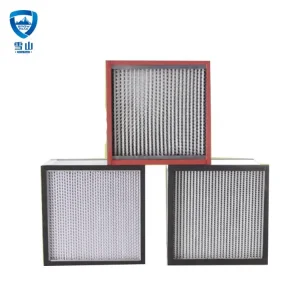
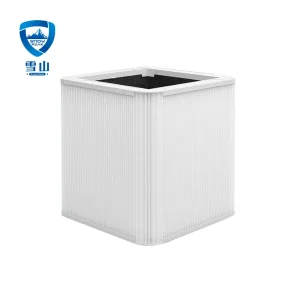
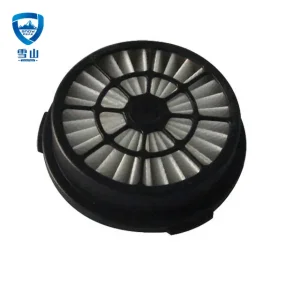
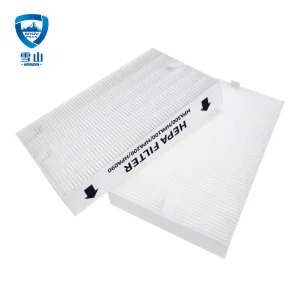
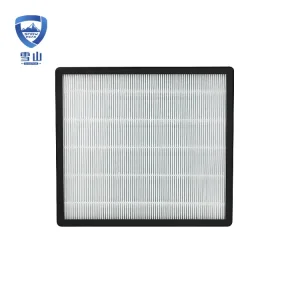
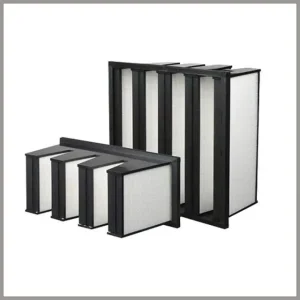
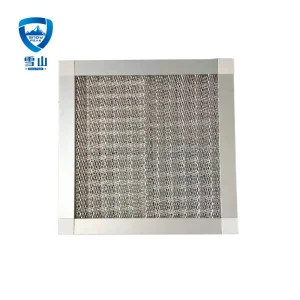
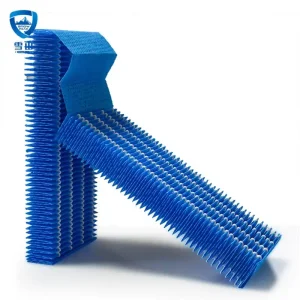
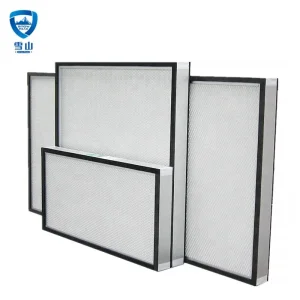
Explore our high-performance replacement HEPA filters, customized structural modules, and carbon-infused containment solutions engineered for maximum volumetric efficiency.
In modern manufacturing ecosystems, air cleanliness is not merely a preference; it is a critical variable that directly governs product yield, safety, and regulatory compliance. The 24x48 HEPA filter (measuring exactly 24 by 48 inches or 2 feet by 4 feet, roughly 610 × 1220 mm) represents the global standard size for Fan Filter Units (FFUs) used in modular cleanrooms, surgical suites, and advanced electronics production plants.
This specific dimensional footprint has emerged as the industry gold standard due to its optimized aspect ratio, offering an ideal balance between volumetric airflow capacity, spatial ceiling grid integration, and structural stability. Choosing the correct OEM manufacturer ensures that these large-scale filters retain perfect structural seal integrity, minimizing air bypass and keeping operating static pressure drops low.
From microelectronics fabrication to critical sterile drug compounding, Shenzhen Snow Peak Clean Technology Co., Ltd. delivers customized and standard-sized 24x48 filters utilizing cutting-edge mini-pleating technologies, advanced liquid silicone gaskets, and resilient structural frame designs.
Our OEM 24x48 HEPA Filters are manufactured in multiple performance grades to match the stringent requirement classes of global standards bodies (EN1822 / ISO 29463).
| Filter Class (EN1822) | Efficiency (MPPS @ 0.3μm) | Recommended Face Velocity | Initial Pressure Drop (Pa) | Frame Materials & Depths | Primary Industrial Applications |
|---|---|---|---|---|---|
| H13 | ≥ 99.97% | 0.45 m/s (90 FPM) | ≤ 80 Pa | Extruded Aluminum, Galv, SS (69mm - 150mm) | Commercial HVAC, Class 10,000 Cleanrooms, Labs |
| H14 | ≥ 99.995% | 0.45 m/s (90 FPM) | ≤ 95 Pa | Anodized Aluminum Profile (80mm - 292mm) | Pharmaceutical Filling, Semiconductor Class 100 |
| U15 (ULPA) | ≥ 99.9995% | 0.35 - 0.45 m/s | ≤ 120 Pa | Gel-Seal Aluminum Profile | Nano-tech, Wafer Stepper Chambers, Aerospace Assembly |
| High-Temp HEPA | ≥ 99.97% | 0.5 m/s | ≤ 110 Pa | Stainless Steel Frame, Glass Sealant (250°C Max) | Hot Air Depyrogenation Tunnels, Painting Ovens |
*Note: Standard sizing for 24x48 filters translates to actual nominal dimensions of 570 × 1170 mm, 610 × 1220 mm, or custom-configured sizes to fit any proprietary ceiling modular suspension grid framework.
An integrated high-tech enterprise dedicated to advanced air filtration research, domestic manufacturing, and international B2B exportation.
Shenzhen Snow Peak Clean Technology Co., Ltd. is a leading integrated high-tech enterprise specializing in air filtration products research, development, state-of-the-art production, worldwide sales, and import/export trade. We design and deliver clean air solutions across a highly diversified product catalog including:
Combined with our self-developed patented technology, our sterilizing antiviral HEPA filter can effectively filtrate fine particulate matter down to PM2.5 concentrations of less than 10 micrograms per cubic meter—performing 5 times better than the current national baseline. By combining silver-ion coatings and organic compounds, they effectively inhibit micro-organism breeding with a sterilization rate of up to 99.9% without producing secondary air pollutants, and achieve an H1N1 influenza virus eradication efficiency of 99.99%.
Serving microelectronics, pharmaceuticals, hospital operating rooms, testing laboratories, clean educational institutions, and heavy commercial spaces globally.
Technical Support: [email protected]
B2B Inquiry Line: [email protected]
Global Logistics: Shenzhen Port Hub / Hong Kong Hub
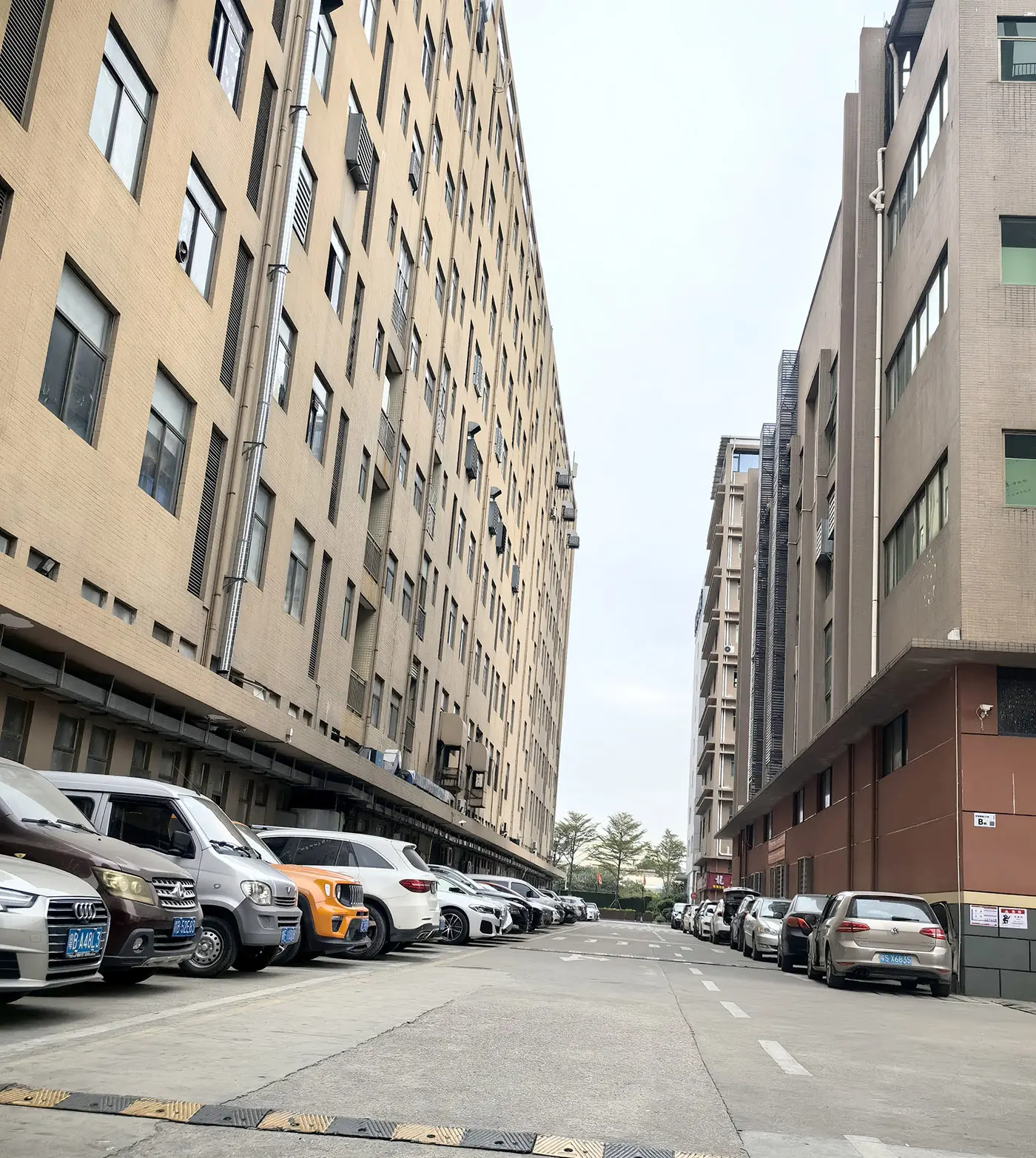
Equipped with AMADA CNC punch and bending systems and fully automated dust-free HEPA filter production lines, we ensure zero leaks and mechanical resilience.
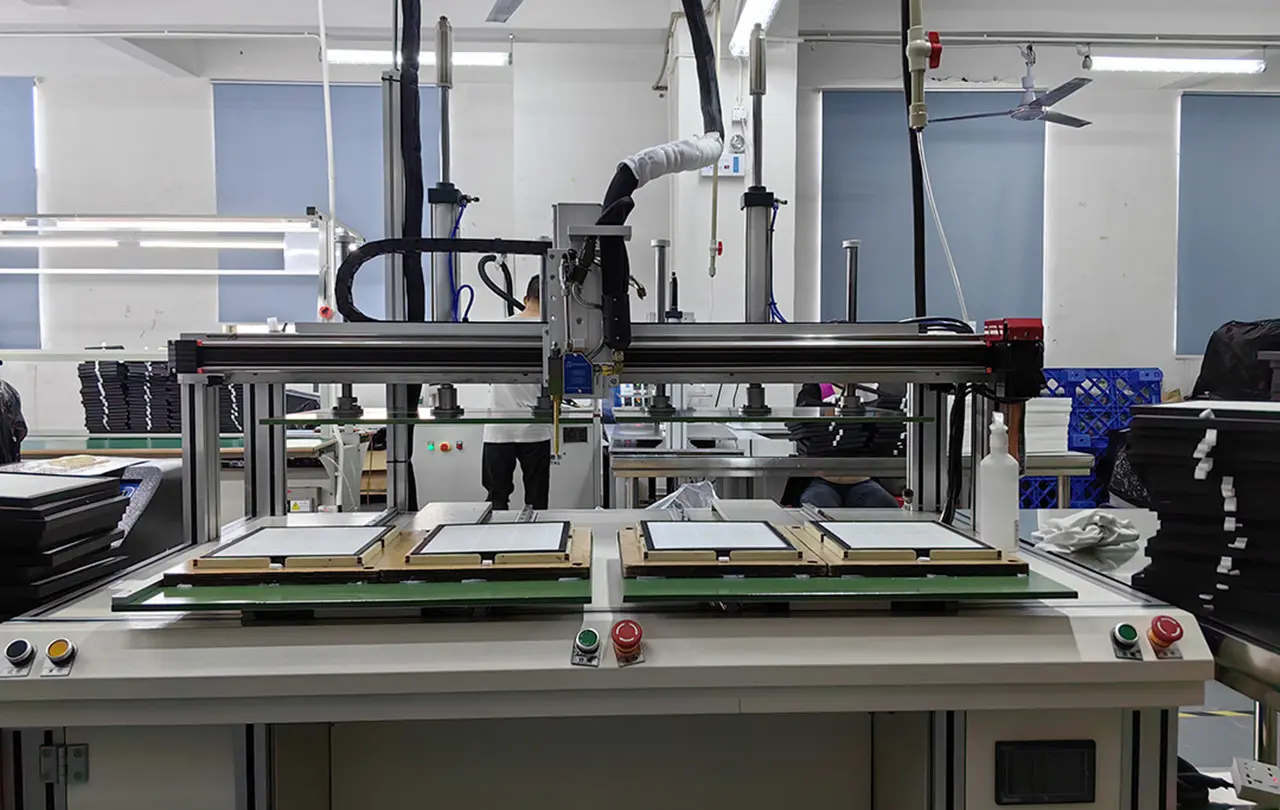
High-precision polyurethane hot-melt dispensers ensure consistent pleat spacing, structural support, and hermetic edge seals.
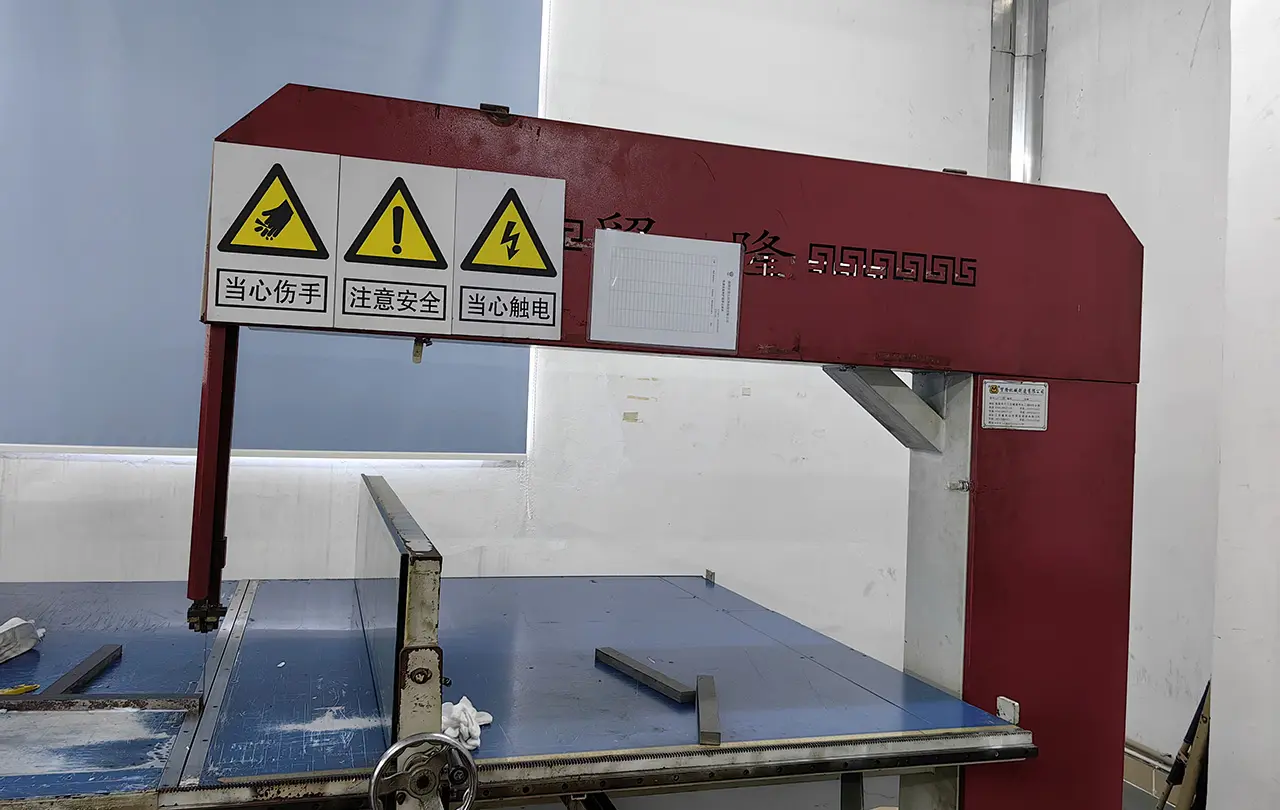
Ensures exact raw filter media dimensions for custom frame structures, reducing material stress and pleat deformation.
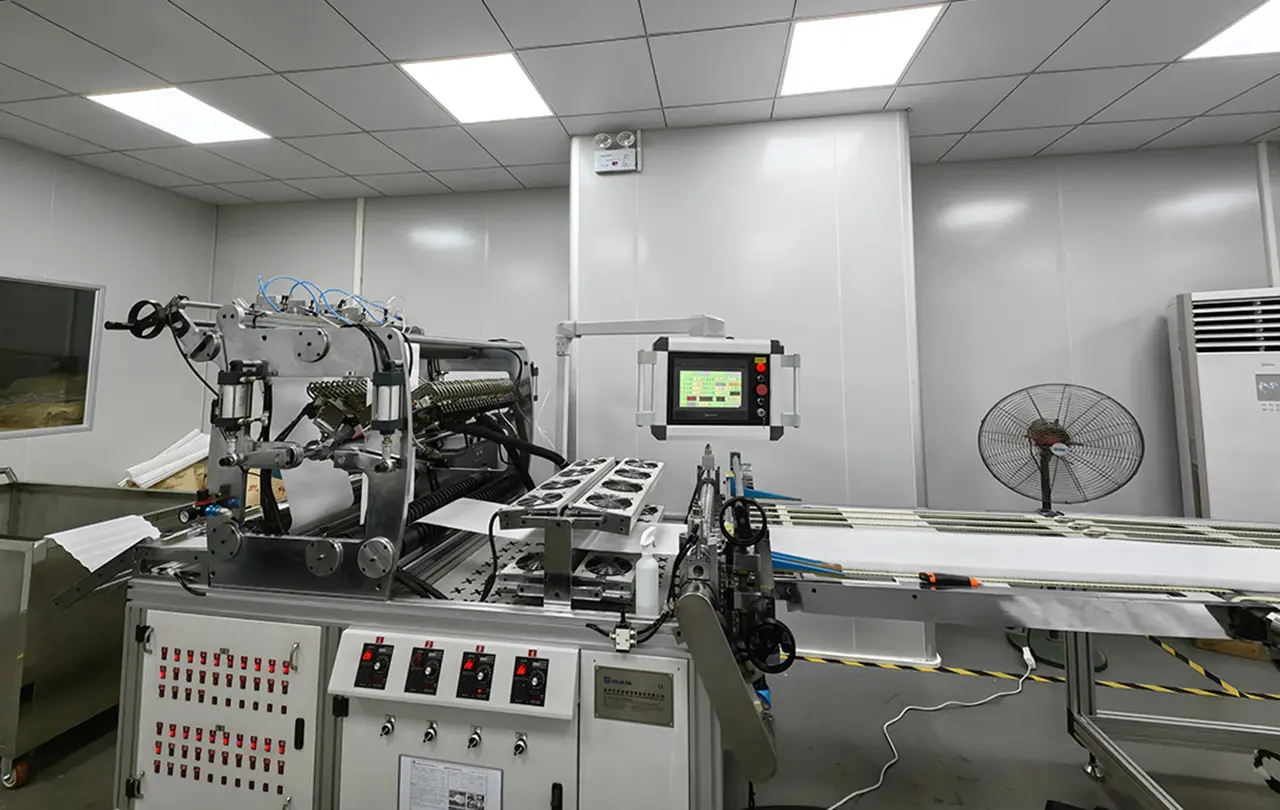
Perimeter bonding locks the mini-pleat pack into aluminum or steel frames to eliminate bypass leak paths.
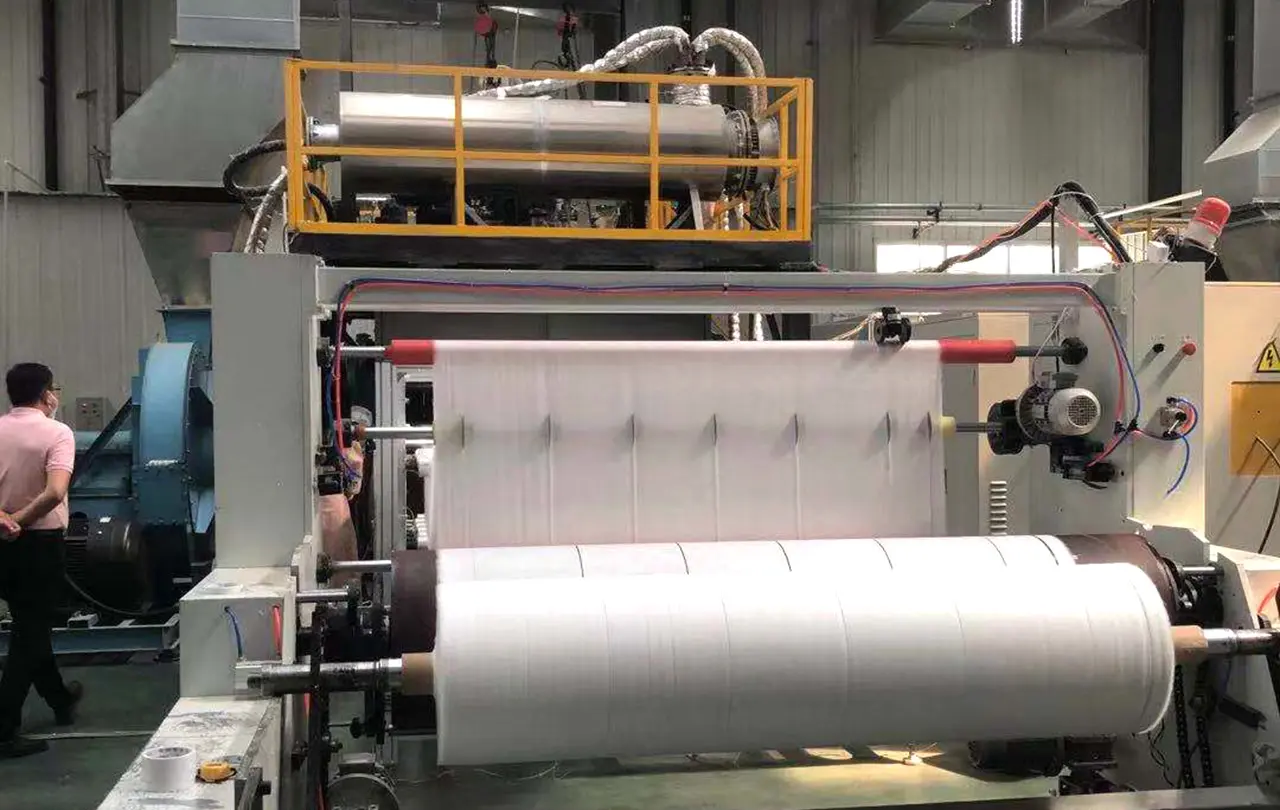
Laminating fiberglass or synthetic media with support layers to optimize physical strength and aerodynamic resistance.
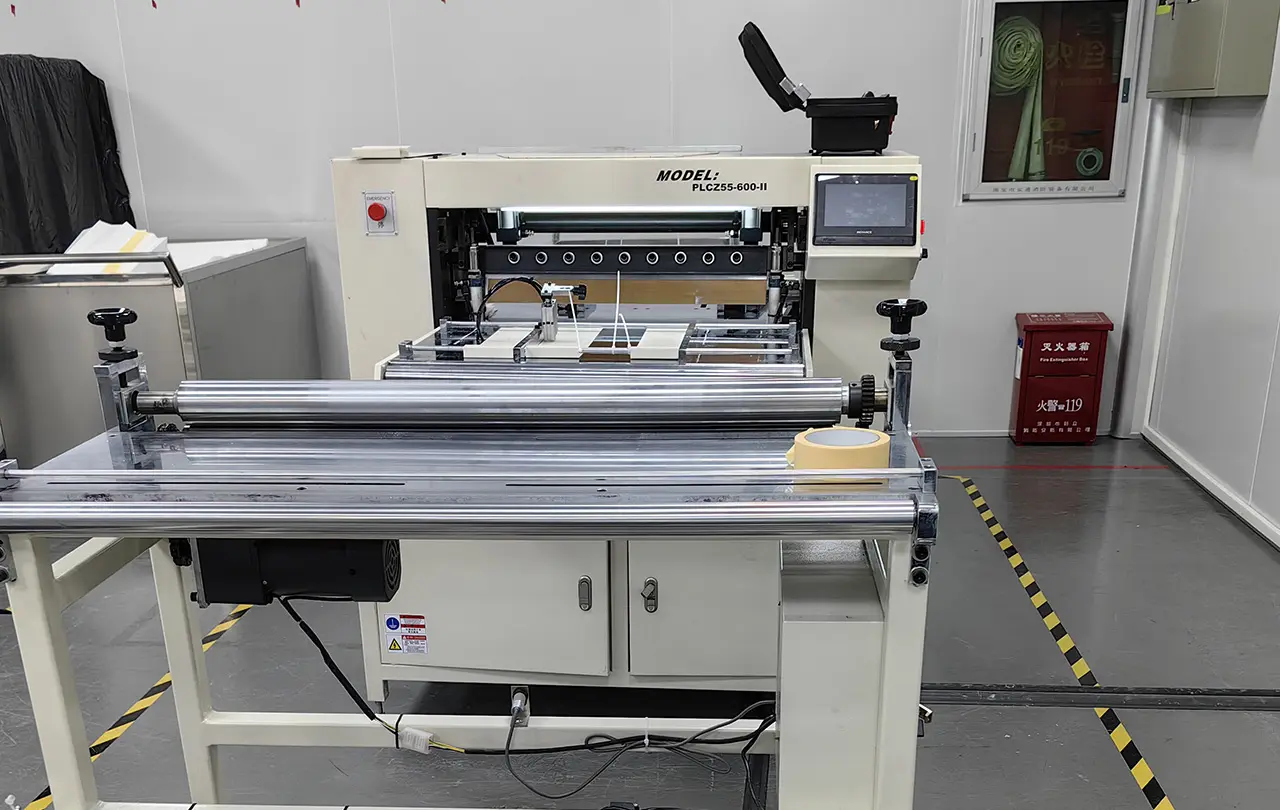
Automated pleating controls pleat height (from 35mm to 96mm) and optimizes total surface area per square foot.
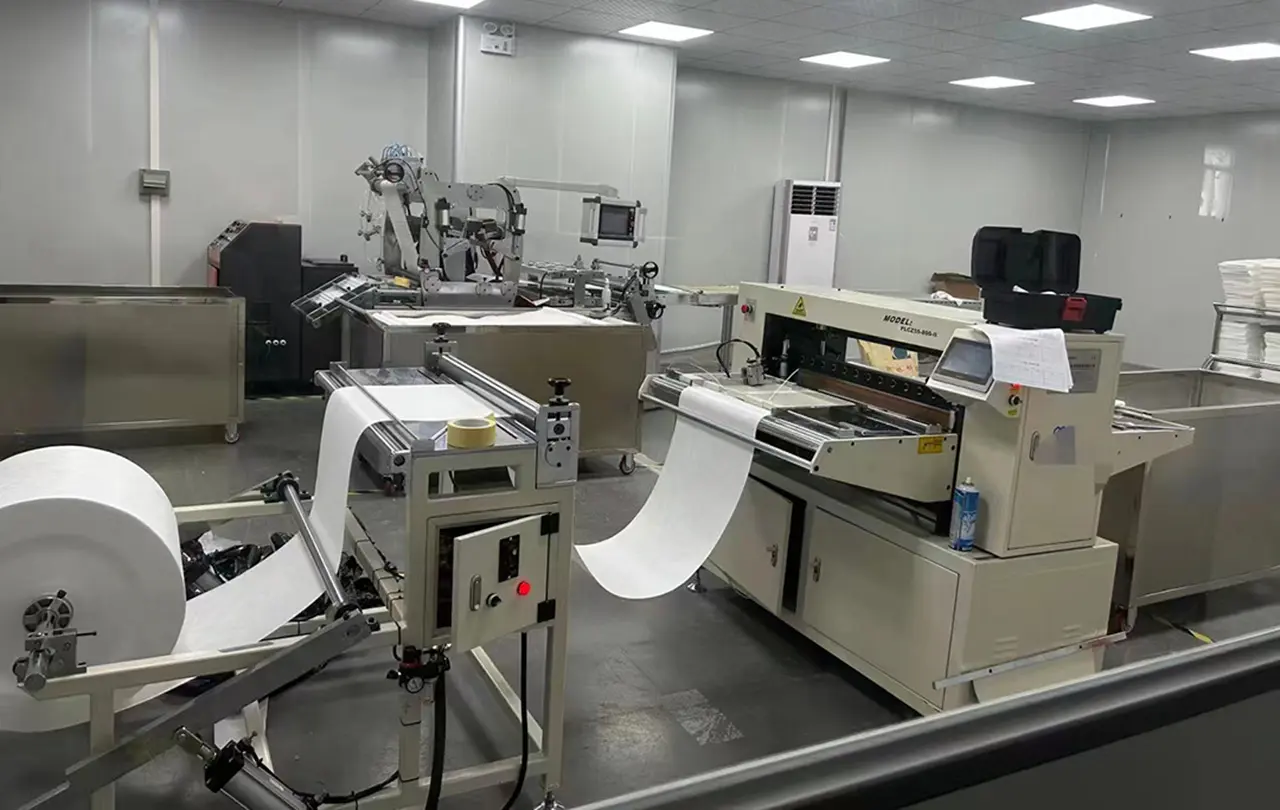
Continuous web alignment monitoring guarantees uniform pleat density and structured laminar air flow profile.
Supported by a rich background of over 15 years in international air purification technology, our manufacturing capabilities are supported by standardized ISO 9001 workshops and class 10,000 dust-free testing facilities. Our quality verification procedure integrates modern laser-spectrometer particulate scanners to examine the entire face of every 24x48 HEPA filter. Each filter is individually checked for leaks using oil aerosols (PAO/DOP test) to guarantee EN1822 compliance before packing and shipping.
Our fabrication facility is equipped with advanced steel processing systems, including AMADA CNC punch presses and CNC bending machines. This allows us to manufacture highly durable customized outer casings—such as gel-seal knife-edge designs, header frames, and flange profiles—with tolerances within 0.1 mm.
Our filters are designed for reliable performance in cleanrooms, heavy machinery environments, and specialized ventilation systems.
Class 10 to Class 100 laminar cleanrooms require high air-change rates. The 24x48 inch FFU module is standard here because it matches cleanroom ceiling grids perfectly, ensuring uniform, non-turbulent vertical air streams that sweep contaminants away from silicon wafers.
Sterile compounding, vaccine vial filling, and animal cage racks require strict bacterial control. Our sanitizing HEPA filters remove 99.99% of biological contaminants, preventing microbial growth and contamination in sensitive pharmaceutical production areas.
To achieve flawless paint finishes, spray booths need micro-particle-free airflow. Our filters catch lint, dirt, and overspray dust particles, while our high-temperature and carbon-composite media options remove gaseous VOCs from the air stream.
Our engineers focus on three main areas of development to improve filtration efficiency, reduce energy use, and support environmental sustainability.
Traditional borosilicate glass fibers hold a high dirt load but create a larger pressure drop. We are shifting toward expanded Polytetrafluoroethylene (ePTFE) membrane media. ePTFE delivers H14 to U16 efficiency levels with up to 40% lower pressure drop, helping factories reduce FFU fan energy consumption.
Modern semiconductor lithography tools are sensitive to chemical outgassing. Our updated product lines use ultra-low outgassing polyurethanes and specialized liquid gel seals. These materials prevent the release of organic silicon compounds or plasticizers into the cleanroom, protecting sensitive optics.
Future cleanrooms will monitor filters in real time. We are developing built-in RFID tags and thin differential pressure sensors. These tools allow building management systems (BMS) to track each filter's performance, schedule maintenance based on actual dust load, and avoid unnecessary early replacements.
"Using ePTFE membranes in 24x48 HEPA configurations helps large semiconductor fabrication facilities reduce their carbon footprint while maintaining strict ISO Class 3 air cleanliness standards."
Technical details and buying guidelines for purchasing, installing, and maintaining industrial 24x48 HEPA filtration units.
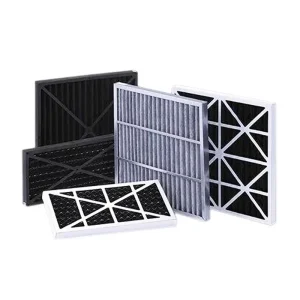
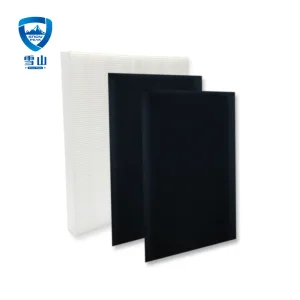
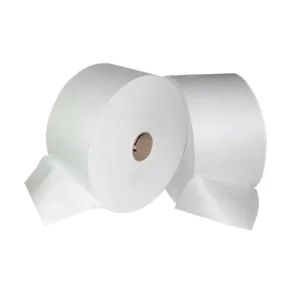
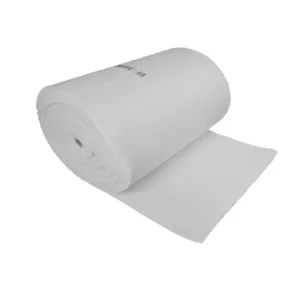
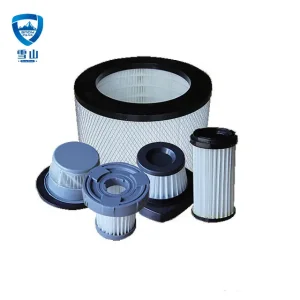
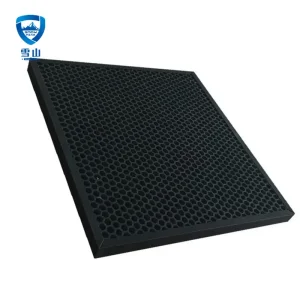
Browse our specialized pre-filter rolls, carbon gas-phase media, high-efficiency replacement cartridges, and custom circular collectors.
 Snow Peak