Discover our custom-engineered molecular, HEPA, and pre-filtration media designed for demanding air purification systems globally.
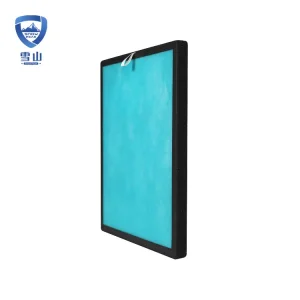
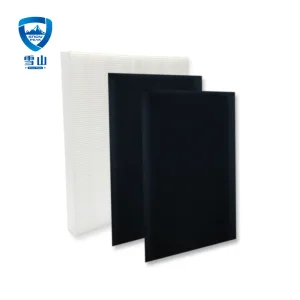
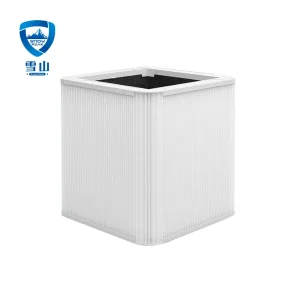
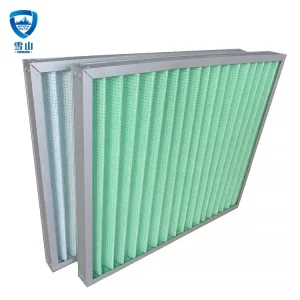
The critical role of advanced gaseous filtration in contemporary air handling systems.
Industrial manufacturing, printing, paint lines, and petrochemical installations release complex Volatile Organic Compounds (VOCs). OEM activated carbon filters capture these molecules at the source, preventing toxic re-circulation and ensuring compliance with stringent air quality regulations.
In electronic cleanrooms, data centers, and heavy processing environments, acid gases such as H2S, SO2, and NOx degrade delicate copper circuitry and optical surfaces. Customized carbon blendschemically neutralize corrosive elements, protecting billion-dollar infrastructures.
Modern building ventilation systems implement high-surface-area activated carbon media alongside particulate filtration. This dual-action design significantly lowers internal particulate matter (PM2.5) and ozone concentrations, satisfying ASHRAE 62.1 indoor air quality indicators.
Understanding market dynamics, supply security, and global optimization demands.
Across the globe, rapid urbanization and tightening environmental legislation have made gas-phase filtration a standard element of high-specification HVAC design. In regions like North America and the EU, compliance with EN ISO 16890 and ASHRAE guidelines demands precise reporting of filter life-cycles, pressure drops, and carbon saturation rates. Meanwhile, rapid industrial expansion in the Asia-Pacific region requires robust local supply chains capable of delivering extreme-load carbon solutions tailored for high-temperature and high-humidity HVAC environments.
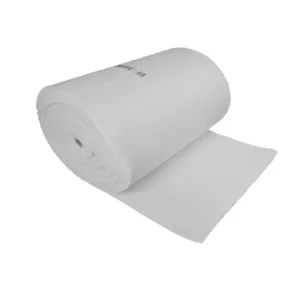
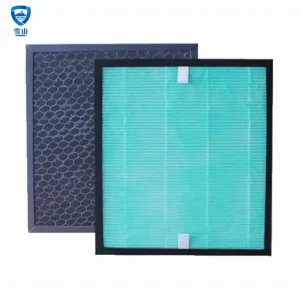
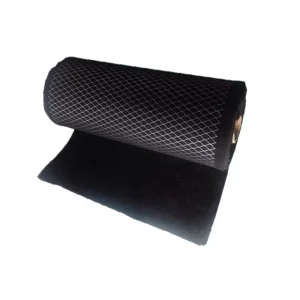
As standard particulate filters (G4 to H13) do not capture gaseous pollutants, incorporating custom-activated carbon stages directly resolves complex chemical mixtures. OEM HVAC manufacturing allows the design of customized hybrid modules containing granulated carbon, carbon-wrapped synthetic media, or pleated structures. These layouts optimize the balance between adsorption rate and initial pressure drop, reducing structural operating costs.
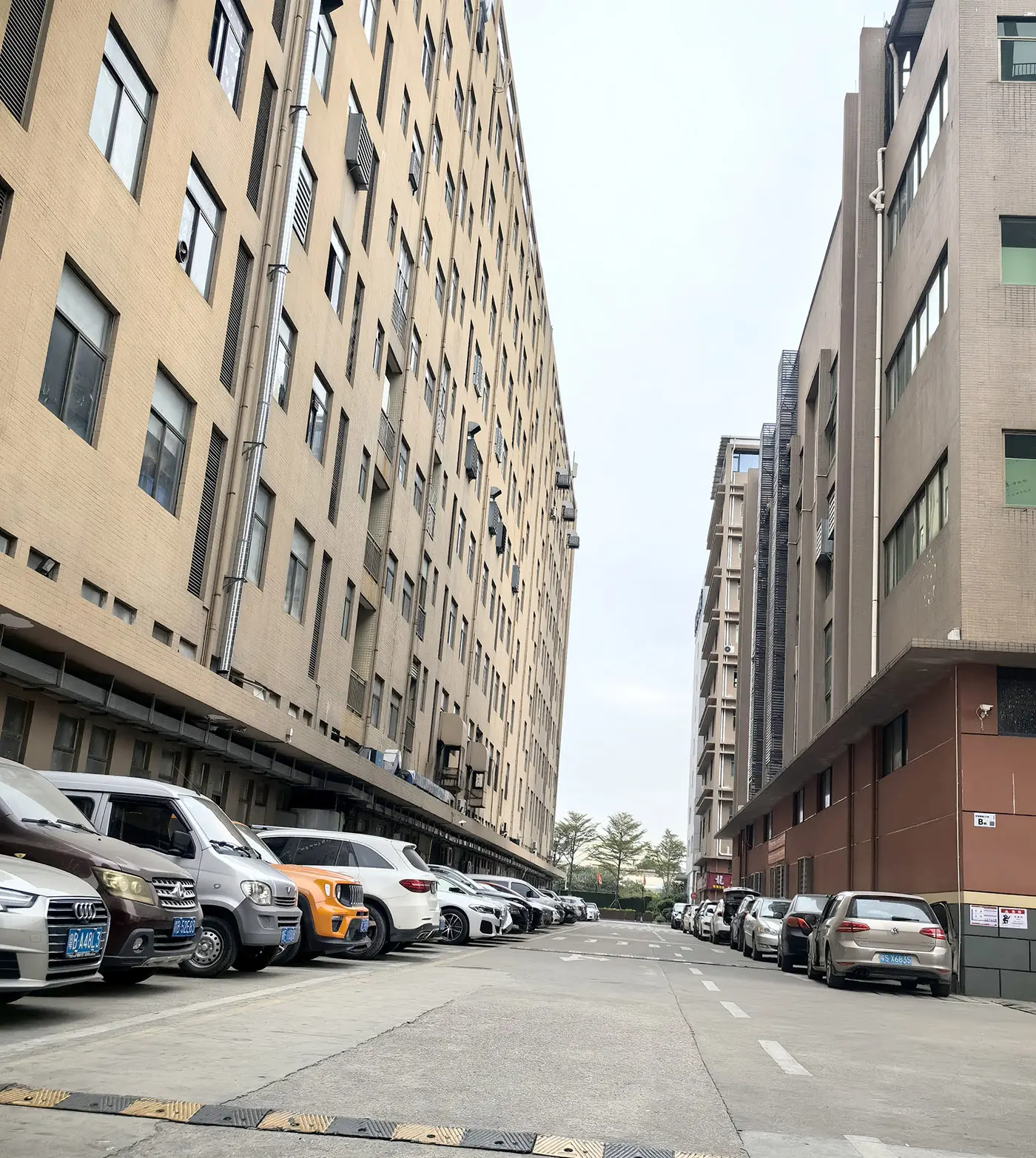
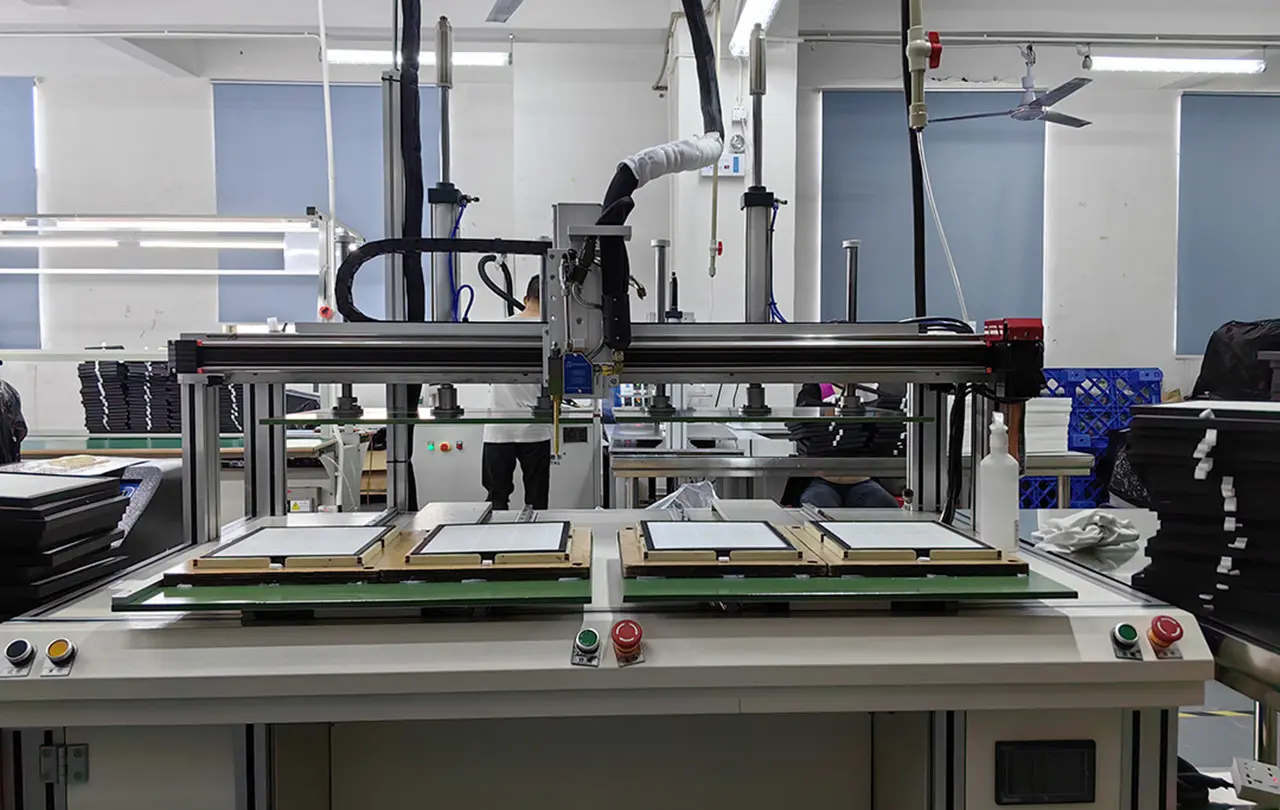
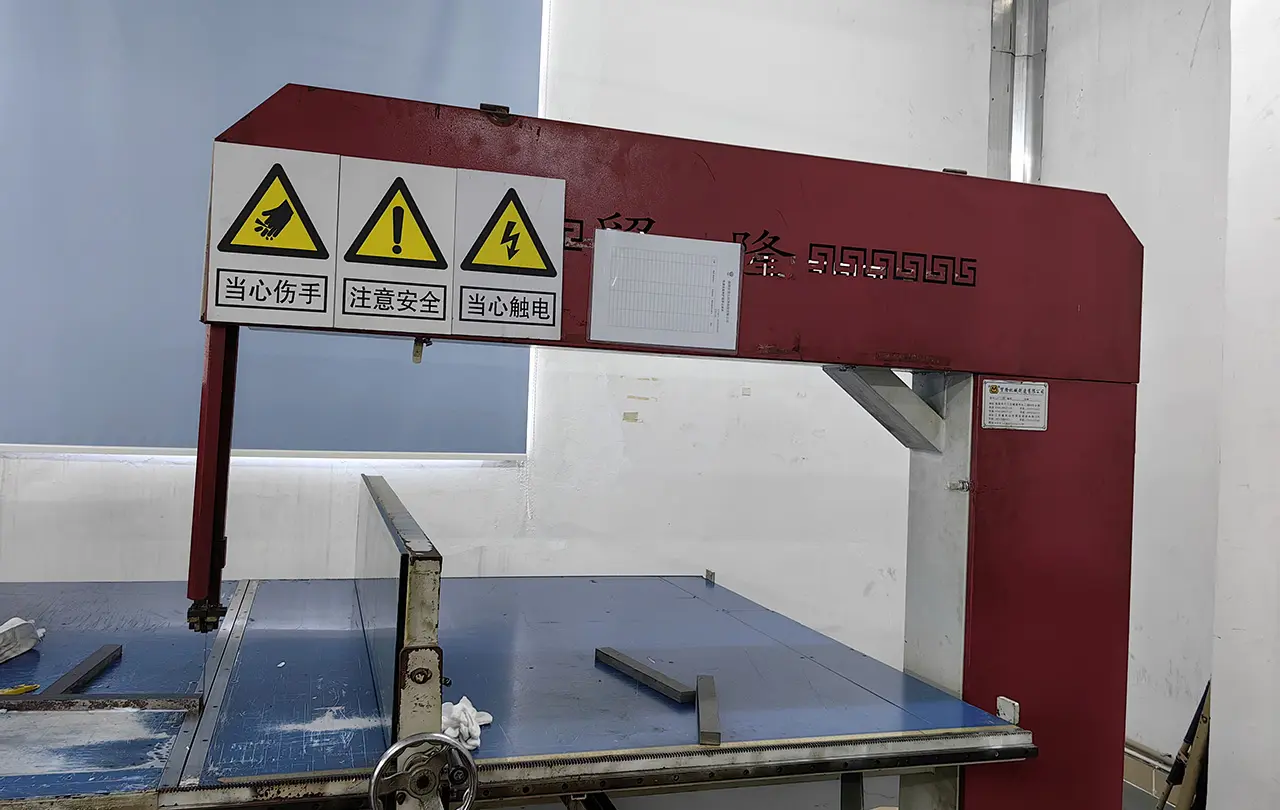
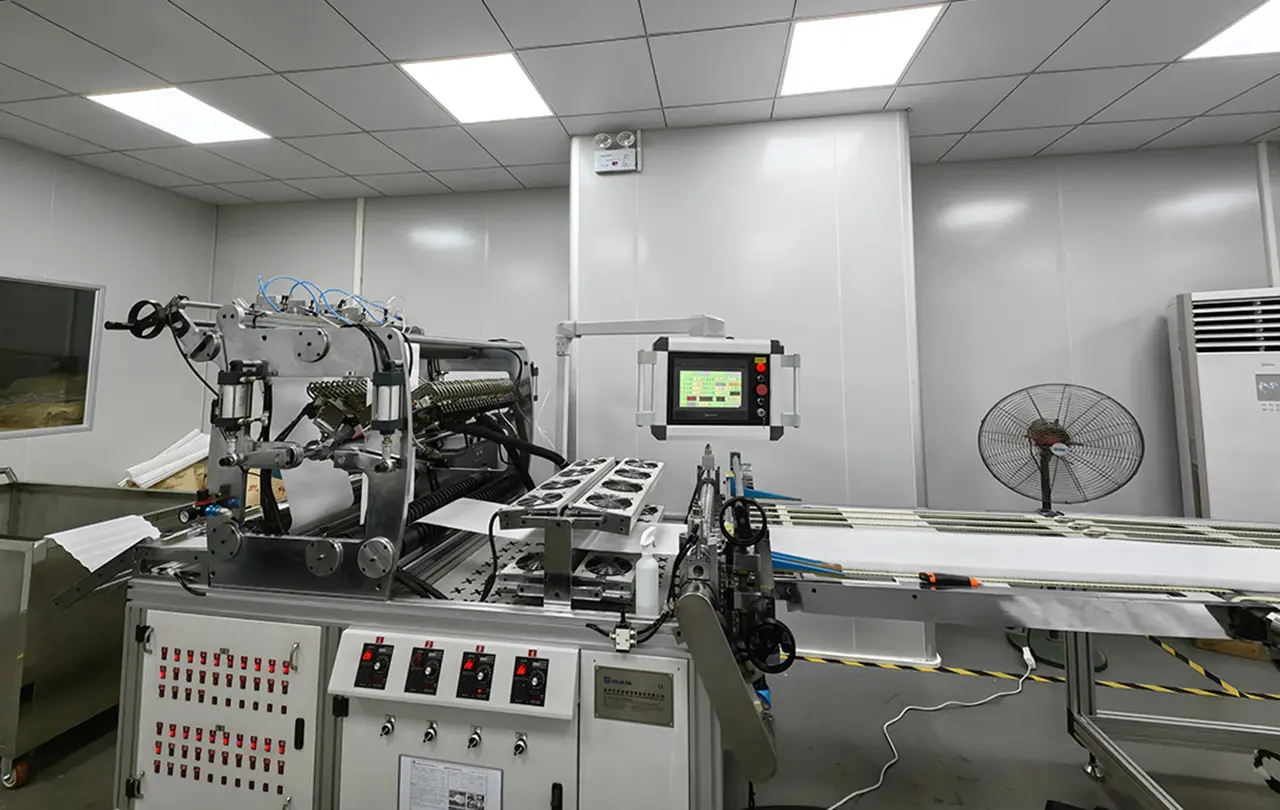
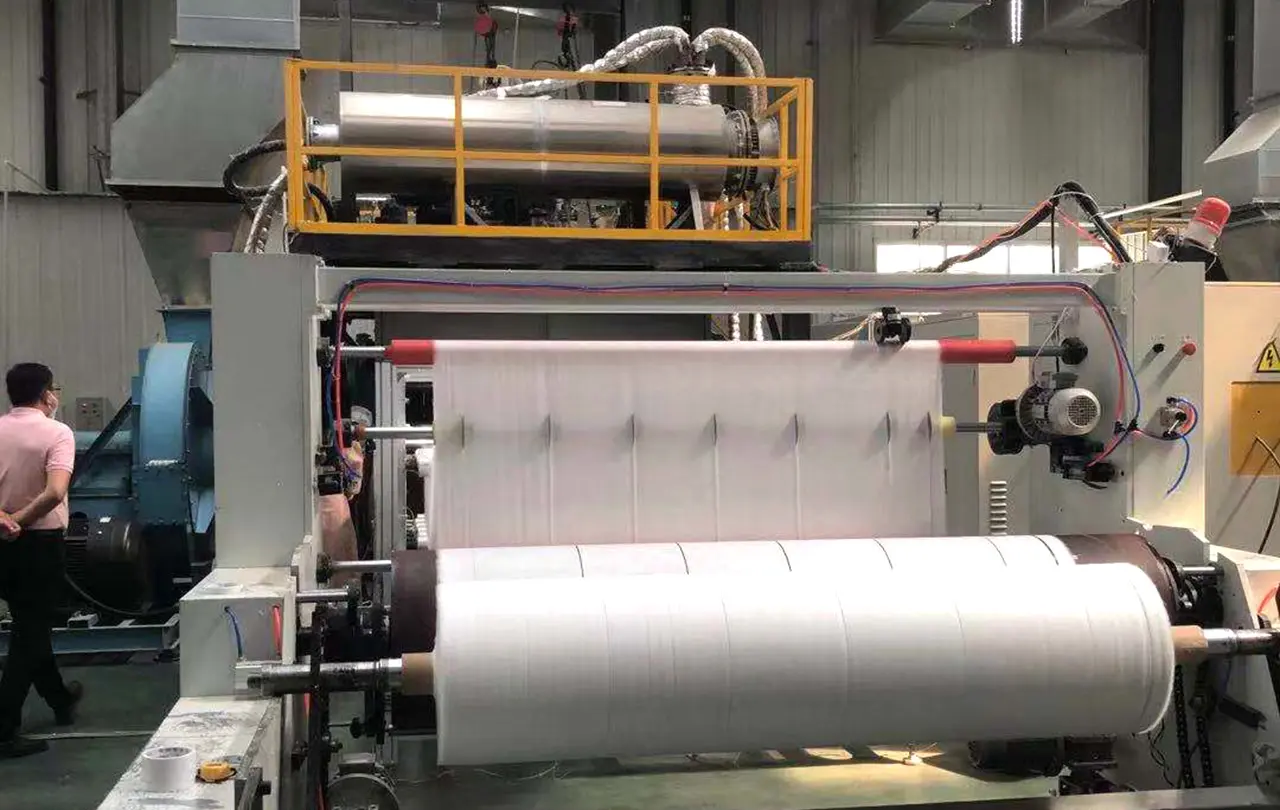
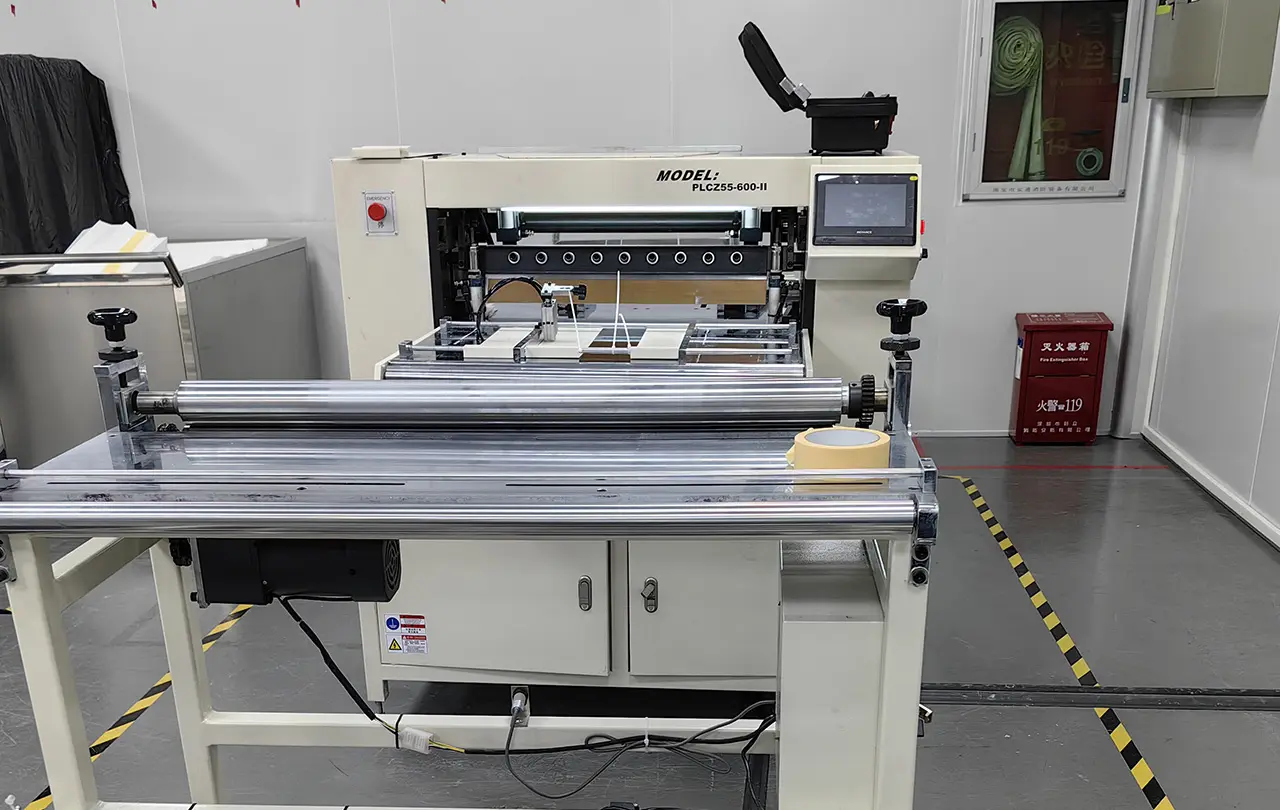
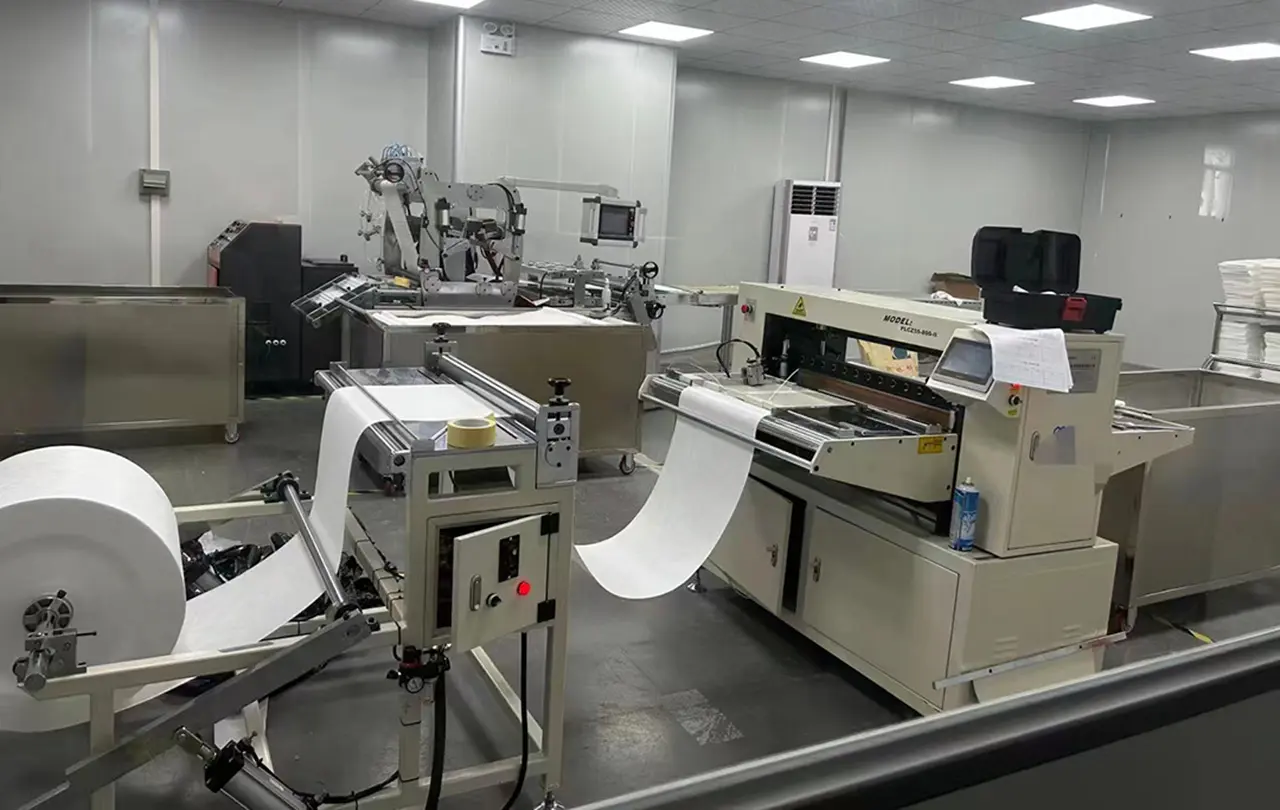
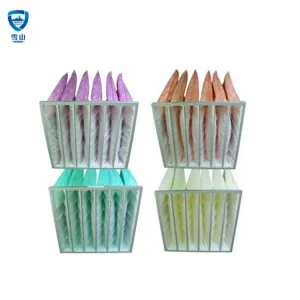
Shenzhen Snow Peak Clean Technology Co., Ltd. is an integrated high-tech enterprise, specialized in air filtration products research and development, production, sales, import and export trade. We produce and supply: Pre-filter, pocket filter, HEPA filter, chemical filter; replacement HEPA filter, car cabin air filter, humidifier filter; pocket filter media, melt-blown composite filter media, and other high-performance filter materials; provide high quality air purification solutions and products for indoor air pollution control and air conditioning systems of civil and industrial buildings, microelectronics, pharmaceutical, laboratory, school, hospital clean room etc.
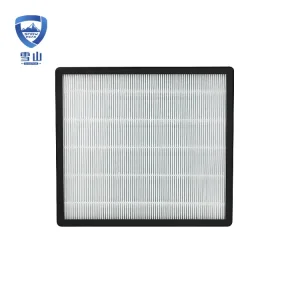
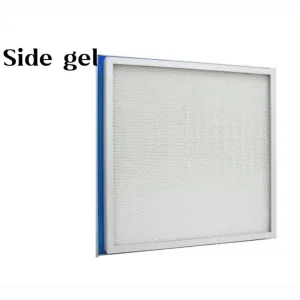
Combined with self-developed patented technology, our sterilizing antiviral HEPA filter can effectively filtrate fine particles, so that PM2.5 concentration down to 10 micrograms/m3, 5 times better than national standard; effectively inhibit the breeding of microorganisms, sterilization rate up to 99.9%, and no secondary pollution, removal of H1N1 virus efficiency as high as 99.99%.
A professional deep-dive into standard indices, calculations, and performance parameters.
Selecting the optimal activated carbon filter for an HVAC system requires a deep understanding of physical parameters. Simple carbon-impregnated pads are insufficient for high-concentration applications. Professional engineers base their designs on critical chemical metrics: Iodine Number, Carbon Tetrachloride (CTC) Adsorption, and Apparent Density.
Indicates the micropore volume of the activated carbon (pore diameter of 0 to 20 Å). Higher iodine numbers (typically 900 to 1100 mg/g) provide a massive inner surface area for gaseous adsorption, capturing tiny molecules like volatile solvents and odors.
Measures the adsorption capacity of organic vapors. Premium-grade OEM carbon filters utilize carbon with CTC ratings above 60%, ensuring high capture rates and extended media life-cycles before saturation occurs.
For alkaline or acidic gaseous pollutants (e.g., ammonia, sulfur dioxide), standard carbon is impregnated with active chemical agents (like KOH, KI, or phosphoric acid). This enables chemisorption, turning volatile gases into stable, non-volatile compounds trapped in the media.
| Filter Configuration | Base Material | CTC Rating (%) | Primary Target Pollutants | Typical Applications |
|---|---|---|---|---|
| Activated Carbon Fabric | Synthetic Sandwich Fiber | 45 - 55% | Light odors, VOCs, PM2.5 particles | Commercial HVAC return air, Cabin air filters |
| Granular V-Bank Carbon | Coal or Coconut Shell | 60 - 80% | High-concentration organic vapors, solvents | Industrial exhaust, chemical manufacturing |
| Impregnated Carbon Block | Catalytic Activated Carbon | > 70% | Acid gases (SOx, NOx, H2S, NH3) | Data centers, wastewater treatment, labs |
| Carbon Composite HEPA | Meltblown + Carbon Layer | 50 - 65% | Sub-micron particles, viruses, gaseous odors | Hospital isolation rooms, cleanrooms |
Ensuring cross-border regulatory compliance and localized engineering integration.
Our manufacturing and testing lines follow ISO 16890, EN 1822, and ASHRAE 52.2 protocols. This guarantees that pressure drop and filtration efficiency claims are validated by third-party testing.
To prevent premature adsorption during transit, we pack all carbon filters in airtight, heat-sealed double plastic layers. This ensures our filters arrive at overseas industrial locations in peak condition.
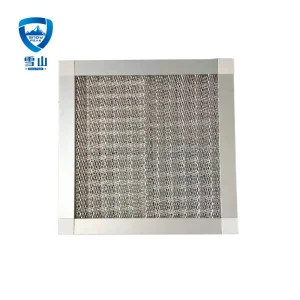
We work directly with commercial developers to customize frame sizes, pleat spacing, and shell materials (galvanized steel, aluminum, plastic, or beverage board) to fit existing Air Handling Unit (AHU) profiles perfectly.
The convergence of green chemistry, synthetic materials, and intelligent monitoring.
As the HVAC market targets decarbonization and circular economy values, the molecular filtration sector is shifting toward sustainable materials. Our research focus is directed at three main technical trends:
Expert technical answers regarding activated carbon selection, installation, and operation.
Unlike particulate filters where filter replacement is determined by pressure drop (measured via differential manometers), carbon filters saturate chemically without changing their physical air resistance. Saturation is verified through photoionization detectors (PID) reading downwind gas concentrations, volatile organic compound (VOC) sensor readings, or weight-increase analysis showing the media has reached its adsorption limit.
No, standard activated carbon relies on physical adsorption, which is ineffective against light, acidic, or highly volatile molecules like SO2, H2S, or NH3. To capture these compounds, the carbon must undergo chemical impregnation (impregnated carbon), using alkaline or acidic additives to trigger chemisorption.
Activated carbon media has a highly porous structure designed for gas-phase molecules. If exposed directly to ambient air without dust pre-filtration, dust particles (PM10, PM2.5) will clog the carbon pores, dramatically reducing its chemical capacity. Positioning a G4 or F7 pre-filter upstream keeps the carbon surface clean, maximizing gas adsorption life.
Relative humidity above 60-70% can reduce the capacity of non-impregnated activated carbon. Water molecules compete with VOC molecules for adsorption sites in the carbon's micropores. Standard systems should utilize dehumidification stages upstream, or use hydrophobic/impregnated carbon formulas when high-humidity operation is required.
We provide end-to-end design modification. This includes frame materials (aluminum, stainless steel, plastic, heavy cardboards), multi-stage configurations (such as carbon-wrapped synthetic pleats, V-bank heavy carbon beds, or carbon-HEPA combos), sizing modifications down to the millimeter, and custom private labeling to match your brand requirements.
Advanced structural variations and heavy-duty modules for cleanrooms, spray booths, and industrial ventilation.
 Snow Peak