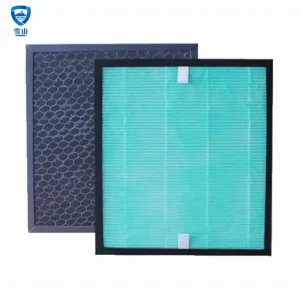
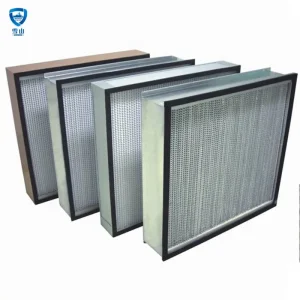
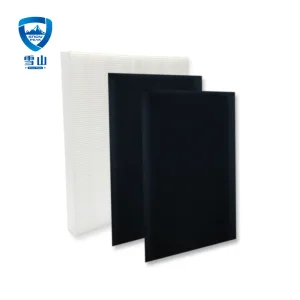
In modern urban environments and vehicular applications, passenger cabin comfort and biological safety depend heavily on progressive air filtration systems. An OEM Activated Charcoal Cabin Air Filter represents the pinnacle of multi-stage environmental purification, combining physical particulate interceptors (HEPA/Meltblown layers) with molecular-level gaseous adsorption matrices. Gaseous pollutants such as nitrogen oxides (NOx), sulfur dioxide (SO2), volatile organic compounds (VOCs like benzene and formaldehyde), and ozone (O3) cannot be stopped by physical filters alone. This whitepaper explains how optimized activated carbon chemistry, structural pleating engineering, and advanced manufacturing standards coordinate to deliver superior, long-lasting indoor and cabin air quality.
The efficiency of activated carbon is determined by its internal pore architecture. We utilize carbon with an Iodine Value exceeding 1050 mg/g and a specific surface area (BET) of up to 1300 m²/g. This translates to an expansive microscopic network capable of trapping small pollutant molecules within micro-, meso-, and macropores via physical adsorption (Van der Waals forces).
For target gases such as ammonia (NH3) and hydrogen sulfide (H2S), physical adsorption alone is insufficient. Through chemical impregnation (chemisorption), targeted catalysts are embedded onto the charcoal surfaces. Gaseous pollutants chemically react with these impregnants, converting into stable solid compounds fixed within the filter medium.
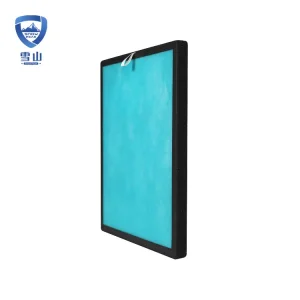
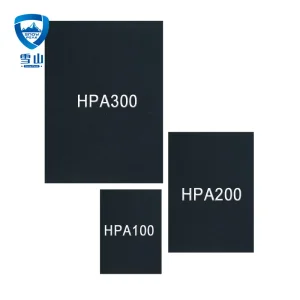
A major engineering challenge is balancing high adsorption with low airflow resistance. Excessive pressure drop strains vehicle blower motors and HVAC systems. By engineering specialized sandwich-type carbon fabric composites, we optimize pleat geometry to ensure high volume flow rates with minimal resistance.
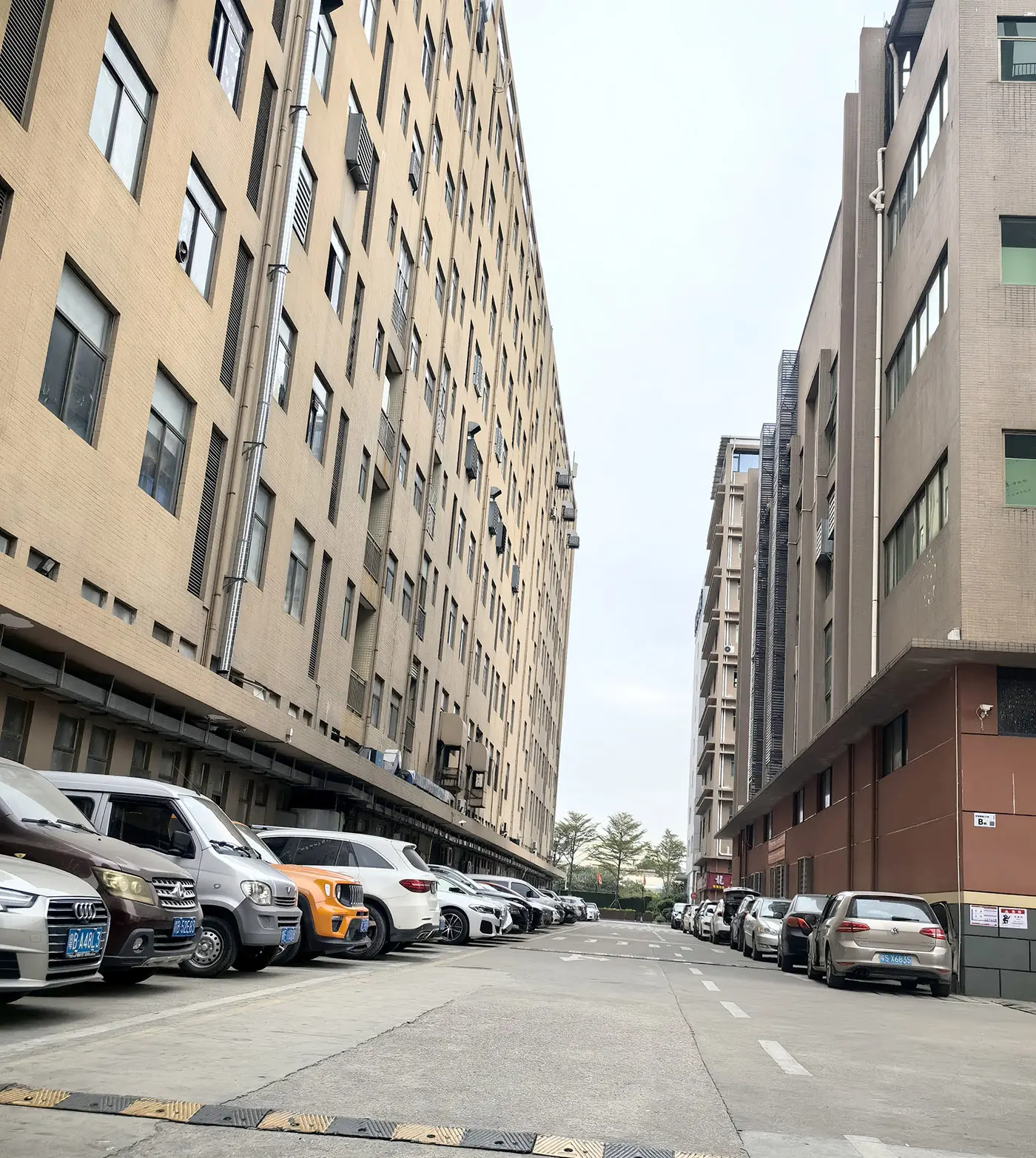
Shenzhen Snow Peak Clean Technology Co., Ltd. is an integrated high-tech enterprise, specialized in air filtration products research and development, production, sales, import and export trade.
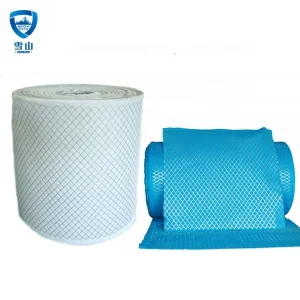
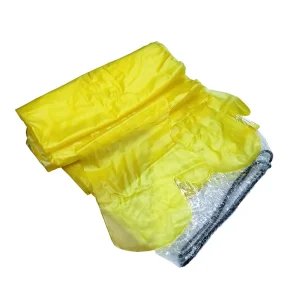
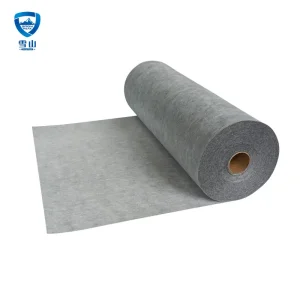
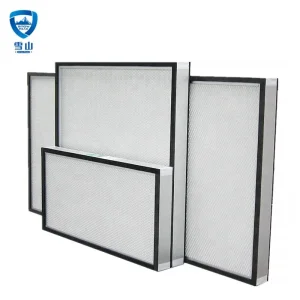
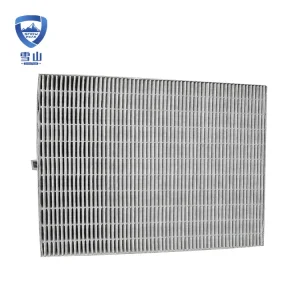
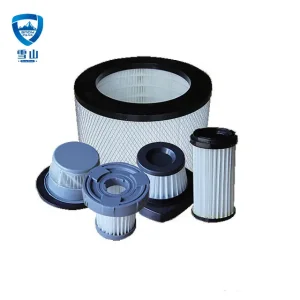
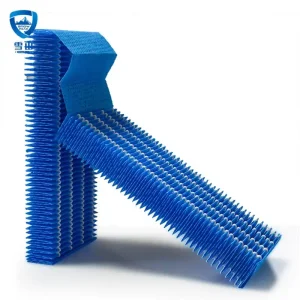
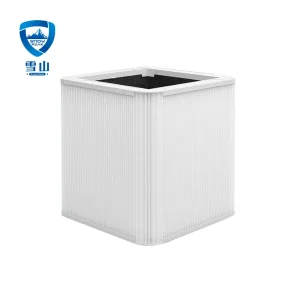
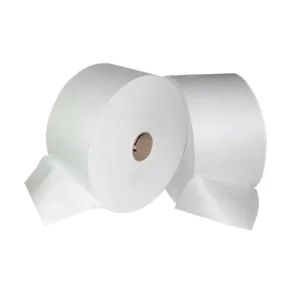
We produce and supply a comprehensive catalog: Pre-filters, pocket filters, HEPA filters, chemical filters; replacement HEPA filters, car cabin air filters, humidifier filters; pocket filter media, melt-blown composite filter media, and other high-performance filter materials. We provide high-quality air purification solutions and products for indoor air pollution control and air conditioning systems of civil and industrial buildings, microelectronics, pharmaceutical, laboratory, school, hospital clean rooms, and automotive environments.
Combined with self-developed patented technology, our sterilizing antiviral HEPA filter can effectively filtrate fine particles, so that PM2.5 concentration down to 10 micrograms/m³, 5 times better than national standards. It effectively inhibits the breeding of microorganisms, showing a sterilization rate up to 99.9% with zero secondary pollution, and removal of H1N1 virus efficiency as high as 99.99%.
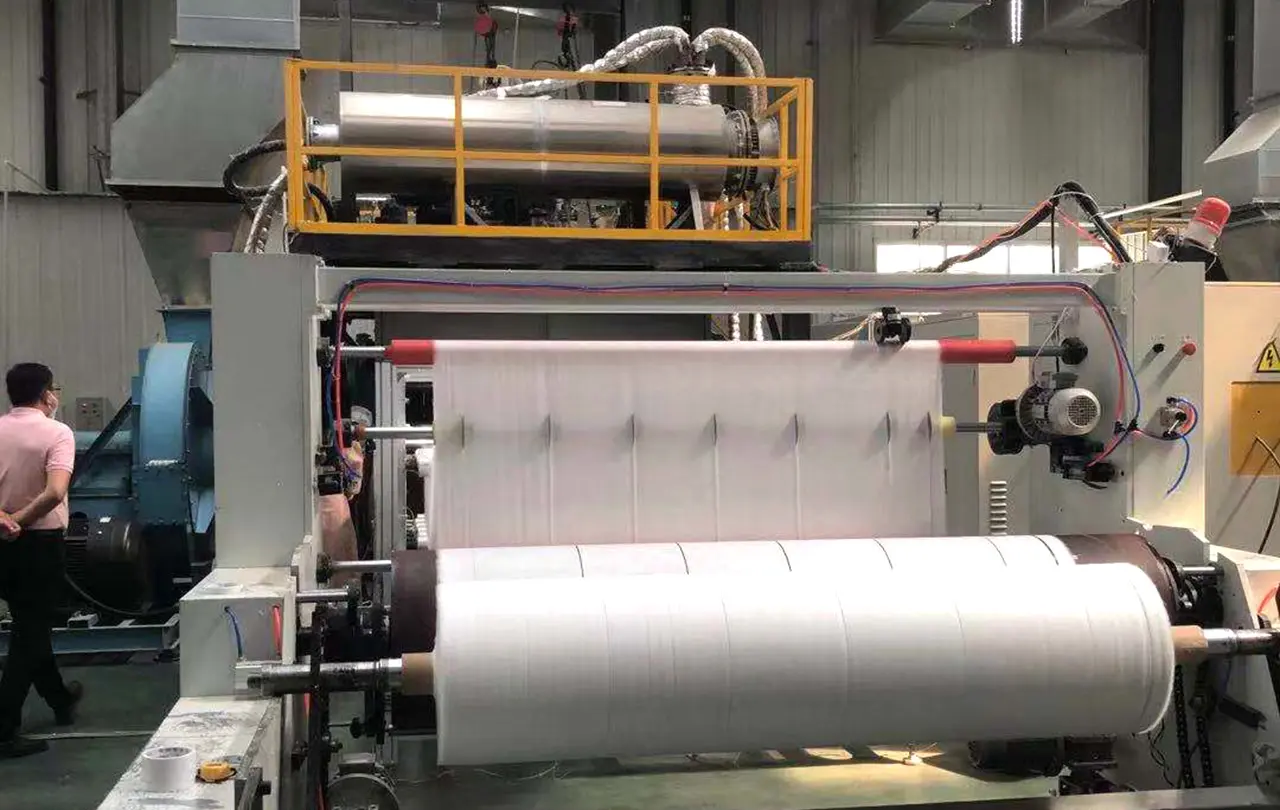
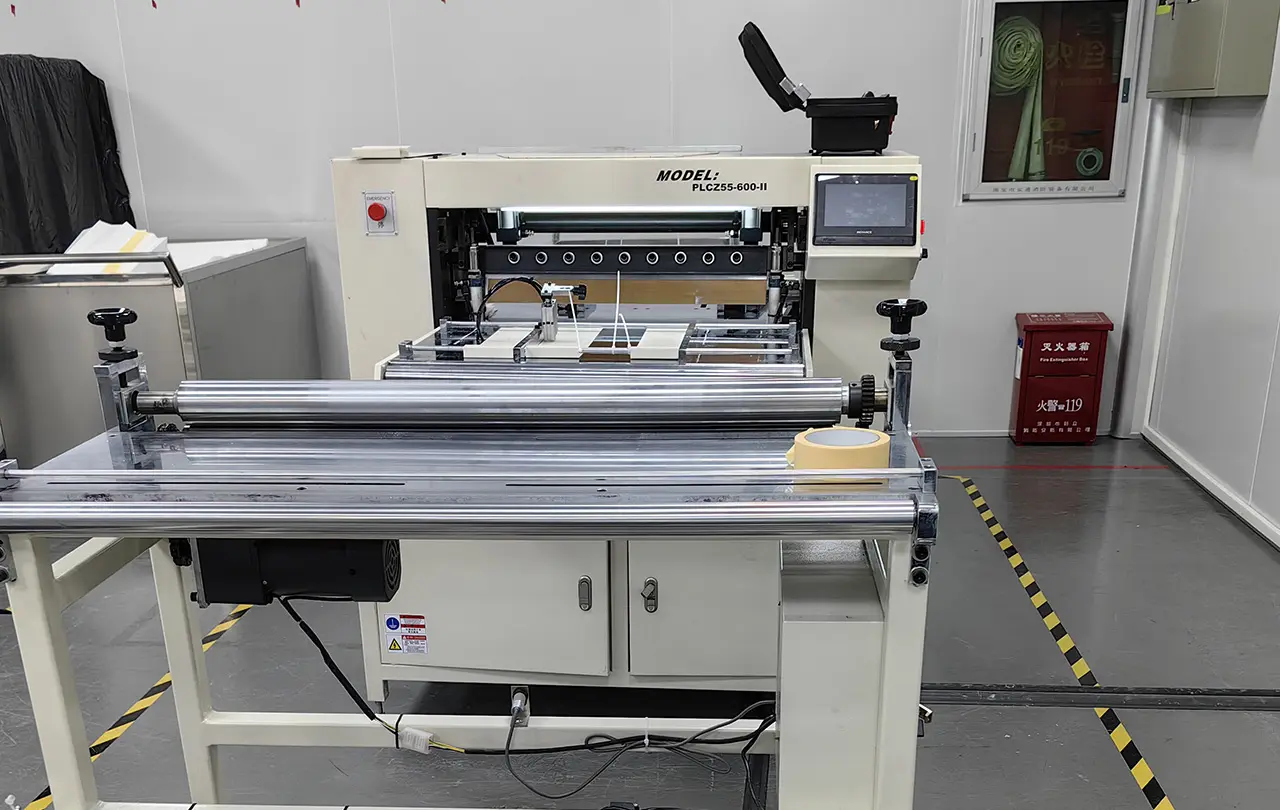
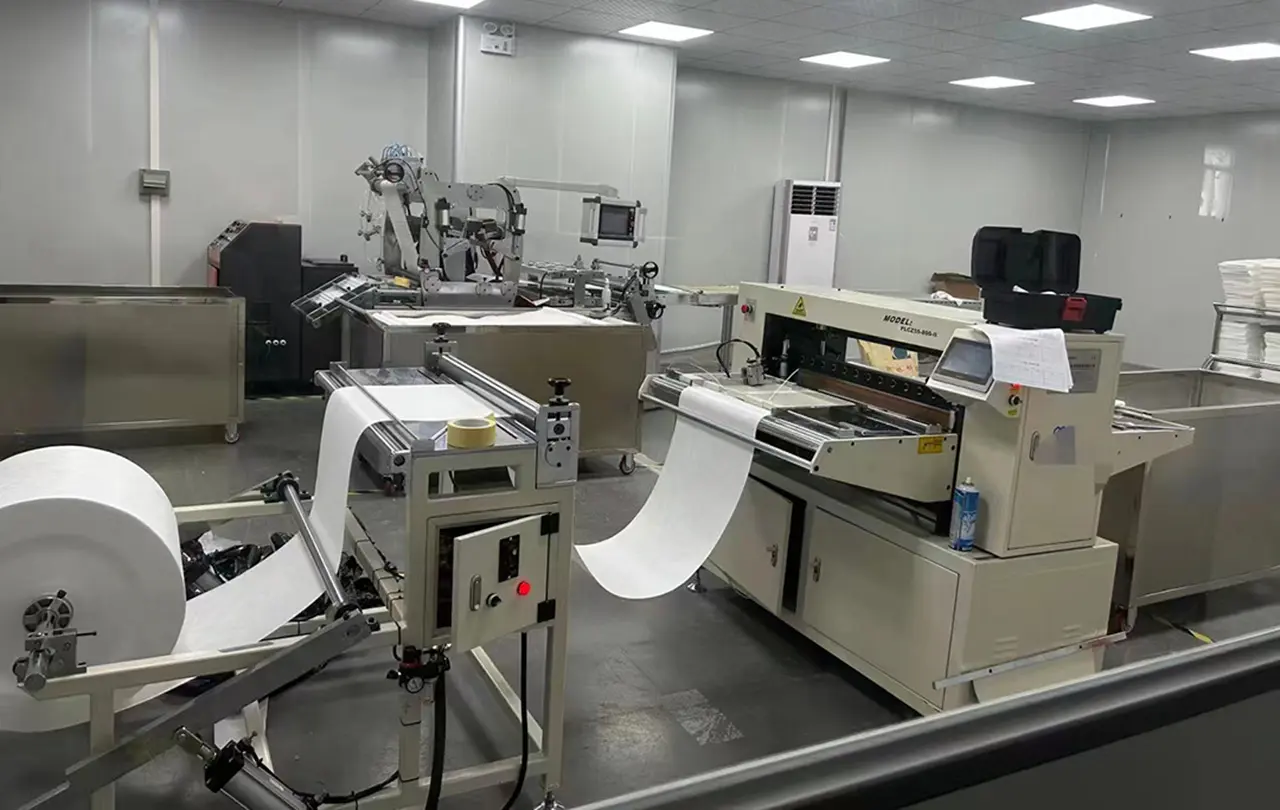
Having 15 years of international air purification technology experience as the background, our company has standardized production workshops, dust-free filter workshops, and first-class technology for HEPA filters production lines and inspection lines. Supported by independent research and development of fully automatic air filter production lines, equipped with AMADA CNC punch and CNC bending machines as well as many other advanced high-end equipment, we provide a strong guarantee for the production and quality of air filtration and purification products worldwide.
Our automated production ensures consistency, high dimensional tolerance, and structural stability of every activated charcoal cabin filter. Below is our processing line machinery in active operation.
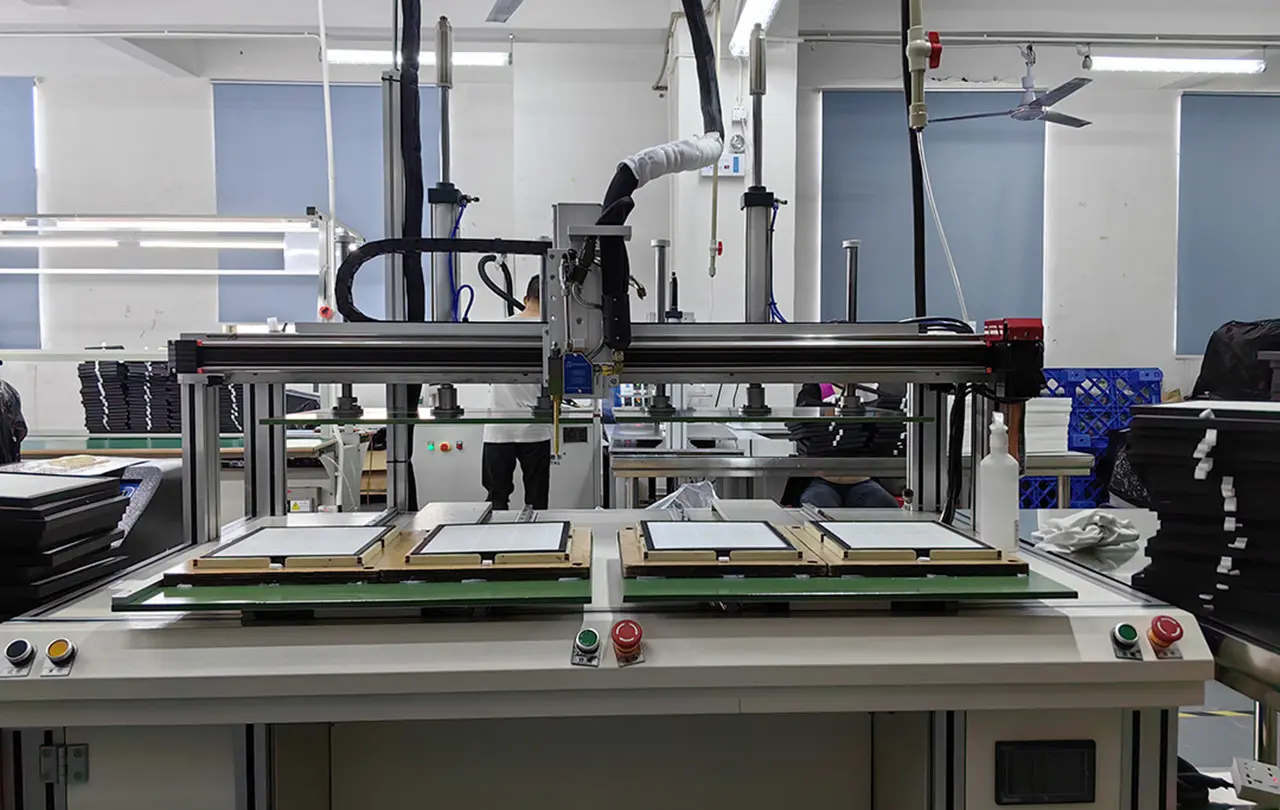
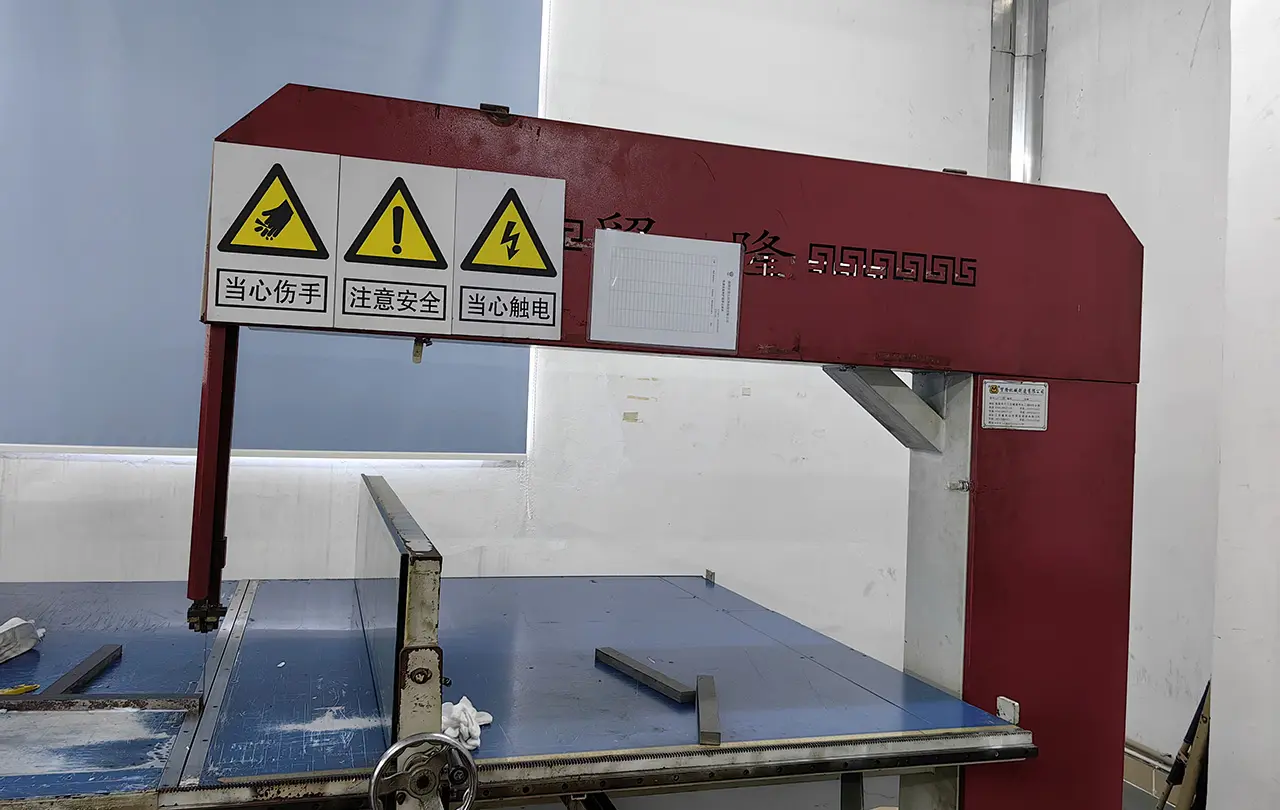
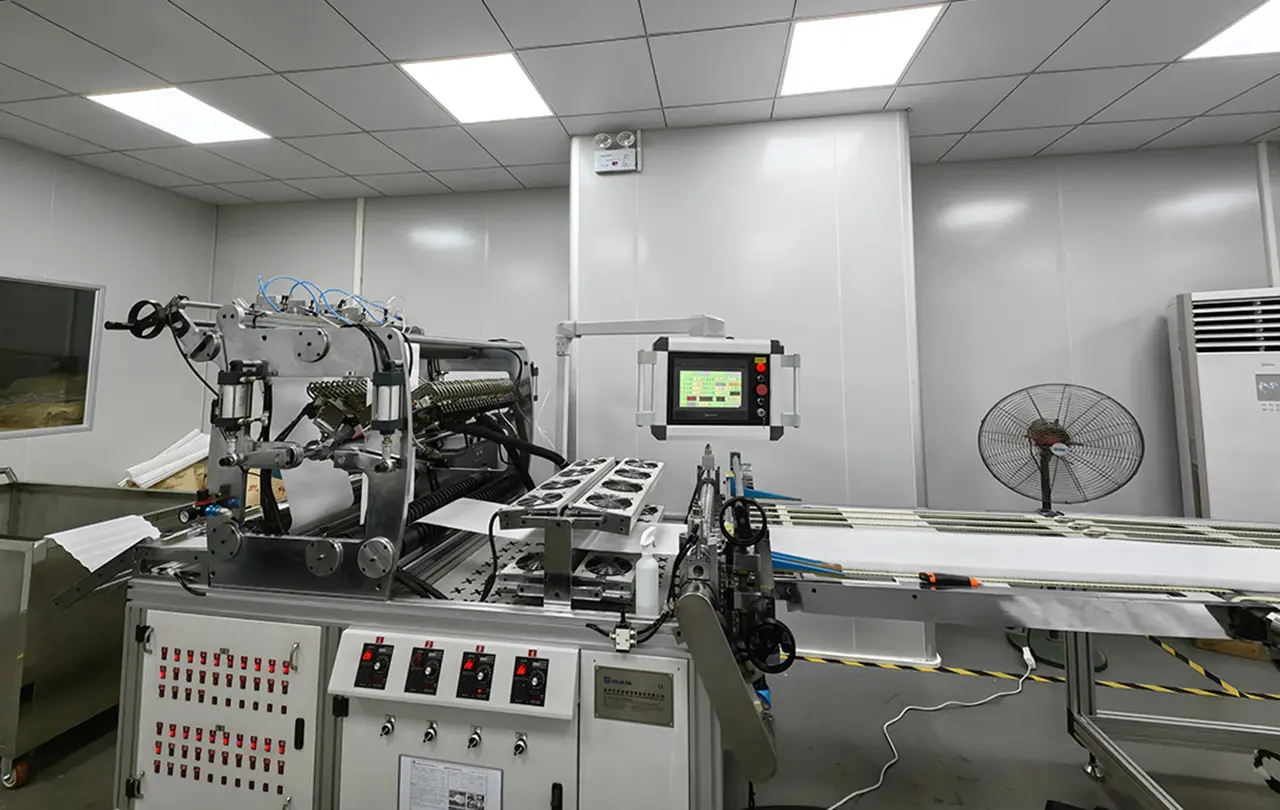
Large displacements, frequent highway towing, and severe environmental variations (such as wildfires causing widespread ash pollution) require high dust holding capacity (DHC). Our custom multi-pleat activated charcoal filters are optimized to handle heavy woodsmoke particulates and associated hazardous gas complexes.
European markets demand strict compliance with EN 779 / EN 1822 specifications and ISO 16890 test standards. High concentrations of diesel exhaust fumes (NOx and soot) in historical urban areas are targeted by our advanced multi-layered, low-resistance carbon composite filters.
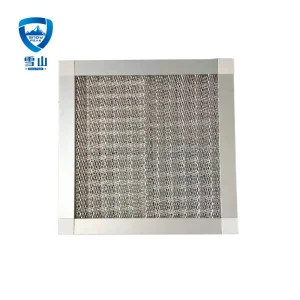
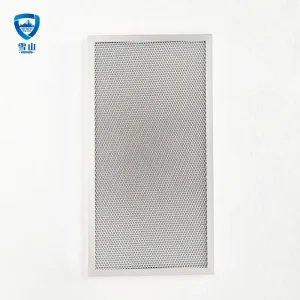
Mining and construction vehicles operate in dust-heavy, chemically aggressive environments. Standard filters fail within days. Our high-durability metallic mesh primary filters coupled with deep-bed activated carbon filters ensure continuous machine operation and operator safety.
Adapting to electric vehicle (EV) platforms and evolving smart city architectures requires continuous innovation in filter media structure.
Combining electrostatically charged melt-blown nano-fibers with high-density activated carbon substrates to reduce mechanical pressure drop by up to 25% while maintaining PM0.3 interception rates above 99%.
Deploying honeycomb-structured aluminum substrates coated with titanium dioxide (TiO2) photocatalysts. Under UV exposure, target gaseous pollutants are mineralized into harmless CO2 and water, preventing organic buildup.
Researching bio-based, plant-derived binders and natural cellulose backings to replace synthetic polyester components, creating a fully recyclable cabin air filter line that matches current filtration performance.
By producing both the raw structural materials (pocket filter media, melt-blown composite filter media) and the final assembled systems, Shenzhen Snow Peak eliminates middleman markups and reduces processing delays. Our supply chain is resilient to variations in raw polymer and raw coal prices.
Based in Shenzhen, our manufacturing facility benefits from direct proximity to major ports (Yantian, Shekou) and airports. This ensures rapid transit times, convenient multimodal freight options, and efficient custom clearance handling for bulk OEM shipments globally.
Our ISO 9001-certified factory utilizes advanced testing rigs to evaluate air resistance, particulate arrestance efficiency, and charcoal loading ratios. Every batch undergoes rigorous inspection to match or exceed the technical parameters required for international automotive aftermarket distribution.
"Our automated system allows us to switch tooling patterns dynamically for different filter sizes, reducing lead times for prototype manufacturing from several weeks to just 5 business days."
 Snow Peak