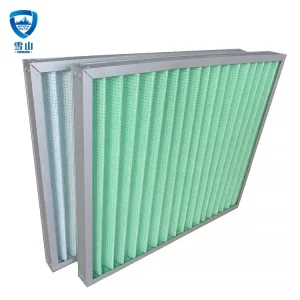
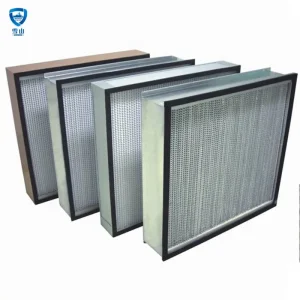
Maximize HVAC system durability with custom-built replacements designed to maintain optimal air flow and micro-filtration efficiency.
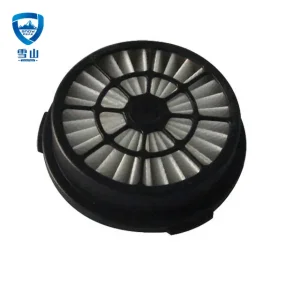
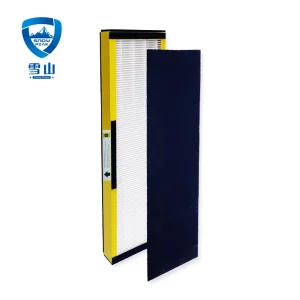
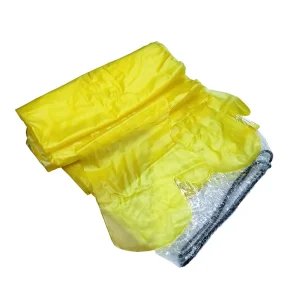
Understanding the delicate balance between particle capture dynamics and HVAC system static pressure.
Within forced-air heating, ventilation, and air conditioning (HVAC) systems, the primary engineering challenge lies in managing static pressure and system aerodynamics. While a filter media with higher density offers superior particulate retention—capturing dangerous microscopic pollutants down to PM2.5 and viral payloads—it concurrently restricts the volume of air flowing through the system. This resistance is measured as pressure drop (initial and final resistance in Pascals or inches of water column).
For custom Original Equipment Manufacturers (OEMs), designing a filter requires modeling the specific mechanical constraints of target blower motors. An overly restrictive filter triggers a degradation of heat transfer, increases energy consumption, and shortens the operational lifespan of high-value system components like compressors and heat exchangers.
This technical whitepaper examines how modern OEM furnace filter air flow design, material engineering, and digital manufacturing optimize the relationship between filtration capacity and energy performance.
Every Pascal of resistance added by the filter increases fan power consumption. Our specialized design limits initial resistance through structured media pleating and aerodynamic support frames.
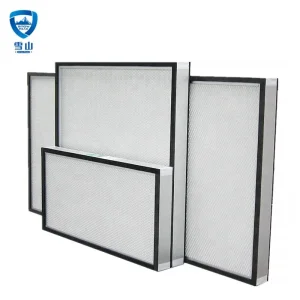
By increasing the active surface area through deep pleated architectures, our OEM filters store larger volumes of particulate matter before reaching final resistance thresholds.
Our self-developed patented technology neutralizes microbes upon contact, guaranteeing 99.9% sterility without restricting airflow or introducing secondary pollutants.
Bridging international sustainability regulations with high-capacity component integration.
Modern HVAC building codes, such as ASHRAE Standard 62.1 and Title 24, demand tighter control over indoor air quality while scaling back maximum permitted energy usage. As a result, the commercial and industrial demand for high-efficiency MERV 13 to HEPA rated filters has surged. Consequently, HVAC OEMs must source filters that deliver high flow rates under tight physical envelopes.
Global procurement teams must consider several variables when choosing a production partner:
Designing custom filtration components requires highly precise testing and simulation. Below is a structural baseline of common OEM filter classes and their associated operational parameters under 2.5 m/s face velocity:
| Filter Grade | Nominal Airflow (CFM/sq.ft) | Initial Resistance (Pa) | Recommended Applications |
|---|---|---|---|
| G3 / G4 Panel | 400 - 500 | 25 - 45 Pa | Pre-filtration, AHU Intake protection |
| MERV 13 Pleated | 350 - 450 | 55 - 75 Pa | LEED Buildings, Commercial Offices |
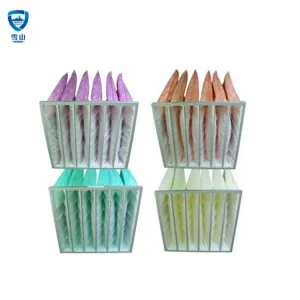
| F7 / F8 Pocket | 250 - 350 | 80 - 110 Pa | Cleanrooms, Hospital Wards |
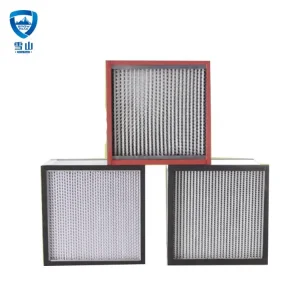
| HEPA (H13) | 100 - 150 | 220 - 250 Pa | Microelectronics, Surgical Theaters |
Your Integrated High-Tech Partner for Industrial Air Purification Solutions.
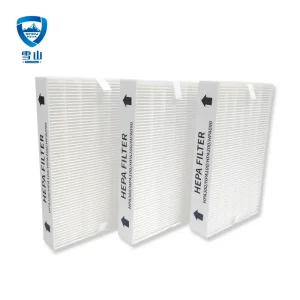
Shenzhen Snow Peak Clean Technology Co., Ltd. is an integrated high-tech enterprise, specialized in air filtration products research and development, production, sales, import and export trade. We produce and supply: Pre-filter, pocket filter, HEPA filter, chemical filter; replacement HEPA filter, car cabin air filter, humidifier filter; pocket filter media, melt-blown composite filter media, and other high-performance filter materials.
We provide high quality air purification solutions and products for indoor air pollution control and air conditioning systems of civil and industrial buildings, microelectronics, pharmaceutical, laboratory, school, hospital clean rooms, and other critical process facilities. Combined with self-developed patented technology, our sterilizing antiviral HEPA filter can effectively filtrate fine particles, so that PM2.5 concentration down to 10 micrograms/m3, 5 times better than national standard; effectively inhibit the breeding of microorganisms, sterilization rate up to 99.9%, and no secondary pollution, removal of H1N1 virus efficiency as high as 99.99%.
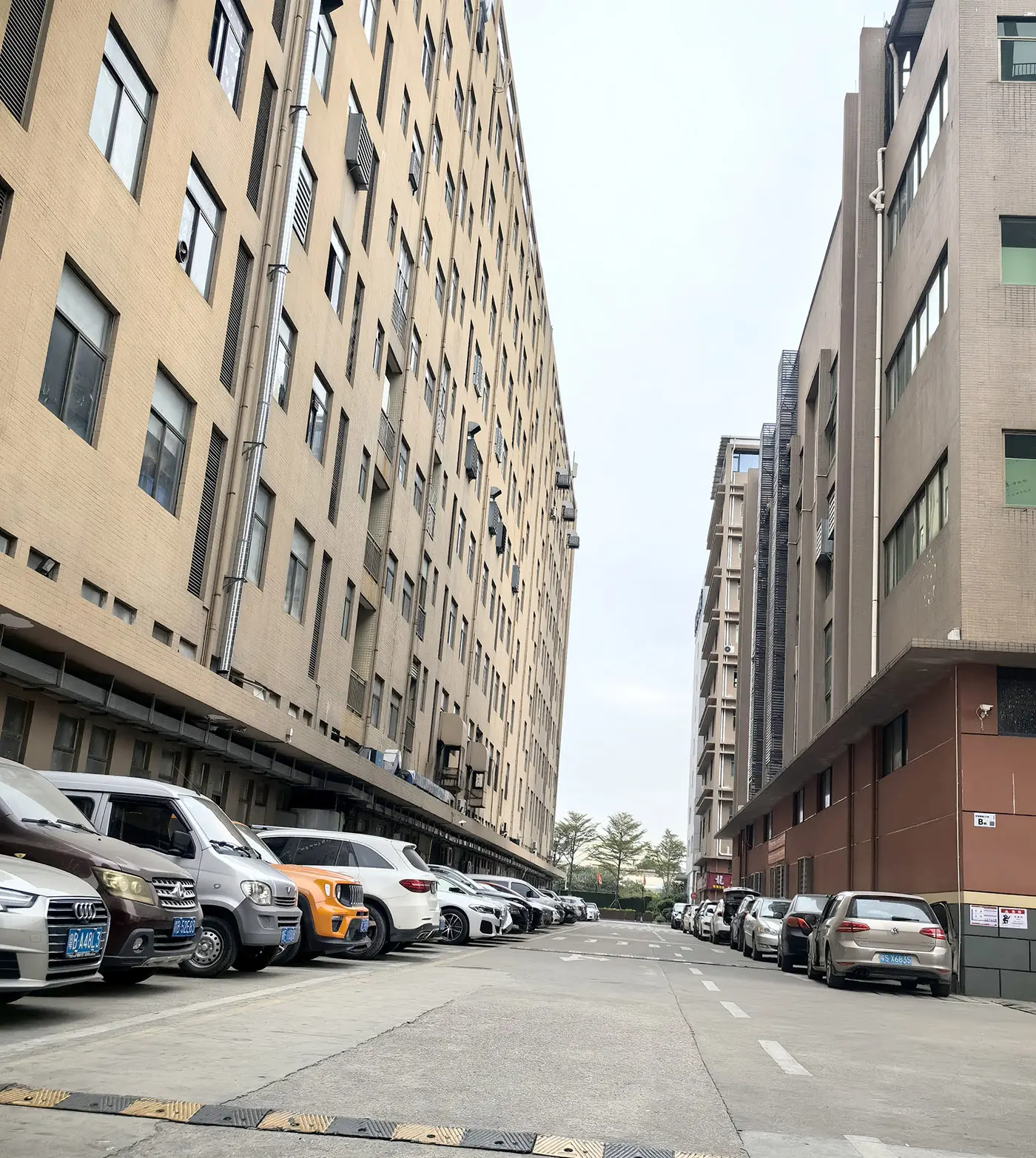
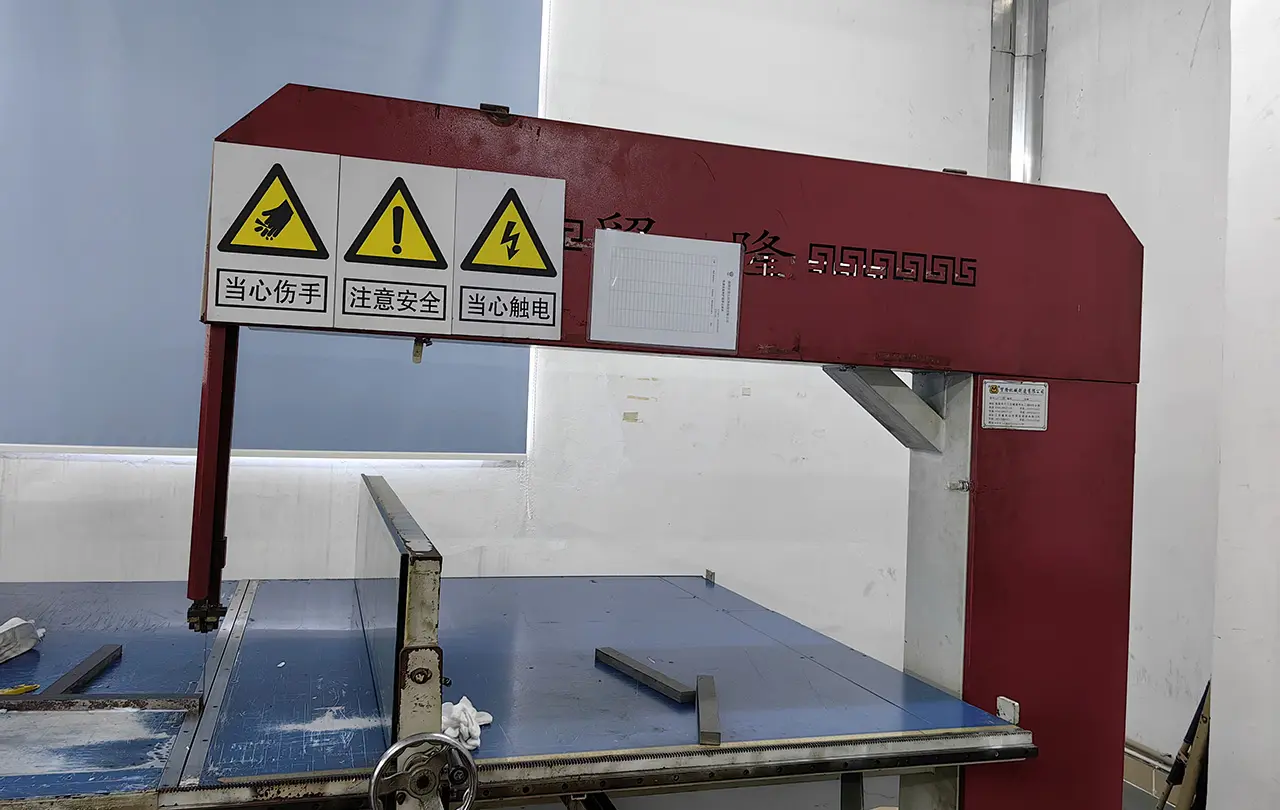
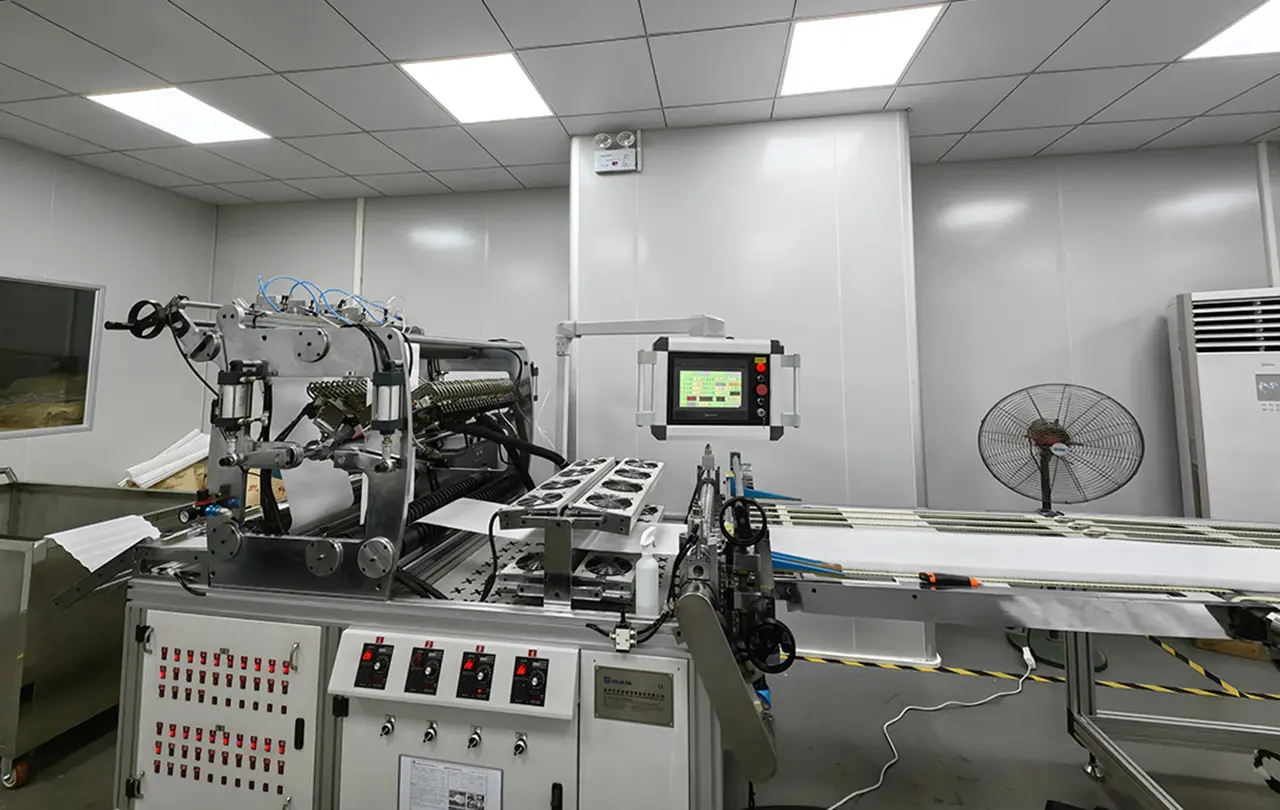
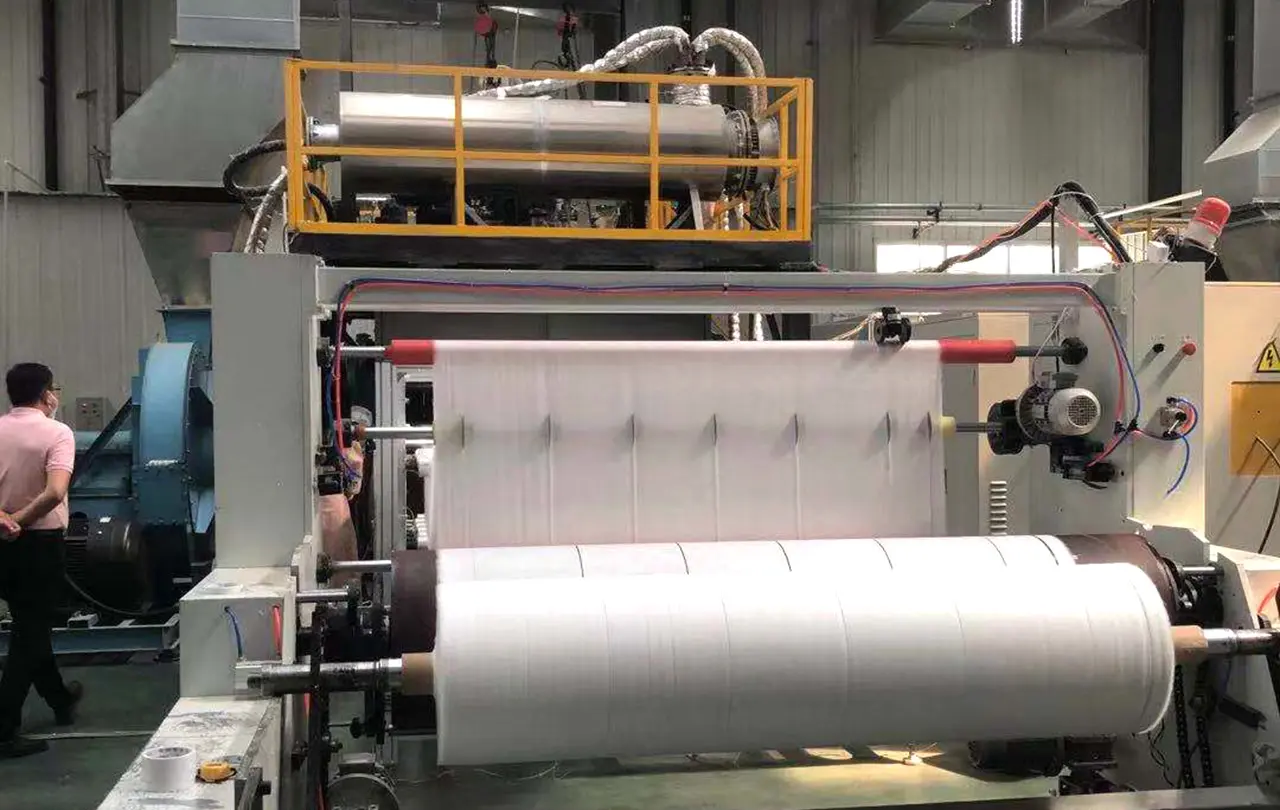
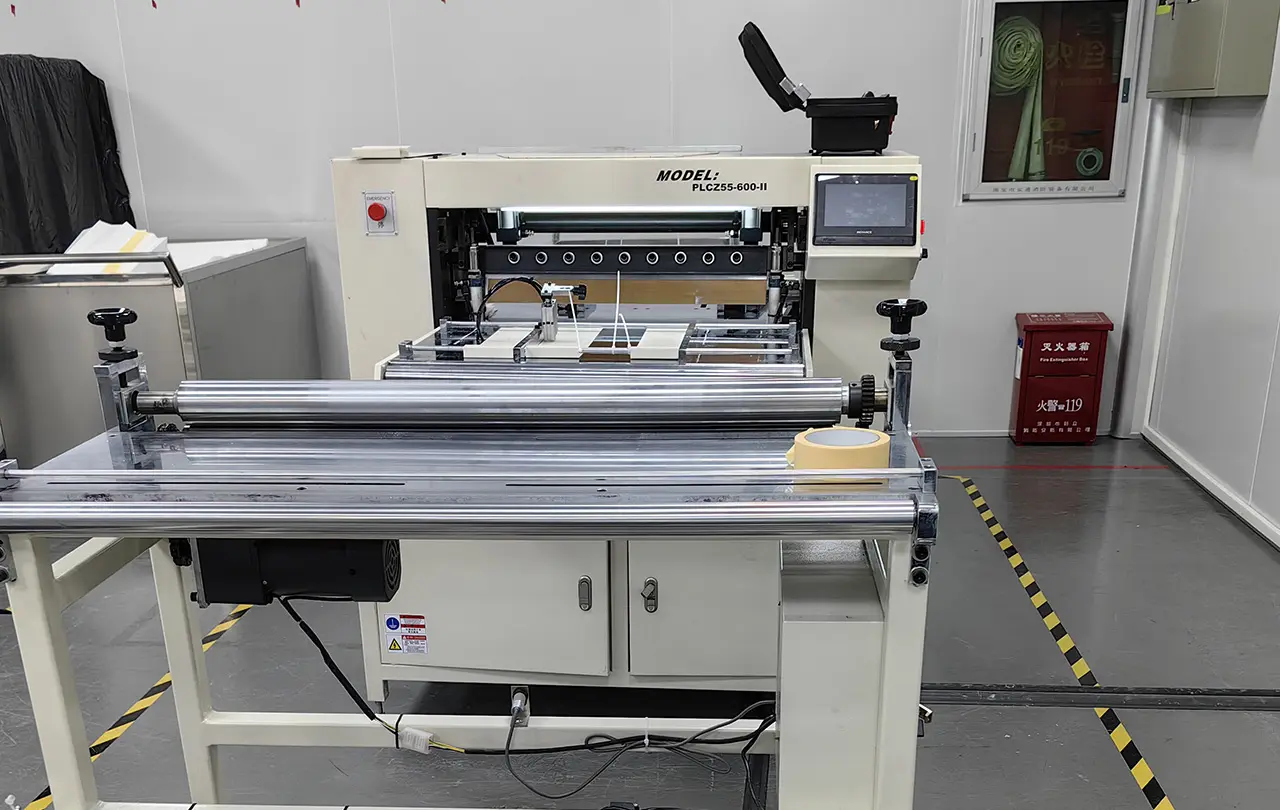
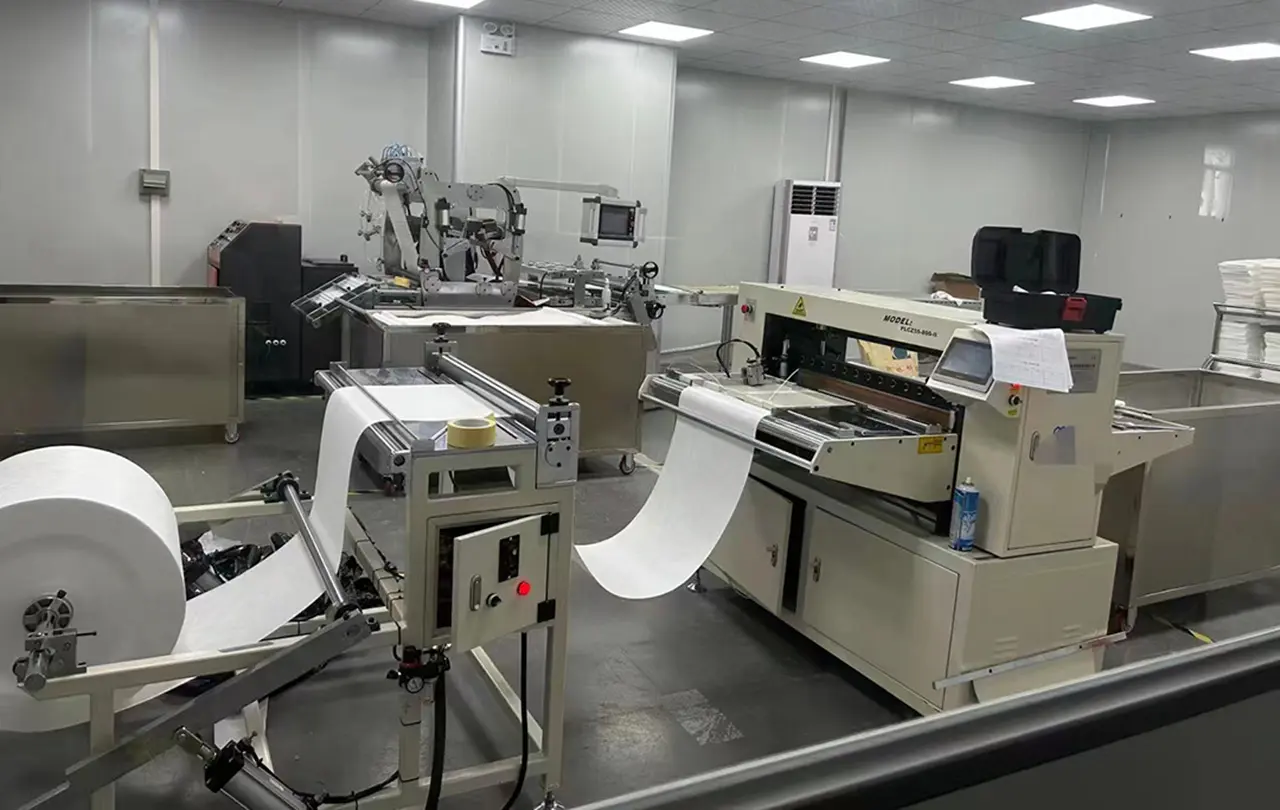
Having 15 years of international air purification technology experience as the background, our company has standardized production workshop, dust-free filter workshop and first-class technology of HEPA filters production line and inspection line, independent research and development of fully automatic air filter production line, equipped with AMADA CNC punch and CNC bending machine as well as many other advanced high-end equipment, provide a strong guarantee for production and quality of air filtration and purification products.
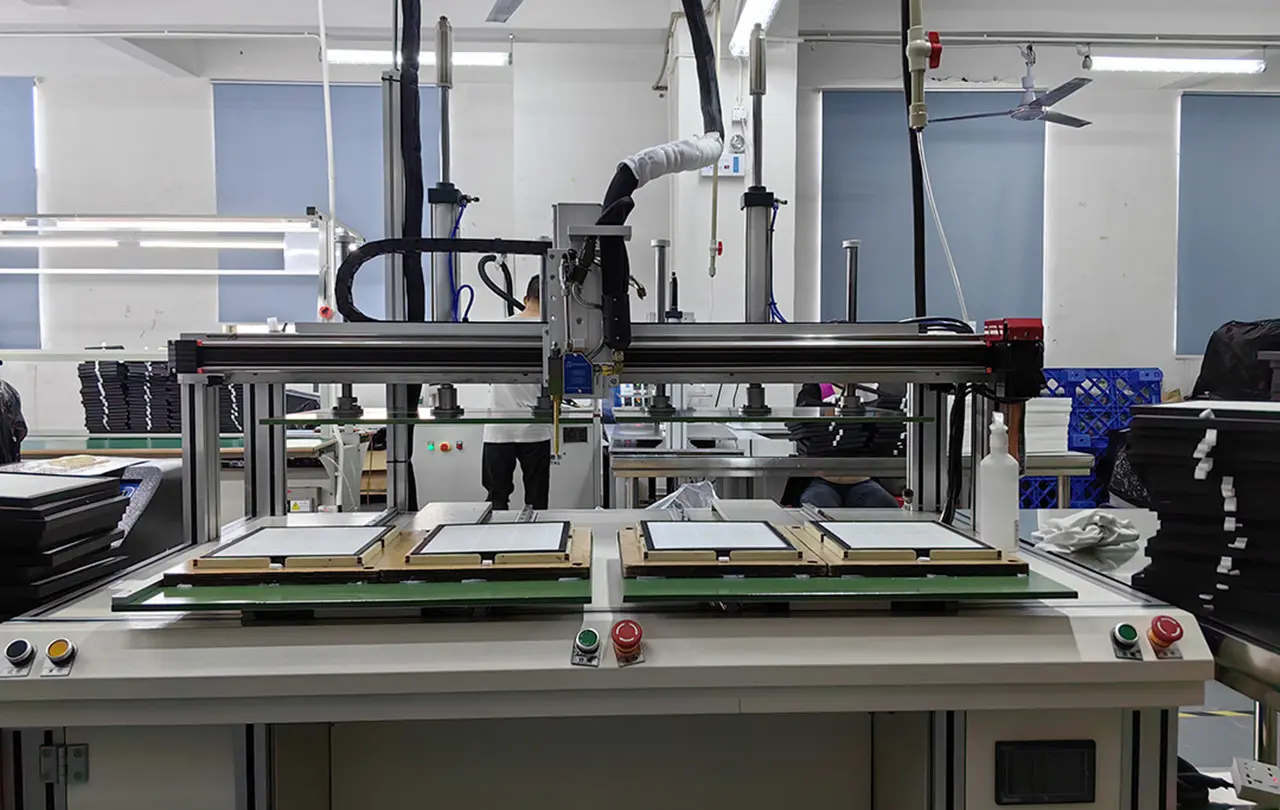
Our commitment to rigorous control and continuous product refinement guarantees that each customized OEM filter element is built to exceed strict global standards. Through automated pleating machines and precise adhesive application lines, we ensure uniform pleat distribution to yield stable air currents across the life cycle of every unit.
Empowering procurement with intelligent automation, rapid prototyping, and cost resilience.
Our automated production assets minimize dimensional deviations, allowing us to yield uniform air velocity and consistent pressure distribution across the media surface.
Equipped with state-of-the-art particulate detection devices and automated air duct wind tunnels, we verify the fractional efficiency and pressure drop of every OEM batch.
Located in Shenzhen, the silicon valley of global supply chains, we maintain key relationships with elite media suppliers to secure reliable pricing and steady components flow.
Engineered options engineered to address strict indoor environment requirements.
Semi-conductor processing spaces require particle counts close to absolute zero. Our high-efficiency mini-pleat HEPA filters guarantee maximum capture rates without compromising critical laminarity.
By preventing microbial migration across active areas, our antiviral filters block pathogen reproduction, securing toxic containment zones and high-sterility work centers.
Large-scale public installations must continuously mitigate PM2.5 levels. Our low-resistance panels help public school systems and corporate headquarters satisfy strict clean-air guidelines while saving energy.
Answers to critical questions about managing HVAC efficiency, pressure drops, and custom media parameters.
Every furnace blower motor is calibrated to run within a specific range of Total External Static Pressure (TESP). If a restrictive filter elevates this pressure, the motor must increase its rotational velocity (in ECM systems) or consume more power while outputting less air (in traditional PSC motors). Over time, this leads to elevated winding temperatures, premature capacitor failure, and uneven heating/cooling throughout the target facility.
Counter-intuitively, adding more pleats to a filter design often reduces initial resistance. This is because increasing pleat counts expands the overall surface area of the media. As surface area increases, the face velocity of the air moving through the media drops. Lower face velocity translates to diminished resistance, allowing design engineers to install higher-MERV filtration media without restricting system air volumes.
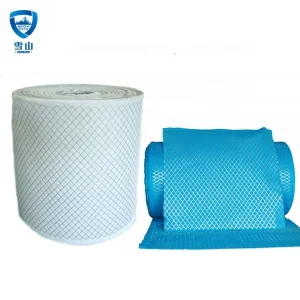
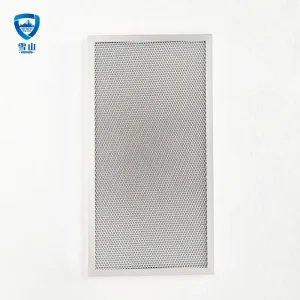
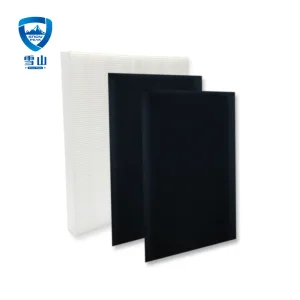
Yes. We leverage custom composite melt-blown, activated carbon, and specialized metal honeycomb substrates. Our patented antiviral media structures provide a sterilization rate of 99.9% and target H1N1 viral particle extraction without restricting natural airflow paths.
We test our designs against both ISO 16890 (which grades filtration by PM1, PM2.5, and PM10 size ranges) and ASHRAE 52.2 (defining MERV indices). Our factory verification systems employ laser particle counters and differential pressure transducers to trace exact pressure-to-load graphs for client transparency.
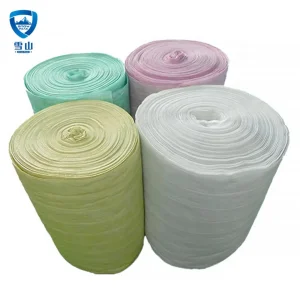
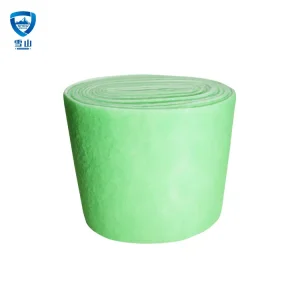
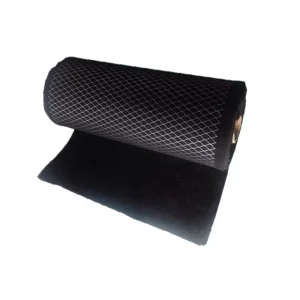
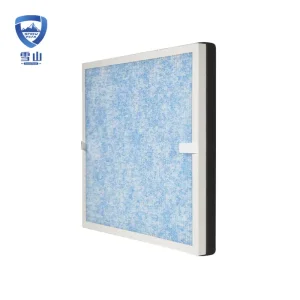
Explore our technical catalog of high-efficiency filters, replacement bags, and roll media.
 Snow Peak