Explore our primary industrial filters and custom replacement solutions, built to target fine particulate matter and gaseous chemical pollutants.
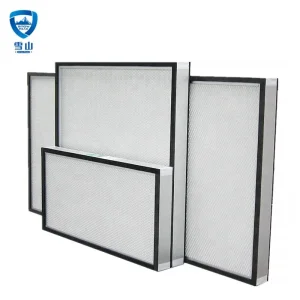
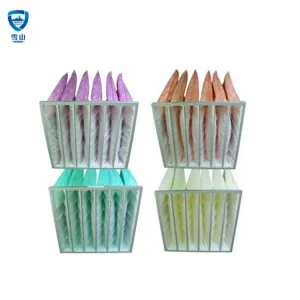
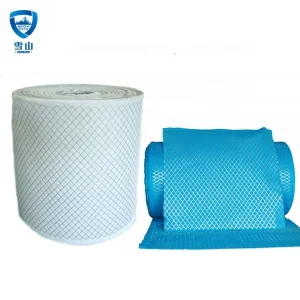
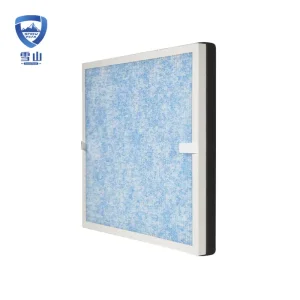
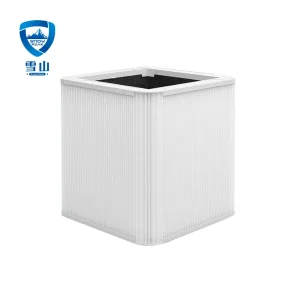
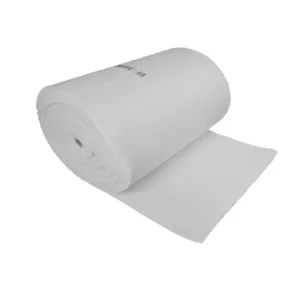
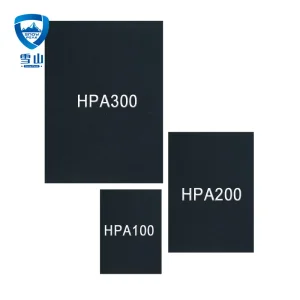
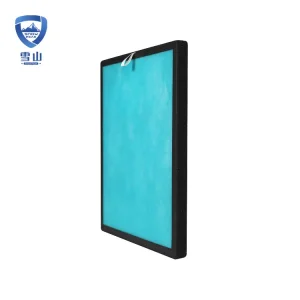
A deep technical analysis of particulate capture kinetics, activated carbon adsorption mechanisms, and advanced manufacturing principles.
Modern commercial and residential indoor spaces demand dual-action control to eliminate both sub-micron particulate matters (PM2.5, PM1.0) and Volatile Organic Compounds (VOCs). A MERV 13 charcoal filter addresses these issues simultaneously. ASHRAE Standard 52.2 classifies filters based on their ability to capture particles across three ranges: E1 (0.3 to 1.0 µm), E2 (1.0 to 3.0 µm), and E3 (3.0 to 10.0 µm). A true MERV 13 rated filter must achieve at least 50% efficiency in the E1 range, 85% in E2, and 90% in E3.
By pairing this mechanical and electrostatic media with high-quality charcoal (activated carbon), we introduce gas-phase molecular filtration. This structural design relies on physical adsorption (physisorption) inside a complex microporous carbon structure. Van der Waals forces draw toxic chemical vapors, smoke odors, ozone, and combustion gases into millions of microscopic carbon pores, permanently trapping them. As an OEM manufacturer, Shenzhen Snow Peak Clean Technology optimizes these media layers to maintain a low pressure drop while maximizing dust loading capacity (DLC).
"Engineering high-performance air filtration involves a delicate balancing act. Elevating a filter to MERV 13 efficiency while incorporating density-rich activated carbon naturally risks restricting airflow. The key lies in composite material engineering, maximizing the carbon contact surface area without raising energy costs for HVAC systems."
The performance of charcoal-loaded MERV 13 filters depends on the choice of carbon substrate and activation level. Activated carbon can be produced from coal, wood, or coconut shells. Coconut shell carbon offers a high density of micro-pores (diameters less than 2 nanometers), making it ideal for low-molecular-weight gases like formaldehyde, volatile organic compounds, and organic odors. In contrast, coal-based carbon provides a broader distribution of meso- and macro-pores, which is more effective for larger organic molecules and paint solvents.
Carbon activation involves heating the organic precursor to extreme temperatures (up to 1000°C) in the presence of steam or carbon dioxide. This process carves out an internal matrix of pores, creating a surface area that can exceed 1,000 square meters per gram of carbon. For highly demanding OEM applications, our manufacturing facility can chemically treat (impregnate) the activated carbon. By introducing additives like potassium permanganate (KMnO₄) or phosphoric acid, we facilitate chemisorption—a chemical reaction that neutralizes tricky inorganic molecules like sulfur dioxide (SO₂), hydrogen sulfide (H₂S), and ammonia (NH₃), which are not easily captured by physical adsorption alone.
Every commercial ventilation system operates under energy usage limits. Standard activated carbon beds cause high system resistance, which strains fan motors and increases facility electricity costs. To address this, we use structured, pleat-locked designs that pair a synthetic electrostatic melt-blown carrier with an open-cell polyurethane foam loaded with carbon, or a dry-bonded carbon media. By engineering these dual-layer structures, we distribute particulate capture across the pre-filter synthetic layer, preventing the carbon bed from getting clogged early. This ensures the carbon remains active for gas filtration throughout its operational lifespan, maintaining a steady, low-pressure drop across the entire system cycle.
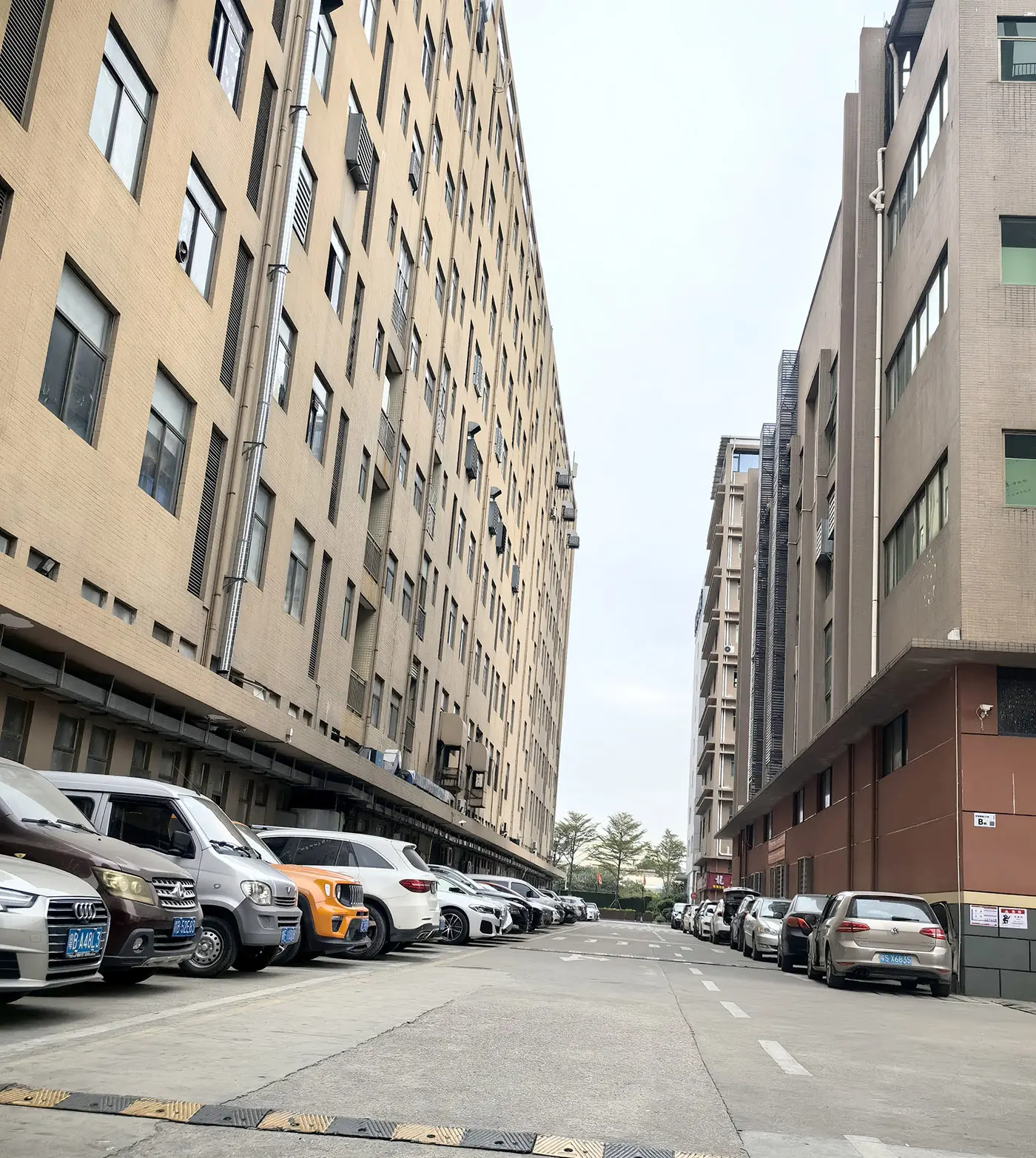
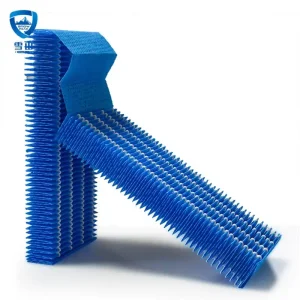
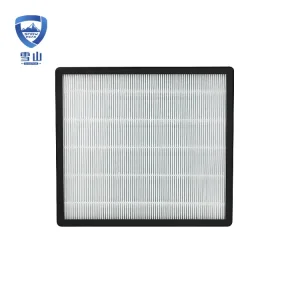
Shenzhen Snow Peak Clean Technology Co., Ltd. is an integrated high-tech enterprise, specialized in air filtration products research and development, production, sales, import and export trade. We produce and supply: Pre-filter, pocket filter, HEPA filter, chemical filter; replacement HEPA filter, car cabin air filter, humidifier filter; pocket filter media, melt-blown composite filter media, and other high-performance filter materials; provide high quality air purification solutions and products for indoor air pollution control and air conditioning systems of civil and industrial buildings, microelectronics, pharmaceutical, laboratory, school, hospital clean room etc.
Combined with self-developed patented technology, our sterilizing antiviral HEPA filter can effectively filtrate fine particles, so that PM2.5 concentration down to 10 micrograms/m3, 5 times better than national standard; effectively inhibit the breeding of microorganisms, sterilization rate up to 99.9%, and no secondary pollution, removal of H1N1 virus efficiency as high as 99.99%.
Inside our 15-year established plant, combining fully automated lines, high-precision metal stamping, and specialized cleanroom assembly.
Having 15 years of international air purification technology experience as the background, our company has standardized production workshop, dust-free filter workshop and first-class technology of HEPA filters production line and inspection line, independent research and development of fully automatic air filter production line, equipped with AMADA CNC punch and CNC bending machine as well as many other advanced high-end equipment, provide a strong guarantee for production and quality of air filtration and purification products.
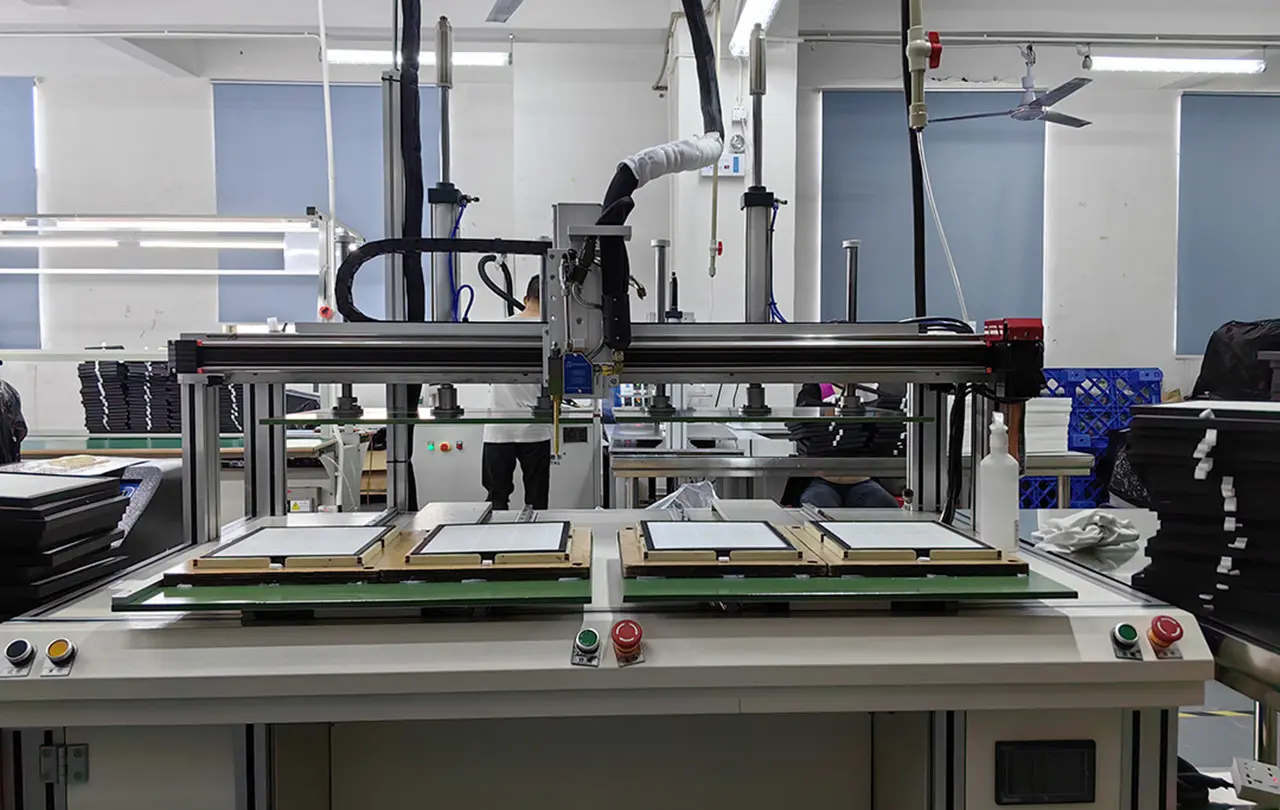
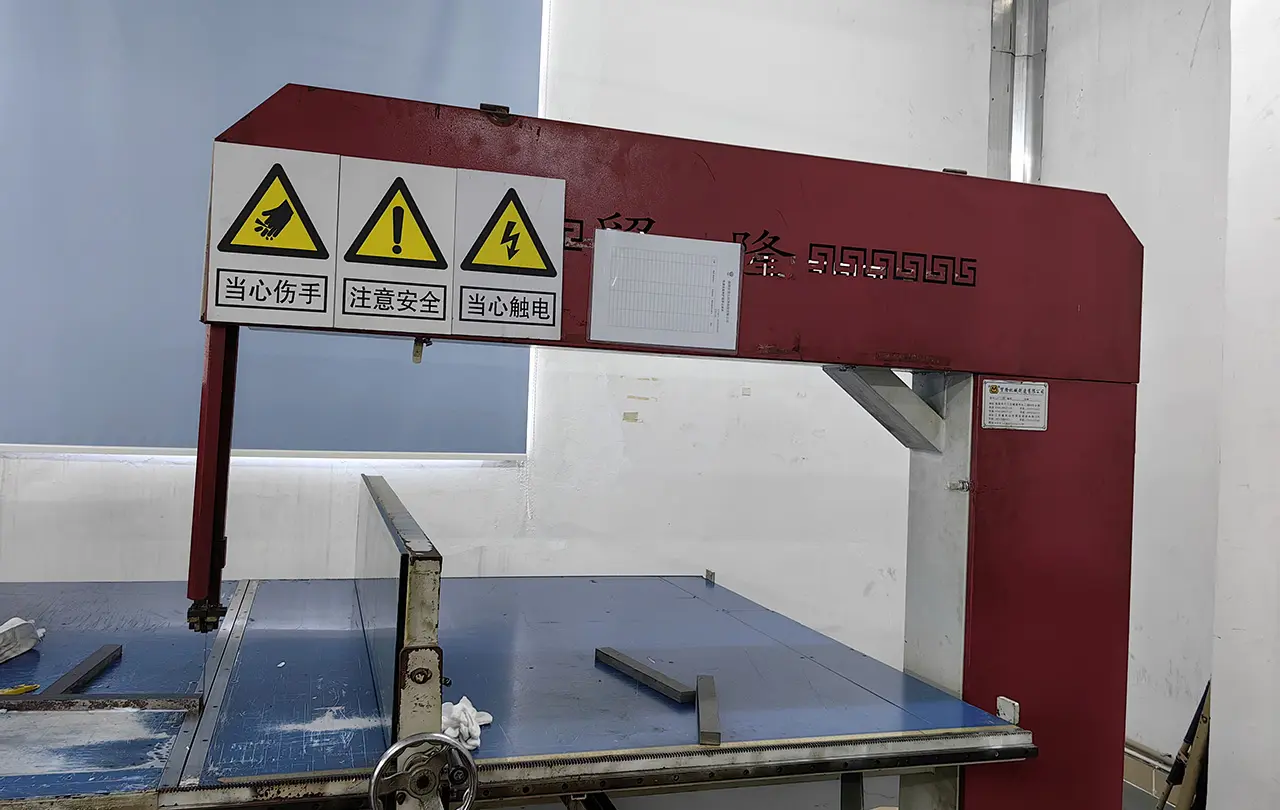
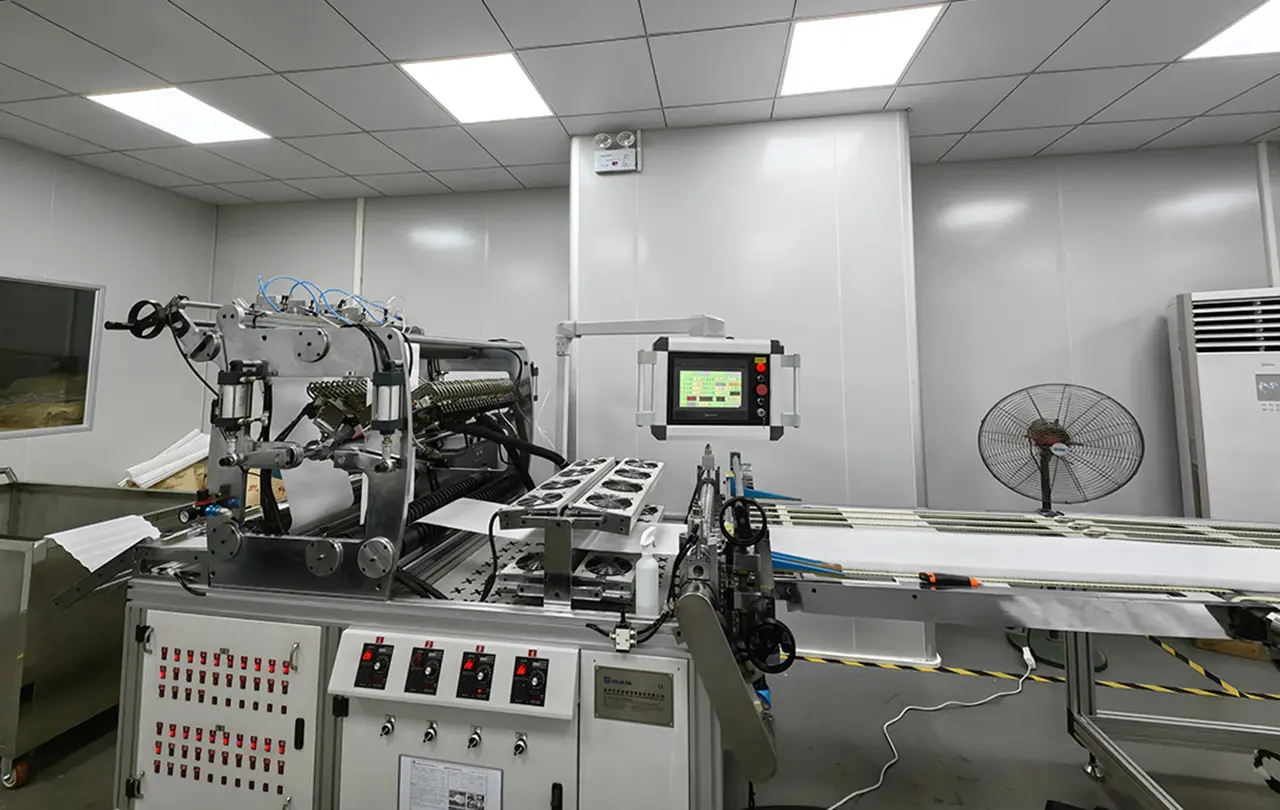
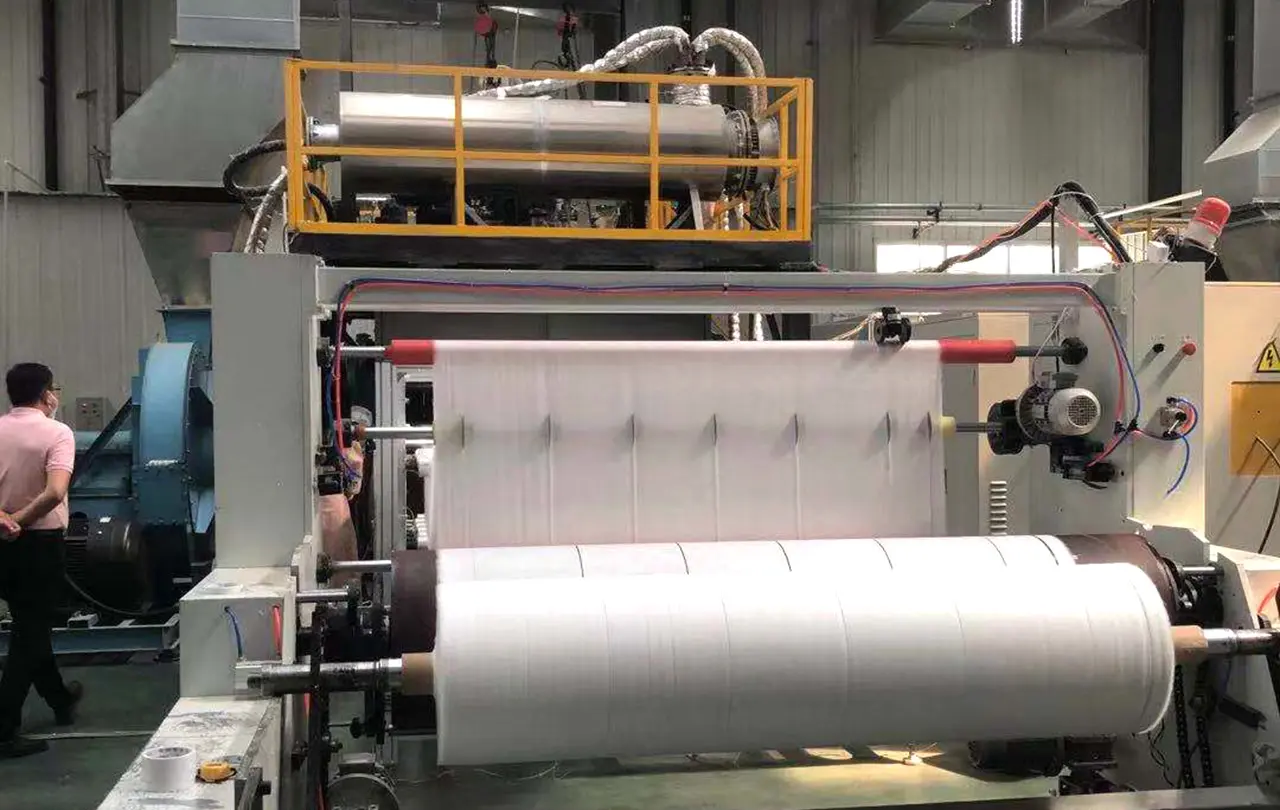
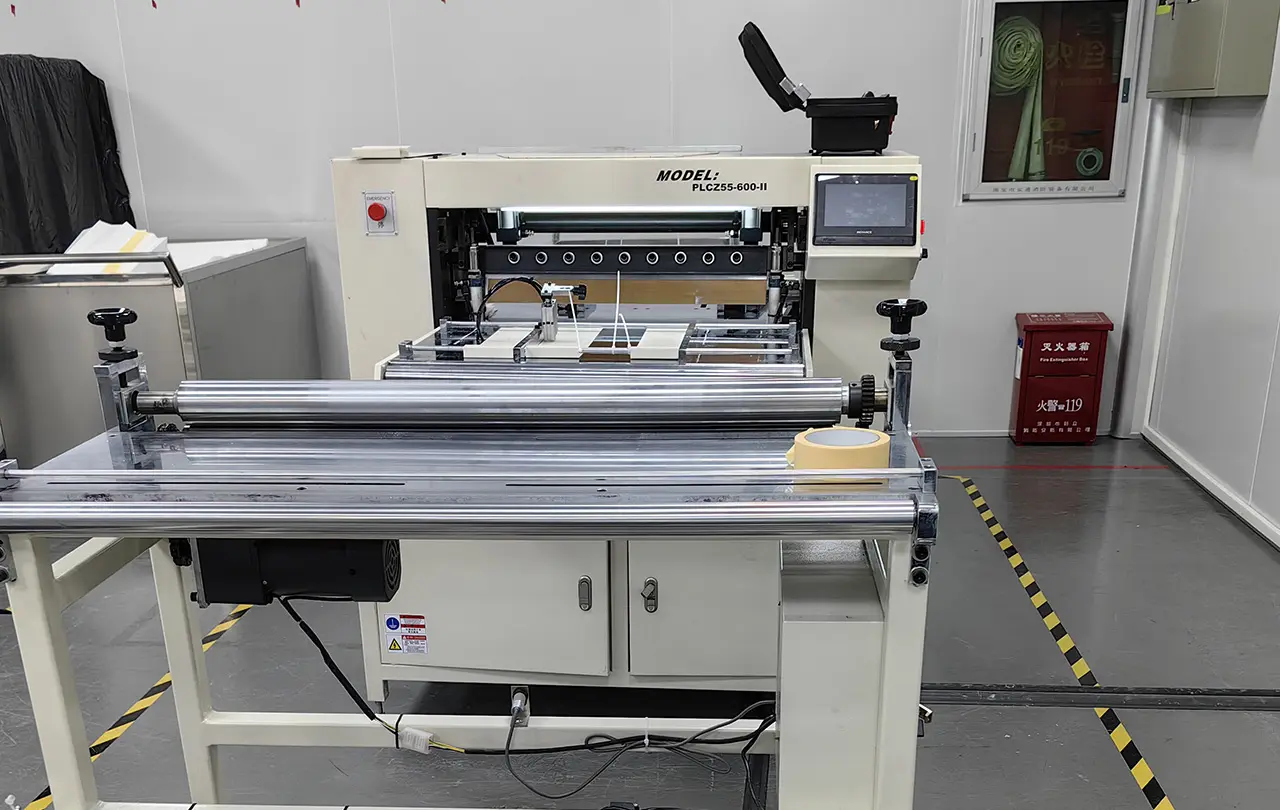
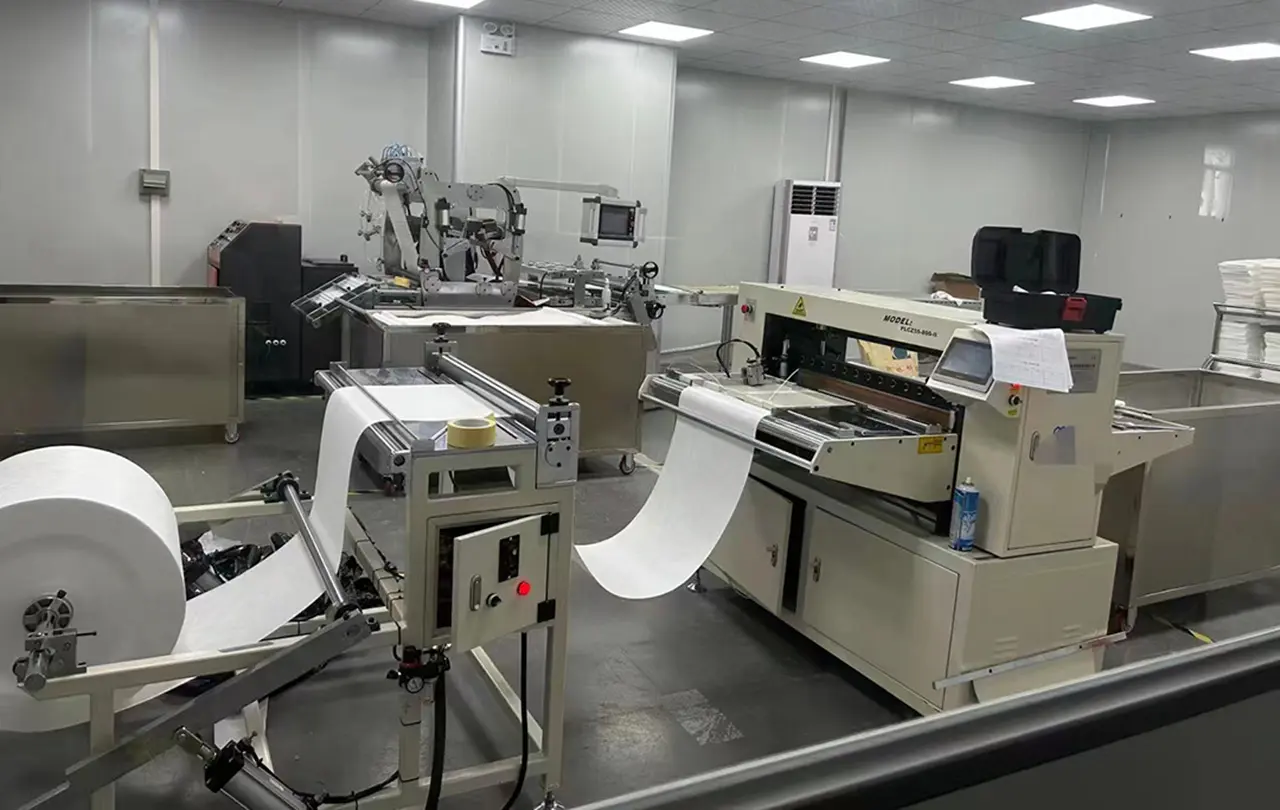
Global procurement professionals choose Chinese air filter manufacturers for our deep material supply chains, lower operating costs, and advanced manufacturing tech. Situated in Shenzhen, the silicon valley of China hardware, Shenzhen Snow Peak Clean Technology maintains direct partnerships with raw material providers. We source melt-blown media, activated charcoal, metal mesh, and adhesives within a 100-mile radius, keeping material transit costs low and production lead times short.
Additionally, our high-precision equipment—including AMADA CNC punches and automated bending lines—allows us to prototype custom frames quickly and run high-volume production without sacrificing quality. This integration speeds up your time-to-market compared to local regional manufacturers in Western Europe or North America, while ensuring full compliance with standards like EN 779, ISO 16890, and ASHRAE 52.2.
As a global supplier, we understand that freight costs and port delays can heavily impact distributor margins. We optimize product packaging—using space-efficient nesting techniques and high-burst-strength cartons—to maximize container loading volumes for maritime cargo. With close proximity to the Yantian and Shekou deep-water ports in Shenzhen, we coordinate container shipments to Europe, the Americas, and APAC regions on short notice. Our dedicated export documentation team ensures smooth customs clearance, providing certificate-of-conformity documents, origin declarations, and compliant HS coding for seamless import processing.
Where MERV 13 charcoal filtration systems are deployed to protect equipment, processes, and occupants.
Modern building codes, including LEED v4.1 certification, require MERV 13 filtration for HVAC systems to maintain indoor air quality. By adding activated charcoal, building managers can also strip out automotive exhaust, diesel fumes, and ozone pulled in through fresh air intakes, creating a healthier, more productive workspace.
Sub-micron dust and trace organic gas vapors can ruin silicon wafer production, leading to costly product defects. Combining a pre-stage MERV 13 charcoal filter with terminal high-efficiency HEPA filters shields sensitive chip manufacturing machinery and lithography tools from airborne contaminants.
Hospitals and clinics require precise control over airborne contaminants to protect vulnerable patients. MERV 13 carbon pleats capture fine dust particles and chemical odors from sterilizers, sanitizing solutions, and laboratories, while our proprietary antiviral coating helps prevent viral transmission through recirculated air.
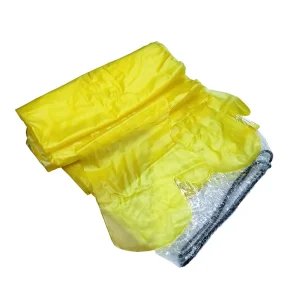
Paint finishing lines rely on stable, clean airflows to ensure smooth finishes. Combining paint stop floor rolls and ceiling cotton with carbon-loaded filters captures sticky overspray particles while trapping VOC emissions, helping plants meet local environmental protection standards.
The global air filtration market is evolving from simple dust trapping to comprehensive molecular gas management. Key drivers include stricter local regulations around VOC emissions, growing public awareness of urban smog (PM2.5), and the spread of wildfire smoke across North America and Europe. Wildfire smoke contains a complex mix of fine particulates and gaseous irritants like benzene, formaldehyde, and acrolein. Traditional fiberglass filters capture these particles but let harmful gases pass through. As a result, commercial building managers are increasingly upgrading their standard filters to MERV 13 charcoal carbon filters to protect tenants from both hazards.
In response, OEM production is shifting toward energy-efficient, low-resistance composite media. By embedding high-efficiency carbon granules directly between pleated synthetic layers, manufacturers can lower pressure drops by up to 30% compared to traditional loose-fill carbon setups. This design trend helps facilities reduce their energy footprint while meeting modern ventilation and air quality targets.
When buying OEM MERV 13 Charcoal Filters, B2B procurement managers should evaluate the following key parameters:
Technical answers to help buyers specify and implement OEM MERV 13 charcoal filtration systems.
A standard MERV 13 filter is designed to capture fine dust particles down to 0.3 microns, but it cannot stop gases, odors, or chemical vapors. A MERV 13 charcoal filter integrates an activated carbon layer with the particulate media, allowing it to capture both dust and molecular gases (like VOCs, smoke, and chemical fumes) in a single frame.
Filter life depends on the dust and gas levels in the building. Generally, the particulate media lasts 3 to 6 months. However, the carbon's gas adsorption capacity may saturate faster in high-odor environments. We recommend testing your air quality or establishing a regular swap schedule every 3 to 4 months for optimal efficiency.
Yes, custom sizing is a core part of our OEM manufacturing service. We build filters in custom dimensions and depths (ranging from 1-inch, 2-inch, to 4-inch deep pleats) and offer various frame options (cardboard, galvanized sheet metal, or extruded aluminum) to fit any HVAC system or air purifier housing.
High humidity (above 60% RH) can fill the carbon's micropores with water molecules, reducing its ability to trap target gases. For high-humidity applications, we recommend using impregnated carbon or installing upstream moisture separators to protect the carbon media.
All our filtration products are manufactured under ISO 9001 quality systems and tested according to international standards, including ASHRAE 52.2 (for MERV ratings), EN 1822 (for HEPA efficiency), and ISO 16890 (for PM1, PM2.5, and PM10 fractional efficiency classifications).
Air bypass can significantly lower filtration efficiency. We prevent bypass by precision-cutting frames with AMADA CNC machines, using continuous closed-cell polyurethane gaskets, and applying structural adhesive seals around the entire media edge to ensure all air is forced through the filter.
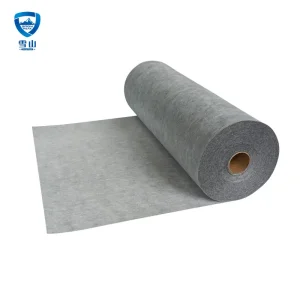
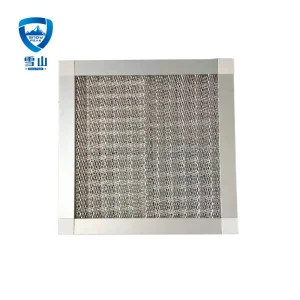
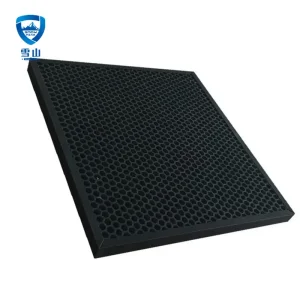
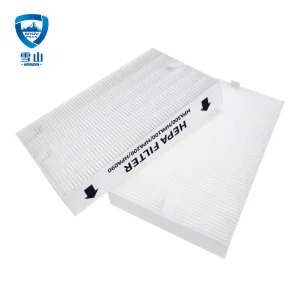
Explore our specialized replacement filters, carbon fabric rolls, and industrial pre-filters for heavy-duty commercial facilities.
 Snow Peak