Explore our high-performance filtration components designed to integrate seamlessly into complex HVAC systems, laminar flow hoods, and critical plenum ceiling spaces.
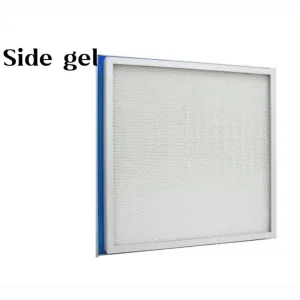
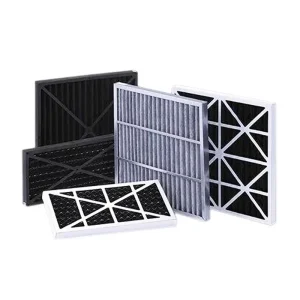
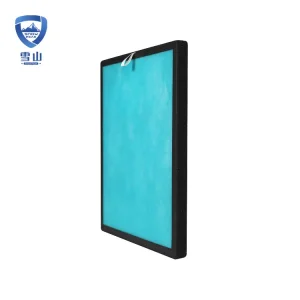
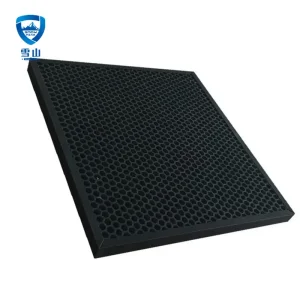
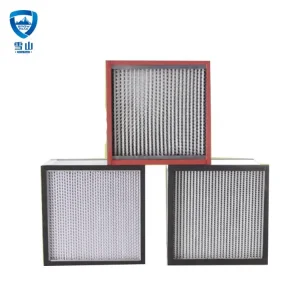
A plenum HEPA filter represents a specialized containment and integration structure utilized in advanced cleanrooms and terminal air handling ceilings. Unlike traditional inline duct-mounted filters, a plenum HEPA configuration features an engineered chamber—the plenum—on the upstream side of the filter media. This design equalizes air pressure across the face of the HEPA element, ensuring a perfectly uniform velocity distribution profile.
By transforming turbulent, high-velocity airflow into laminar, stable streams, plenum designs minimize systemic pressure drop and optimize particulate capture. The integration of zero-bypass sealing systems, such as polyurethane fluid gels or custom gasket systems, guarantees that all processed air passes through the fiberglass or PTFE media without peripheral leakage.
The global demand for high-efficiency particulate air (HEPA) systems in plenum configurations is expanding rapidly. Valued in the billions, this sector is heavily driven by stringent international environmental standards, such as ISO 14644-1 Cleanroom Classifications and GMP Class A/B requirements.
As modern fabrication processes—such as semiconductor lithography below 3nm, genetic therapy development, and advanced optoelectronics production—reach atomic thresholds of precision, even a single sub-micron particle can lead to catastrophic yield loss. Global enterprises now approach containment and air purification not merely as facility overhead, but as an essential driver of production margins and compliance reliability.
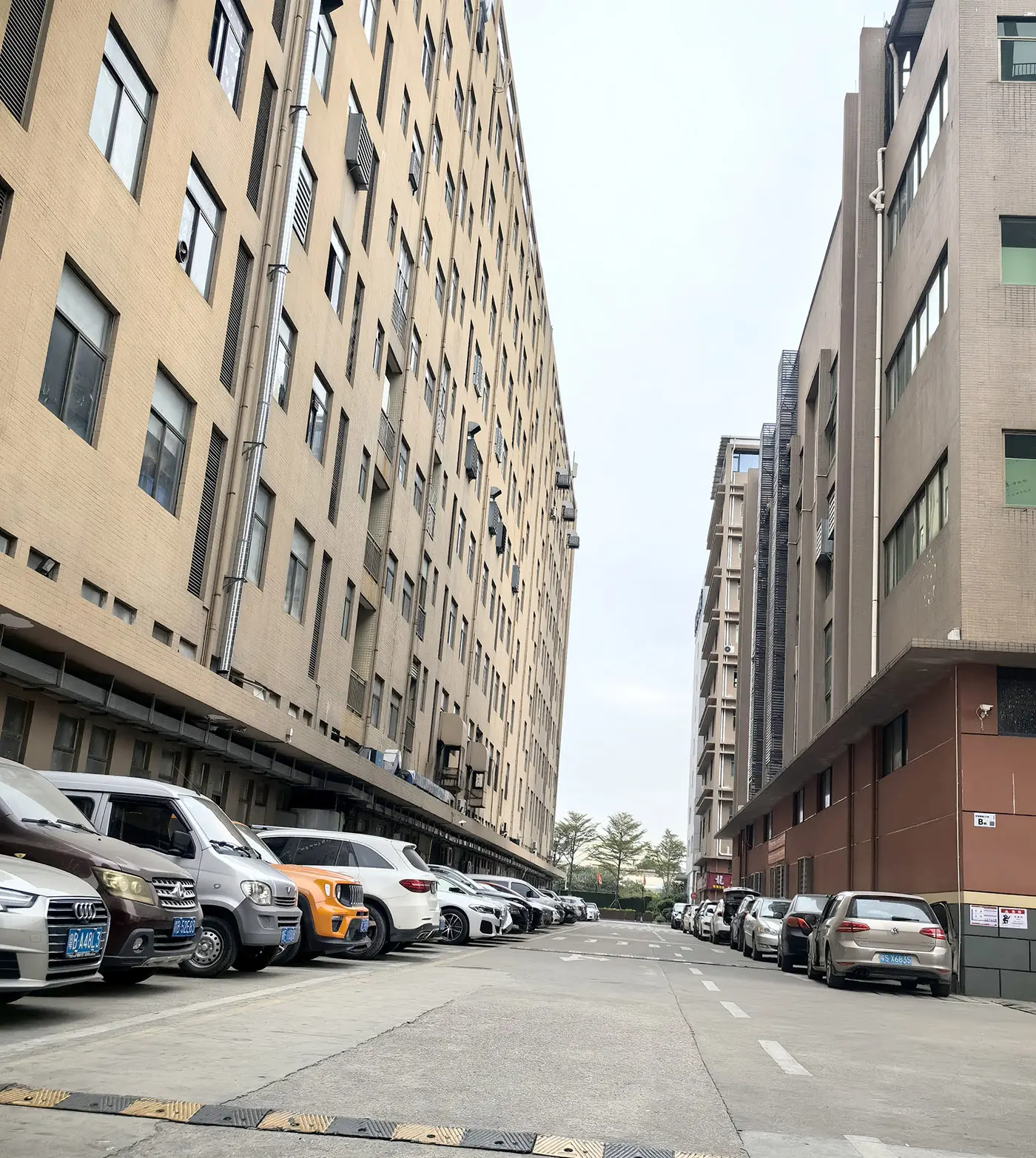
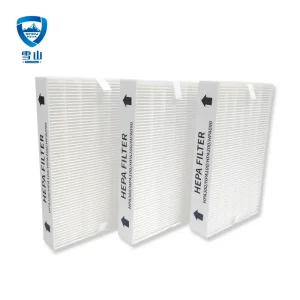
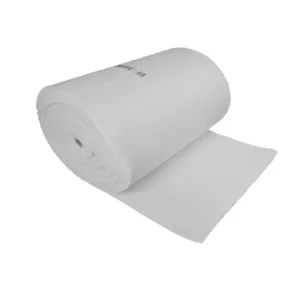
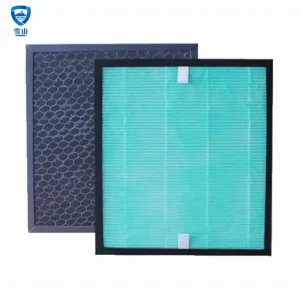
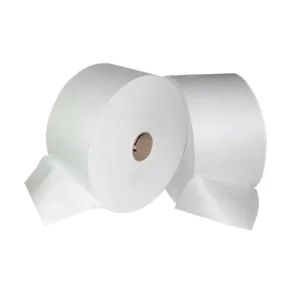
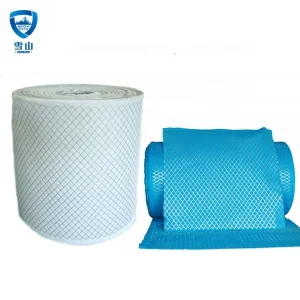
Shenzhen Snow Peak Clean Technology Co., Ltd. is a premier, integrated high-tech enterprise specializing in the research and development, manufacture, distribution, and global export of advanced air filtration systems. We engineer professional-grade containment solutions, supplying premium Pre-filters, Pocket filters, high-capacity HEPA filters, Chemical filters, Humidifier pads, and high-performance melt-blown composite filter media.
Our solutions cater to terminal installations in civic developments, commercial towers, microelectronics fabs, pharmaceutical facilities, clinical operating environments, and high-containment biosafety laboratories. Leveraging our proprietary patented technologies, our antiviral and sterilizing HEPA lines capture fine particulate matters with extreme precision—bringing local PM2.5 concentrations down to 10 micrograms per cubic meter (a threshold 5 times cleaner than standard regulatory benchmarks). The active media layers inhibit microbial propagation, delivering a 99.9% sterilization rate and an validated 99.99% removal efficiency against viral agents like H1N1 without risking secondary off-gassing.
A visual overview of our specialized production processes, ensuring consistent structural integrity and leak-free performance across all exported batches.
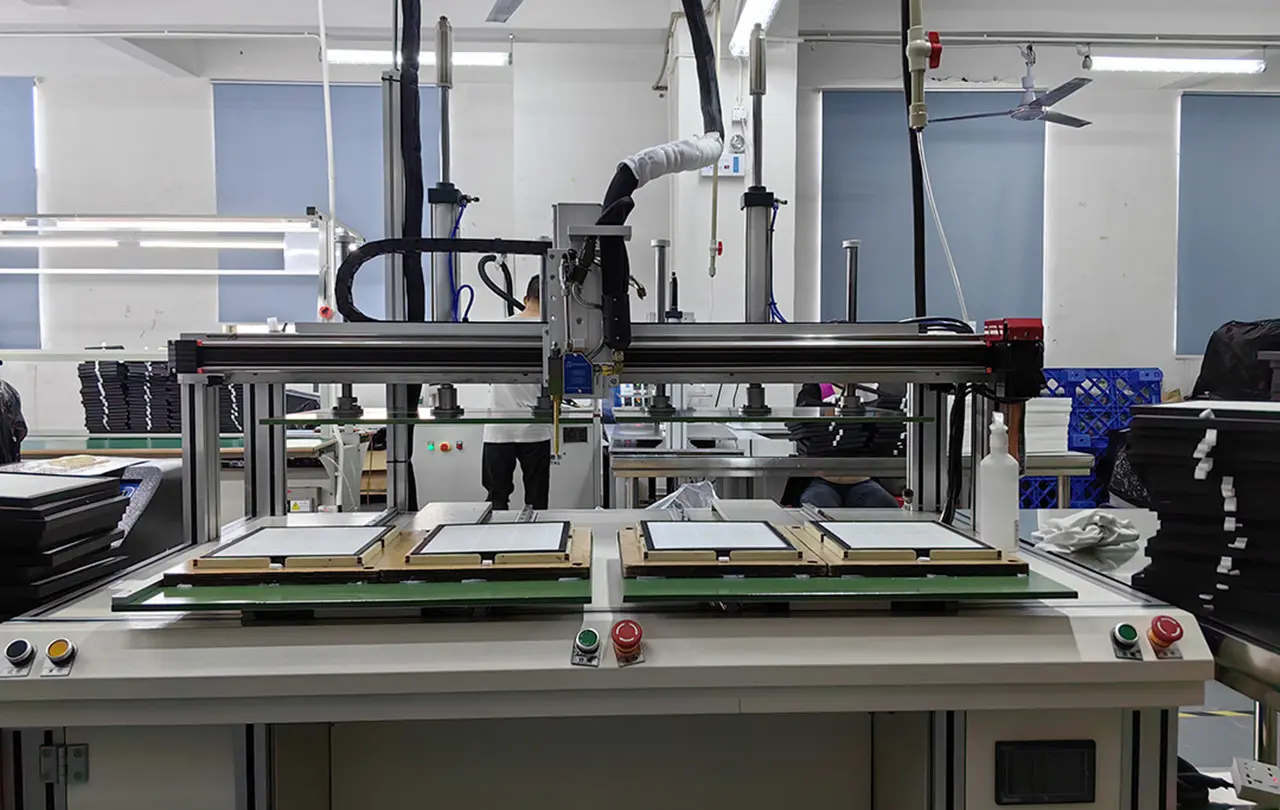
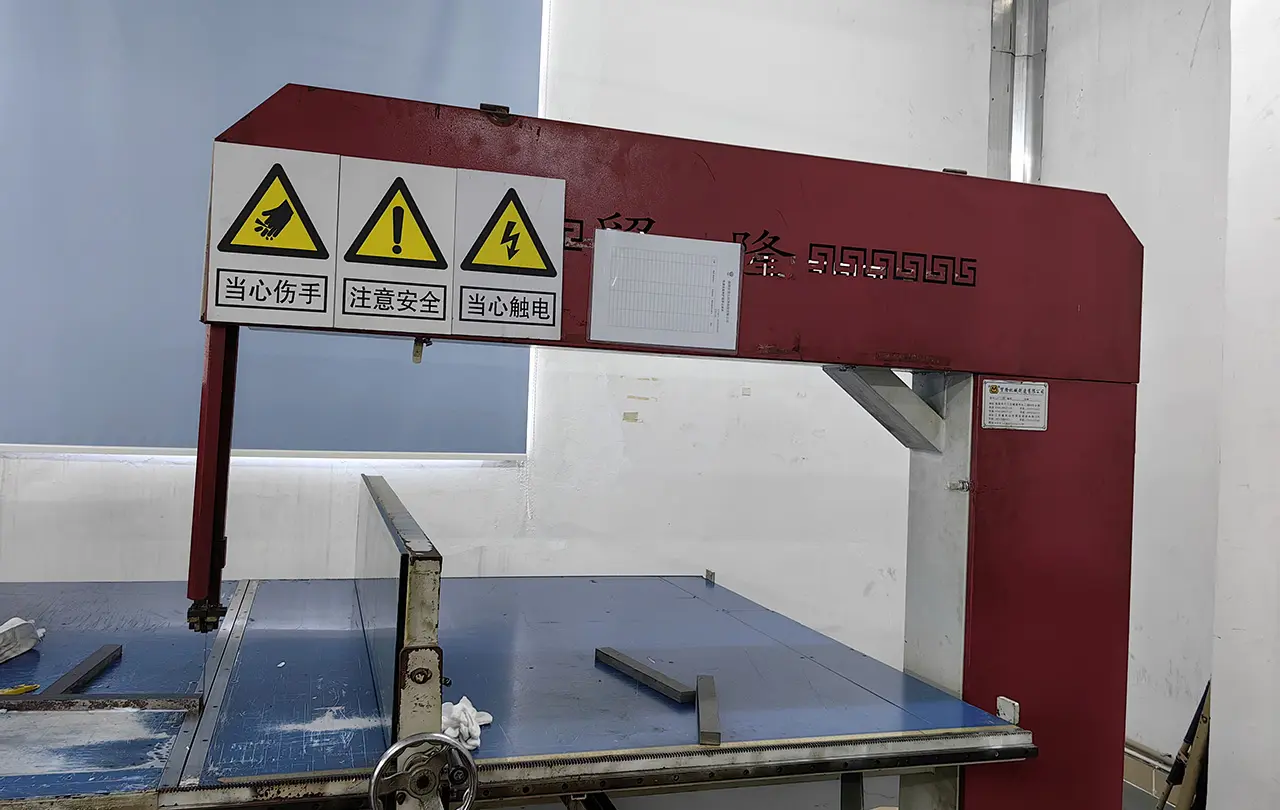
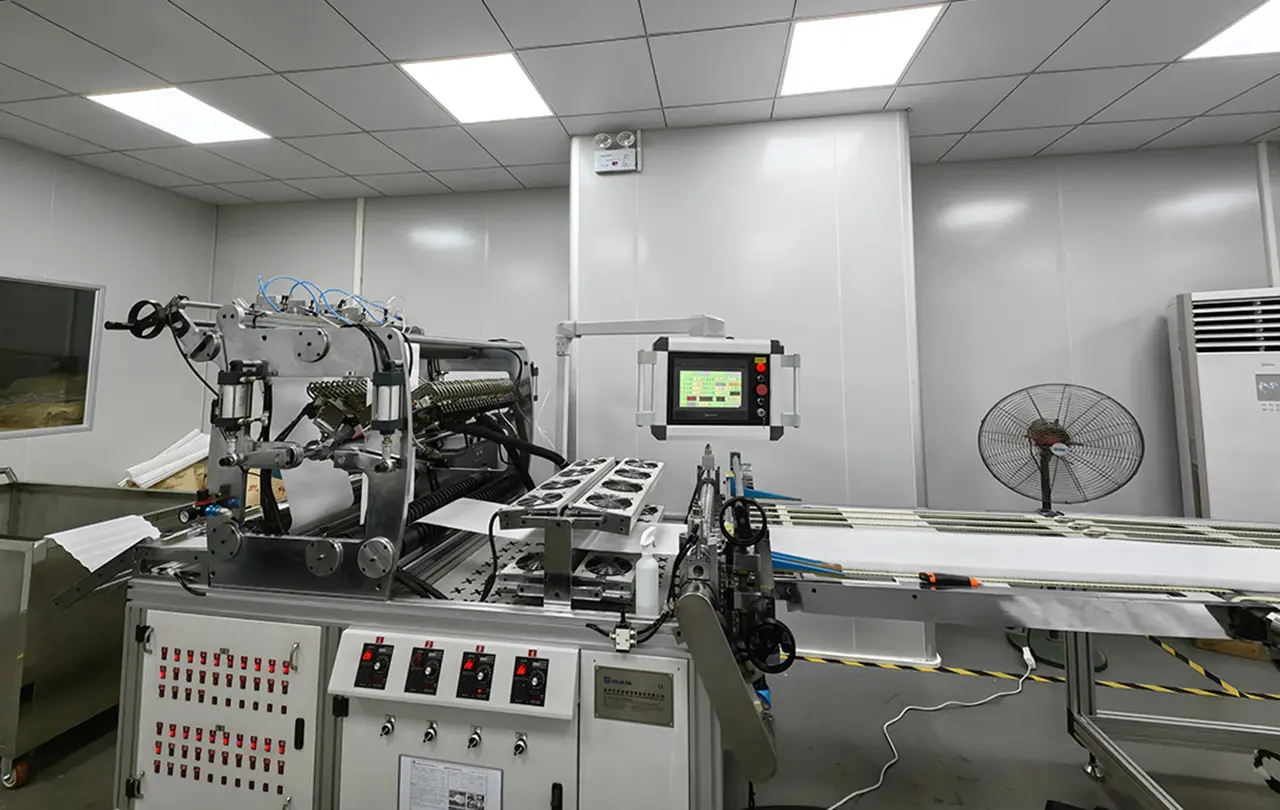
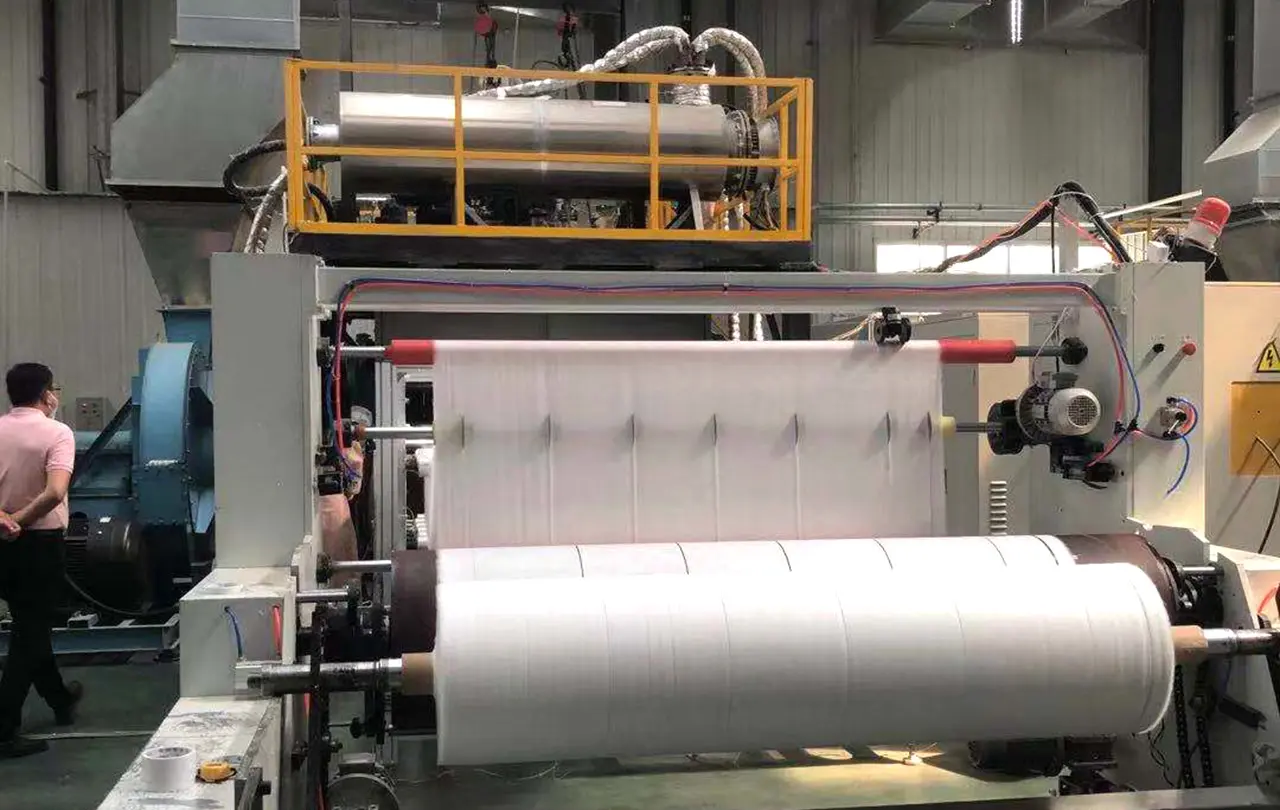
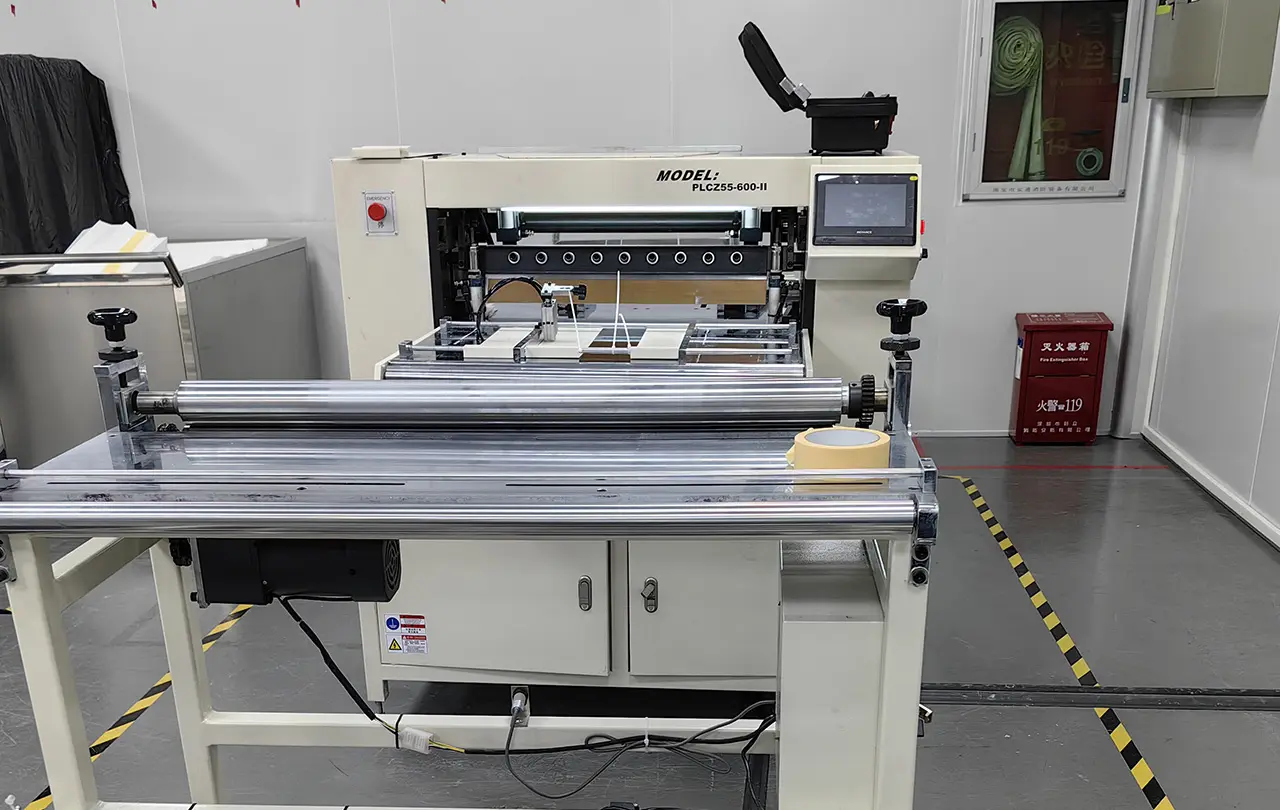
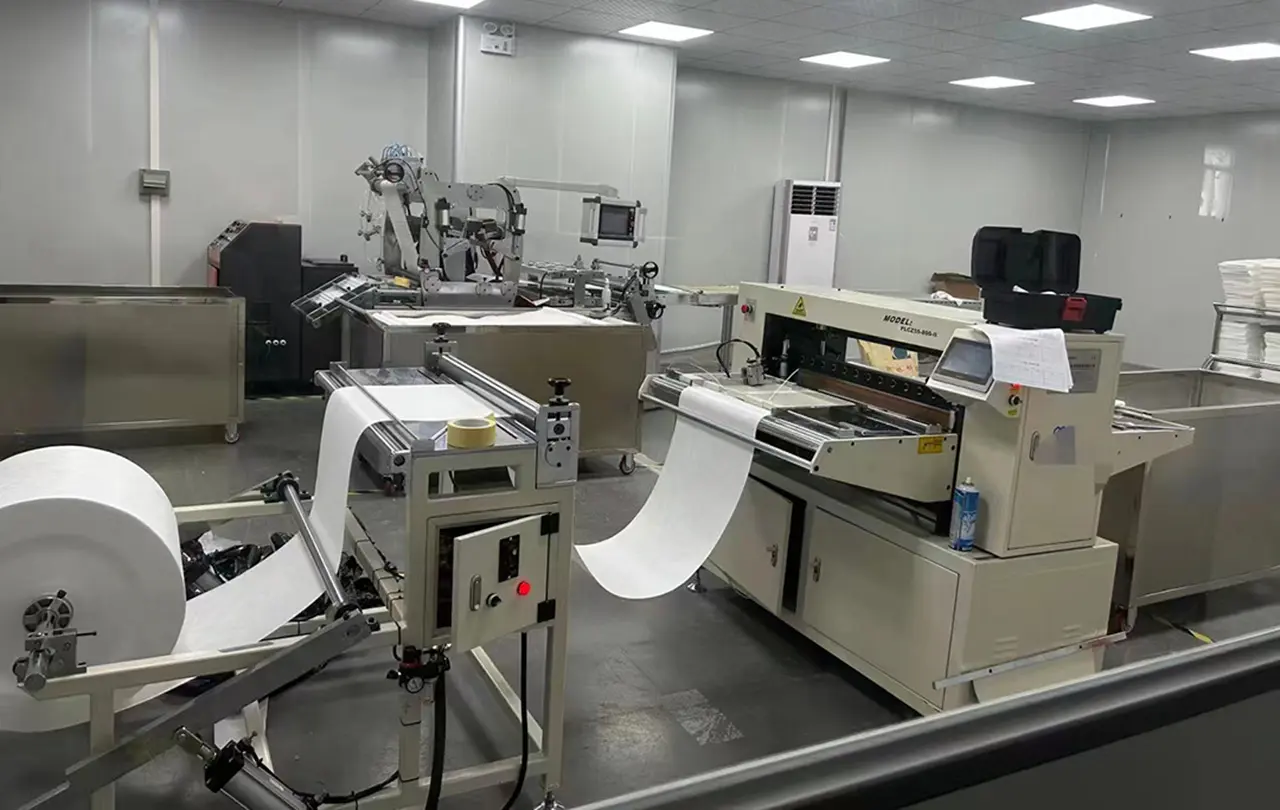
Supported by 15 years of air purification expertise, our operations are housed within ISO-compliant dust-free assembly spaces. Our automated assembly lines work in unison with high-end fabrication machinery, including AMADA CNC punches and CNC bending systems. These technologies allow us to construct robust, airtight containment modules that endure substantial static pressures and thermal fluctuations in heavy-duty industrial HVAC systems.
Procuring plenum HEPA filters from China offers key advantages in volume scalability, fast production times, and cost-effectiveness. Our factory in Shenzhen combines integrated supply networks with automated manufacturing. This allows us to source raw materials, execute CNC frame processing, perform media pleating, and conduct automated gel-seal dispensing within a single, unified location.
Our automation reduces human error, increases daily output, and lowers unit production costs compared to Western manufacturers. This allows us to offer competitive pricing without compromising quality. Additionally, our location in Shenzhen provides direct access to major international shipping routes, ensuring efficient export logistics to global ports.
Cleanrooms are rarely identical. Architectural limits, variable fan curves, and regional humidity differences demand custom filtration setups. As an established OEM partner, we provide complete custom tailoring, including:
We work closely with cleanroom builders and HVAC contractors to customize each module's size, depth, and pressure drop profile to fit their specific systems.
Reliability is critical for high-efficiency filtration. A single leak can contaminate a cleanroom, halt production, and lead to costly cleanups. We address this with rigorous, traceable testing protocols:
How our plenum HEPA filters perform across diverse industrial settings around the world.
In sub-micron fabrication facilities, even nanometer-scale particles can damage silicon wafers during lithography. Our low-outgassing PTFE and glass micro-fiber HEPA filters fit securely within cleanroom grid ceilings, preventing chemical off-gassing and providing the clean air necessary to maintain high production yields.
Conforming to EU GMP Grade A and FDA requirements is critical in pharmaceutical manufacturing. Our top-side liquid gel-seal HEPA filters prevent bypass leaks, ensuring a sterile work zone. They withstand sanitizing agents like hydrogen peroxide, preventing contamination of sterile injectables and pharmaceuticals.
For BSL-3 and BSL-4 facilities, containing biological pathogens is crucial for safety. Our HEPA filters are designed for bag-in/bag-out (BIBO) housings, providing reliable exhaust filtration that safely captures pathogens. This prevents toxic particulate release and protects surrounding environments.
Our filtration modules help reduce airborne pathogens in hospitals, surgical suites, and burn wards. They filter out bacteria, mold spores, and viral particles, helping to prevent hospital-acquired infections and creating safer clinical spaces.
The technical developments shaping high-efficiency cleanroom ventilation.
High-efficiency filtration can consume significant power. To help operators reduce energy use, we use advanced membrane media that lower initial resistance without compromising particle capture. This allows facility managers to reduce fan speeds, save energy, and lower carbon emissions.
Modern cleanroom ceilings are integrating smart sensors. We design our HEPA modules with built-in pressure tap locations, allowing easy connection to differential pressure monitors and building management systems. This enables predictive maintenance, helping facility managers replace filters based on actual loading rather than scheduled intervals.
As biological safety becomes more critical, our R&D focus is on integrating antimicrobial properties into HEPA media. By combining high-efficiency particulate capture with safe, non-leaching antimicrobial coatings, we help limit bacterial and viral growth on the filter media, extending its service life.
A practical reference for engineering firms and procurement managers when qualifying HEPA filter manufacturers.
To ensure cleanroom safety, procurement managers should verify key manufacturer benchmarks during qualification:
Answers to common technical and operational questions about Plenum HEPA filtration systems.
A standard ducted filter connects directly to flexible or rigid supply ducting via a dedicated inlet collar. In contrast, a Plenum HEPA filter is designed to fit inside a pressurized ceiling plenum chamber. The plenum acts as a shared, pressurized air distribution zone that feeds clean air uniformly through the filter face. This design simplifies cleanroom layouts, reduces the complexity of ductwork, and helps maintain a balanced airflow across large grid installations.
Liquid gel seals (typically polyurethane or silicone-based fluid gels) are preferred for critical cleanrooms, such as ISO Class 5 or cleaner, or sterile pharmaceutical production. The gel fills a track on the filter frame, forming a tight, knife-edge seal that prevents bypass leaks, even during thermal expansion or grid movement. Traditional neoprene or EPDM gaskets are suitable for standard air-handling systems, but they can degrade, take a compression set, or leak if not installed with uniform clamping pressure.
The pressure drop across a HEPA filter is determined by the face velocity (typically 0.45 m/s or 90 fpm for laminar flow applications), media area, and the dust loading on the filter. A standard new, dry H14 HEPA filter typically has an initial resistance between 80 to 140 Pascals (Pa), depending on the pleat density. We recommend replacing or servicing filters when the pressure drop reaches double or triple the initial clean resistance, or when the system fans can no longer maintain target velocities.
We test every HEPA filter at our facility before export. Testing includes challenging the filter with a polydisperse oil aerosol (such as PAO) and checking for leaks using automated laser spectrometers. Our processes conform to ISO 9001:2015 quality standards. Each filter is shipped with its test report, showing its tested efficiency, air volume, and pressure drop.
Yes, we provide extensive custom OEM and ODM services. We manufacture HEPA filters in non-standard sizes, custom frame thicknesses, and with specialized materials (such as stainless steel, plastic, or anodized aluminum) to meet specific architectural requirements, cleanroom configurations, or existing HVAC systems.
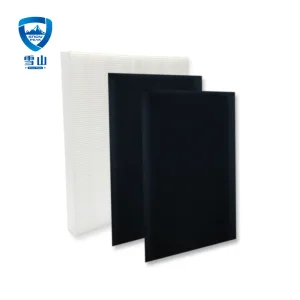
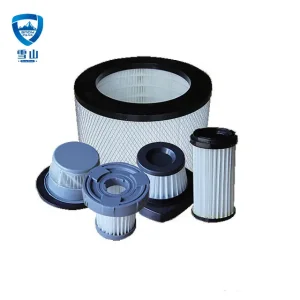
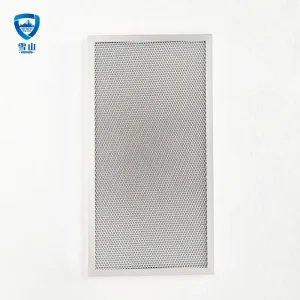
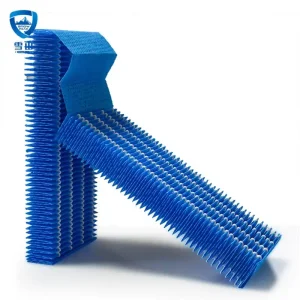
Browse our wide range of auxiliary carbon media, pre-filtration components, and OEM replacement filters to support your cleanroom and HVAC systems.
 Snow Peak