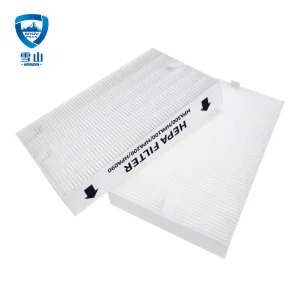
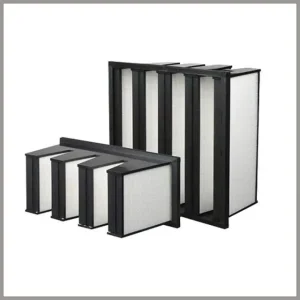
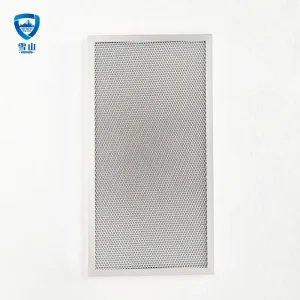
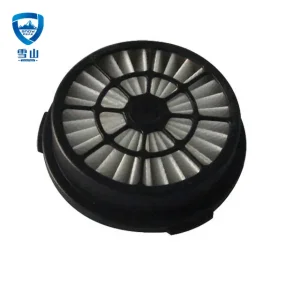
Explore our premium air filter fabric configurations engineered to satisfy international standards. Direct factory sourcing ensures maximum reliability and economy.
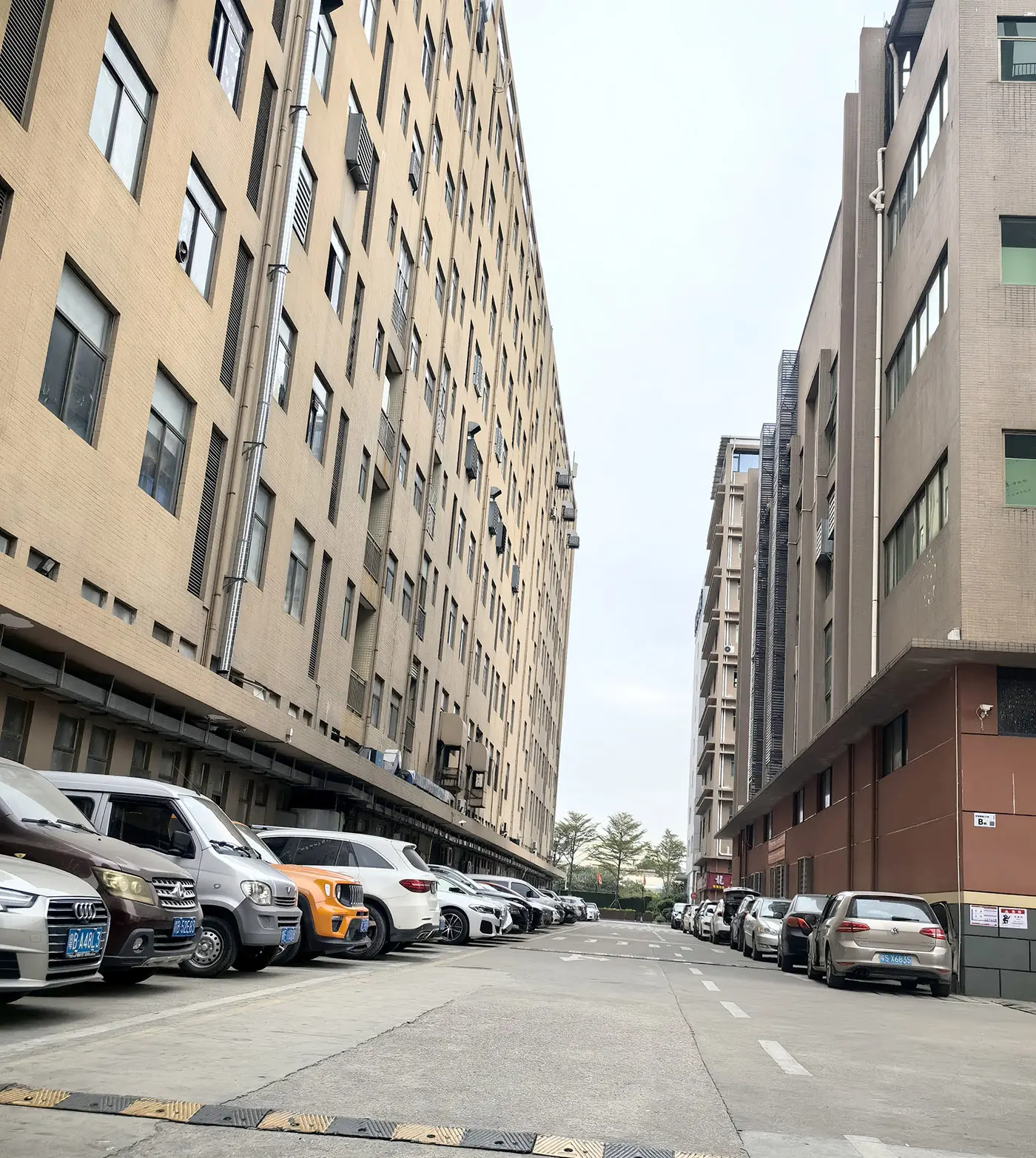
As a leading integrated high-tech enterprise, Shenzhen Snow Peak Clean Technology Co., Ltd. specializes in the research, development, production, and global distribution of advanced air filtration products and composite materials. Our comprehensive portfolio is engineered to mitigate indoor air pollution and meet stringent regulatory requirements across civil, commercial, and industrial facilities.
By preventing secondary contamination and neutralizing viral threats such as the H1N1 influenza virus with a verified 99.99% effectiveness rate, we provide a safer, cleaner environment for critical infrastructure globally.
Delivering critical contaminant control and micro-climate management for high-precision business ecosystems.
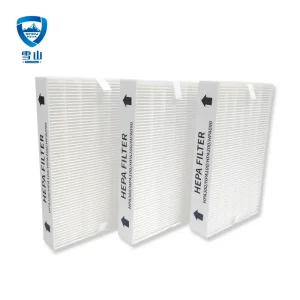
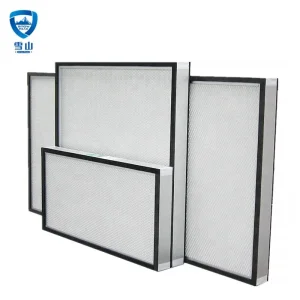
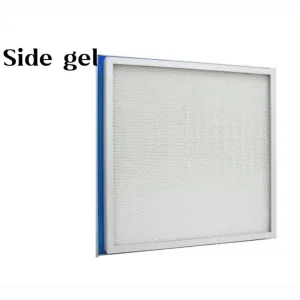
High-yield silicon wafer production requires zero tolerance for airborne particulates. Our Ultra-Low Penetration Air (ULPA) and Gel-Seal HEPA filters provide ISO Class 1 cleanliness, keeping micro-particles from compromising microelectronic circuits.
Complying with GMP requirements means neutralizing biological contaminants. Our antiviral materials and thermal-bonded glass fiber media effectively trap bacteria, spores, and viruses, maintaining sterile conditions for drug preparation and research laboratories.
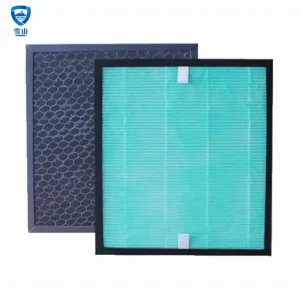
Industrial off-gas containment needs advanced molecular filtration. We utilize multi-stage activated carbon matrices and honeycomb structures to absorb hazardous volatile organic compounds (VOCs), sulfur compounds, and ammonia from air streams.
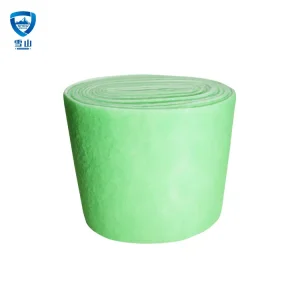
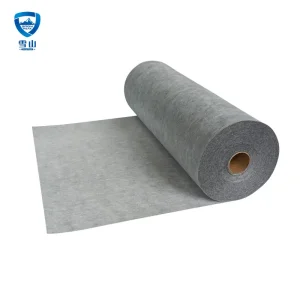
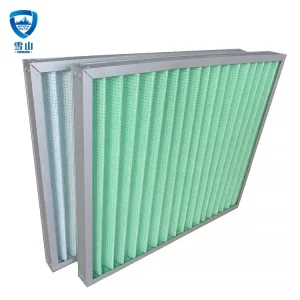
Modern commercial buildings demand high energy efficiency. By developing low-resistance, high-dust-holding pre-filter rolls (G2 to F9 efficiency), we help buildings lower their energy costs while improving general indoor air quality.
Equipped with computerized manufacturing and assembly networks to guarantee stable quality at scale.
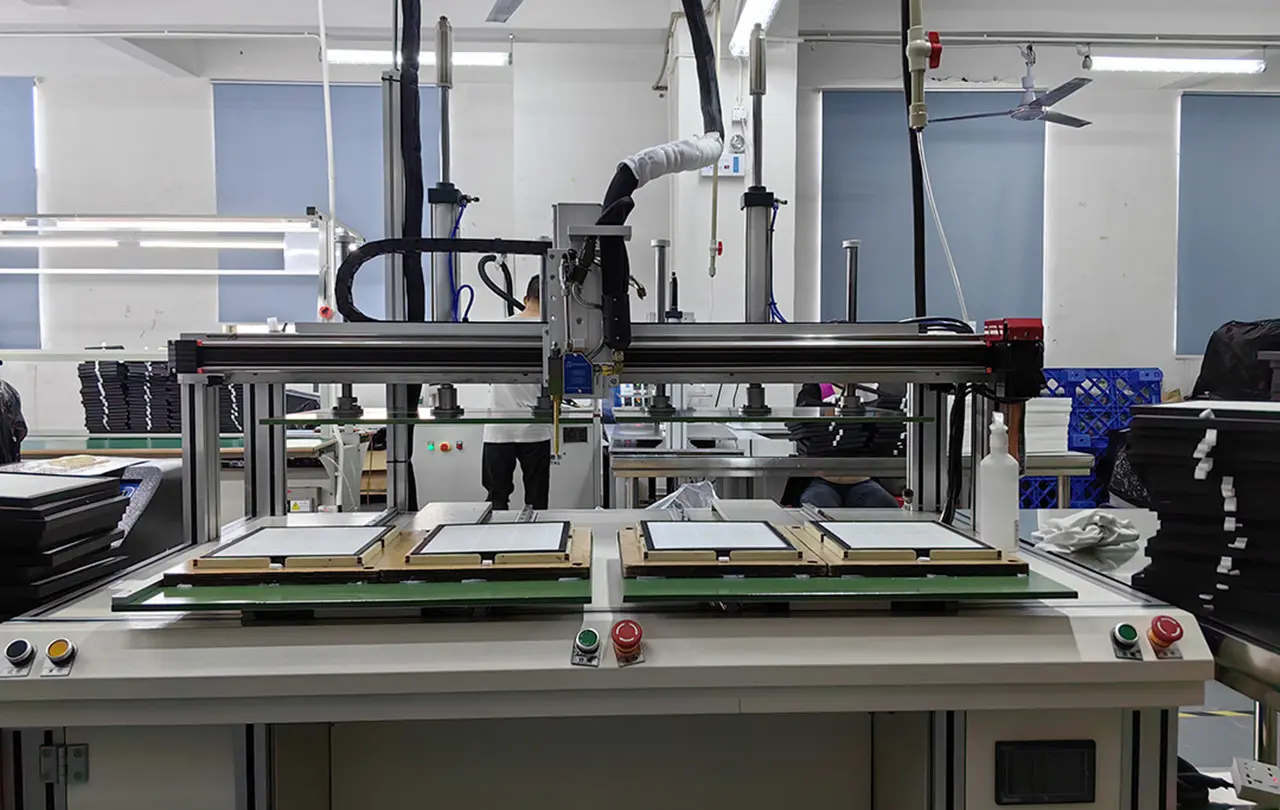
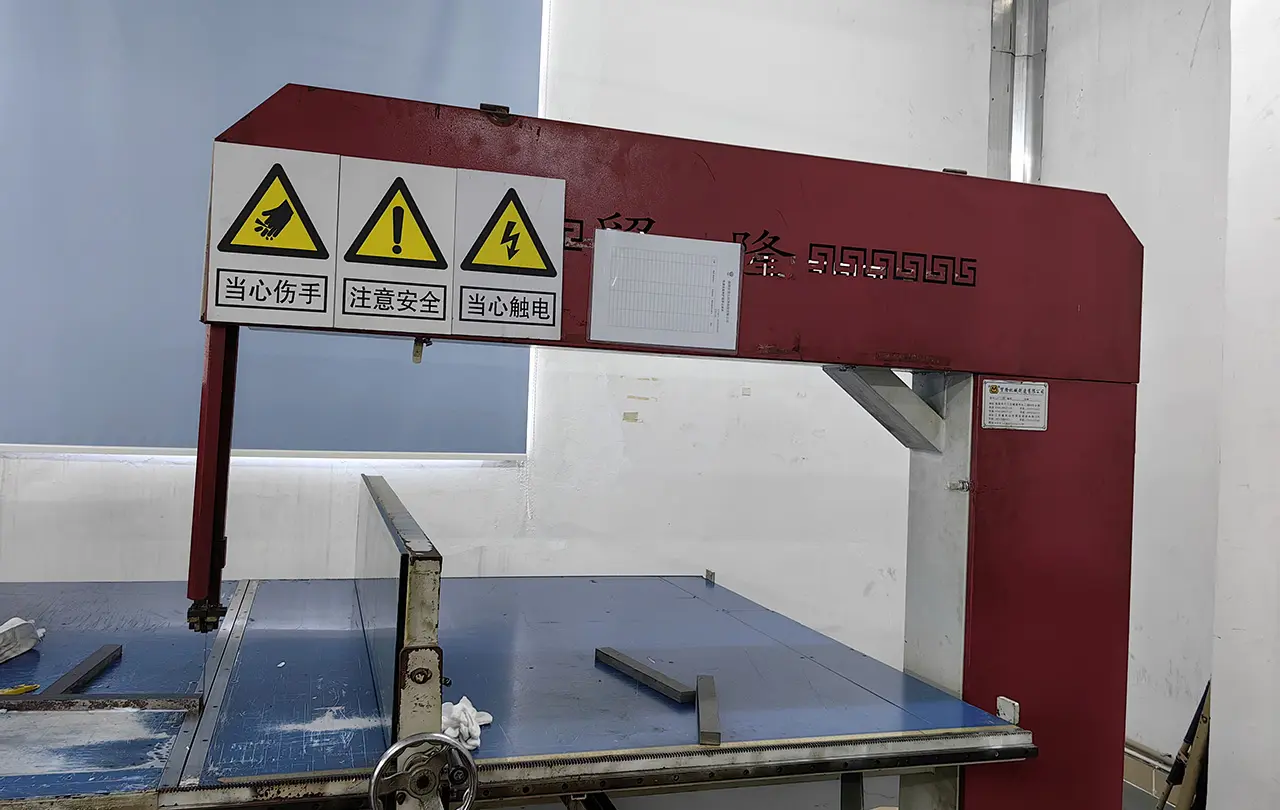
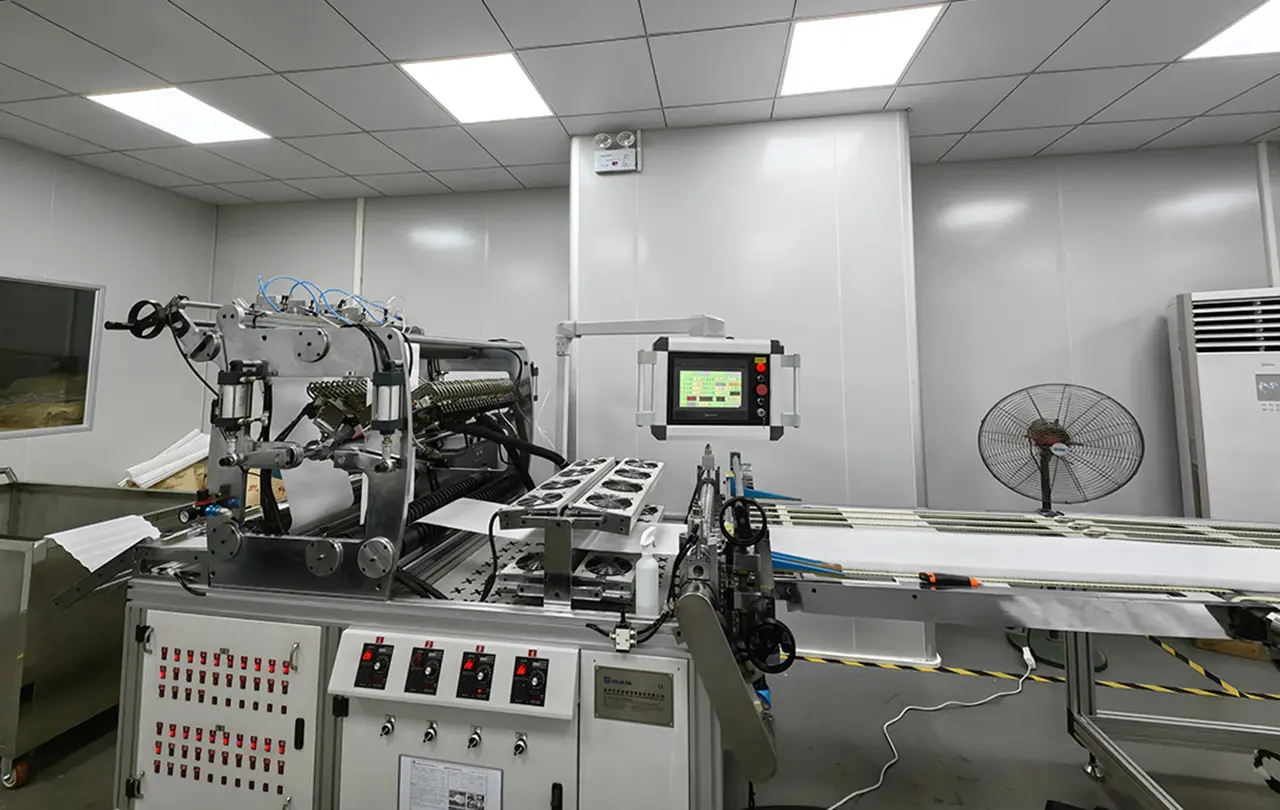
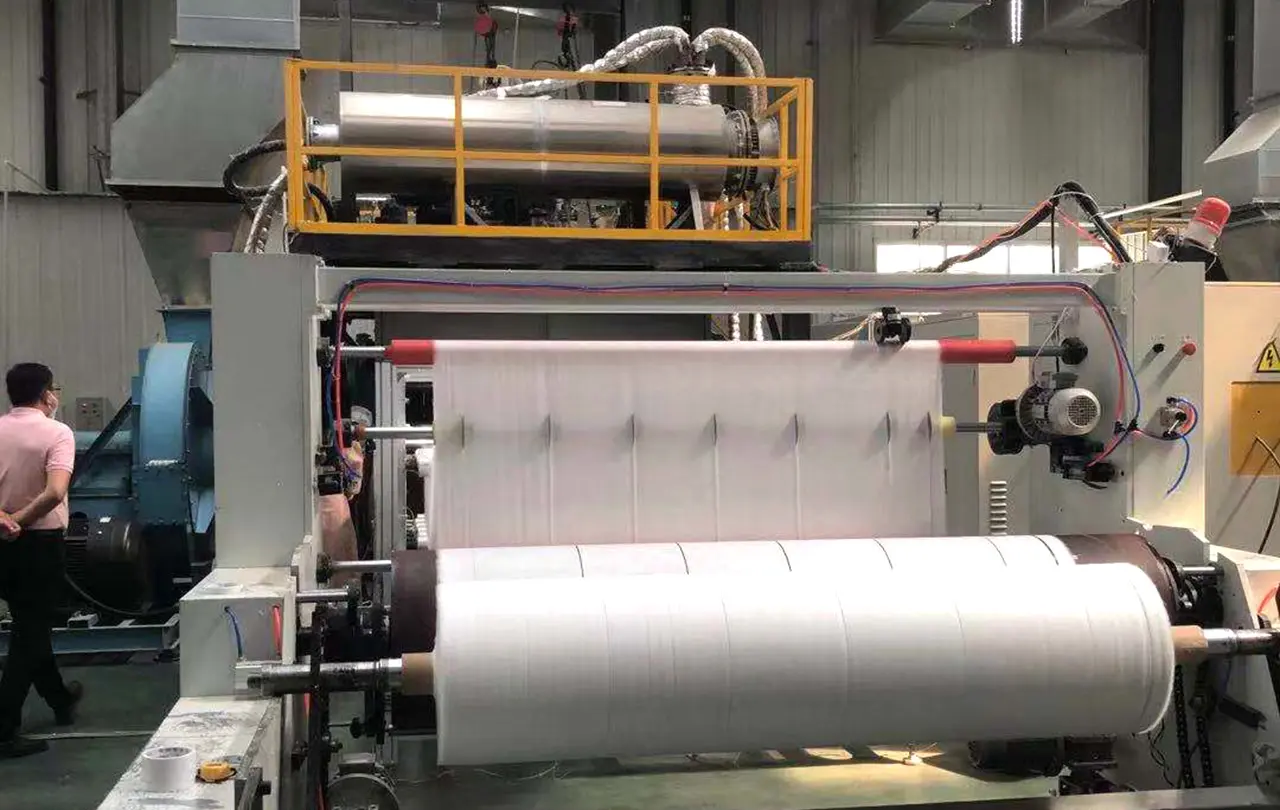
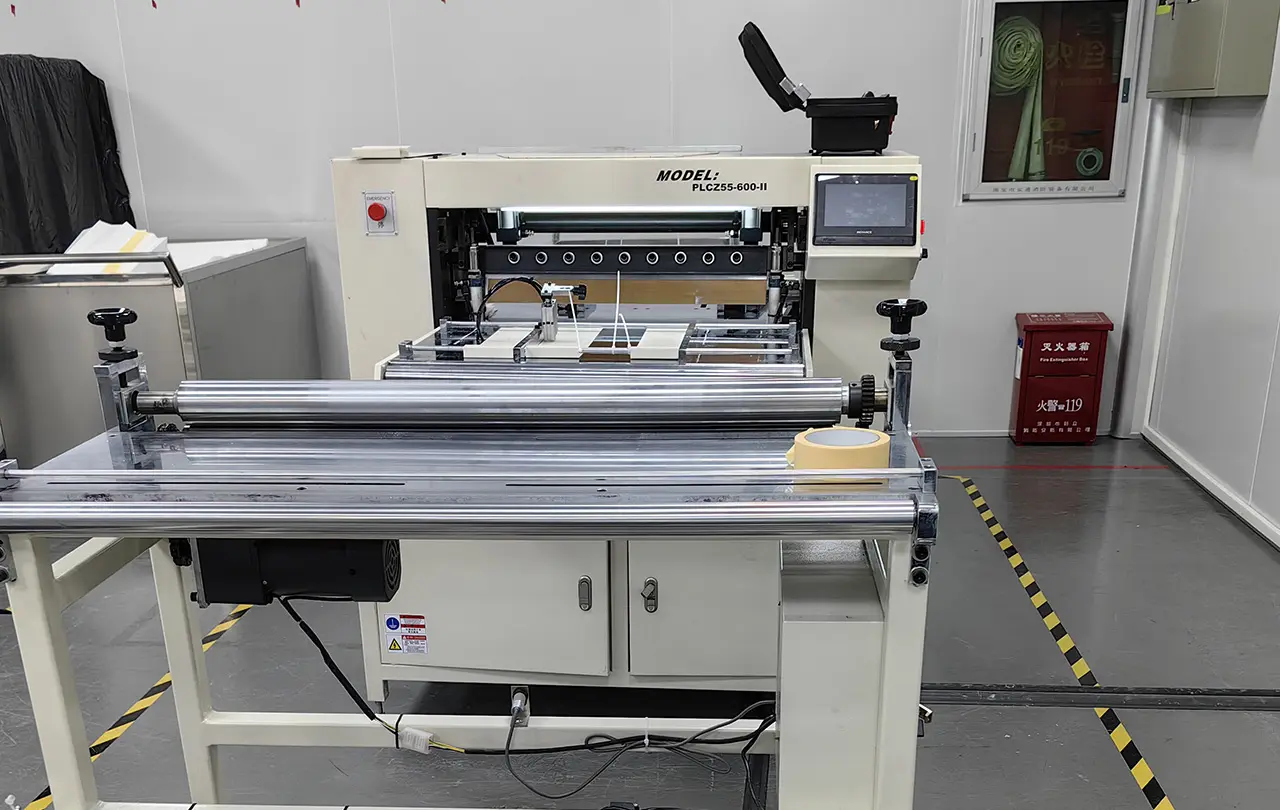
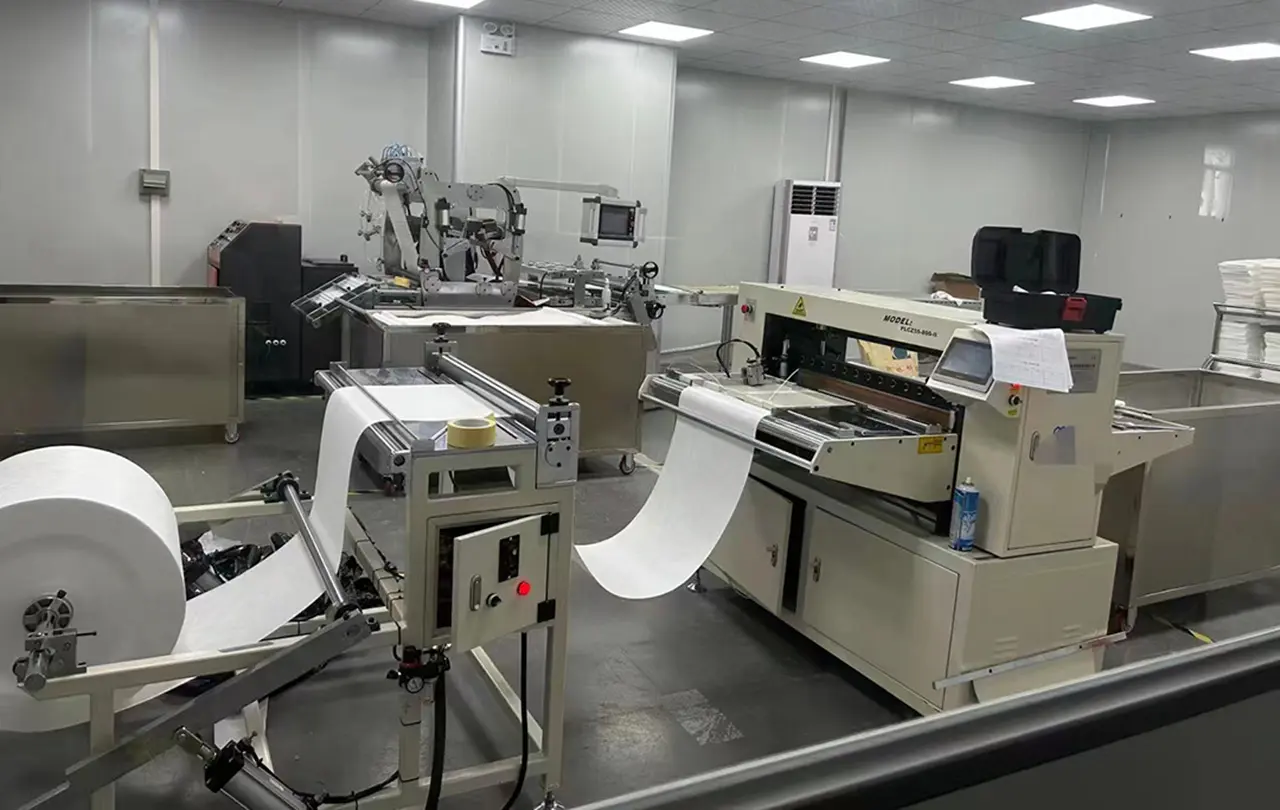
Integrating mechanical processing and dust-free environments to meet high technical standards.
Our programmable mini-pleat systems support custom pleat heights and spacing, helping to manage air distribution and minimize pressure drops for HVAC installations.
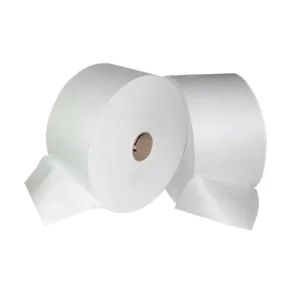
We apply high-voltage Corona charging to meltblown PP fibers. This approach adds a stable electrostatic charge that improves filtration efficiency for sub-micron particulates without increasing resistance.
All finished products are evaluated using particle counters and differential pressure systems, verifying conformance to EN 1822 and ISO 16890 standards before shipping.
A closer look at standard classifications, supply chain management, and regulatory compliance across markets.
Selecting appropriate filter fabrics requires alignment with global test standards. The transition from EN 779 (which classified filters simply as G1-G4, M5-M6, F7-F9) to ISO 16890 evaluates filters based on actual particulate size classes: PM1, PM2.5, and PM10. This transition helps engineering teams select media based on site-specific ambient dust challenges.
For high-efficiency applications, the EN 1822 standard (classes E10-E12, H13-H14, U15-U17) remains the baseline for cleanroom classification, defining efficiency at the Most Penetrating Particle Size (MPPS), typically between 0.1 and 0.25 microns.
Air filtration utilizes three main classes of filter media: Meltblown Polypropylene, which offers a balance of cost and efficiency for consumer and commercial HVAC; Fiberglass Paper, which provides high physical stability and heat resistance in cleanrooms; and Synthetic Non-Wovens (needled felt and thermal-bonded fibers), which are commonly used for pre-filtration and pocket filters.
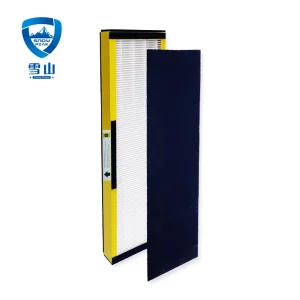
Integrating carbon compounds directly into non-woven matrices helps remove light organic gases without requiring bulky secondary filters, saving physical space in compact air handling systems.
Tailored configurations optimized to address specific local environmental conditions and dust characteristics.
Coastal and maritime installations must manage high humidity levels that can weaken standard fiberglass filters. In these environments, we recommend hydrophobic synthetic media and polymeric frames, which resist structural degradation in wet conditions.
For cities facing PM2.5 challenges, we supply composite media that combines a high-loft synthetic pre-filter layer with a fine meltblown particulate layer, preventing surface clogging and extending overall service life.
A look at upcoming developments in filtration materials, sustainable media, and smart tracking systems.
R&D focused on polylactic acid (PLA) and natural fiber-based composites to reduce single-use plastic disposal from spent filter elements.
Integrating sub-100nm polymer webs onto carrier substrates to provide high particle capture efficiency with lower air flow resistance.
Embedding printable sensor paths within the media to monitor local dust loading and communicate maintenance requirements in real-time.
Common questions regarding material selection, performance variables, and structural design.
These grades differ primarily in fiber density and thickness. G2 media uses open-structure synthetic fibers for large dust particles. G3 offers a denser weave for finer particulates, while G4 utilizes progressive-density configurations to trap particles as small as 10 microns, protecting high-efficiency secondary filters downstream.
Our filters combine physical micro-glass fibers with an antimicrobial agent integrated directly into the polymer matrix during manufacturing. This formulation disrupts viral envelope proteins upon contact, helping neutralize pathogens and prevent microbial growth on the media.
This sandwich design pairs mechanical particulate filtration with adsorption. The outer meltblown layers capture fine suspended dust, preventing the inner activated carbon granules from becoming coated and losing their gas-adsorption capacity. This arrangement helps maintain system lifespan and performance.
Proper pleat geometry maximizes the usable filter surface area within a given frame depth. Applying hot-melt separators at controlled intervals maintains uniform pleat spacing under airflow, preventing pleat collapse and local turbulence to help keep pressure drop low.
ISO 16890 requires manufacturers to specify performance across specific particle ranges (ePM1, ePM2.5, ePM10) instead of relying on a single average value. This enables procurement teams to match the media specifications directly to regional air quality data.
Gel Seal HEPA filters use a channel filled with a non-flowing, self-healing polyurethane gel. When pressed onto the mounting frame, the gel forms an airtight seal, eliminating the risk of air bypass that can occur with traditional neoprene gaskets over time.
Explore our industrial-grade HVAC, custom meltblown roll goods, and specialized photocatalytic structures.
 Snow Peak