Commercial, Industrial, and OEM Cleanroom Component Solutions
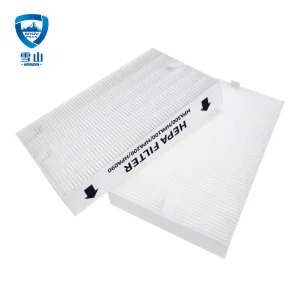
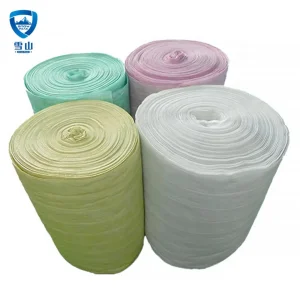
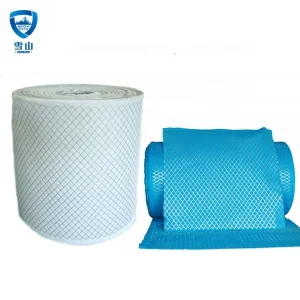
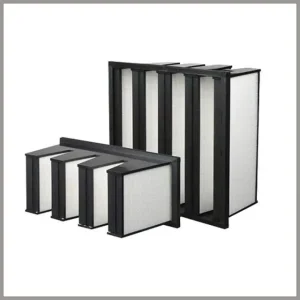
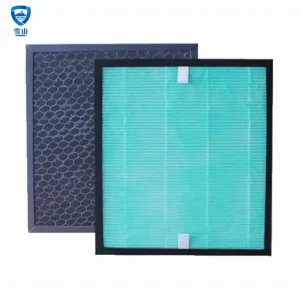
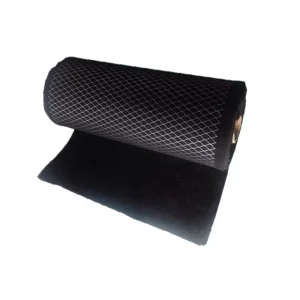
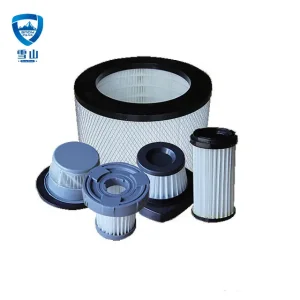
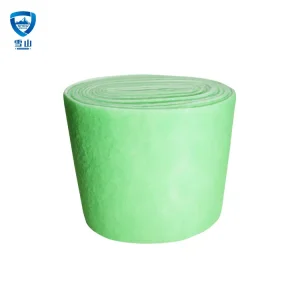
In modern industrial filtration systems, the air filter holder frame is not merely a structural container; it is the critical barrier that ensures the structural integrity and leak-free performance of cleanrooms, HVAC units, and biological containment facilities. In the context of global compliance standards (such as EN 1822 and ISO 29463), bypass air leakage is the primary cause of system-wide efficiency degradation. An air filter media roll or mini-pleated HEPA element can only function as designed if securely seated in an airtight, structurally sound containment frame.
Globally, the demand for high-strength, corrosion-resistant air filter holding frames is expanding rapidly. This growth is driven by heavy investment in semiconductor fabrication plants (fabs), pharmaceutical sterile production units, and the strict air emission guidelines imposed by environmental authorities. Industrial facilities require flexible holding frame assemblies (such as modular grid systems or individual mounting frames) that can withstand high face velocities, temperature fluctuations, and aggressive chemical cleanings. Choosing high-quality wholesale suppliers for customized filter frames is no longer a matter of basic utility sourcing, but a foundational engineering decision that directly impacts operational downtime and HVAC energy consumption.
Prevents air bypass and guarantees the true filtration efficiency rating of media under extreme differential pressure conditions.
Allows rapid replacement, simple configuration scaling, and fast retrofitting in existing air handling unit (AHU) cavities.
Engineered to meet ASHRAE 52.2, ISO 16890, and stringent GMP requirements for pharmaceutical processing plants.
The containment frame market is moving rapidly towards lightweight and modular constructions. Historically, heavy galvanized steel frames dominated the commercial landscape. Today, advanced metallurgy and polymer materials have revolutionized the options available to cleanroom designers.
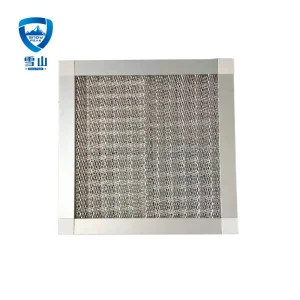
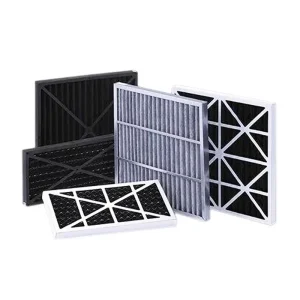
Key structural configurations in high demand include:
"According to industry-wide analysis, up to 15% of air purification inefficiency in multi-stage HVAC systems is caused by seal failure at the holding frame boundary, rather than the breakdown of the HEPA media itself. Investing in precision-tolerance, professionally engineered holder frames is essential to securing target containment efficiency levels."
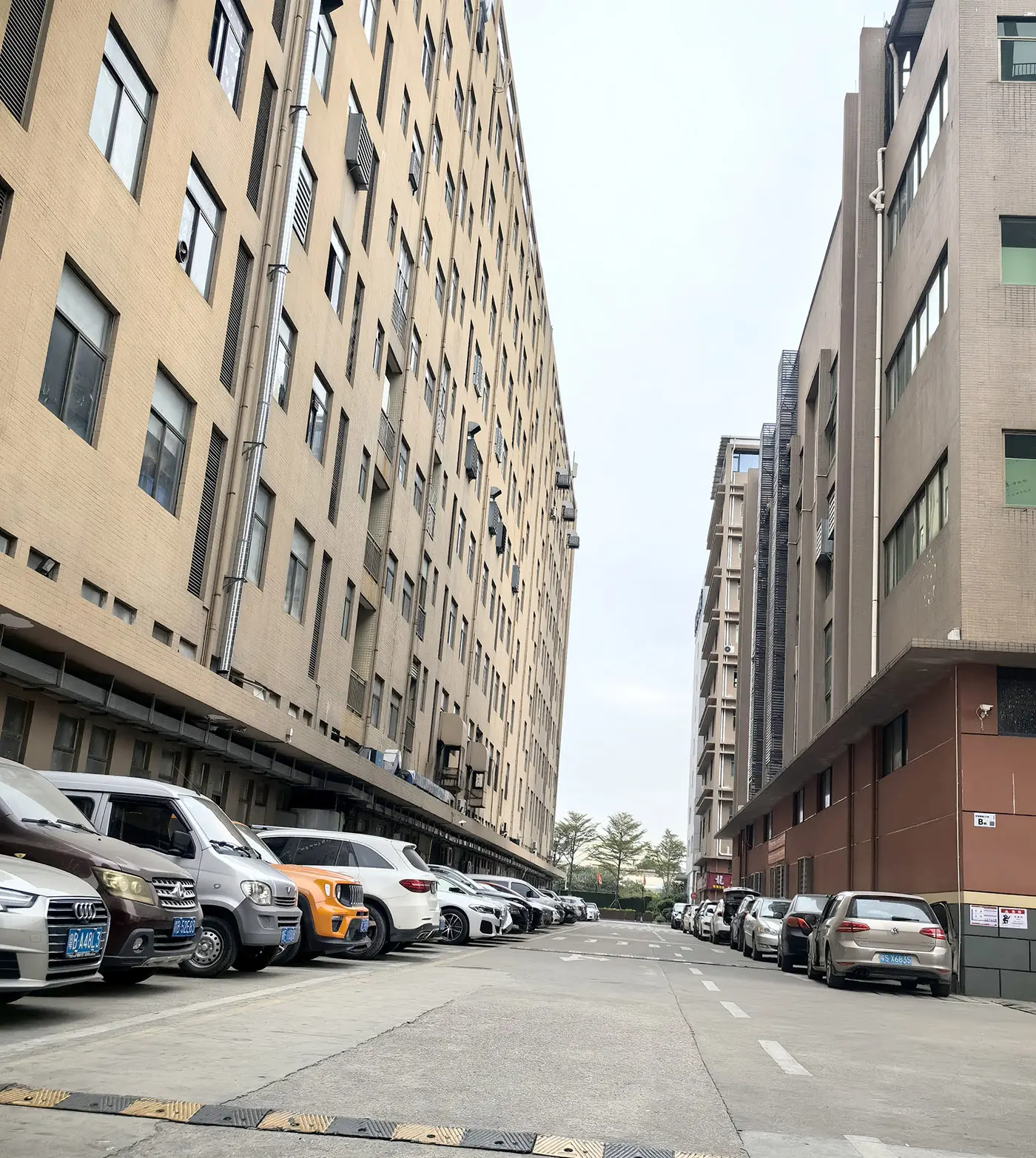
Shenzhen Snow Peak Clean Technology Co., Ltd. is an integrated high-tech enterprise, specialized in air filtration products research and development, production, sales, import and export trade. We produce and supply: Pre-filter, pocket filter, HEPA filter, chemical filter; replacement HEPA filter, car cabin air filter, humidifier filter; pocket filter media, melt-blown composite filter media, and other high-performance filter materials; provide high quality air purification solutions and products for indoor air pollution control and air conditioning systems of civil and industrial buildings, microelectronics, pharmaceutical, laboratory, school, hospital clean room etc.
Combined with our self-developed patented technology, our sterilizing antiviral HEPA filter can effectively filtrate fine particles, so that PM2.5 concentration down to 10 micrograms/m3, 5 times better than national standard; effectively inhibit the breeding of microorganisms, sterilization rate up to 99.9%, and no secondary pollution, removal of H1N1 virus efficiency as high as 99.99%.
High Quality Standards & Global Export Capabilities
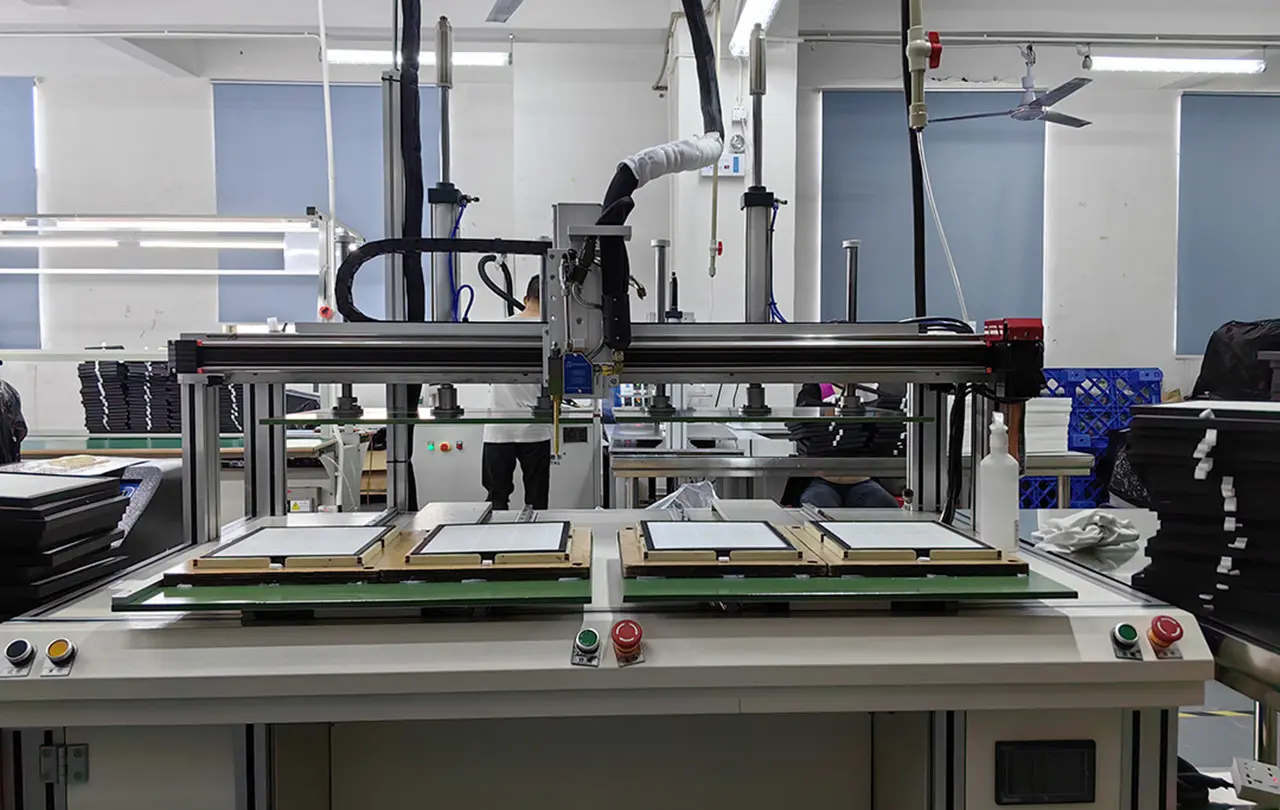
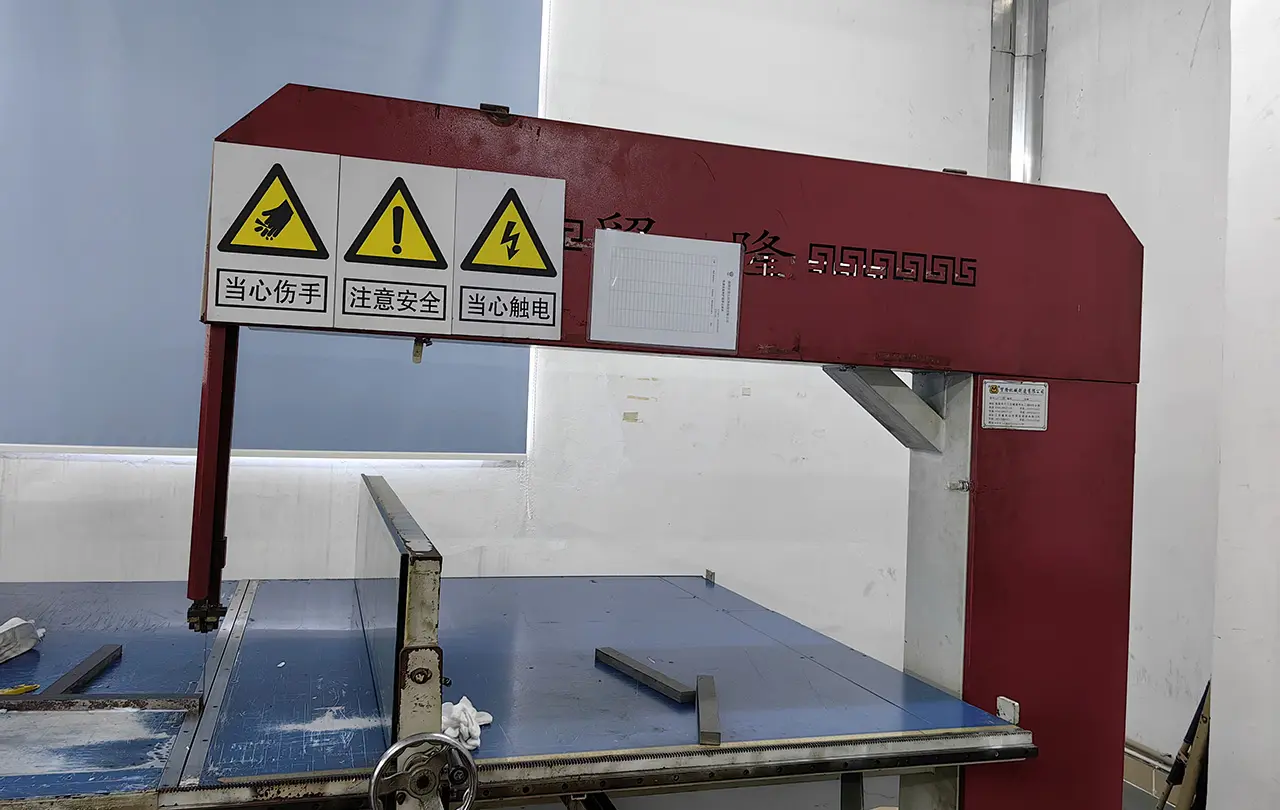
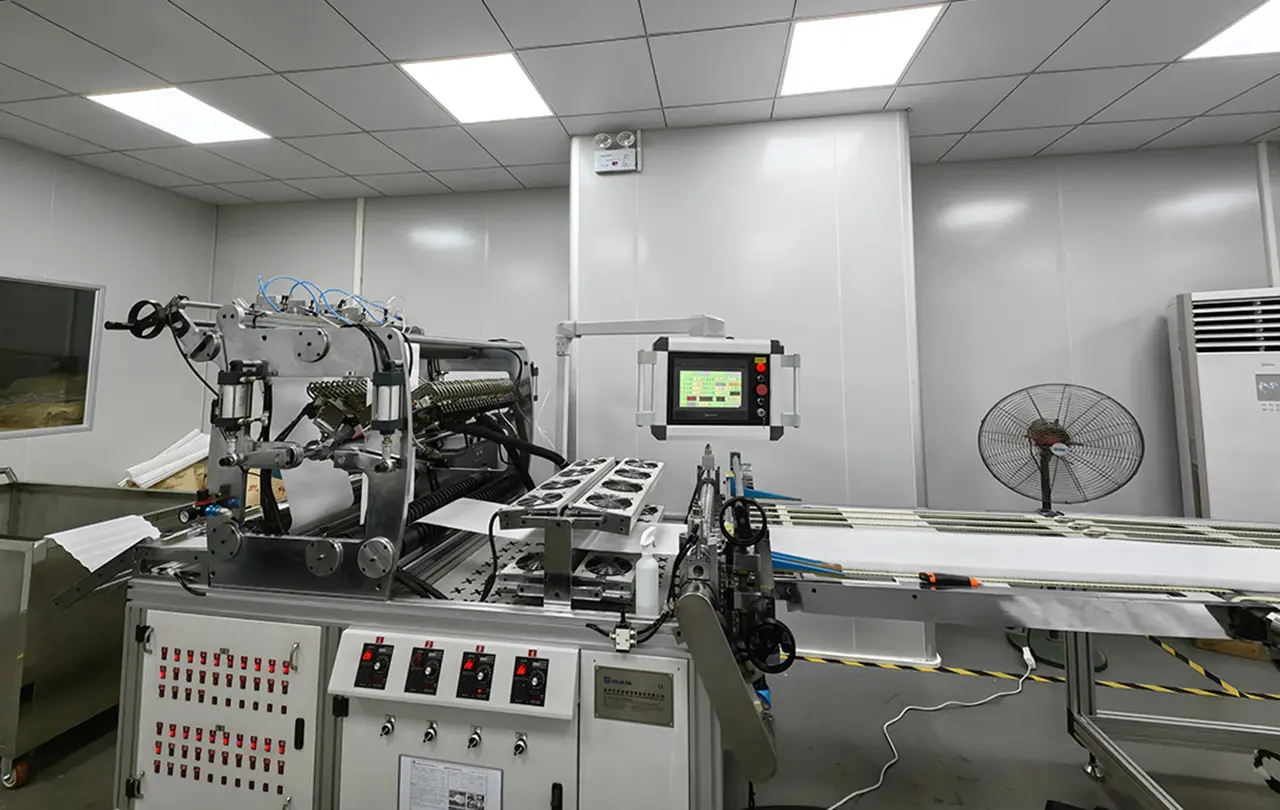
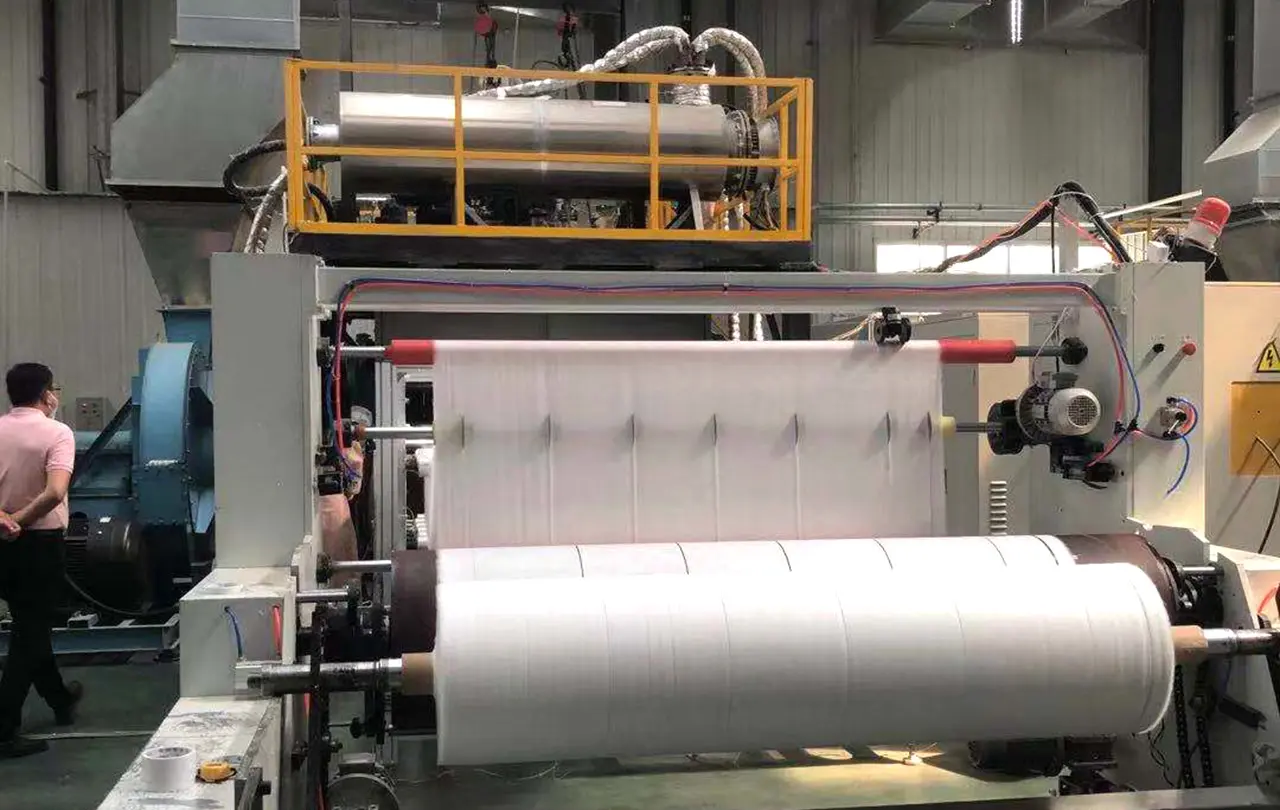
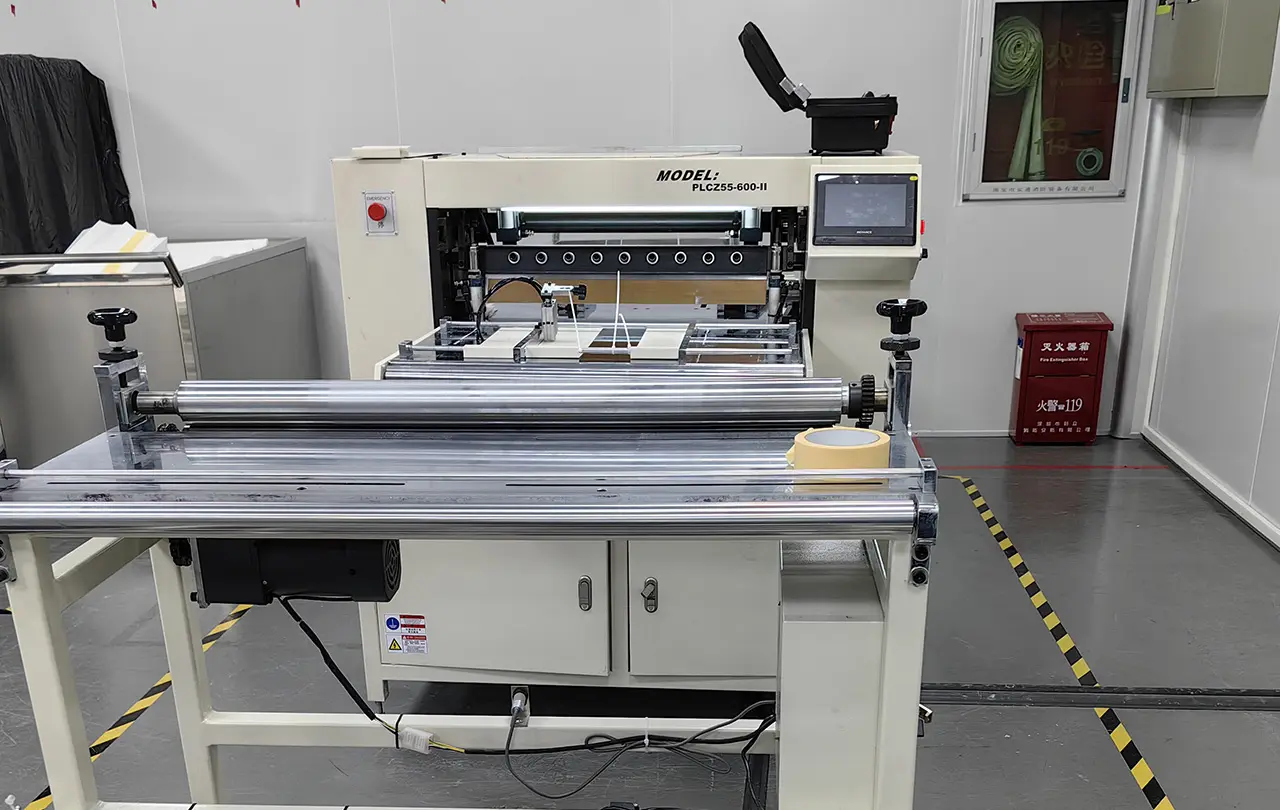
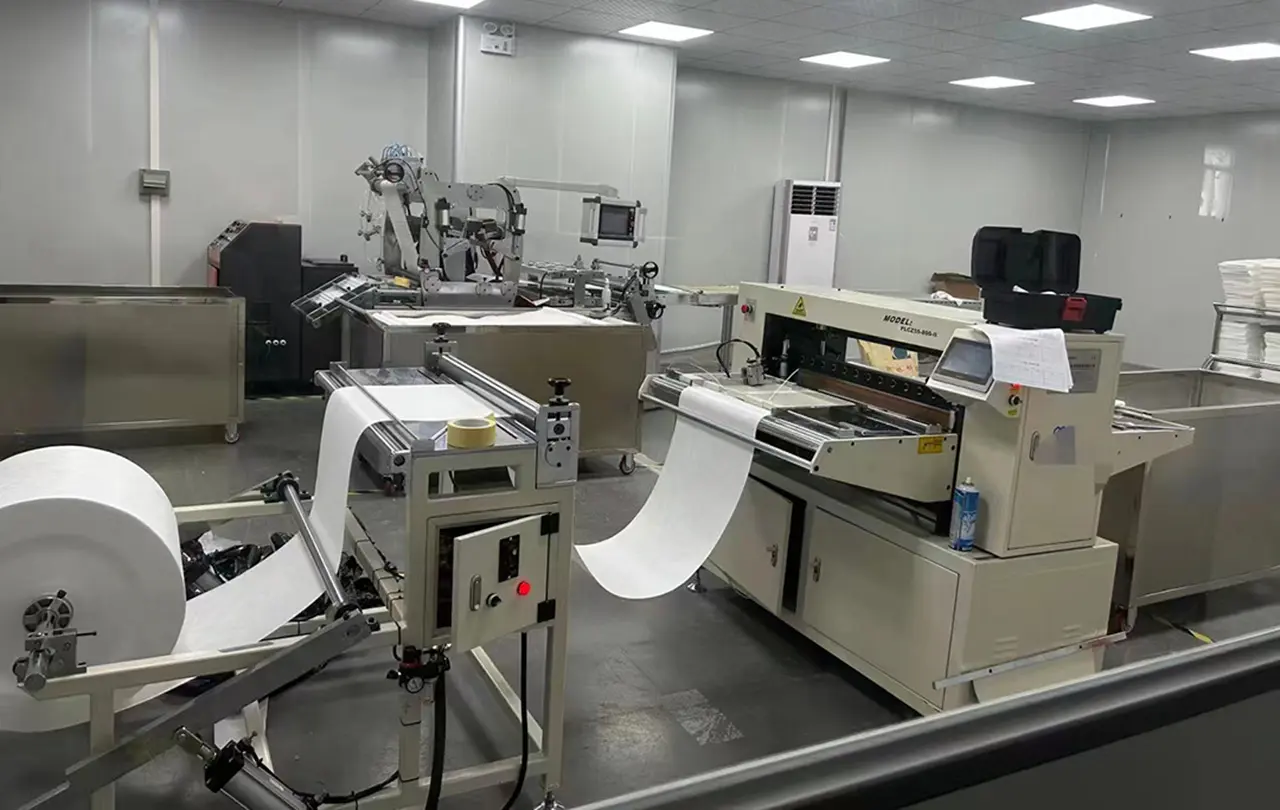
Having 15 years of international air purification technology experience as the background, our company has standardized production workshop, dust-free filter workshop and first-class technology of HEPA filters production line and inspection line, independent research and development of fully automatic air filter production line, equipped with AMADA CNC punch and CNC bending machine as well as many other advanced high-end equipment, provide a strong guarantee for production and quality of air filtration and purification products.
In the design of modern modular filter wall systems, the mechanism used to seal the filter element against the holder frame determines the overall system integrity. Wholesale suppliers offer three primary sealing categories, each optimized for specific applications:
Gasket seals represent the most common mechanics used in mechanical HVAC holdings. Standard materials include neoprene, EPDM, and polyurethane foams. The gasket is compressed against the holding frame seating surface via clamping screws, latches, or spring-loaded fasteners. Precise mechanical tensioning is critical: insufficient pressure causes bypass leakage, while over-tightening leads to gasket deflection and frame warping.
Gel seals utilize a self-healing polyurethane or silicone gel inside a perimeter channel on the filter frame. A knife-edge integrated into the holding frame penetrates the gel, forming an airtight, zero-bypass seal. Gel seals are highly reliable and widely used in cleanrooms, biopharma manufacturing, and microelectronics facilities because they tolerate micro-deflections without breaking the seal.
Reverse gel seals place the liquid gel channel inside the holding frame structure itself, while the knife-edge is built onto the filter's media containment rim. This configuration is commonly utilized in top-loading, ceiling-ducted HEPA filter terminals.
The implementation of air filter holder frames varies by geographical region and local environmental regulations:
Commercial, Industrial, and OEM Cleanroom Component Solutions
Procuring industrial-grade air filter holder frames requires careful attention to system specifications and structural tolerances. To ensure peak performance, engineering teams should follow this systematic verification checklist during the design phase:
By sourcing from experienced manufacturers like Shenzhen Snow Peak Clean Technology Co., Ltd., industrial facility managers gain access to precision-engineered frame components designed for high structural durability and reliable sealing under demanding operational conditions.
Holding frames prevent bypass leakage through precision physical sealing interfaces. The frame features a flat, continuous sealing surface or a knife-edge profile. When clamping mechanisms press the filter's gasket or gel channel against this surface, it forms an airtight seal. This structure ensures all incoming air passes through the filter media, maintaining the overall filtration efficiency of the system.
The ideal material depends on the operating environment:
- Extruded Aluminum: Best for microelectronics and standard cleanrooms due to its light weight, structural strength, and resistance to corrosion off-gassing.
- Galvanized Steel: A cost-effective choice for standard commercial HVAC systems with low chemical exposure.
- Stainless Steel (304/316): Ideal for pharmaceutical, medical, and marine applications that undergo aggressive chemical sanitization (e.g., VHP cycles) or face corrosive air environments.
Gasket seals rely on physical compression of an elastomeric material (like neoprene or PU foam) and require high-tension mechanical clamps. Fluid/gel seals use a liquid-like silicone or polyurethane gel channel that receives a knife-edge flange from the holding frame. Gel seals provide an airtight, zero-bypass seal with lower mechanical clamping pressure, making them the preferred choice for high-integrity HEPA/ULPA systems.
Yes. Many individual holder frames are designed to bolt together into modular array configurations. This allows engineering teams to construct large-scale filter walls or bank structures inside air handler units (AHUs) or cleanroom plenums without requiring heavy custom-welded structural supports.
If a holding frame deflects under high pressure, the compression on the filter gaskets can become uneven, creating bypass leaks. To compensate for this bypass and maintain cleanroom particulate standards, systems often run fans at higher velocities, increasing overall energy usage. A rigid, structurally sound frame prevents deflection, helping maintain uniform pressure drop and system efficiency.
 Snow Peak