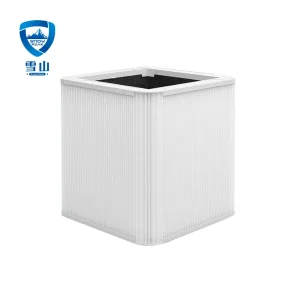
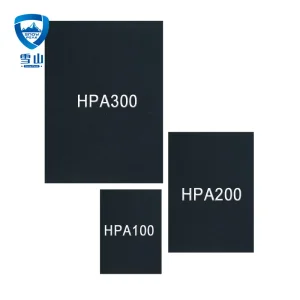
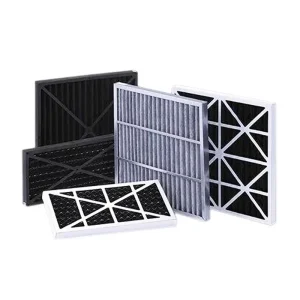
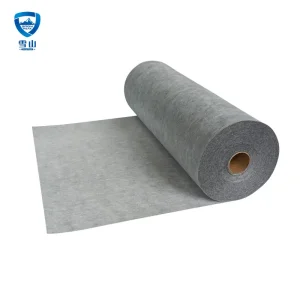
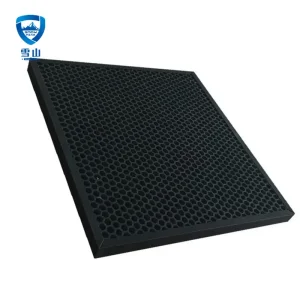
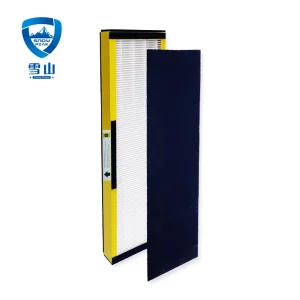
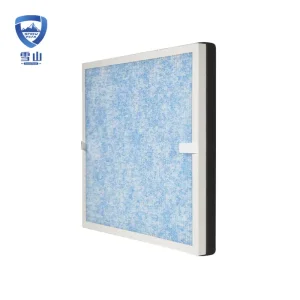
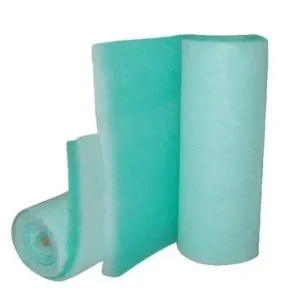
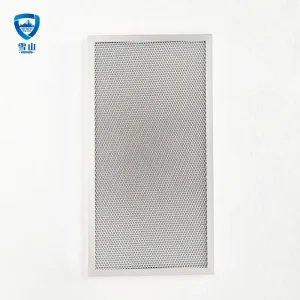
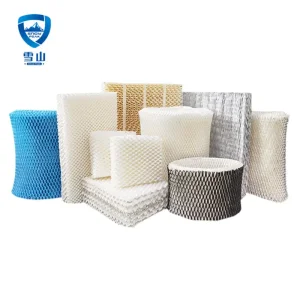
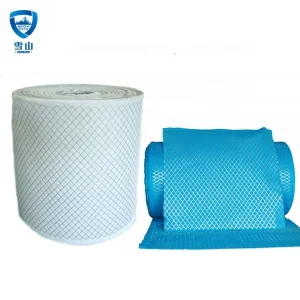
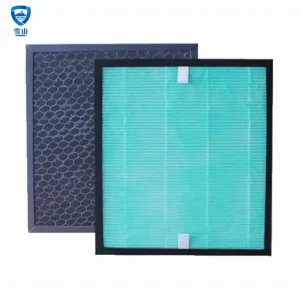
In modern commercial ventilation design, managing gas-phase contaminants and volatile organic compounds (VOCs) requires robust molecular filtration technology. Airstream charcoal filters operate at the critical intersection of fluid dynamics and physical chemistry. Known as adsorption filters, these systems do not simply block particles mechanically; instead, they capture gaseous molecules via Van der Waals forces inside an intricate network of microscopic pores.
For procurement managers and original equipment manufacturers (OEMs), choosing a wholesale airstream charcoal filter manufacturer is not merely about finding a vendor. It requires aligning with an engineering partner who understands the relationship between target gas profiles, linear face velocities, and breakthrough times. From controlling formaldehyde emissions in recreational vehicle interiors to scrubbing toxic chemical fumes in industrial microelectronics cleanrooms, optimal filter configuration determines the efficiency of the entire air handling system.
This white paper explores the core variables of activated carbon manufacturing, evaluates selection parameters for international buyers, and outlines the technology roadmap shaping the next generation of chemical air filtration.
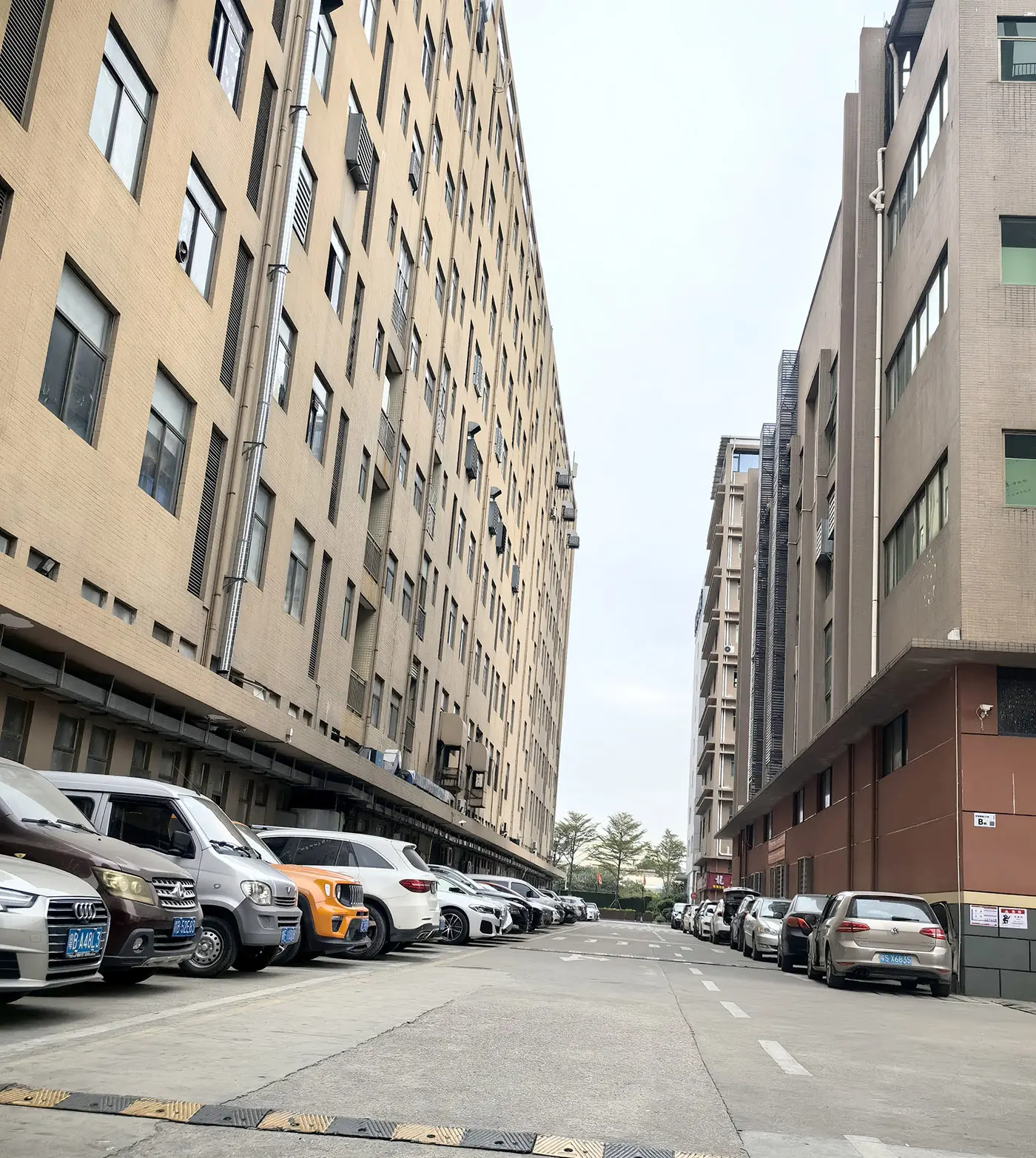
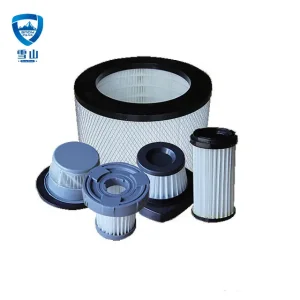
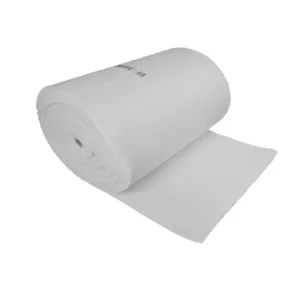
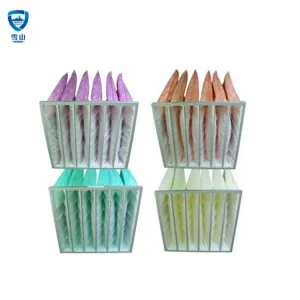
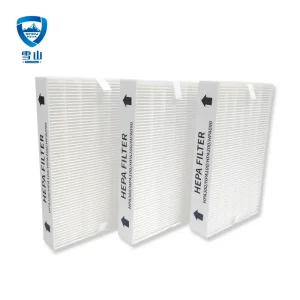
Shenzhen Snow Peak Clean Technology Co., Ltd. is an integrated high-tech enterprise, specialized in air filtration products research and development, production, sales, import and export trade. We produce and supply: Pre-filter, pocket filter, HEPA filter, chemical filter; replacement HEPA filter, car cabin air filter, humidifier filter; pocket filter media, melt-blown composite filter media, and other high-performance filter materials; provide high quality air purification solutions and products for indoor air pollution control and air conditioning systems of civil and industrial buildings, microelectronics, pharmaceutical, laboratory, school, hospital clean room etc.
Combined with self-developed patented technology, our sterilizing antiviral HEPA filter can effectively filtrate fine particles, so that PM2.5 concentration down to 10 micrograms/m³, which is 5 times better than the national standard. It effectively inhibits the breeding of microorganisms, yielding a sterilization rate up to 99.9% with zero secondary pollution, and shows a removal efficiency for H1N1 virus as high as 99.99%.
Having 15 years of international air purification technology experience as the background, our company has standardized production workshops, dust-free filter workshops and first-class technology of HEPA filters production lines and inspection lines. Supported by the independent research and development of fully automatic air filter production lines, and equipped with AMADA CNC punch and CNC bending machines as well as many other advanced high-end equipment, we provide a strong guarantee for the production capacity and quality of air filtration and purification products.
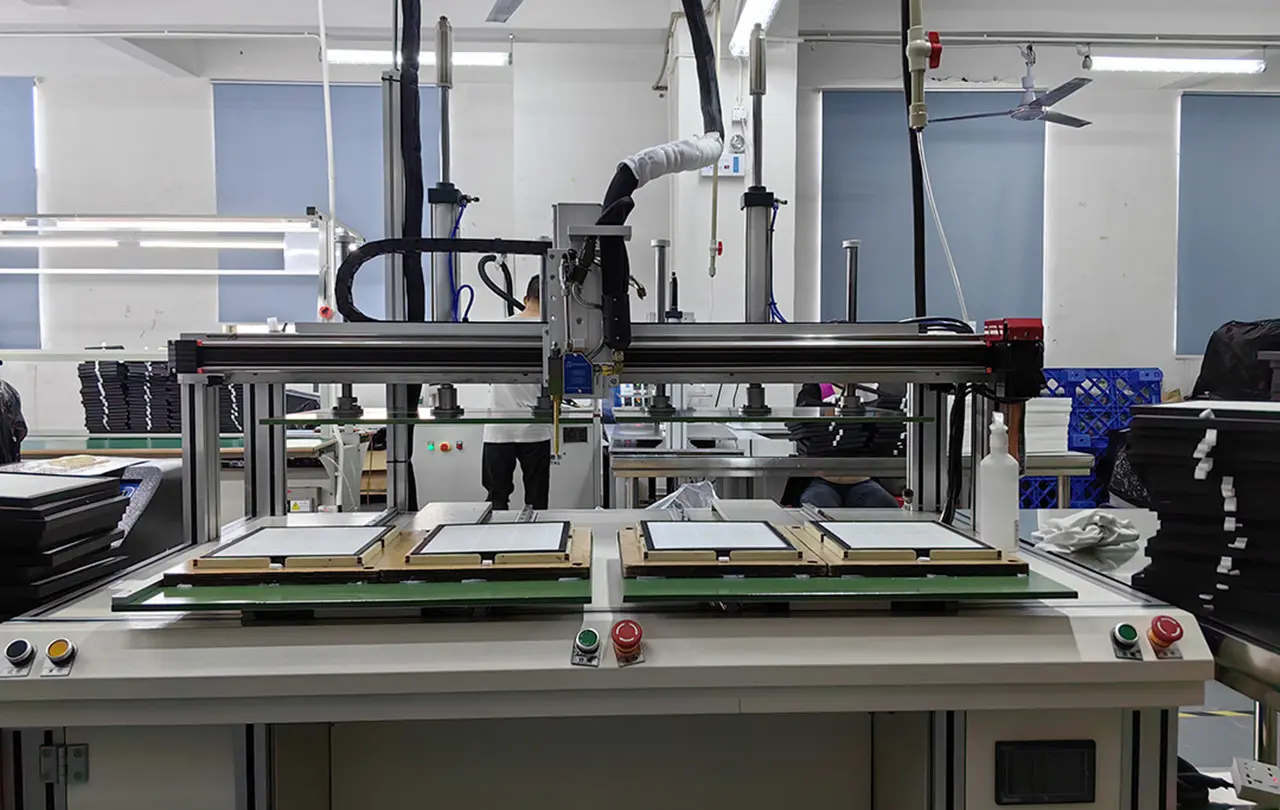
Controlled, automated adhesive dispensation to secure uniform boundary seals without bypass gaps.
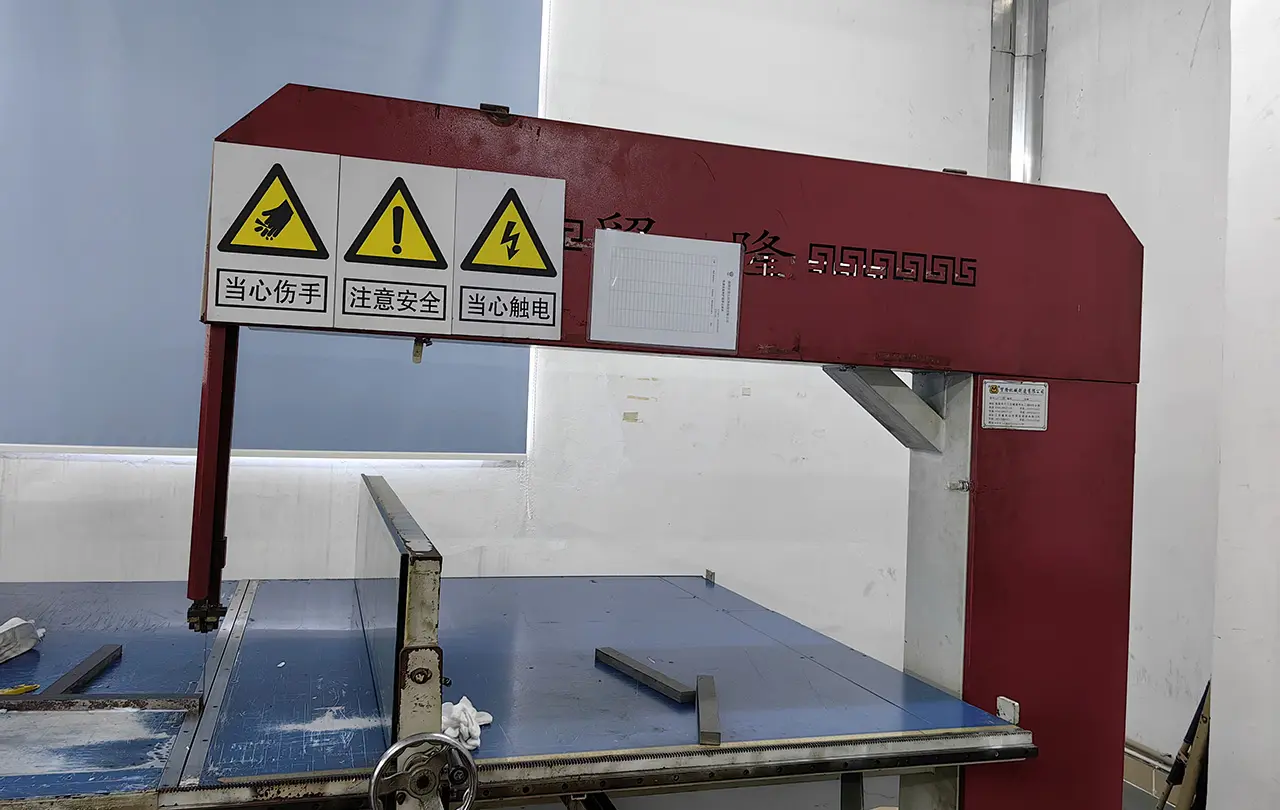
High-tolerance digital cutting equipment that maintains exact dimensions for quick installation housing fits.
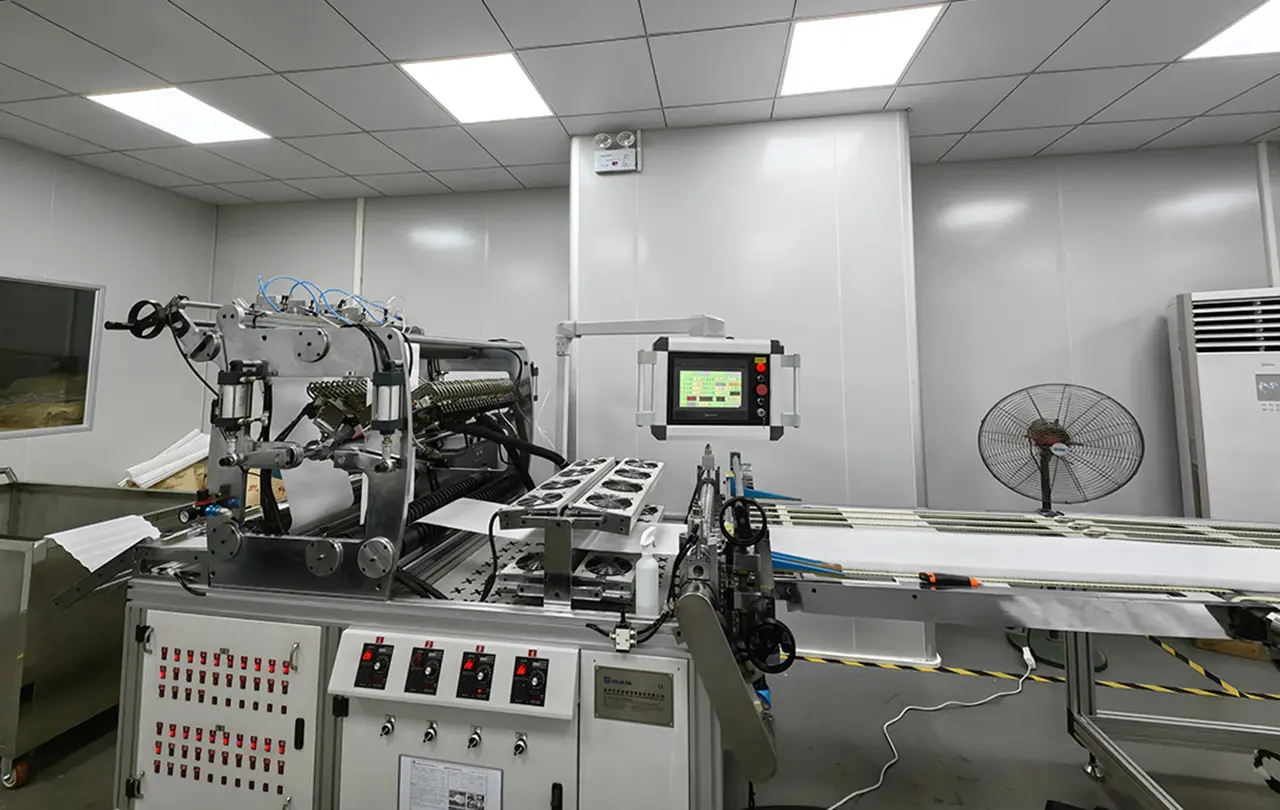
Applying customized hot-melt and polyurethane formulas designed for low outgassing characteristics.
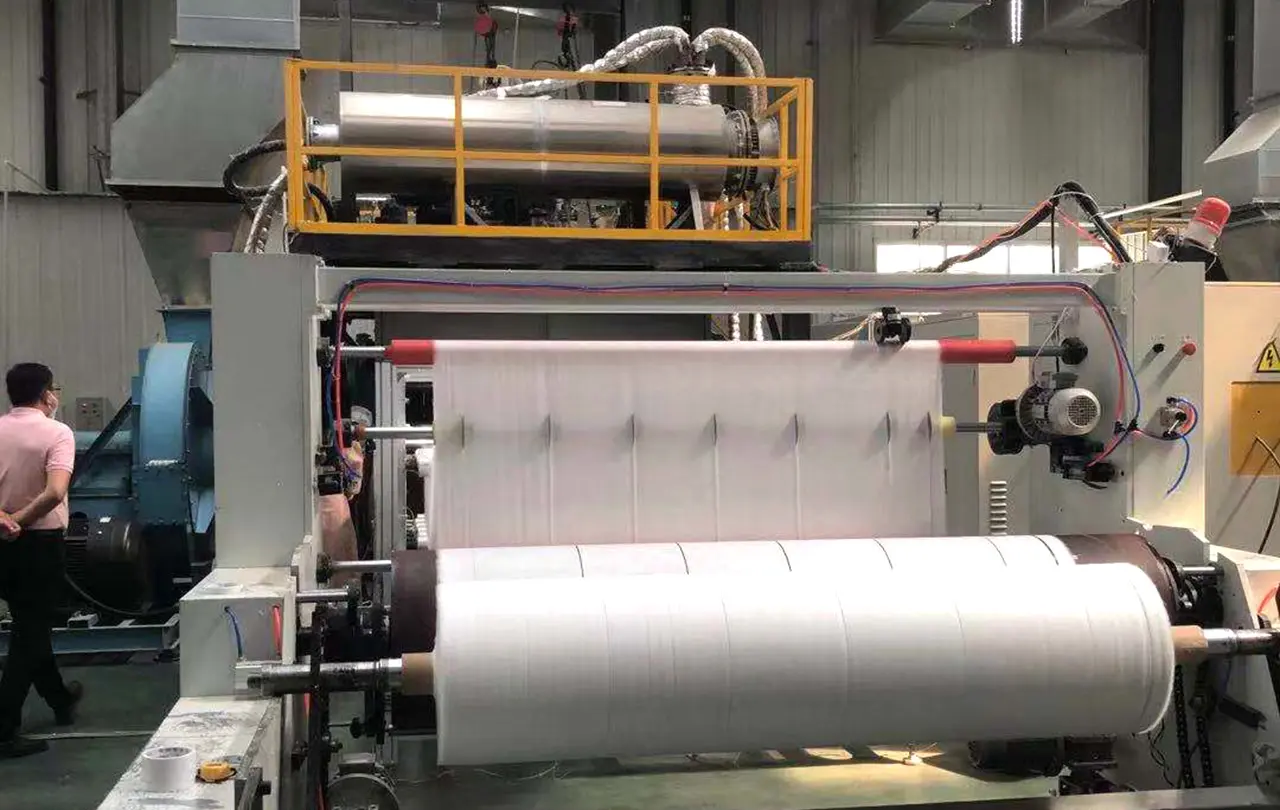
Laminating multilayered active carbon sheets with structural scrims for optimal physical stability.

Uniform pleat spacing control to ensure lower pressure drop and maximized particulate capture surface area.
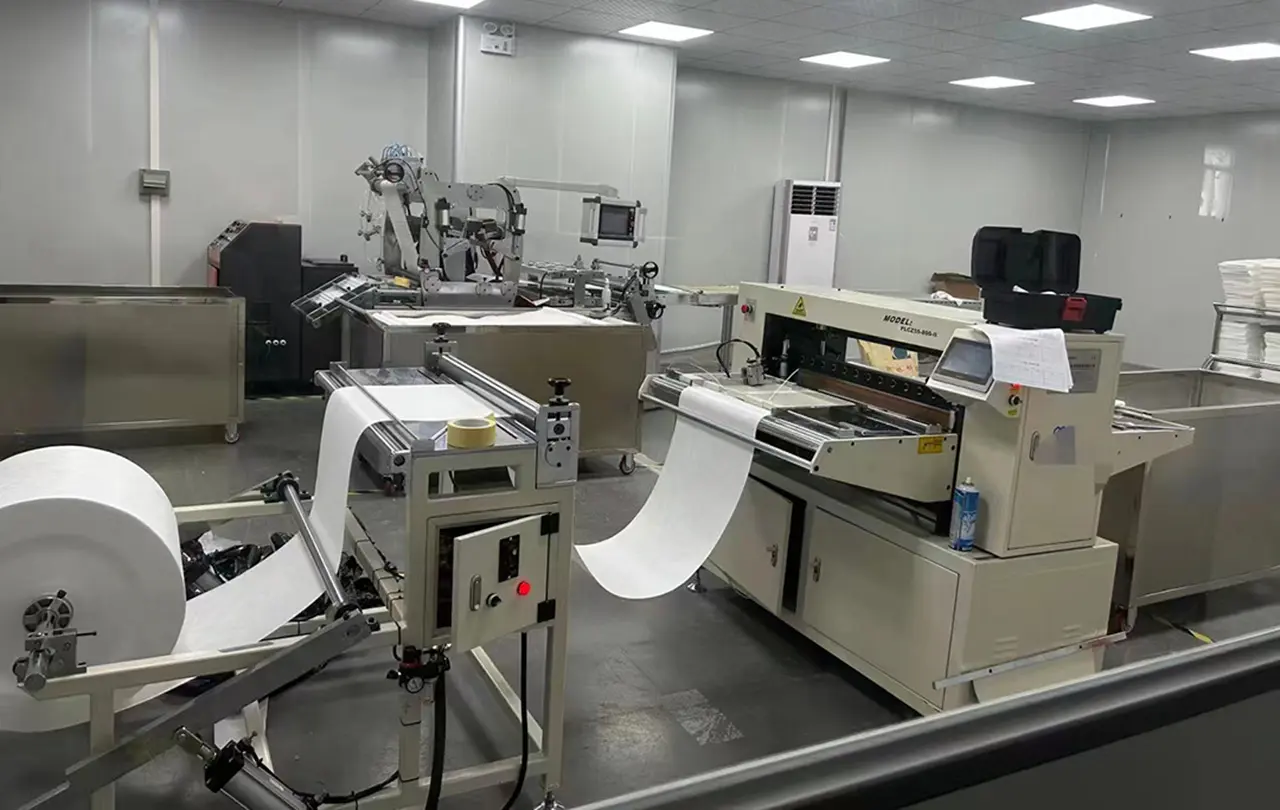
Thermal pleat lock application prevents pleat collapse under high dynamic air velocities.
The global chemical filtration landscape is undergoing a significant transition. Regulatory updates, such as the European Union's stricter limits on indoor air formaldehyde and VOC levels, are compelling commercial buildings and industrial operators to adopt multi-stage filtration solutions. Traditional particulate-only filtration is no longer sufficient; molecular-level clean air is now standard practice.
Several key developments are driving changes in B2B procurement strategies for Airstream charcoal filters:
Combining high-activity carbon with high-efficiency particulate air (HEPA) layers. This allows a single device to trap PM2.5, neutralise pathogens, and adsorb complex organic gases simultaneously.
Raw activated carbon has limits. Using chemically impregnated carbon media (such as KOH or phosphoric acid) enables chemisorption, which captures highly volatile compounds like ammonia, sulfur oxides, and formaldehyde.
Global enterprises are shifting toward renewably sourced carbon media, such as coconut shells. These offer higher micropore volume (up to 95%) and superior iodine values compared to coal-based alternatives.
Selecting a professional molecular filtration supplier requires evaluating specific physical and performance parameters to ensure compatibility with your HVAC designs and local air handling units:
1. Carbon Tetrachloride (CTC) Adsorption Rating: The key metric indicating overall pore volume. Premium commercial charcoal filters require a CTC value of at least 60% to ensure sustained volatile organic compound (VOC) removal over extended operational periods.
2. Iodine Value (mg/g): Measuring the adsorption capacity of micropores smaller than 2 nm, an iodine number between 950 and 1150 mg/g is optimal for lightweight gaseous compounds. This range balances carbon density with dynamic gas capture capabilities.
3. Initial Pressure Drop (ΔP): Adding a molecular filter to an airstream increases resistance. Advanced designs, such as pleated carbon sandwich panels or aluminum honeycomb grids, keep resistance low (typically < 80 Pa at a face velocity of 2.5 m/s), reducing energy use in fan systems.
4. Hardness and Dust Release: High mechanical hardness (minimum 95% ball-pan hardness) is required to prevent the active carbon media from shedding dust into clean airflow lines under continuous vibration.
Every application has a unique contamination profile. Modern ventilation systems require customized gas-phase filtration setups to handle these varying demands:
Engineered for large shopping centers, airports, and corporate offices. These custom panels remove outdoor pollutants, traffic fumes, and carbon dioxide by-products while maintaining high airflow rates.
Protects sensitive wafer processing steps from Airborne Molecular Contamination (AMC). Uses custom chemical filters to capture trace amounts of acids, bases, and condensables down to parts-per-trillion levels.
Engineered for space-constrained airstreams where filters must withstand continuous shock and vibration. These capture blackwater tank odors, exhaust fumes, and outgassing from interior adhesives.
The molecular air filtration industry is moving toward smart, adaptive technologies. Traditional carbon filters require scheduled manual replacements because they lack a way to indicate when they are saturated. Shenzhen Snow Peak Clean Technology Co., Ltd. is currently researching methods to integrate micro-sensors directly into filter frames. This allows for real-time monitoring of organic gas concentrations and alerts users when breakthrough is reached.
Another major area of focus is the development of regenerable filter medias. Photocatalytic TiO2 layers can break down adsorbed VOC molecules when exposed to UV light, which helps extend the operating lifespan of the carbon substrate.
Finally, reducing environmental impact remains a key priority. Our manufacturing team is working on water-soluble binder systems that replace organic solvent-based adhesives. This helps lower emissions during production and supports global decarbonization goals.
Operating globally means meeting different regulatory standards in each region. We offer fully compliant products backed by certificates that match your local market requirements:
 Snow Peak